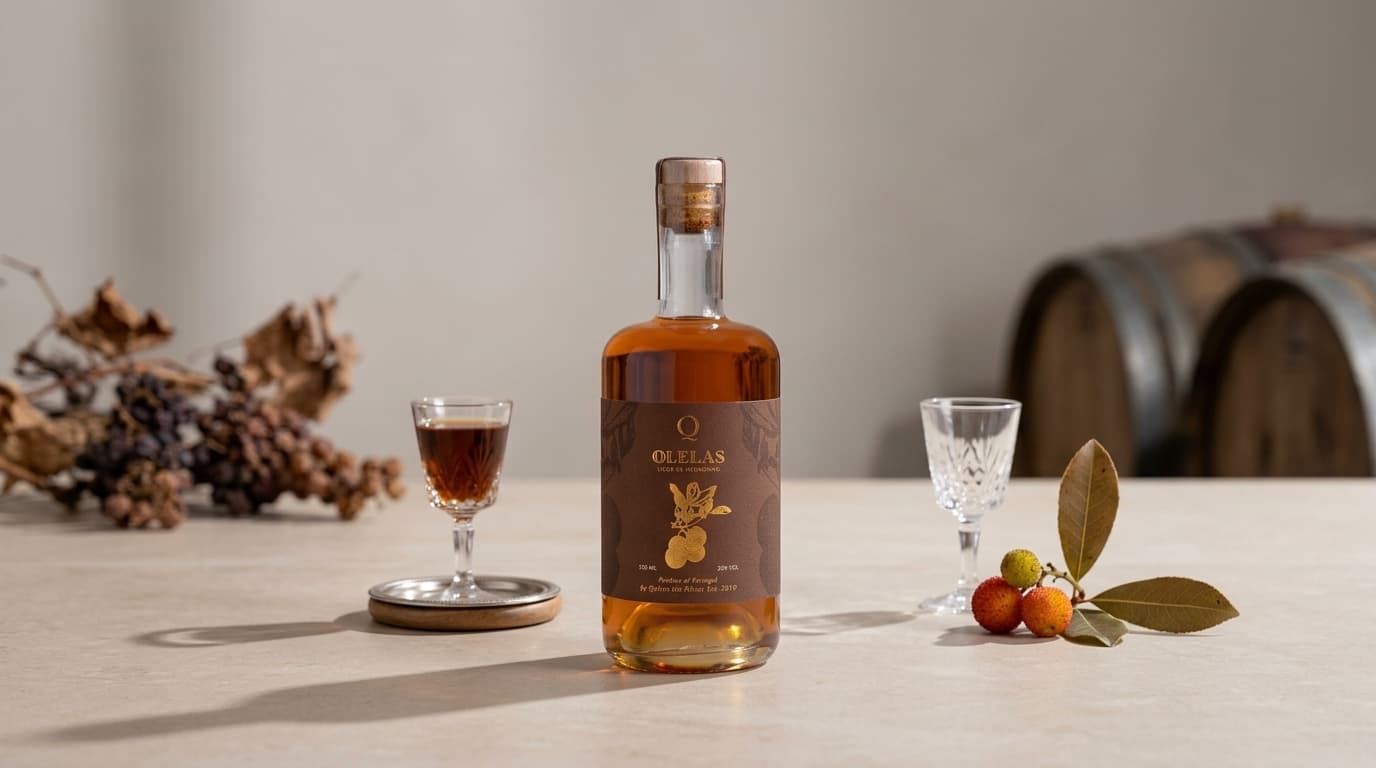
Licor de Medronho
Traditional spirits and liqueurs from Castelo Branco and Beira Baixa, produced from local fruits, herbs and other regional ingredients.

Portugal's flavours, place by place.
THE FOOD CATALOGUE
Dishes, sweets and drinks connected to the places whose traditions they belong to. Fully researched entries open their own editorial page.
Traditional spirits and liqueurs from Castelo Branco and Beira Baixa, produced from local fruits, herbs and other regional ingredients.
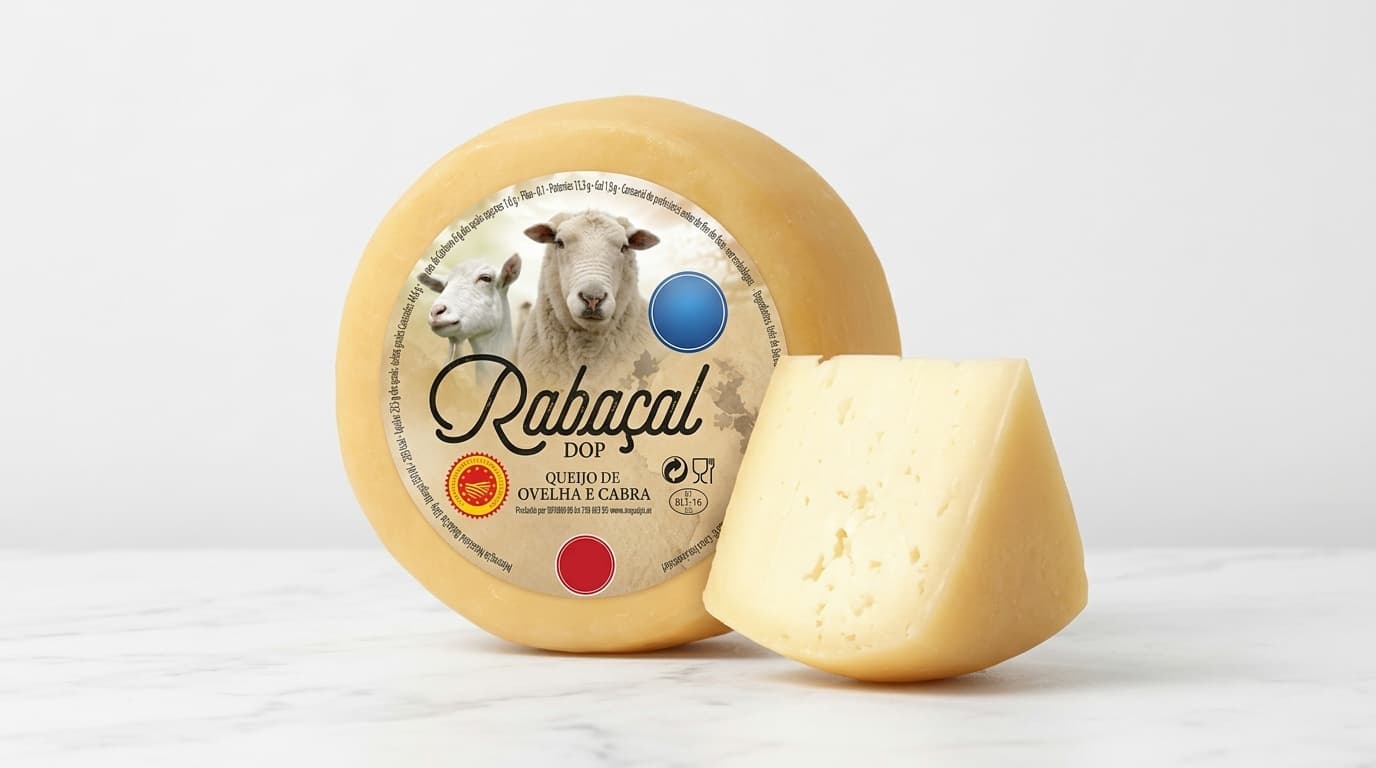
A traditional PDO cheese from the Rabaçal region, made from a mixture of sheep’s and goat’s milk and known for its distinctive aromatic flavour.
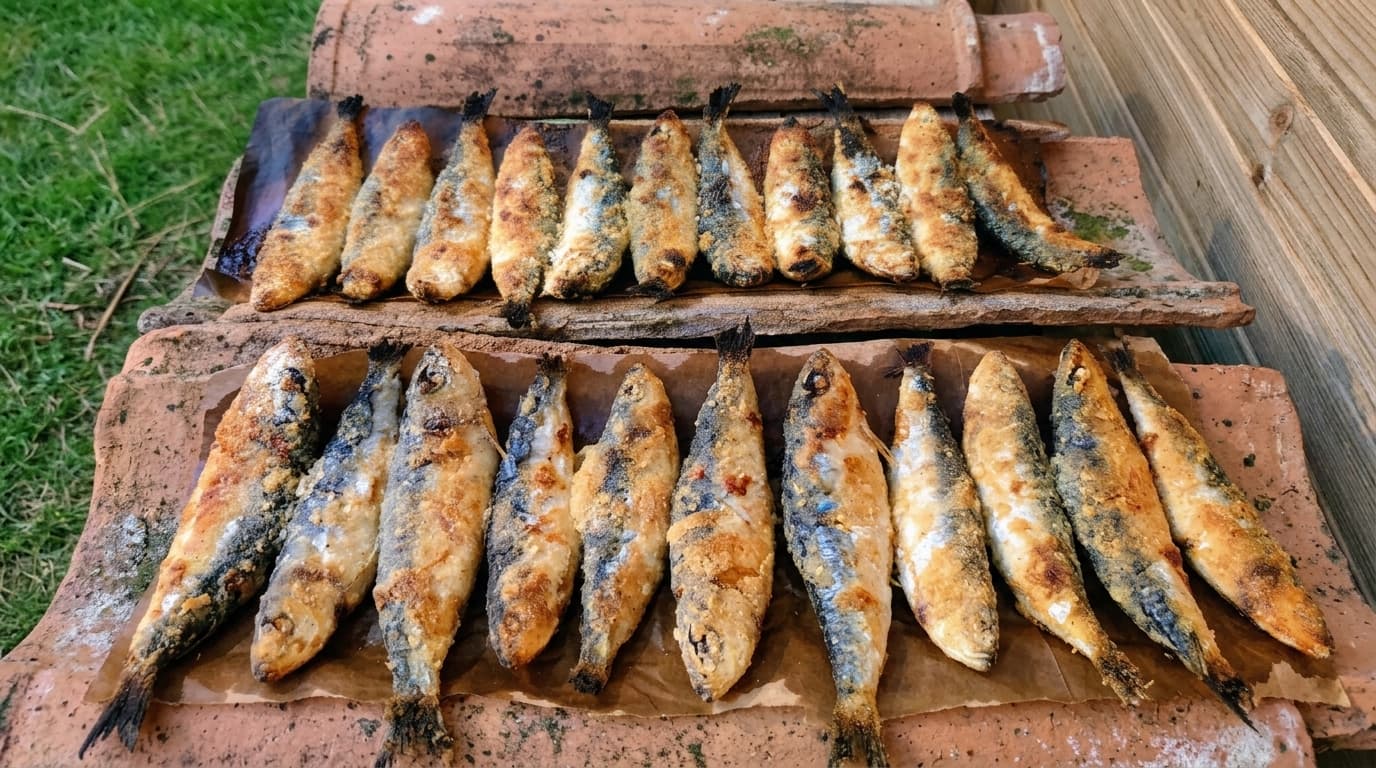
A traditional dish from the Gândara region in which sardines are roasted on a clay roof tile.
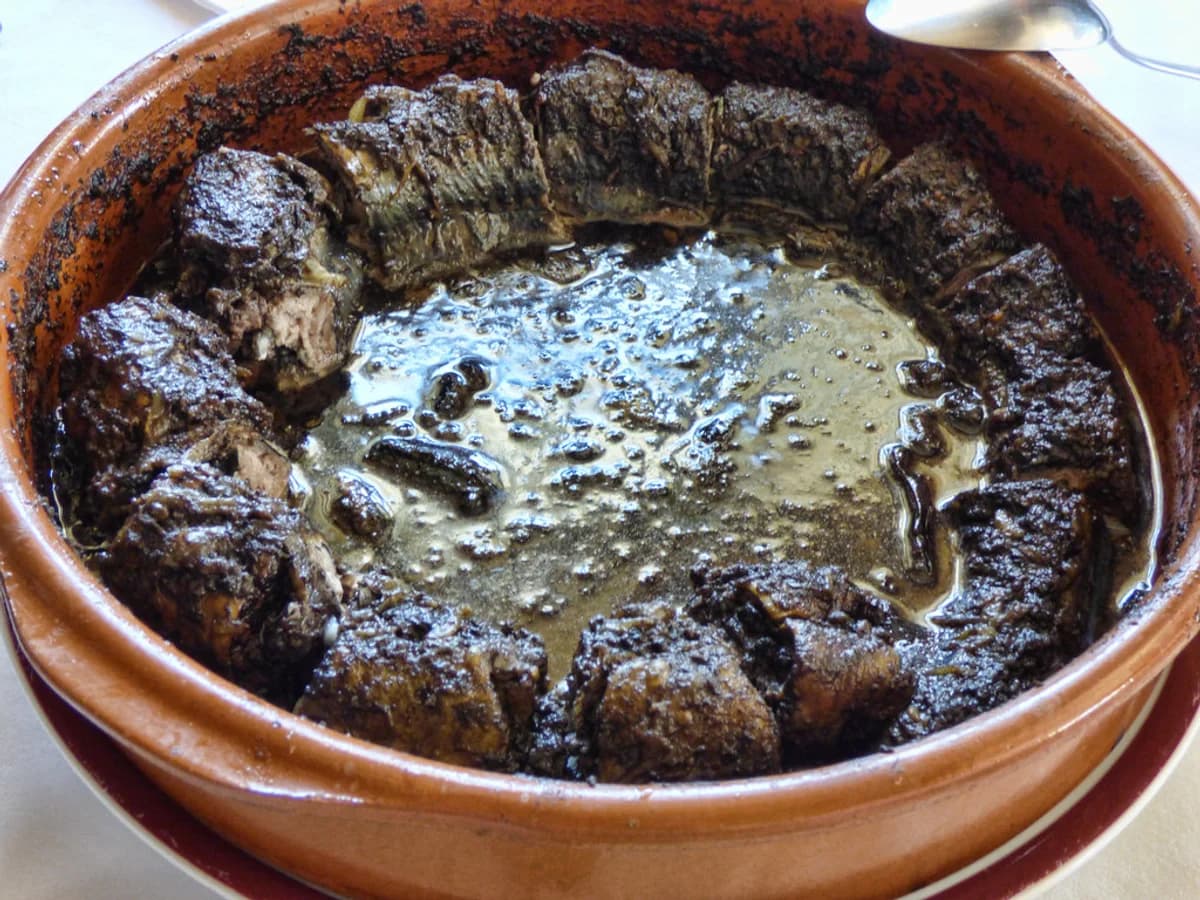
Traditionally prepared with rice or Bordeaux-style, especially during its season.
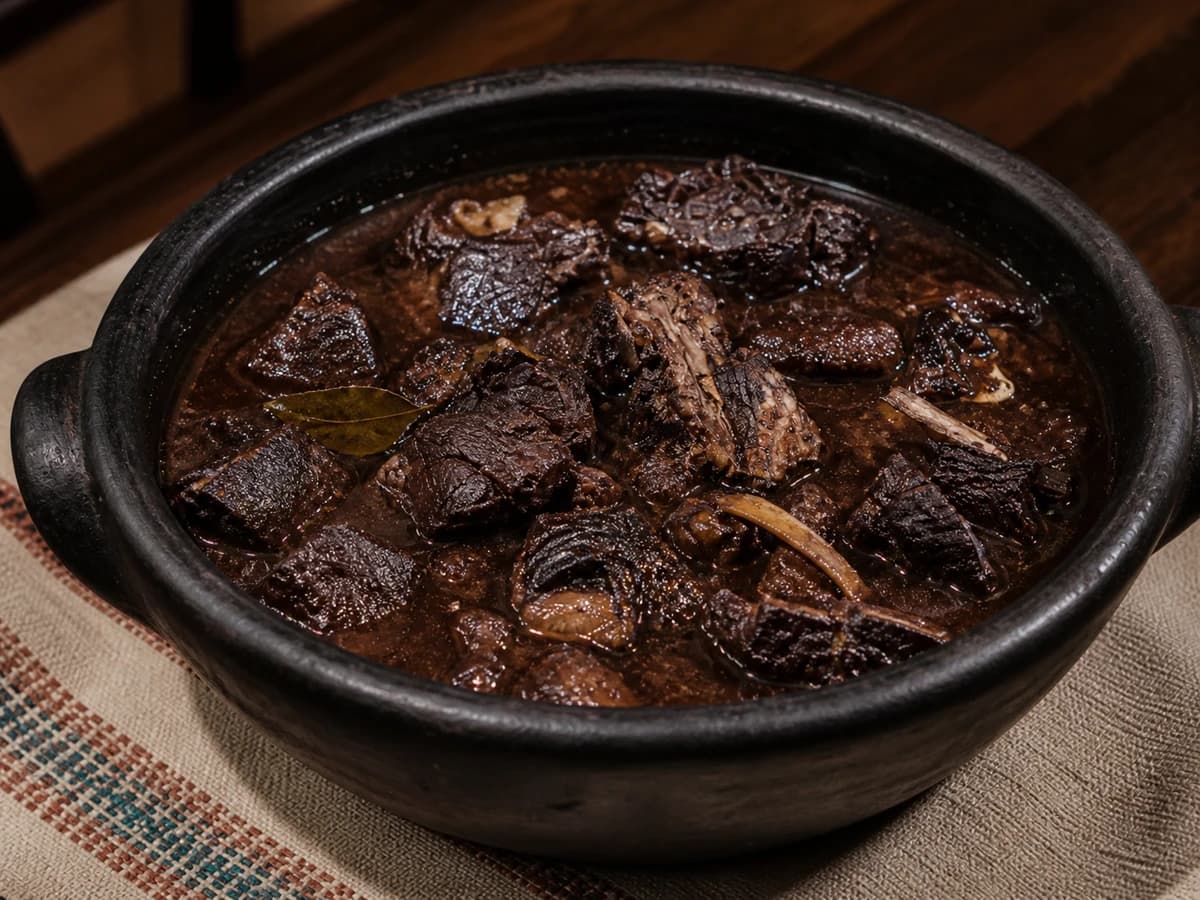
Older goat slowly cooked in red wine, traditionally in a black-clay pot—one of the Coimbra region’s most emblematic dishes.
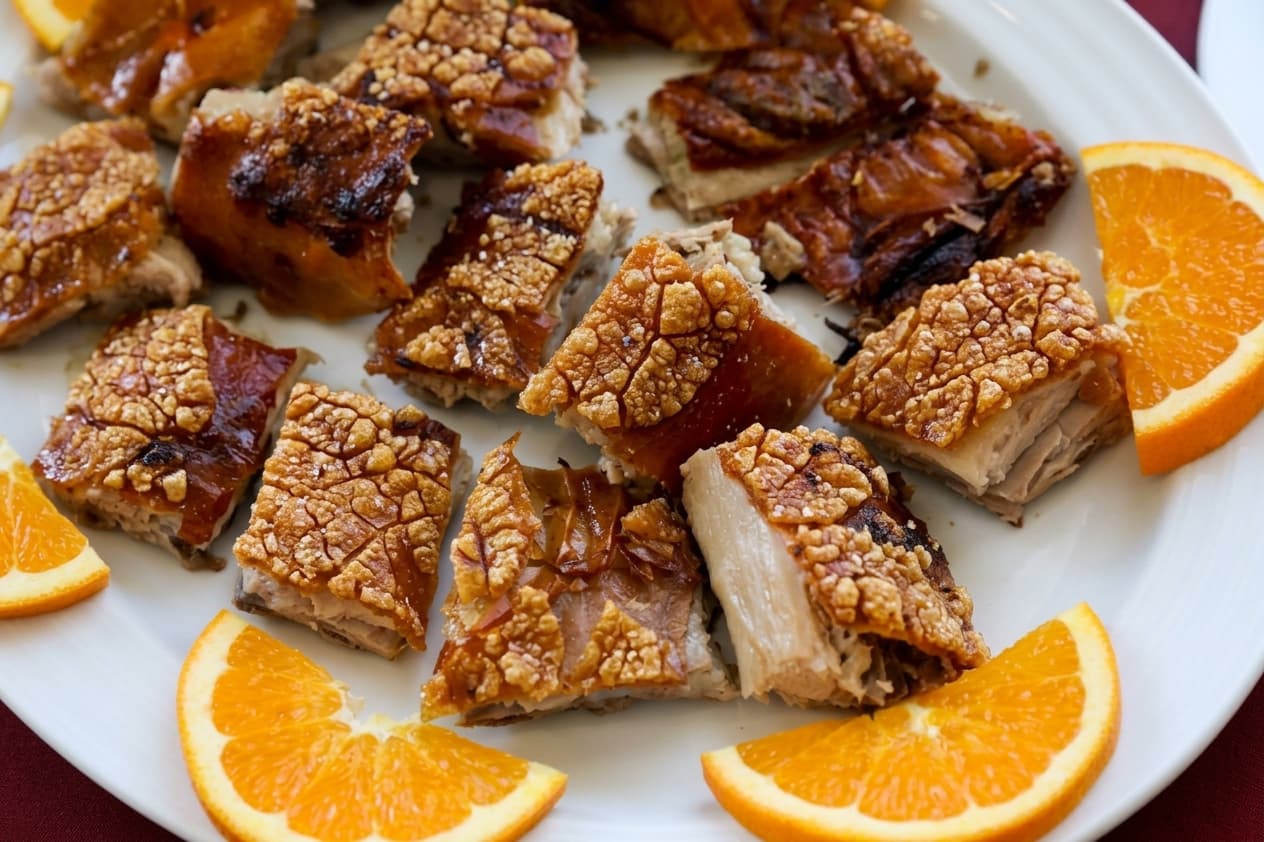
Widely found in the region, especially in Bairrada to the north of Coimbra.
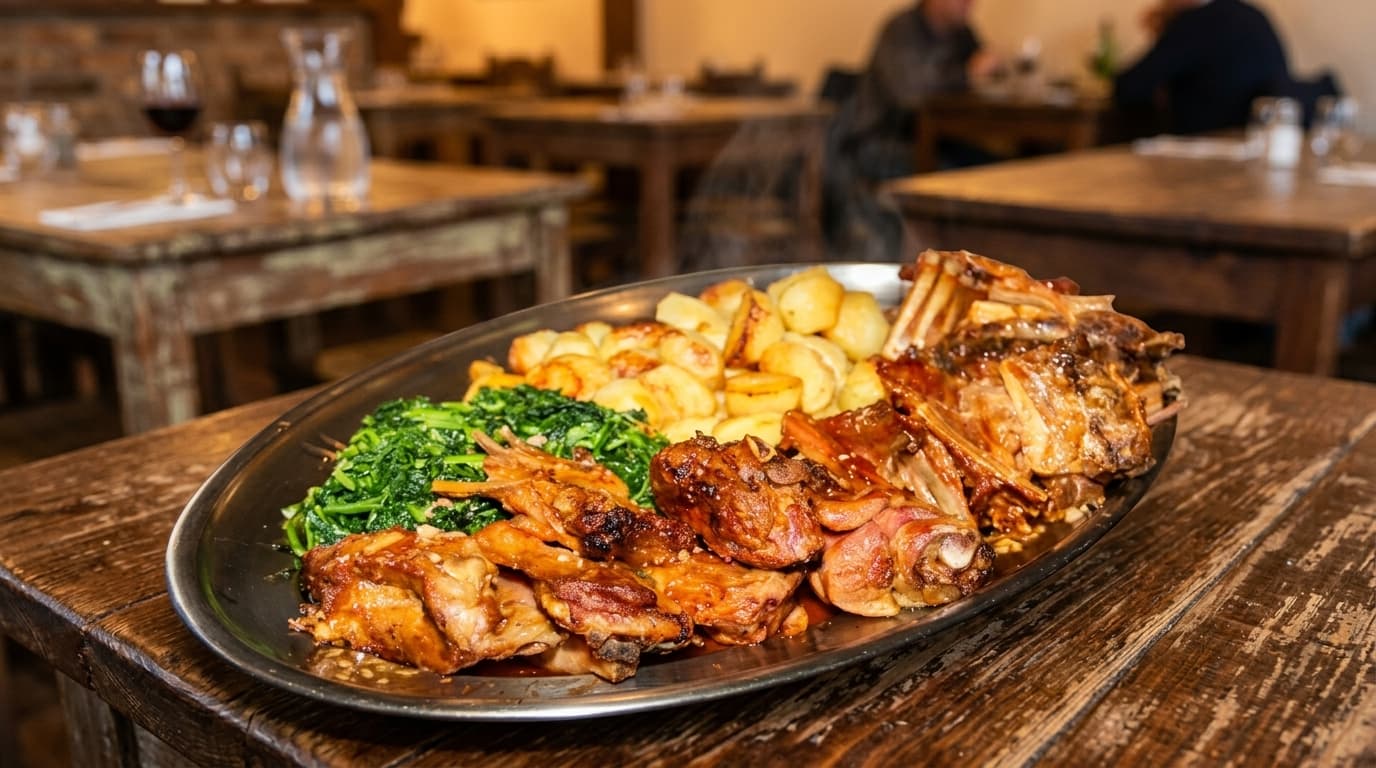
Kid goat roasted in the oven with potatoes, typical of regional cooking.
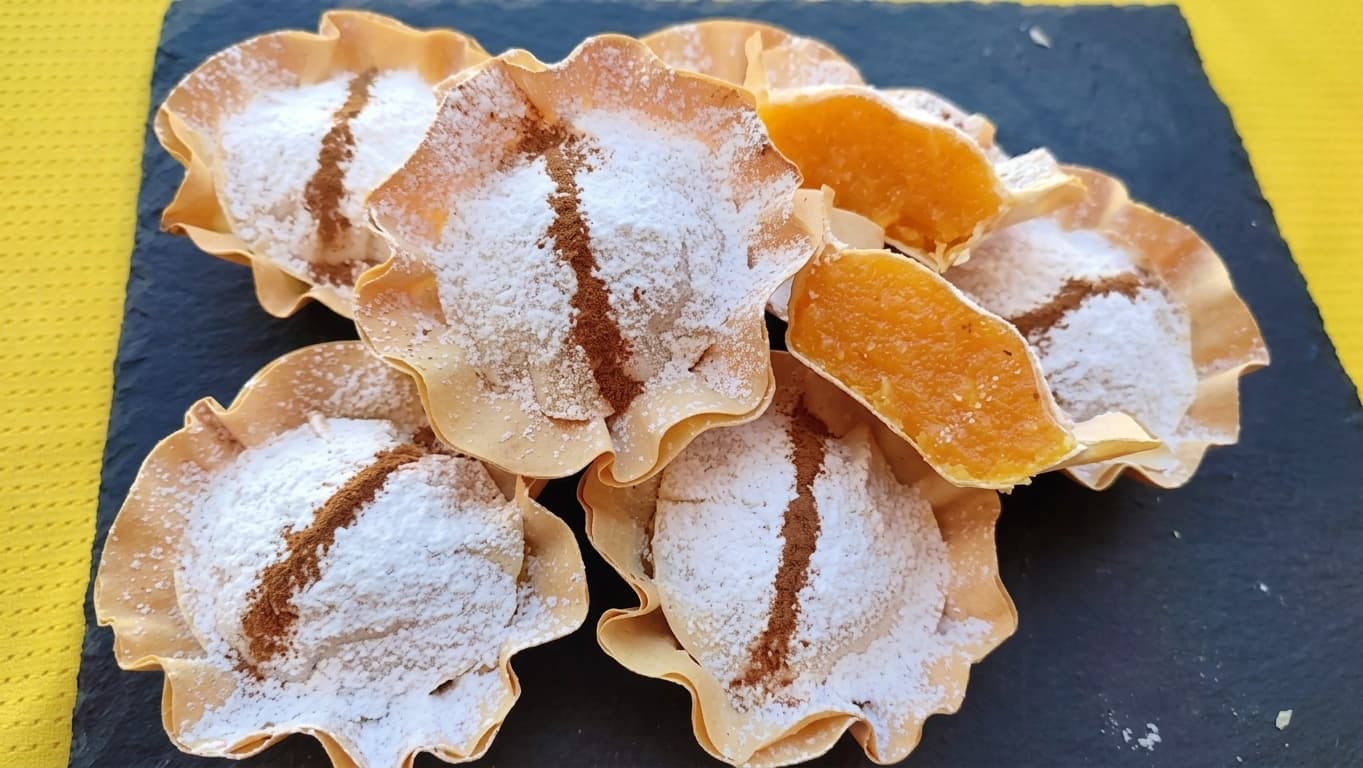
An emblematic Coimbra convent sweet with delicate pastry and an egg-and-almond filling.
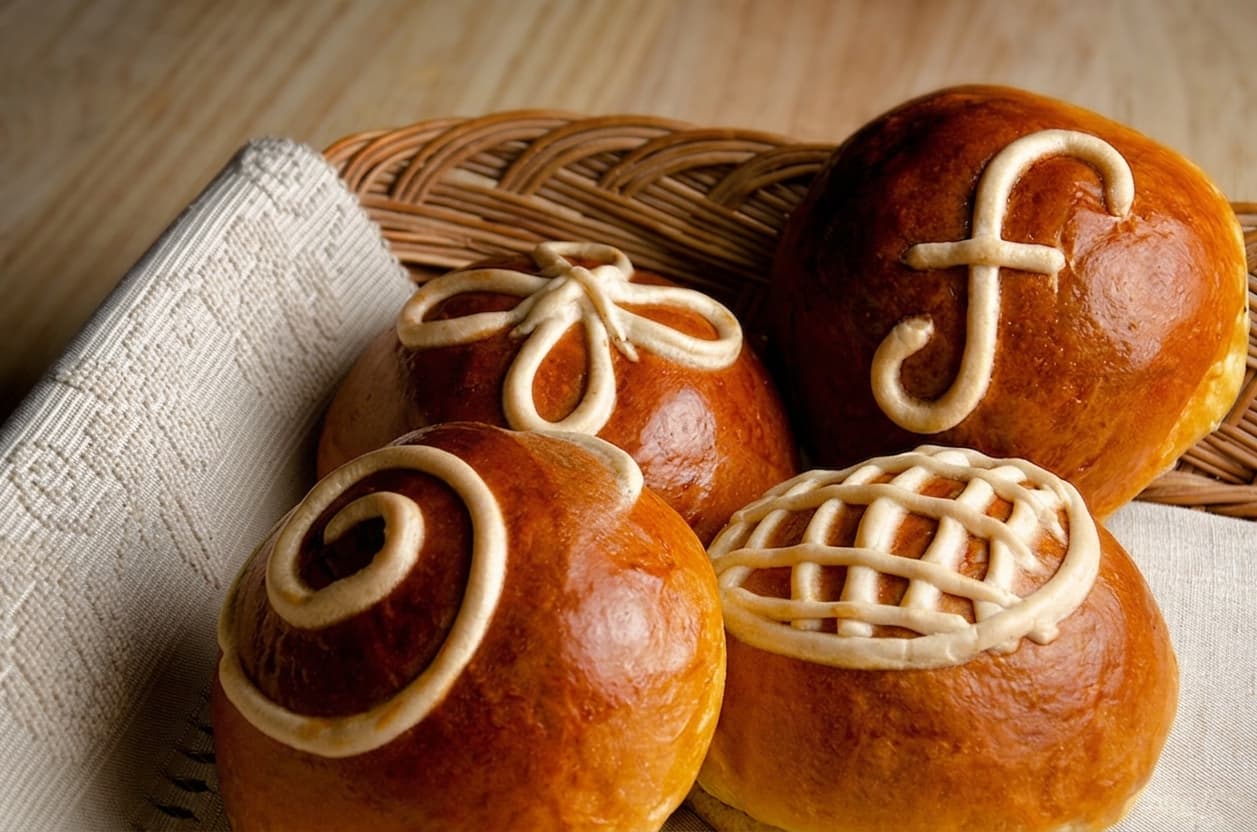
A traditional soft sweet bread associated with the city.
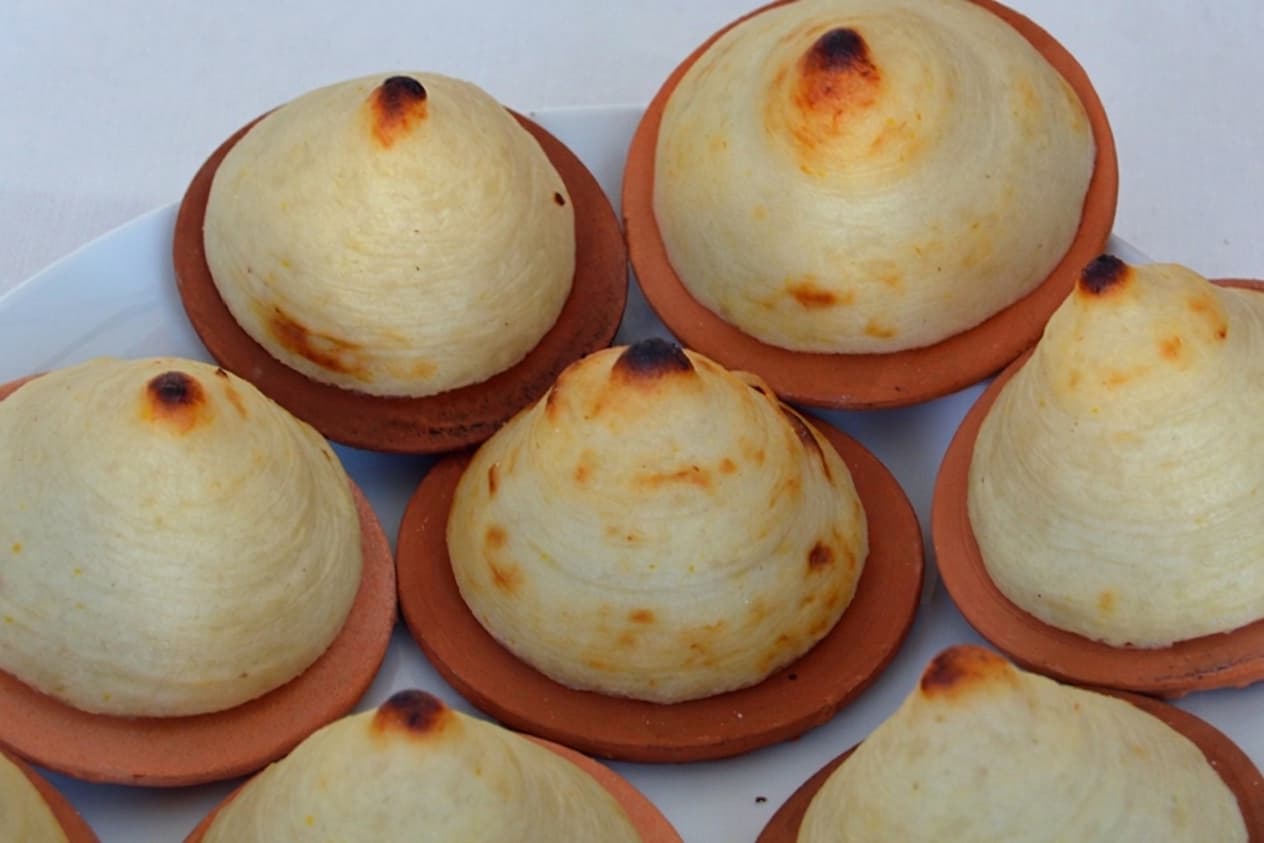
A convent-origin sweet closely connected to Coimbra’s gastronomic tradition.
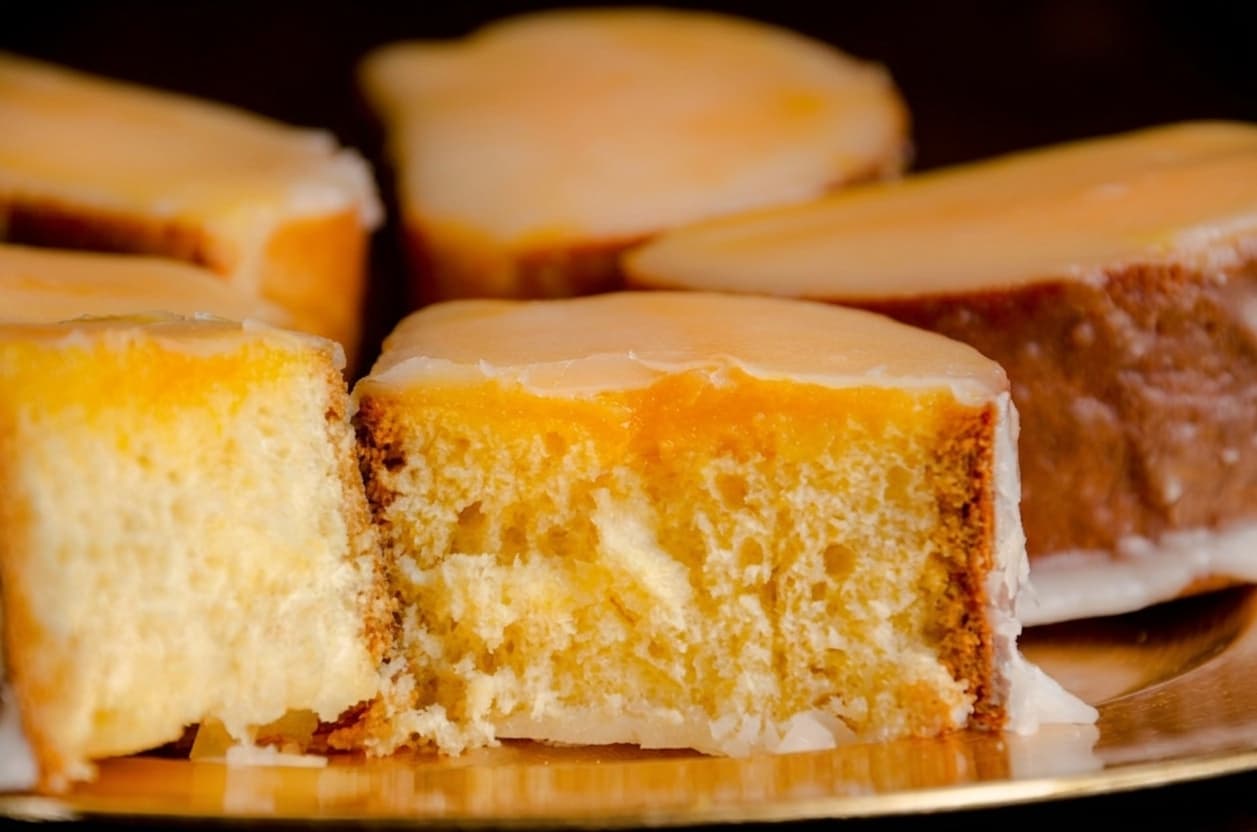
Another example of Coimbra’s rich convent confectionery.
A wine associated with the Terras de Sicó area in central Portugal, a landscape of limestone hills and longstanding winemaking traditions.
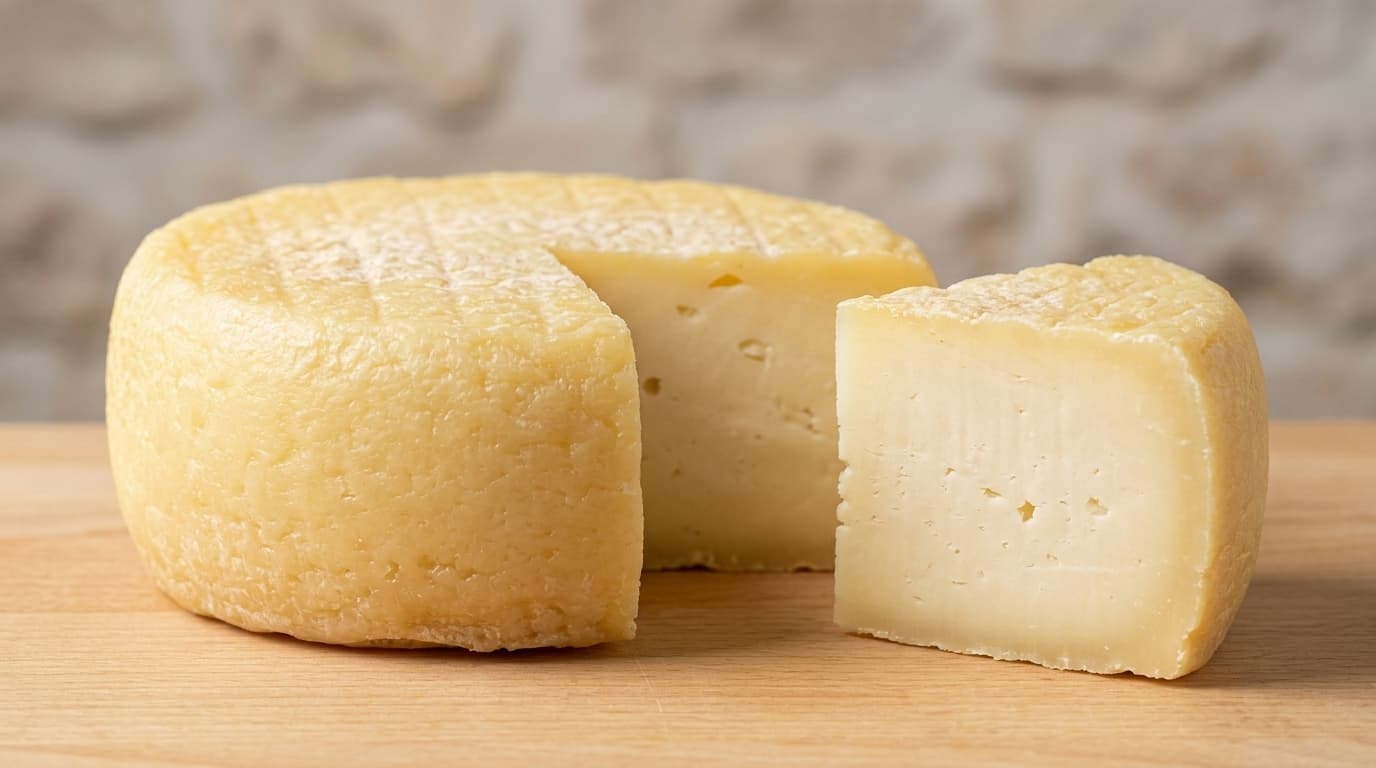
A traditional PDO cheese from the Évora region, made from raw sheep’s milk and known for its firm texture and slightly piquant flavour.
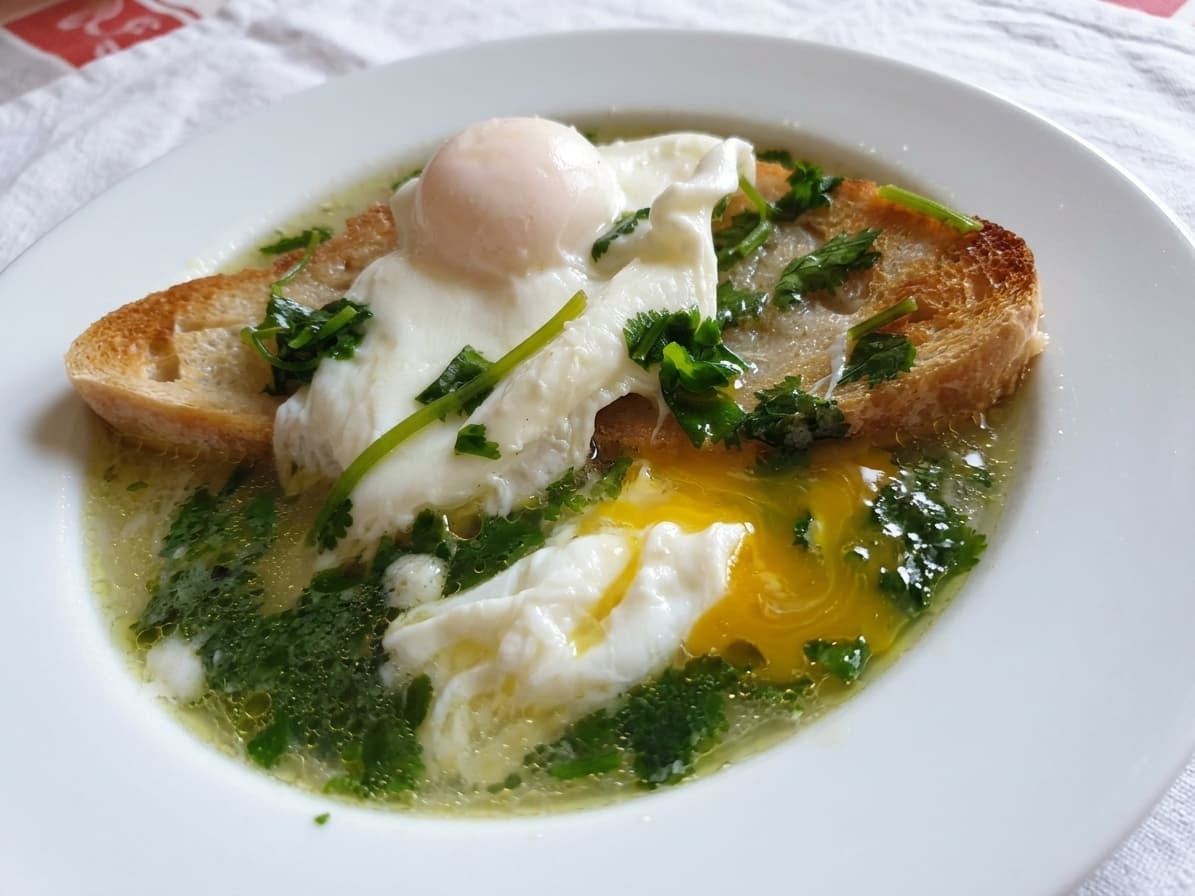
Alentejo bread, garlic, coriander, olive oil and a poached egg.
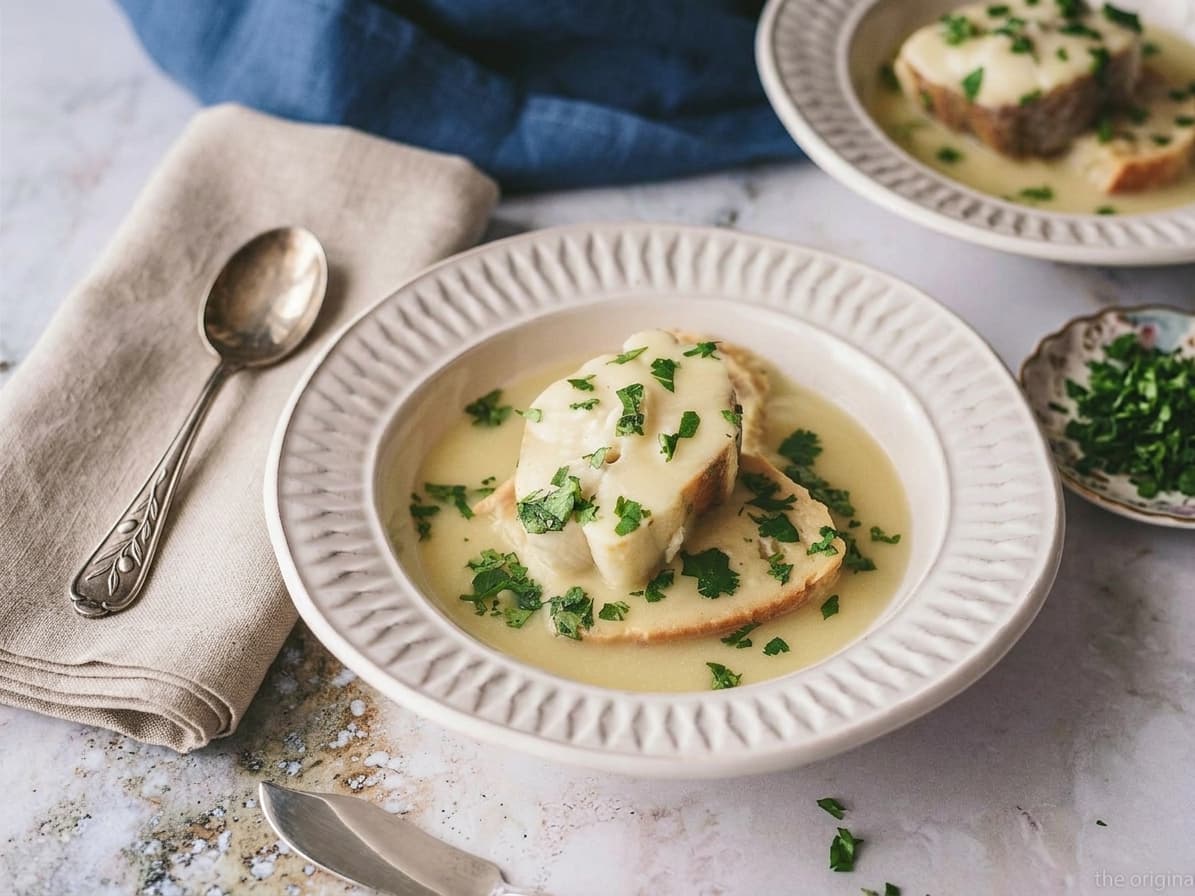
Dogfish served in an aromatic garlic and coriander broth over bread.
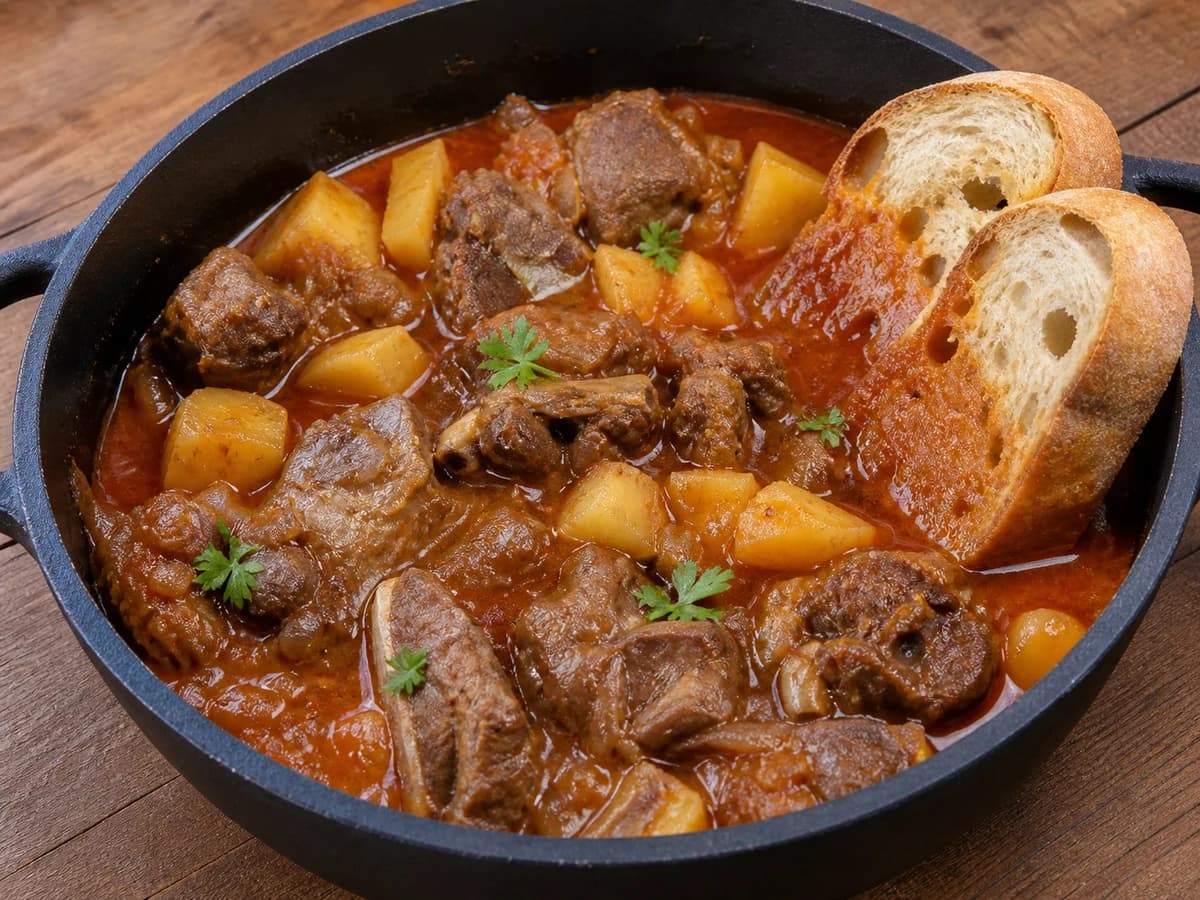
Slow-cooked lamb traditionally served over bread.
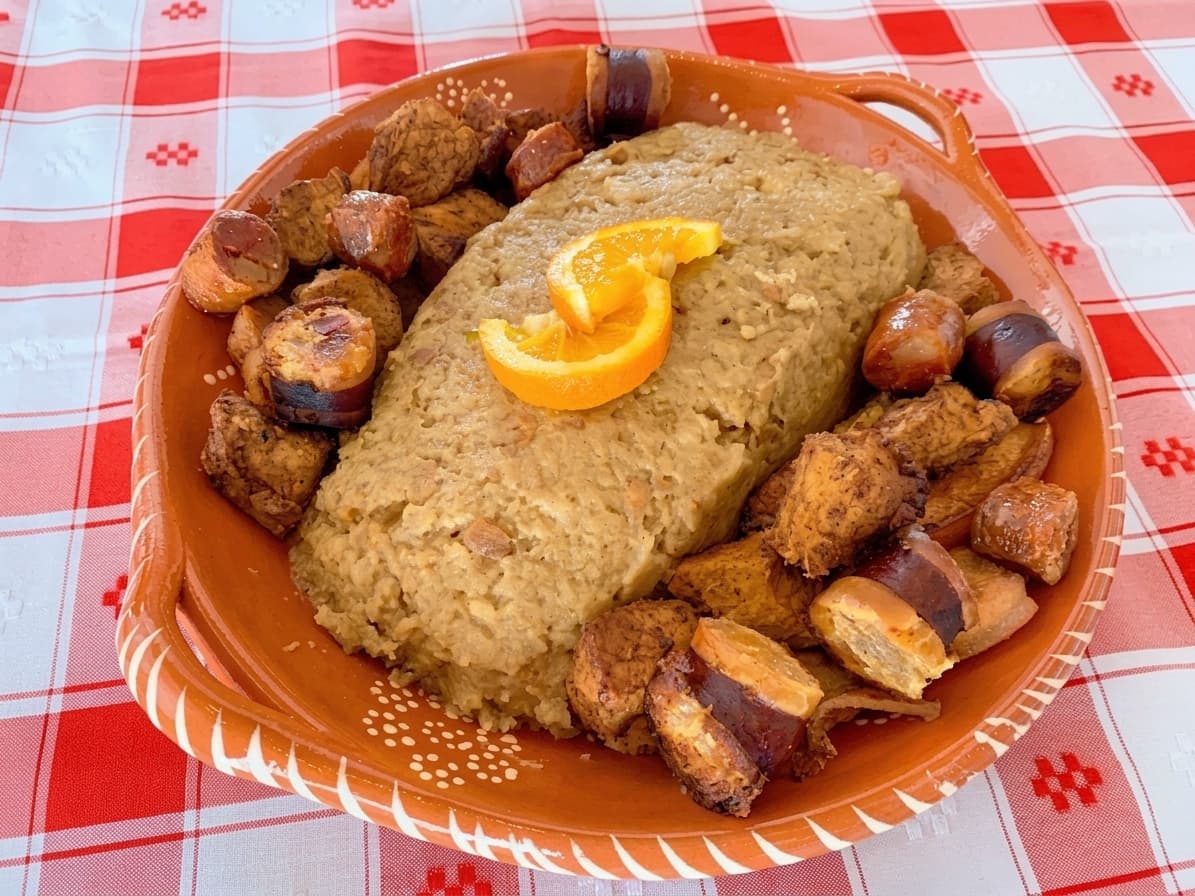
Bread migas with garlic and olive oil, normally served with pork.
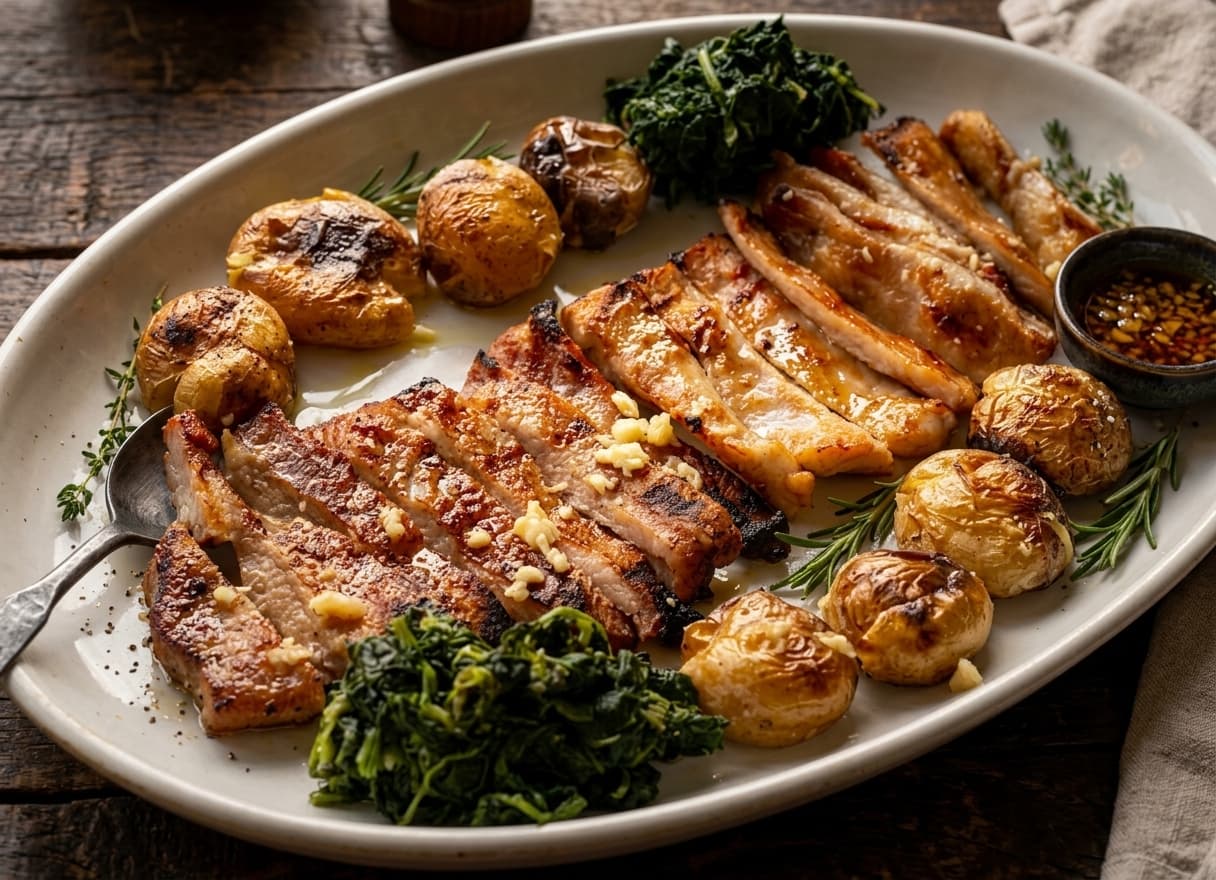
A succulent cut of Alentejo Iberian black pork, prized for its intense flavour and natural marbling.
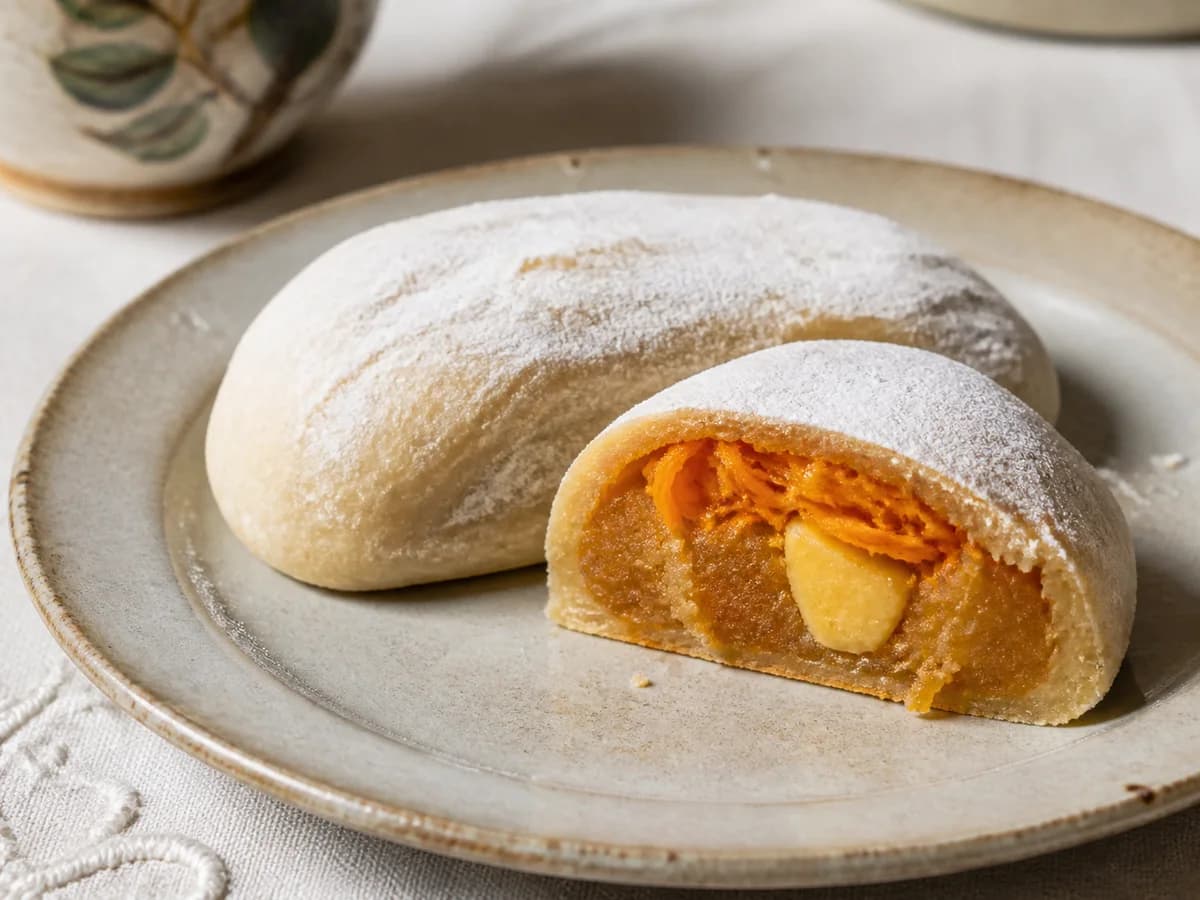
A convent sweet strongly associated with Évora, prepared with almonds, sugar, eggs and gila preserve.
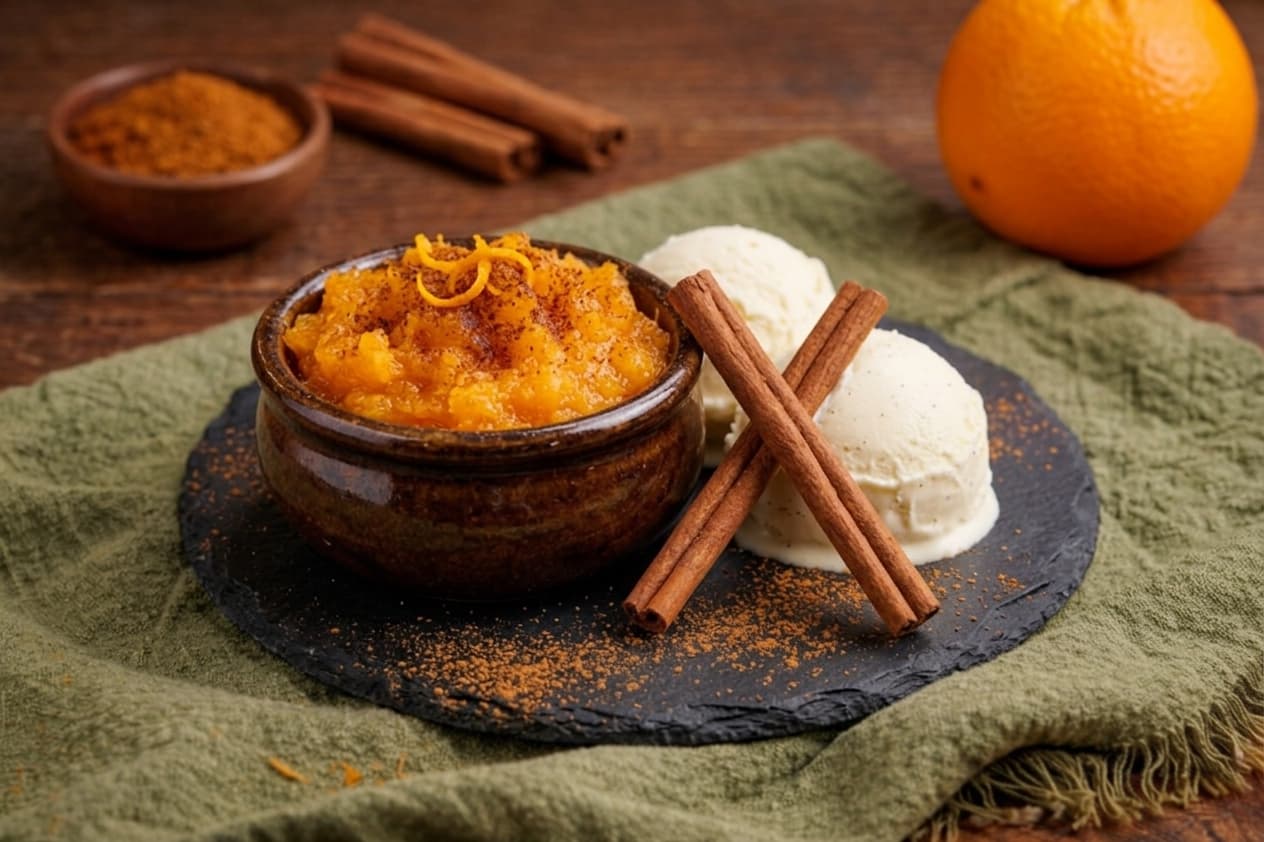
A rich convent sweet based on egg yolks and sugar.
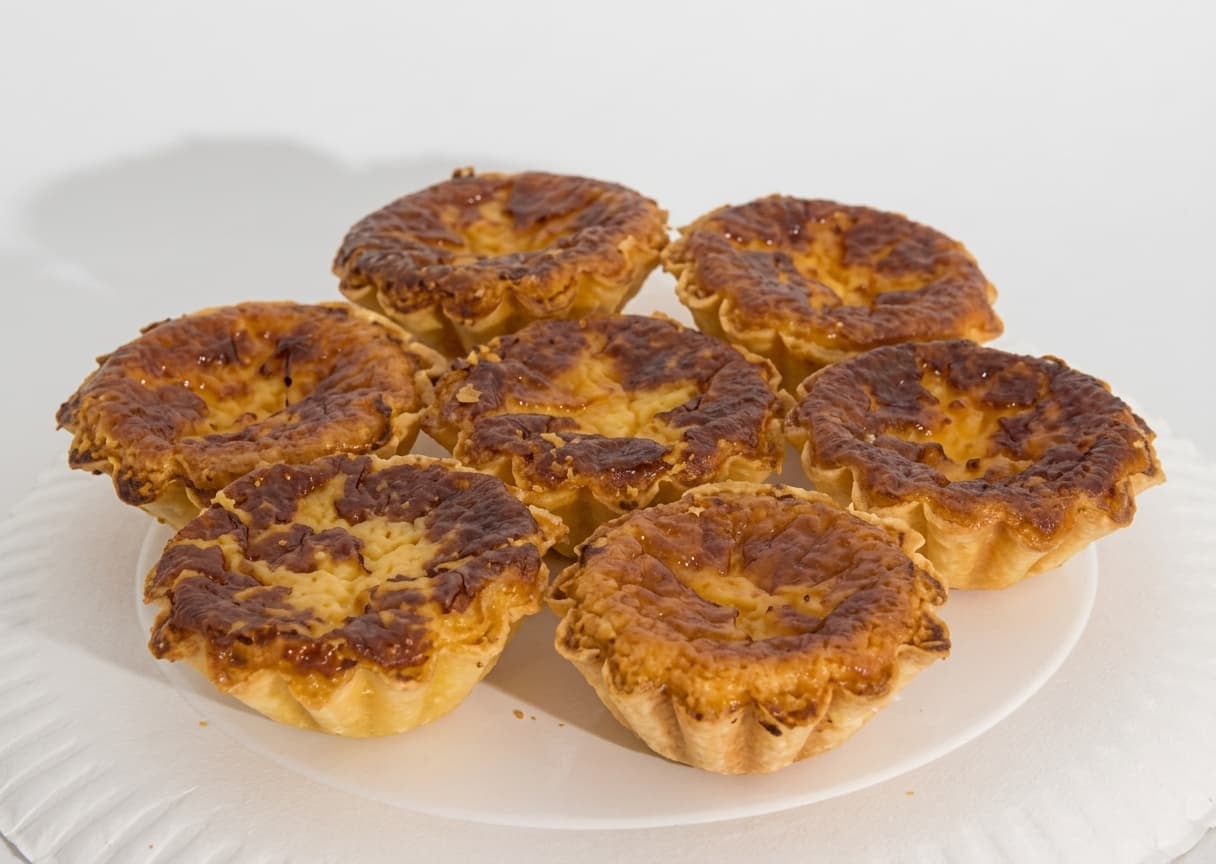
Small traditional queijadas from the region.
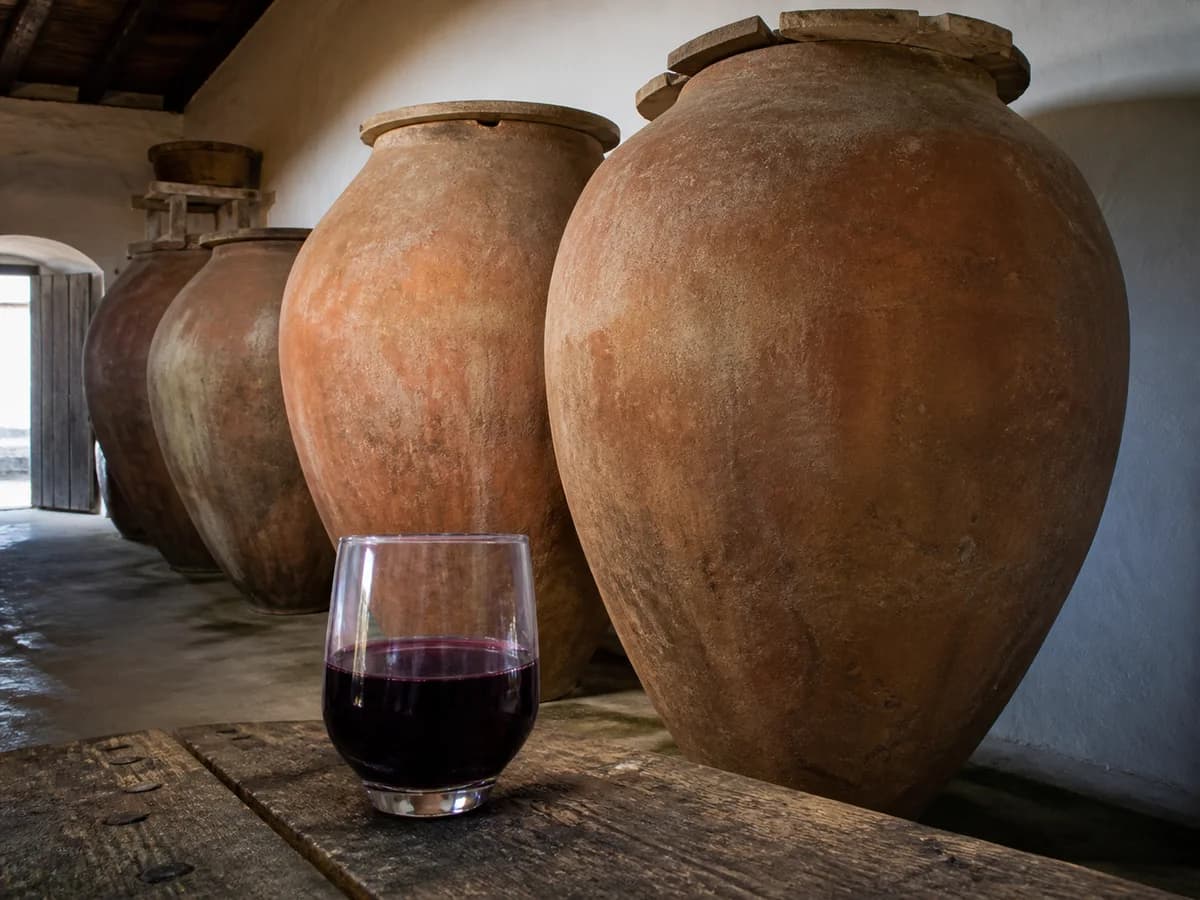
An ancestral method of making wine in large clay vessels, particularly important in the district of Beja.
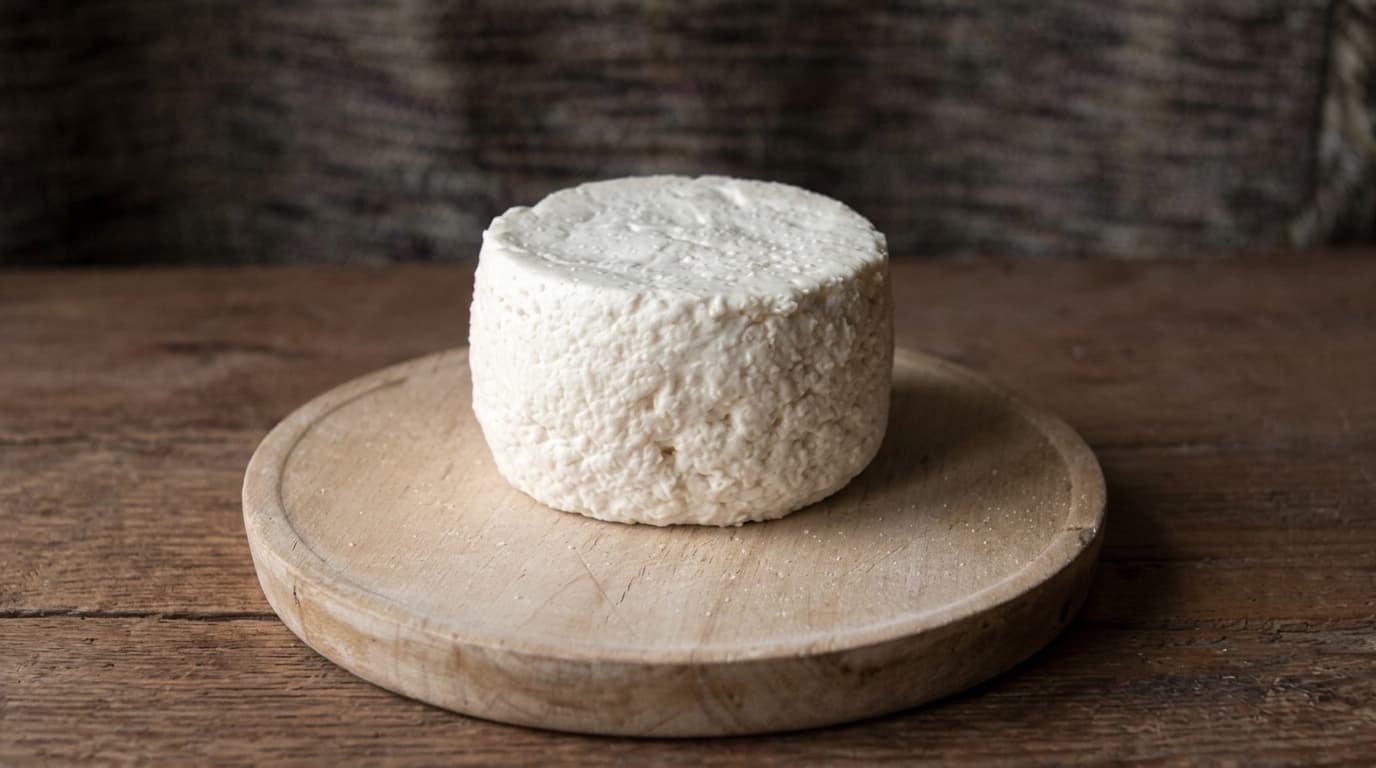
A traditional Algarve goat’s cheese, appreciated for its fresh to firm texture and characteristic slightly tangy flavour.
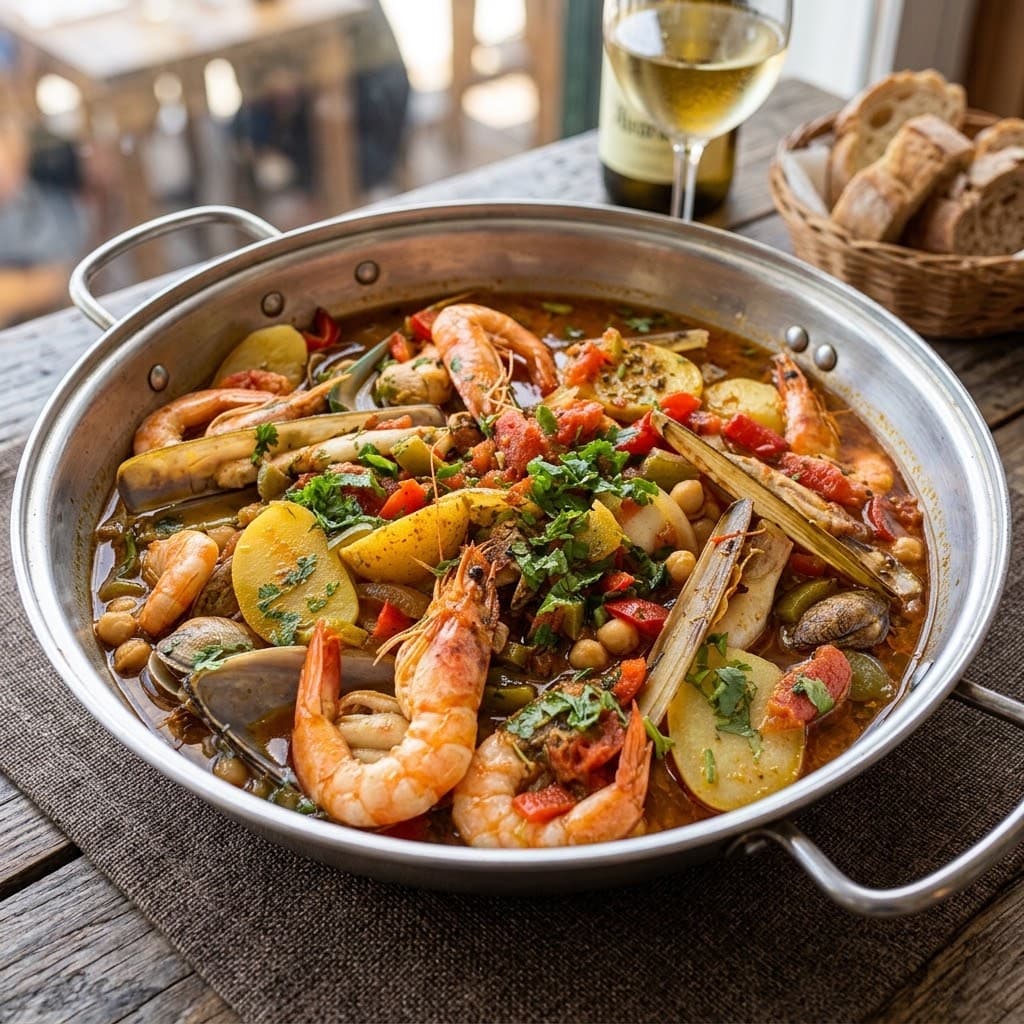
Shellfish cooked in the traditional Algarve cataplana, usually with clams, prawns, tomato and aromatic herbs.
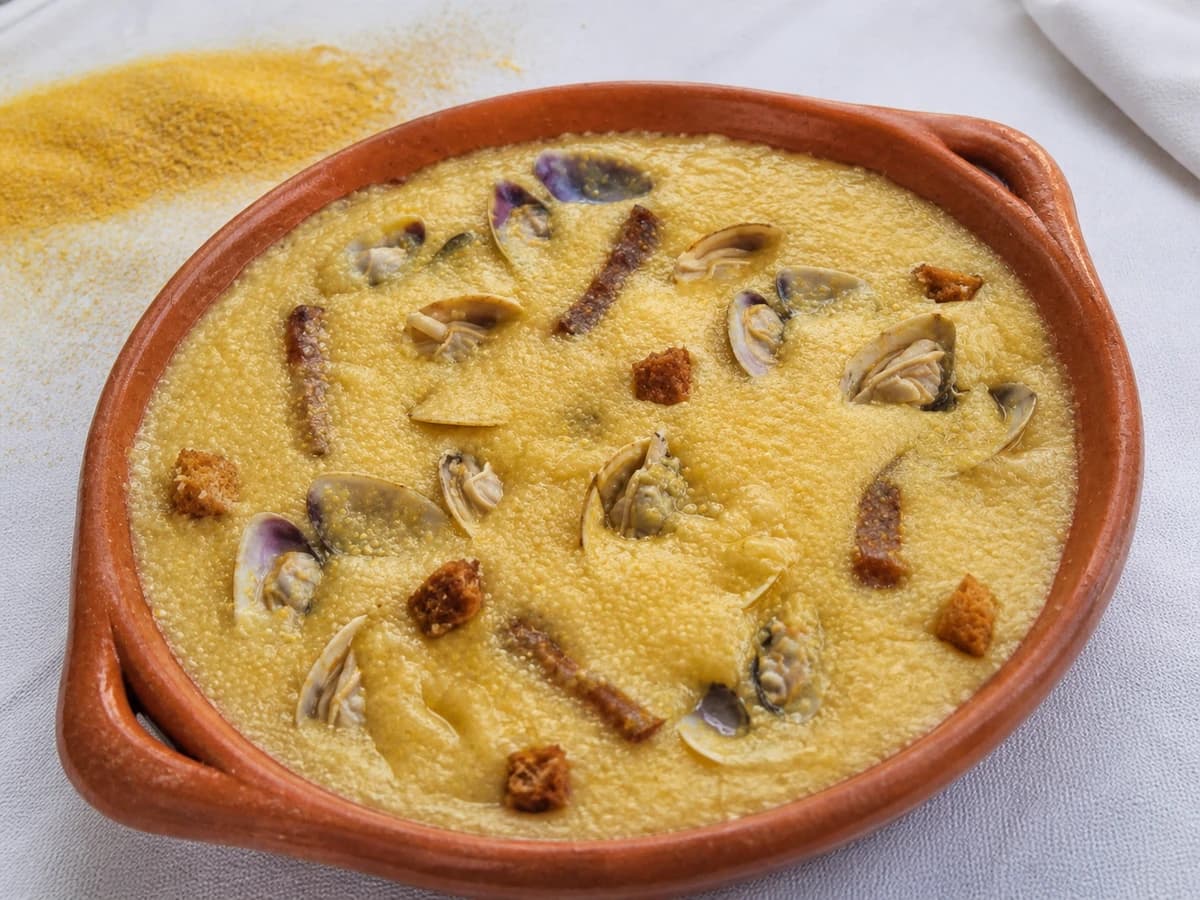
Creamy maize porridge with wedge clams, one of the Algarve’s most characteristic traditional dishes.
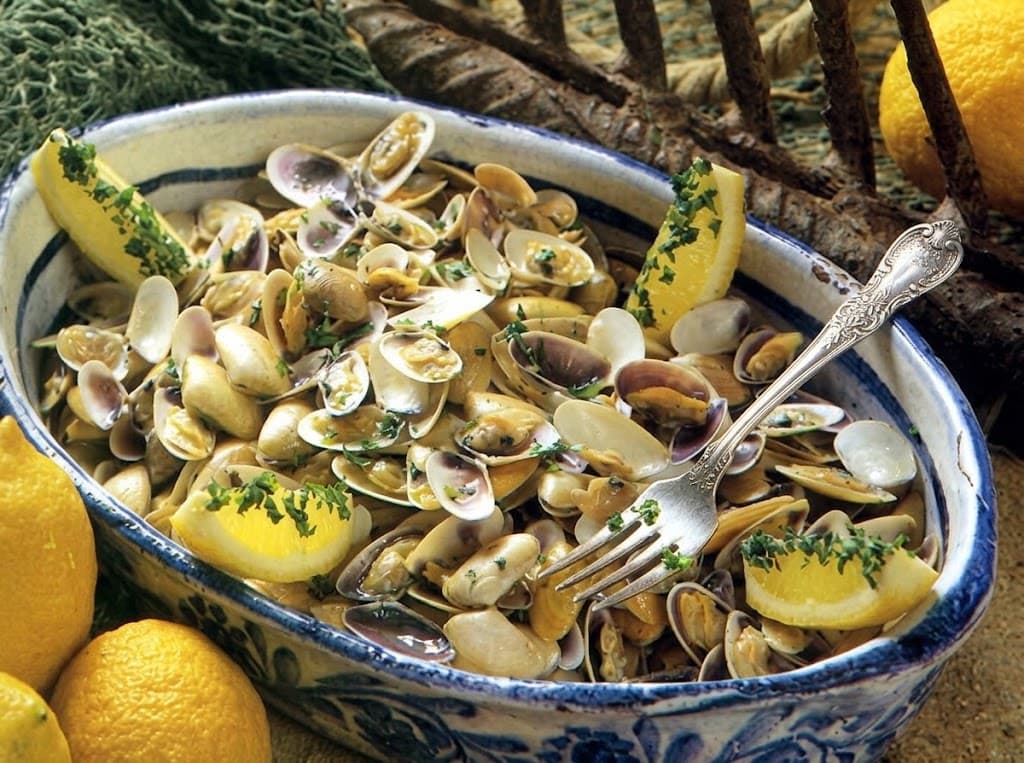
Small clams cooked Algarve-style with garlic, olive oil, coriander and a splash of white wine.
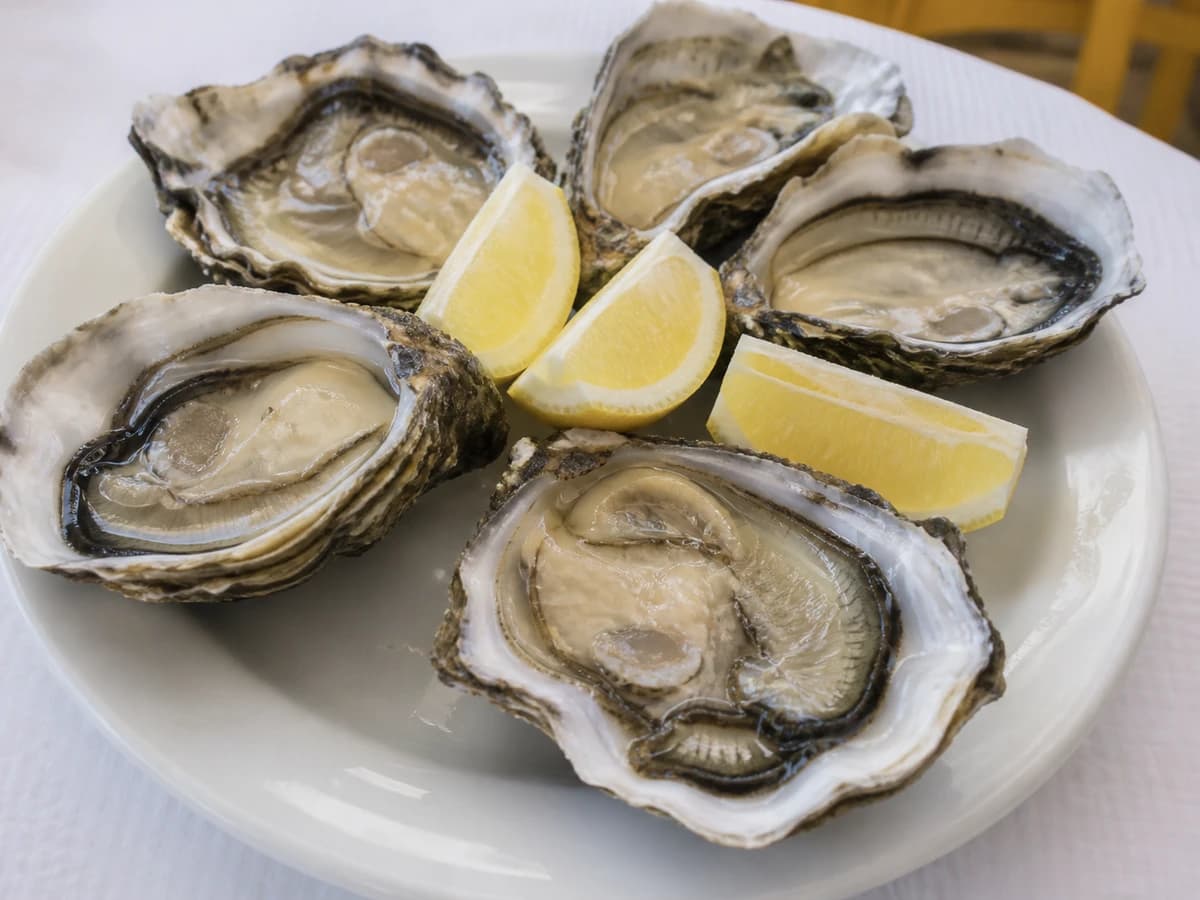
Oysters from the Ria Formosa, closely associated with the food culture of Faro.
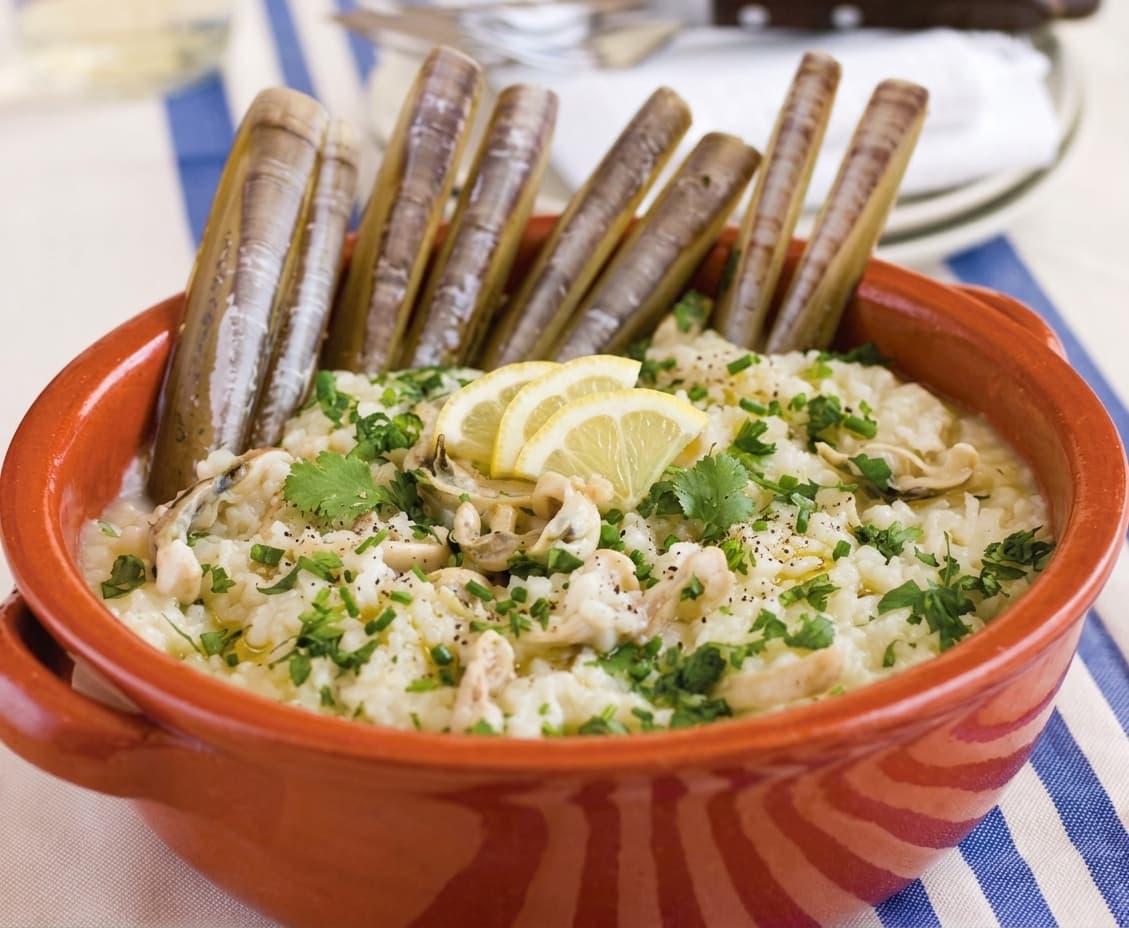
A loose, brothy rice prepared with razor clams, typical of the Algarve coast.
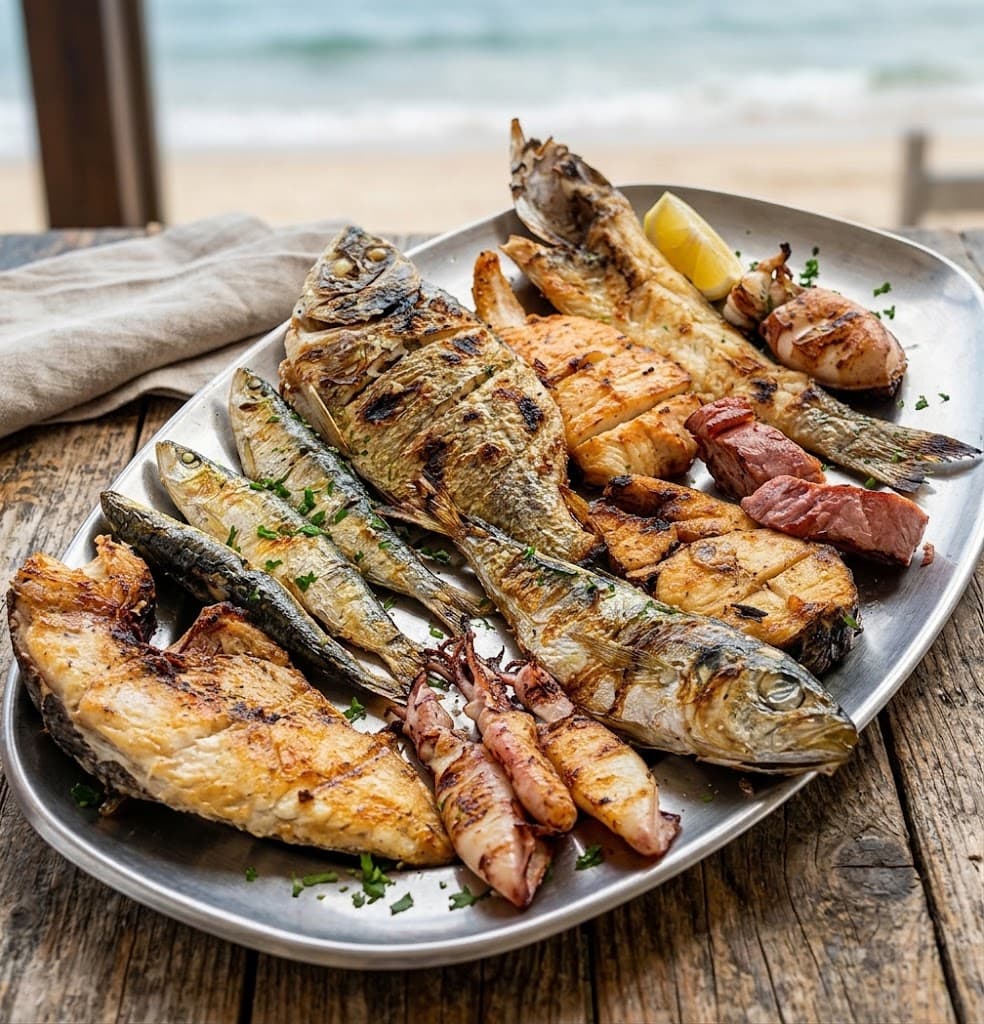
Sea bream, sea bass, sardines and other fresh fish are central to local cooking.
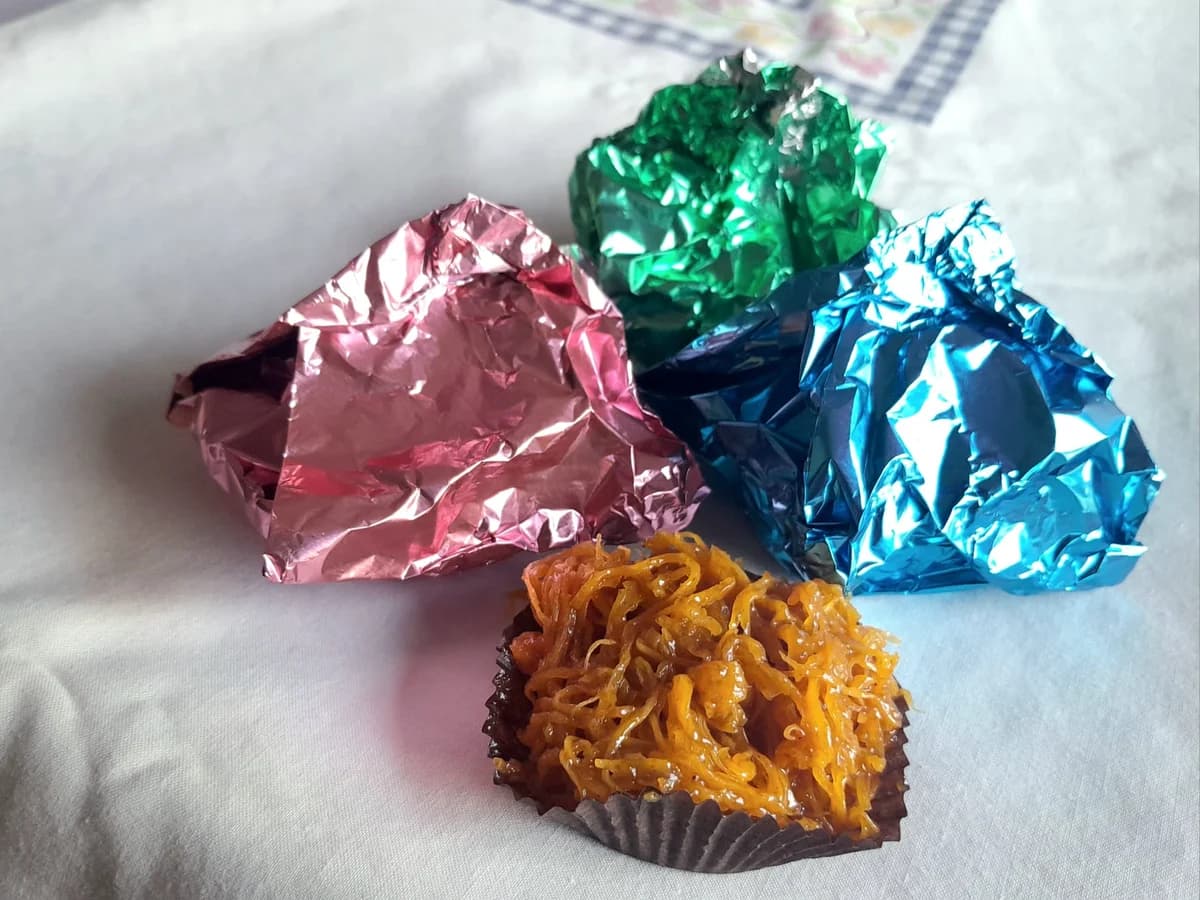
An Algarve sweet made mainly with egg threads, sugar and almonds.
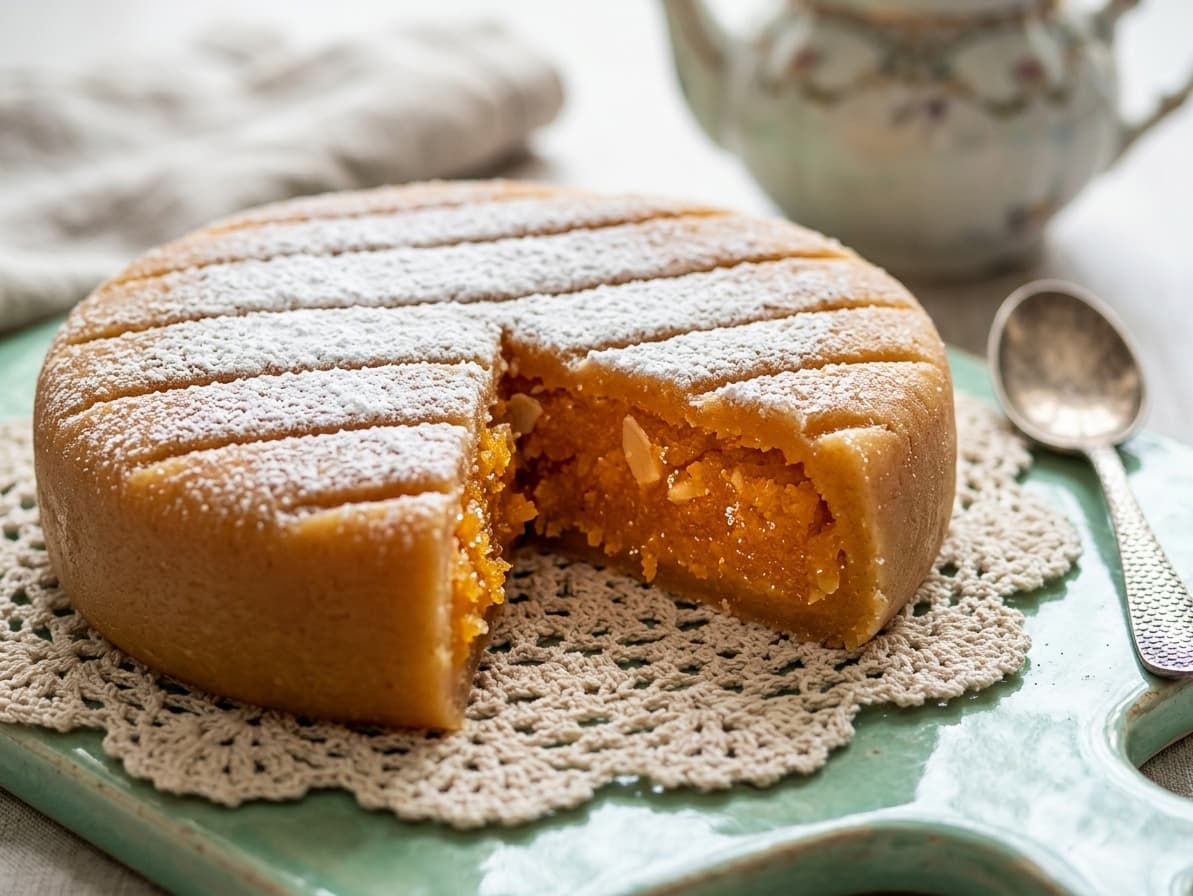
A traditional Algarve sweet based on almonds, sugar and eggs.
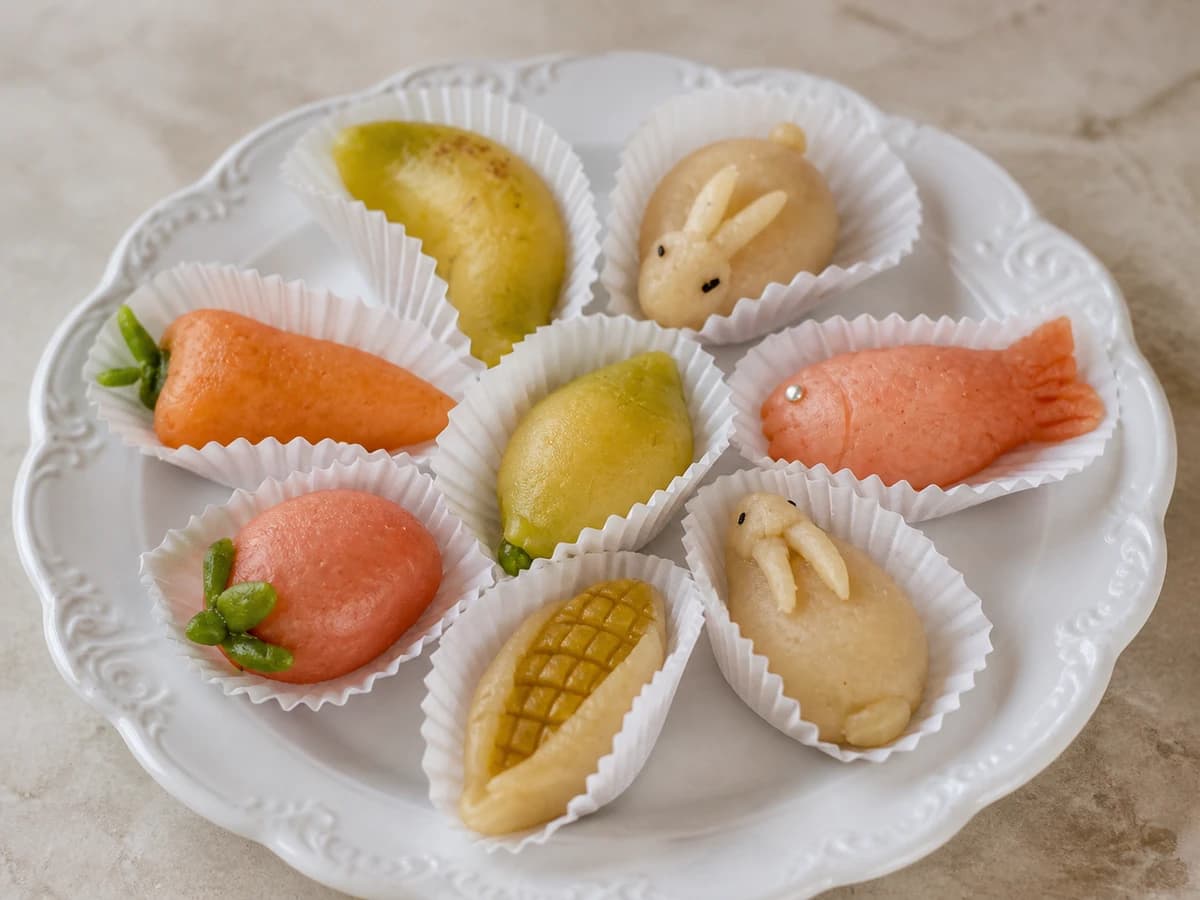
Small almond-paste sweets, often shaped like fruit and animals.
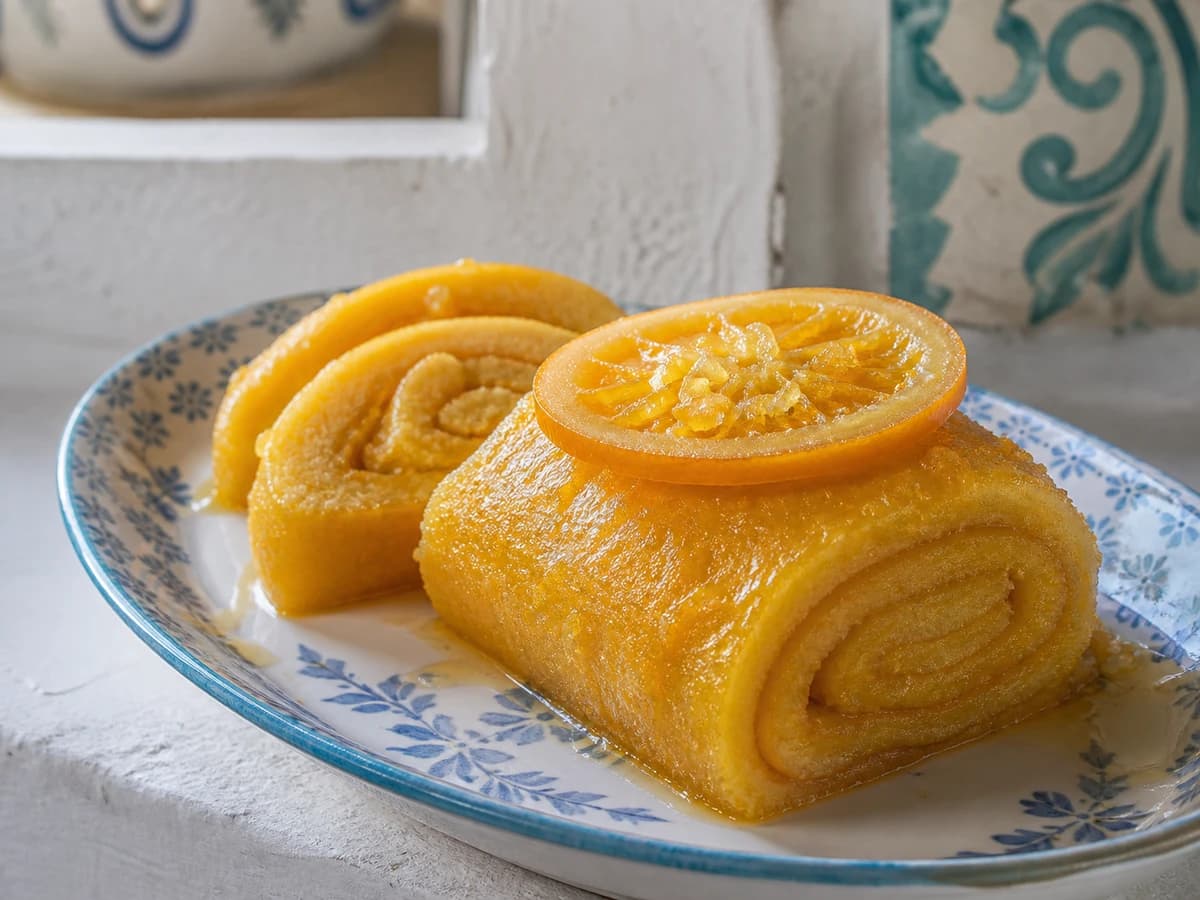
A moist Algarve orange roll with a bright citrus flavour and a soft, delicate spiral.
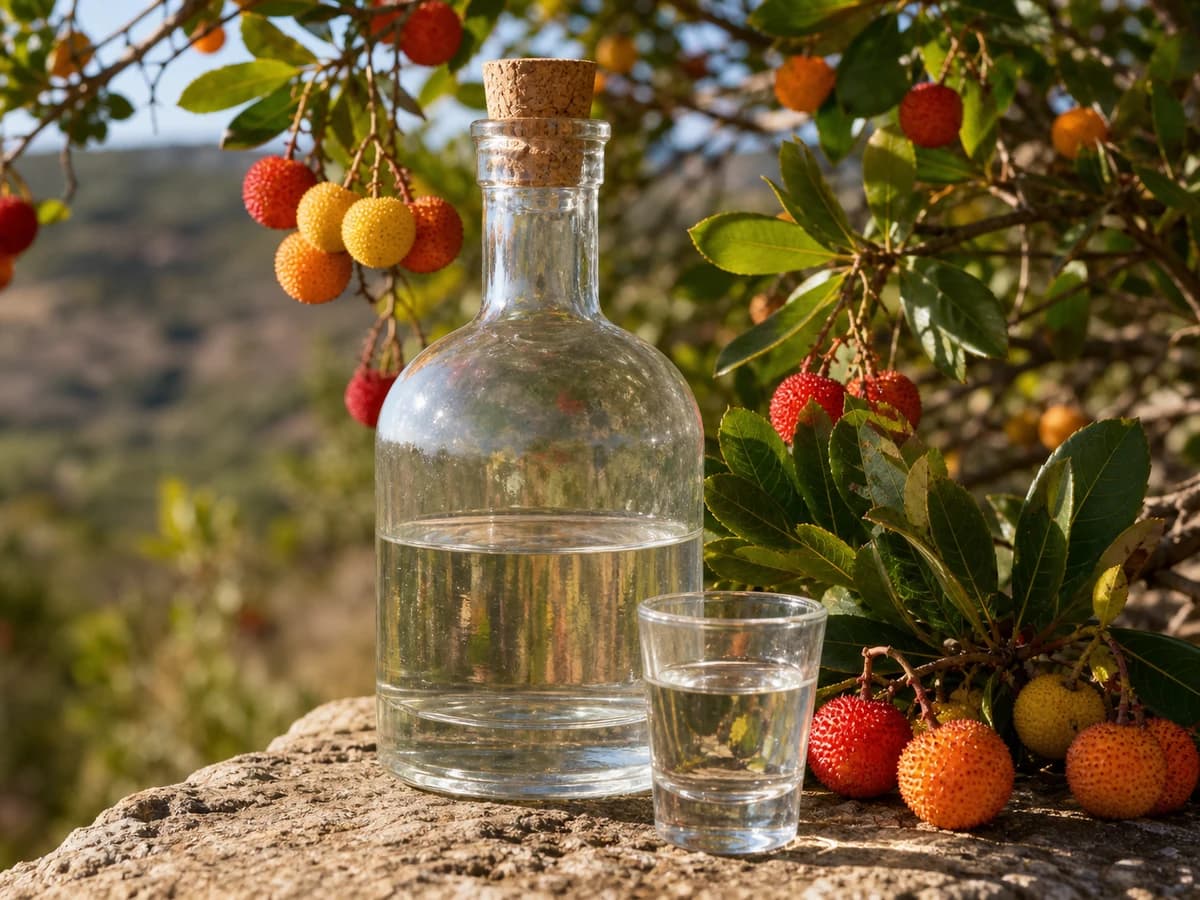
A traditional Algarve spirit distilled from the fruit of the strawberry tree.
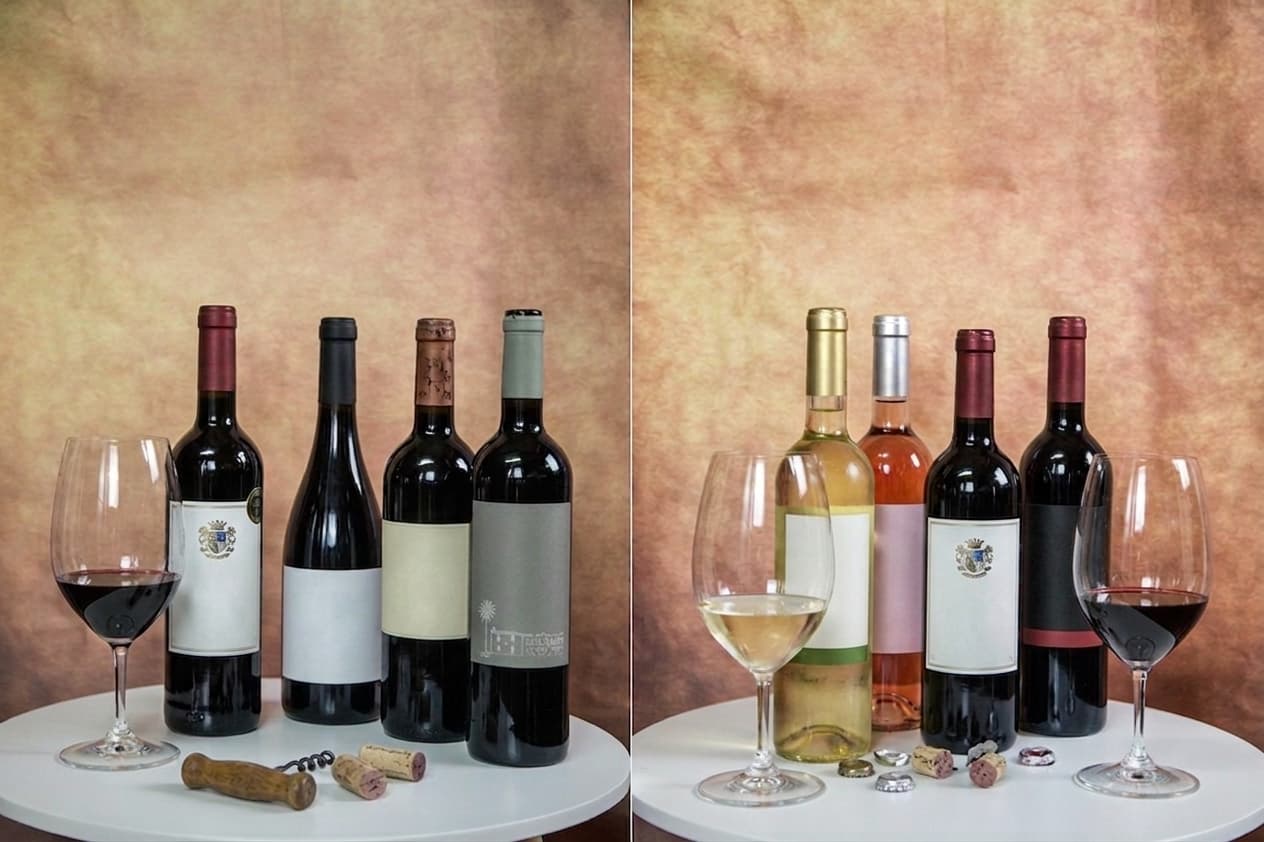
Regional wines produced across the Algarve’s different wine-growing areas.
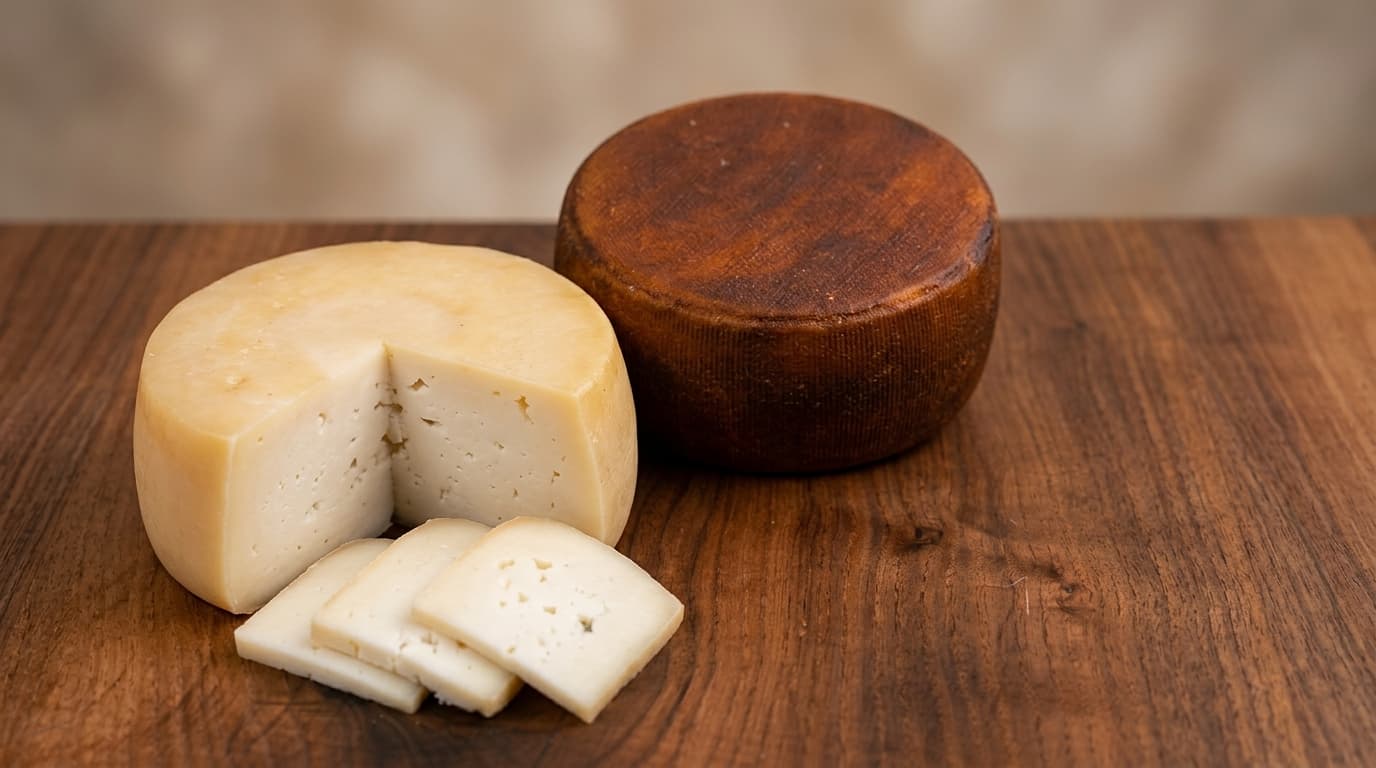
A traditional goat’s cheese from the Beiras, appreciated for its characteristic flavour and firm texture when matured.
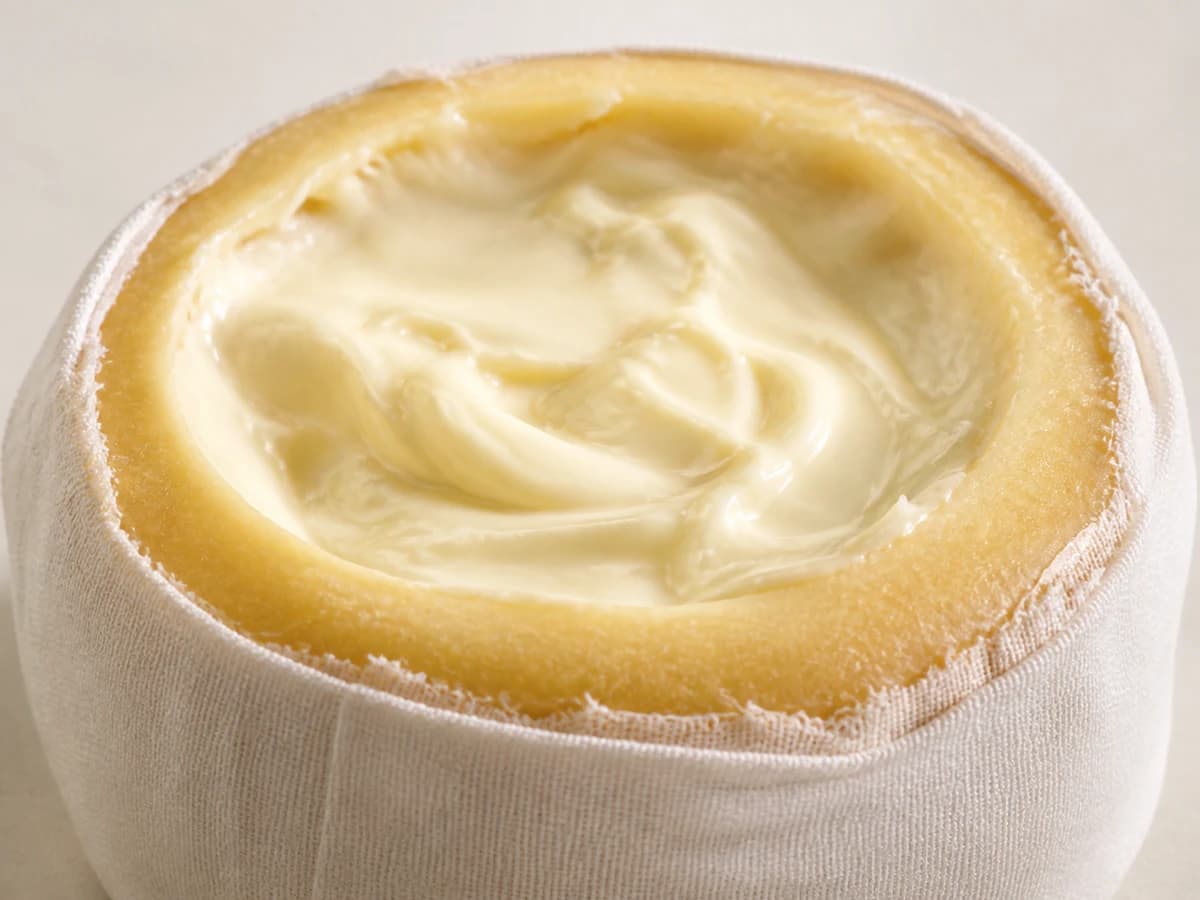
A cured raw sheep’s-milk cheese, buttery when young and firmer and more intense in its aged form.
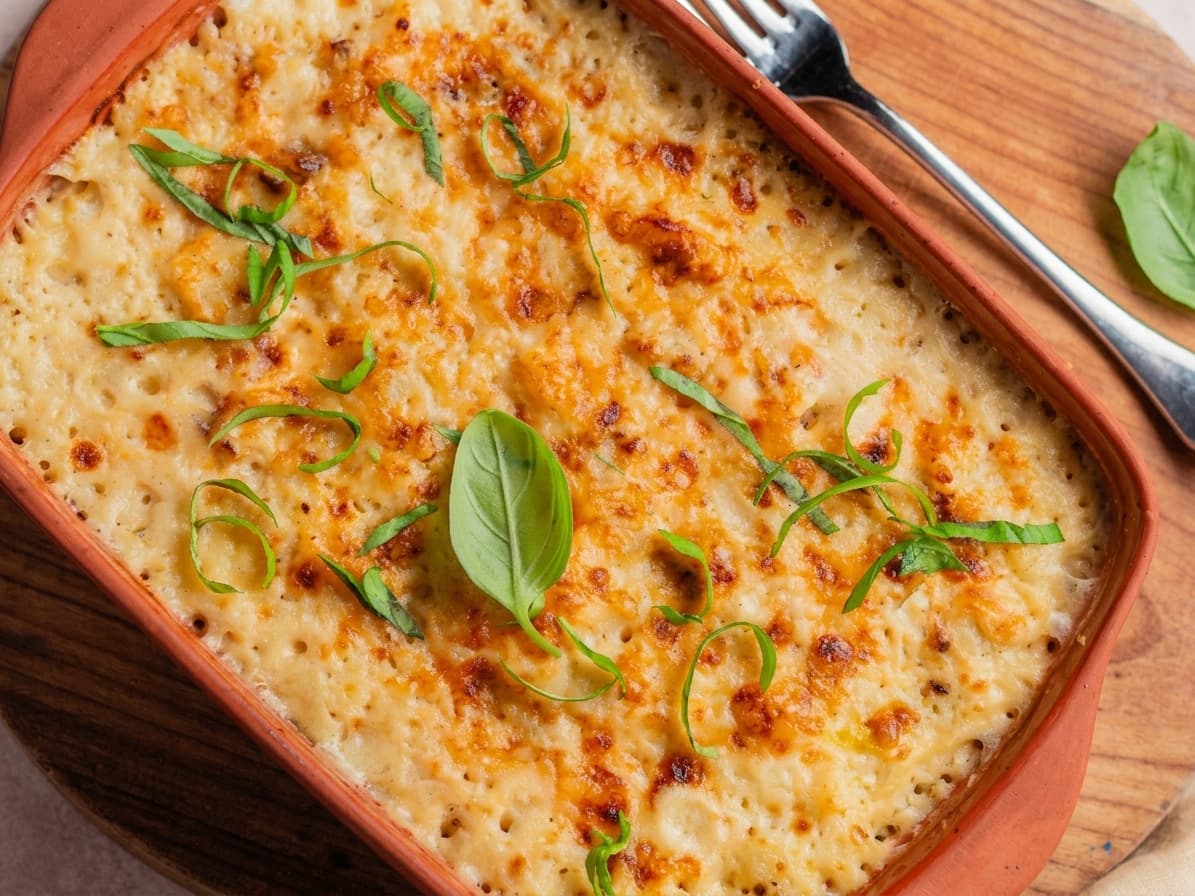
A creamy Portuguese cod dish made with shredded salt cod and potatoes, enriched with cream and baked until golden.
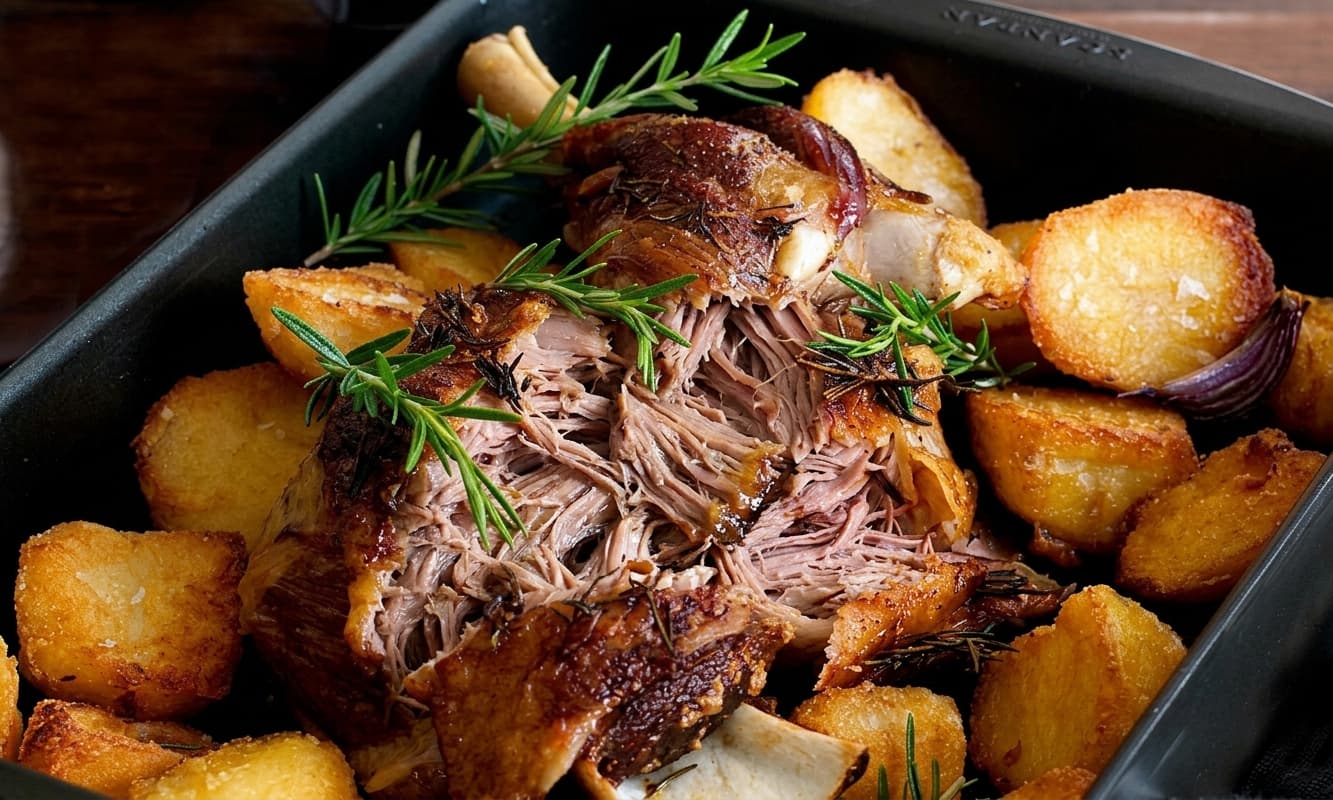
Kid goat roasted in the oven, normally served with potatoes and traditional seasonings.
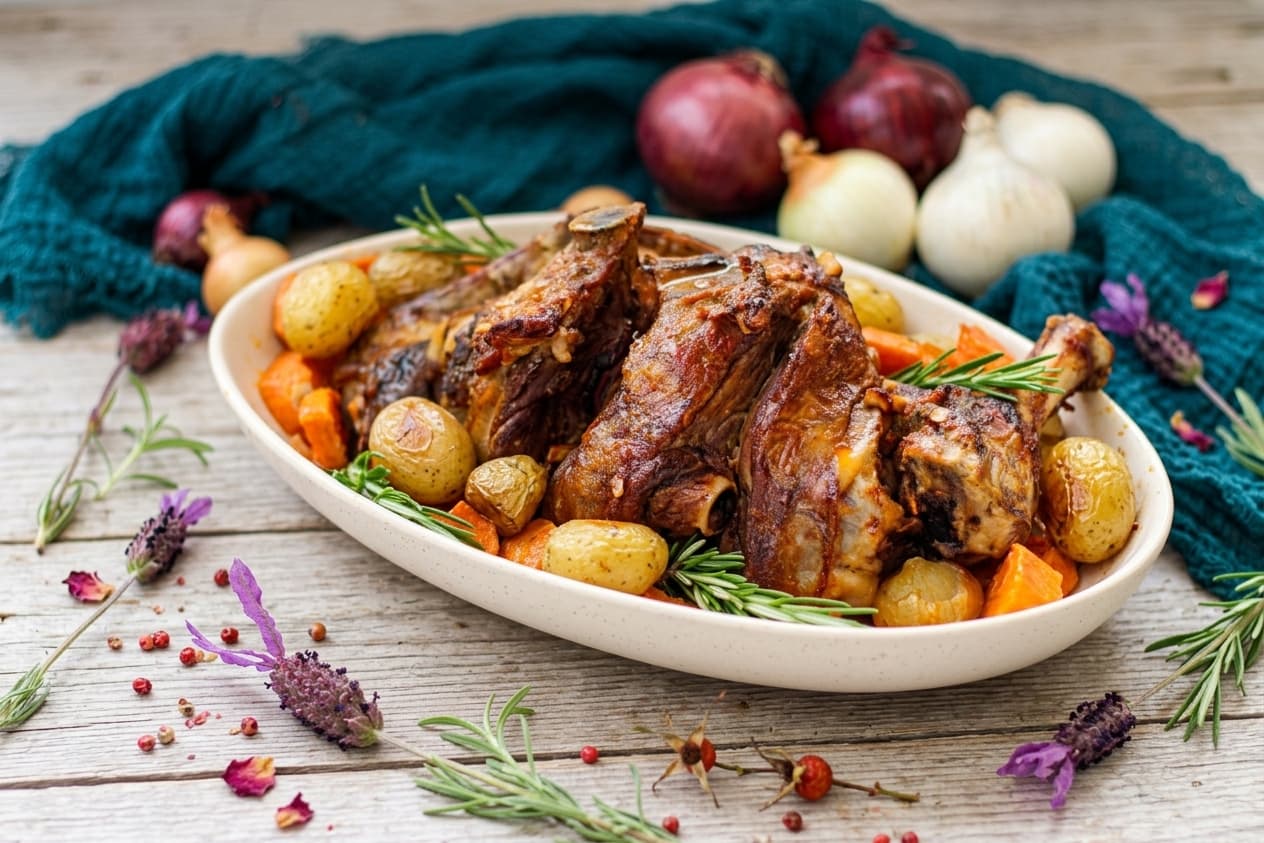
Another traditional roast from the district’s mountain areas.
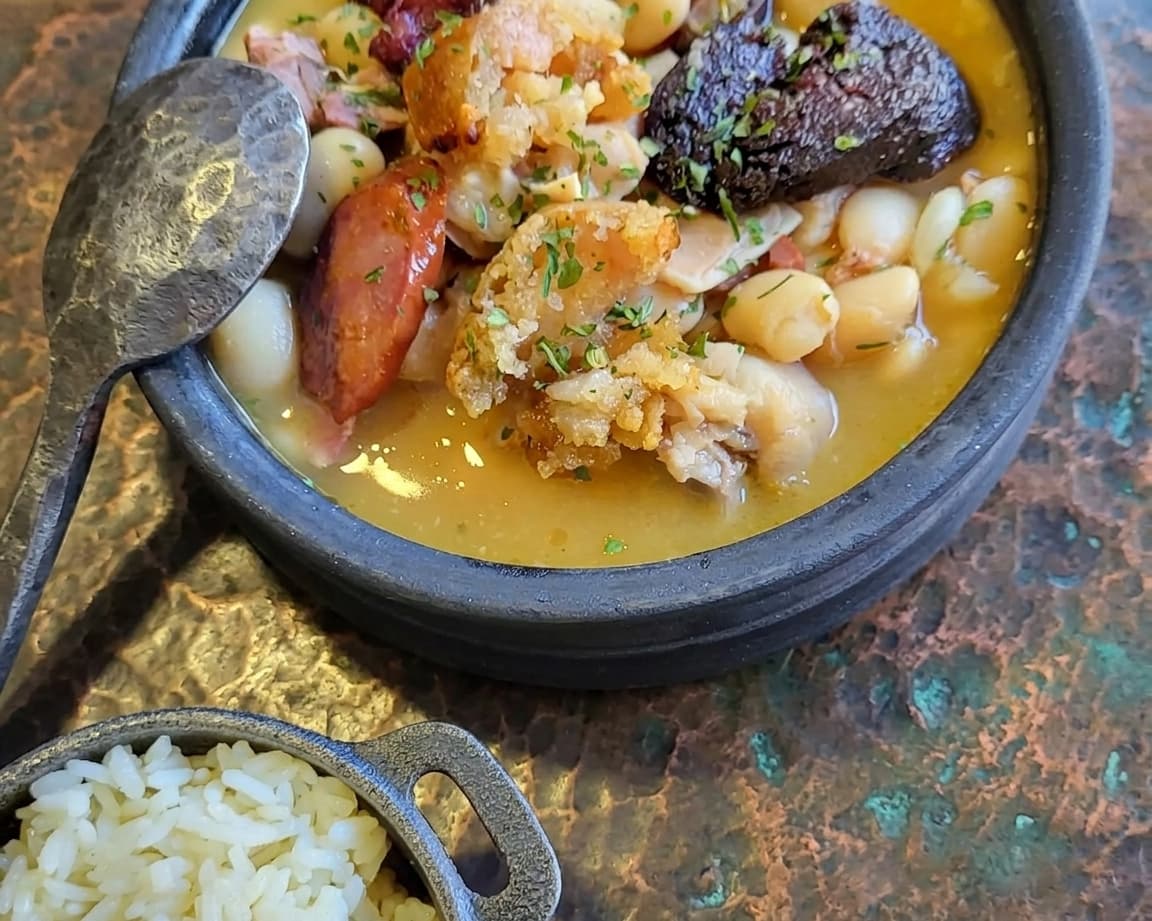
A traditional dish prepared with large beans, meats and cured sausages.
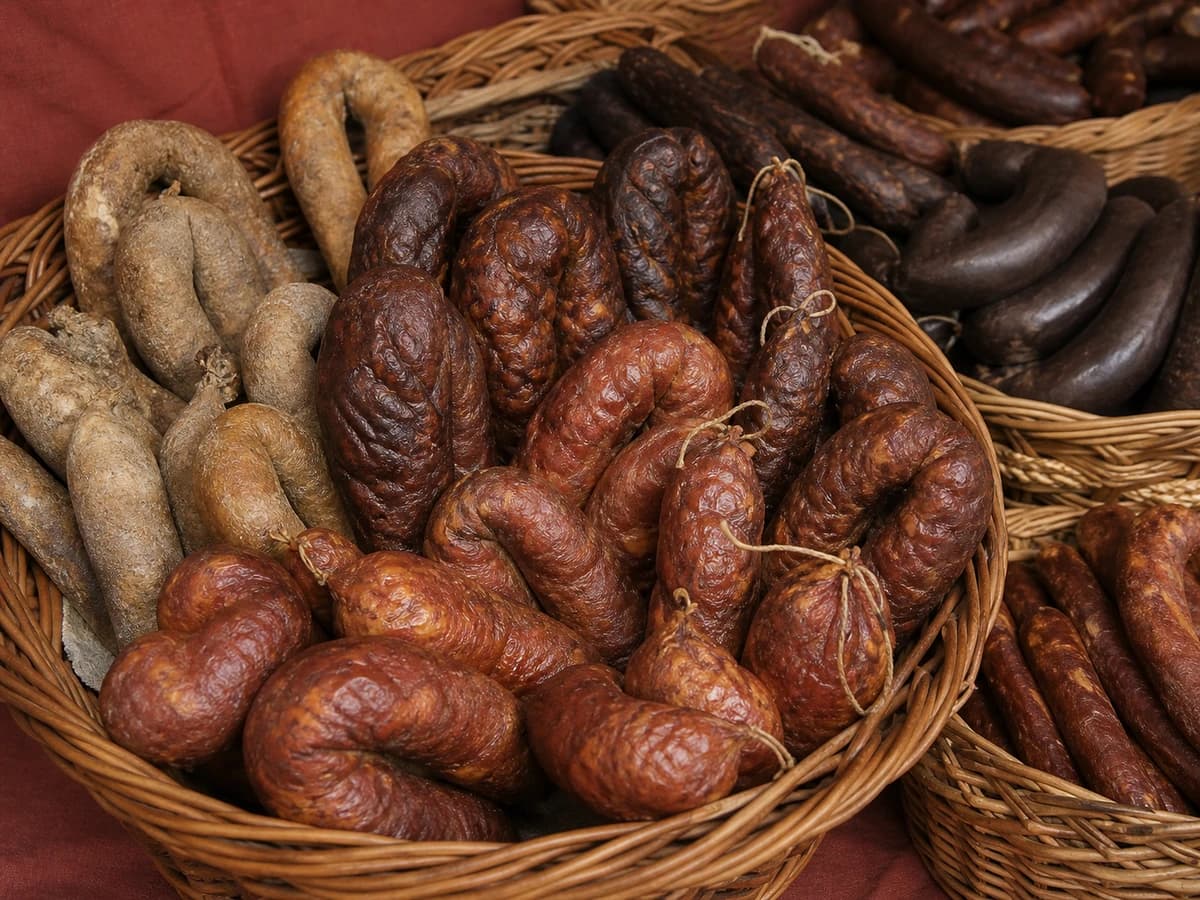
Blood sausage, farinheira, chouriça and other traditional cured sausages.
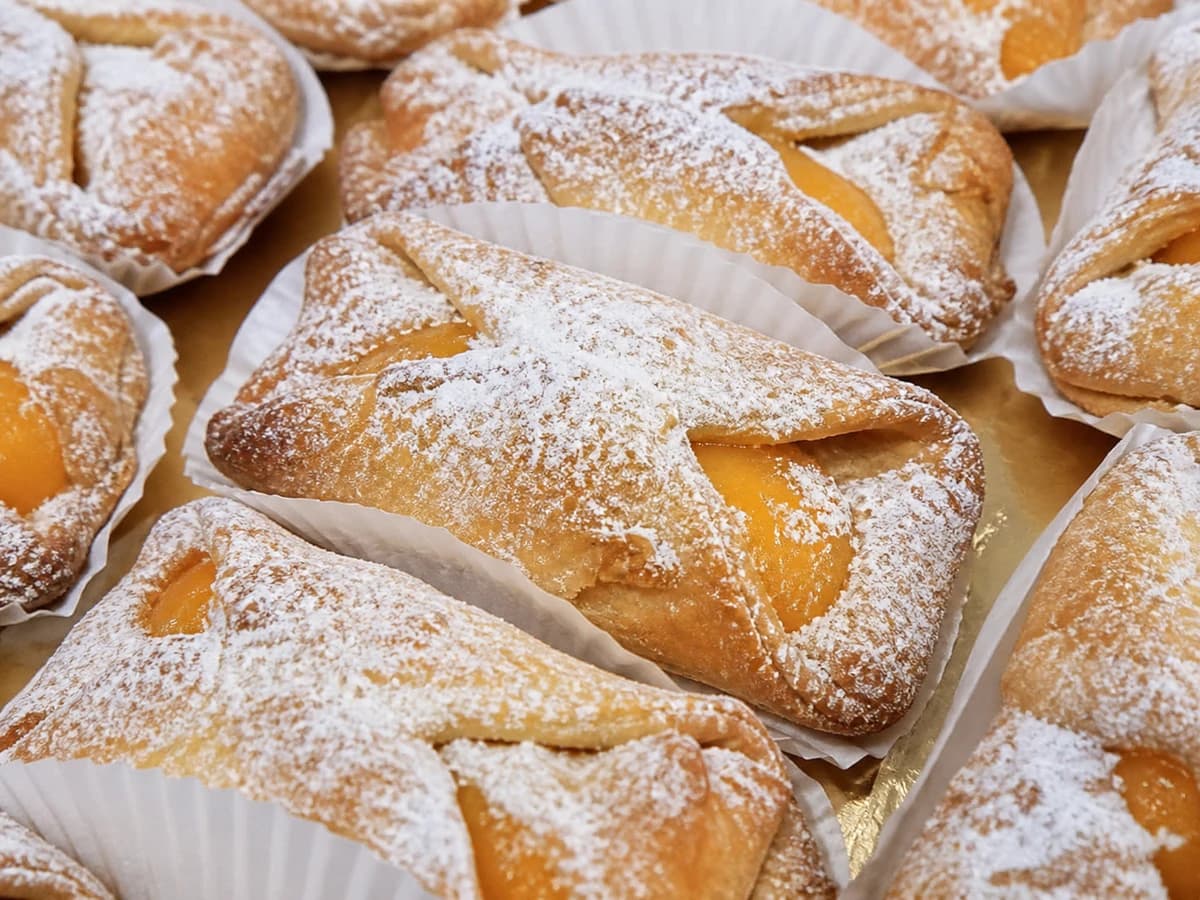
A sweet associated with the city of Guarda and inspired by local history.
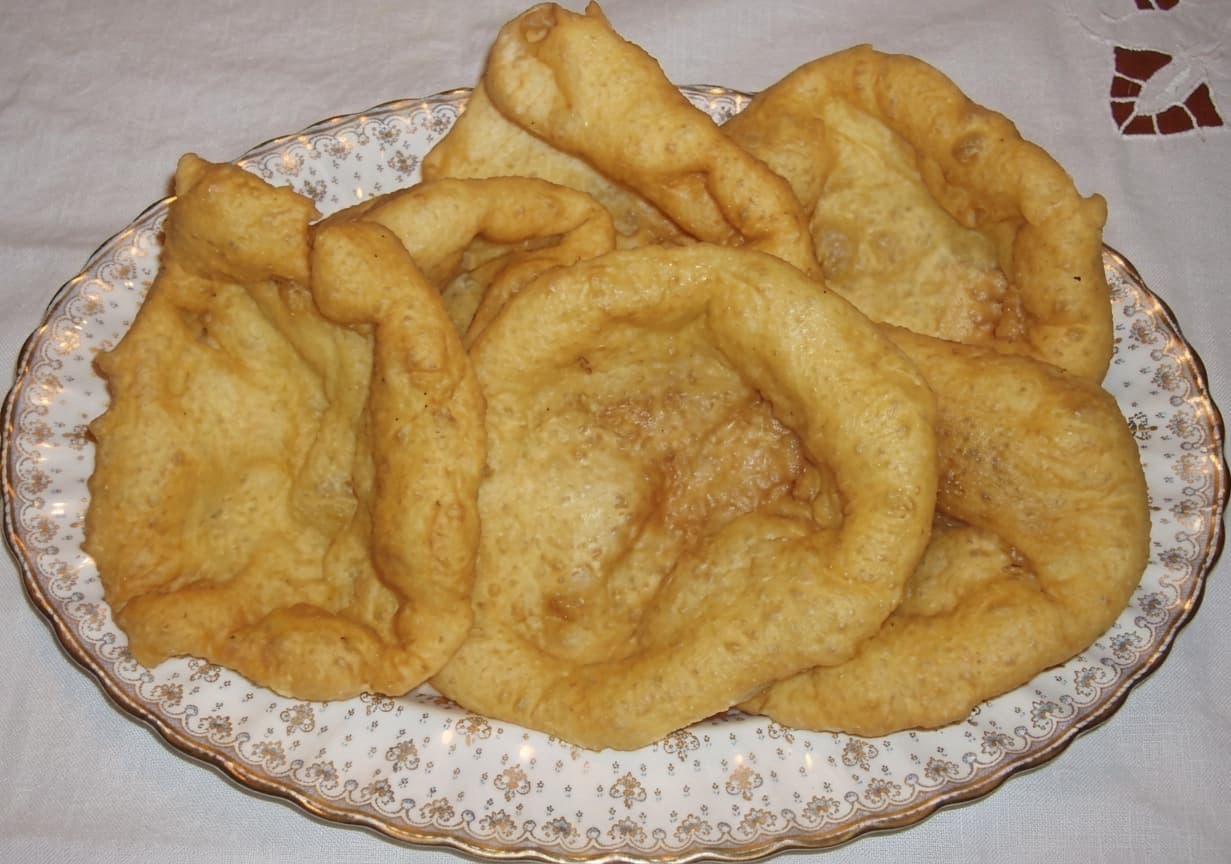
A traditional fried sweet particularly common during festive seasons.
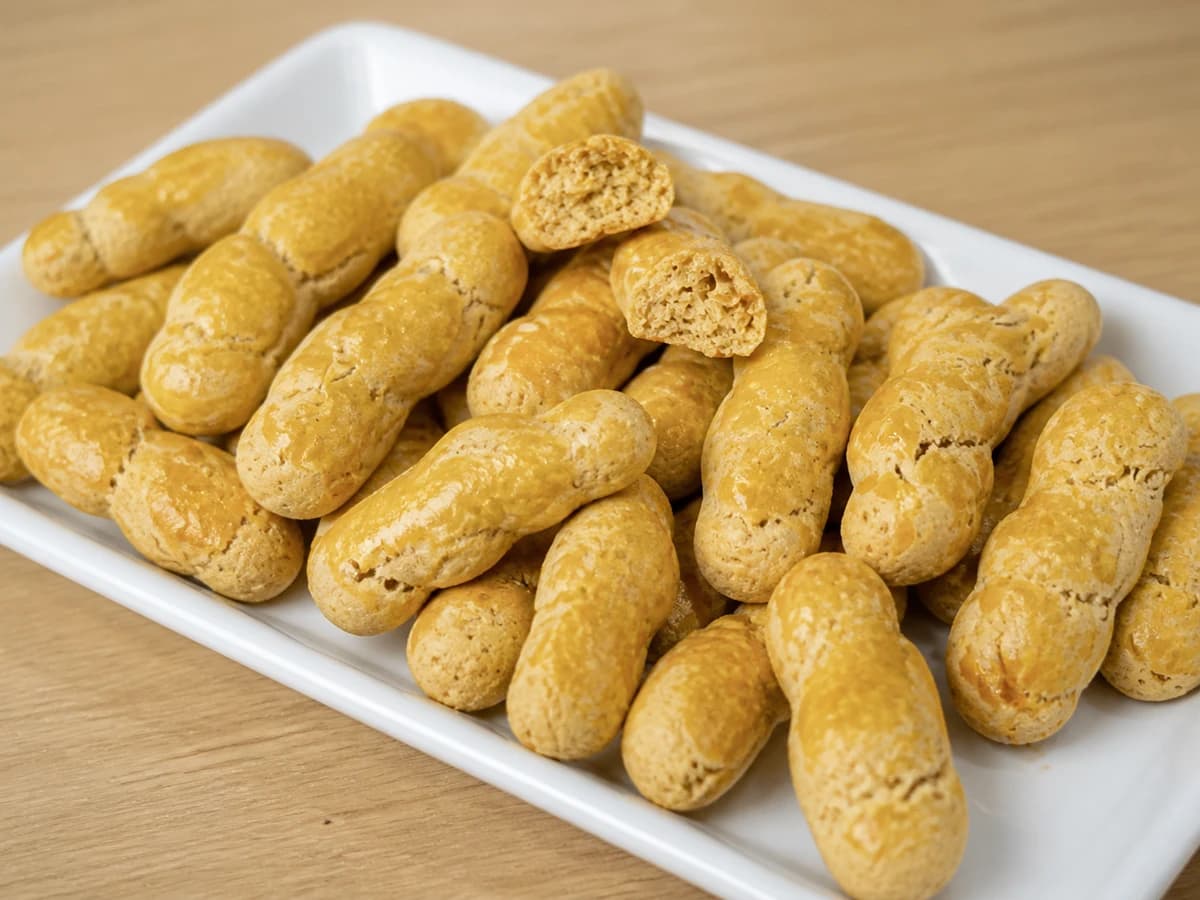
A common part of traditional Beira Interior confectionery.
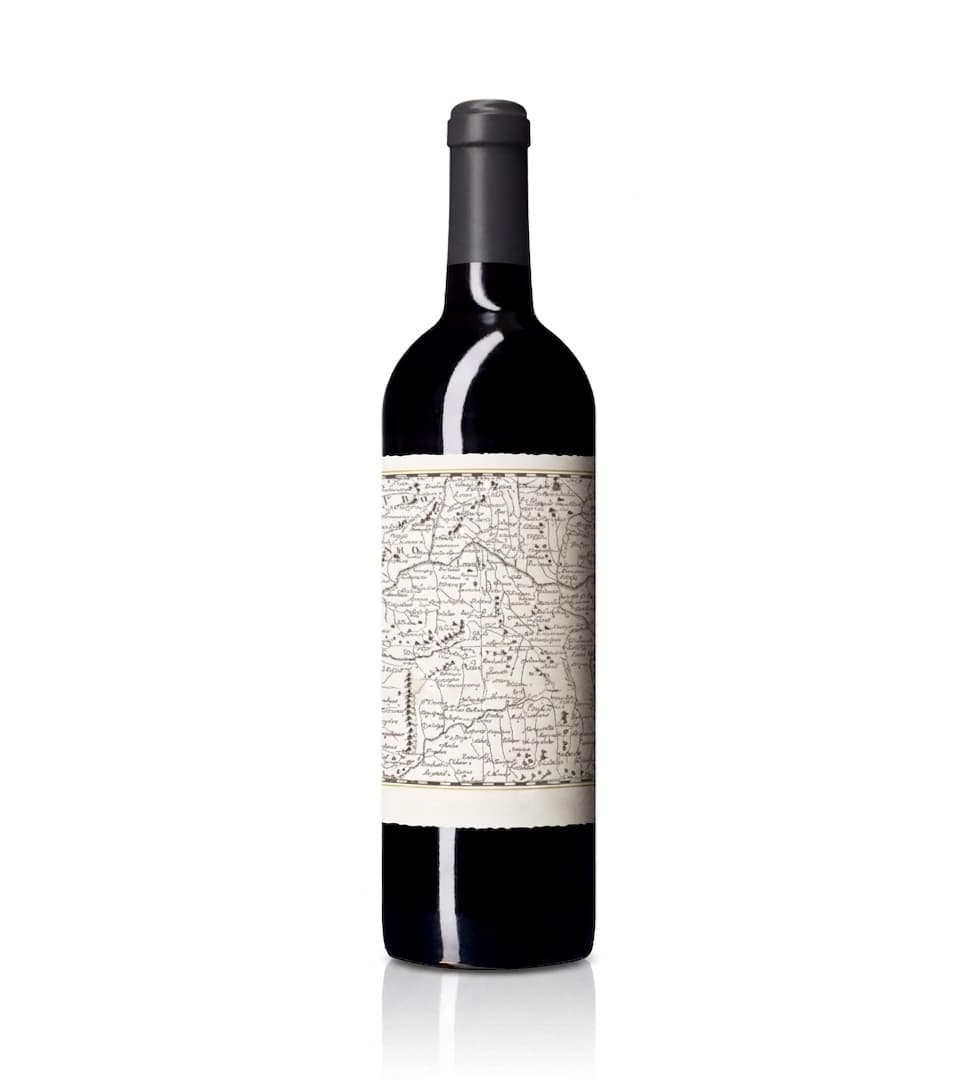
Guarda belongs to the Beira Interior wine region, known for high-altitude vineyards.
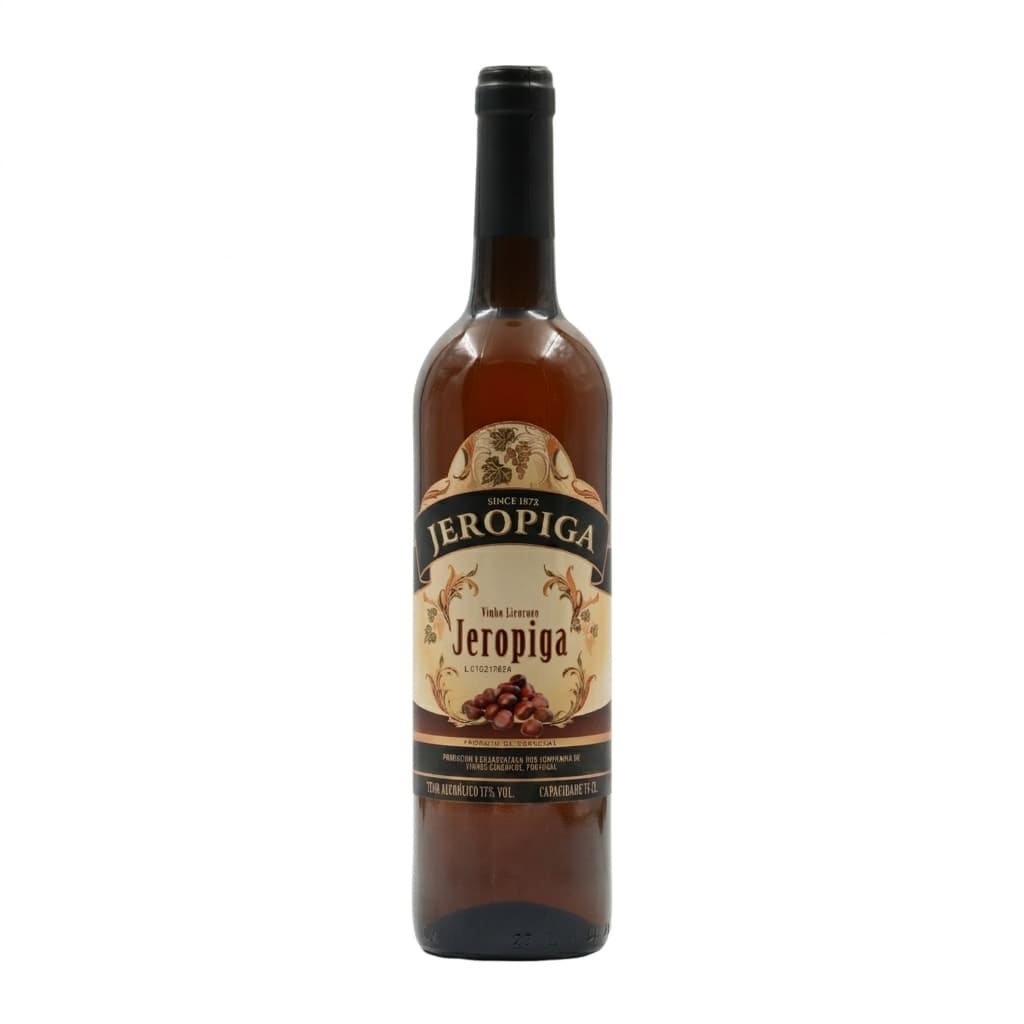
A traditional Portuguese sweet fortified drink made by adding grape spirit to partially fermented grape must.
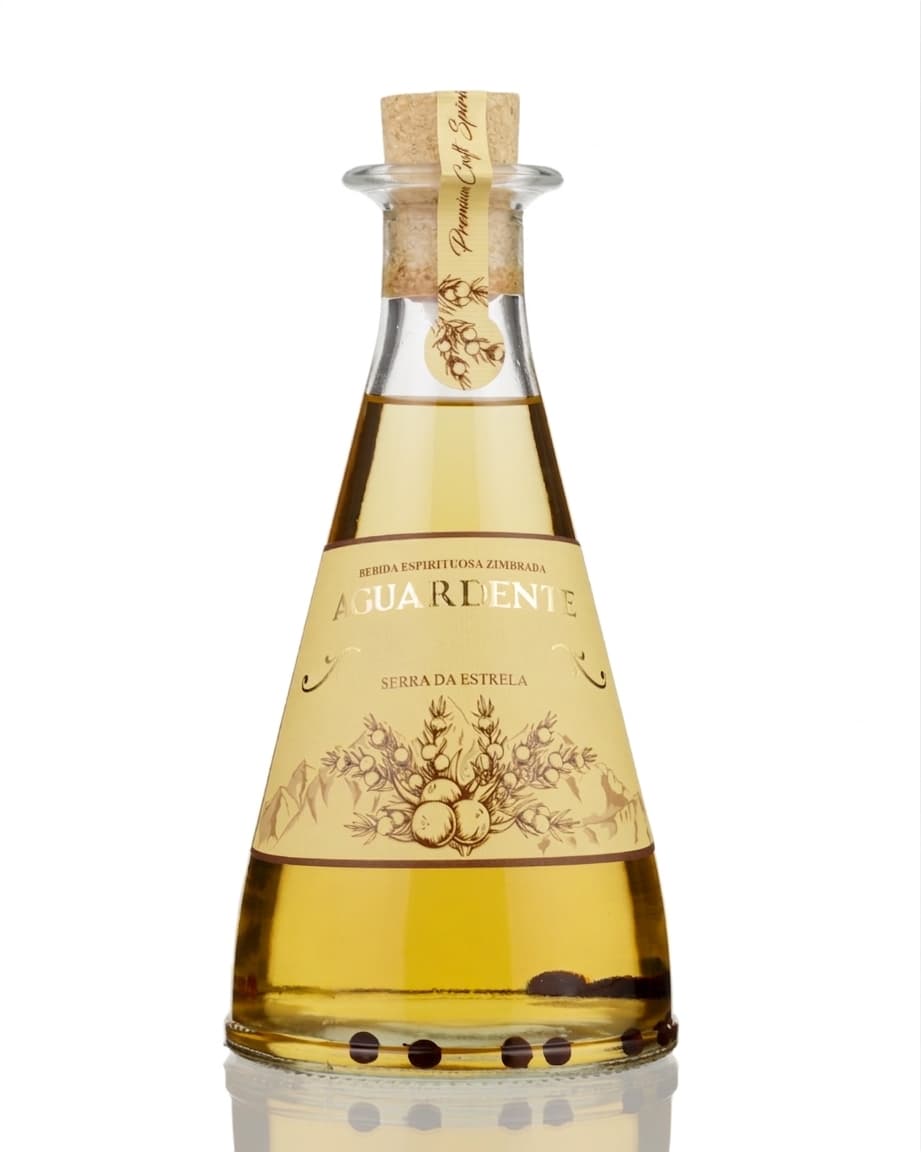
A traditional spirit from the Serra da Estrela region, aromatised with juniper berries and known for its distinctive herbal character.