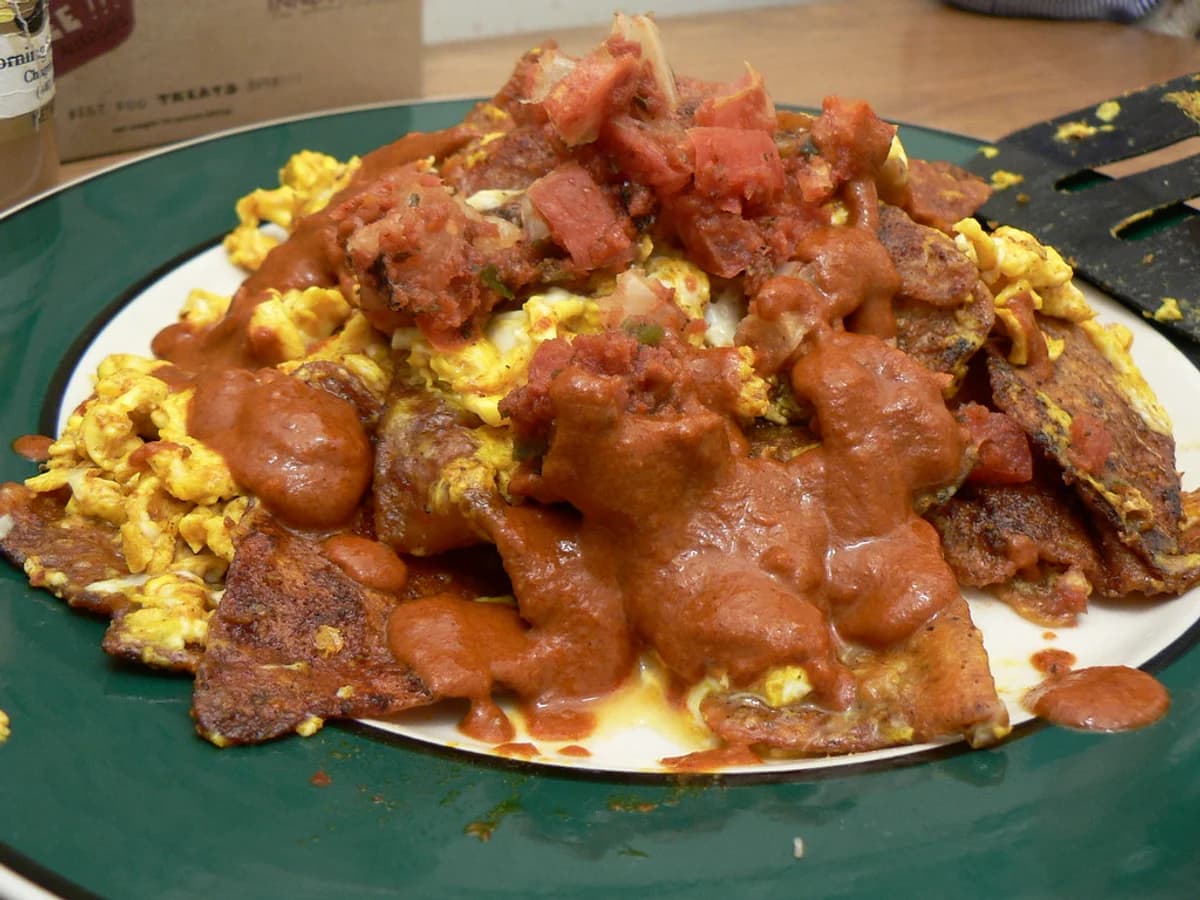
Migas
Prepared with bread or maize bread and varied accompaniments, common in regional cooking.

Portugal's flavours, place by place.
THE FOOD CATALOGUE
Dishes, sweets and drinks connected to the places whose traditions they belong to. Fully researched entries open their own editorial page.
Prepared with bread or maize bread and varied accompaniments, common in regional cooking.
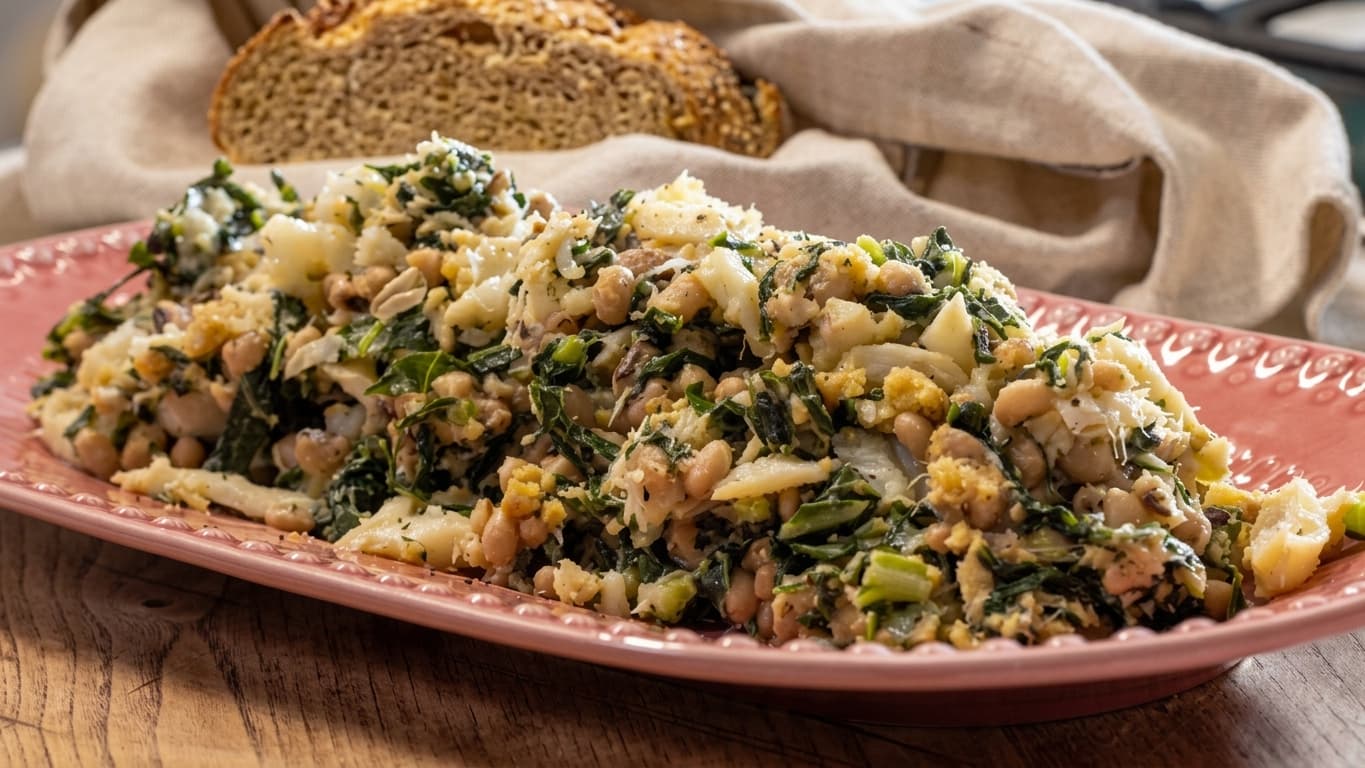
Salt cod served with migas, found in the region’s traditional cooking.
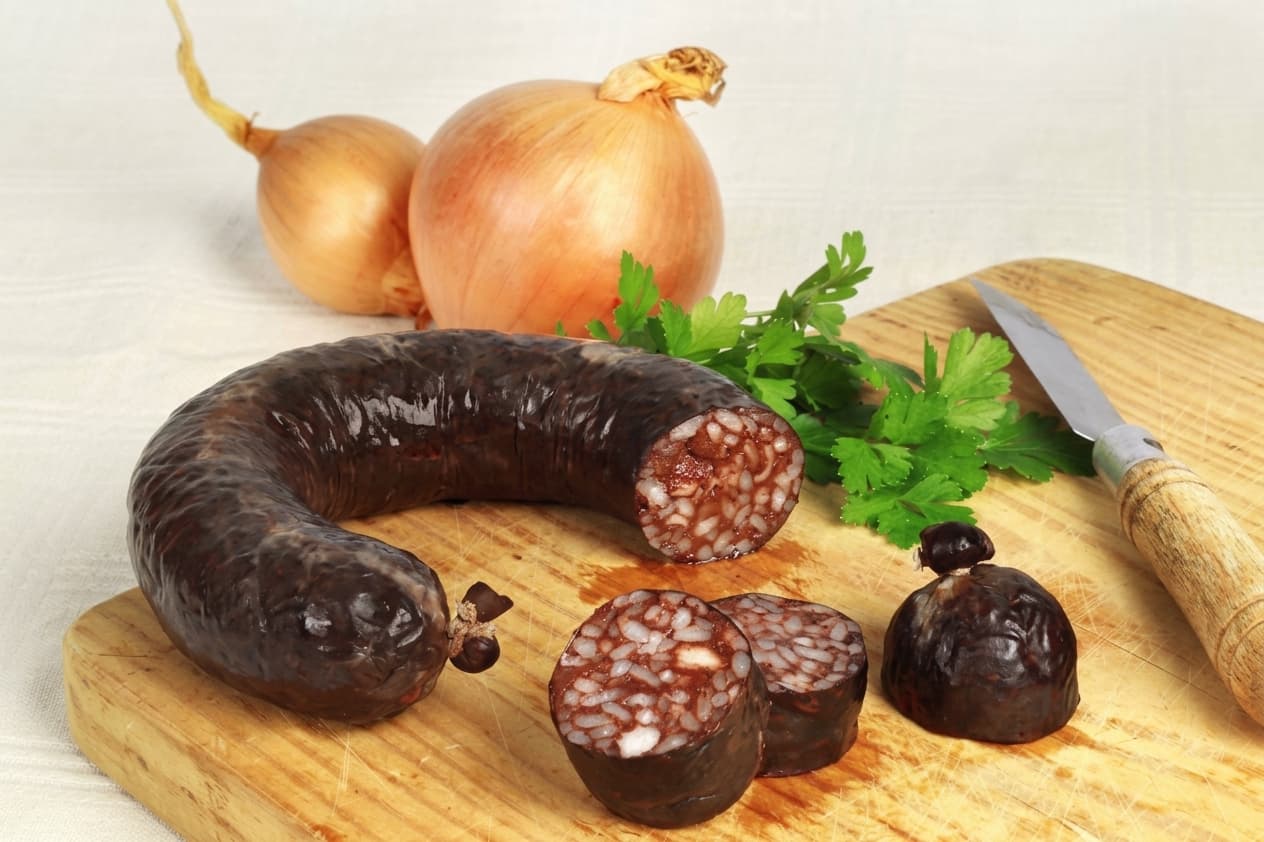
A traditional blood sausage from the Leiria region, distinguished by the addition of rice to pork blood, meat and seasonings.
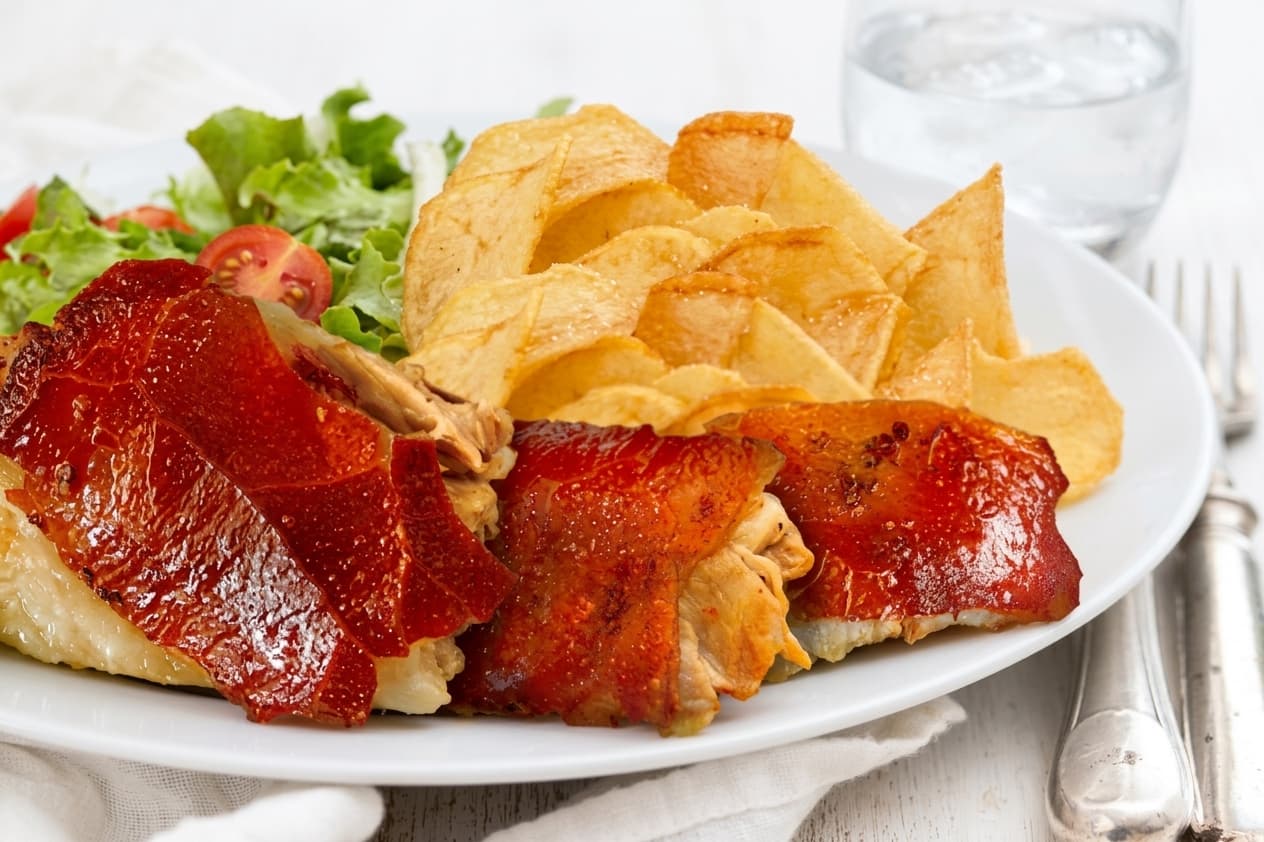
Roast suckling pig traditionally associated with Boa Vista, in the municipality of Leiria.
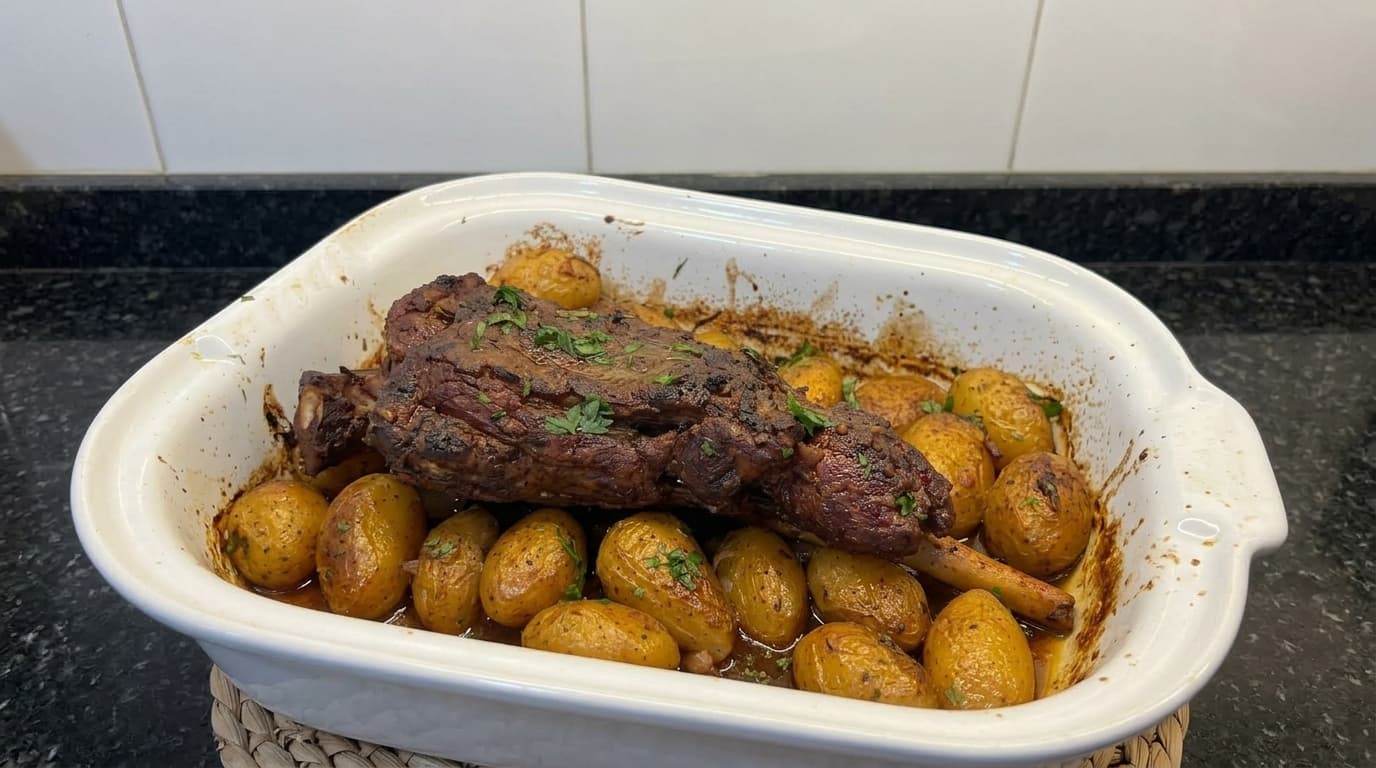
Kid goat roasted in the oven with potatoes and traditional seasonings.
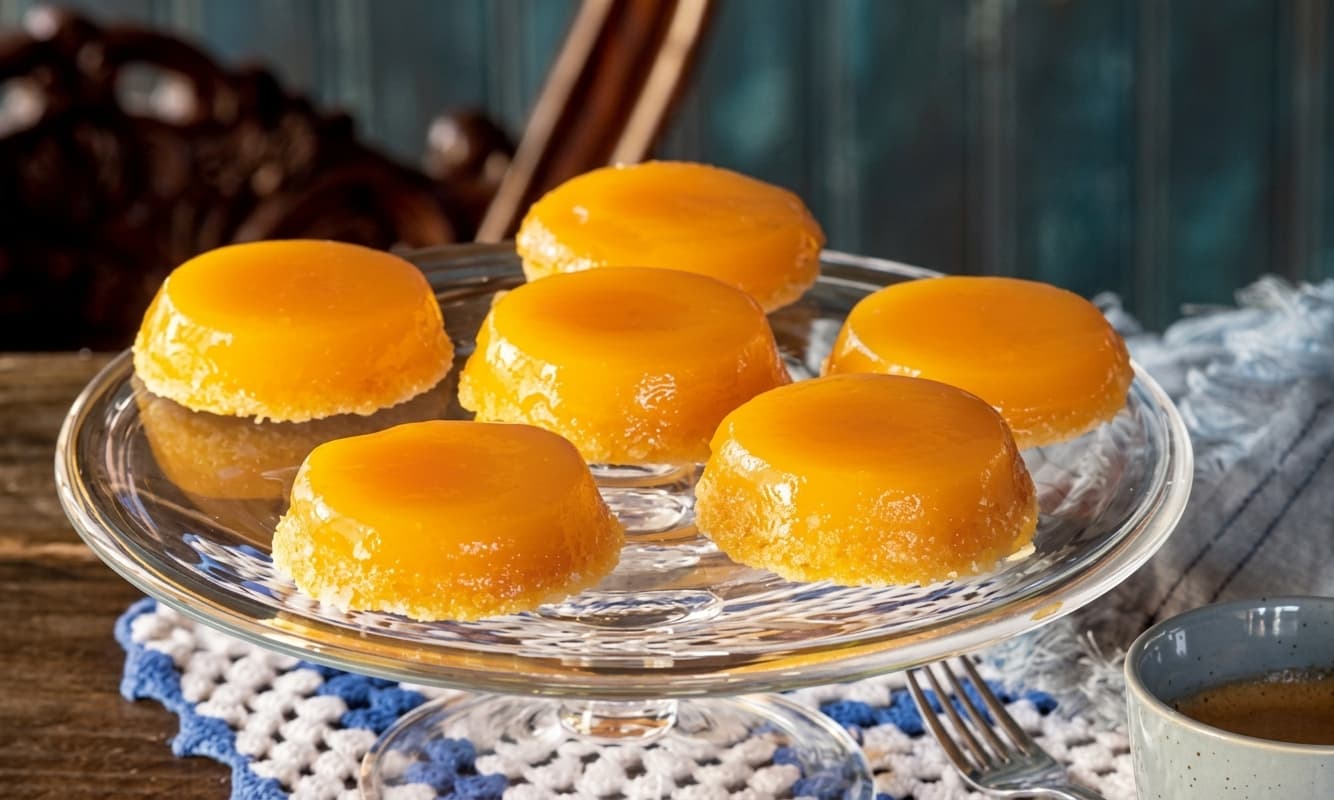
Leiria’s most emblematic sweet, made essentially with egg yolks, sugar and almonds.
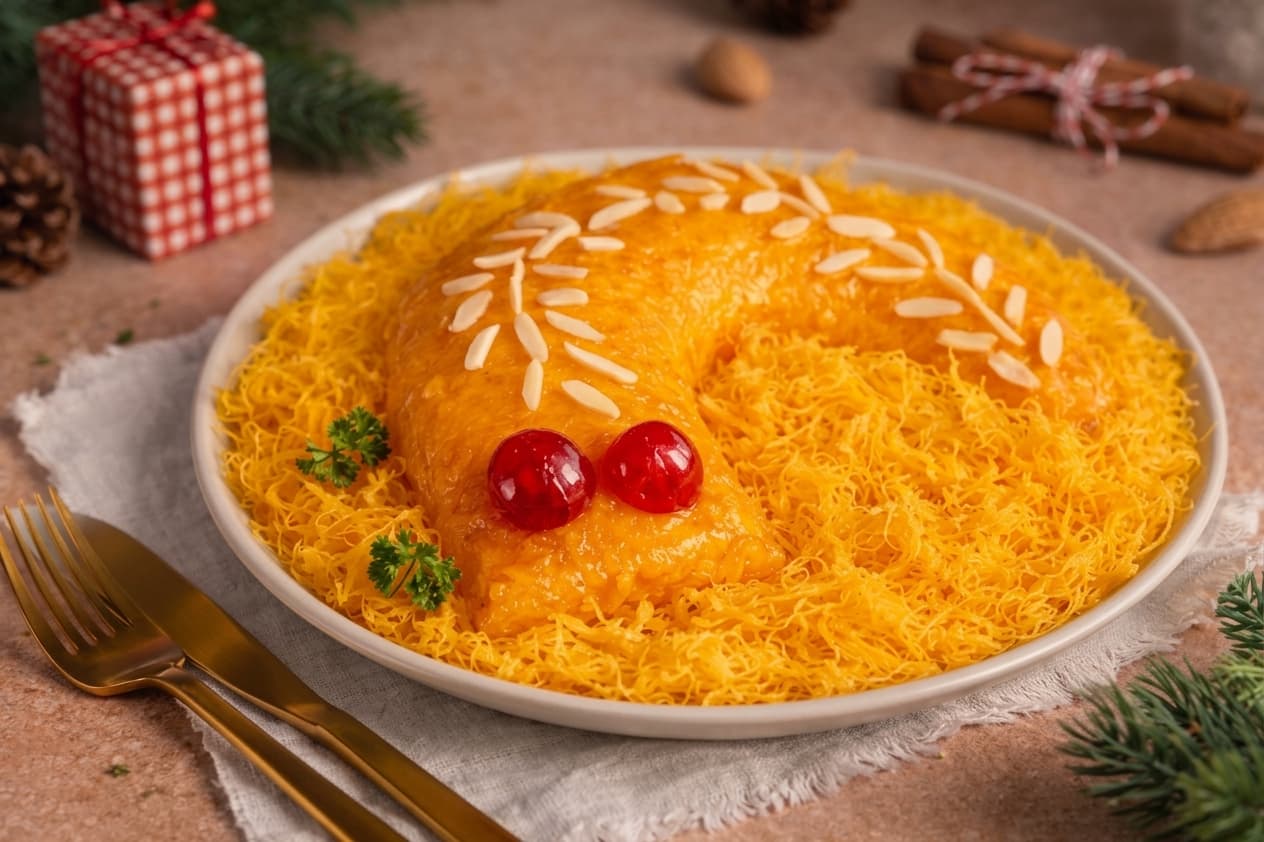
A traditional egg sweet especially associated with festive seasons.
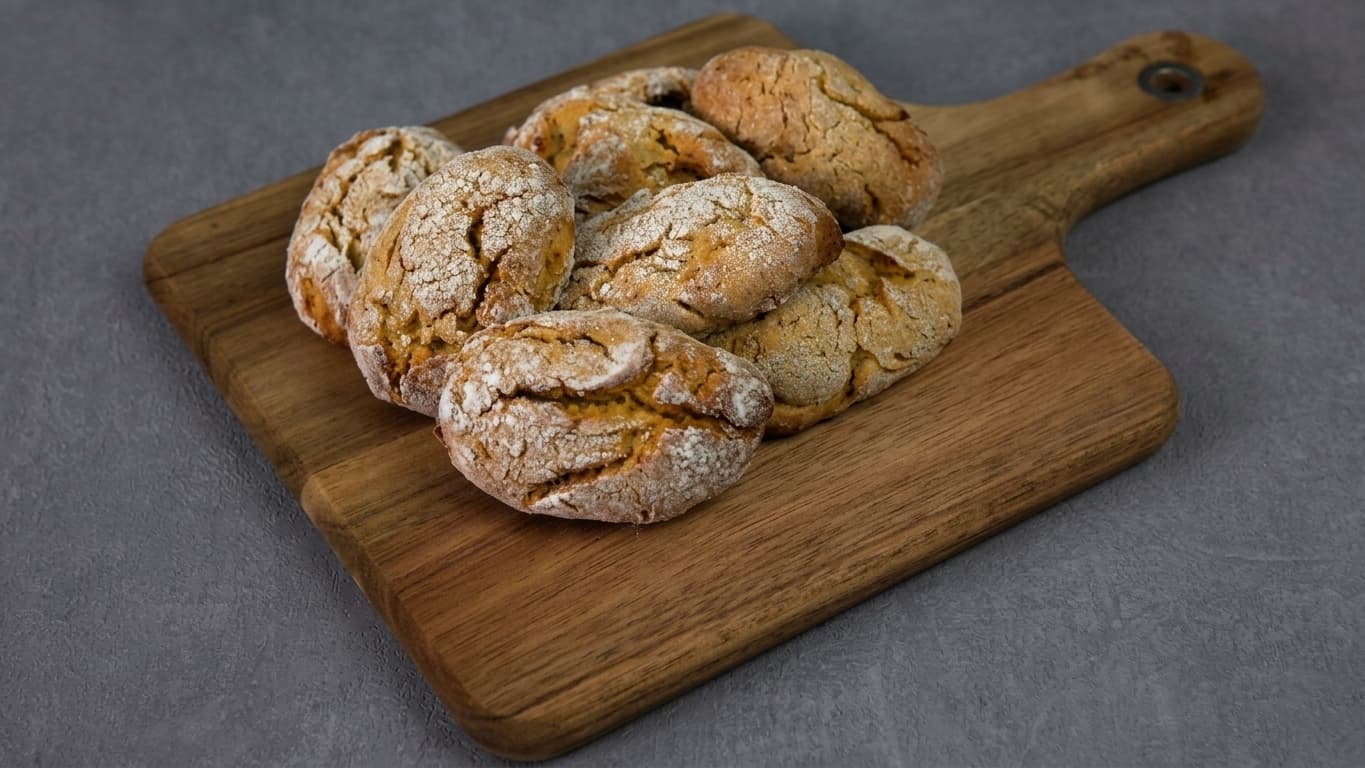
Traditional cakes found in the Leiria region.
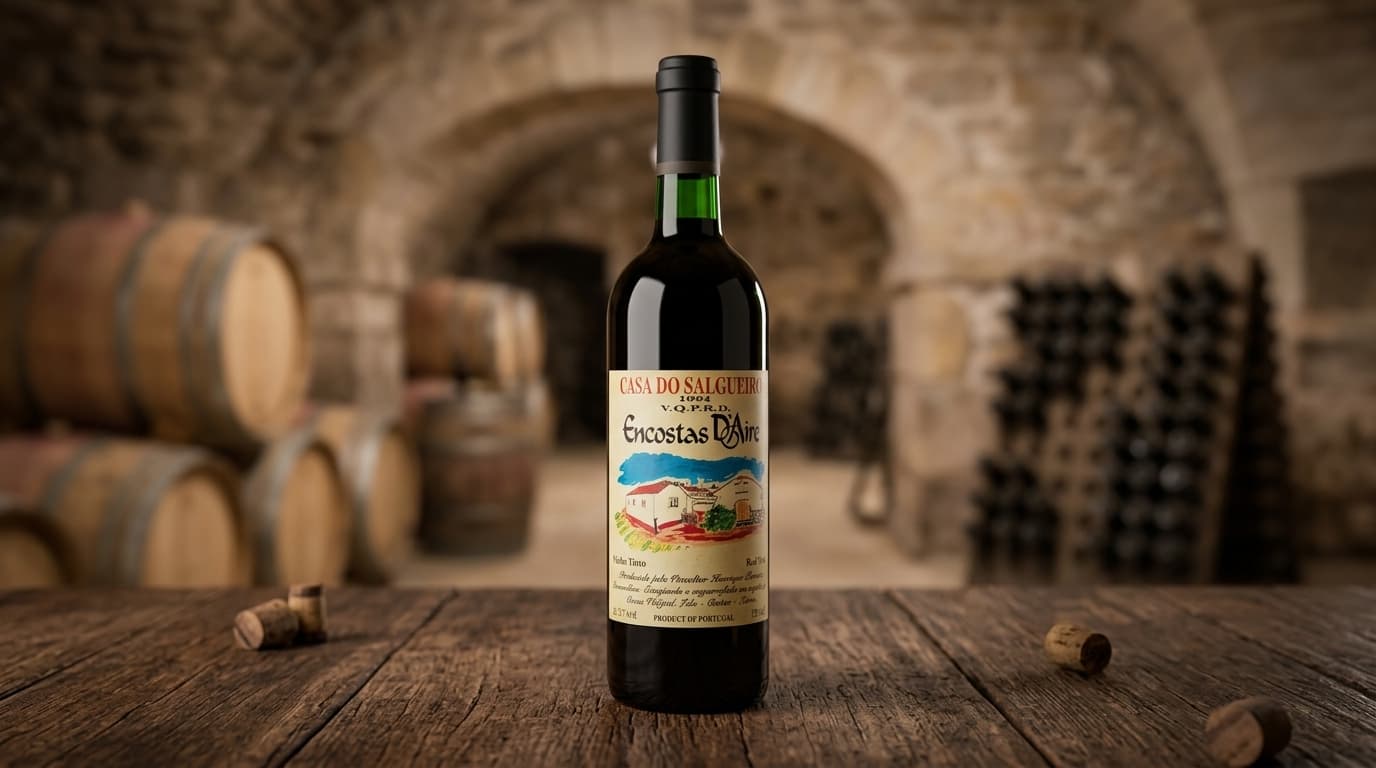
Wines produced in the wine area that covers part of Leiria’s territory.
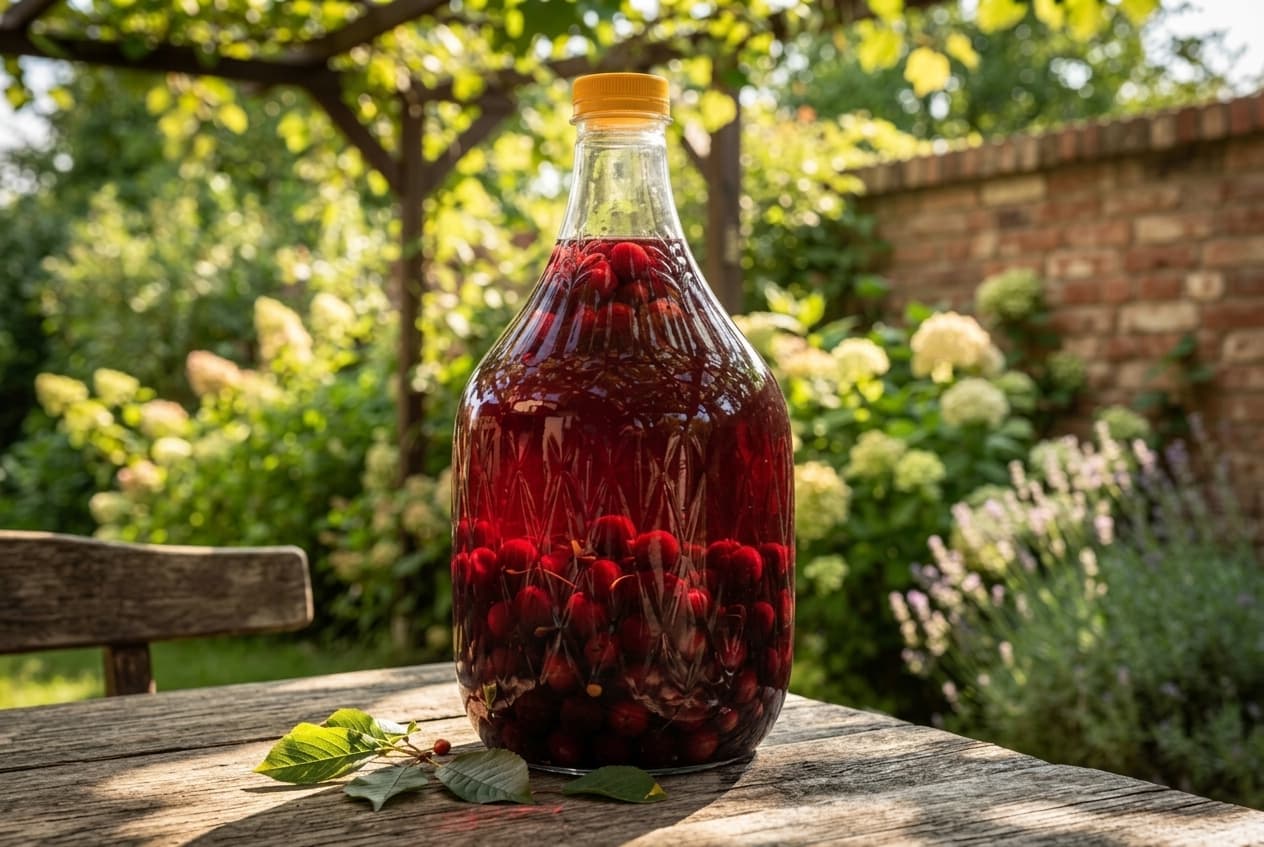
Found in the wider region, although Ginja de Óbidos e Alcobaça has a more specific geographical association.
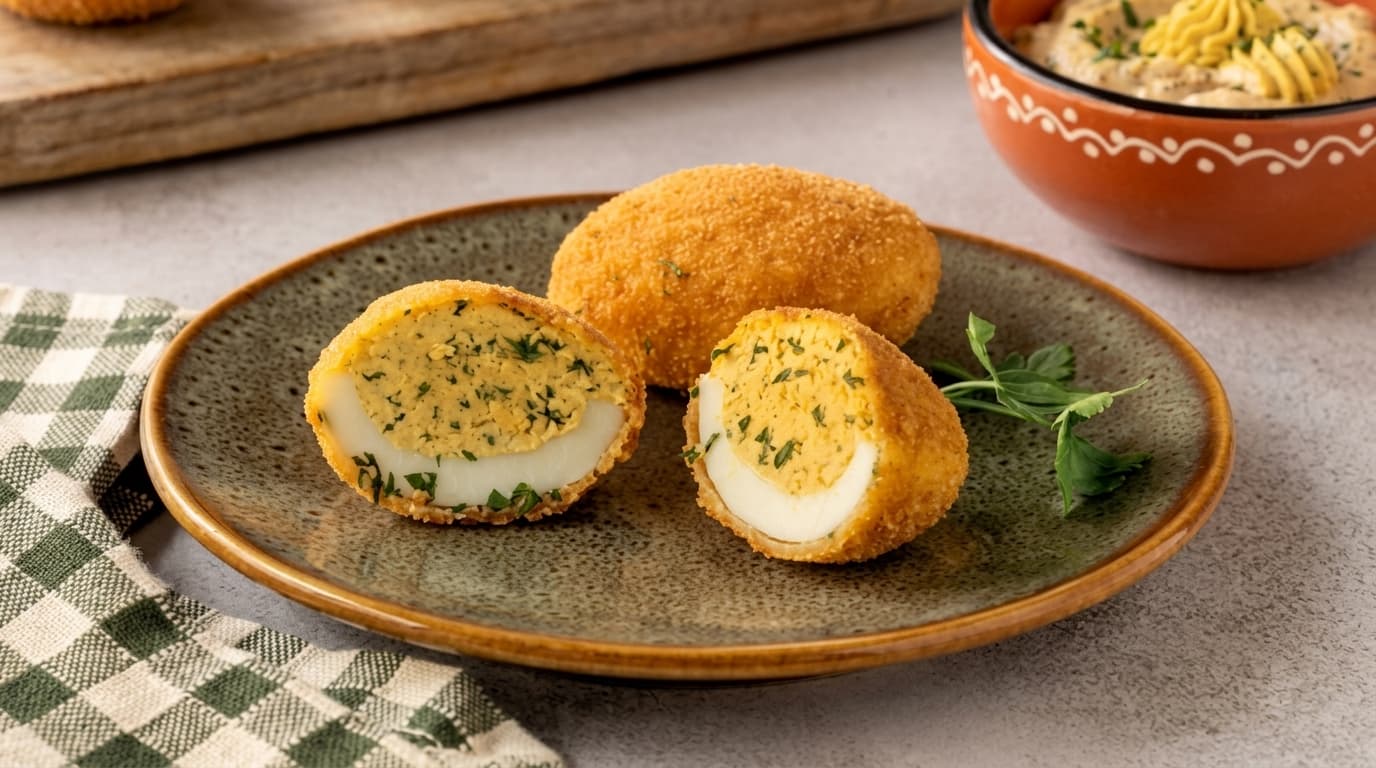
A traditional Portuguese appetiser of boiled eggs filled with a seasoned yolk and parsley mixture, then breaded and fried.
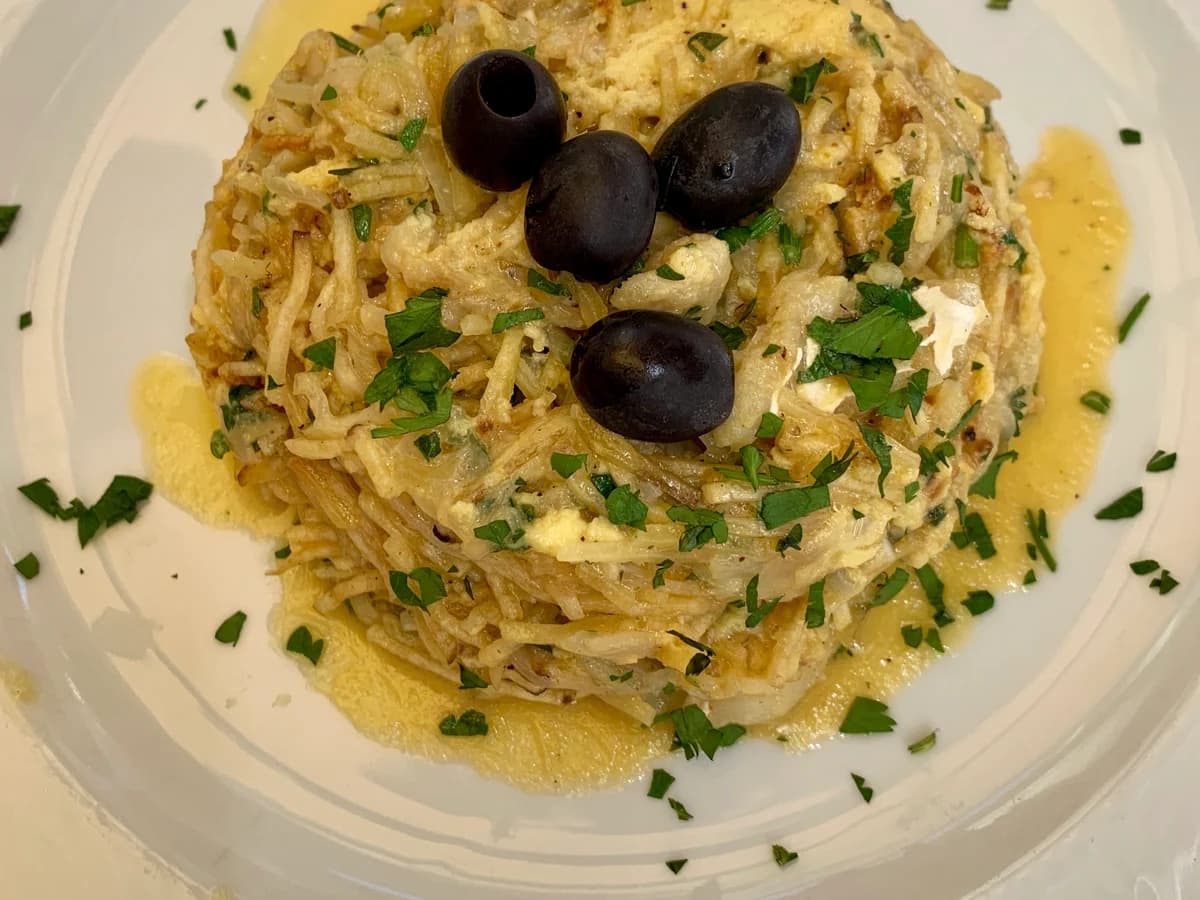
Shredded salt cod with matchstick potatoes, egg, onion, olives and parsley, traditionally associated with Lisbon.
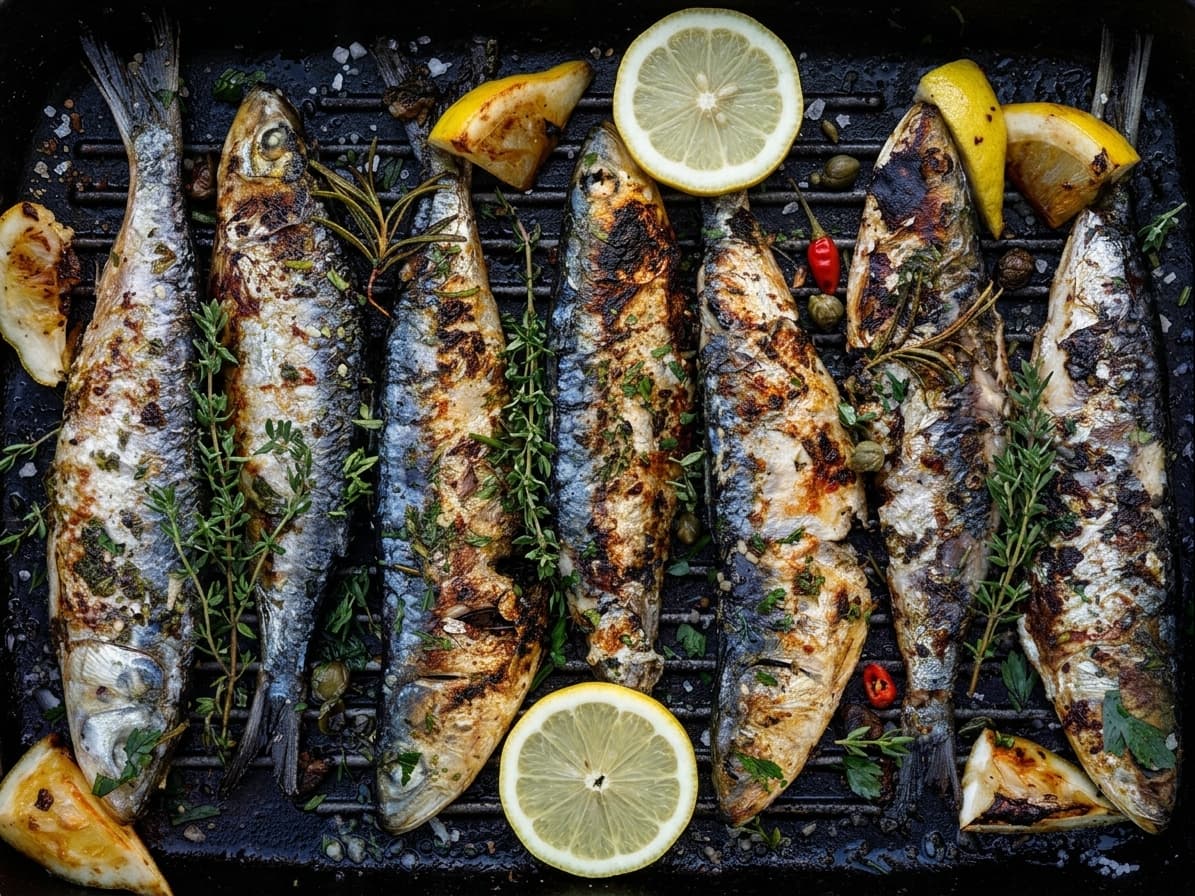
One of Lisbon’s great gastronomic symbols, especially during the festivities of Saint Anthony.
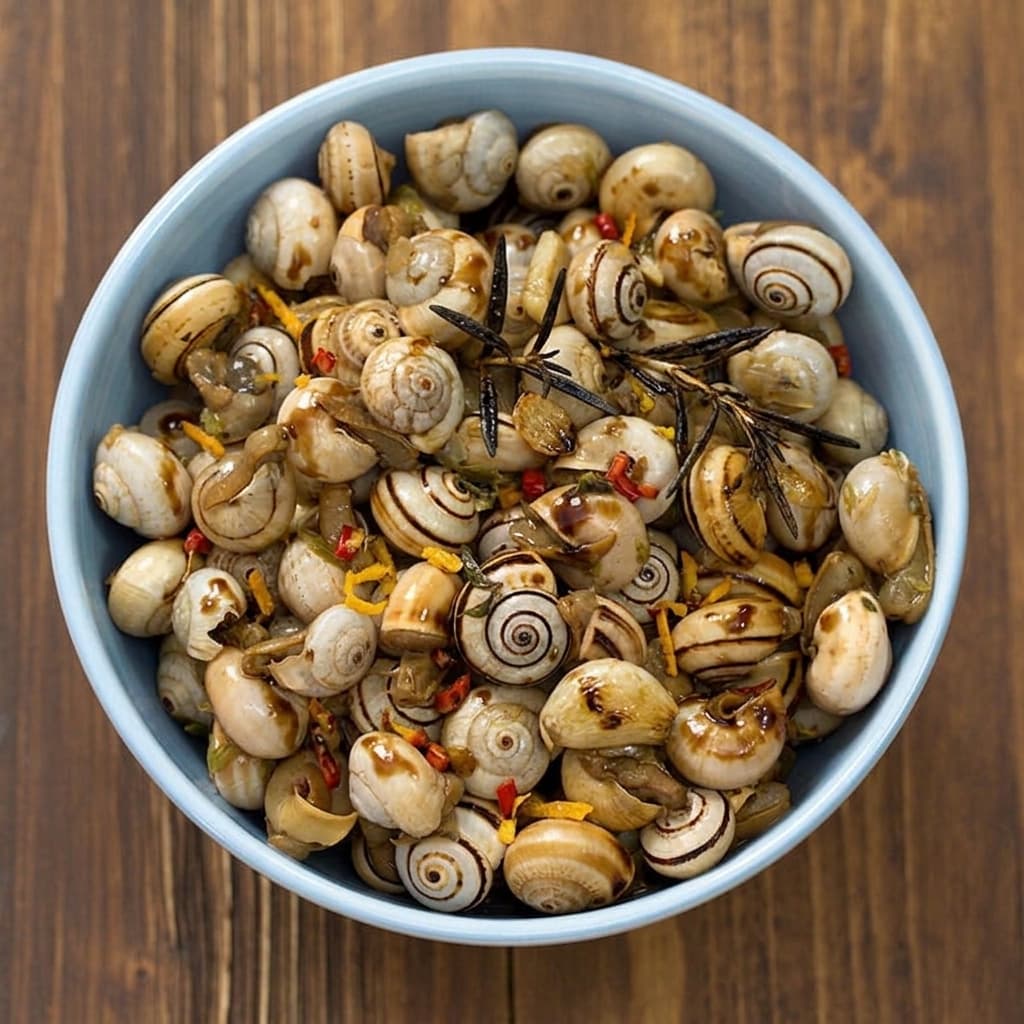
A very popular Lisbon dish during the warmer months.
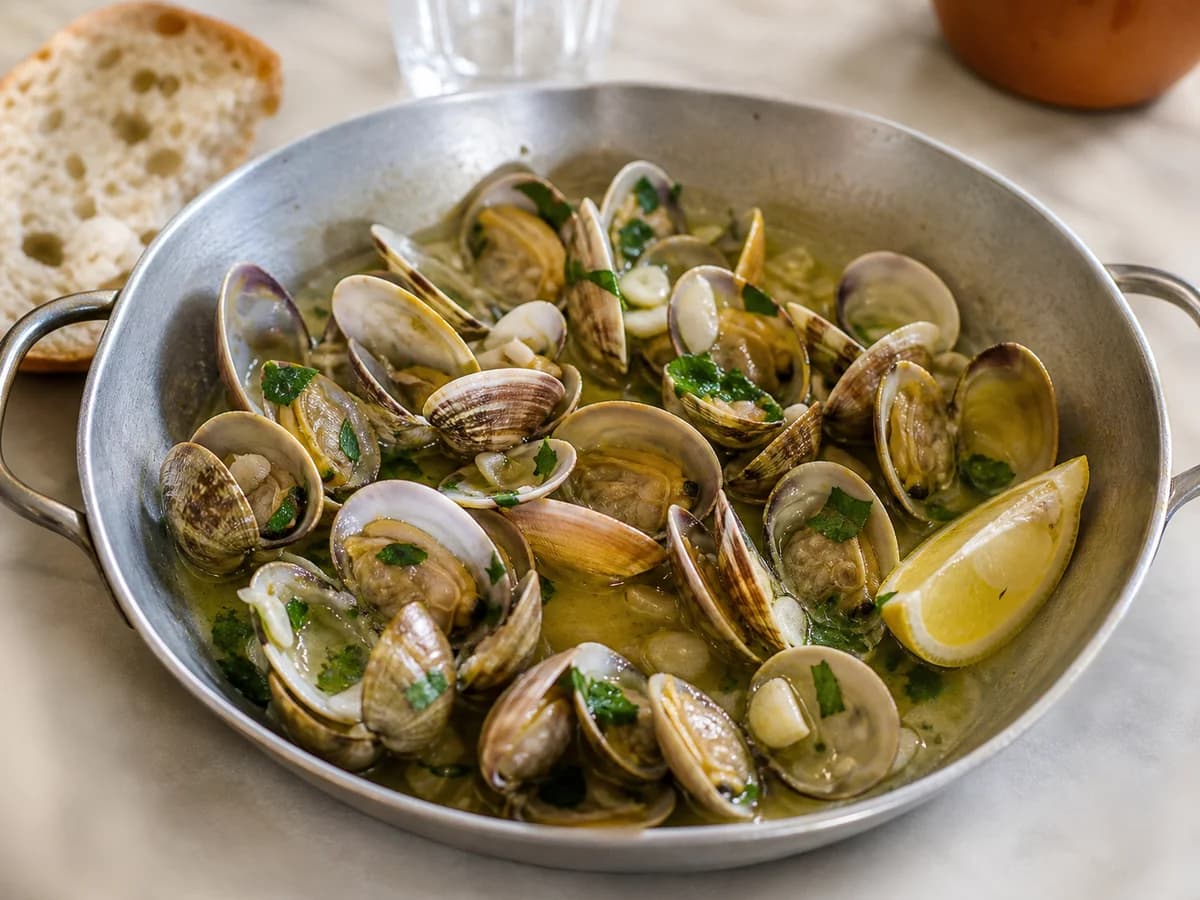
Clams opened in olive oil, garlic, coriander and lemon: one of Lisbon’s most emblematic seafood dishes.
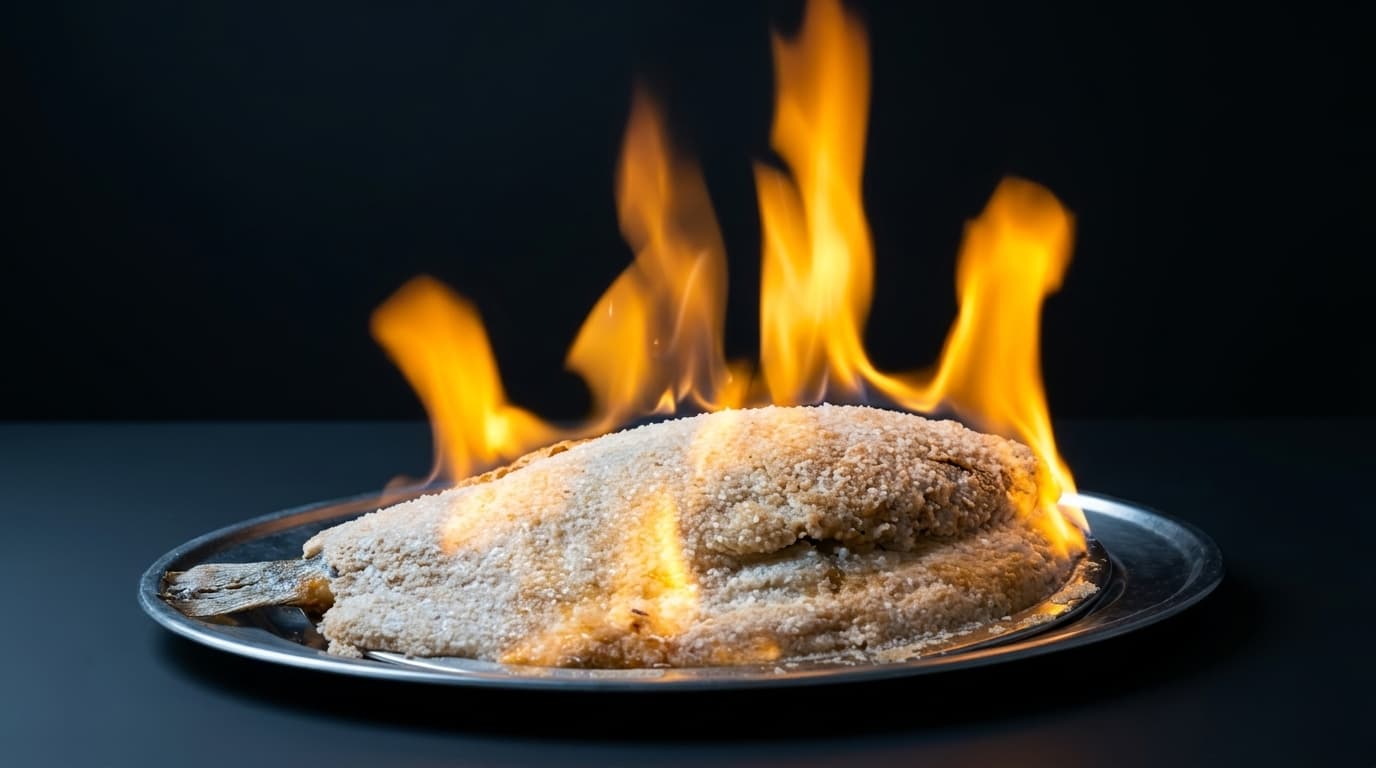
Fresh fish baked whole in a crust of coarse sea salt, a popular preparation in Lisbon’s fish and seafood cuisine.
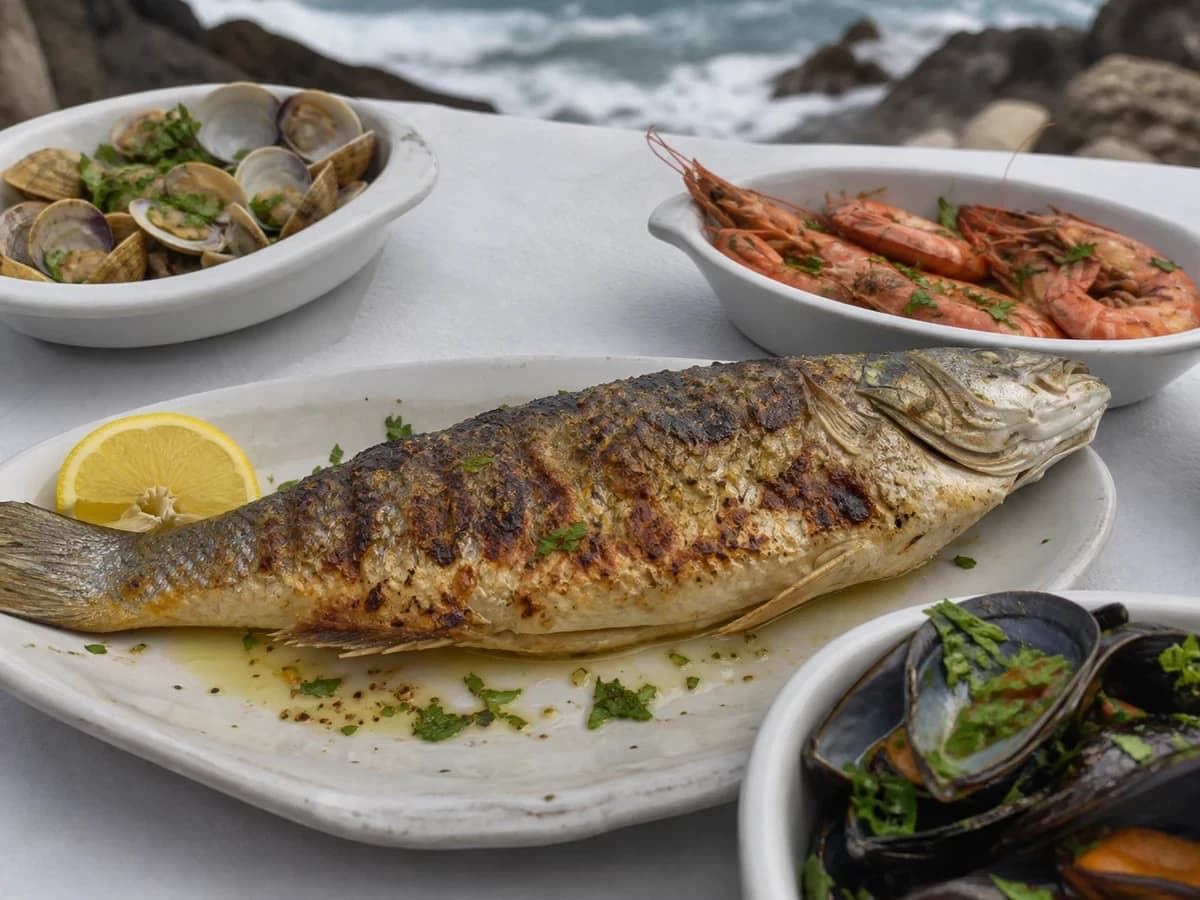
Fresh Atlantic fish grilled simply, a defining flavour of Sintra’s coastline.
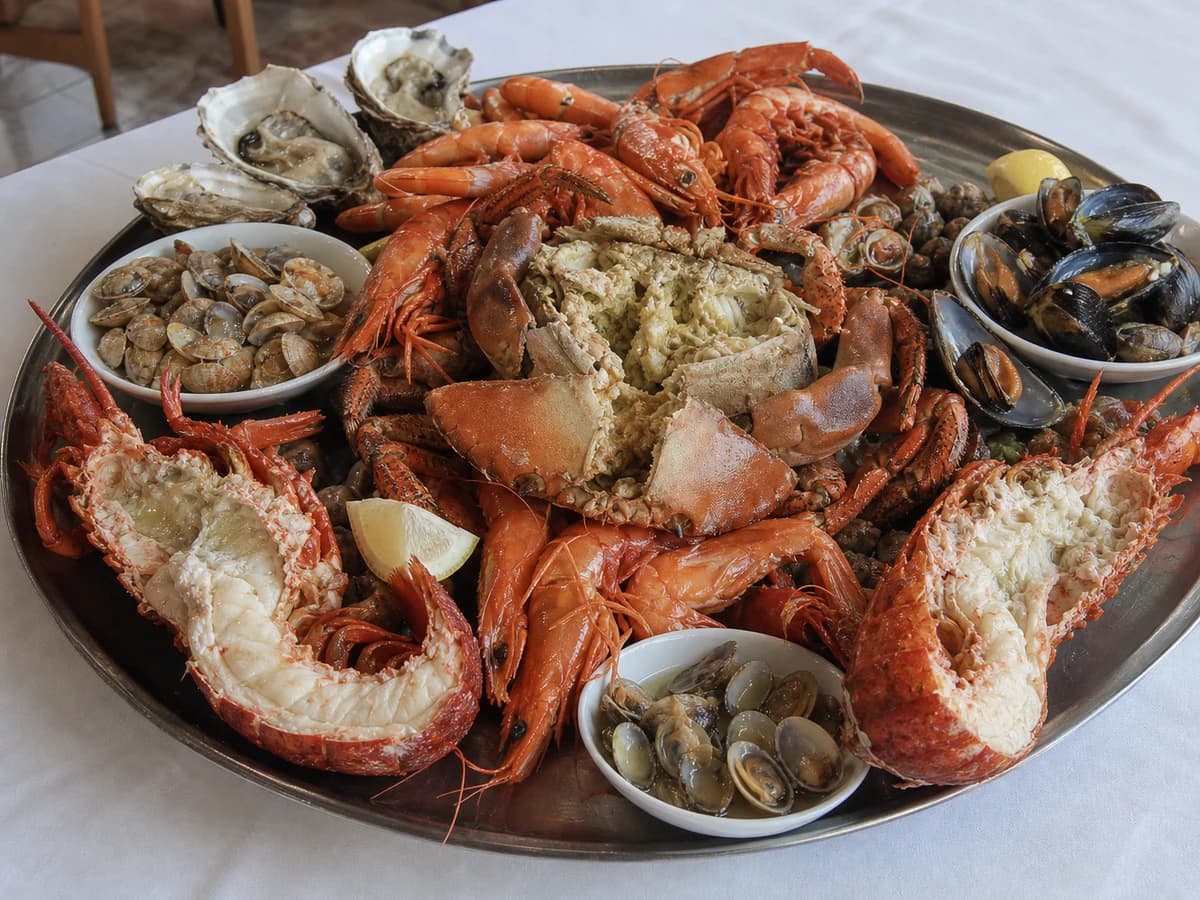
A varied selection of Atlantic shellfish and seafood served along Sintra’s coastline.
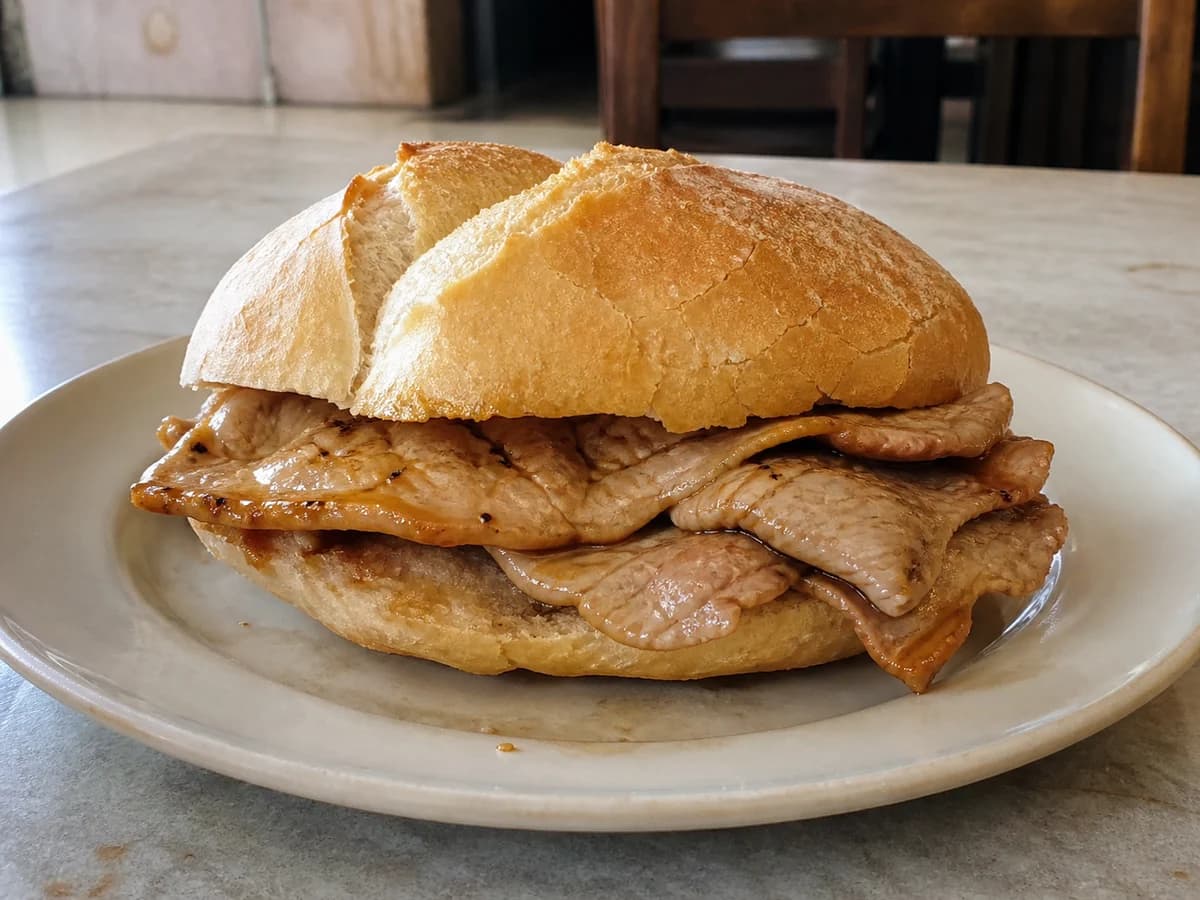
A seasoned pork sandwich popular in traditional cafés and tascas.
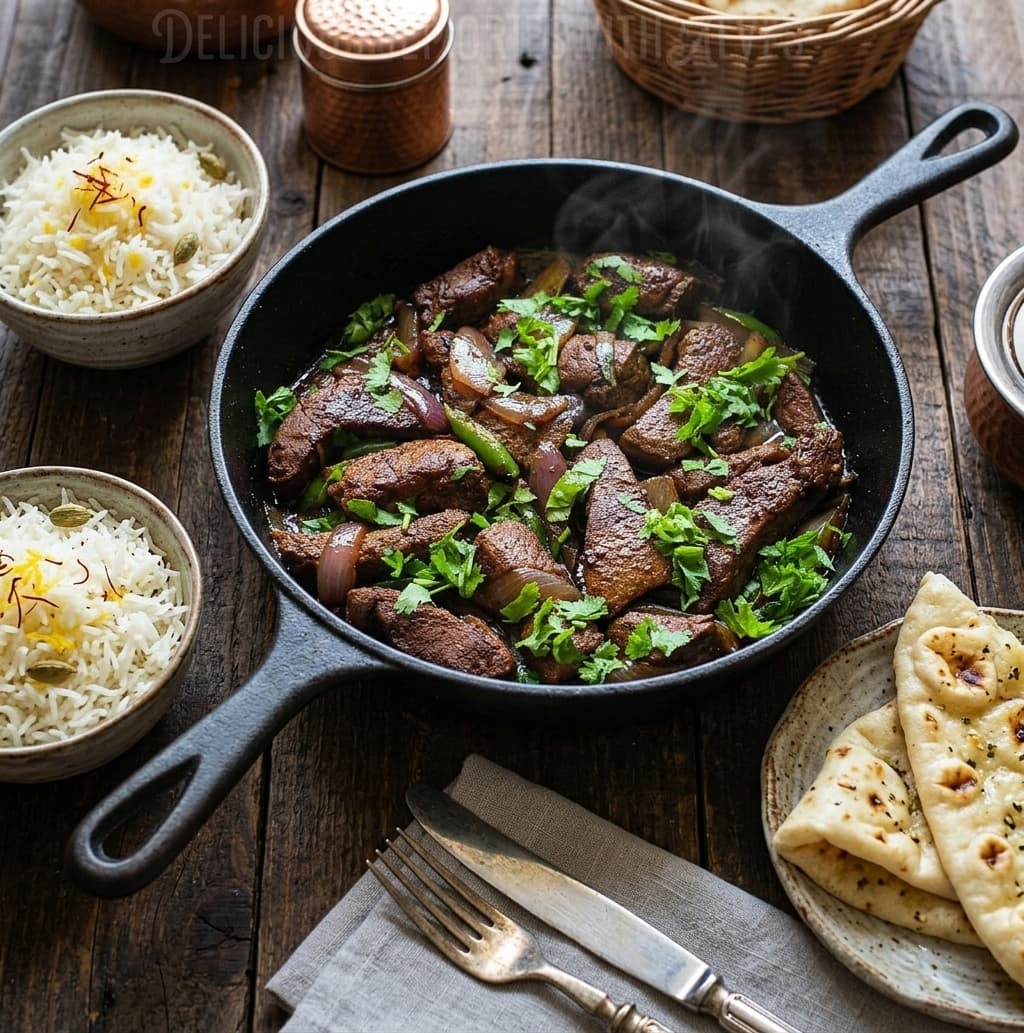
Seasoned pork liver traditionally served with potatoes.
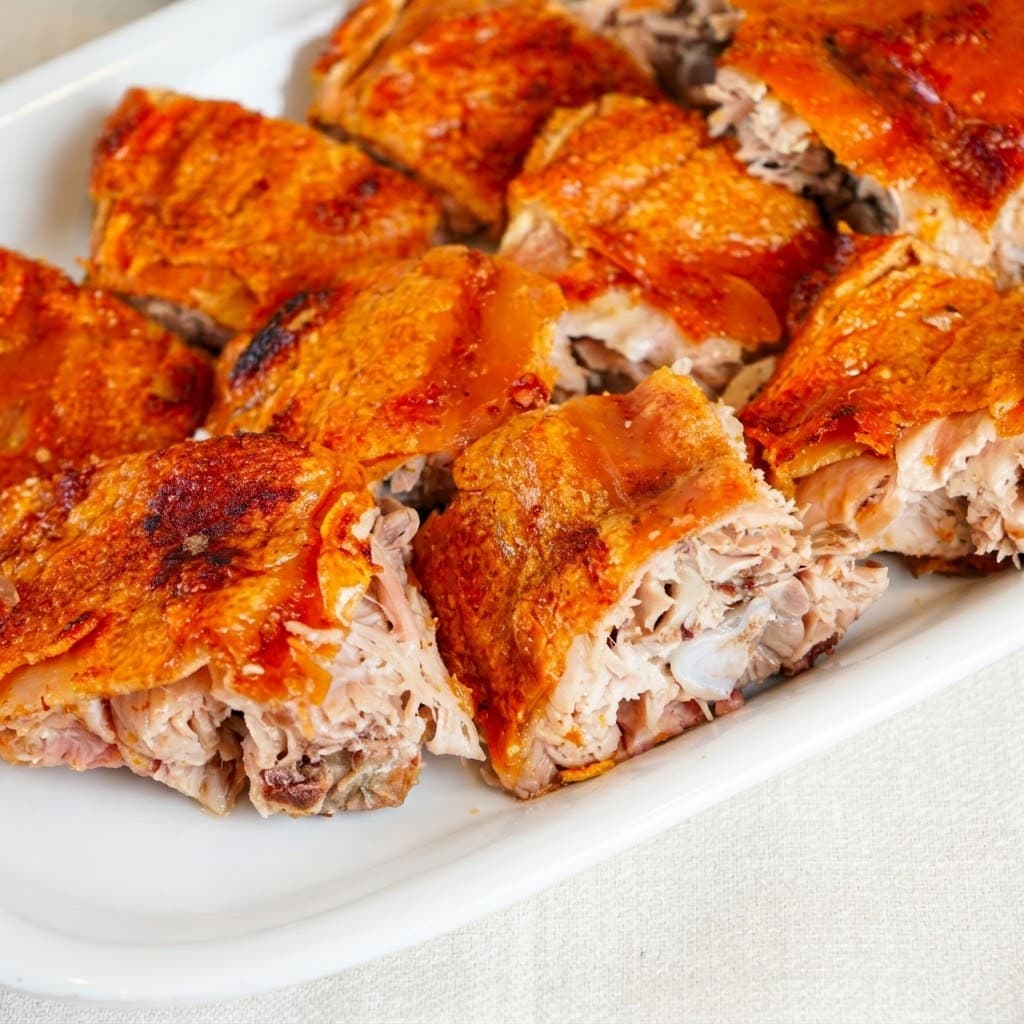
Roast suckling pig, a traditional speciality from Negrais in the municipality of Sintra.
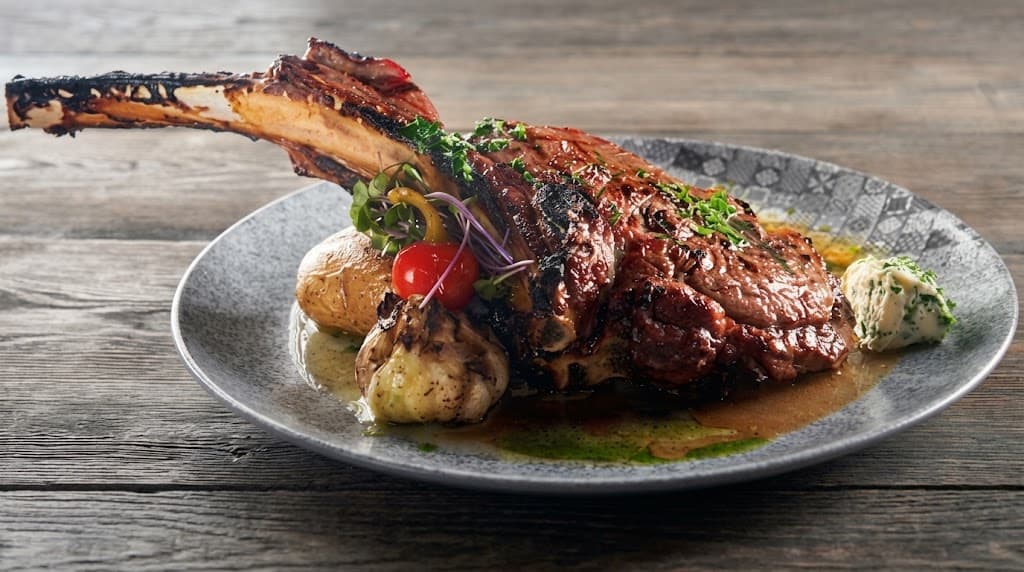
Oven-roasted kid goat, a traditional dish of the Saloia region.
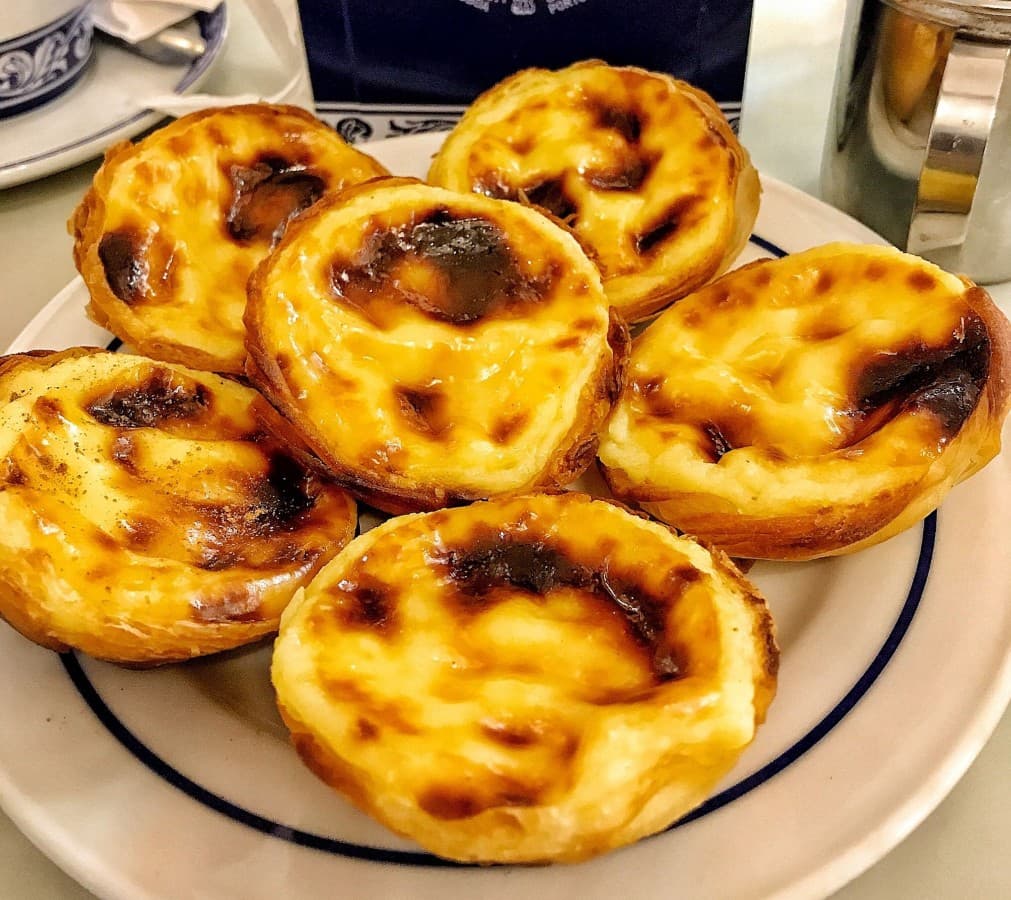
Belém’s historic speciality, produced by Pastéis de Belém since 1837.
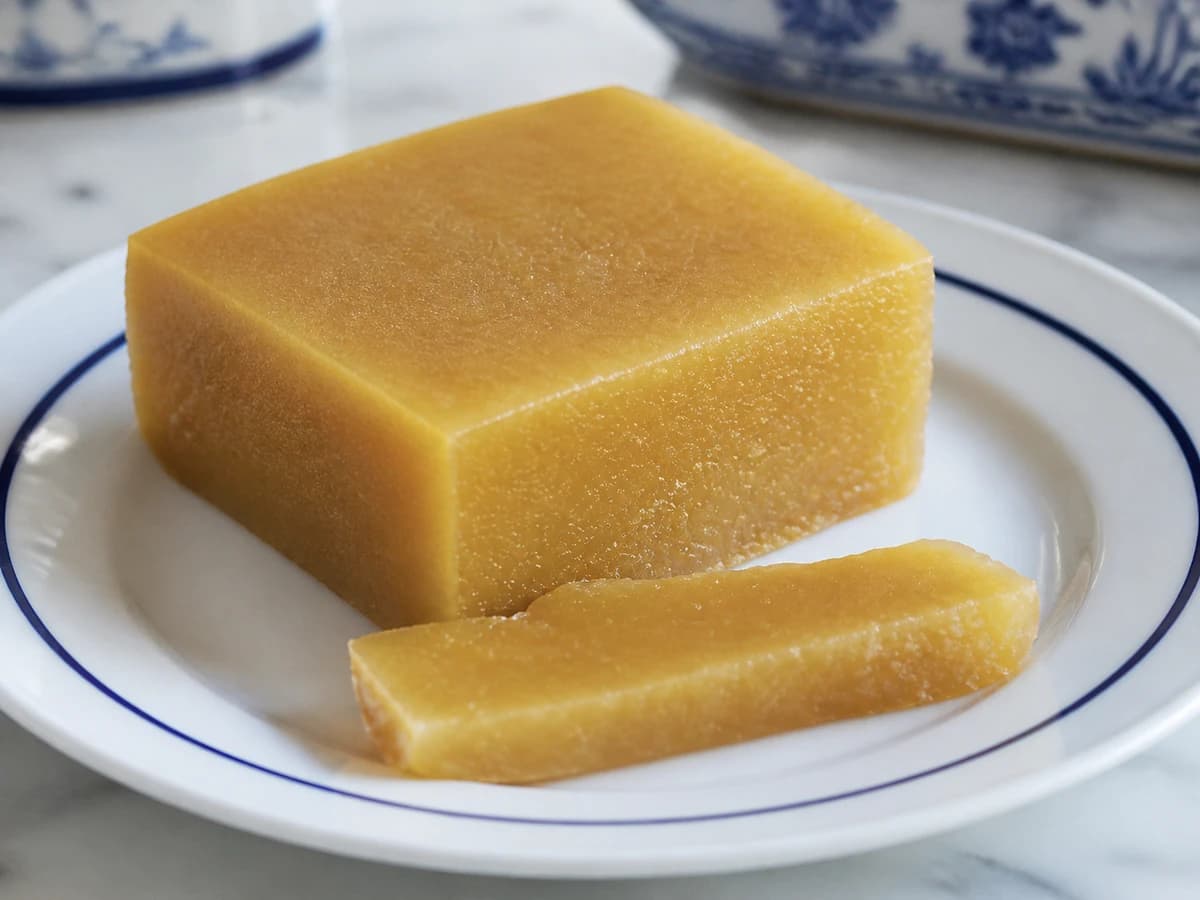
A firm quince preserve sold as one of the historic Belém pastry house’s other specialities.
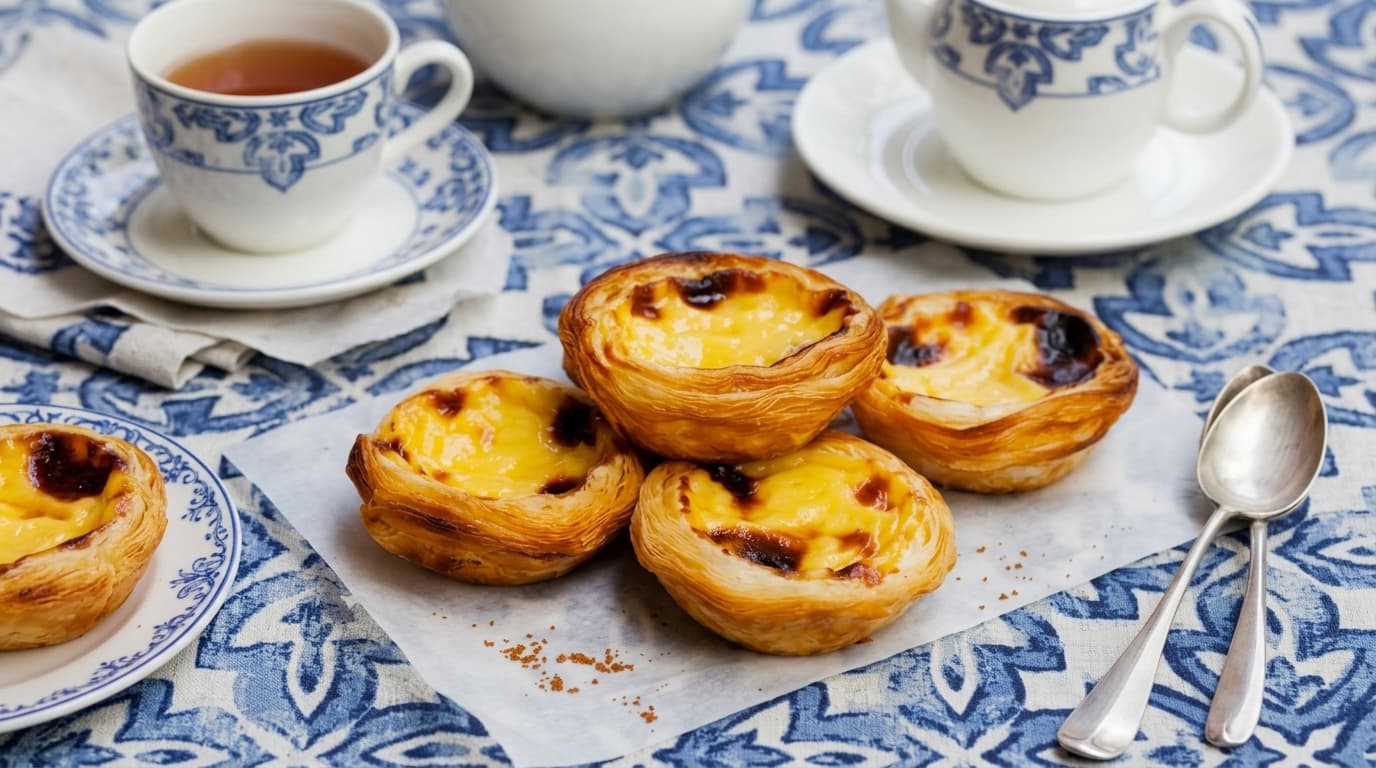
One of Portugal’s best-known sweets and present in pastry shops throughout Lisbon.
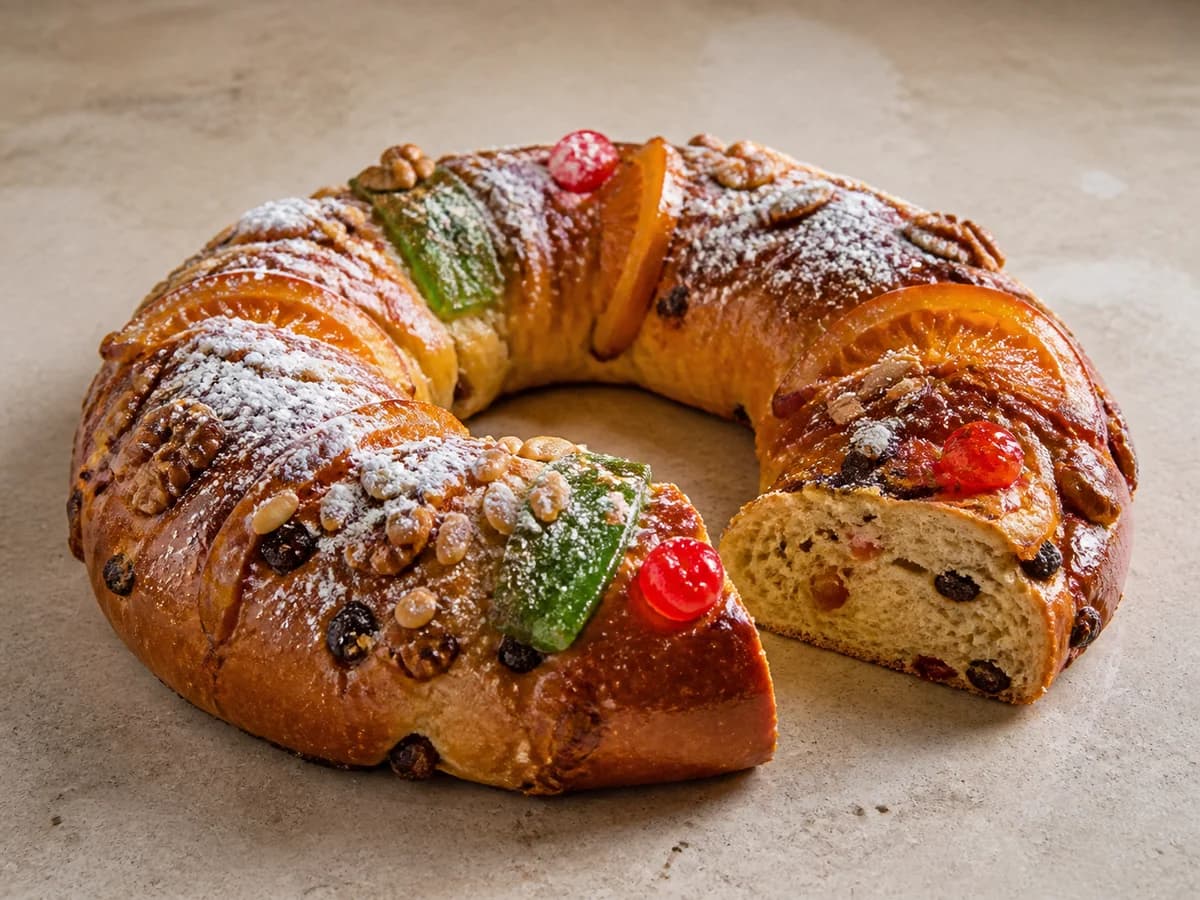
Closely connected to Lisbon’s historic Confeitaria Nacional, although now a national Christmas sweet.
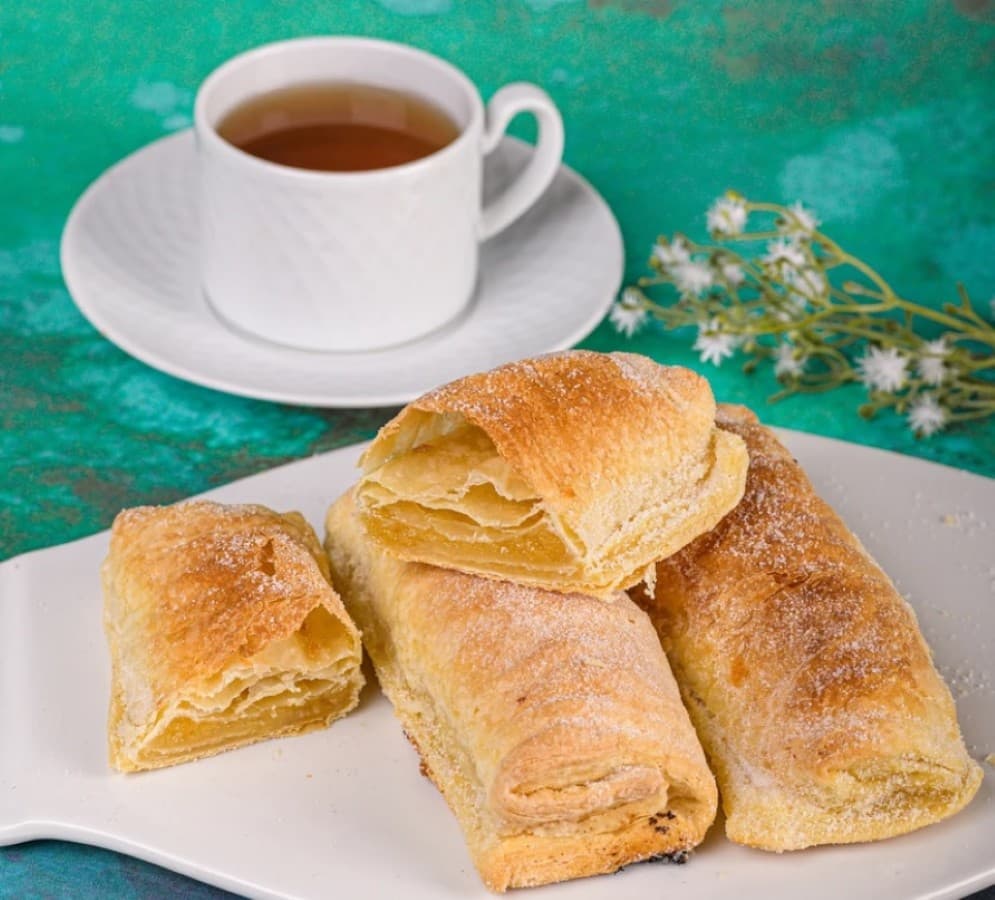
Flaky pastry filled with almond cream and finished with sugar, one of Sintra’s gastronomic symbols.
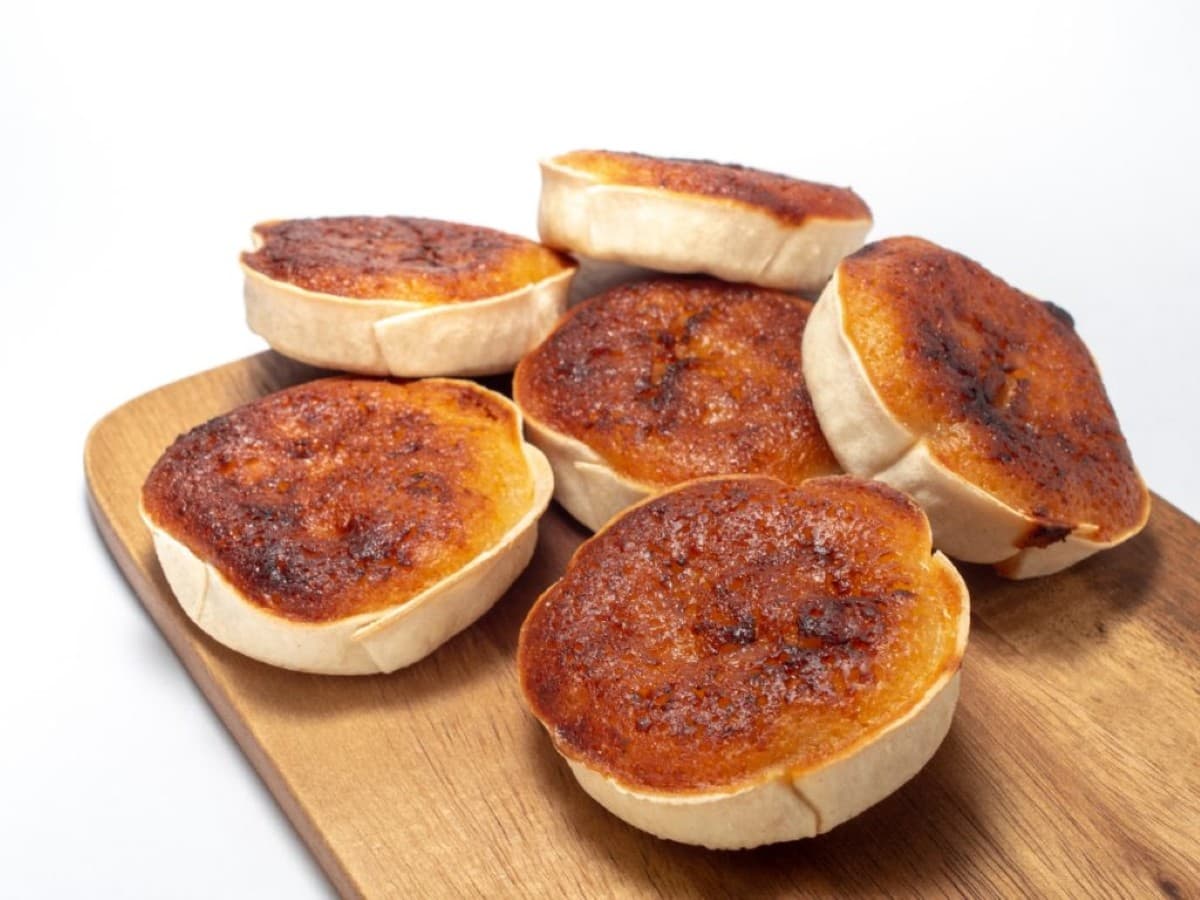
Small, centuries-old cheese tarts made with cheese, sugar, eggs, flour and cinnamon.
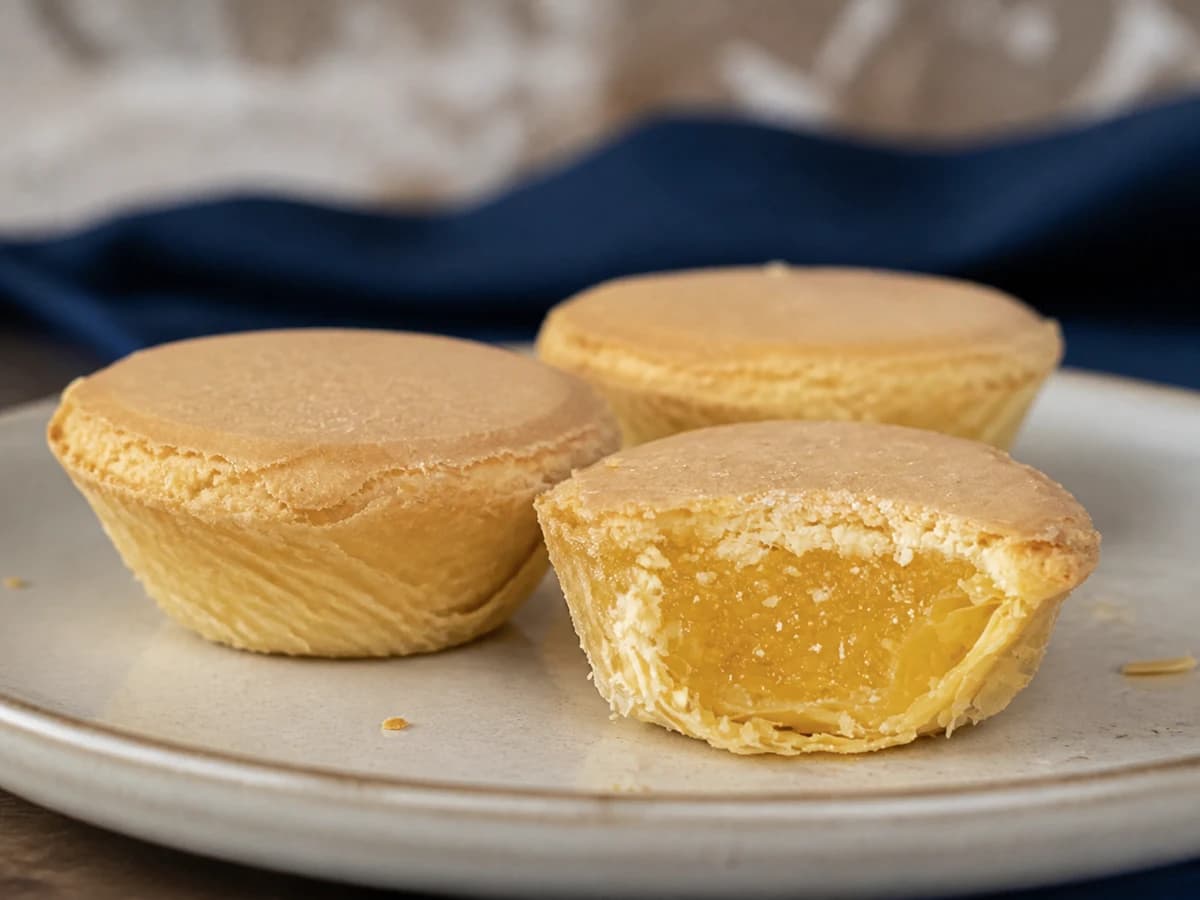
Another traditional pastry speciality associated with Sintra.
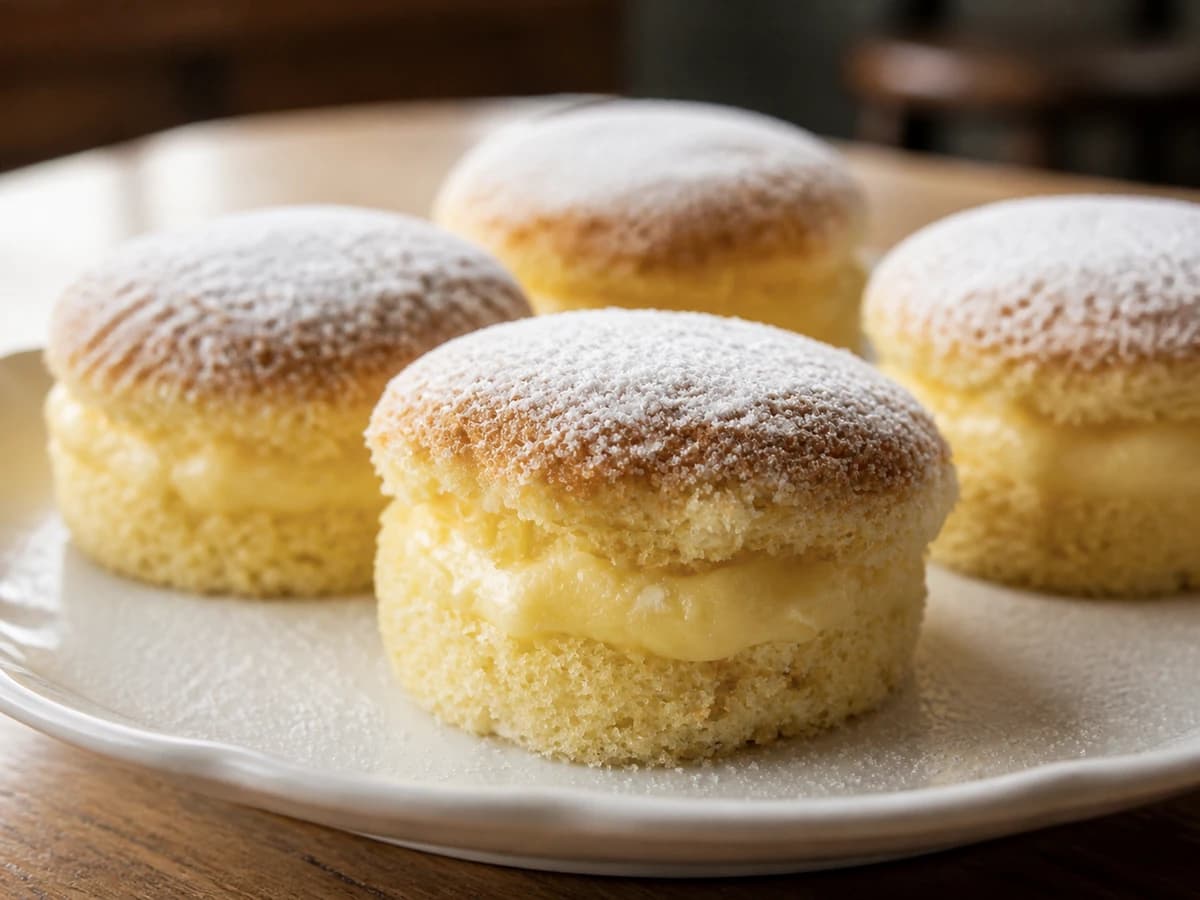
A small, airy sponge cake filled with fresh pastry cream and dusted with powdered sugar.
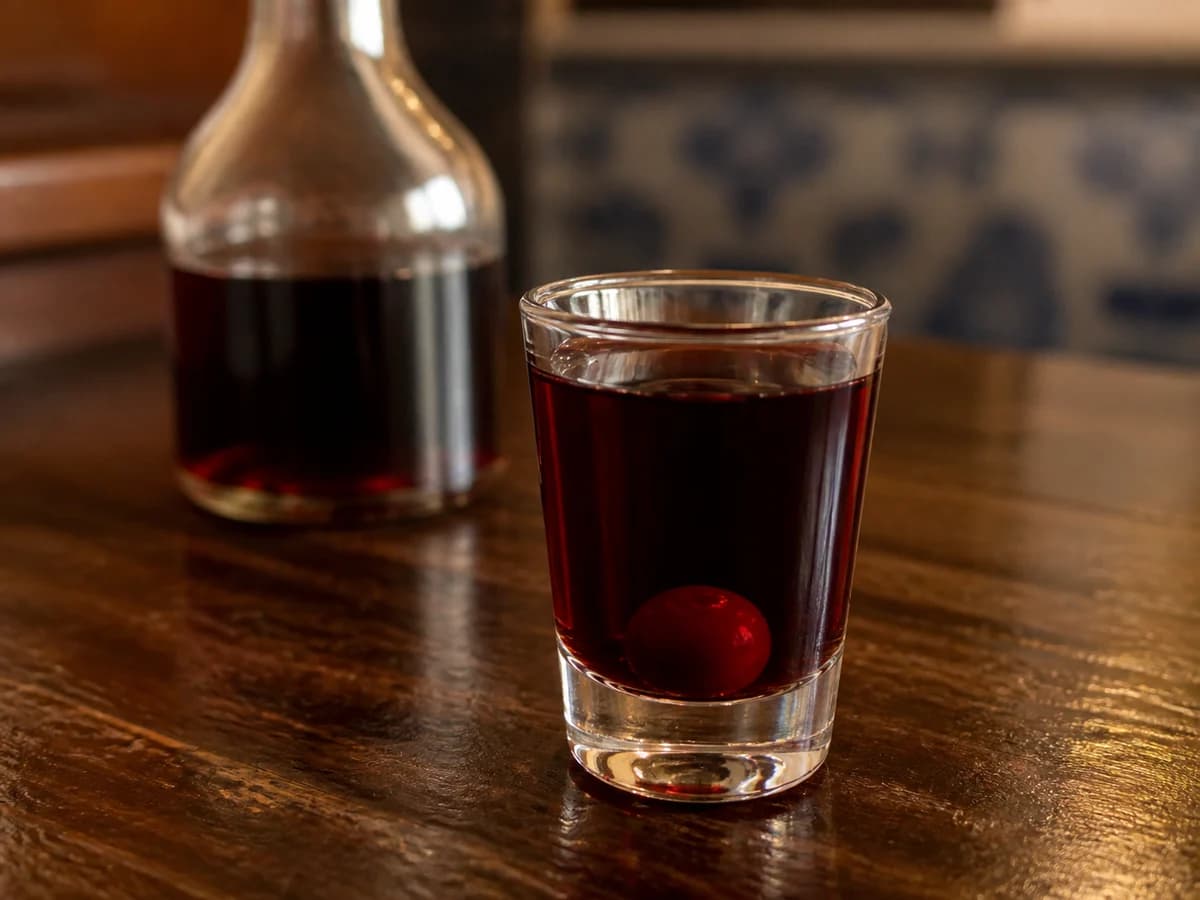
A traditional Lisbon sour-cherry liqueur served plain or with a cherry in the glass.
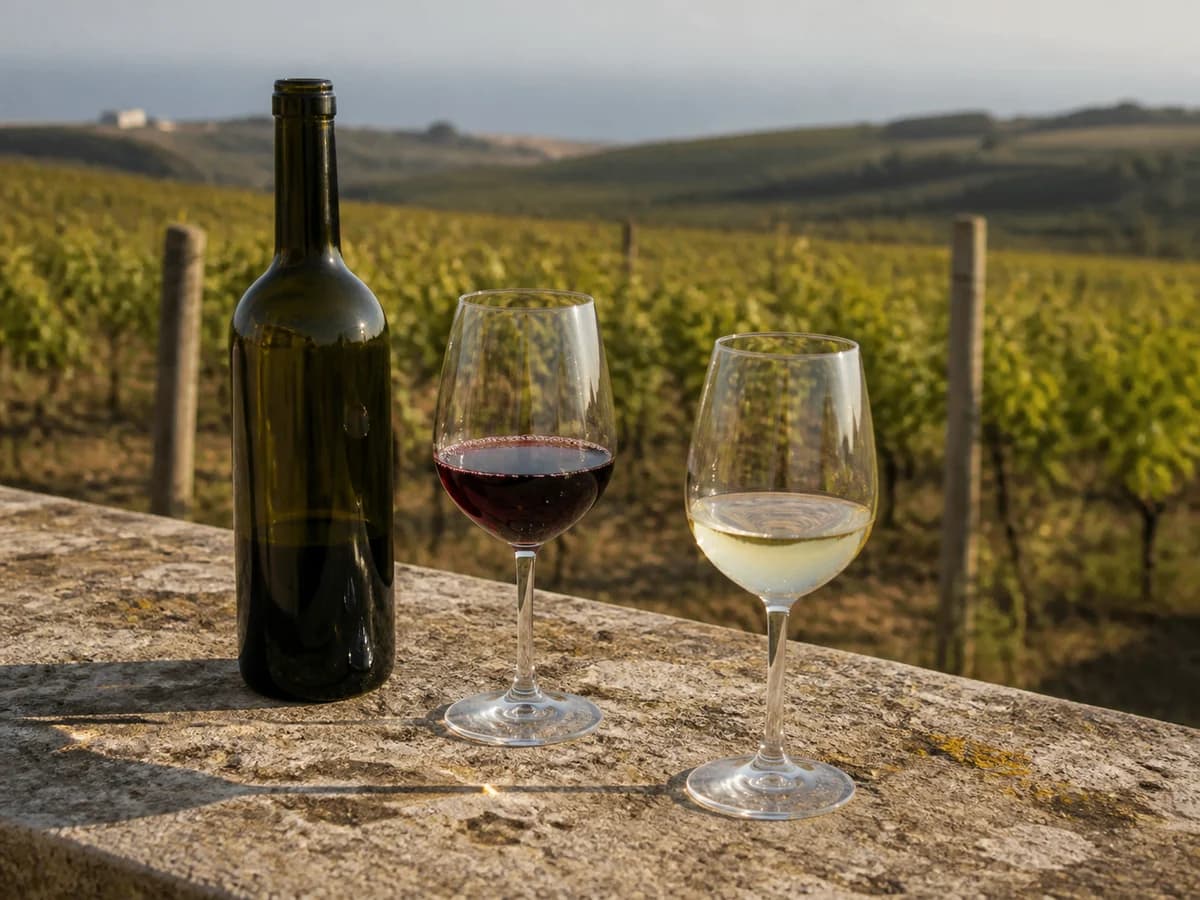
A broad wine region surrounding the capital, producing many different styles.
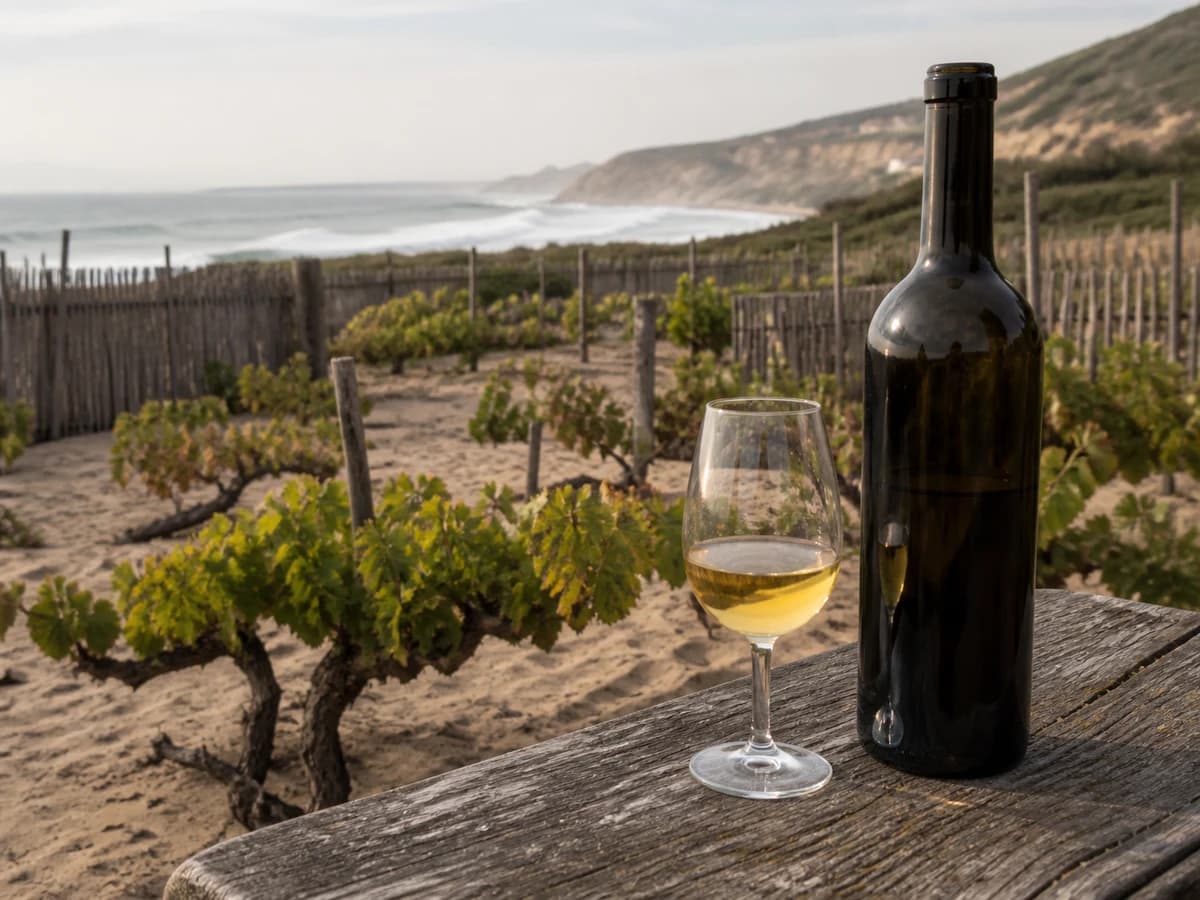
A historic Sintra wine produced in the demarcated Colares wine region.
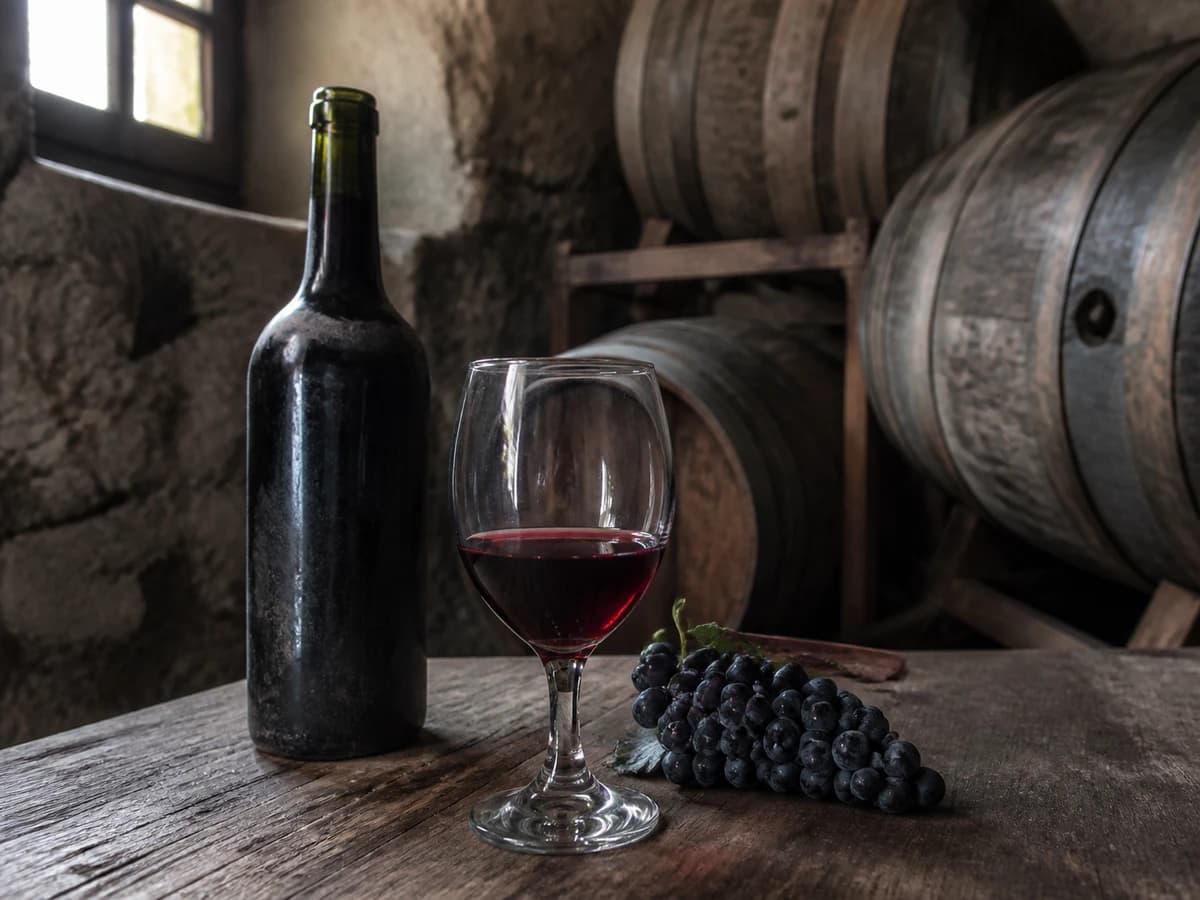
A red wine made mainly from Ramisco, a grape variety strongly associated with Colares.
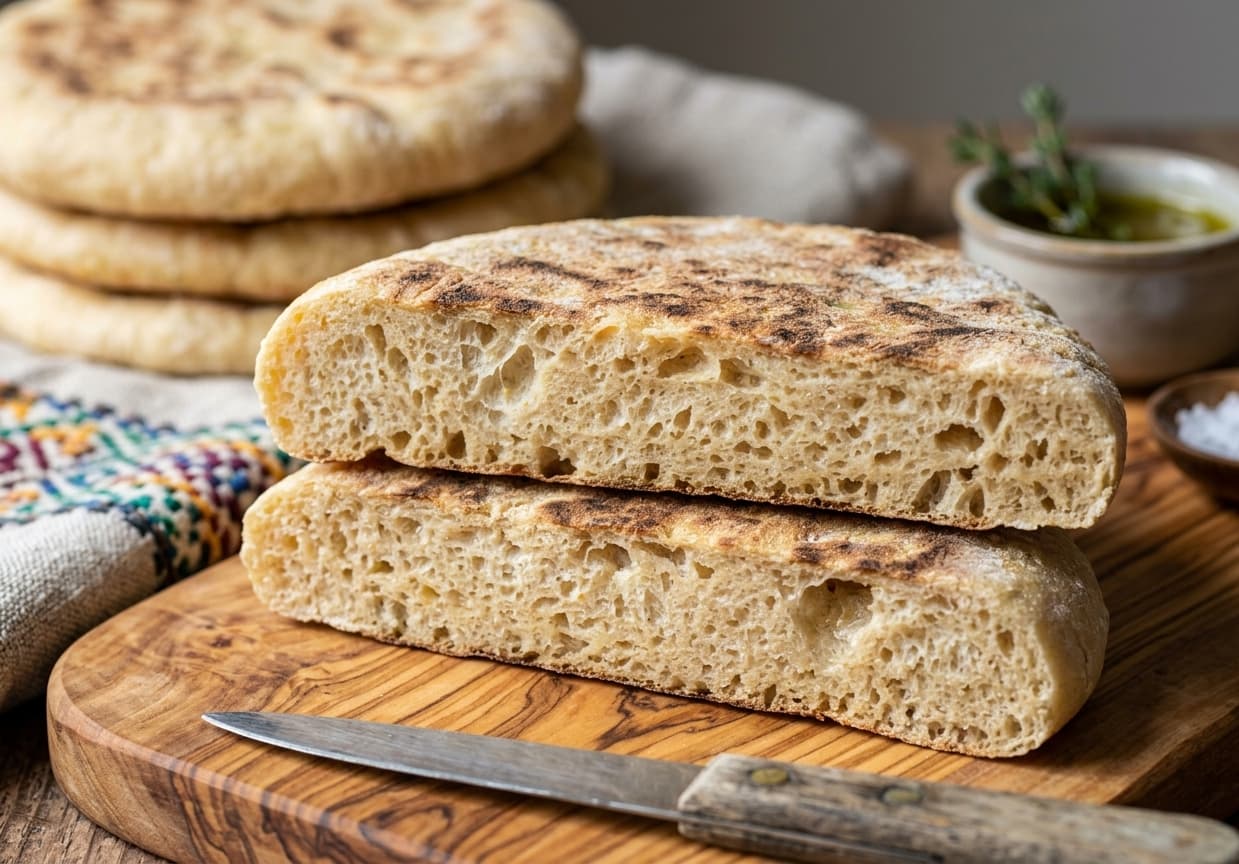
A traditional flat bread, normally served warm with garlic butter.
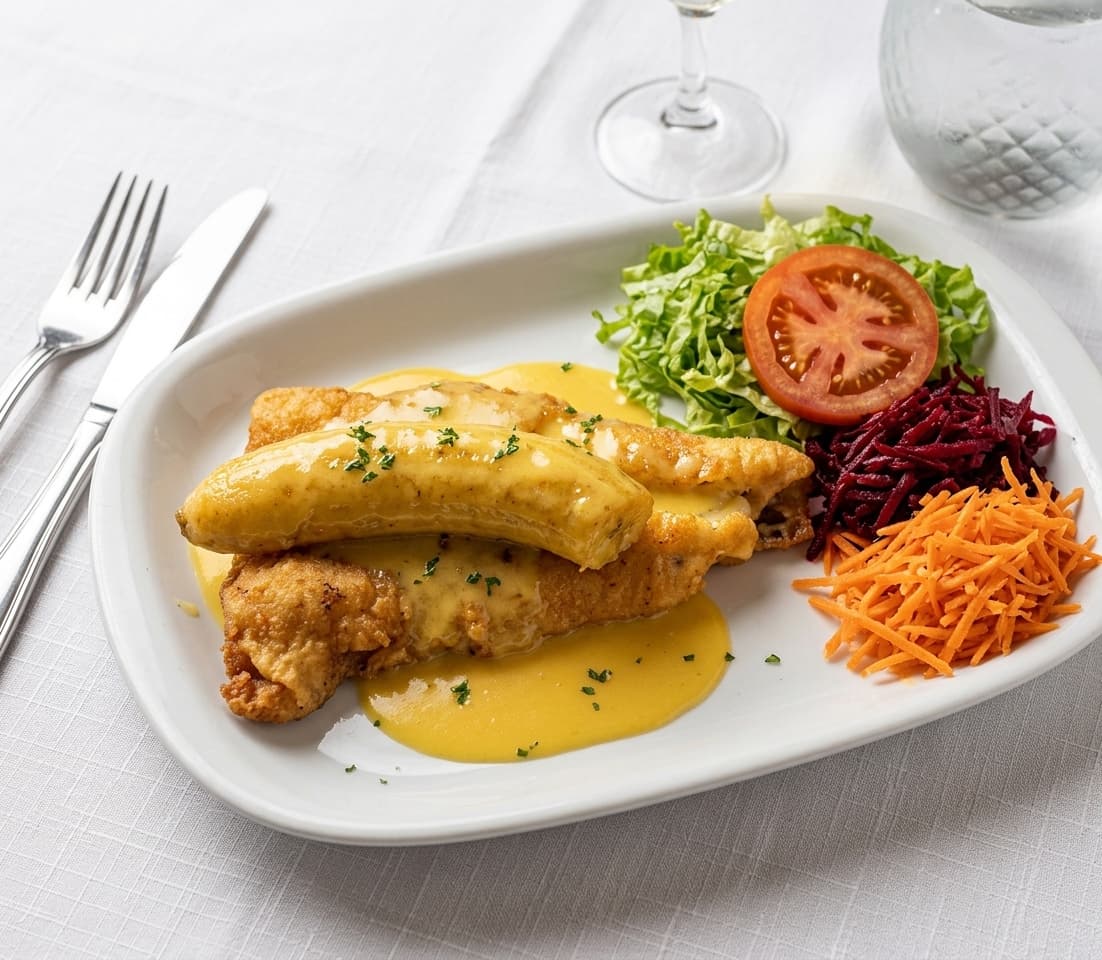
Black scabbardfish fillet, frequently served with Madeira banana.
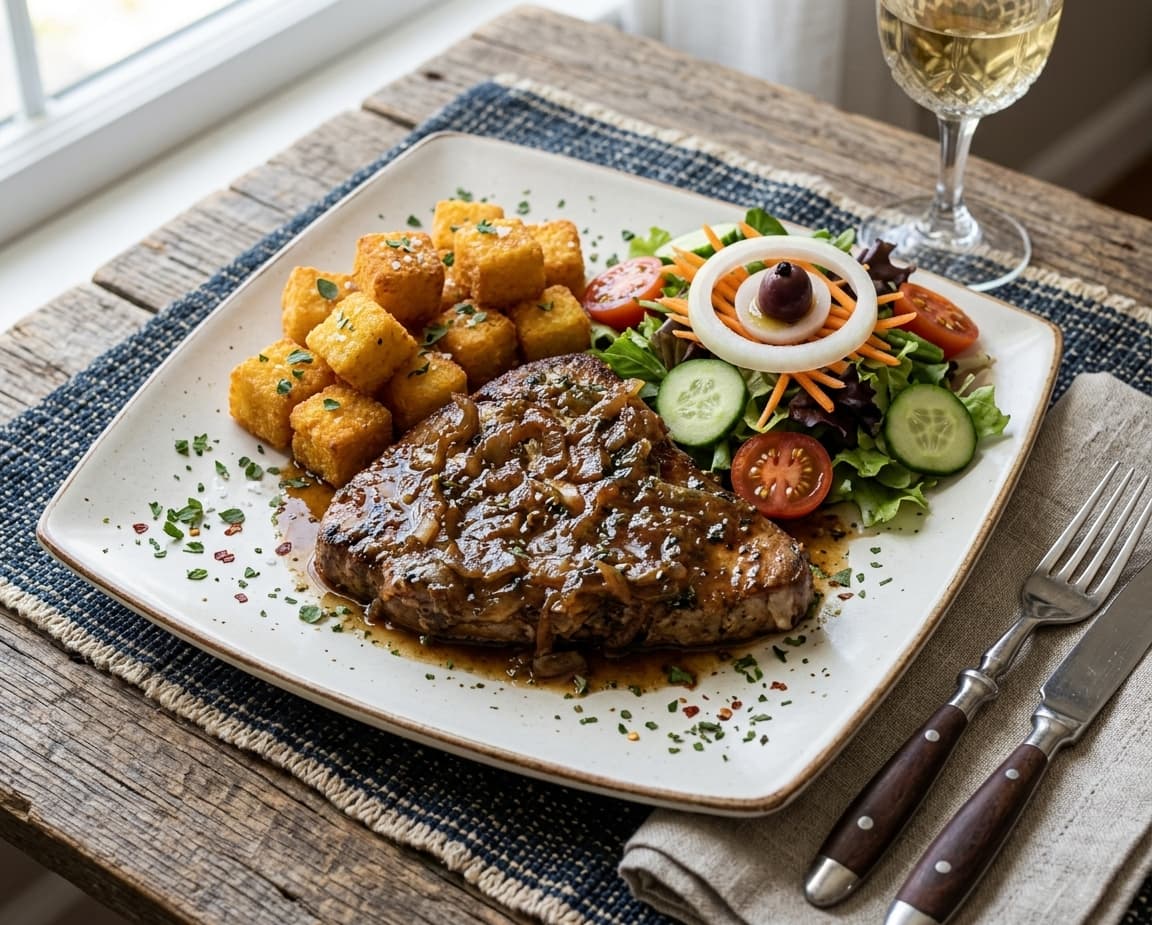
Tuna prepared with garlic, bay leaf, wine and other local seasonings.
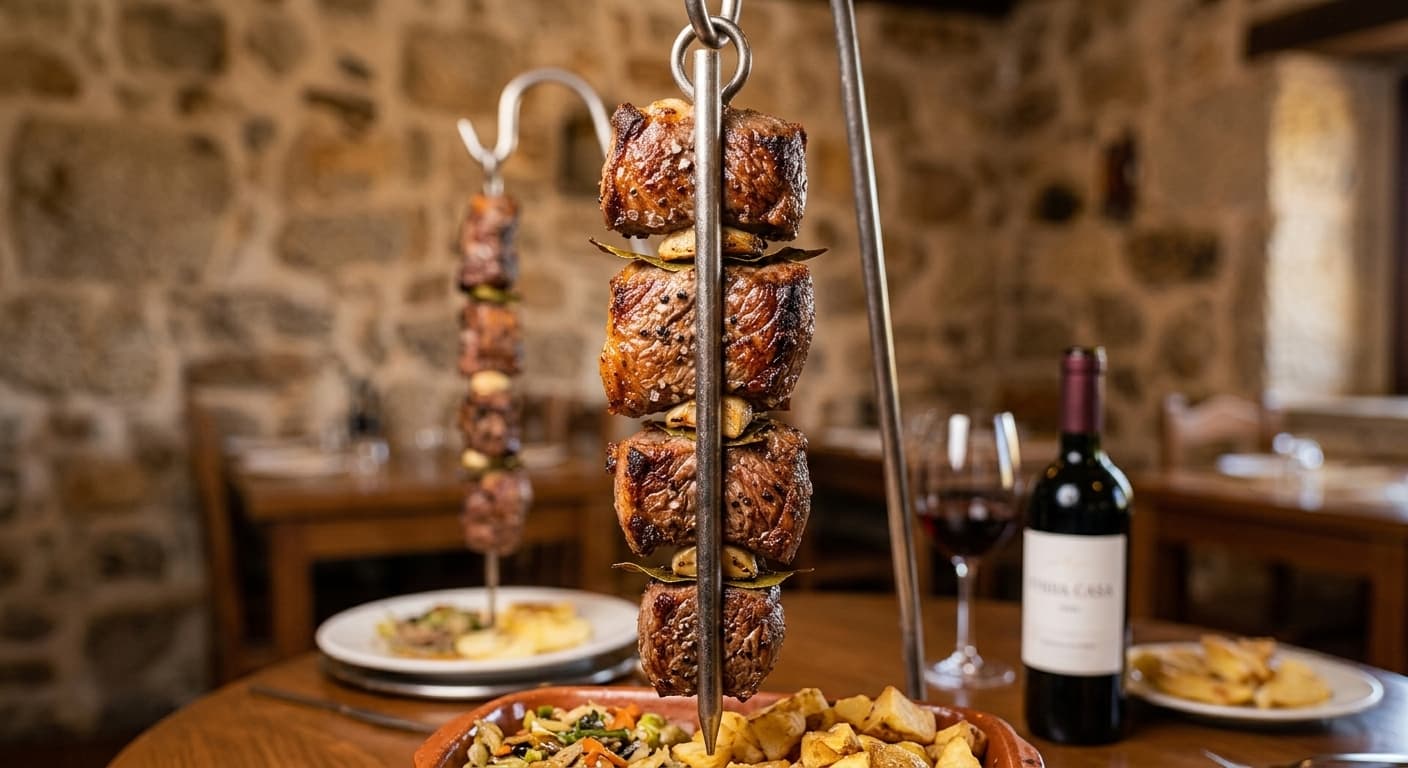
Beef cubes seasoned with garlic and salt, traditionally roasted on a laurel skewer.
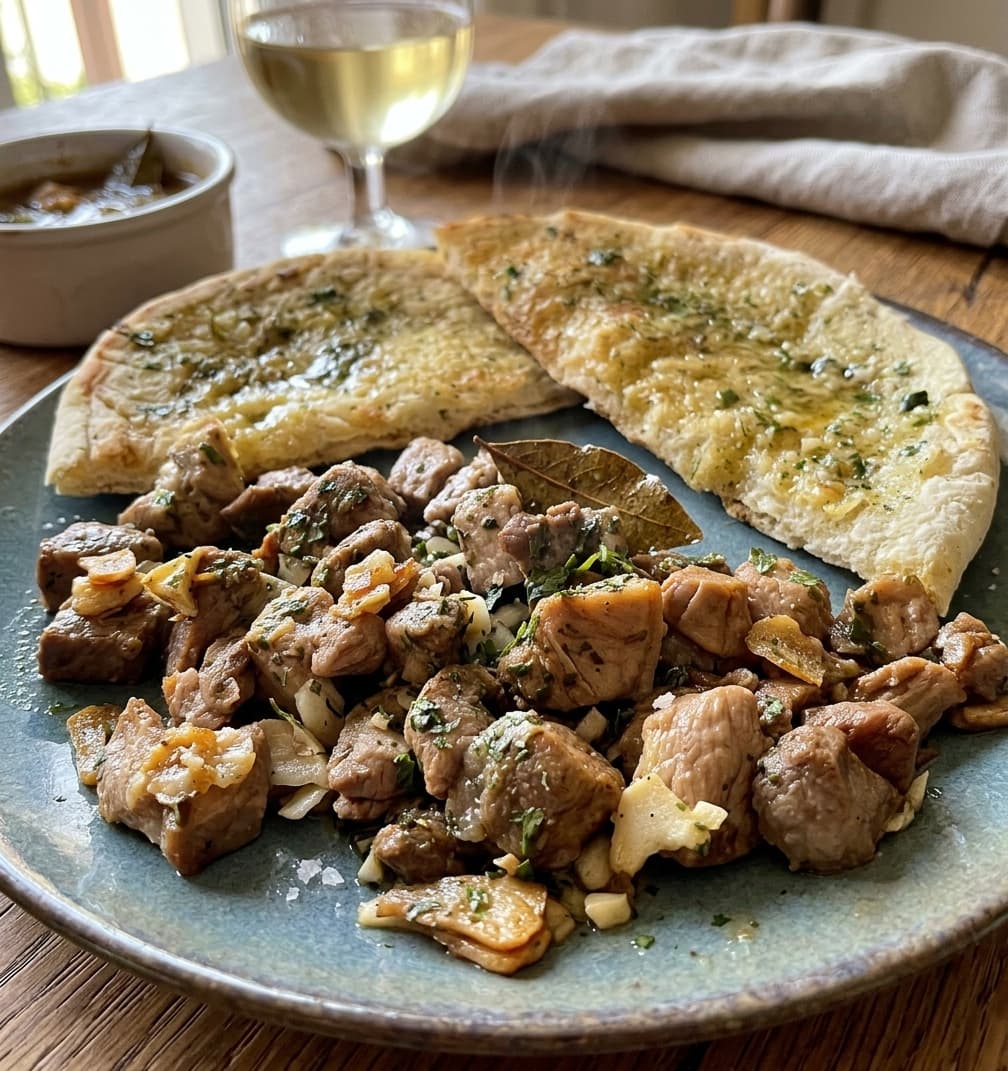
Pork marinated in wine, vinegar, garlic and spices, especially traditional at Christmas.
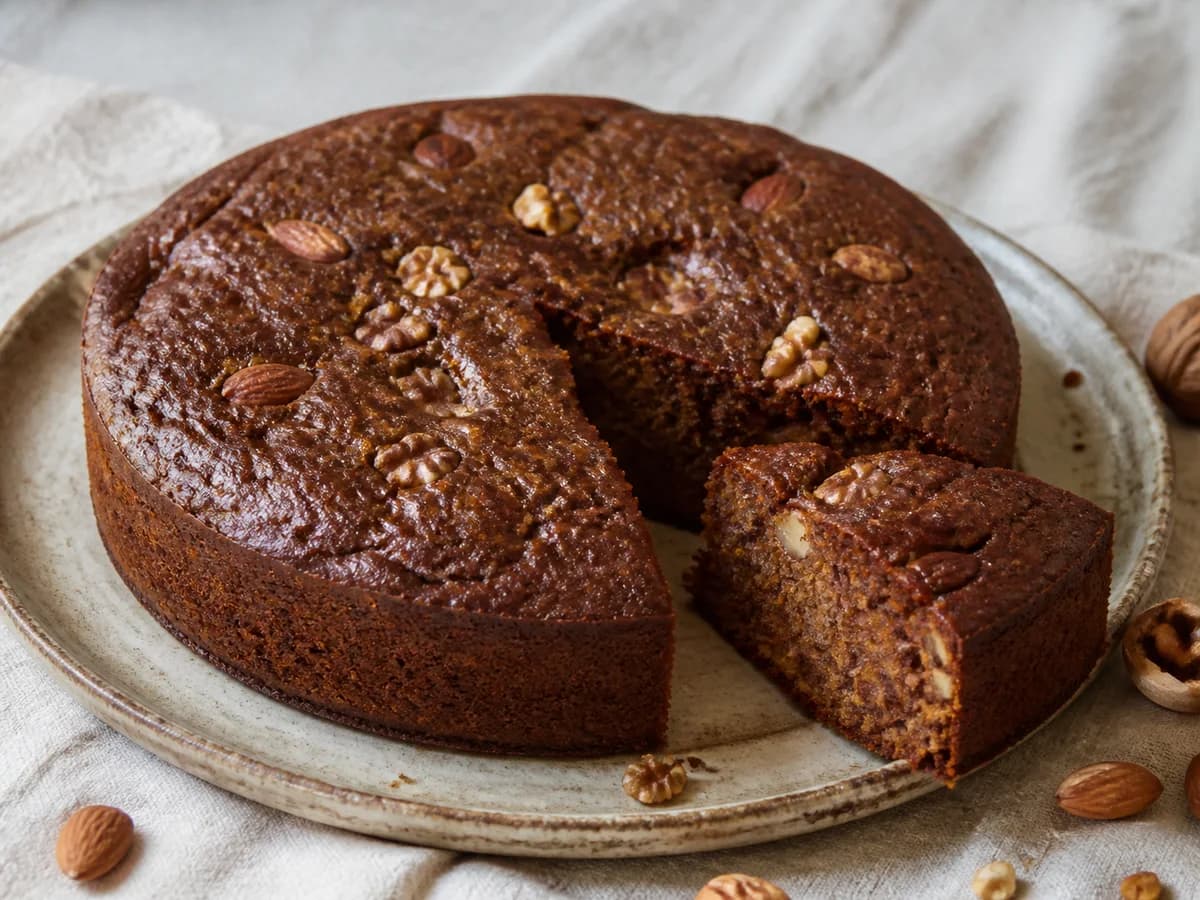
A dark, aromatic cake traditionally made with sugar-cane honey, spices and dried fruit and nuts.
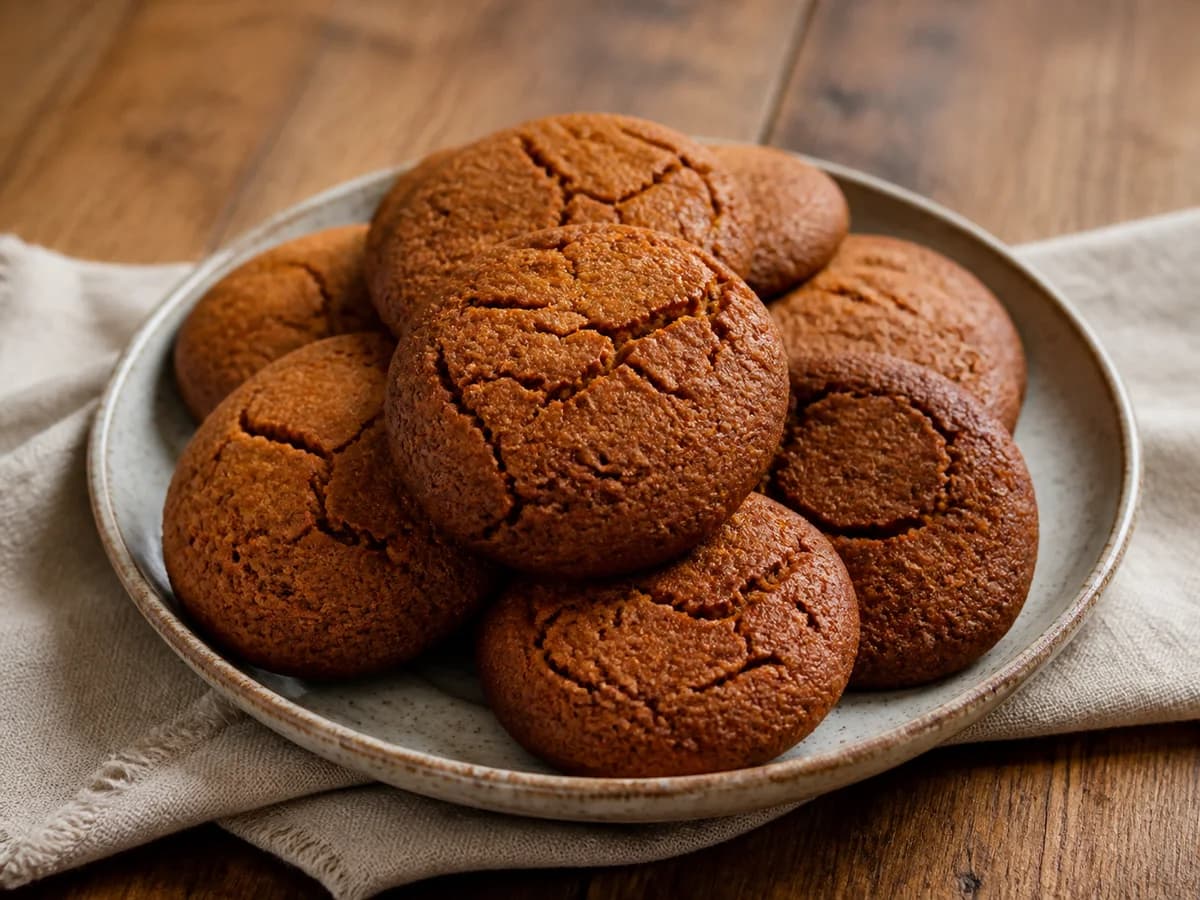
Small traditional cakes or biscuits made with sugar-cane honey and spices.
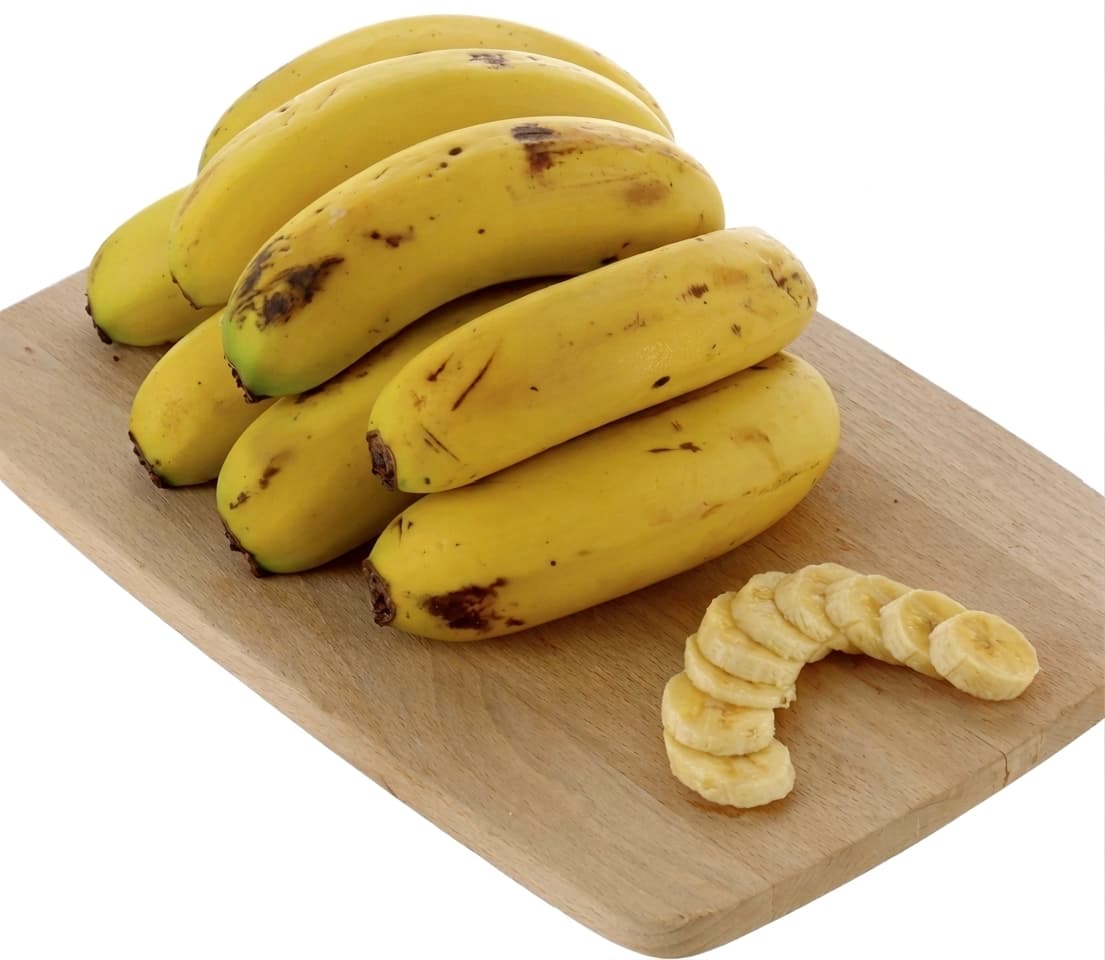
One of the archipelago’s best-known agricultural products.
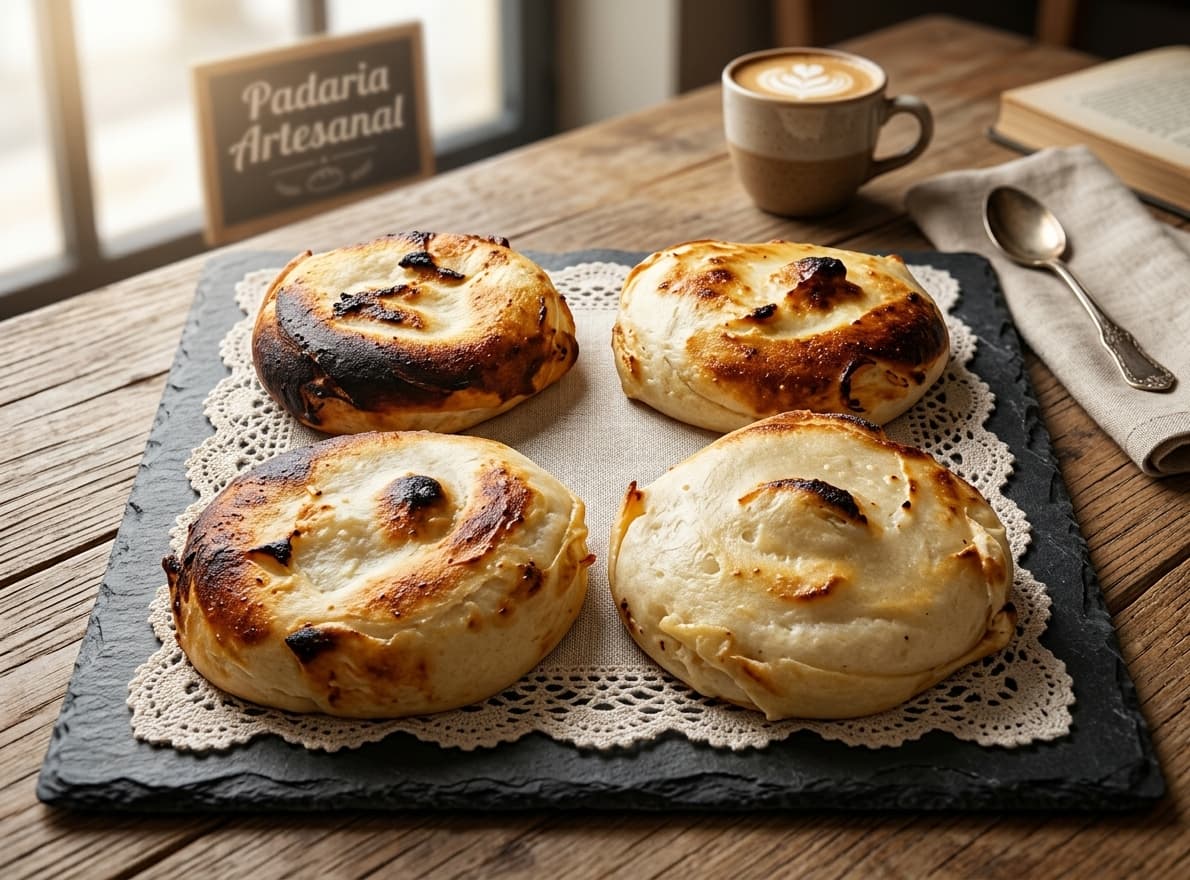
A traditional Madeiran sweet made with fresh cheese, sugar and eggs.
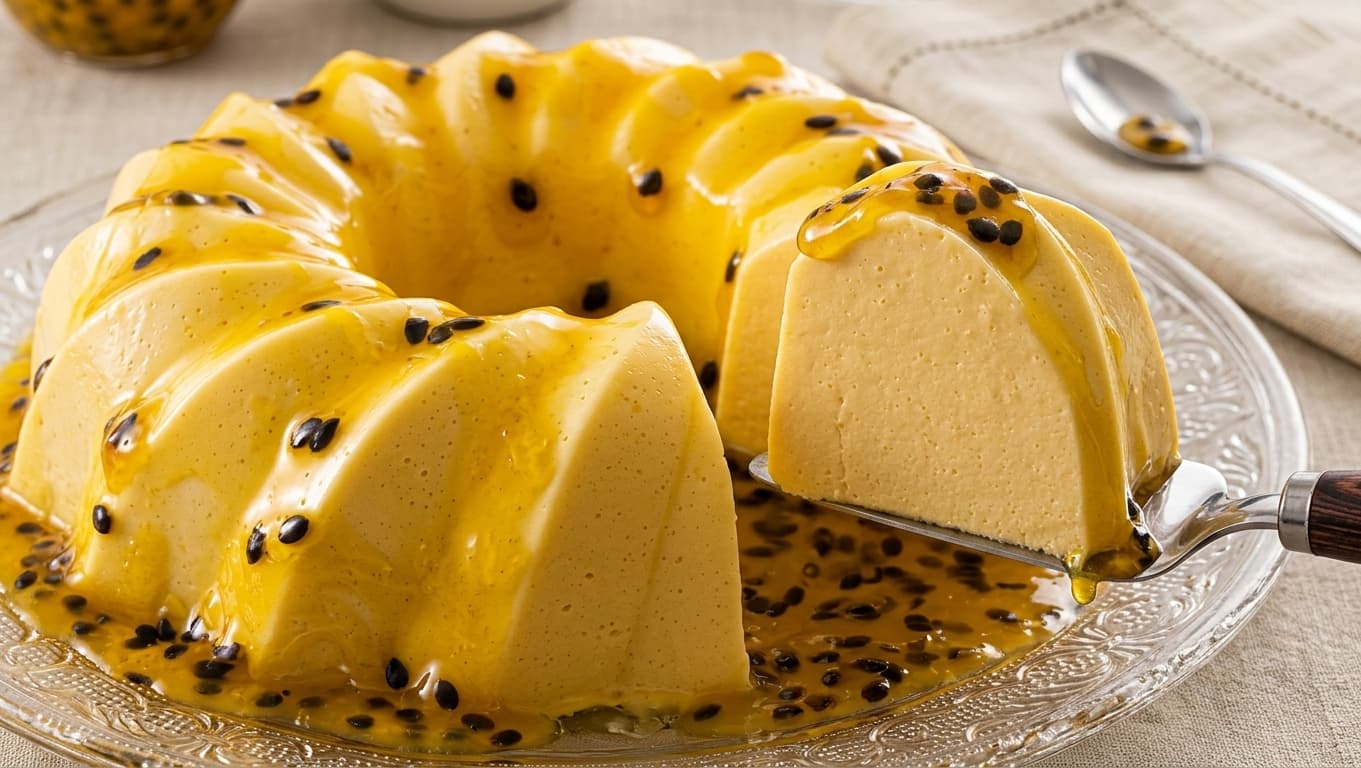
A creamy Madeiran dessert flavoured with passion fruit, balancing sweetness with a fresh tropical acidity.
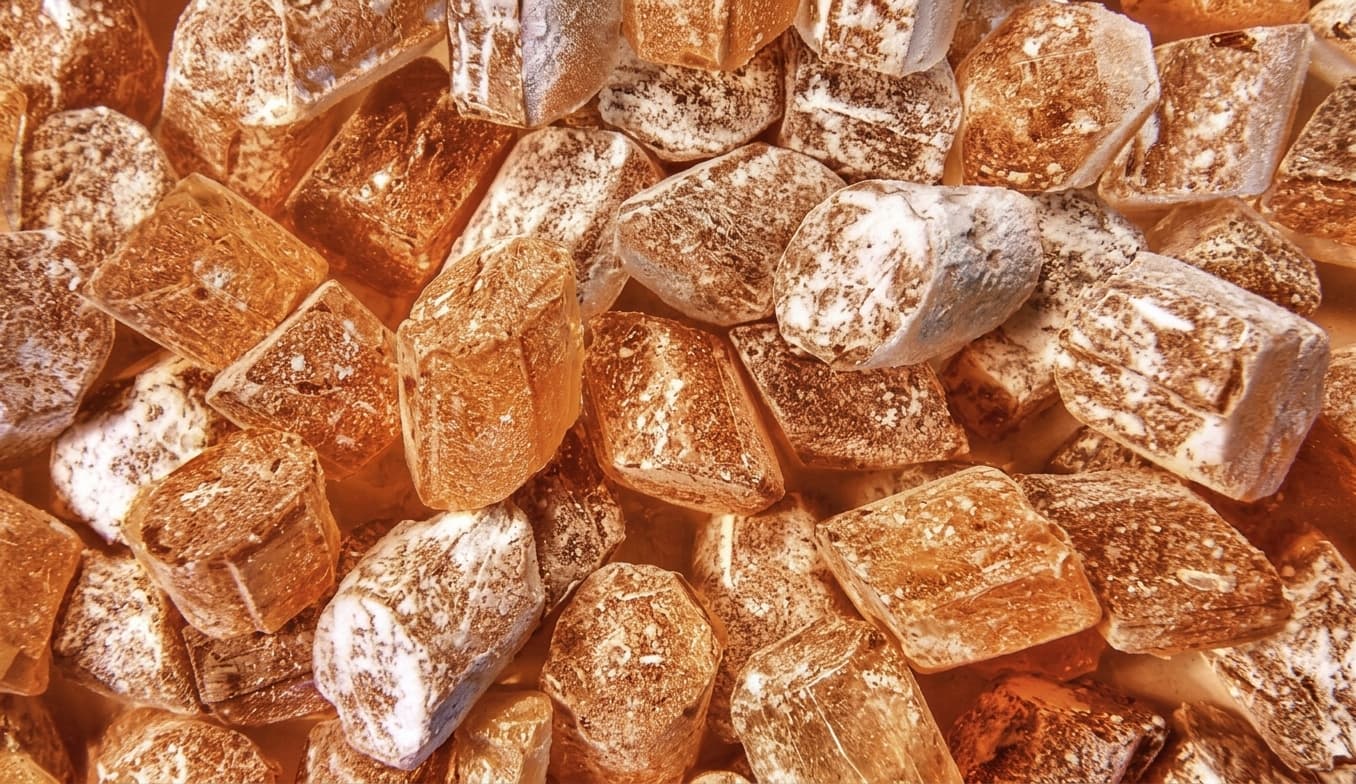
Traditional Madeiran sweets flavoured with fennel, closely associated with Funchal.
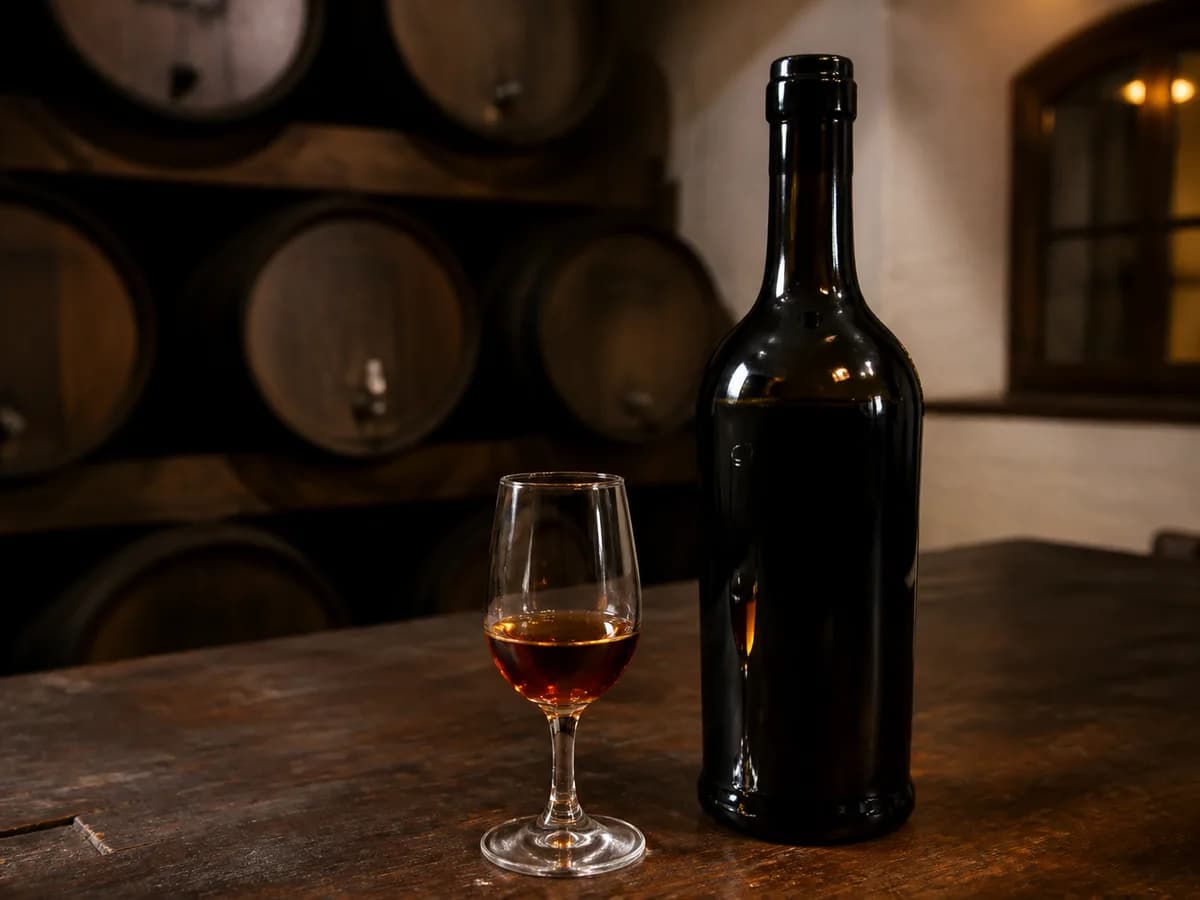
A world-famous fortified wine produced in styles ranging from dry to sweet.
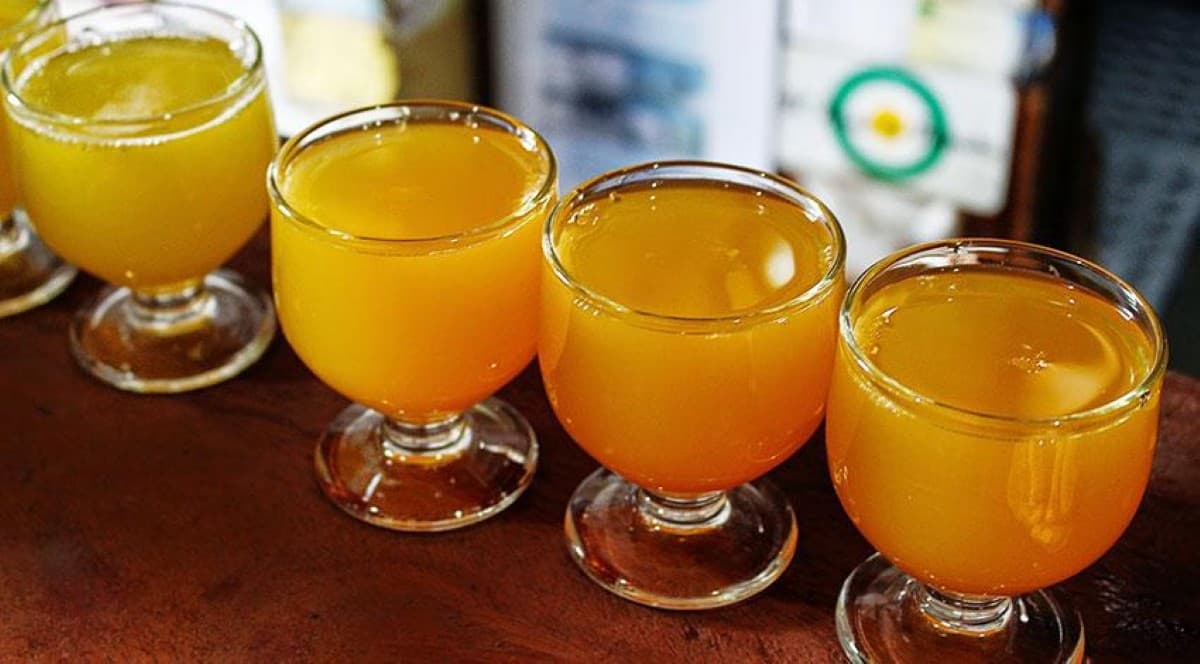
A traditional drink made with sugar-cane spirit, honey or sugar and lemon, now found in many variations.
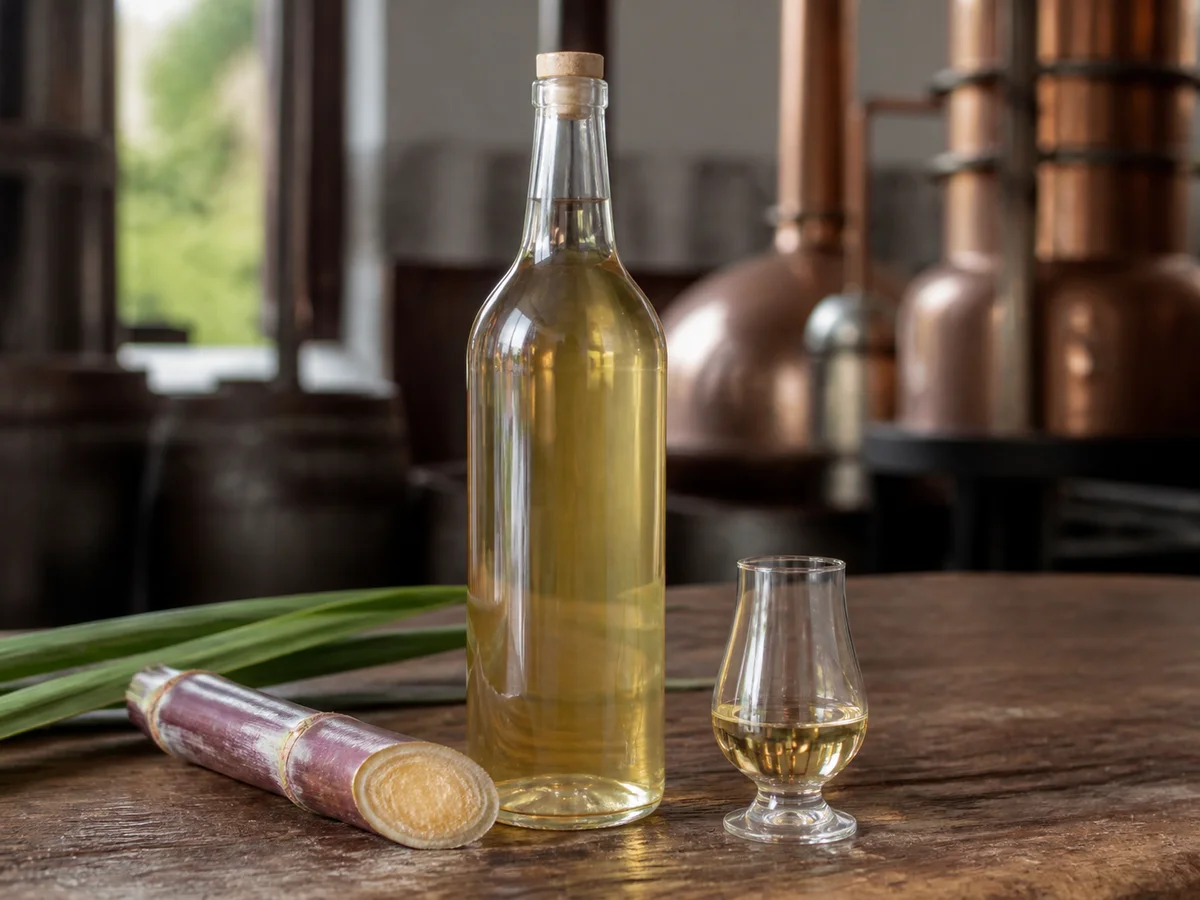
A spirit distilled from sugar cane grown in Madeira.