
THE FOOD CATALOGUE
Portuguese specialities
Dishes, sweets and drinks connected to the places whose traditions they belong to.
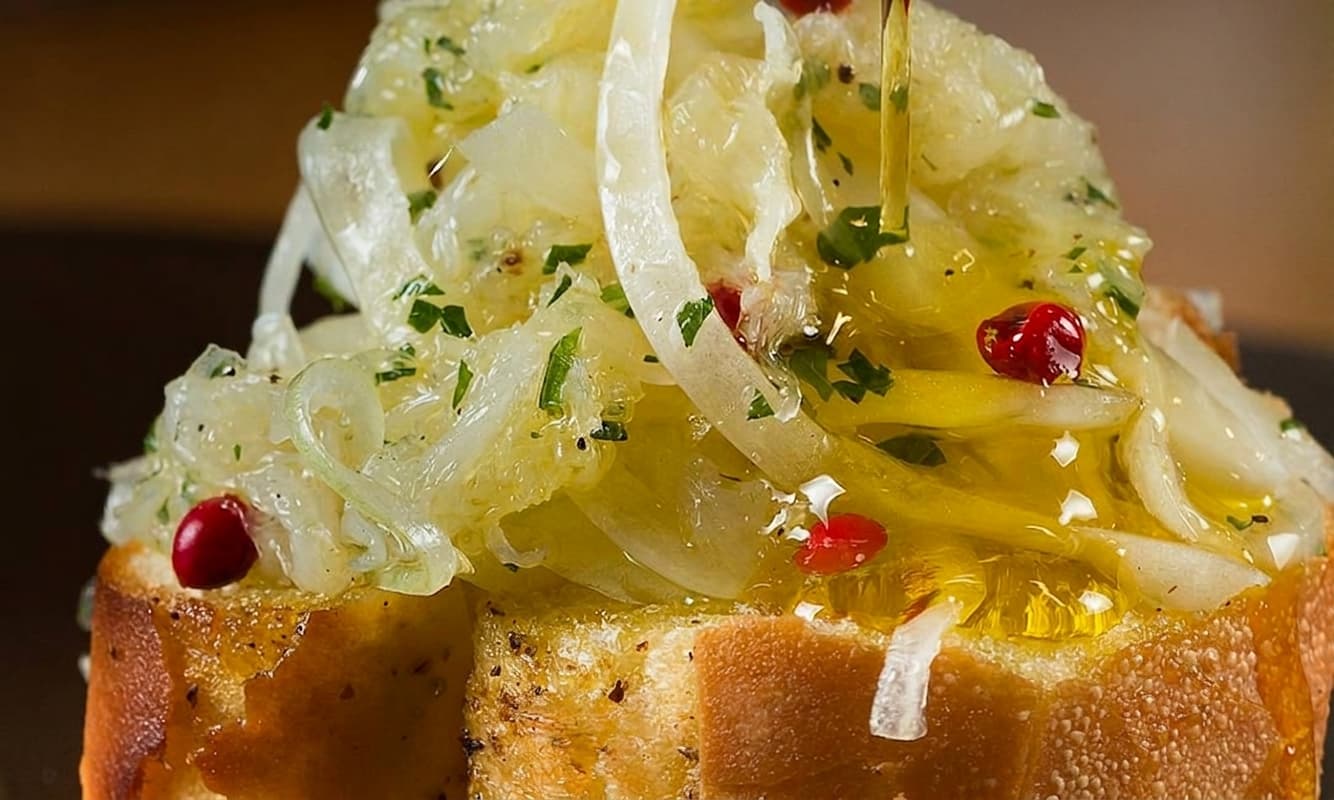
Punheta de Bacalhau
A traditional Portuguese cold cod salad made with shredded raw salt cod, onion, garlic, olive oil and vinegar.
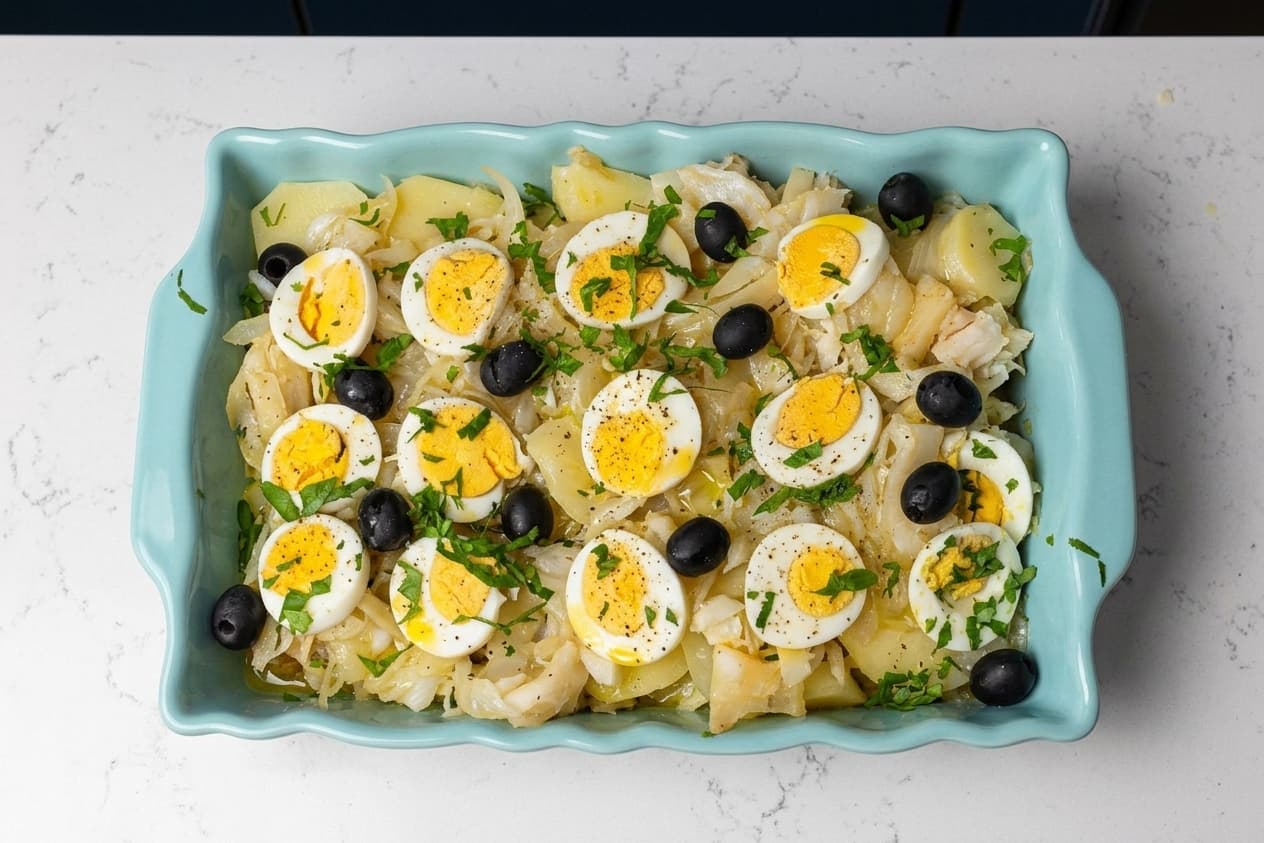
Bacalhau à Gomes de Sá
A classic Porto codfish dish baked with potatoes, onions, olive oil, eggs and olives.
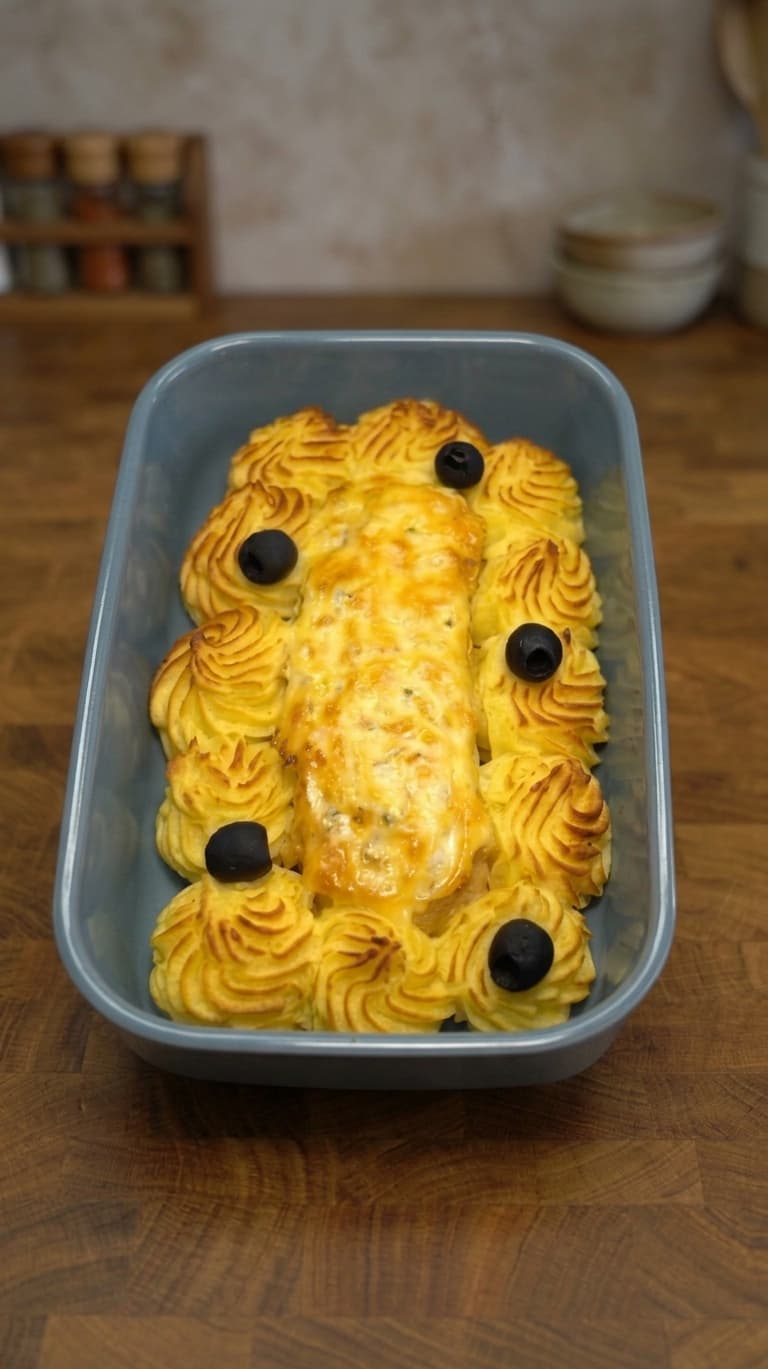
Bacalhau à Zé do Pipo
A classic Porto cod dish topped with creamy mayonnaise and surrounded by smooth mashed potatoes.
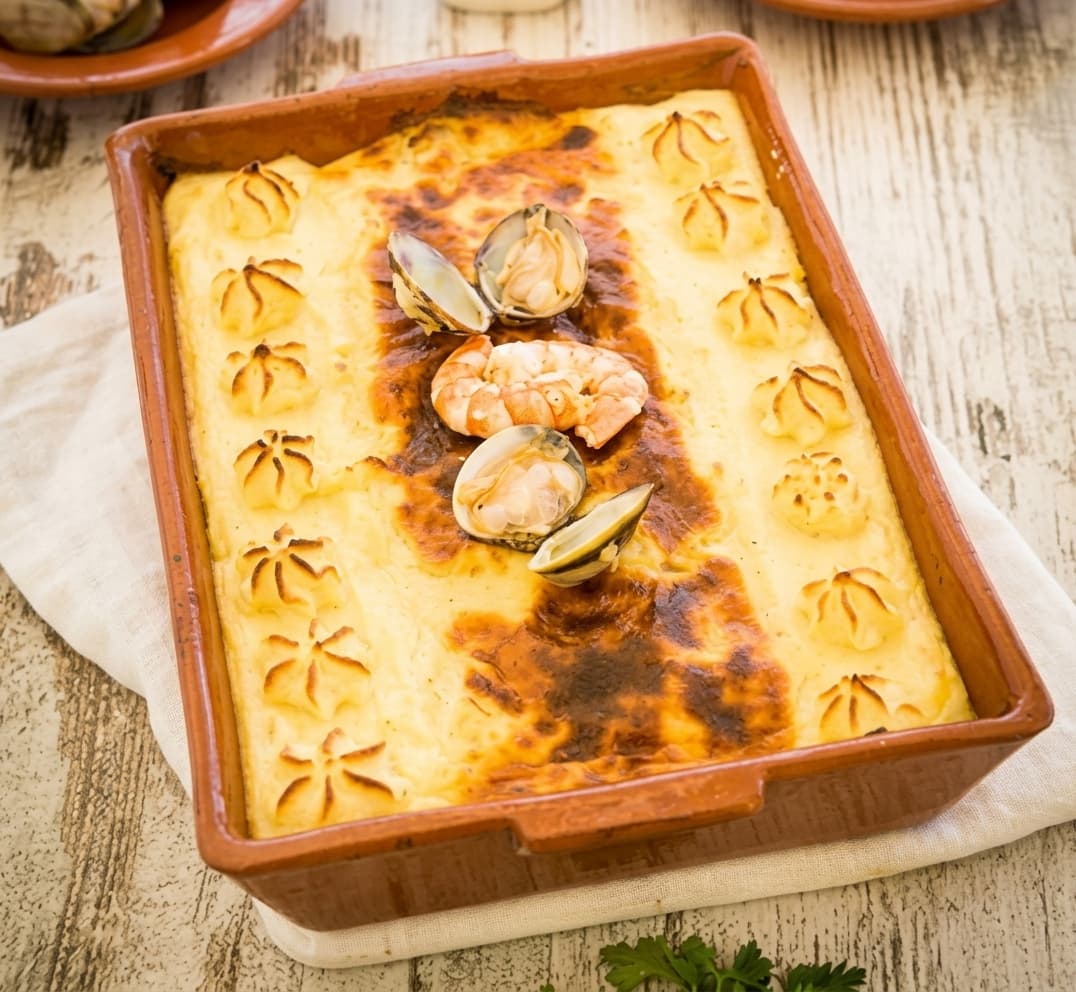
Bacalhau à João do Buraco
A traditional Porto cod dish combining flaked cod with potatoes, vegetables and a rich creamy topping.
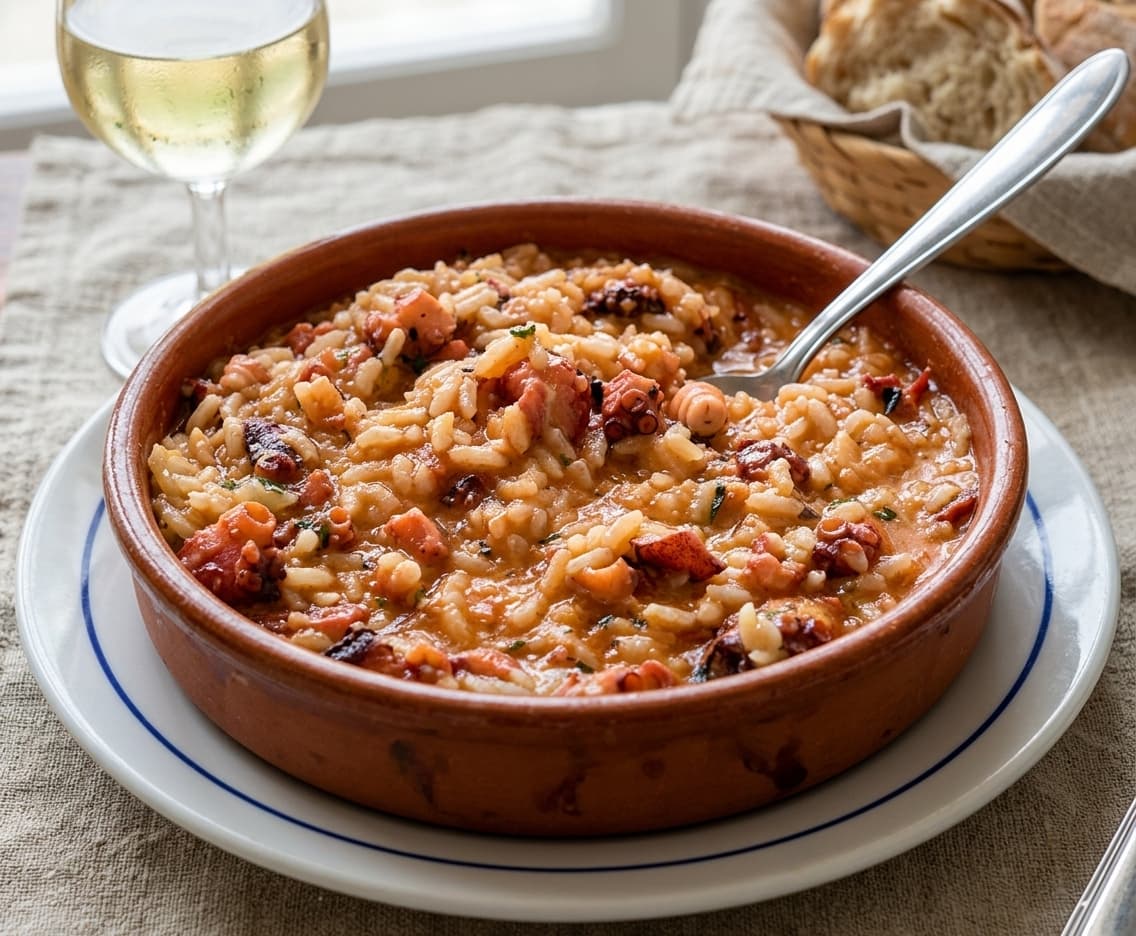
Arroz de Polvo à Moda do Porto
A traditional Porto-style octopus rice, moist and deeply flavoured with the octopus cooking broth.
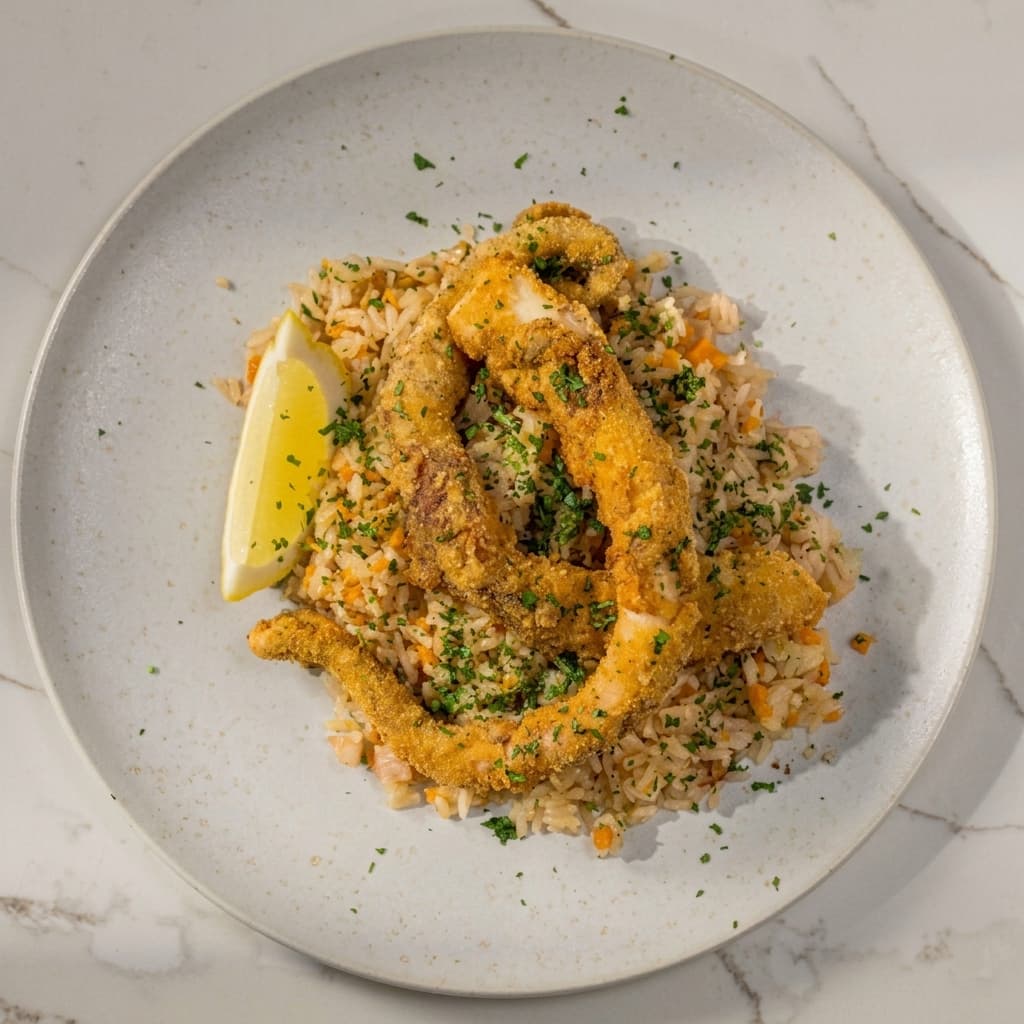
Filetes de Polvo com Arroz do Mesmo
A traditional northern Portuguese dish pairing crispy octopus fillets with flavourful rice prepared using the octopus cooking broth.
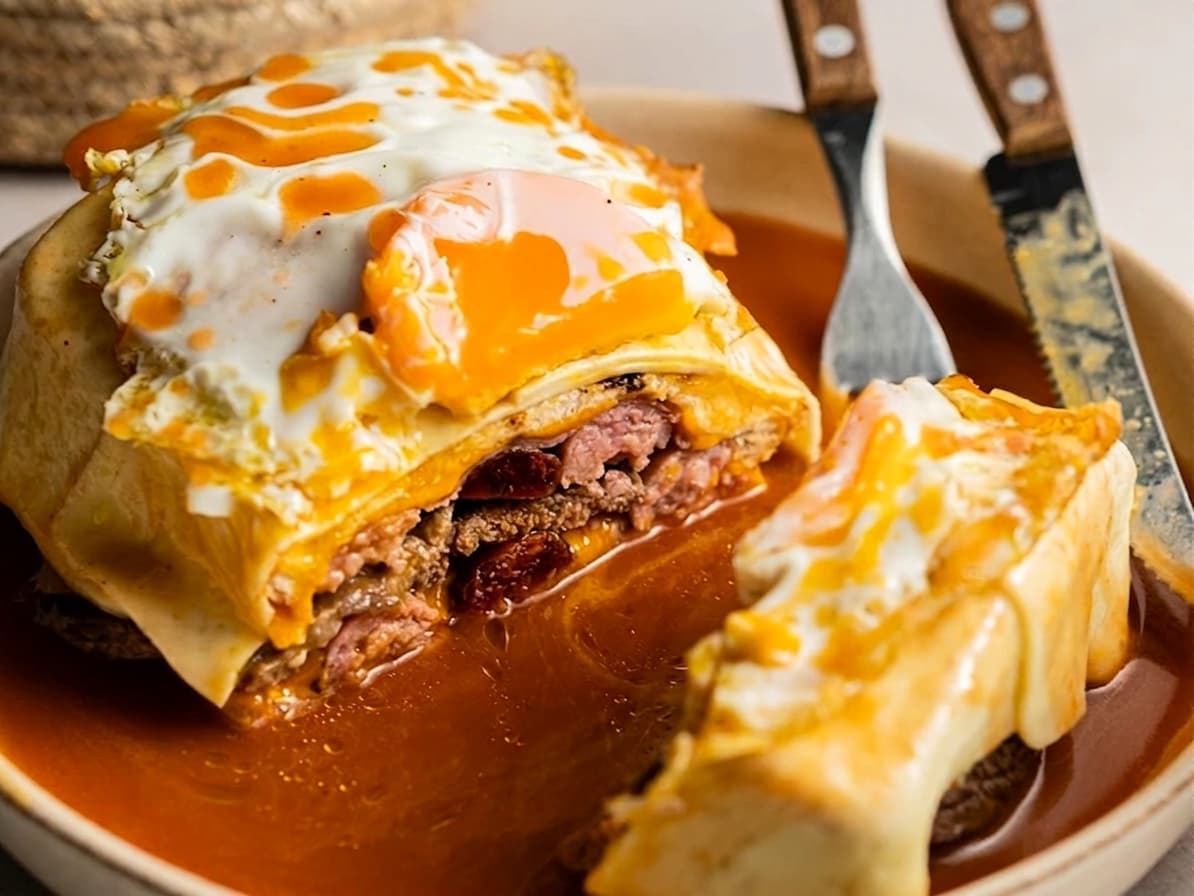
Francesinha
Porto’s iconic sandwich, layered with meats, covered in melted cheese and drenched in a rich, slightly spicy beer-based sauce.
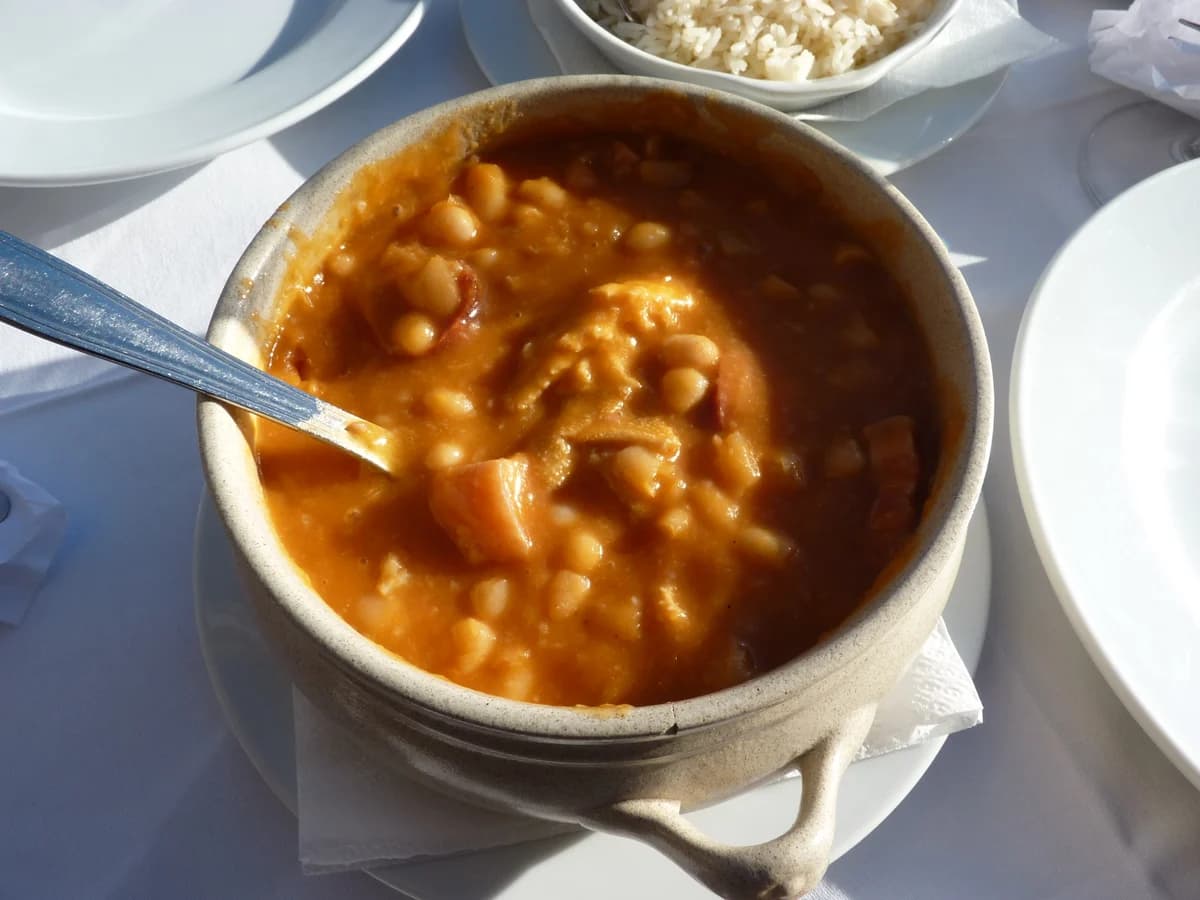
Tripas à Moda do Porto
Porto-style tripe stew, one of the city’s oldest and most emblematic dishes.
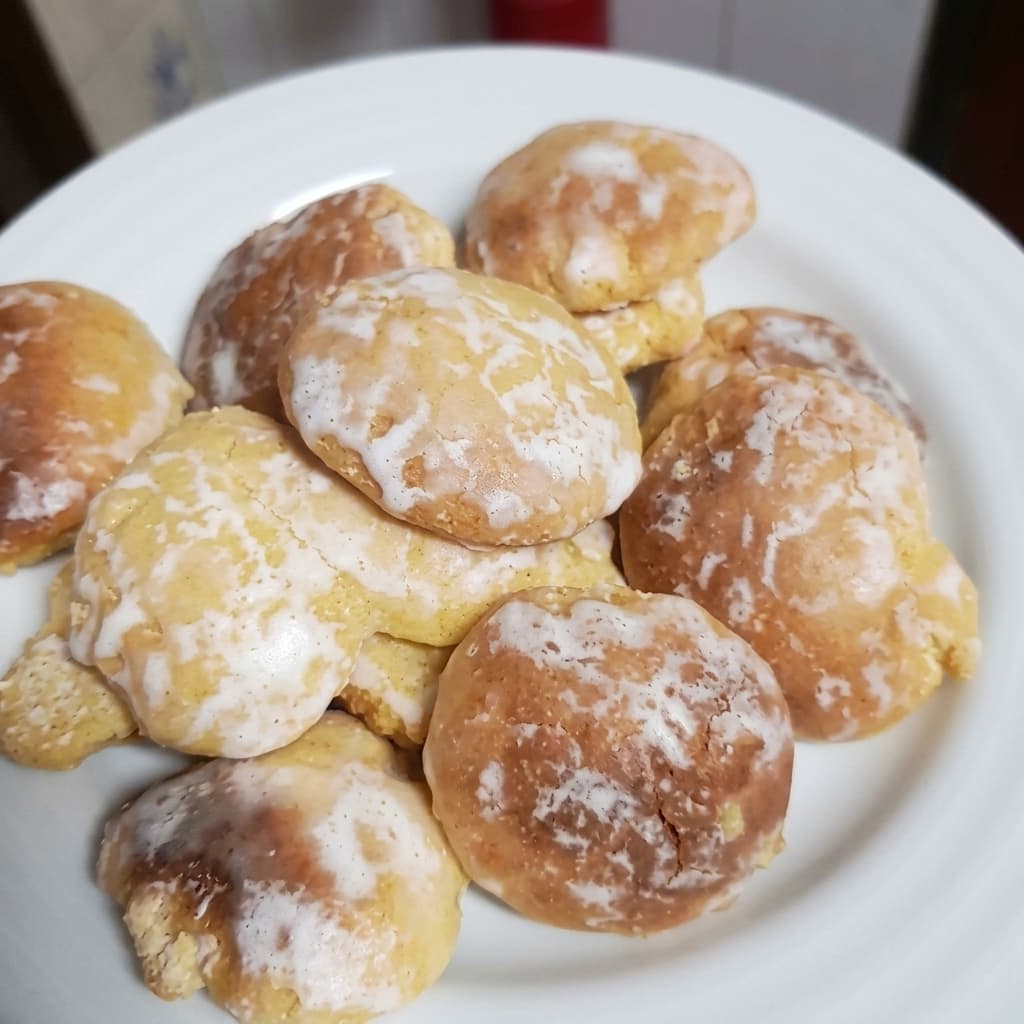
Bolinhos de Amor
Traditional northern Portuguese sweets with a soft, delicate texture and a generous sugar coating.
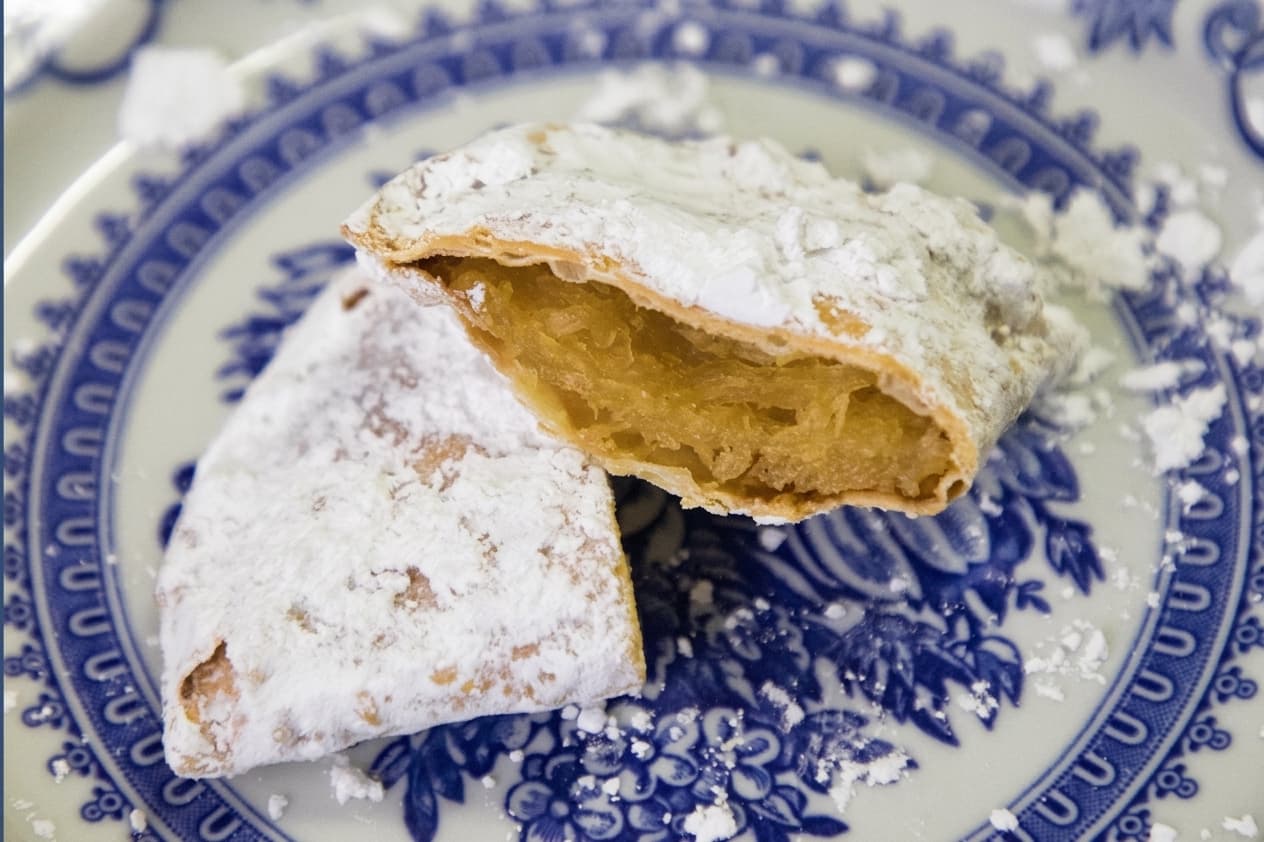
Clarinhas do Fão
Traditional Porto pastries with a thin, crisp shell and a rich sweet filling, finished with powdered sugar.
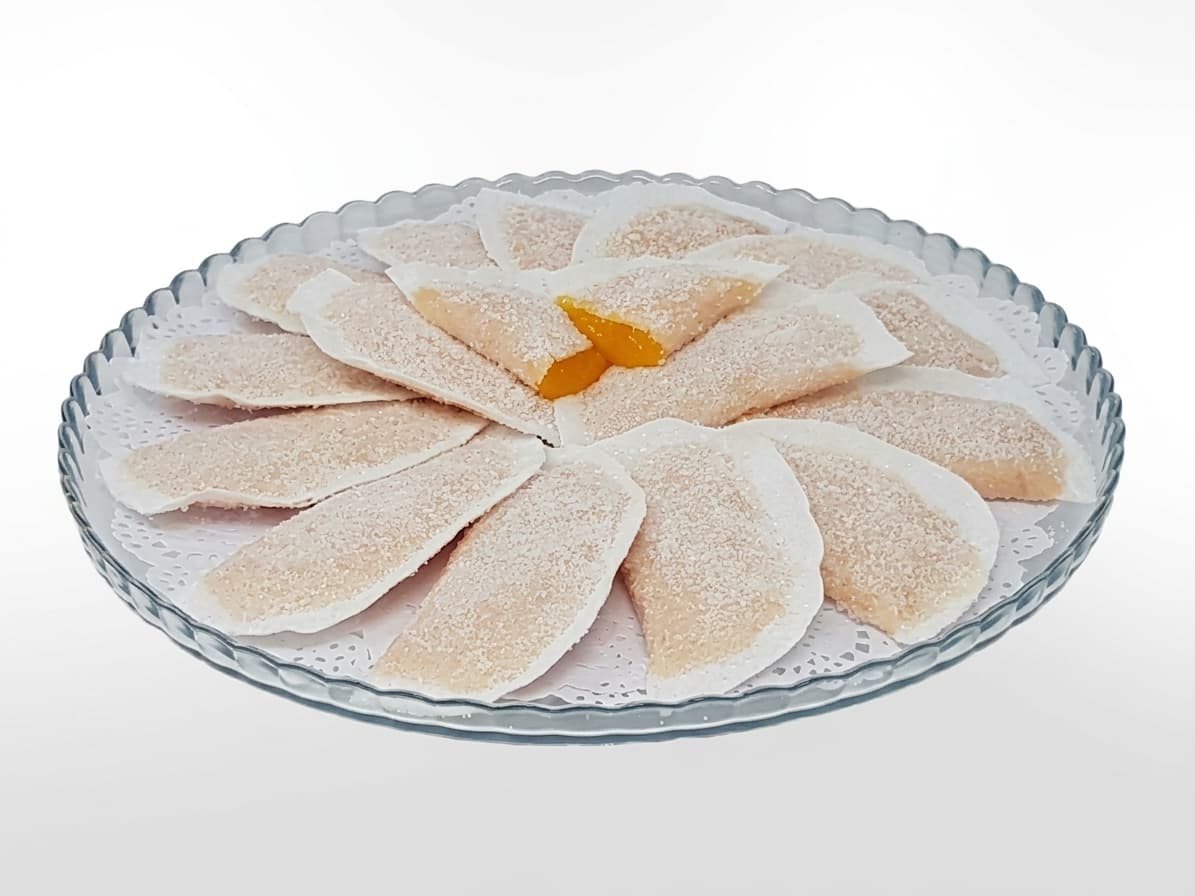
Papos de Anjo do Porto
A traditional Porto sweet made primarily with egg yolks and soaked in a fragrant sugar syrup.
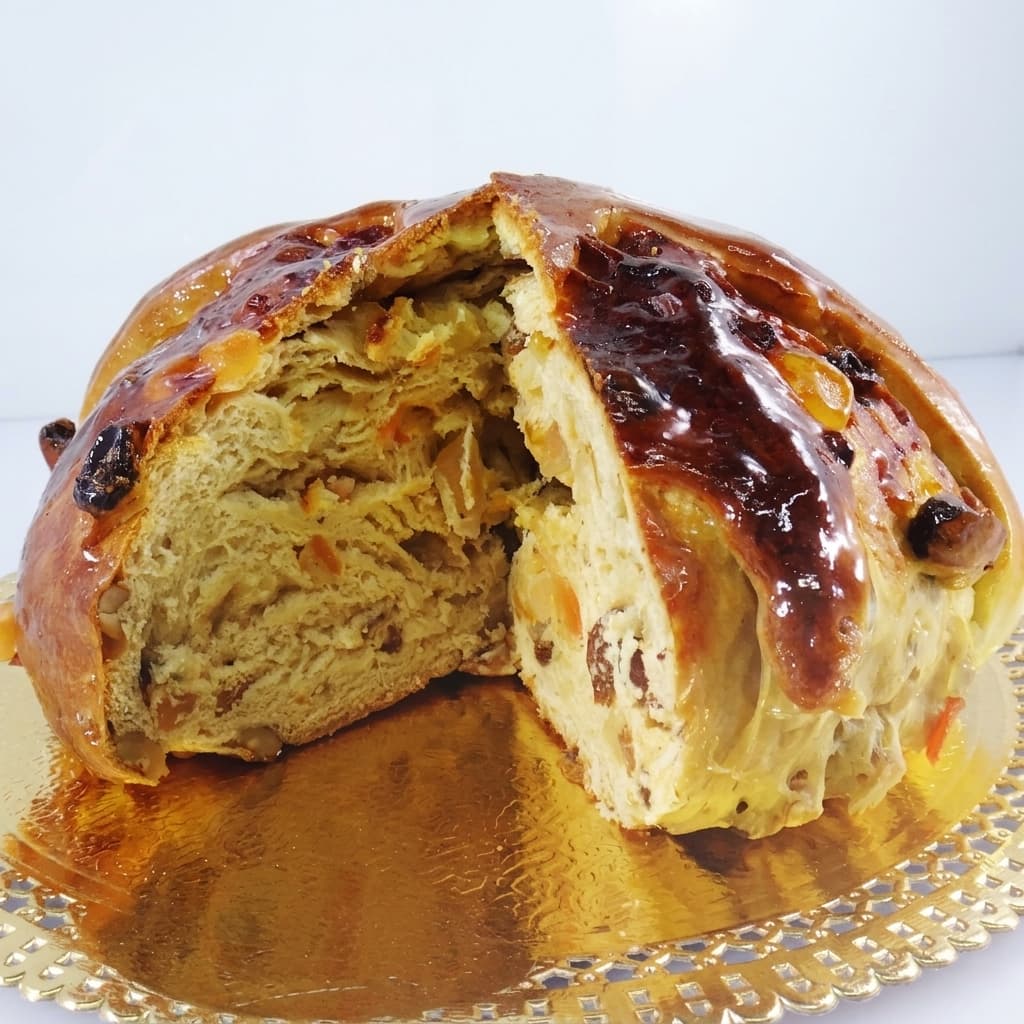
Bolo de São João
A traditional Porto festive cake associated with the celebrations of São João, the city’s most iconic popular festival.
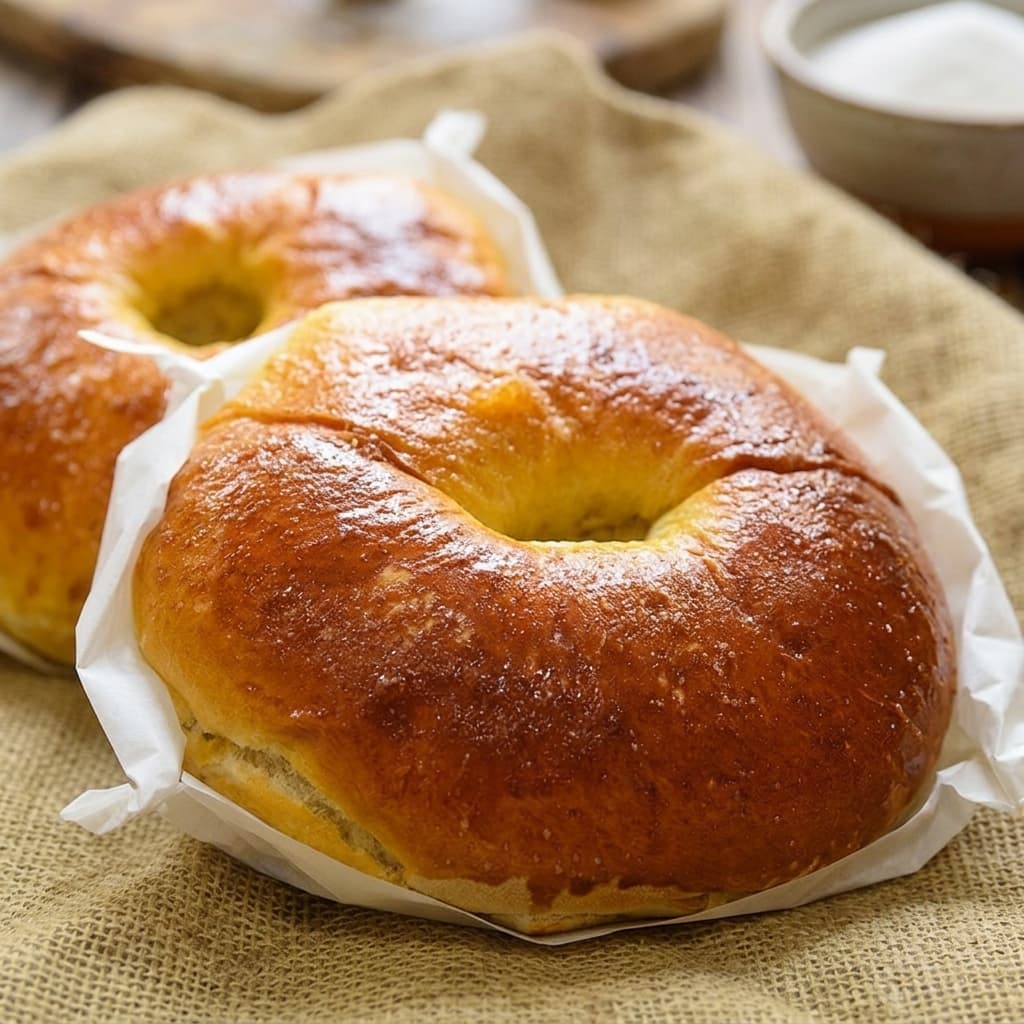
Regueifa Doce
A soft, aromatic sweet bread traditionally shaped into a ring and flavoured with warm spices.
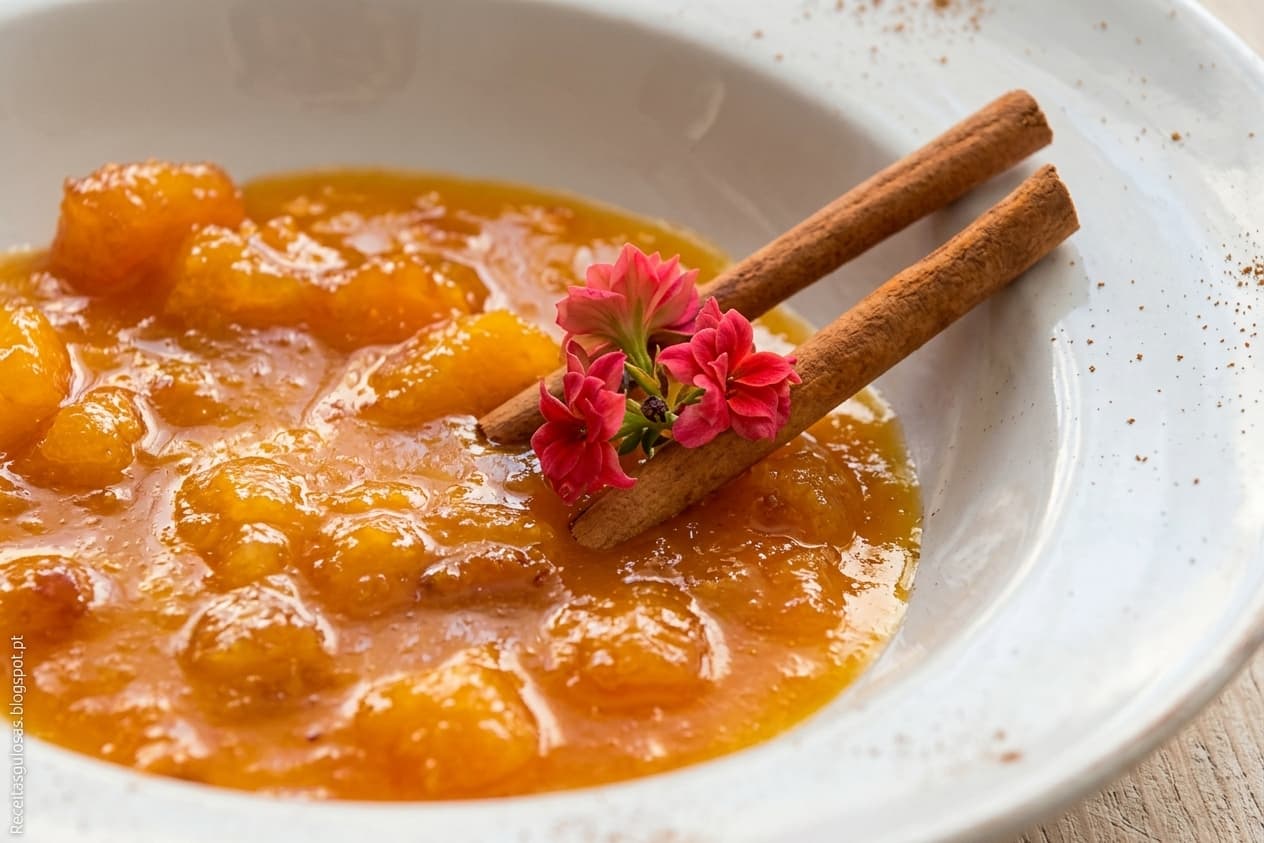
Sopa Dourada
A rich traditional Porto dessert made with bread, egg yolks, sugar syrup and cinnamon.
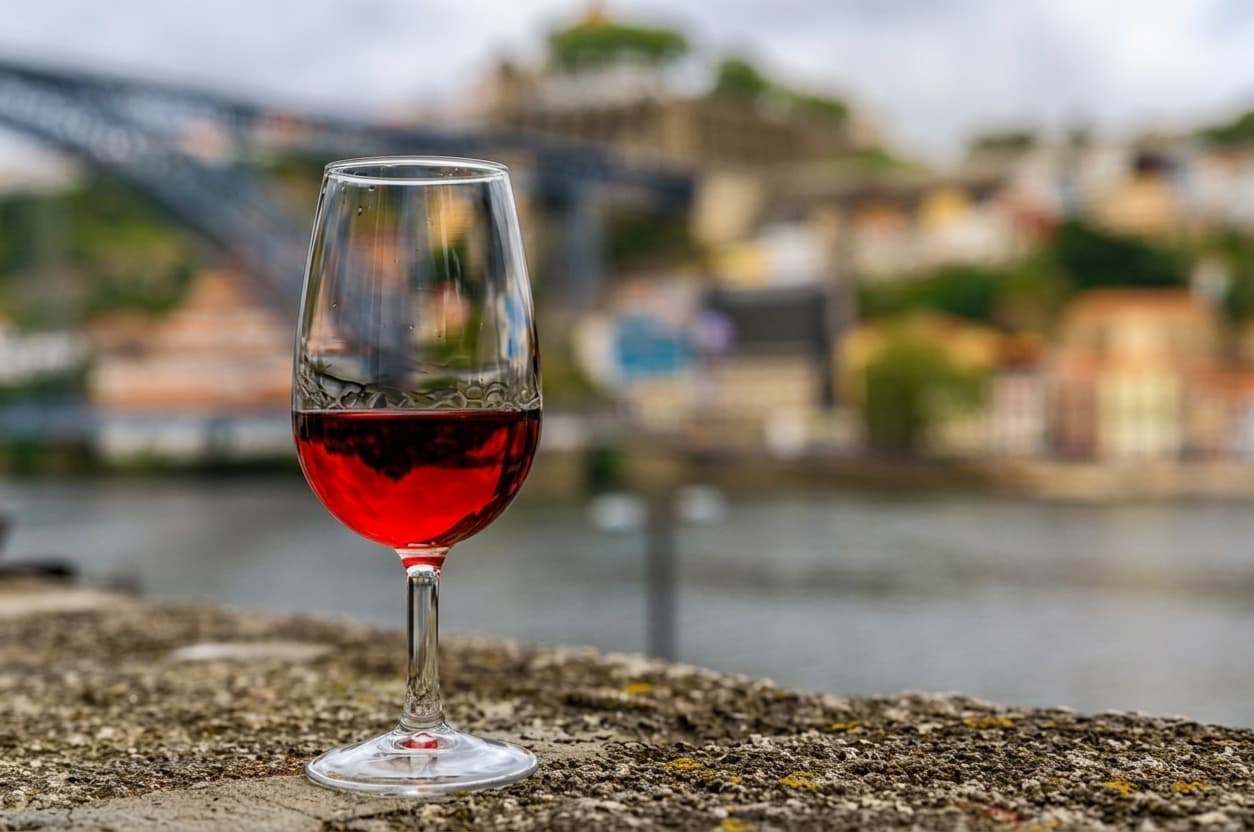
Vinho do Porto
The world-famous fortified wine produced in the Douro Demarcated Region.
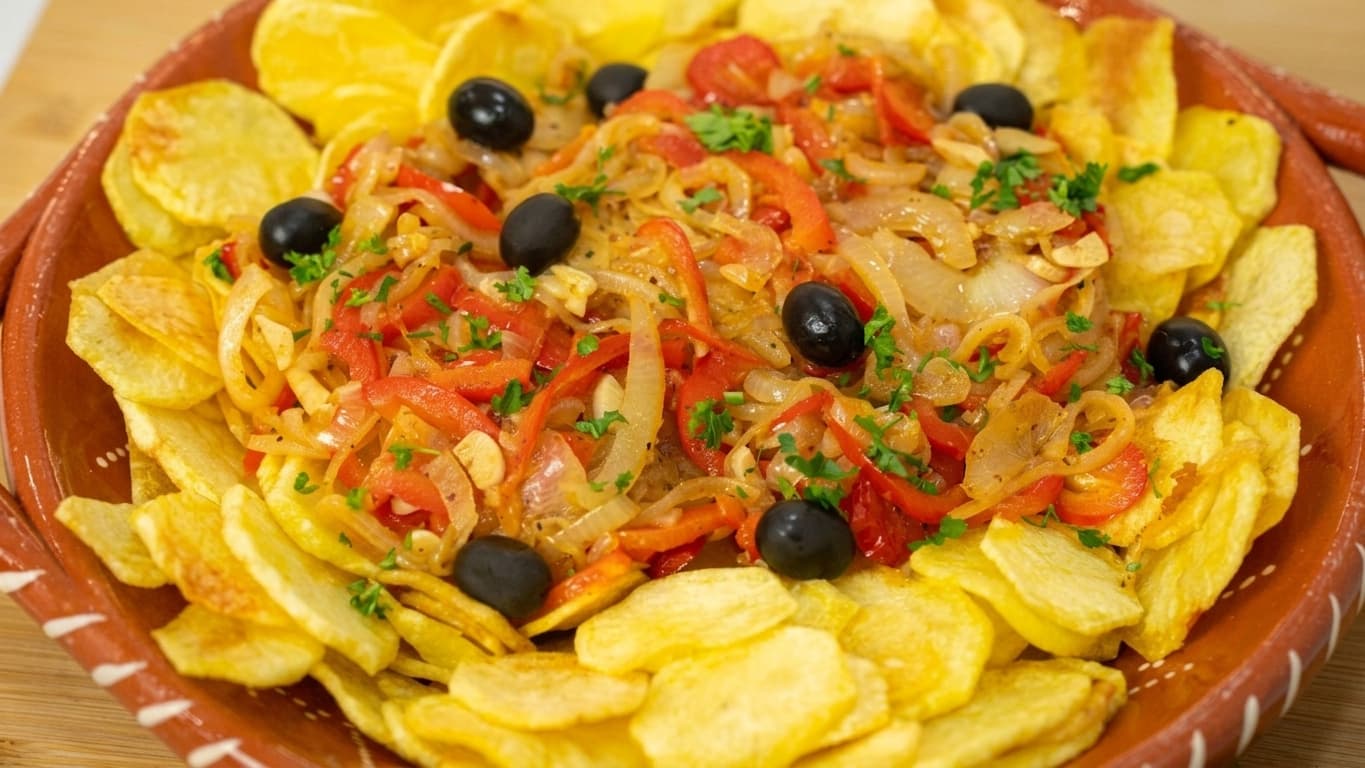
Bacalhau à Braga
Fried salt cod with potatoes and an onion sauce made with tomato and pepper; also known as Bacalhau à Narcisa.
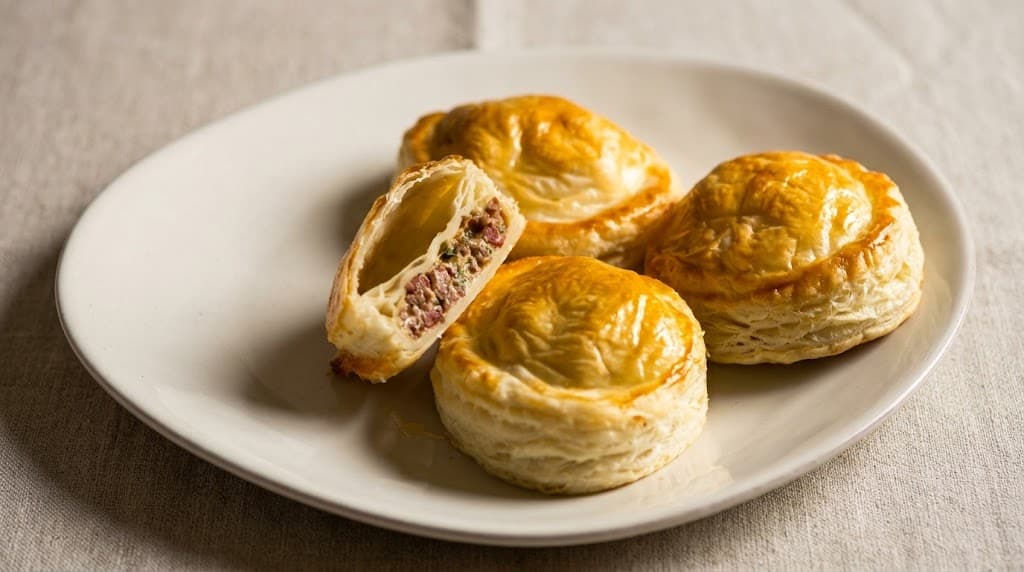
Frigideiras de Braga
An iconic savoury pastry from Braga, made with puff pastry and a seasoned minced meat filling.
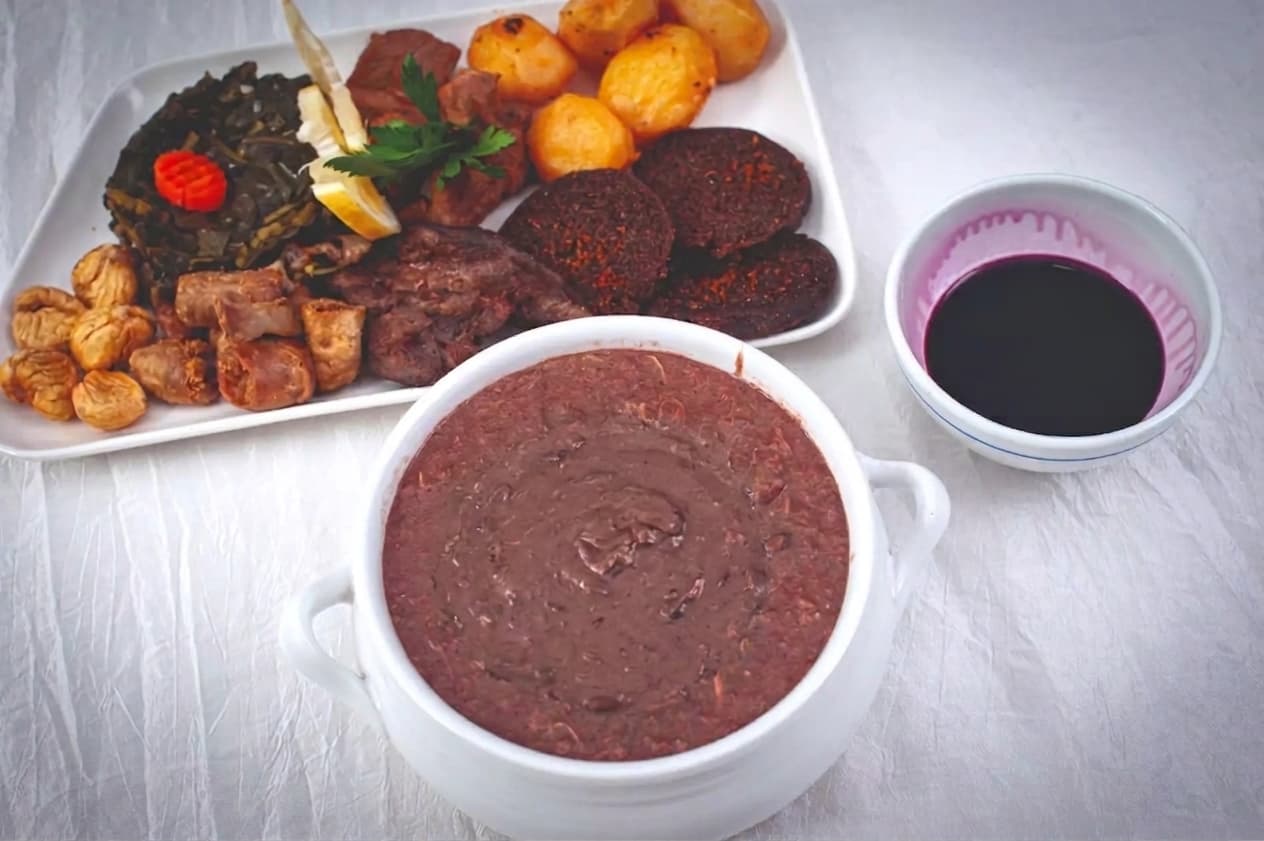
Papas de Sarrabulho com Rojões
A Minho speciality widely found in Braga and the surrounding region.
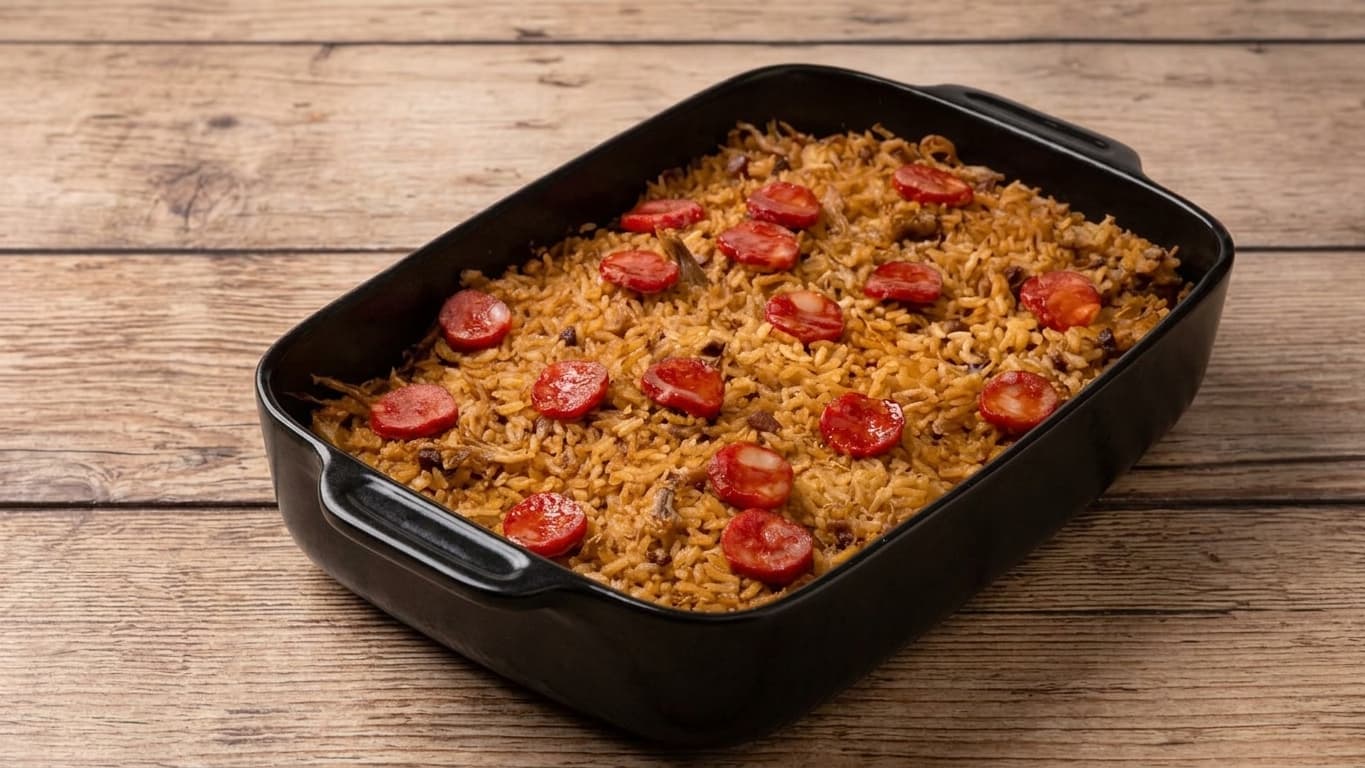
Arroz de Pato à Moda de Braga
Oven-baked duck rice traditionally enriched with regional cured meats.
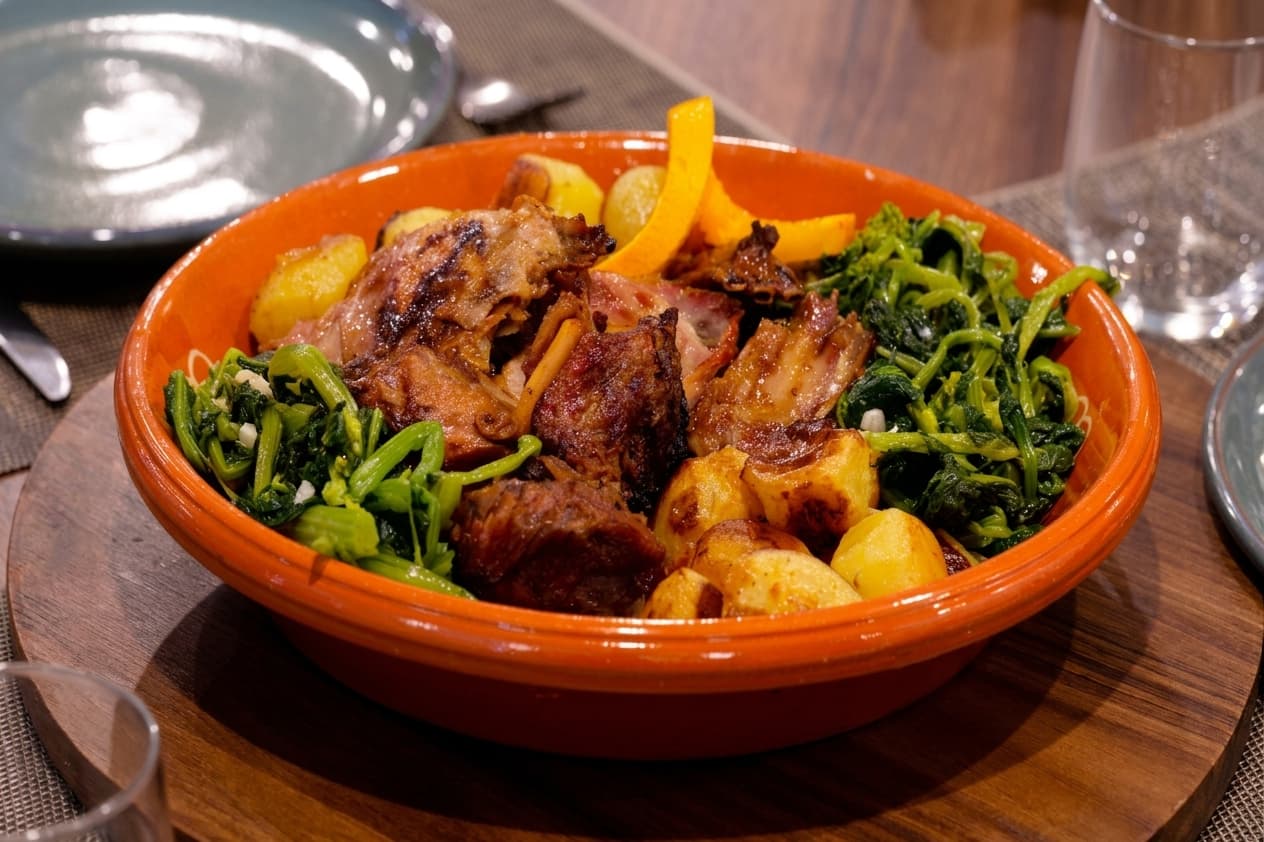
Cabrito Assado à Moda do Minho
Oven-roasted kid goat with potatoes, traditionally served on festive days.
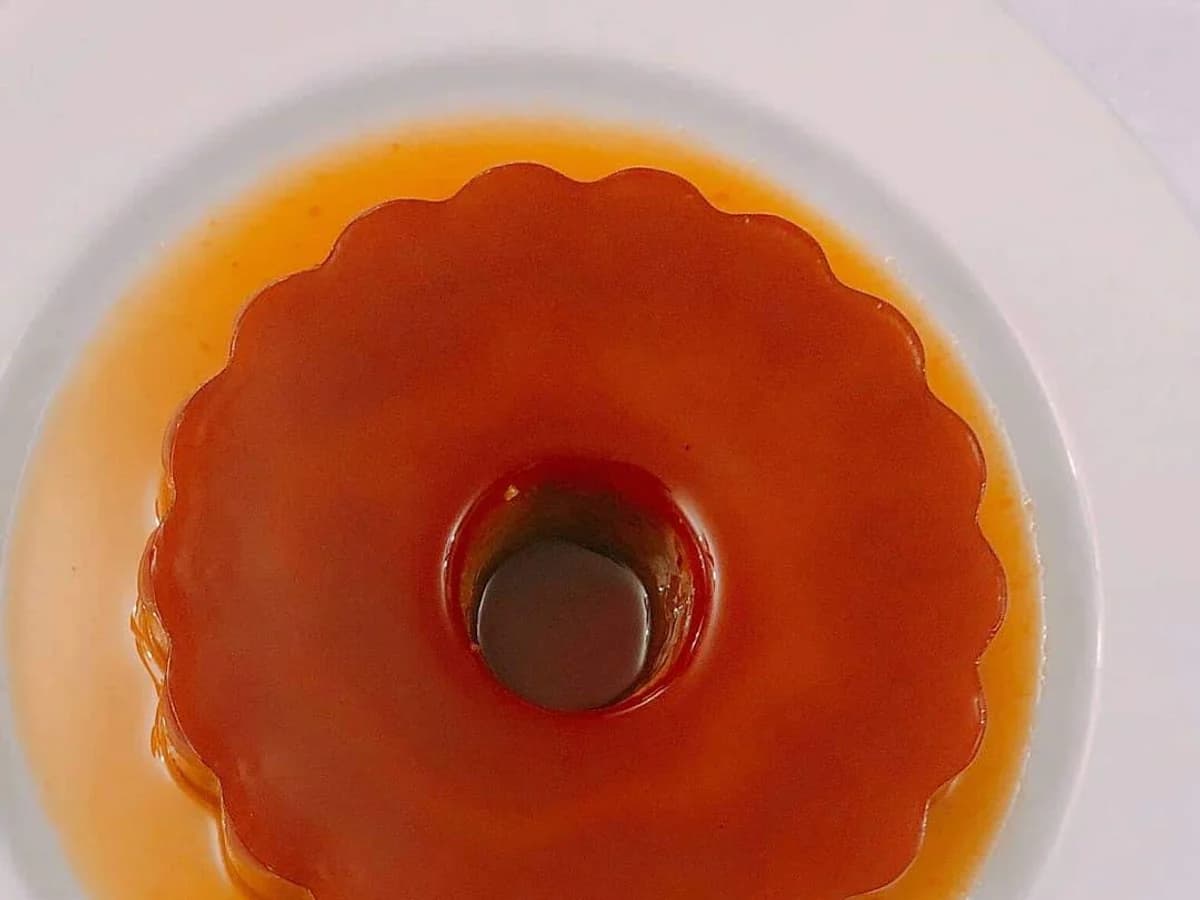
Pudim Abade de Priscos
One of Braga’s great gastronomic symbols, created by the Abbot of Priscos.
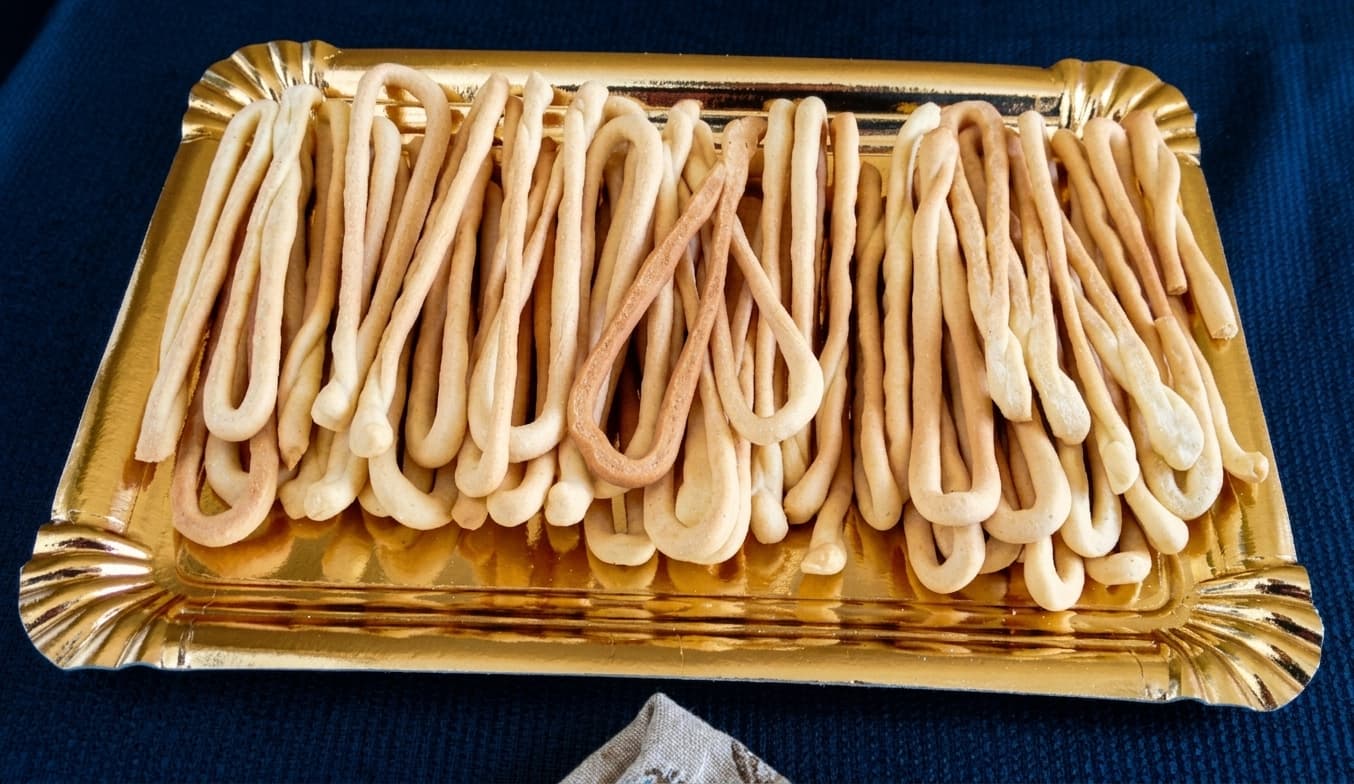
Fidalguinhos de Braga
Small traditional biscuits with a highly characteristic shape.
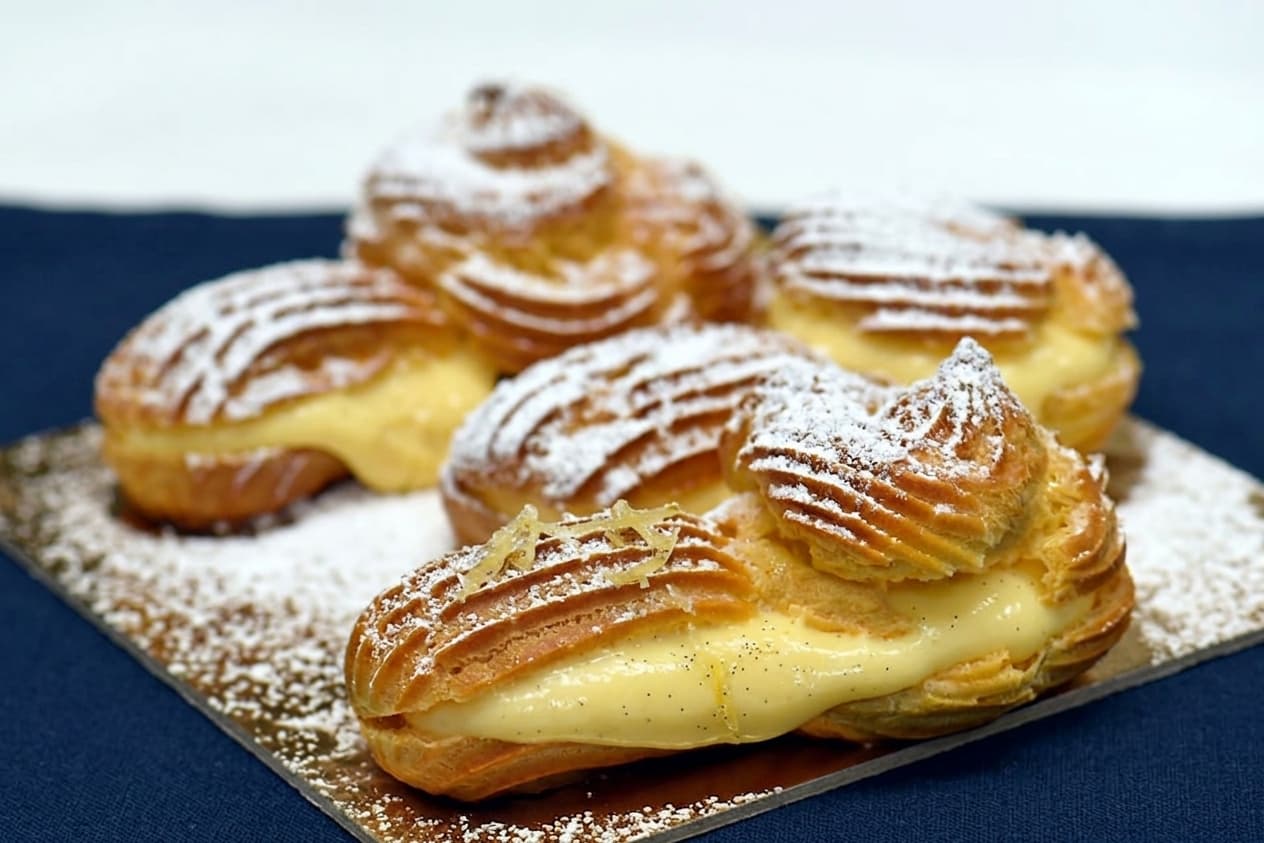
Tíbias de Braga
A light pastry filled with cream and associated with Braga’s pastry shops.
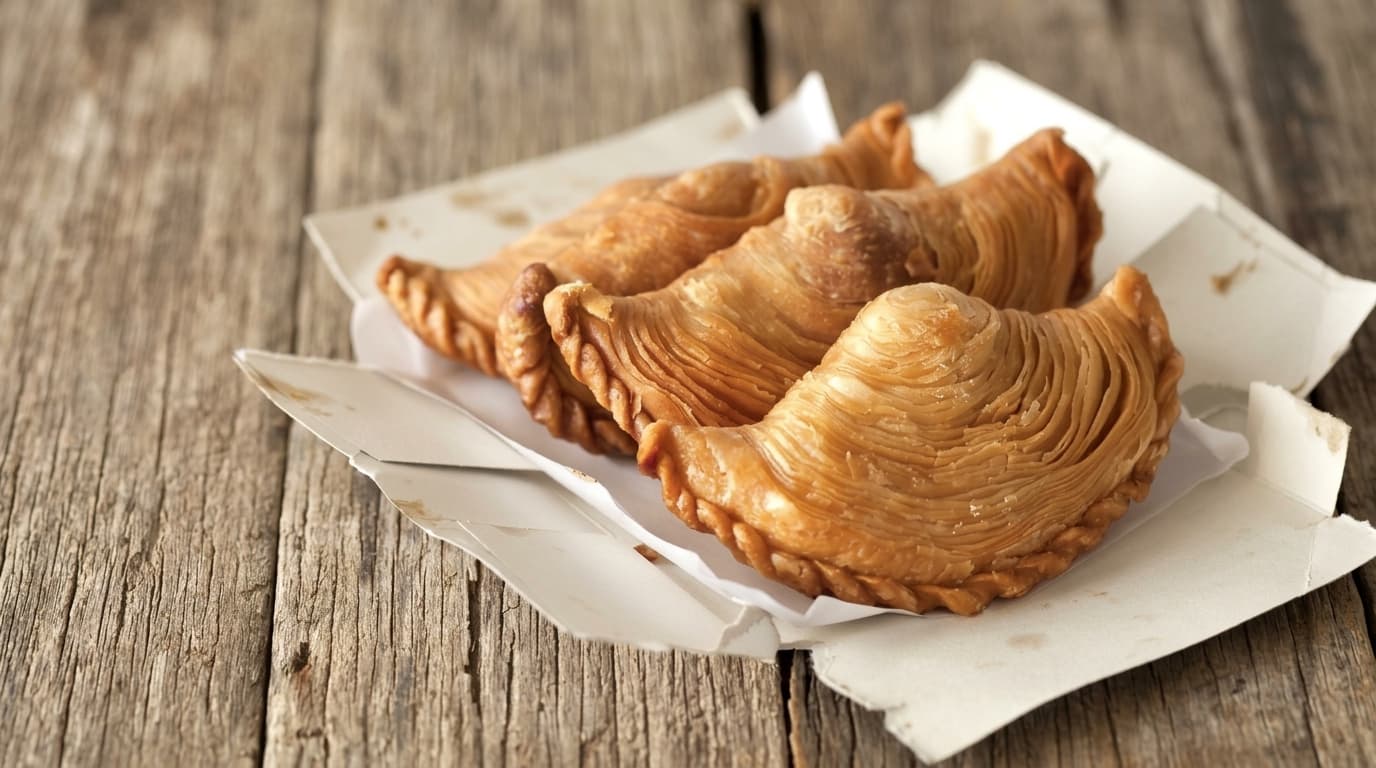
Tortas de Guimarães
Delicate convent pastries filled with almond, egg yolk and gila preserve.
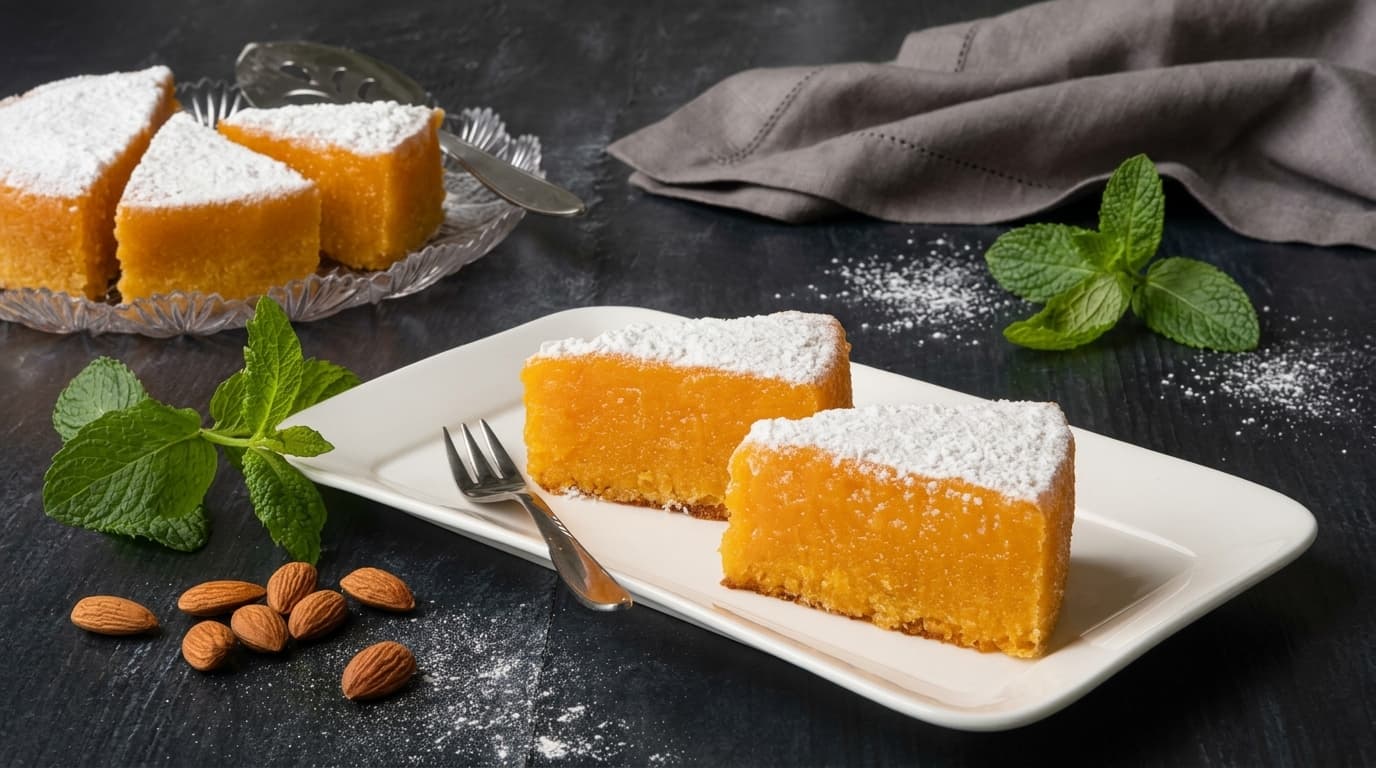
Toucinho-do-céu de Guimarães
A rich, moist convent sweet made with almonds, egg yolks, sugar and gila preserve.
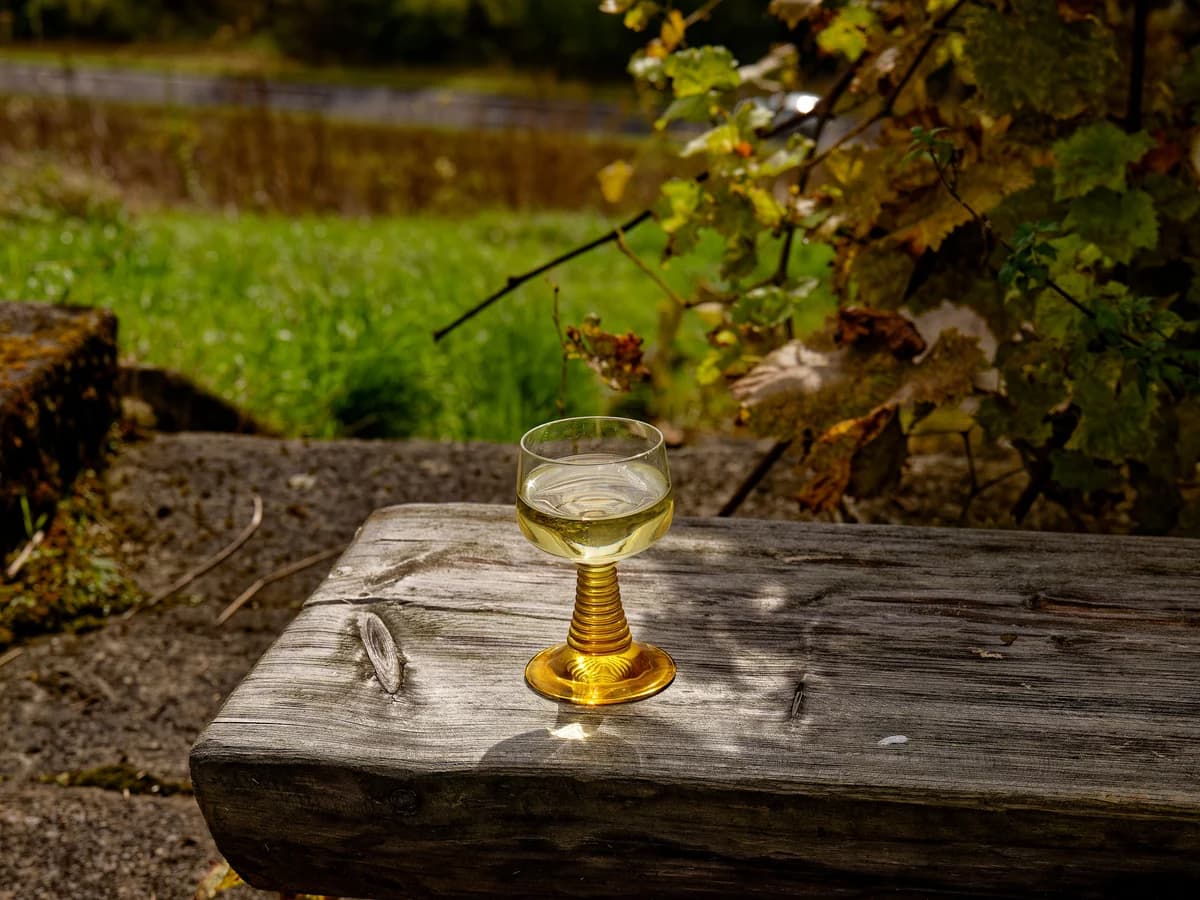
Vinho Verde
The wine that best represents Minho and the Braga region.
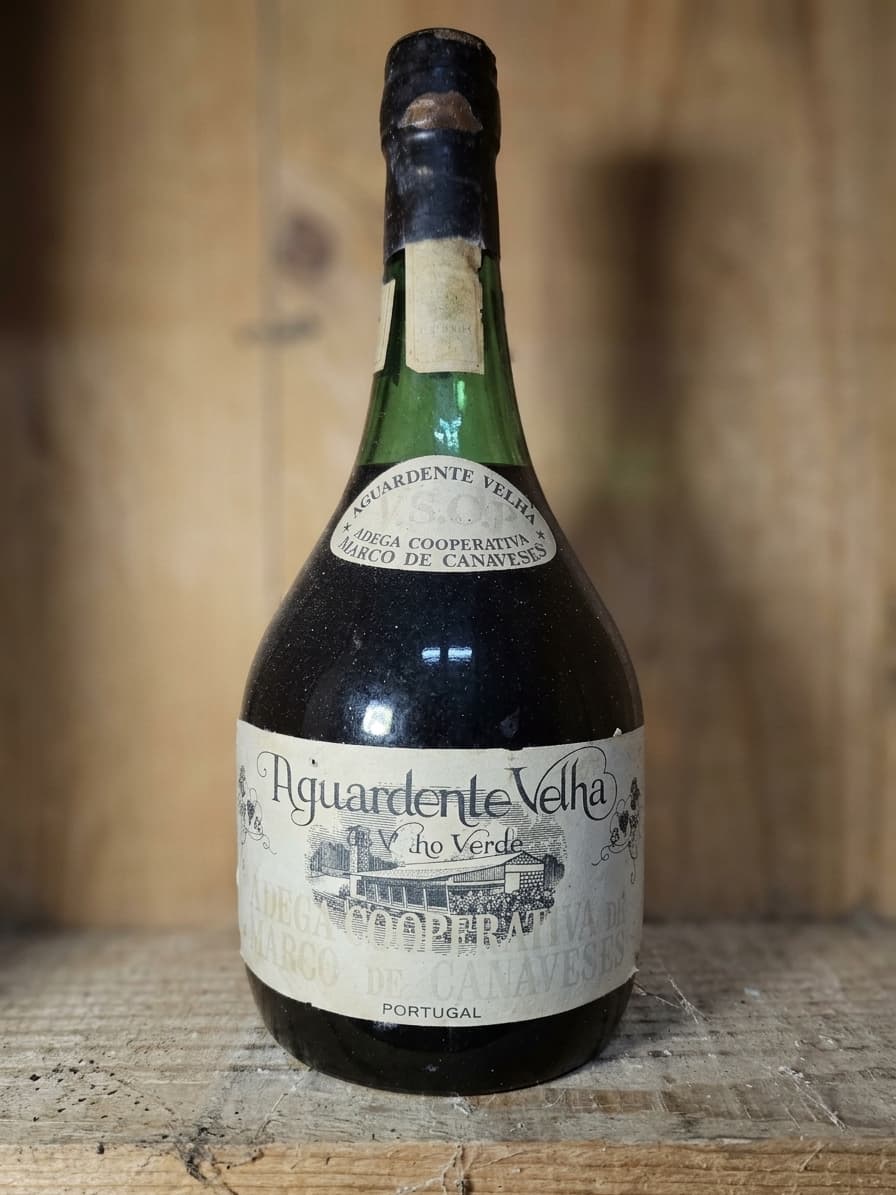
Aguardente de Vinho Verde
A spirit distilled from wines produced in the region.
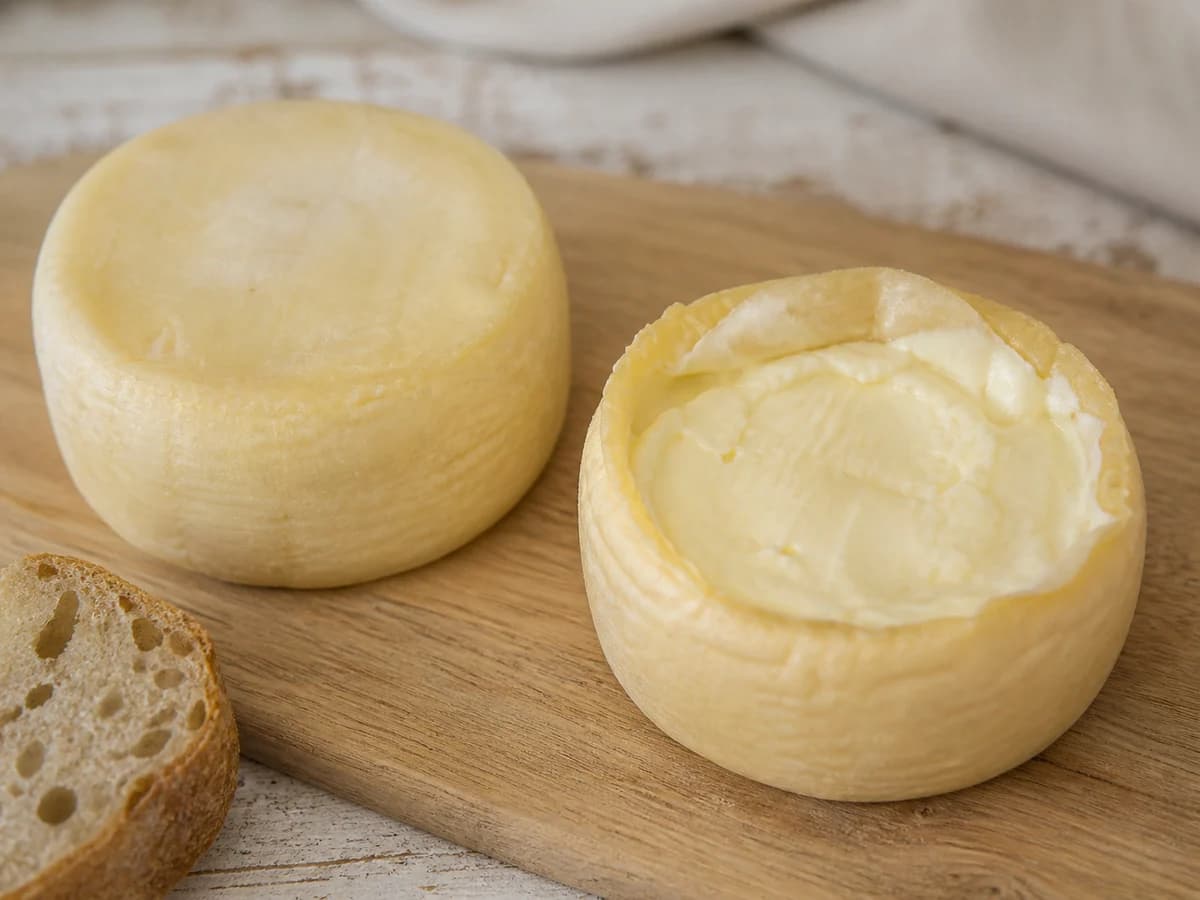
Queijo de Azeitão DOP
A cured raw sheep’s-milk cheese with a semi-soft, buttery paste and a full, gently tangy flavour.
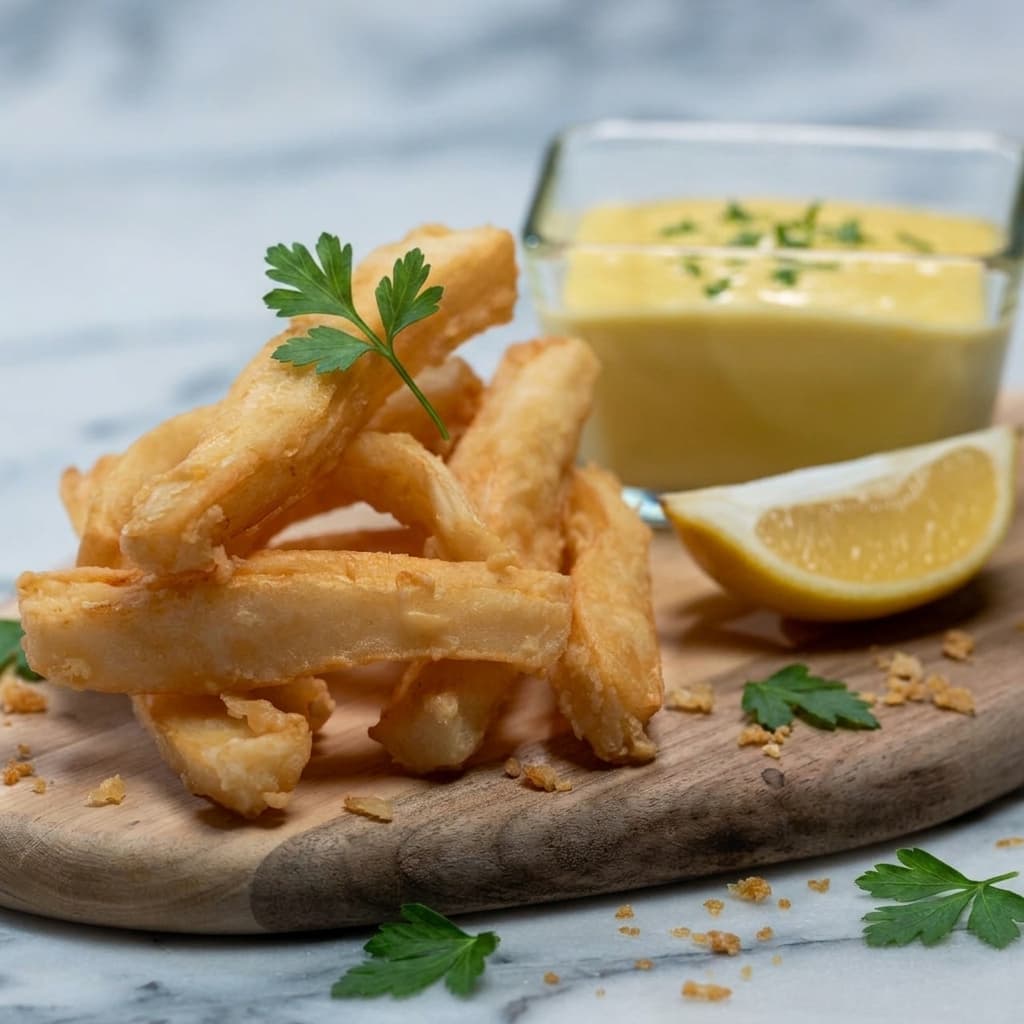
Choco Frito
Setúbal’s emblematic fried cuttlefish, usually served with chips and salad.
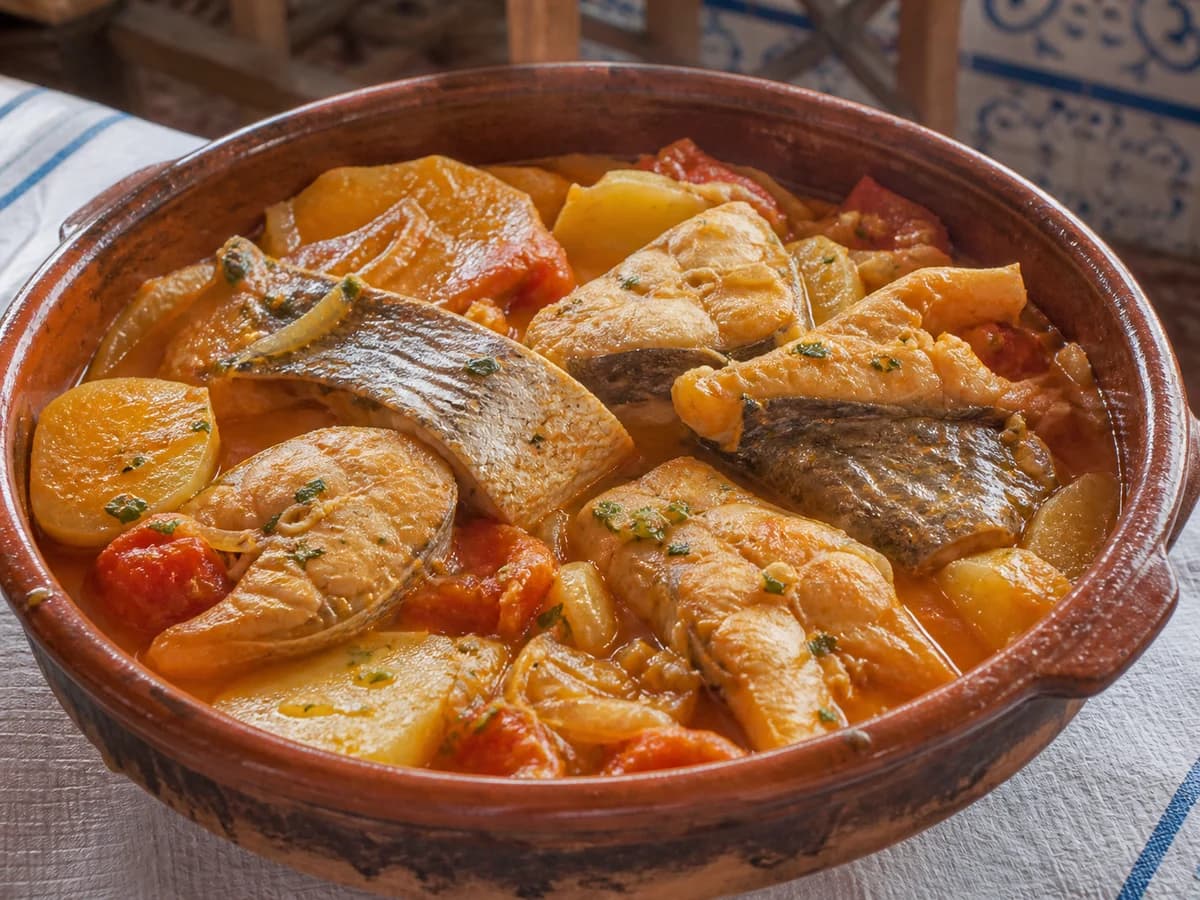
Caldeirada de Peixe à Setubalense
A Setúbal fish stew layered with potatoes, tomato, onion and aromatic herbs.
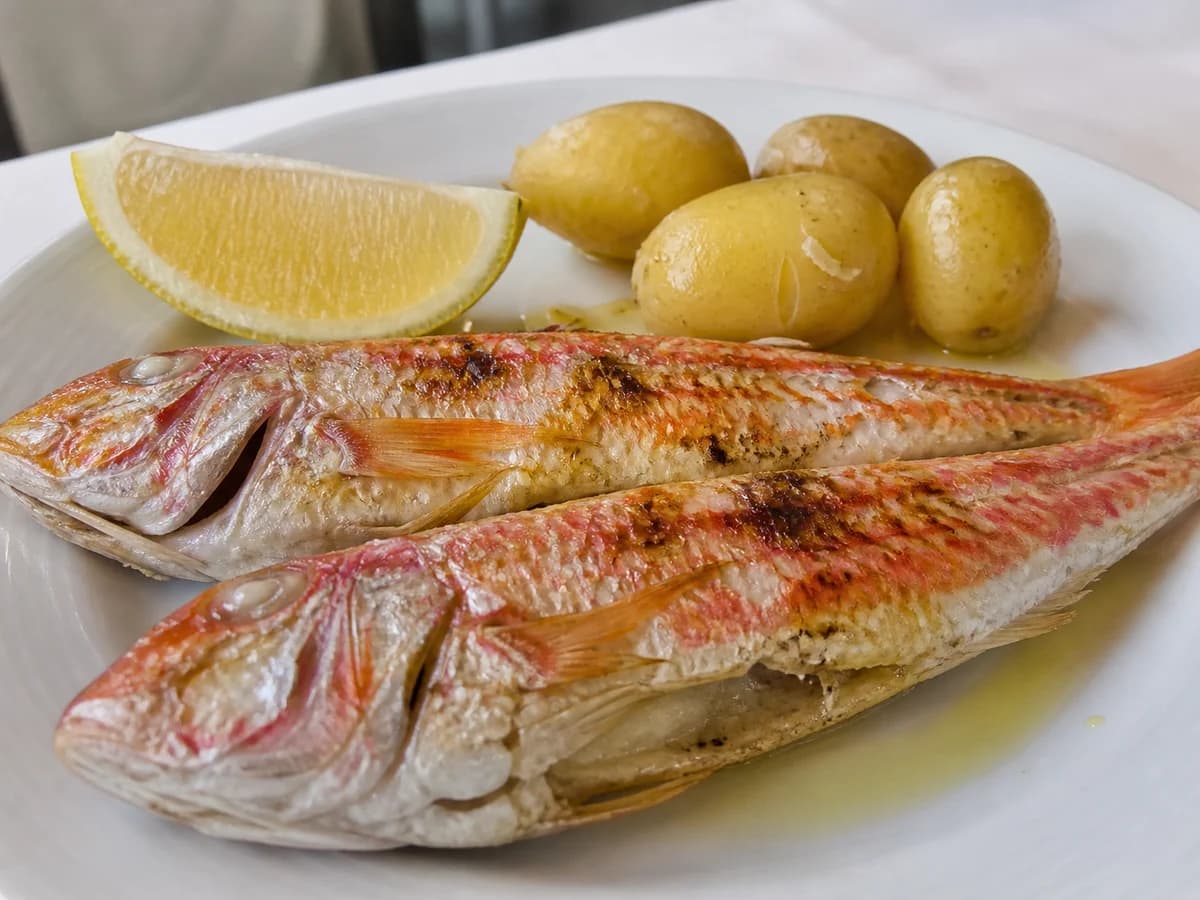
Salmonete de Setúbal
Red mullet from the Setúbal coast, valued for its delicate, distinctive flavour.
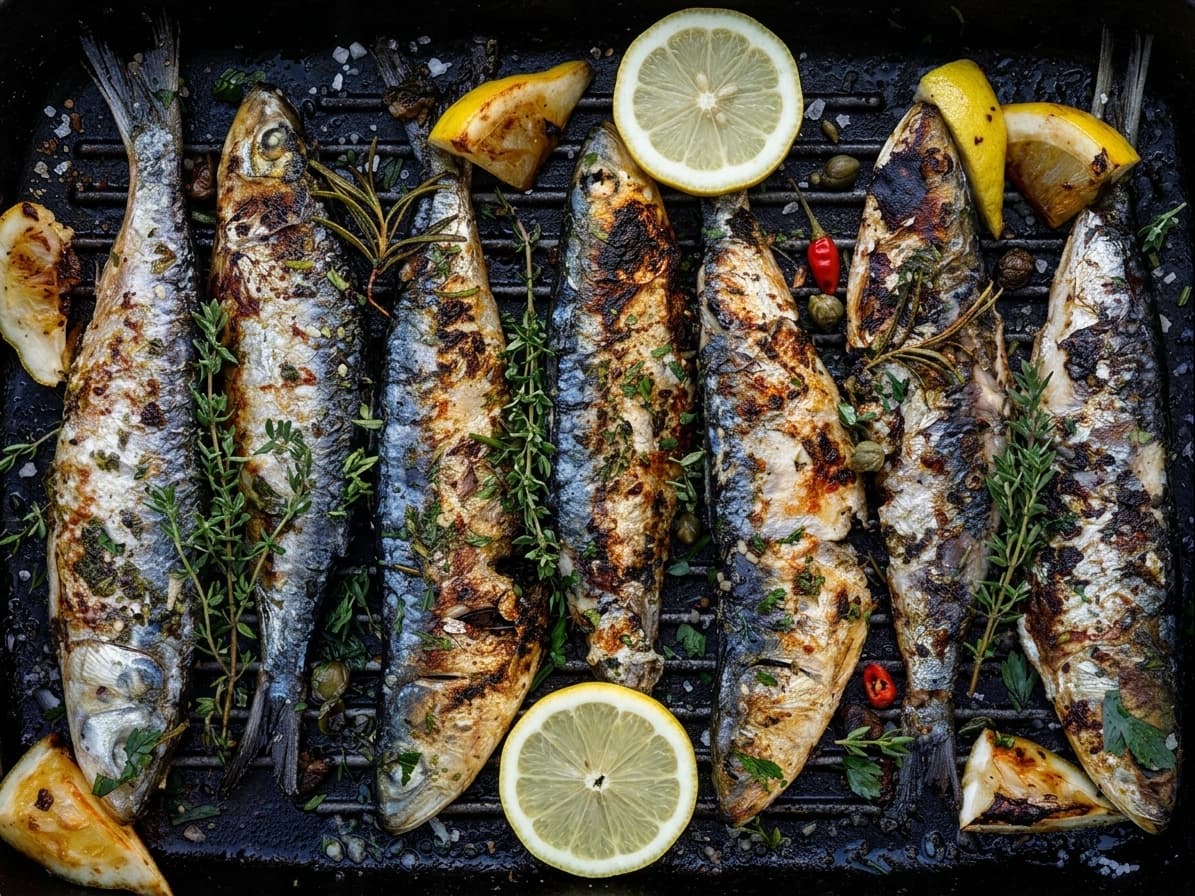
Sardinhas Assadas
Charcoal-grilled sardines, a strong summer tradition in Setúbal and across Portugal’s coast.
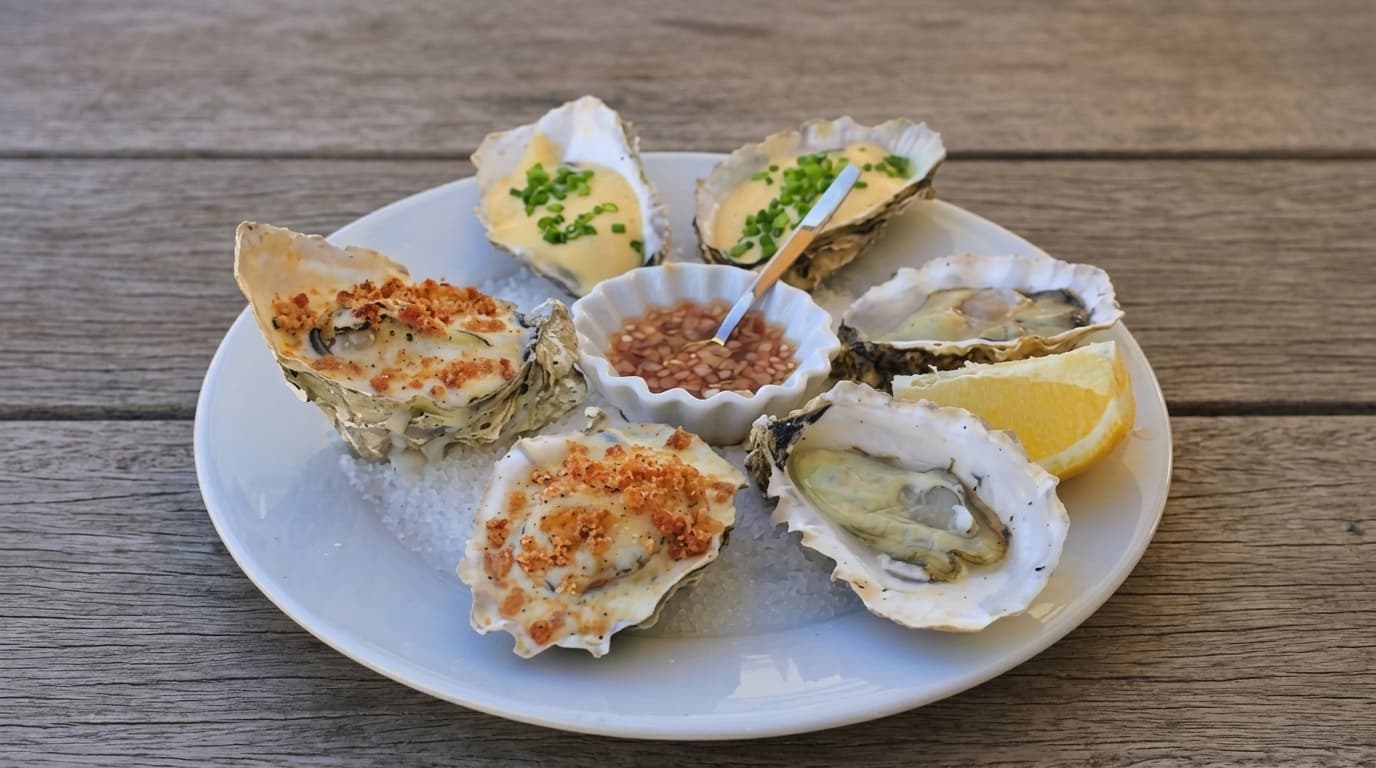
Ostras do Sado
Oysters raised in the Sado estuary, served simply to preserve their marine character.
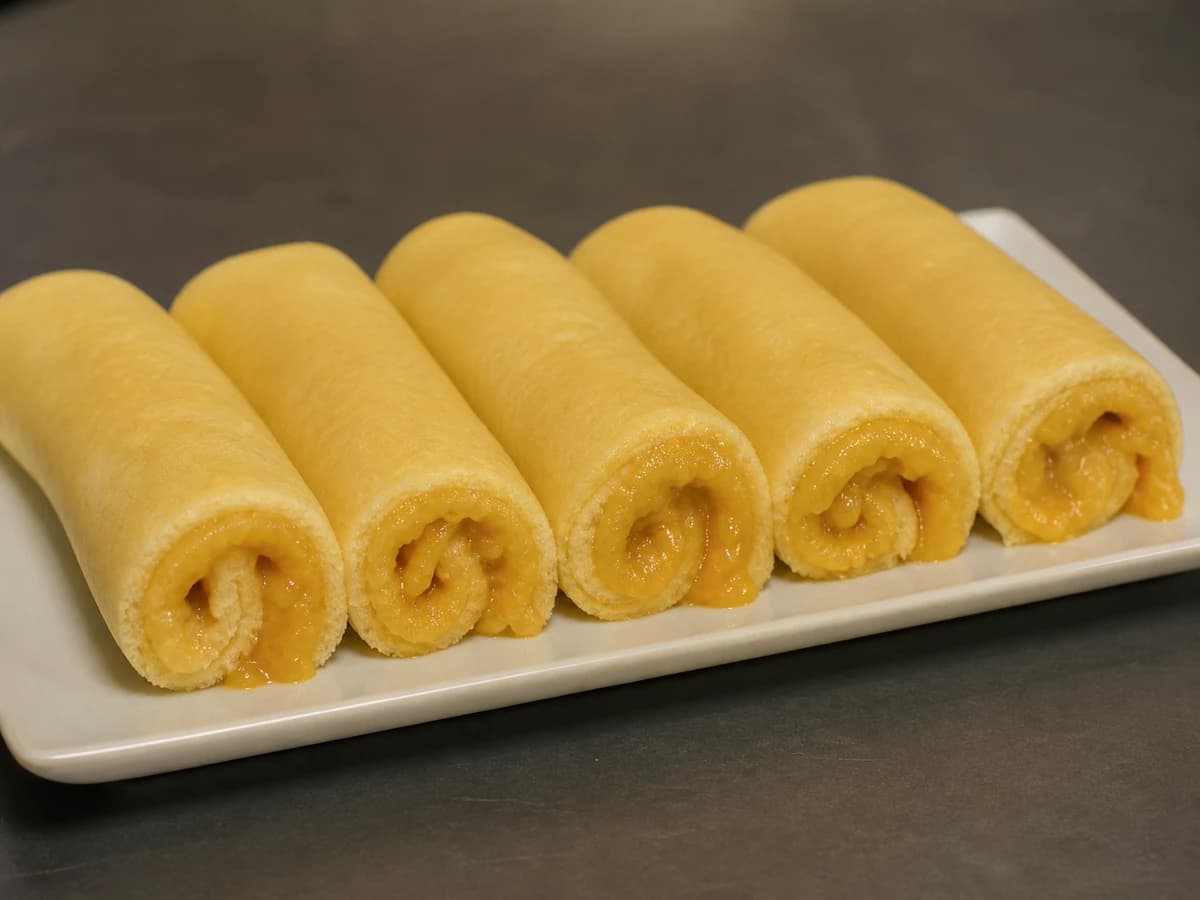
Torta de Azeitão
A small, soft roll from Azeitão, generously filled with rich egg-yolk cream.
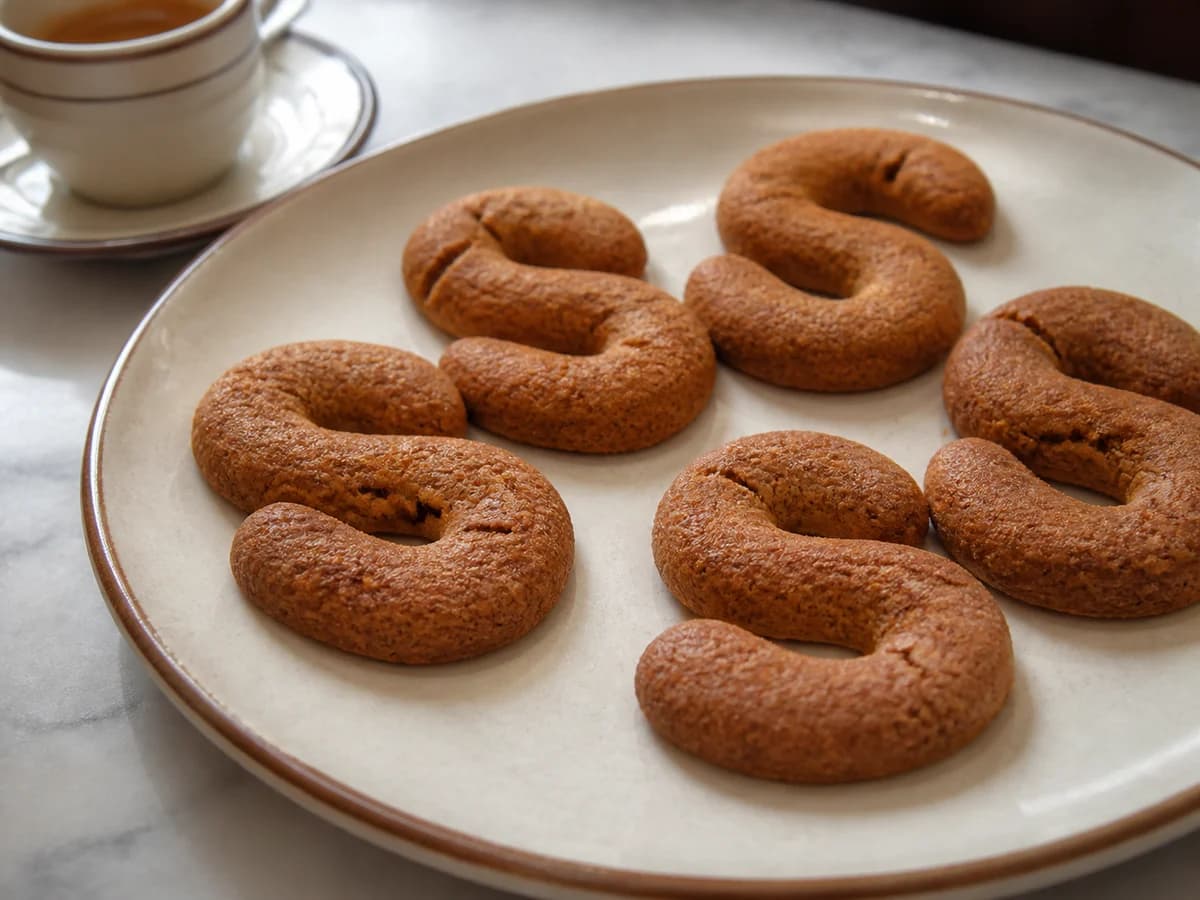
Esses de Azeitão
Small, crisp biscuits from Azeitão shaped like the letter S.
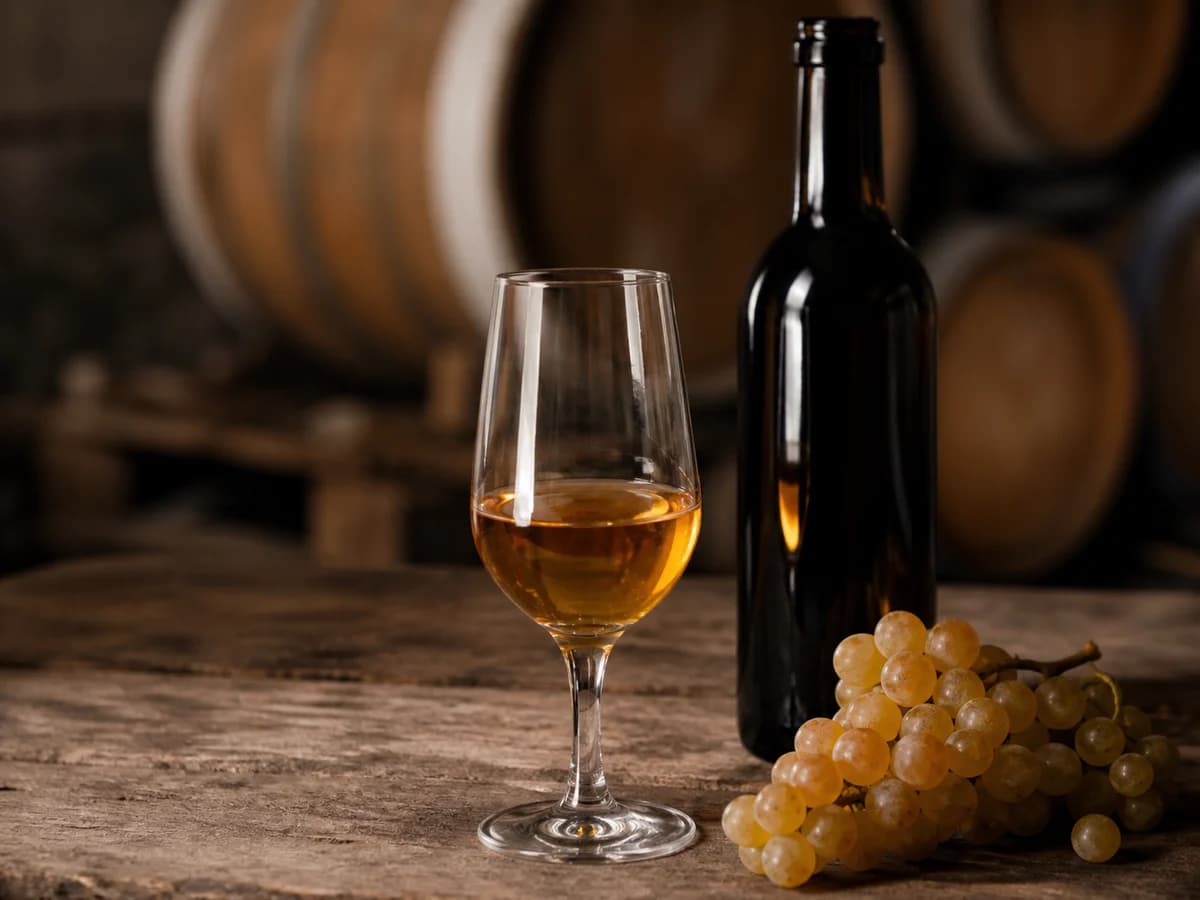
Moscatel de Setúbal
The region’s emblematic fortified wine, made chiefly from Moscatel de Setúbal grapes.
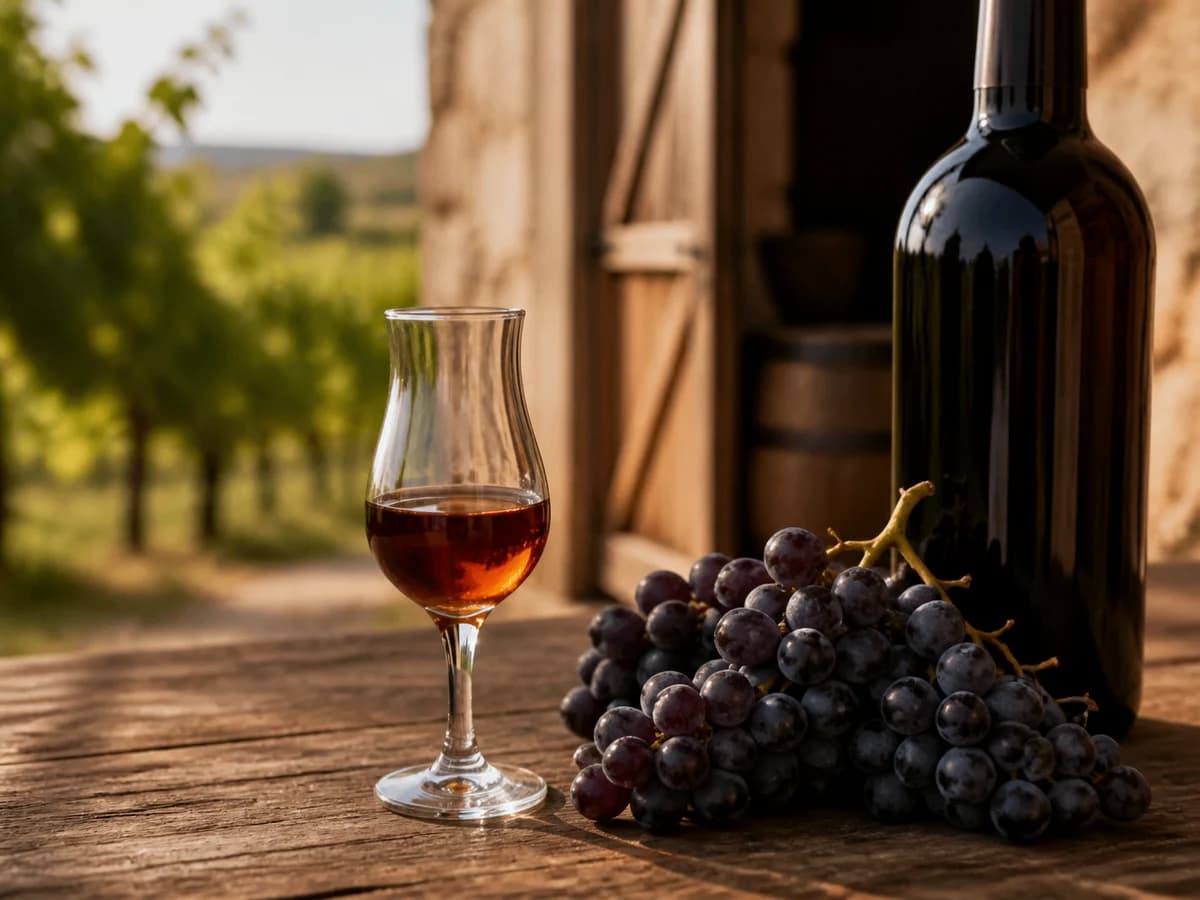
Moscatel Roxo de Setúbal
A rarer fortified Moscatel made from the purple-skinned Moscatel Roxo grape.
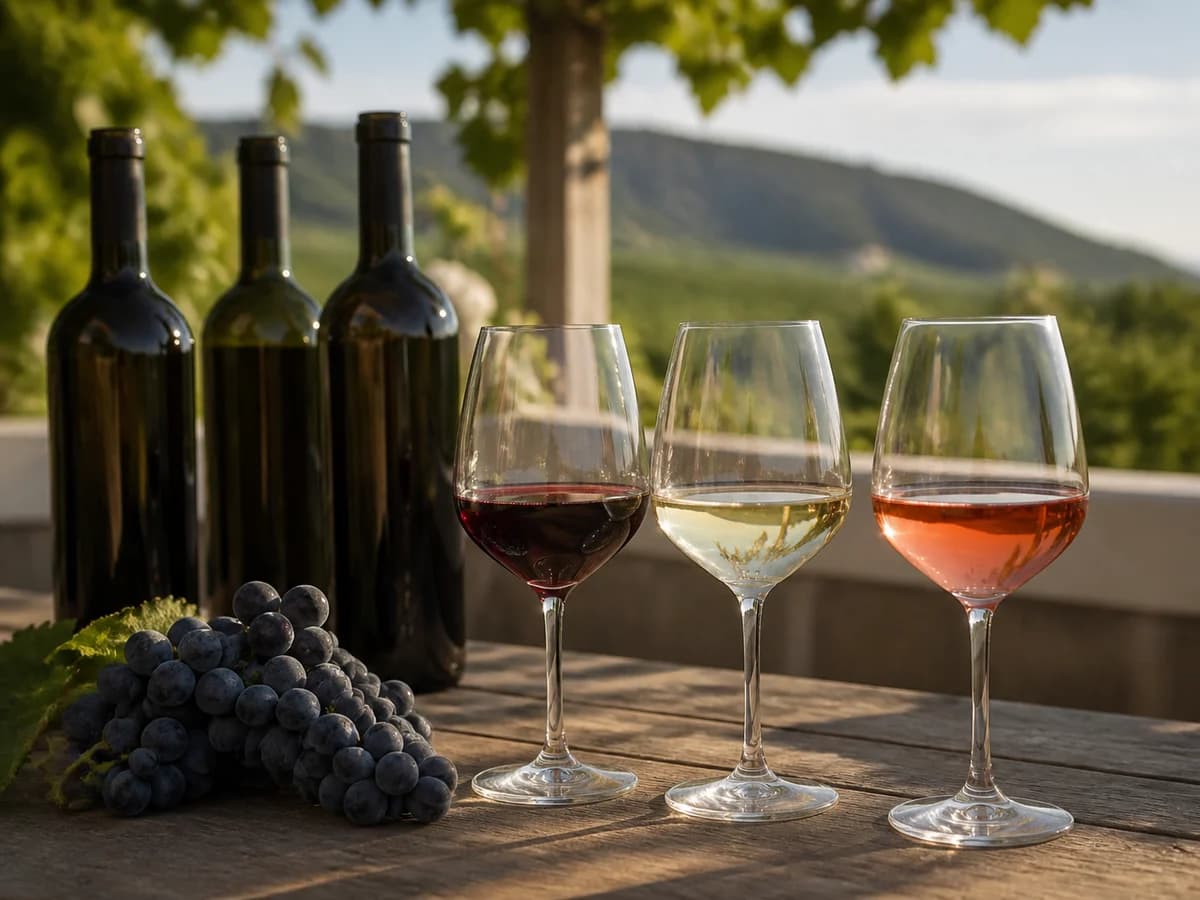
Vinhos da Península de Setúbal
Red, white and rosé wines from the peninsula, with Castelão playing a particularly important role.
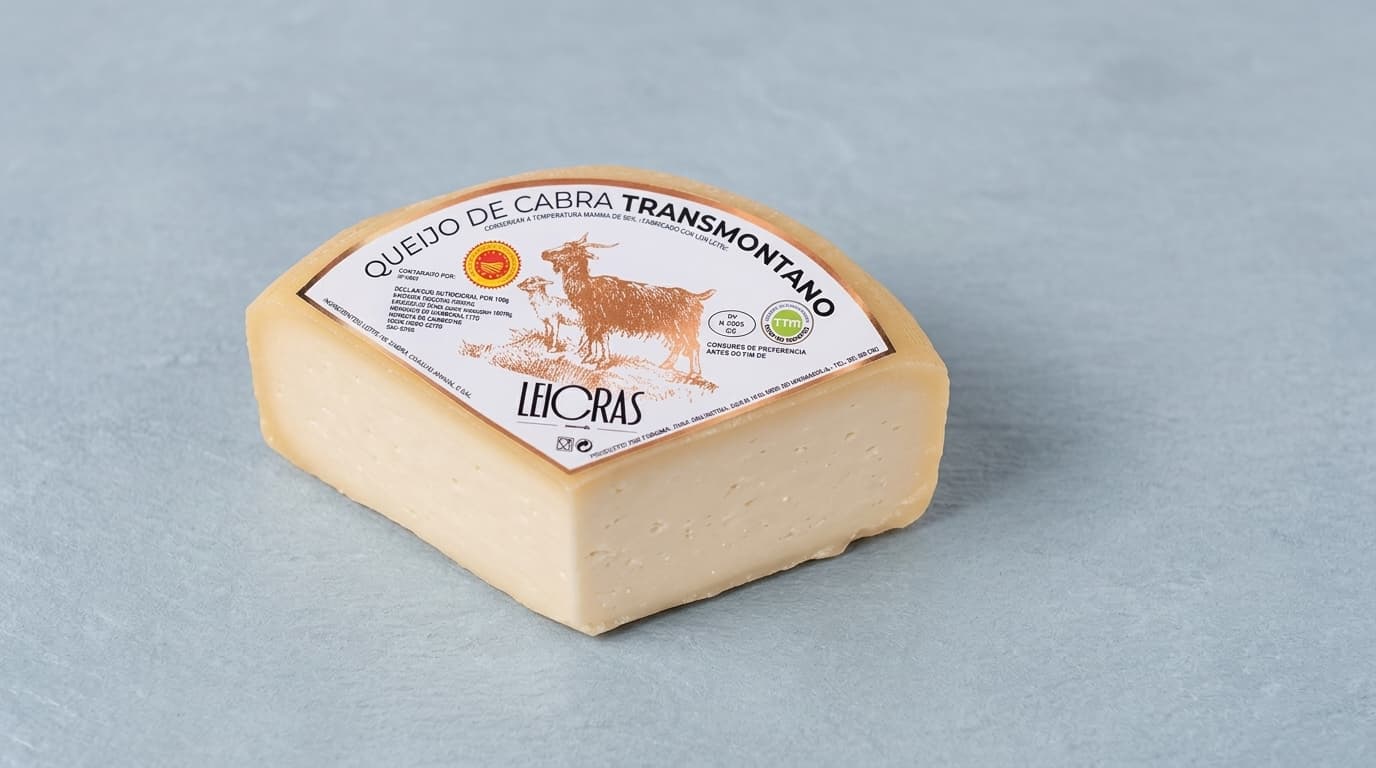
Queijo de Cabra Transmontano DOP
A traditional PDO cheese from Trás-os-Montes, made exclusively from raw Serrana goat’s milk and known for its firm texture and distinctive, slightly piquant flavour.
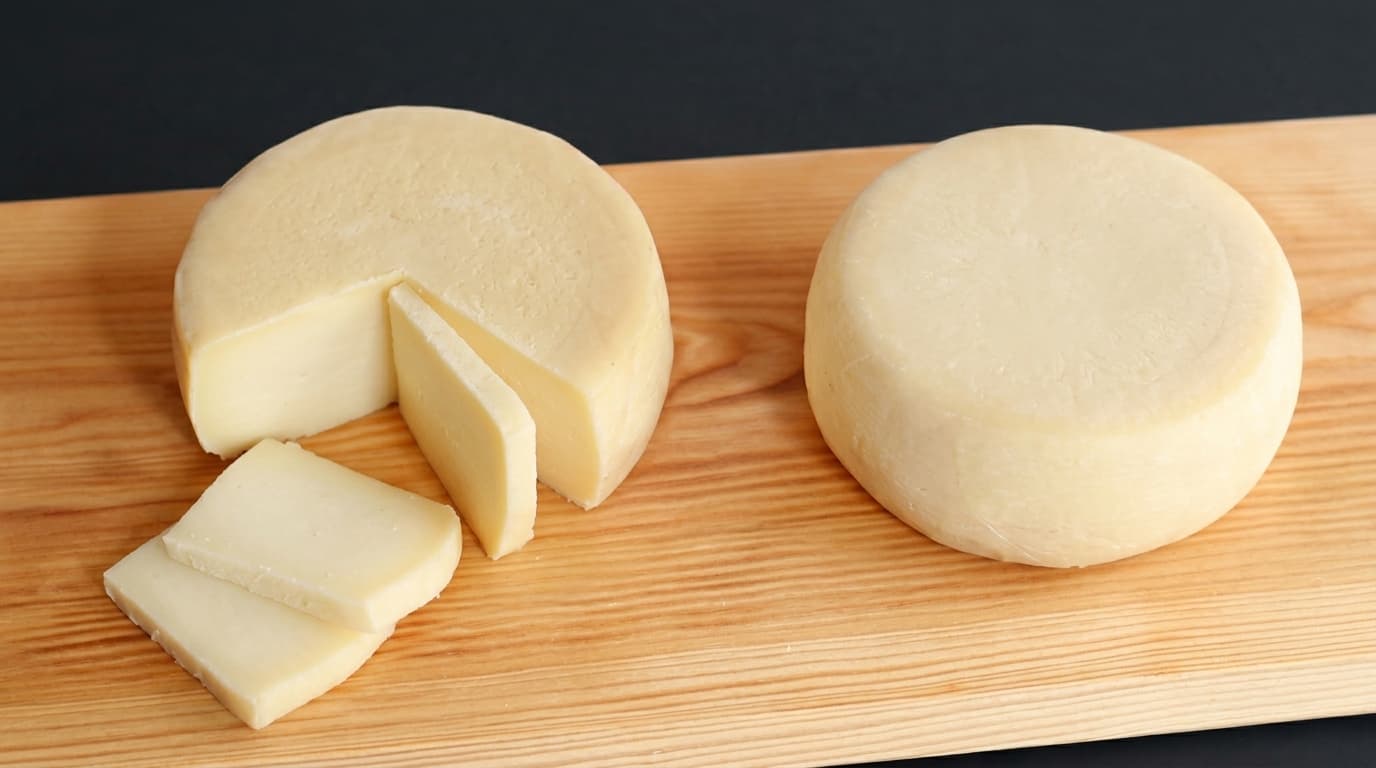
Queijo Terrincho DOP
A cured raw Churra da Terra Quente sheep’s-milk cheese with a semi-hard to hard paste and a flavour that intensifies with age.
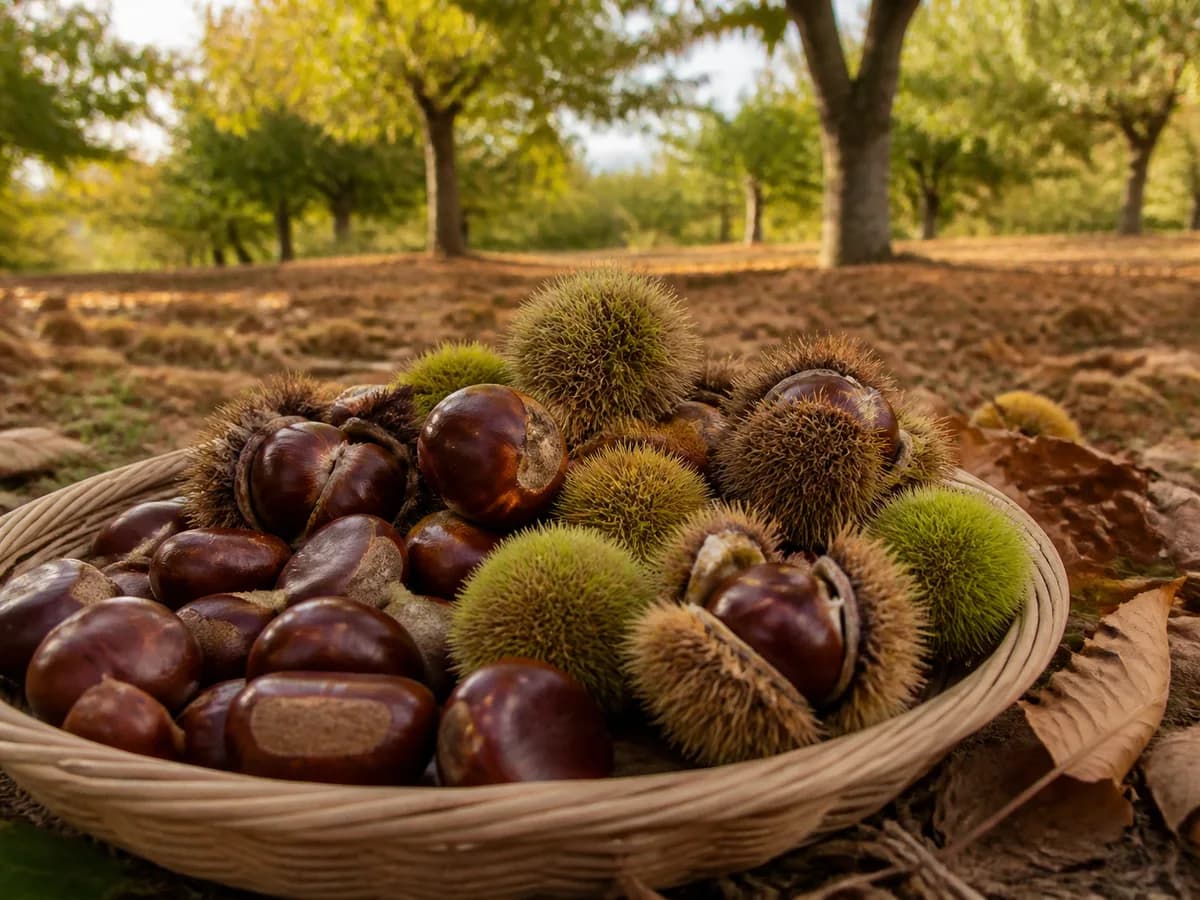
Castanha da Terra Fria
Chestnuts are central to the region’s food culture and economy.
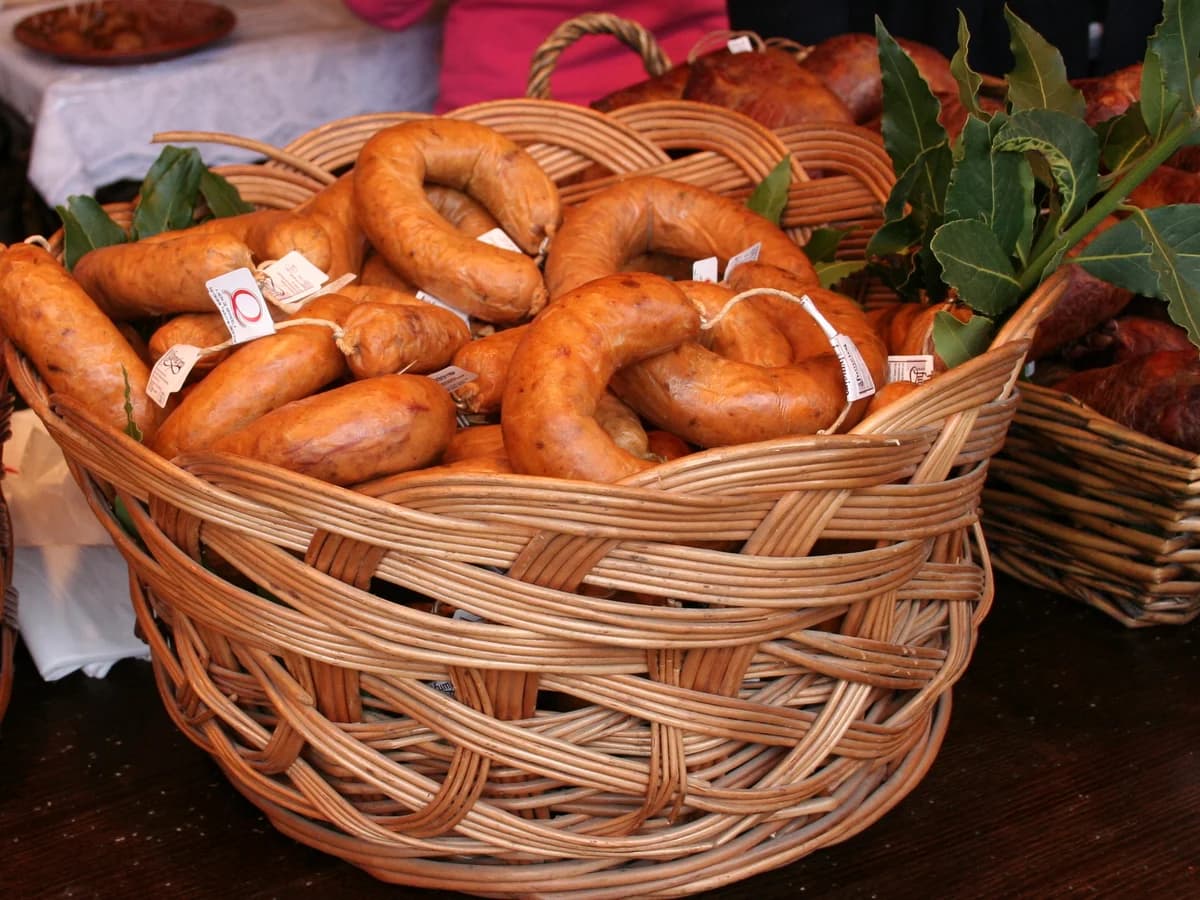
Alheira de Mirandela
One of the best-known cured sausages of Trás-os-Montes, originating in Mirandela in the Bragança district.
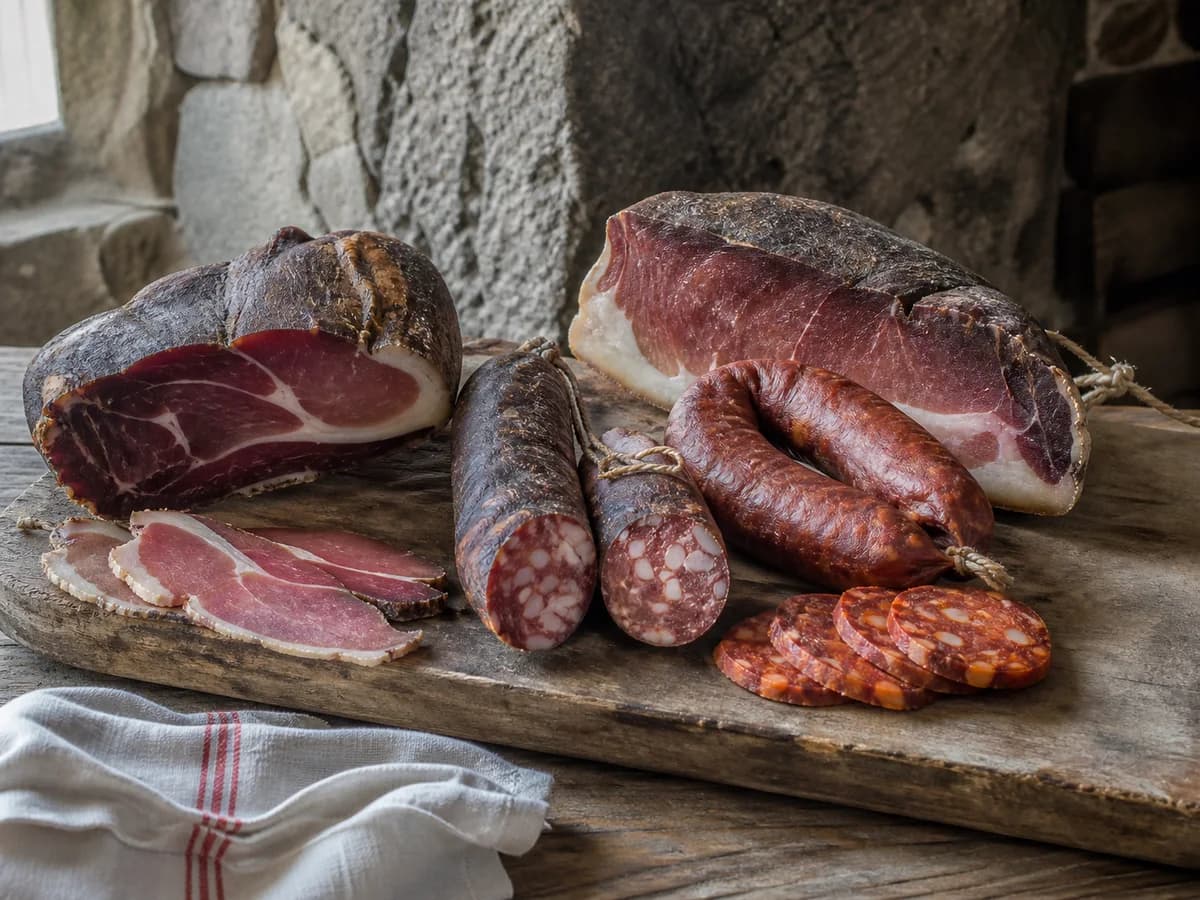
Enchidos de Porco Bísaro
Salpicão, chouriça, ham and other traditional cured products made from Bísaro pork.
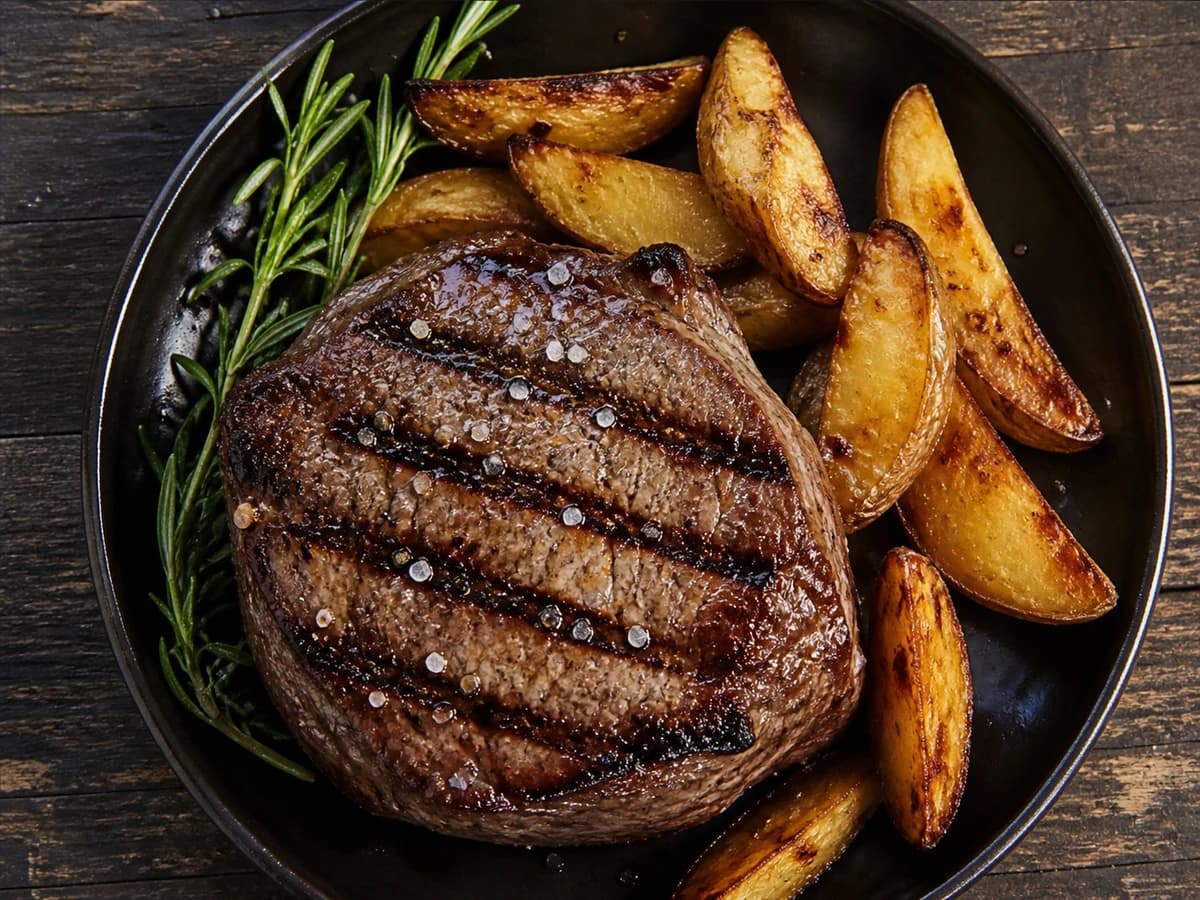
Posta à Mirandesa
A thick grilled beef steak and one of the best-known specialities of Trás-os-Montes.
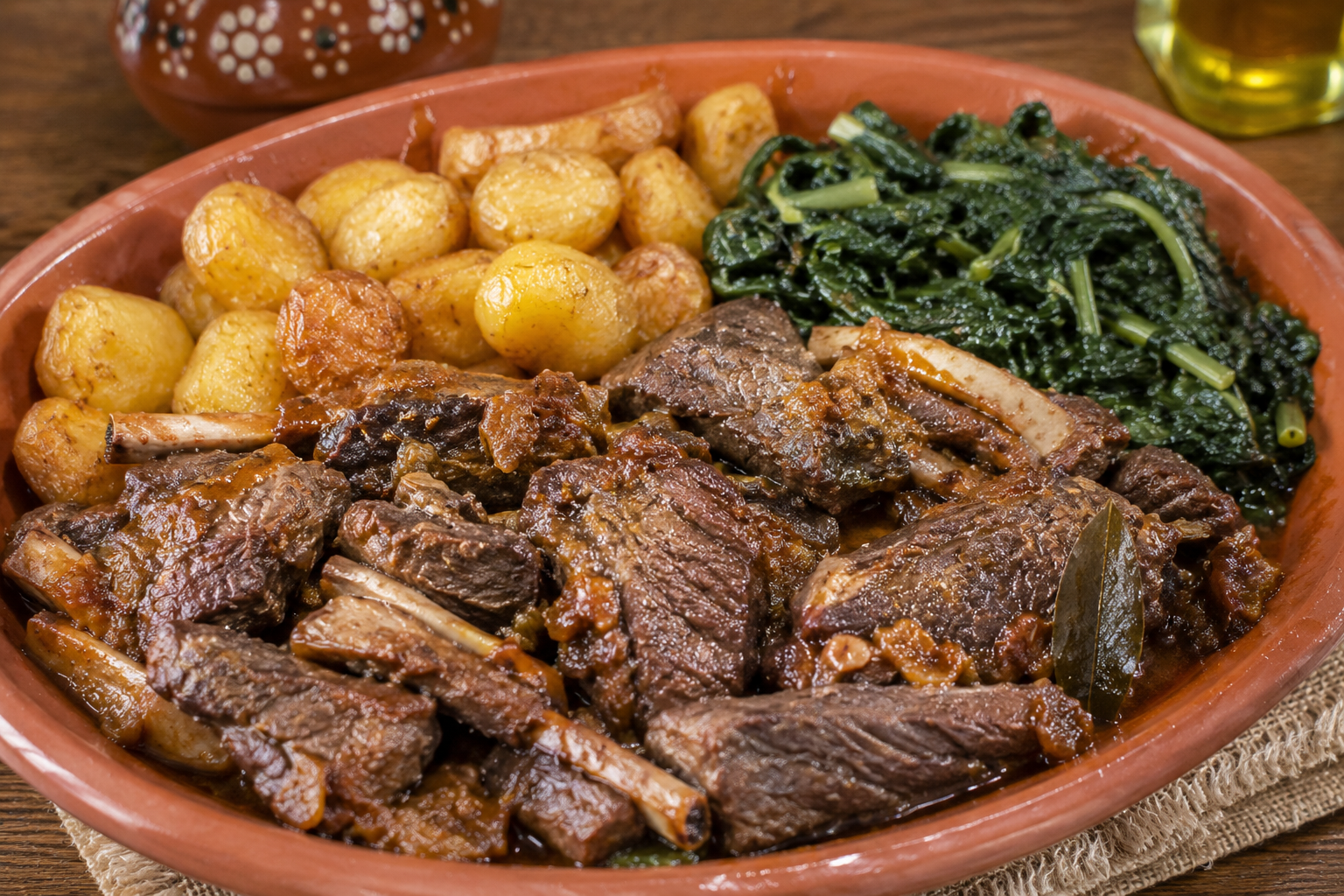
Javali à Transmontana
A traditional game dish usually prepared with wine and aromatic herbs.
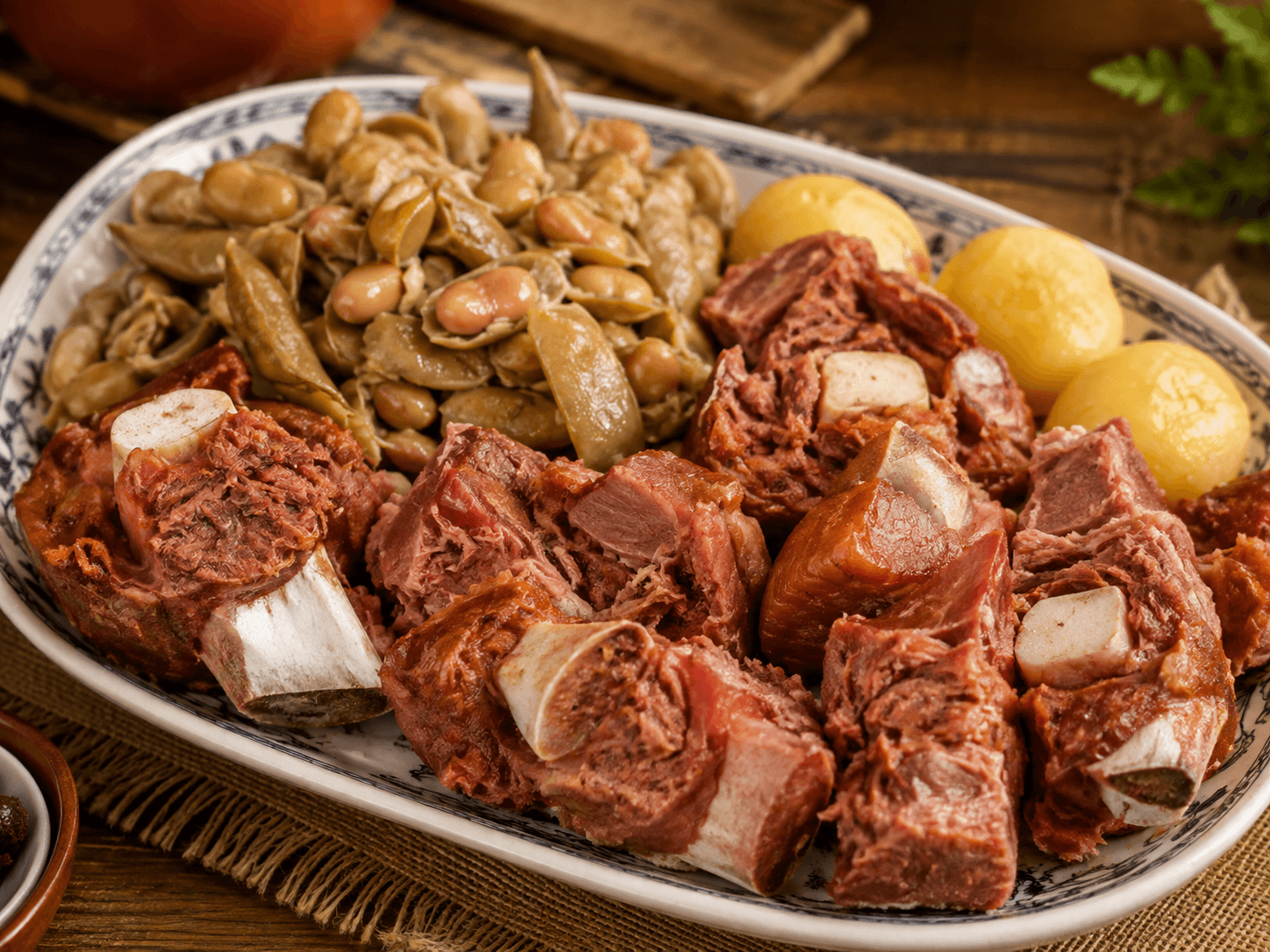
Butelo com Casulas
One of Bragança’s most characteristic dishes: butelo served with dried bean pods.
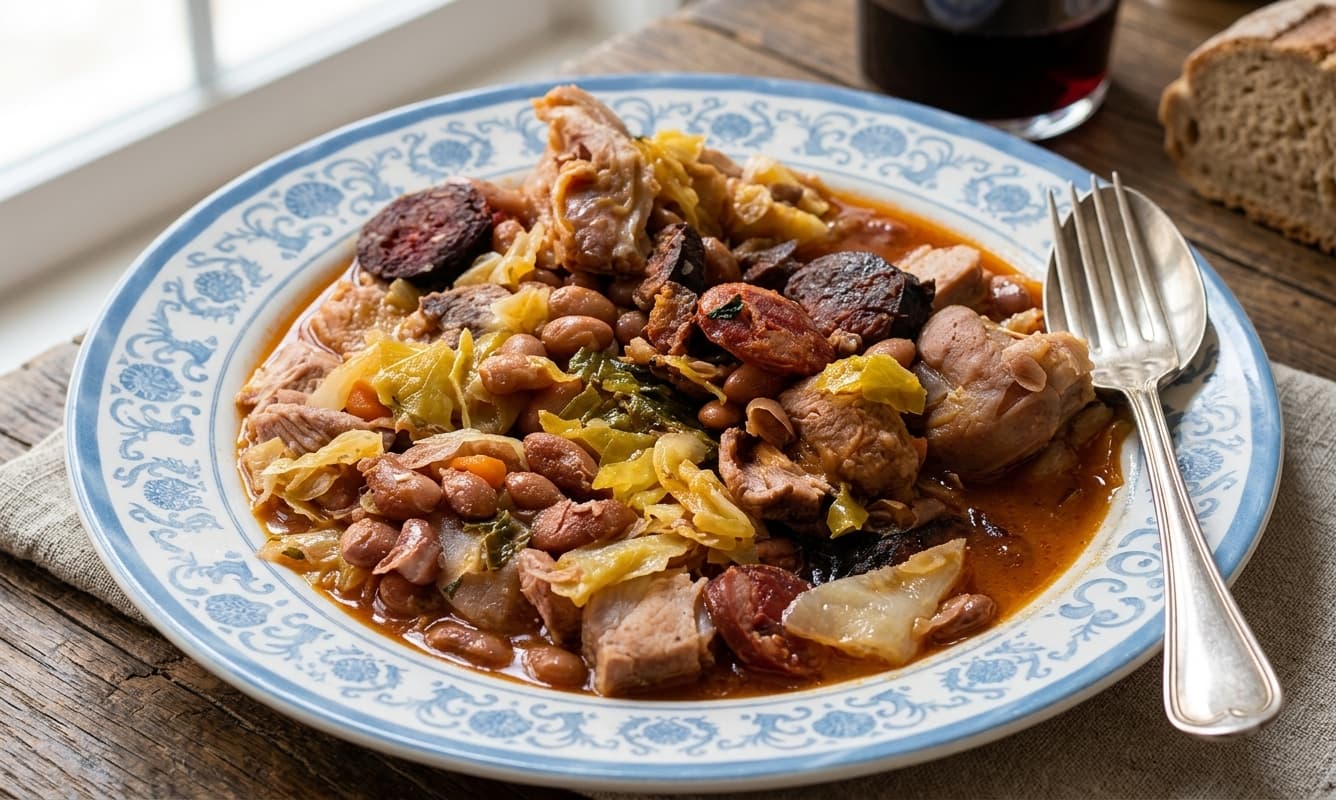
Feijoada à Transmontana
Beans cooked with pork and cured meats in the Trás-os-Montes tradition.
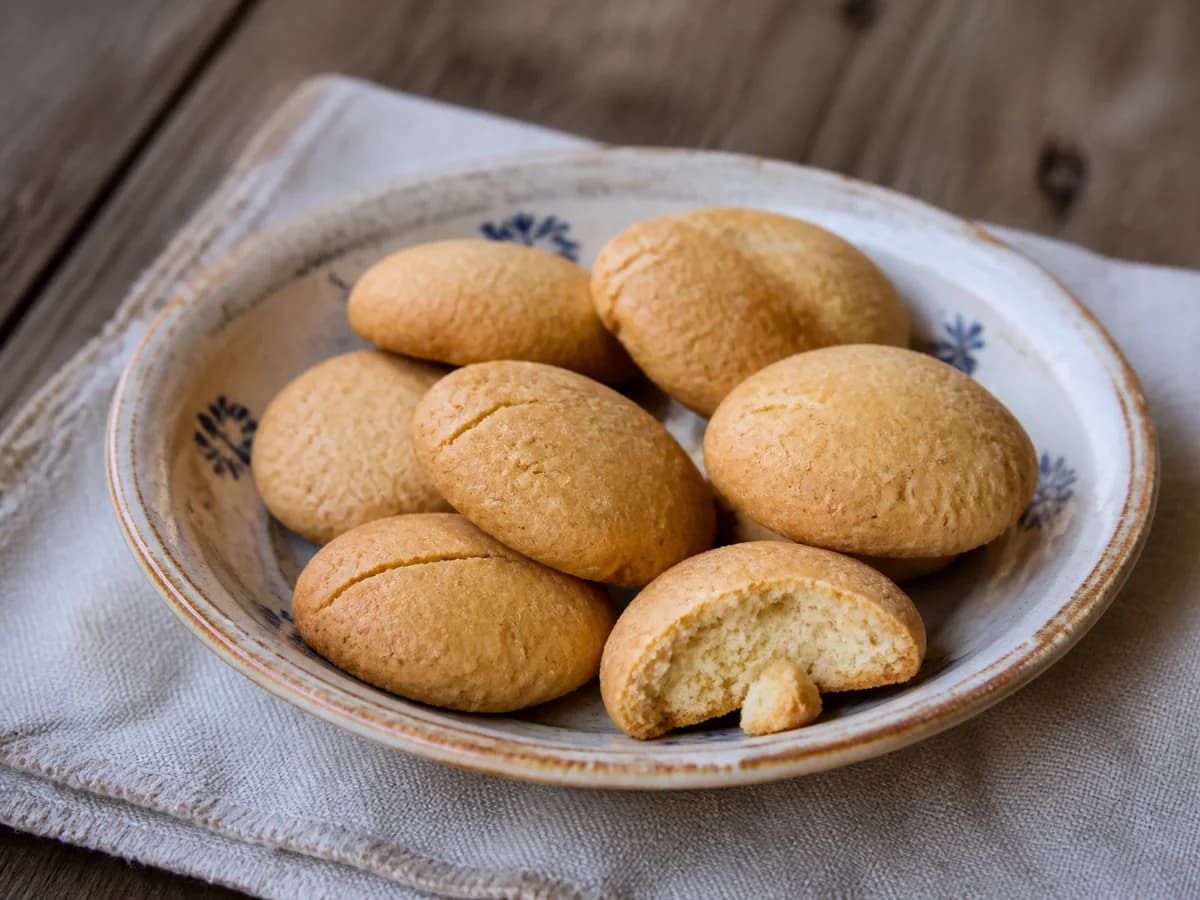
Súplicas
Traditional biscuits and sweets from Trás-os-Montes.

Pastel Brigantino
A traditional pastry from Bragança made with puff pastry, a rich sweet filling and white icing.
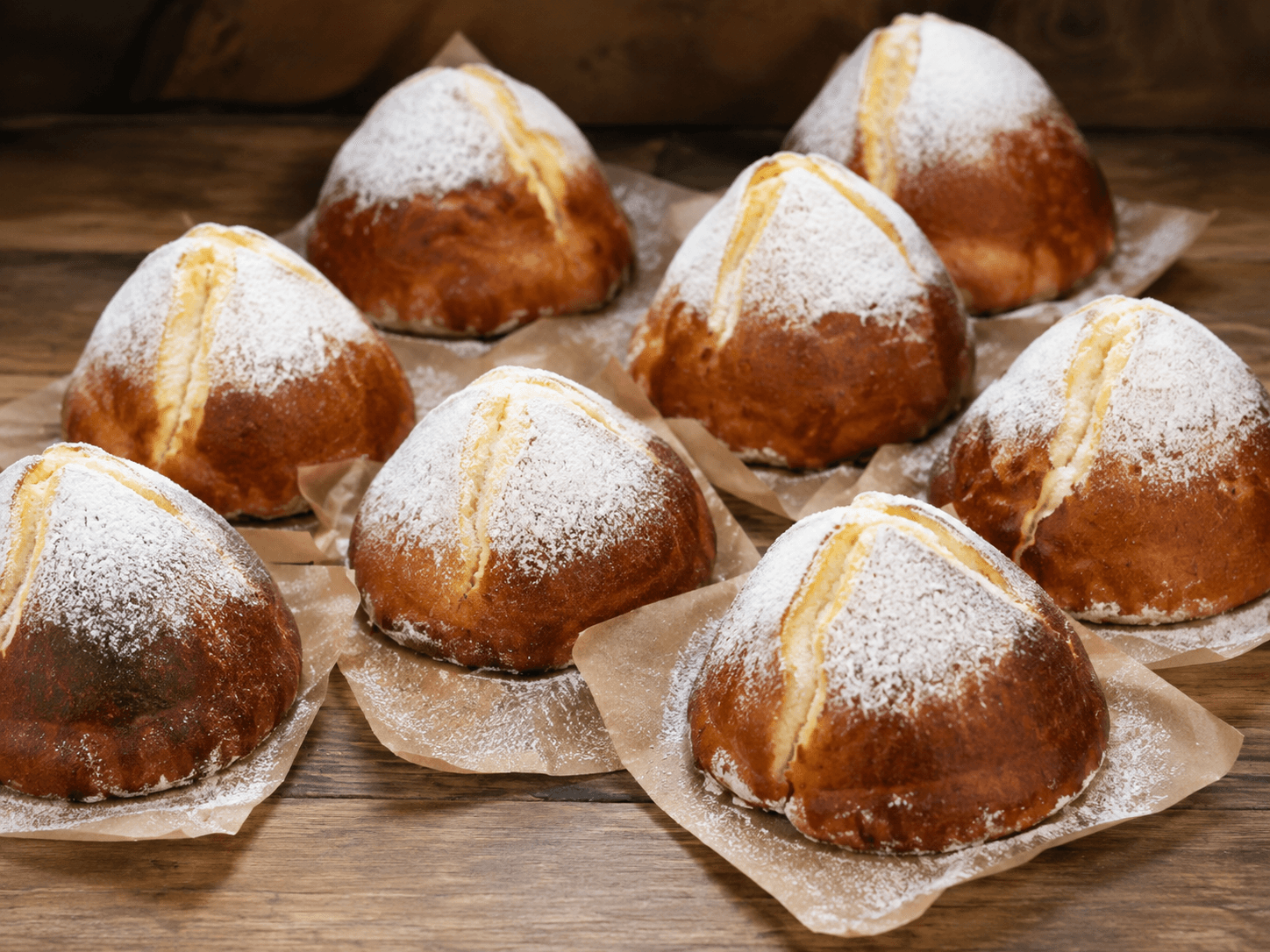
Dormidos de Bragança
Traditional sweet rolls from Bragança, known for their soft texture and simple homemade character.
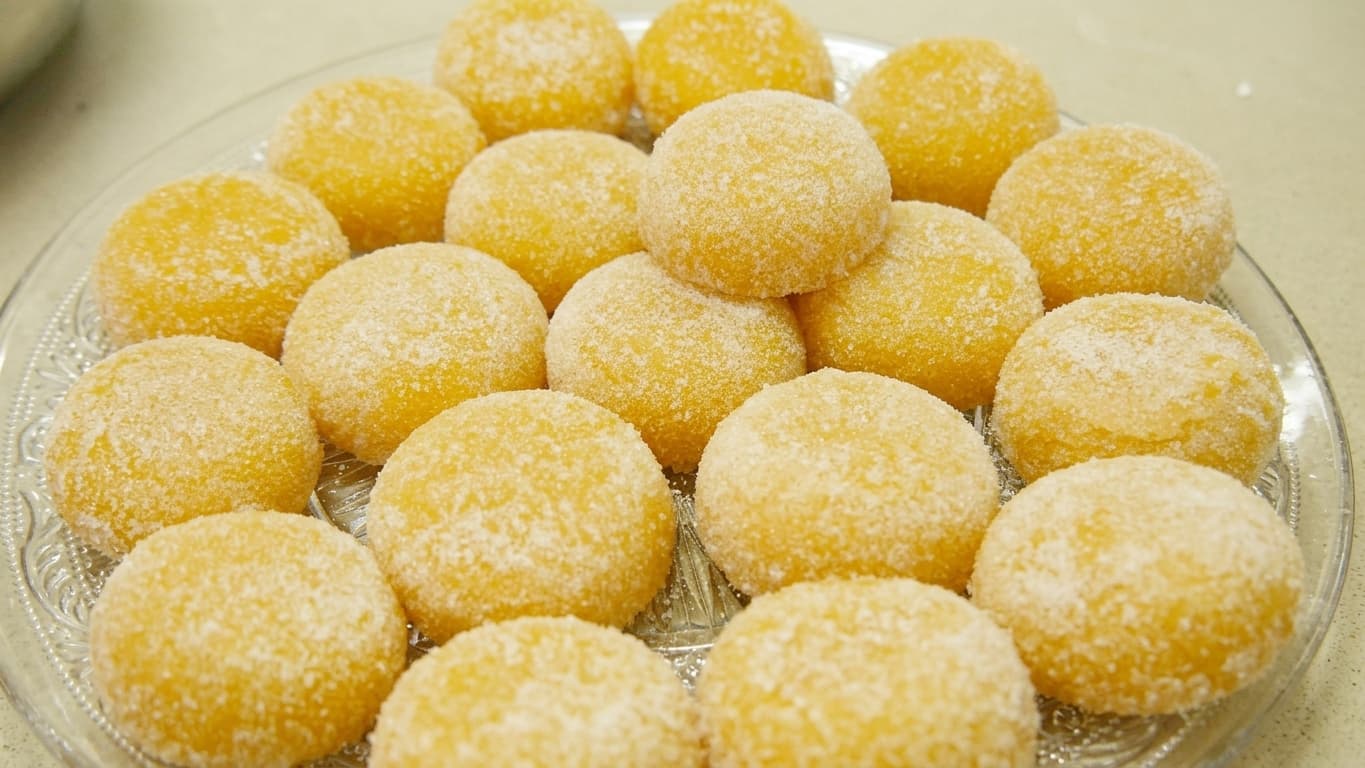
Papos de Anjo de Mirandela
A traditional Mirandela sweet made with egg yolks and generously soaked in sugar syrup.
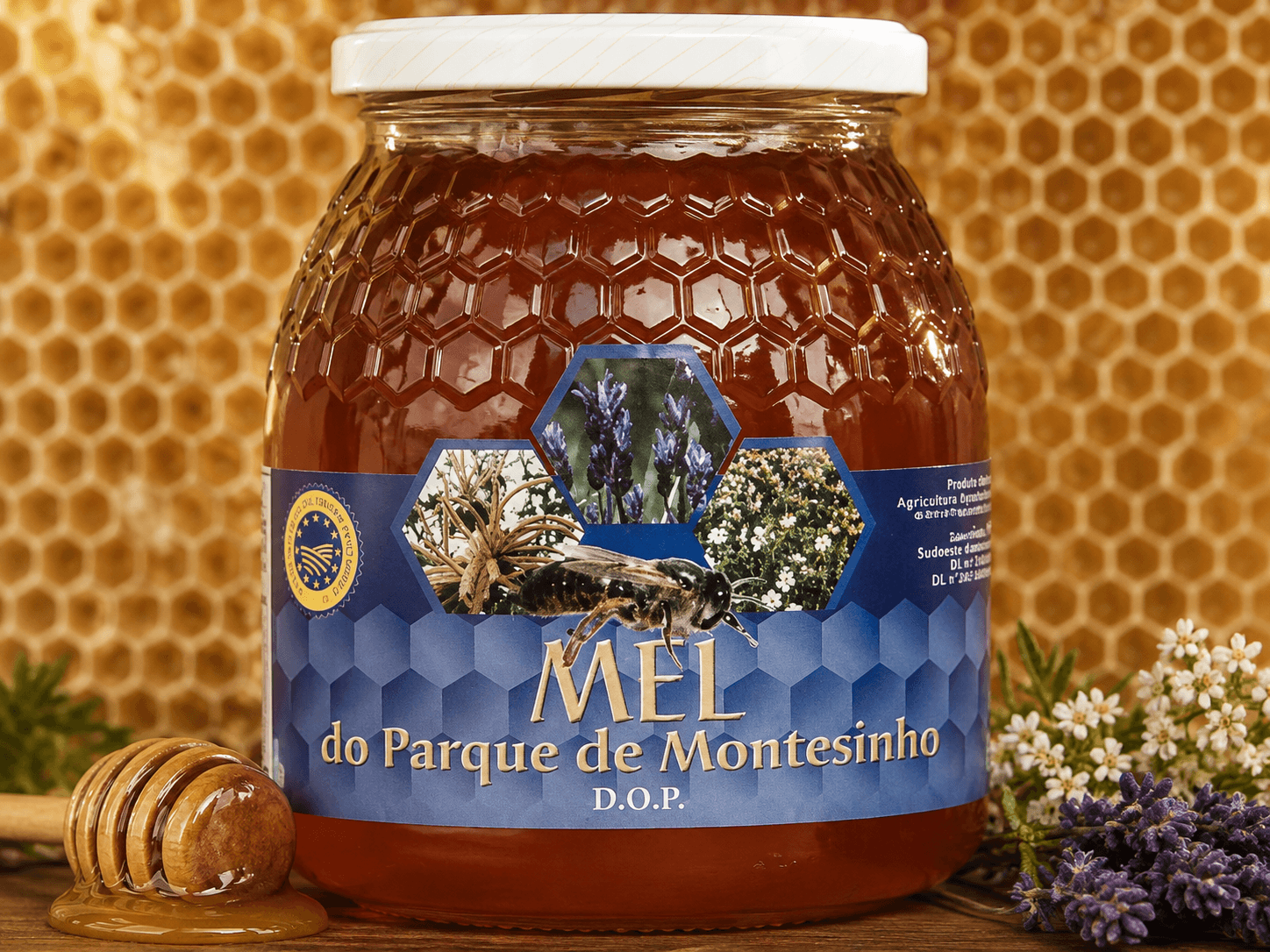
Mel do Parque de Montesinho DOP
Protected honey from the Montesinho region, known for its rich aroma and distinctive flavour.
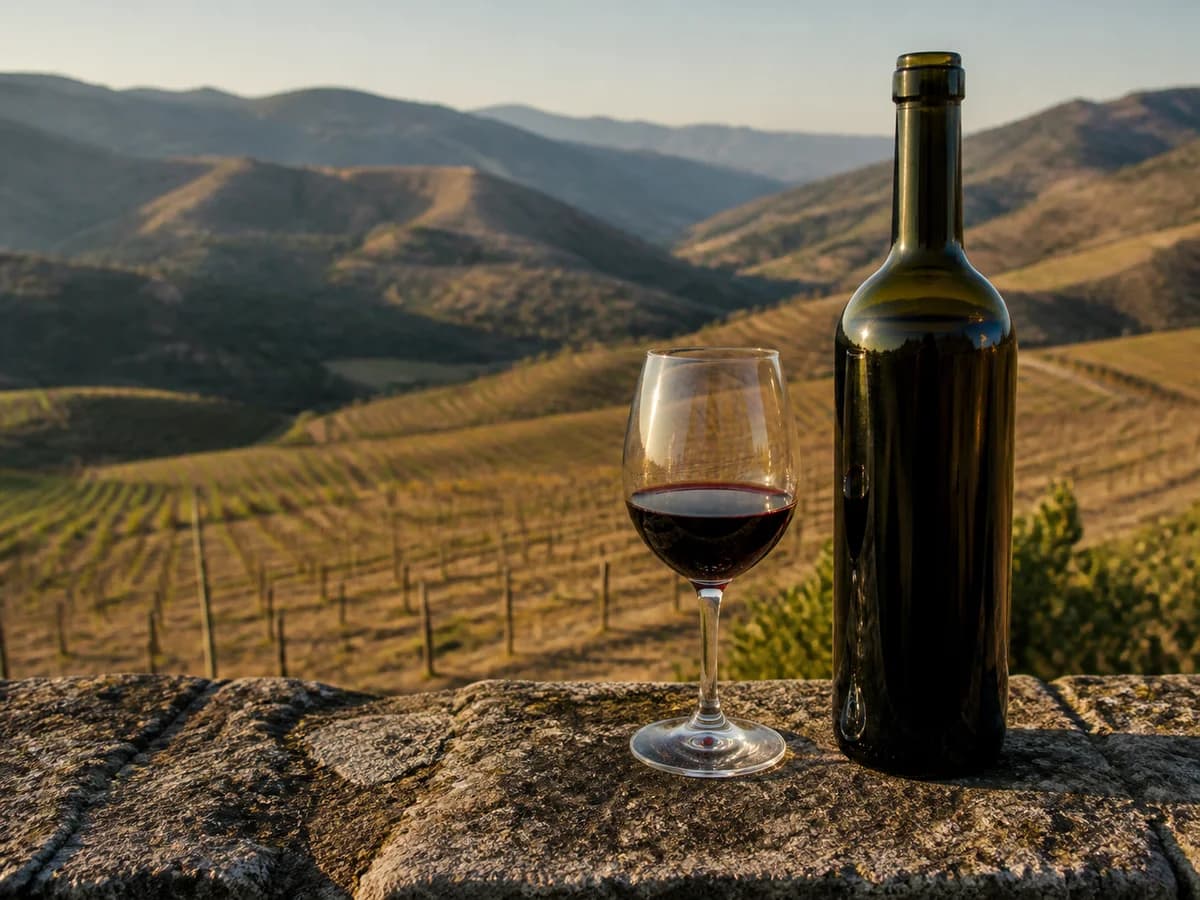
Vinho Transmontano
Wines produced throughout the Trás-os-Montes region.
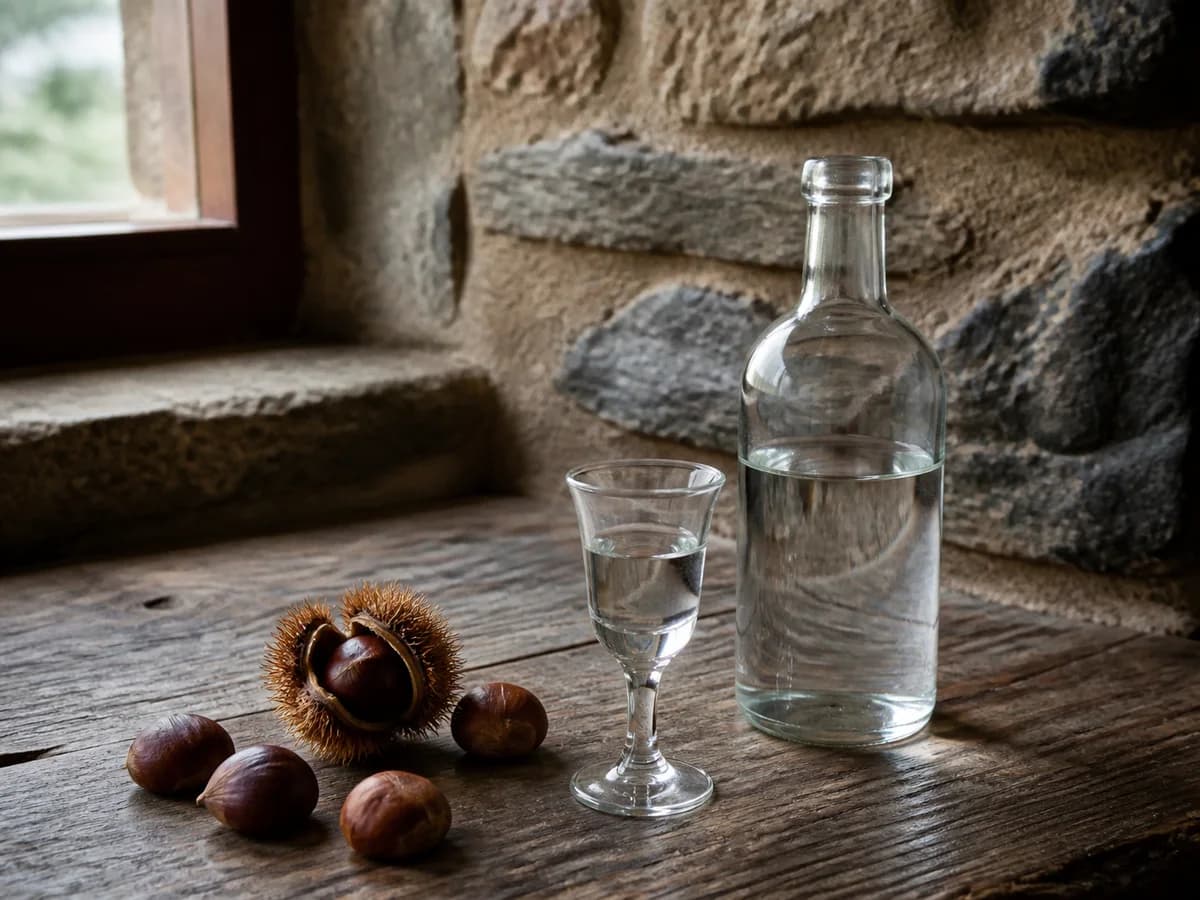
Aguardente de Castanha
An artisan spirit linked to the region’s abundance of chestnuts.
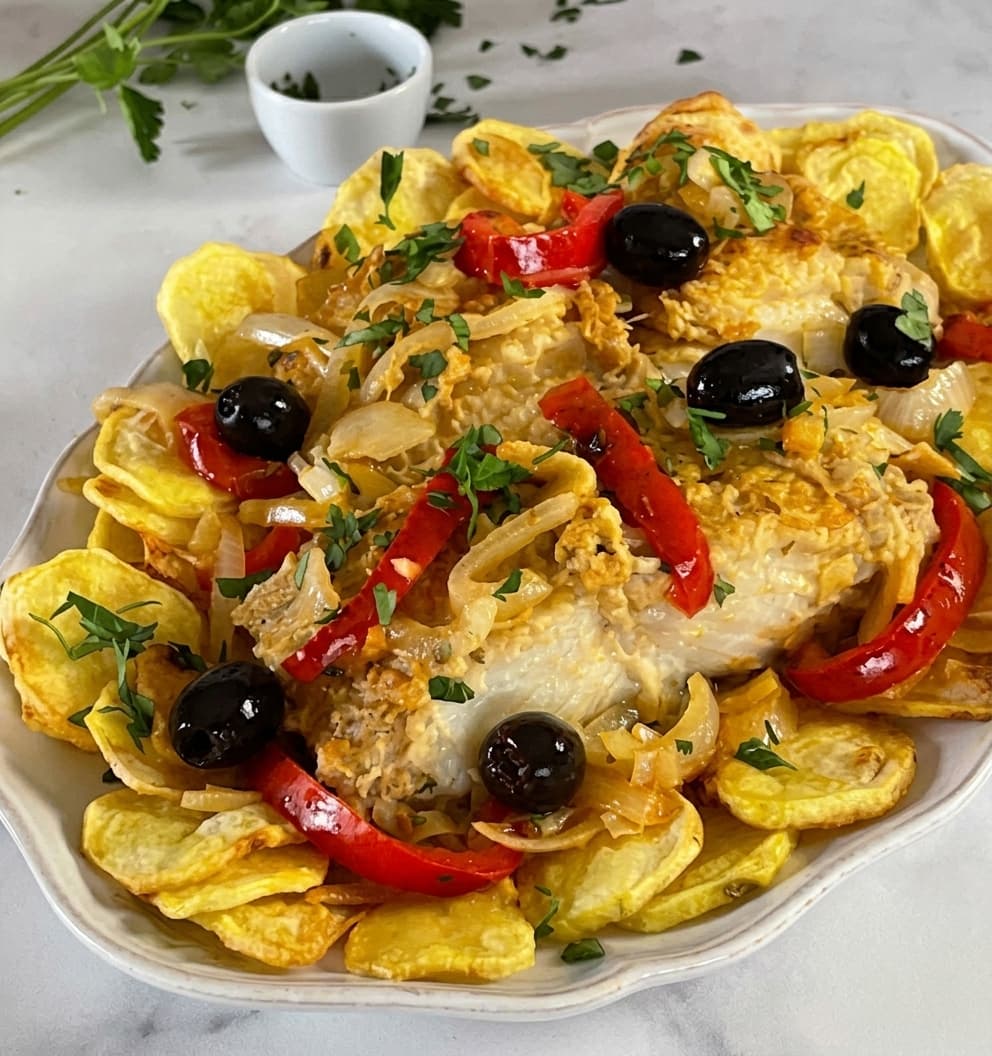
Bacalhau à Minhota
Salt cod has a powerful presence in the gastronomy of Viana and the Upper Minho.
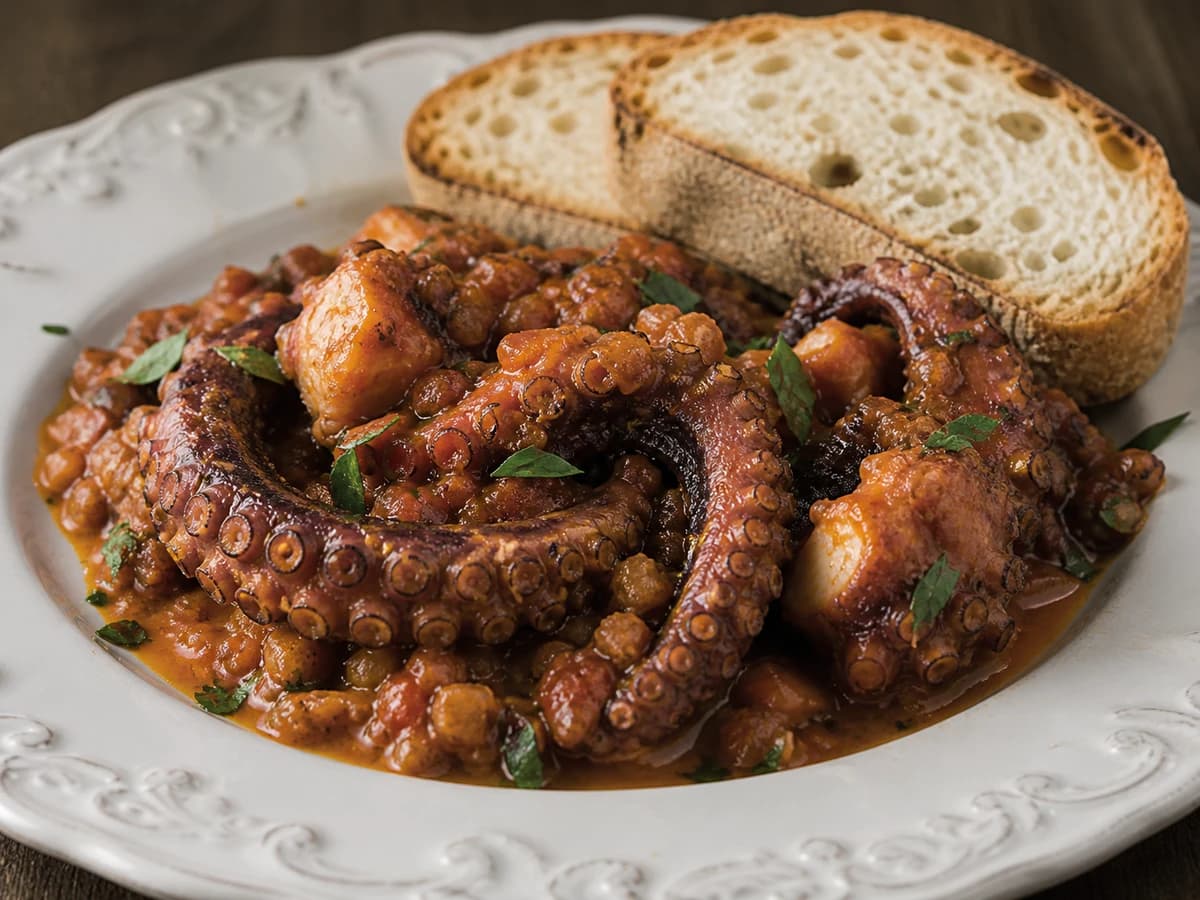
Polvo à Moda do Minho
Octopus cooked with tomato, onion, garlic, white wine and olive oil, served with toasted bread.
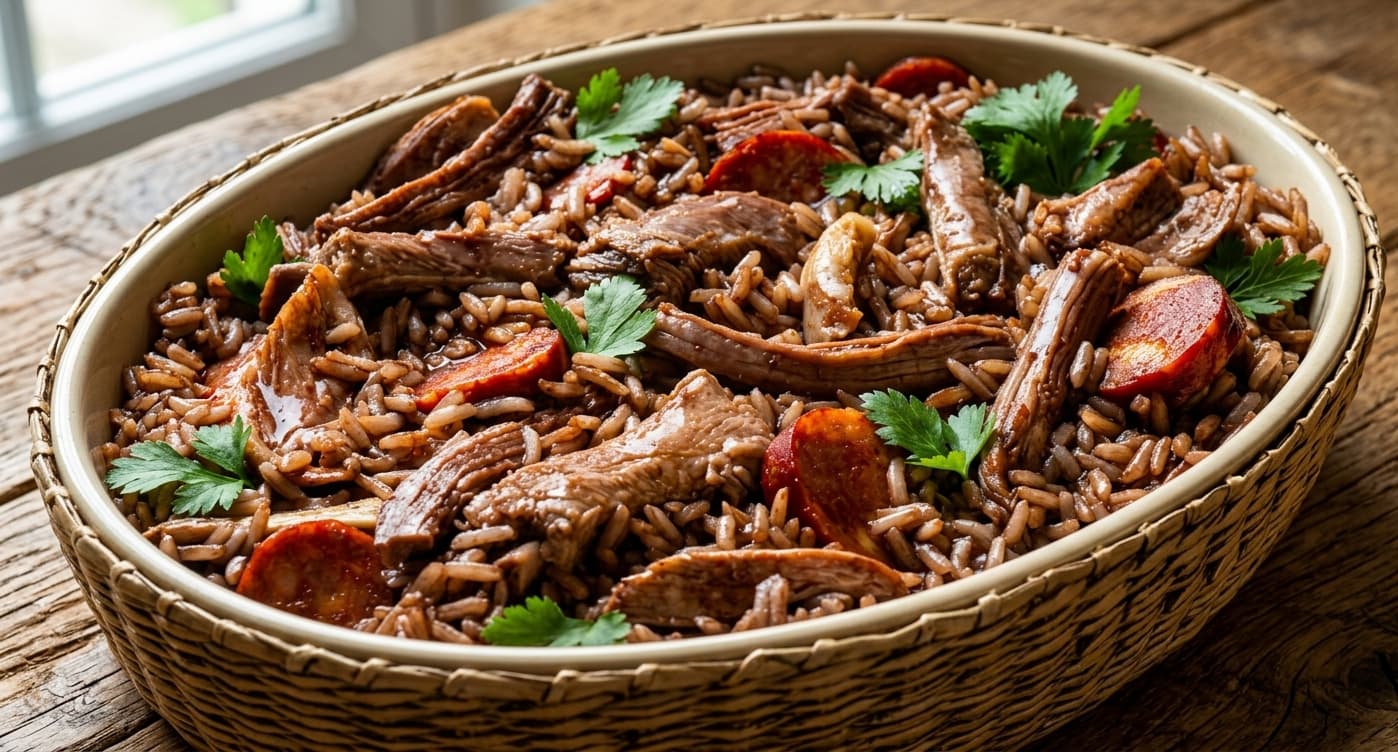
Arroz de Sarrabulho
A Minho speciality generally served with rojões.
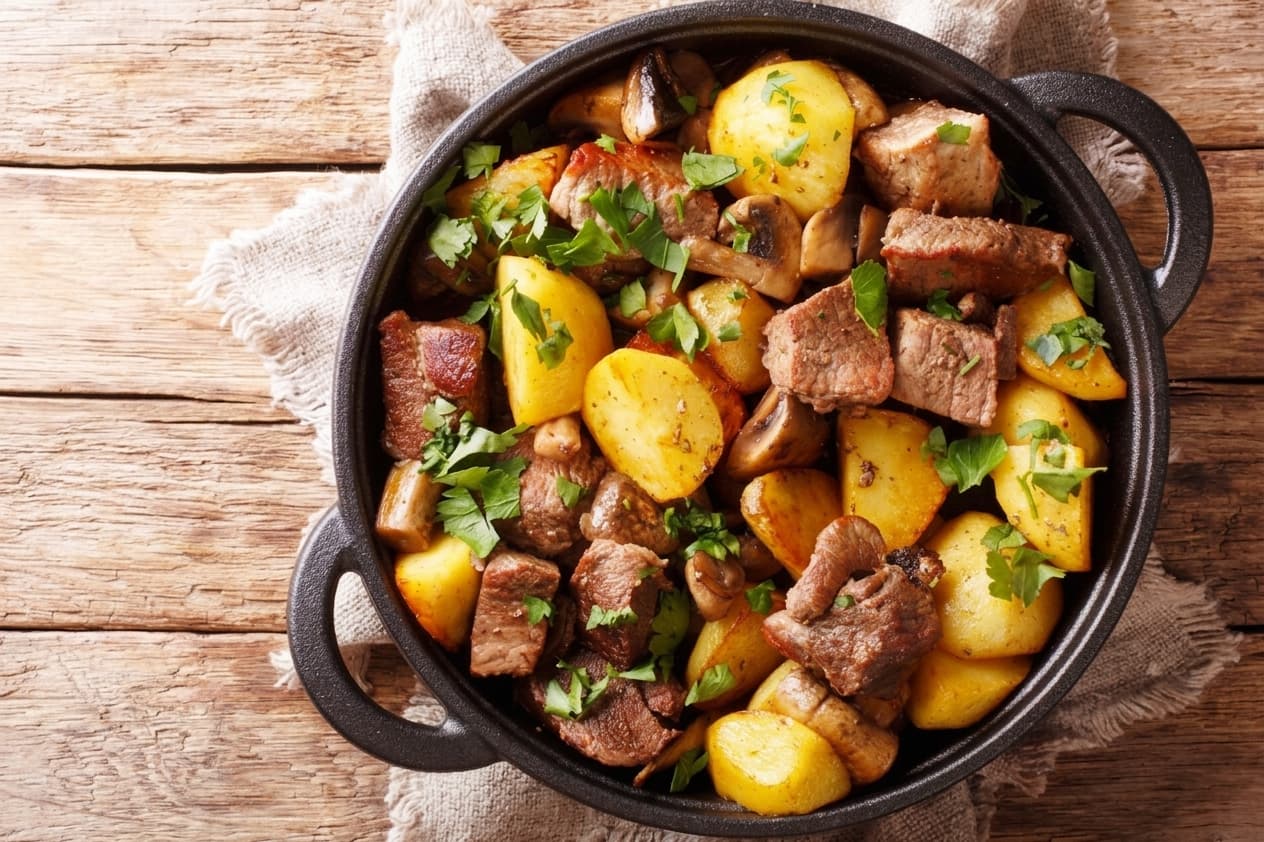
Rojões à Minhota
Fried pork traditionally accompanied by sarrabulho porridge or rice.
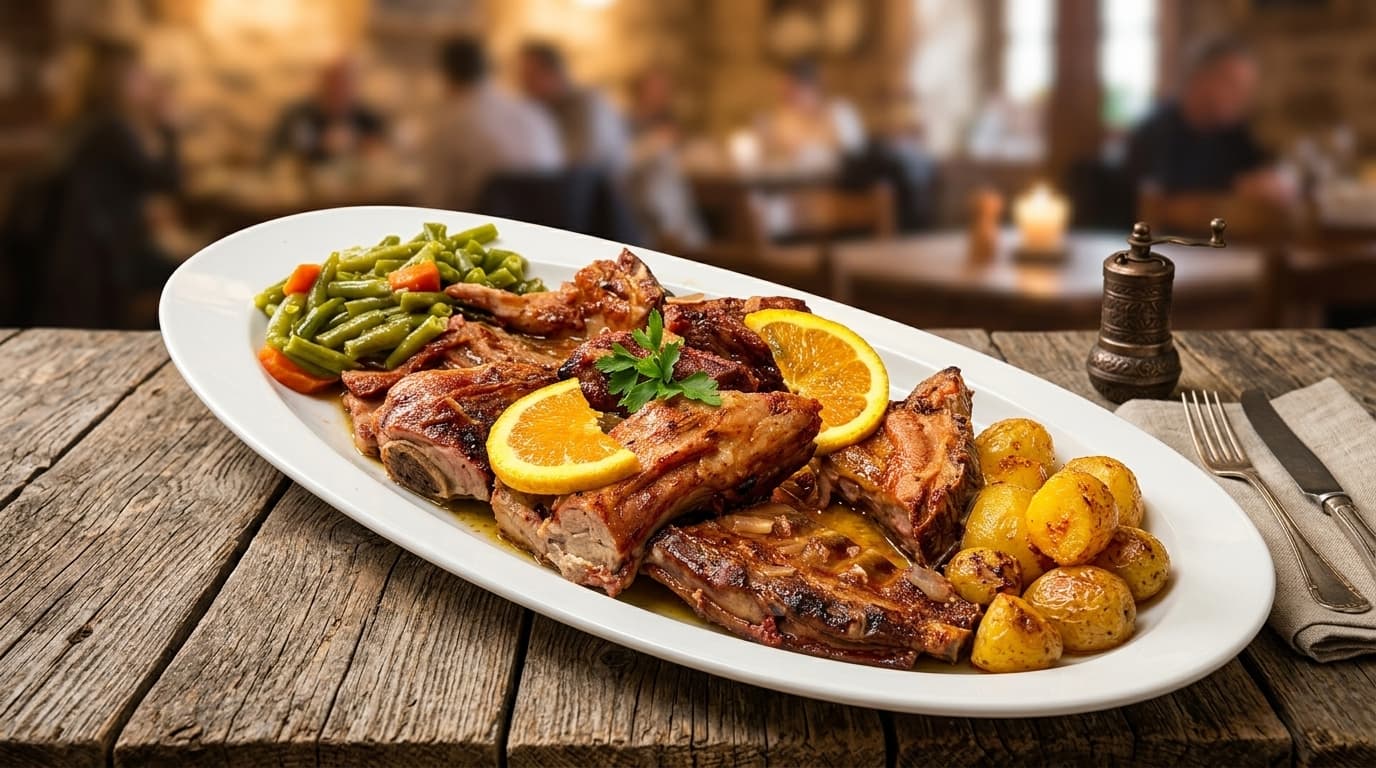
Cabrito Assado
A traditional Upper Minho roast, especially popular on festive occasions.
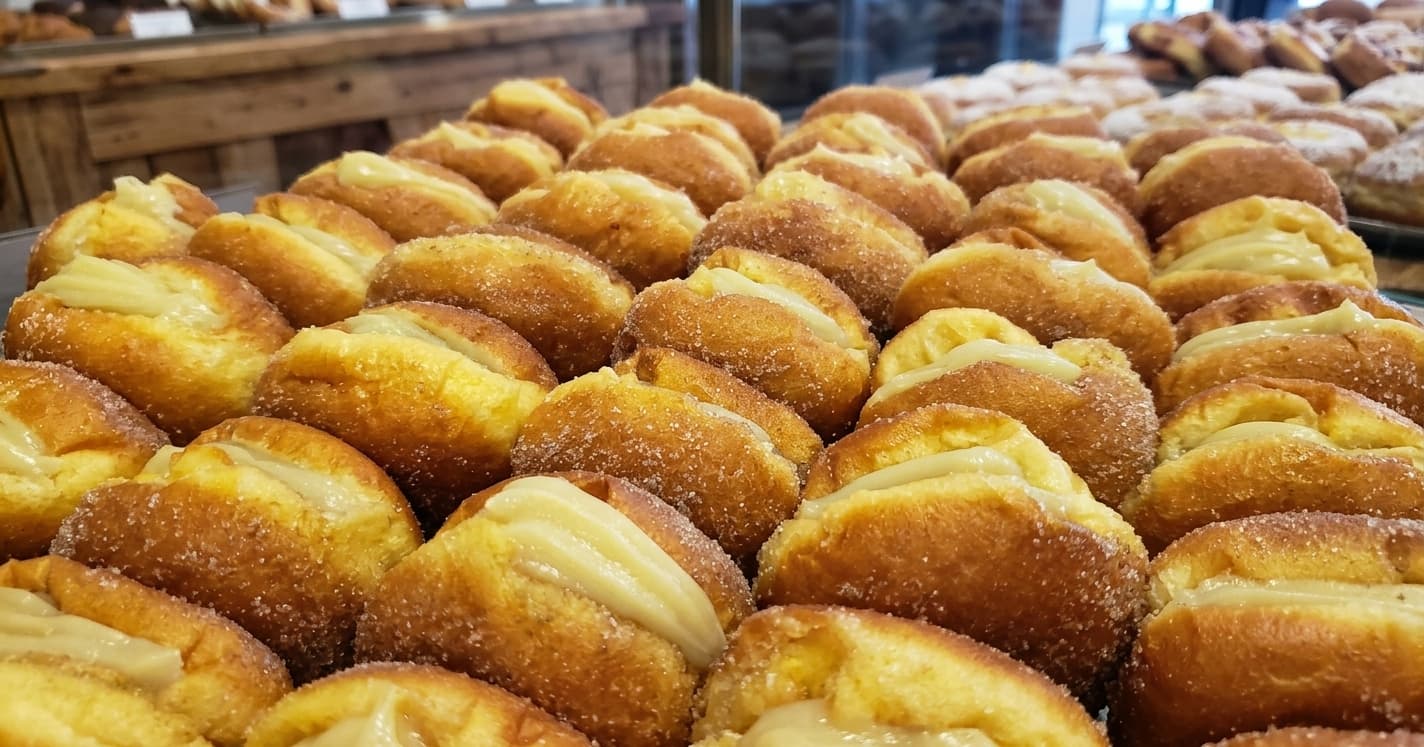
Bolas de Berlim de Viana
Very popular in Viana during the beach season, although not originally a local recipe.
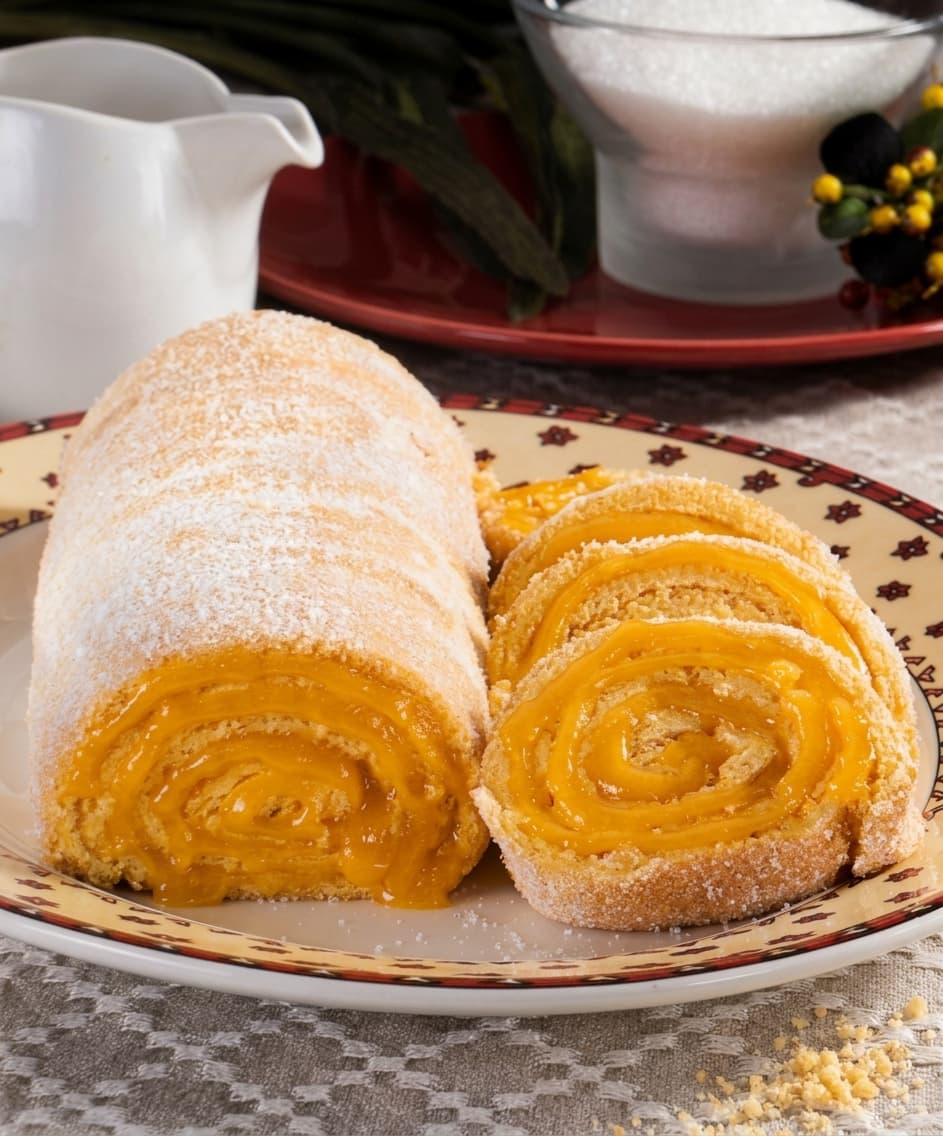
Torta de Viana
A pastry speciality associated with the city.
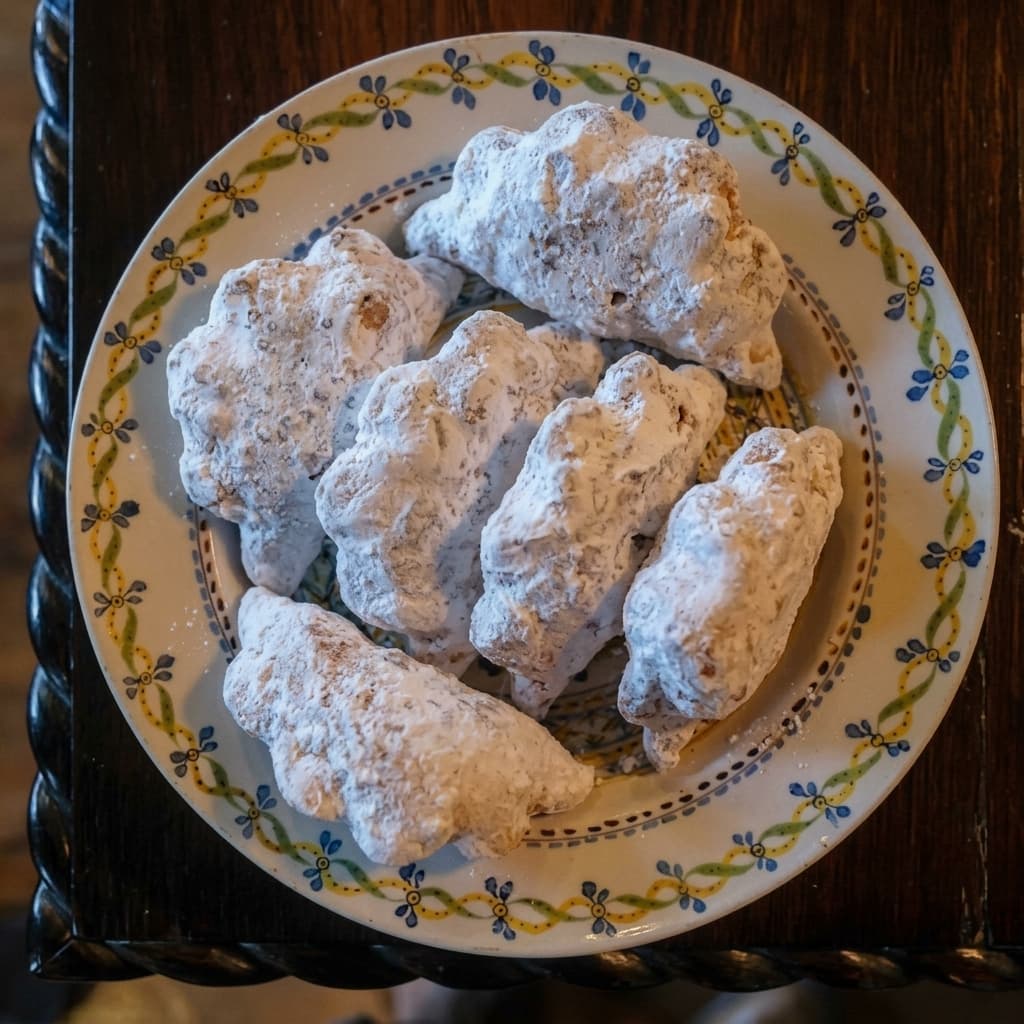
Meias-luas de Viana
A traditional sweet associated with Viana’s pastry shops.
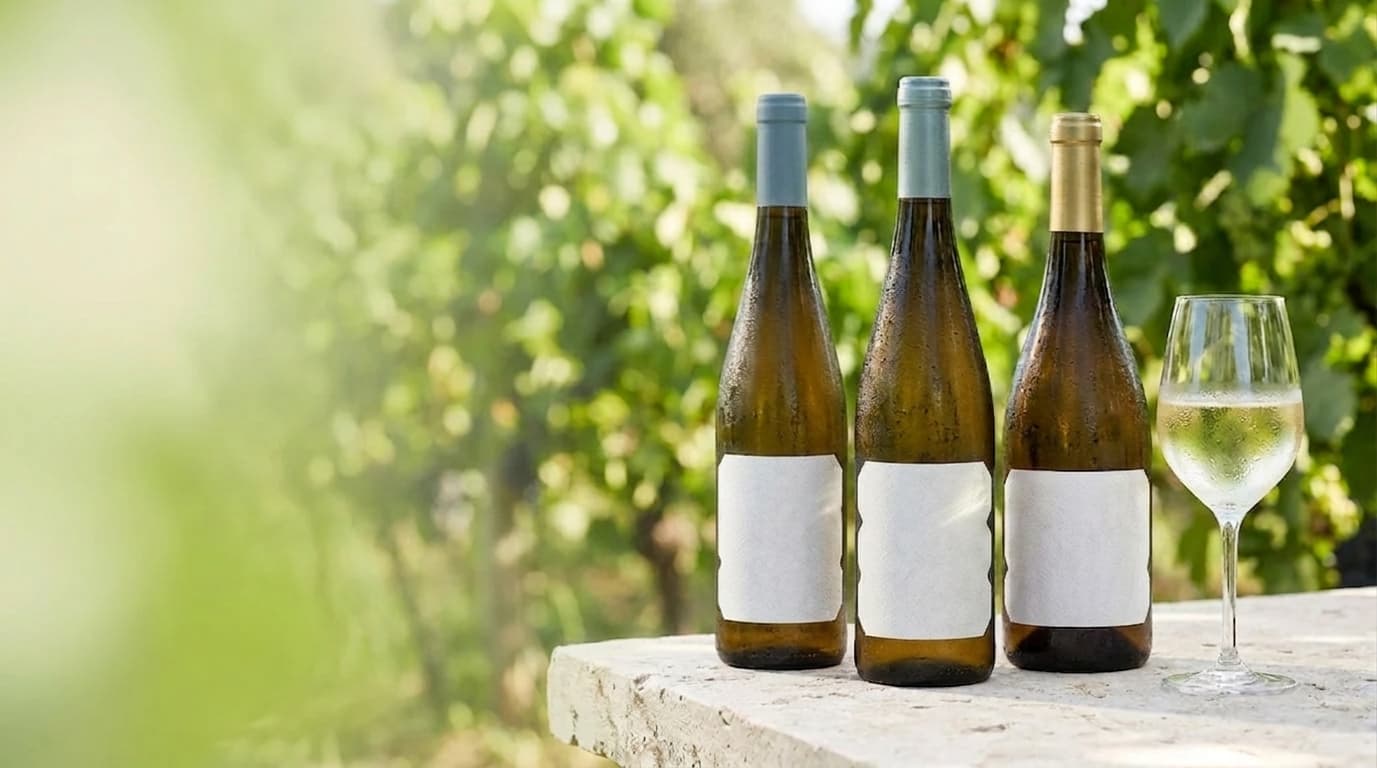
Vinho Verde
The benchmark wine of the entire Minho region.
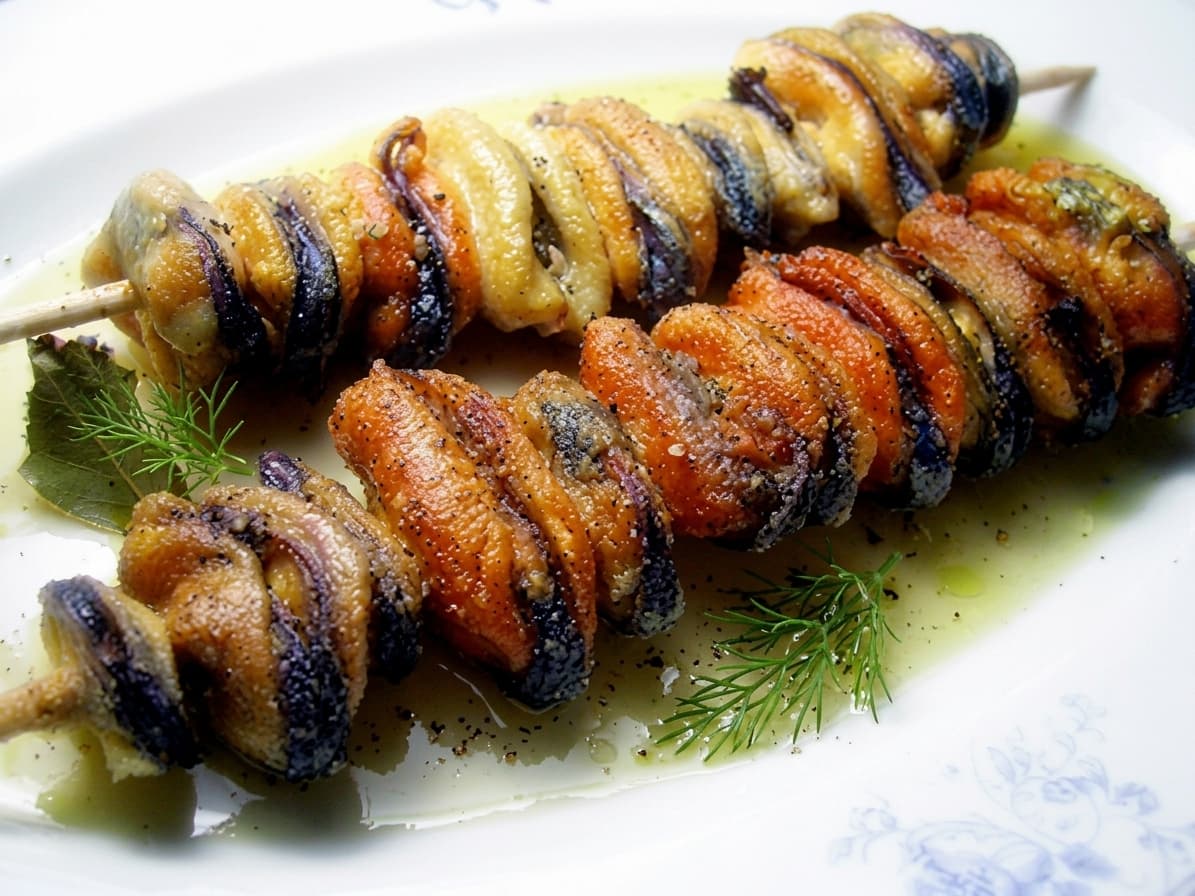
Mexilhão da Ria de Aveiro
Fresh mussels from the Ria de Aveiro, appreciated for their delicate maritime flavour and versatility.
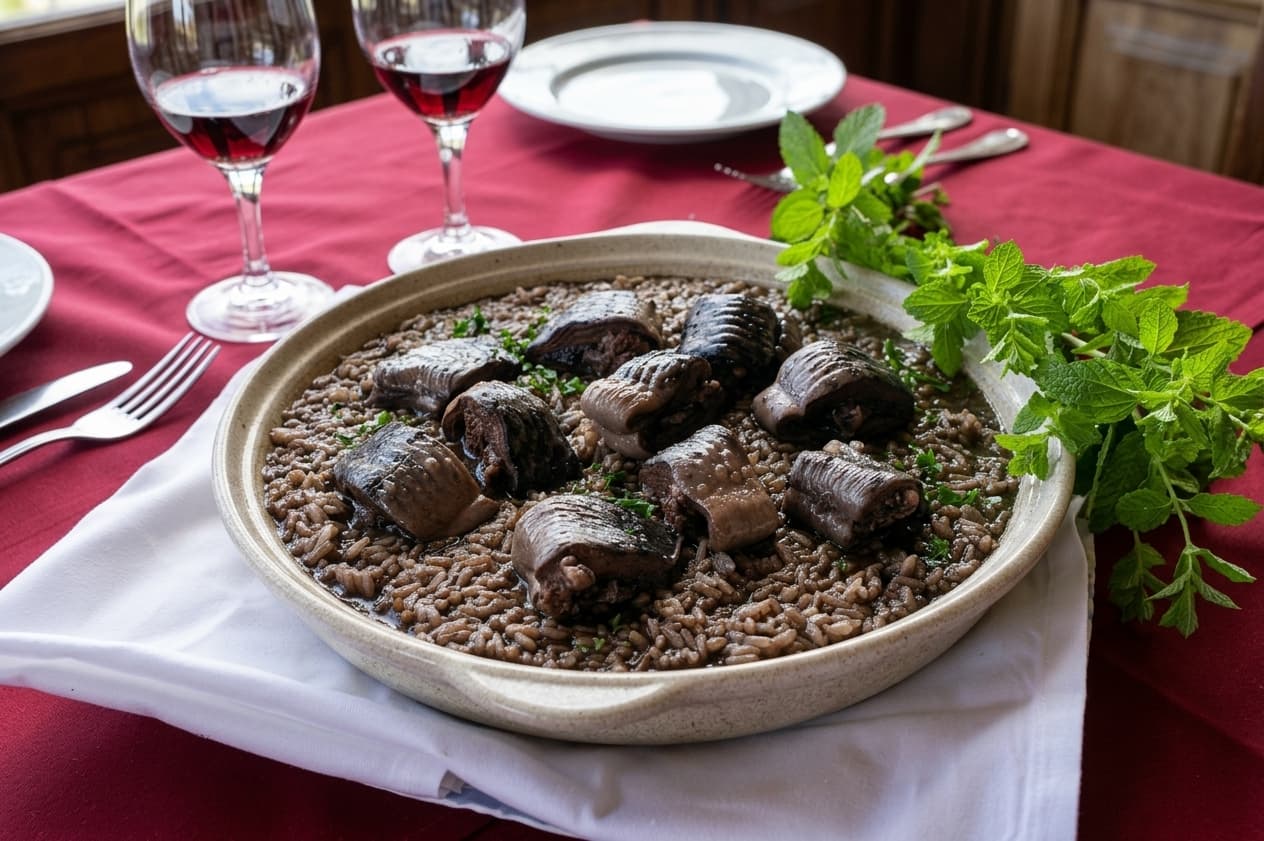
Lampreia à Moda de Aveiro
A traditional Aveiro lamprey dish slowly cooked in a rich sauce of wine, onions and aromatic seasonings.
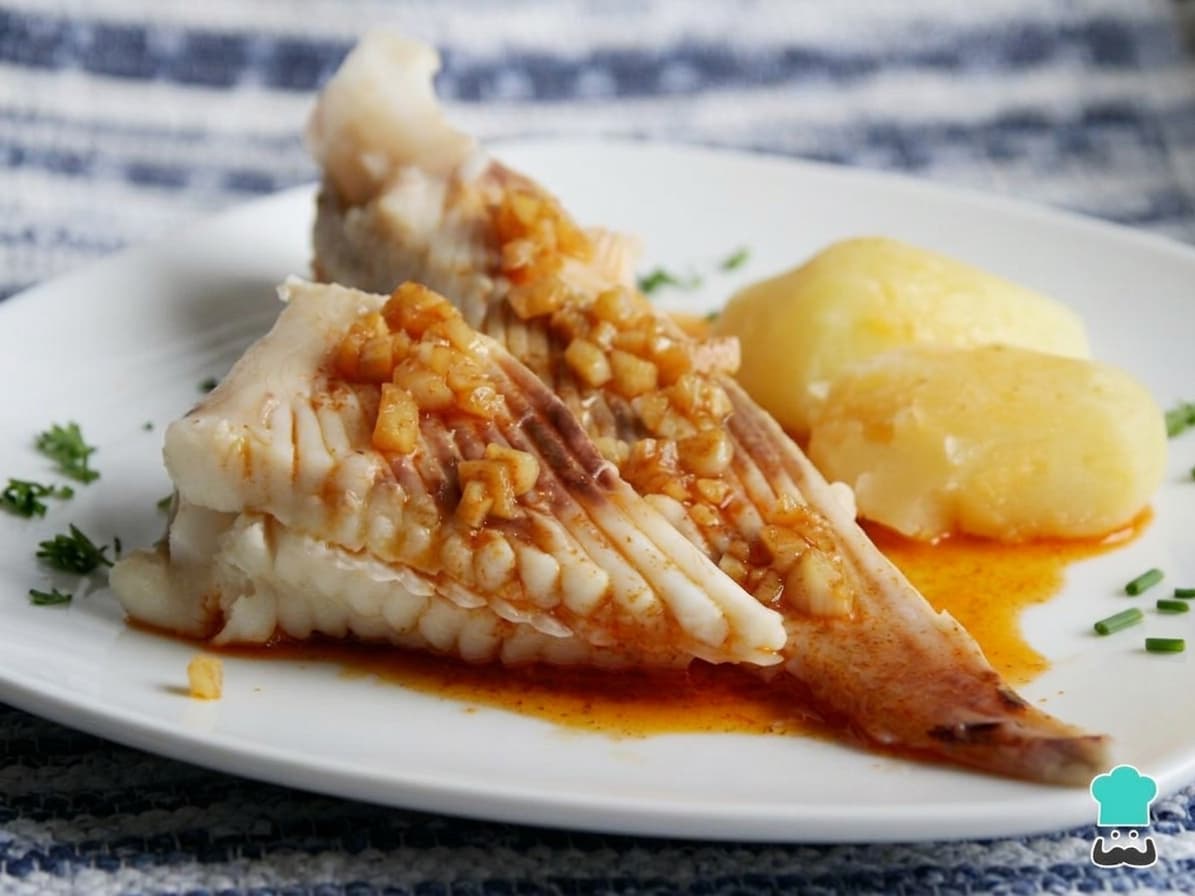
Raia em Molho de Pitau
A traditional Aveiro dish of skate served with a distinctive sauce based on its liver, vinegar and seasonings.
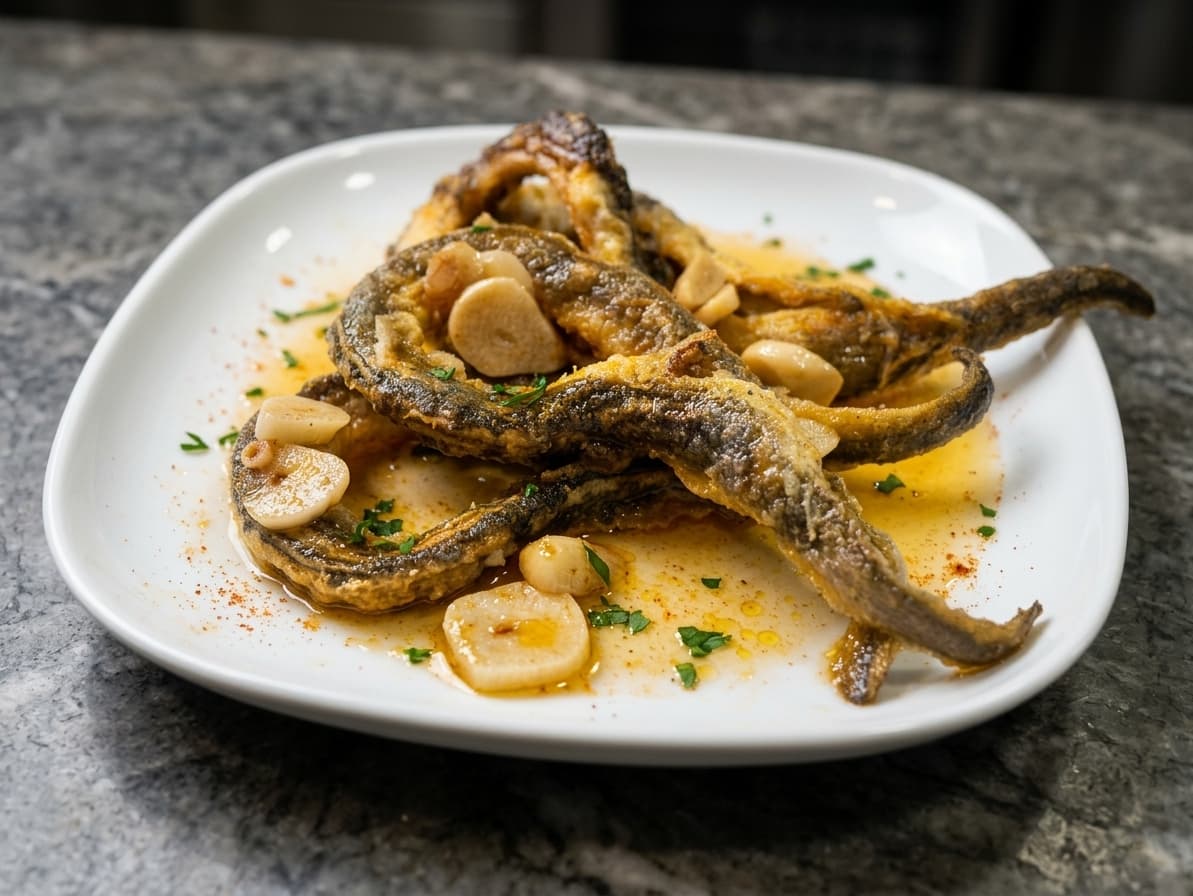
Enguias de Escabeche
Fried eels preserved in a lively sauce of vinegar, garlic and spices.
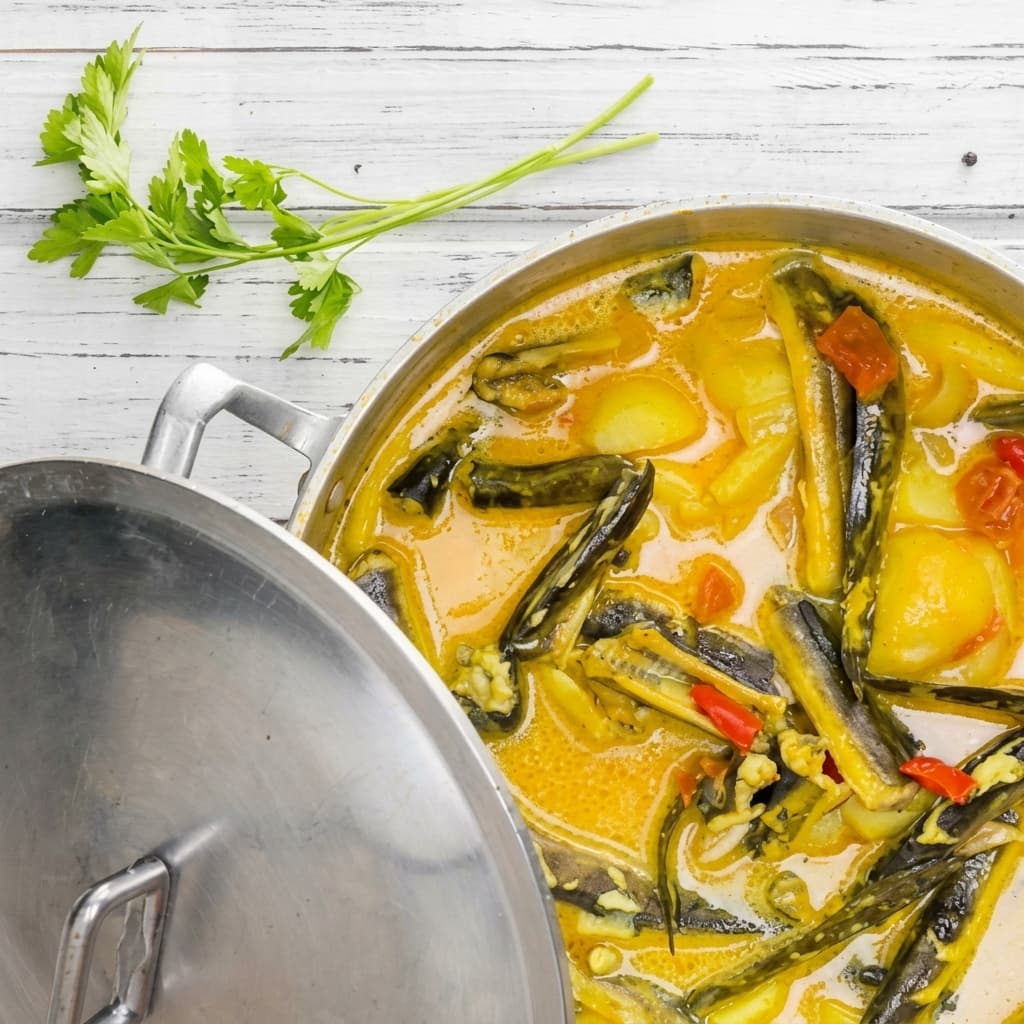
Caldeirada de Enguias
A deeply flavoured eel stew from the Ria de Aveiro, brightened with vinegar and herbs.
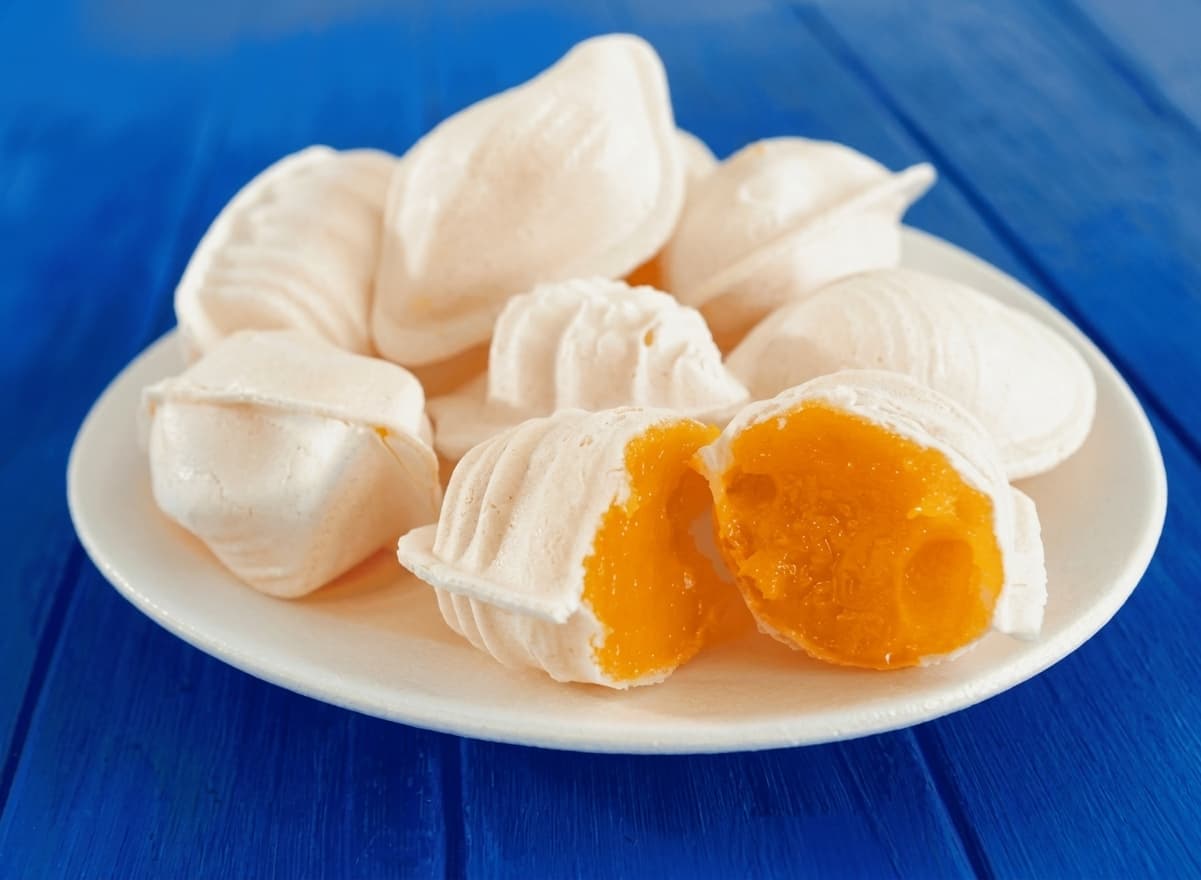
Ovos Moles de Aveiro
Glossy egg-yolk cream wrapped in delicate wafers shaped like shells, fish and barrels.
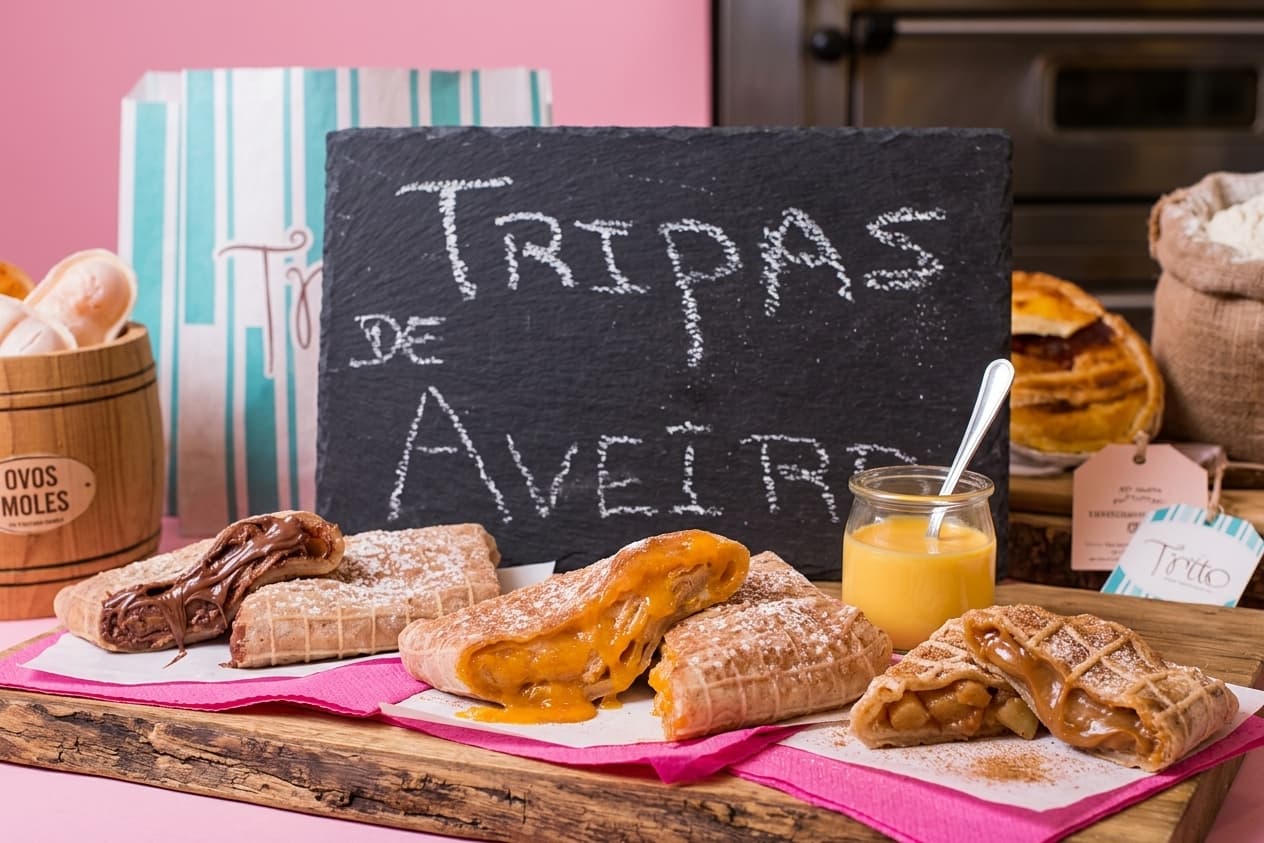
Tripas de Aveiro
A soft, warm wafer-like pastry, usually filled with chocolate, ovos moles or other flavours.
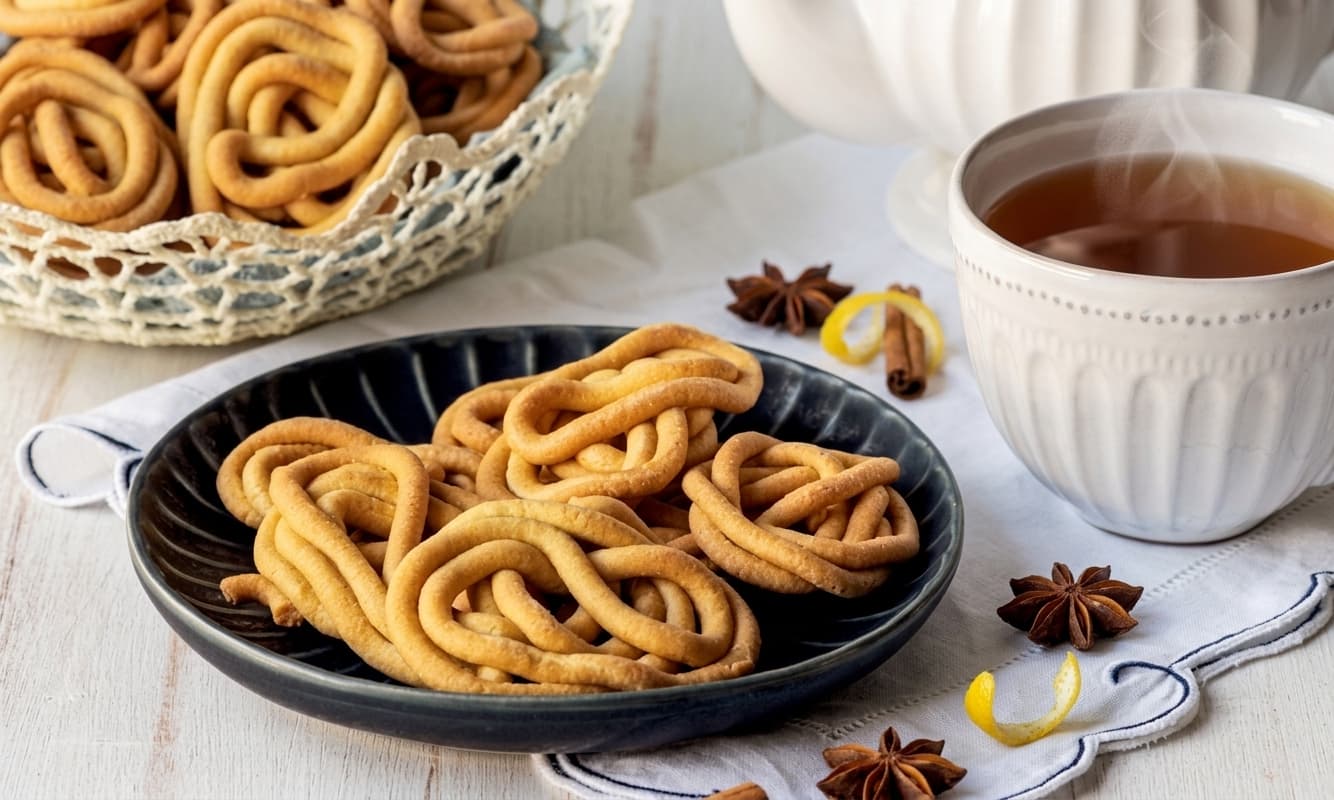
Raivas de Aveiro
Dry, crisp traditional biscuits with distinctive irregular shapes.
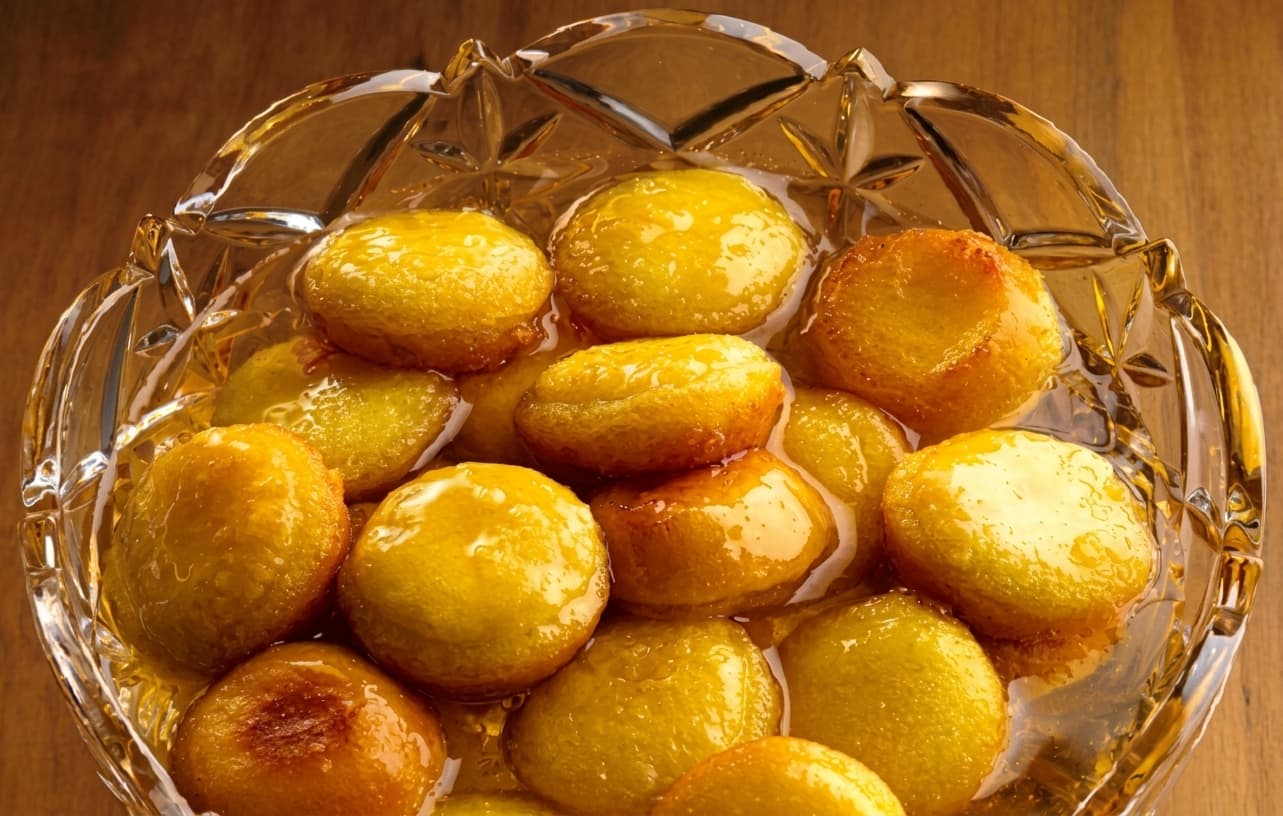
Papos de Anjo de Aveiro
A traditional Aveiro sweet made predominantly with egg yolks and finished with a rich sugar syrup.
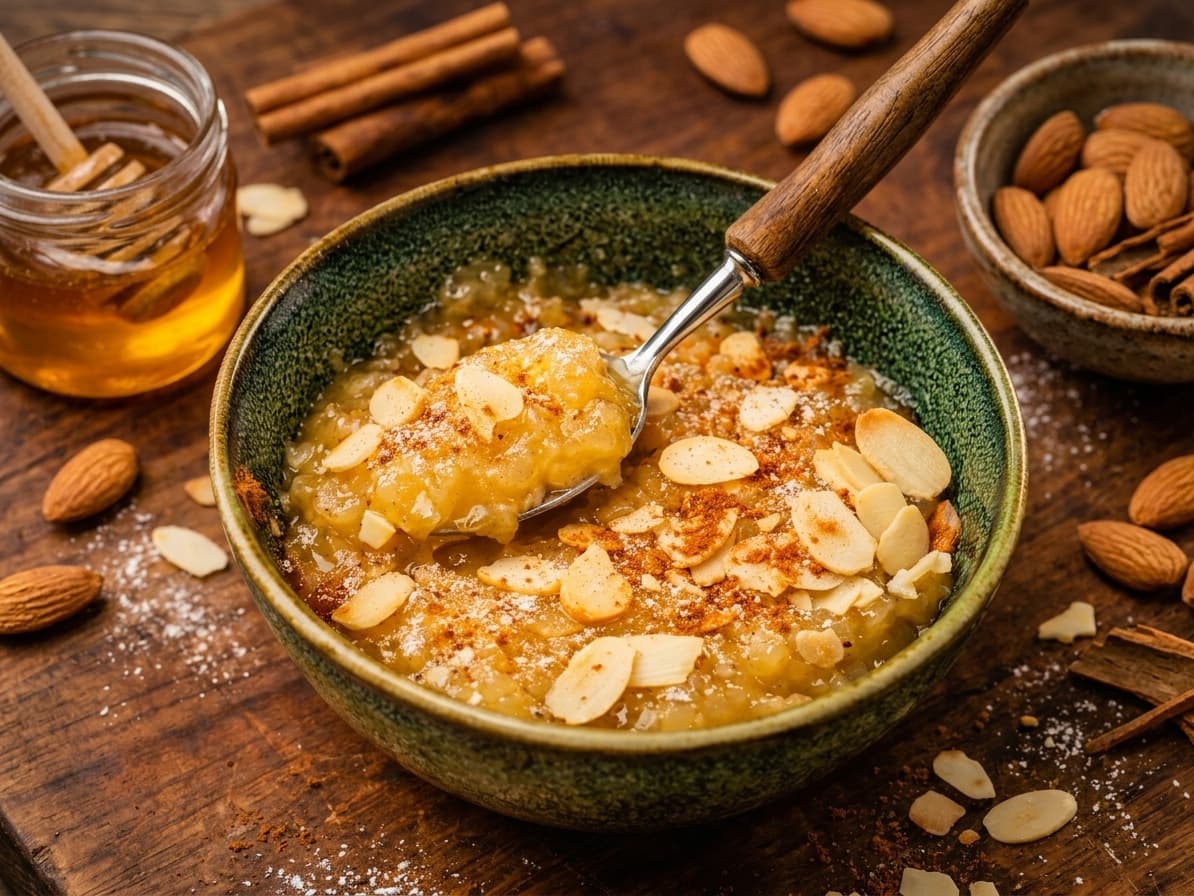
Barrigas de Freira
A rich Portuguese conventual sweet made with egg yolks, sugar and bread or almond, depending on the regional recipe.
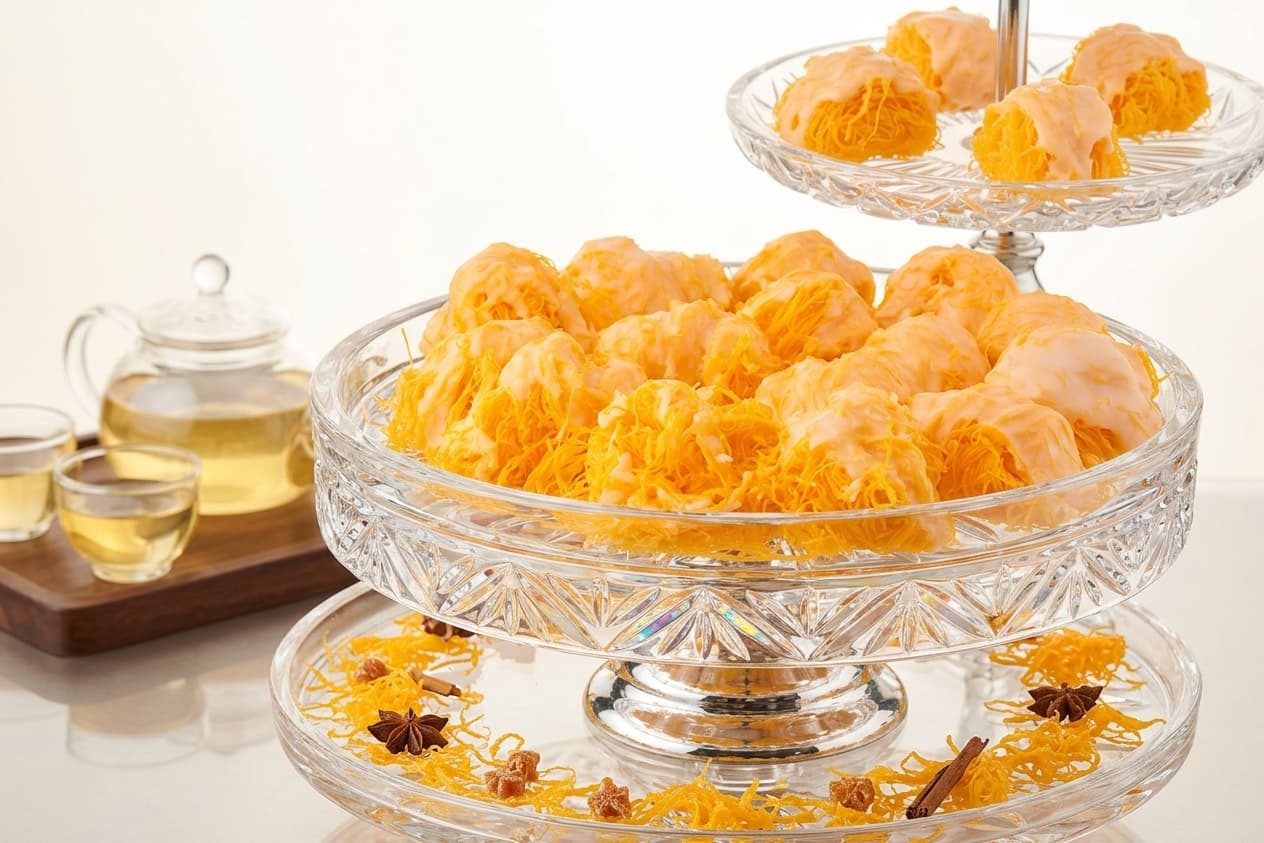
Fios de Ovos
Delicate golden strands of egg yolk cooked in sugar syrup, a classic of Portuguese conventual confectionery.
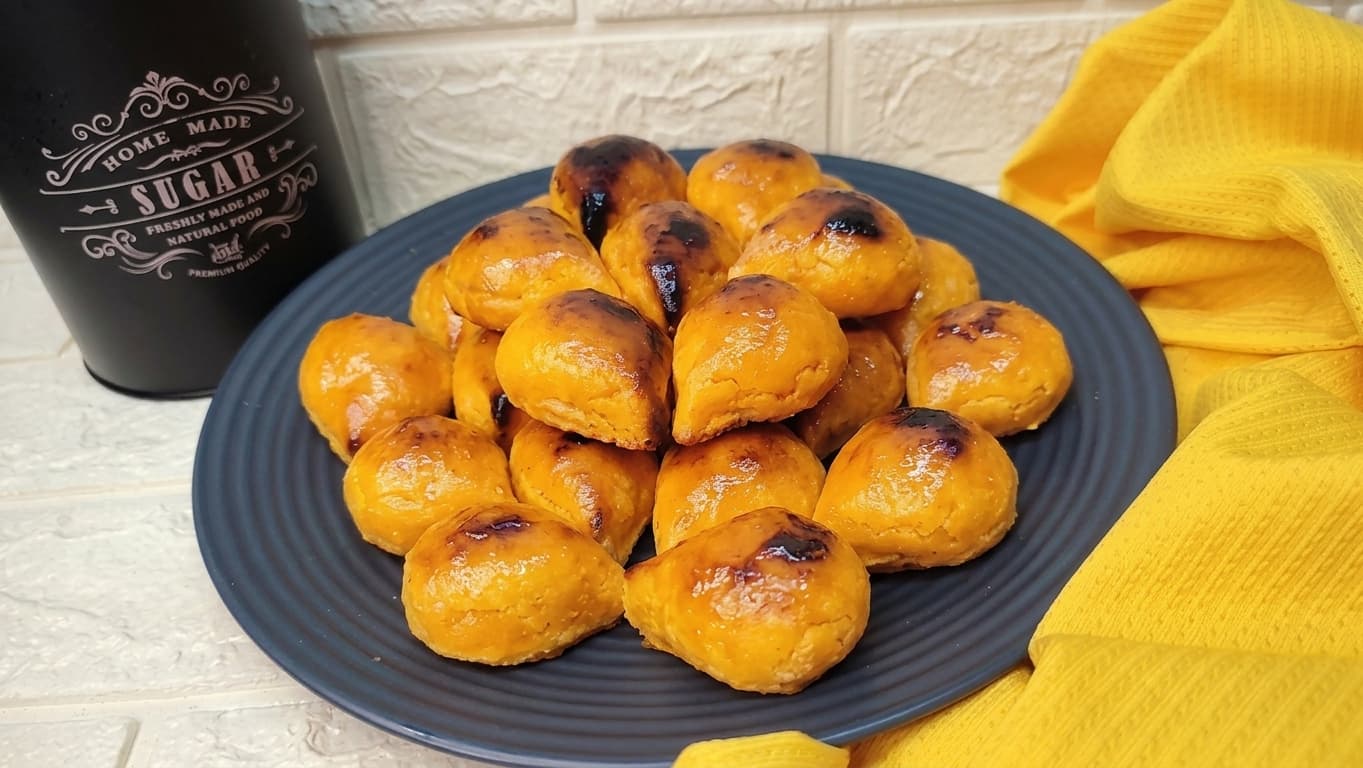
Castanhas de Ovos de Aveiro
A traditional Aveiro conventual sweet made with egg yolks and sugar, shaped to resemble small chestnuts.
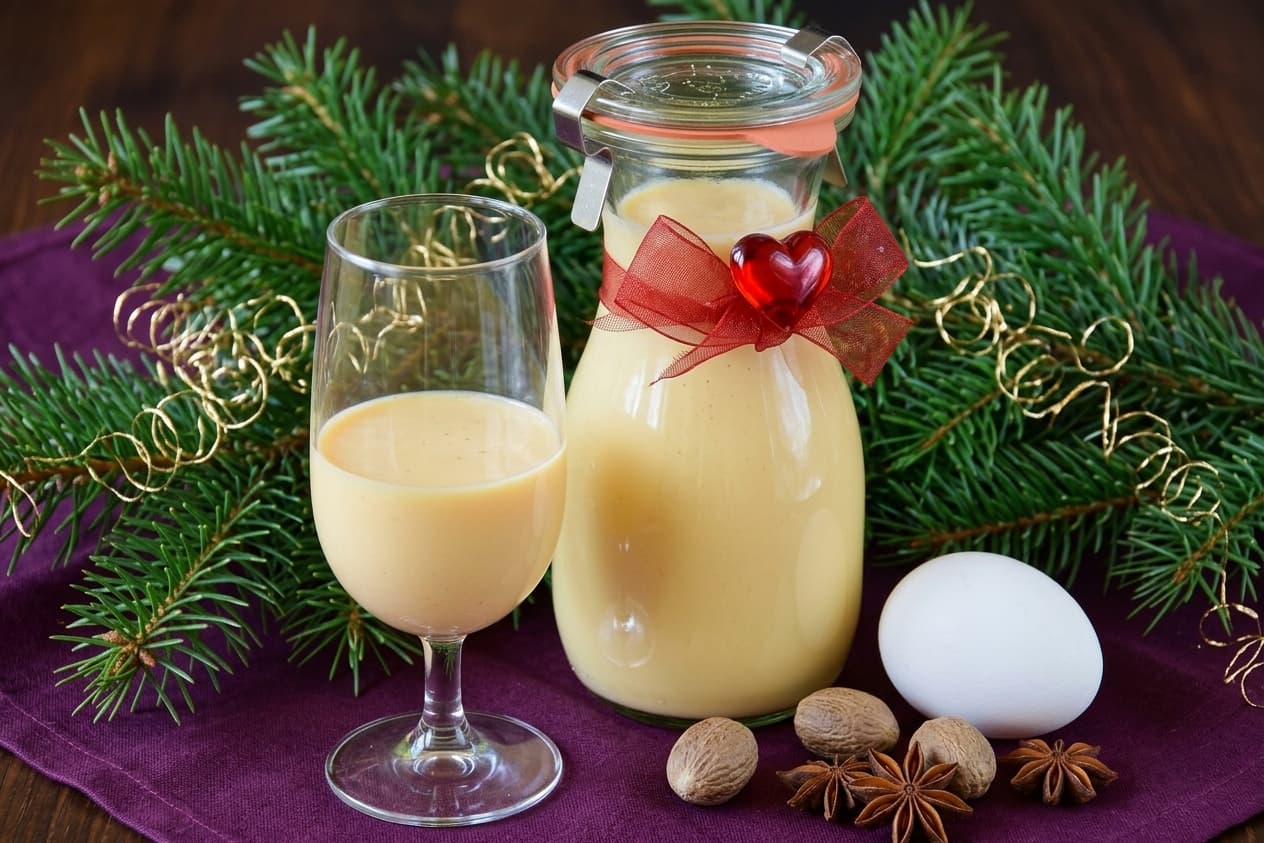
Licor de Ovos de Aveiro
A creamy traditional liqueur from Aveiro made with egg yolks, sugar and alcohol.
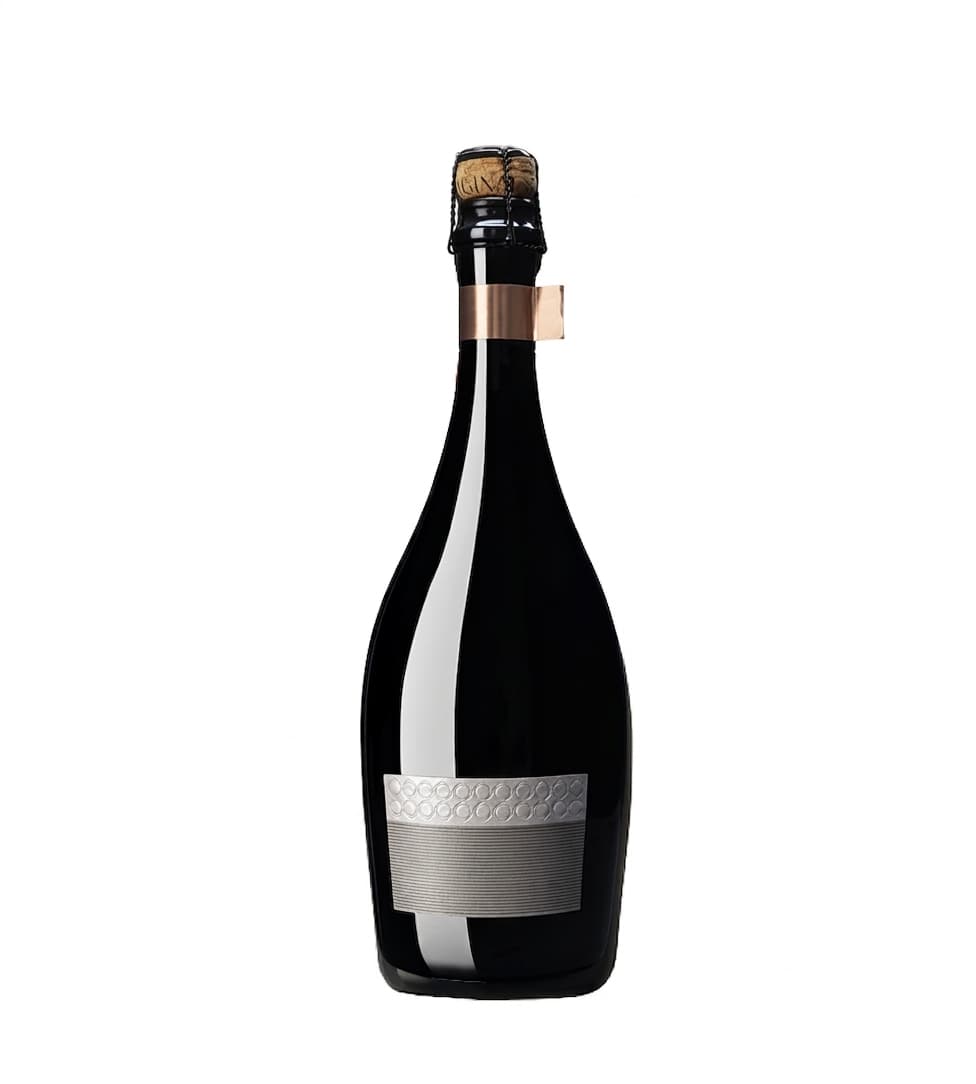
Espumante da Bairrada
A renowned sparkling wine from Bairrada, known for its freshness, lively acidity and fine bubbles.
Vinho da Bairrada
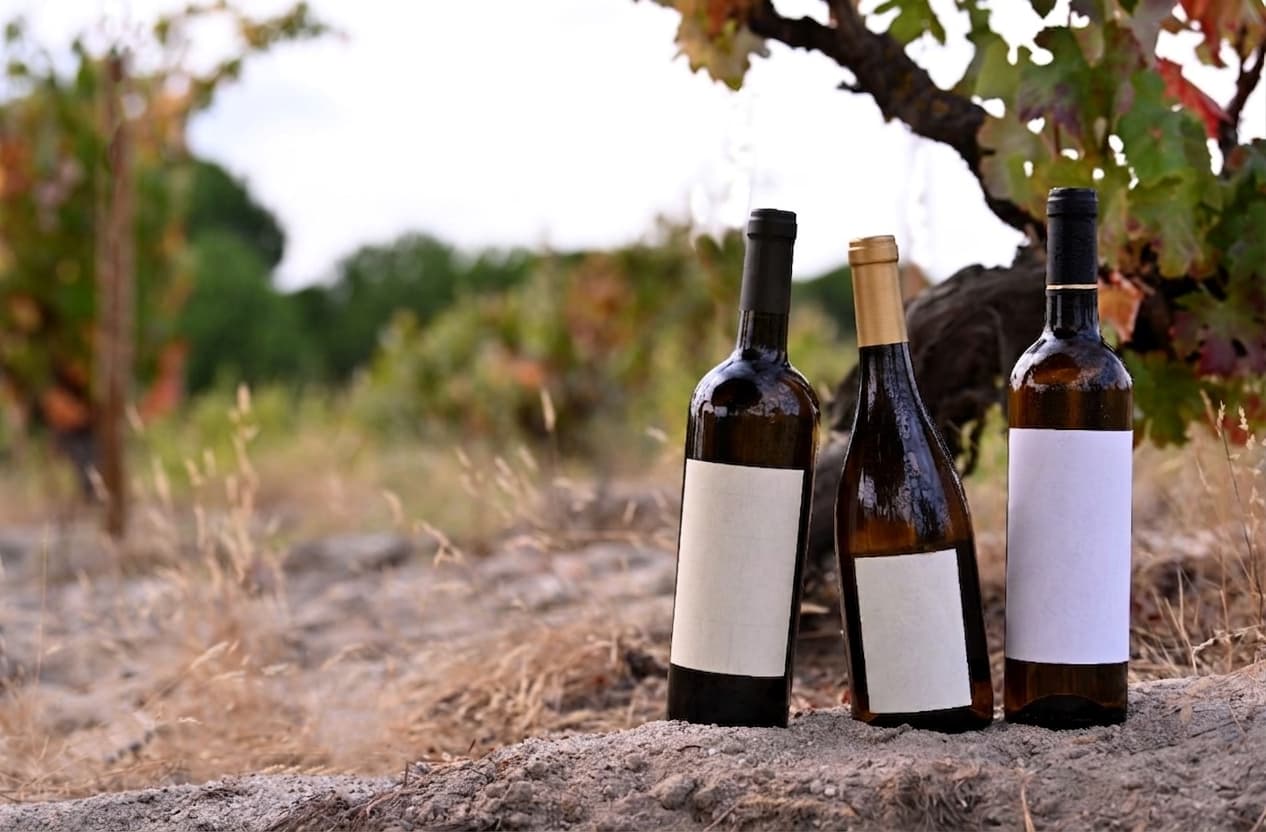
A distinctive wine from Bairrada, a historic Portuguese wine region known especially for structured reds and fresh whites.
Aguardente Vínica da Bairrada
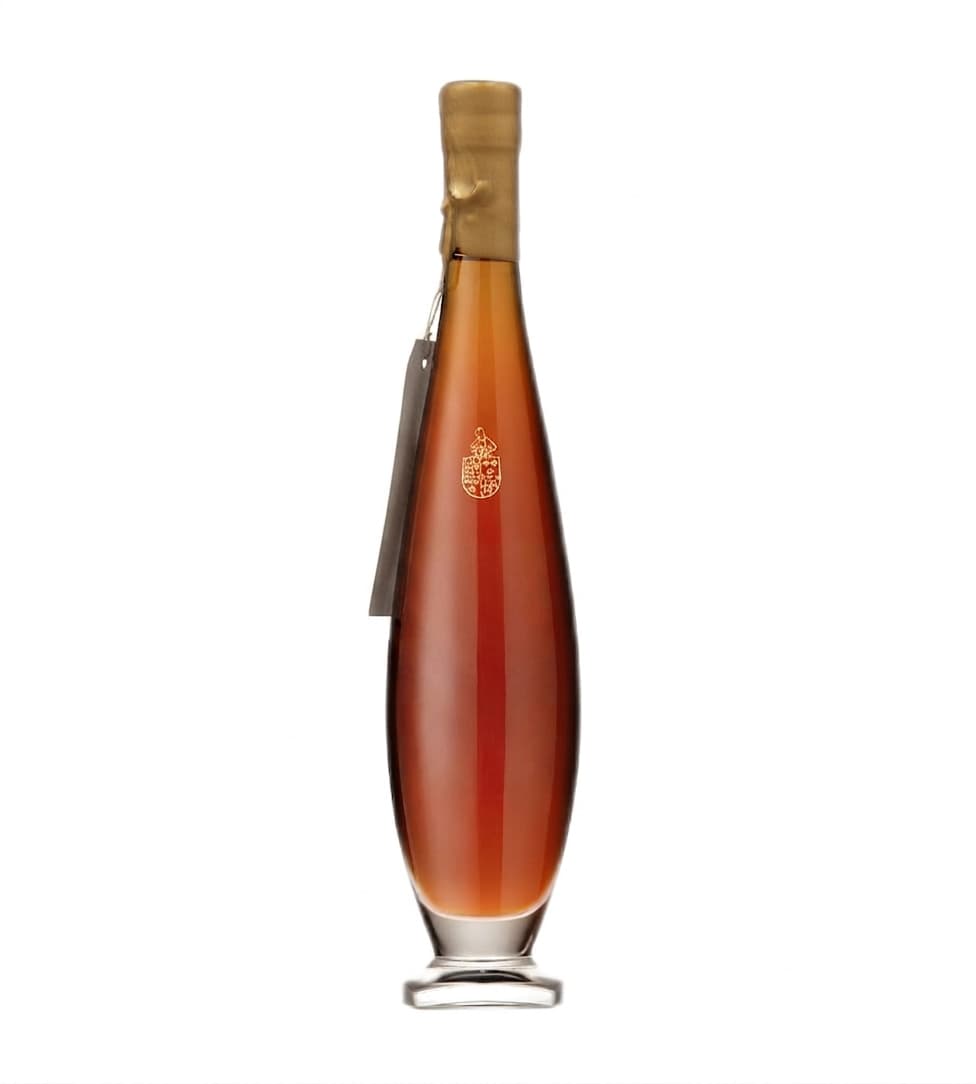
A traditional wine spirit from Bairrada, distilled from wine and often aged in wooden barrels.
Ovos Verdes
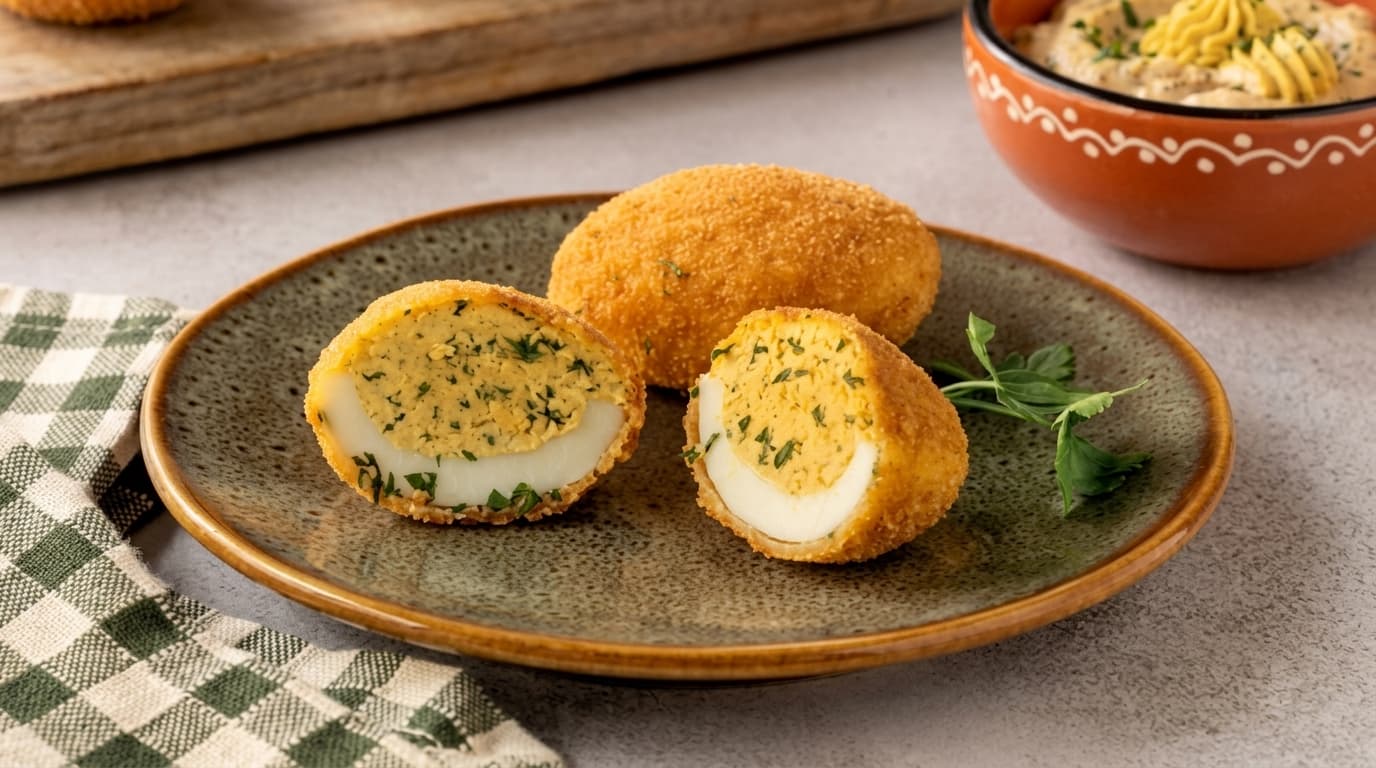
A traditional Portuguese appetiser of boiled eggs filled with a seasoned yolk and parsley mixture, then breaded and fried.
Bacalhau à Brás
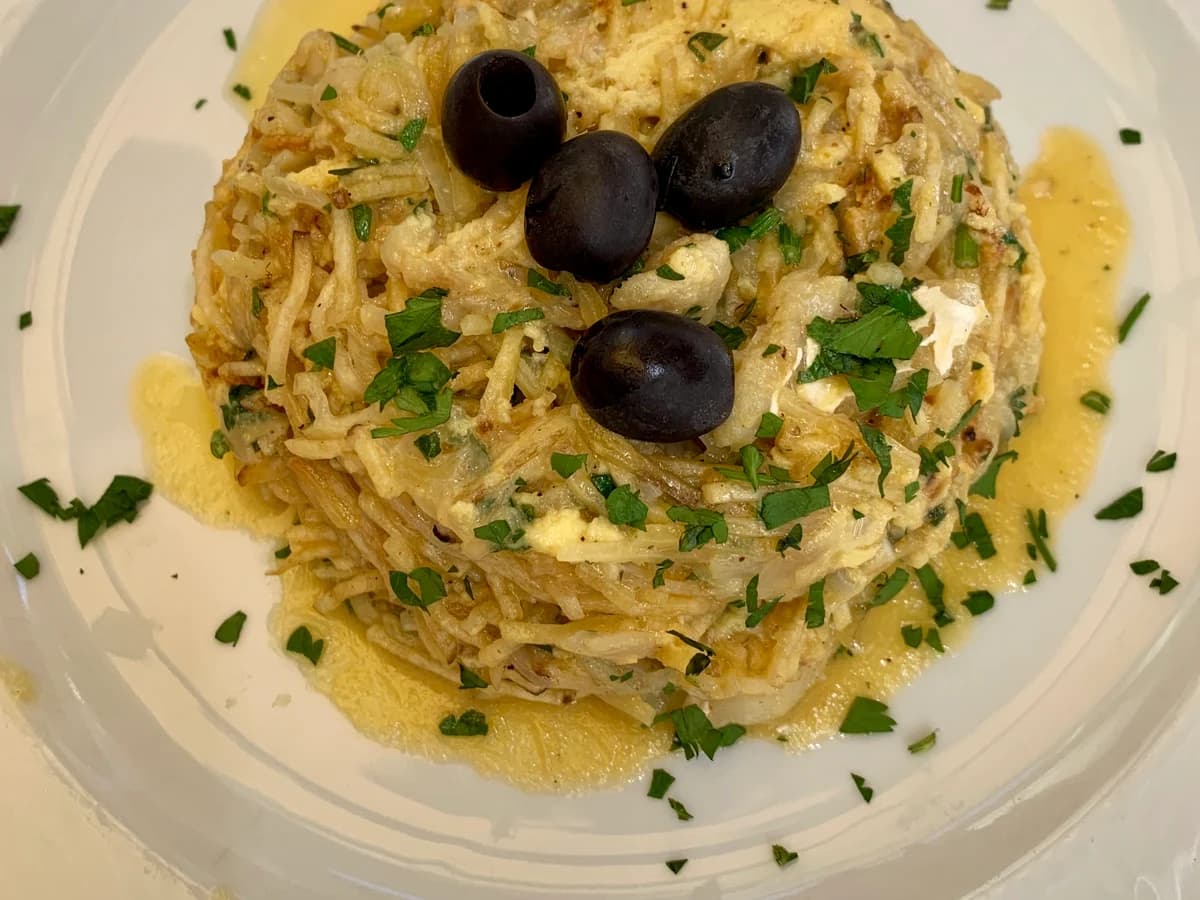
Shredded salt cod with matchstick potatoes, egg, onion, olives and parsley, traditionally associated with Lisbon.
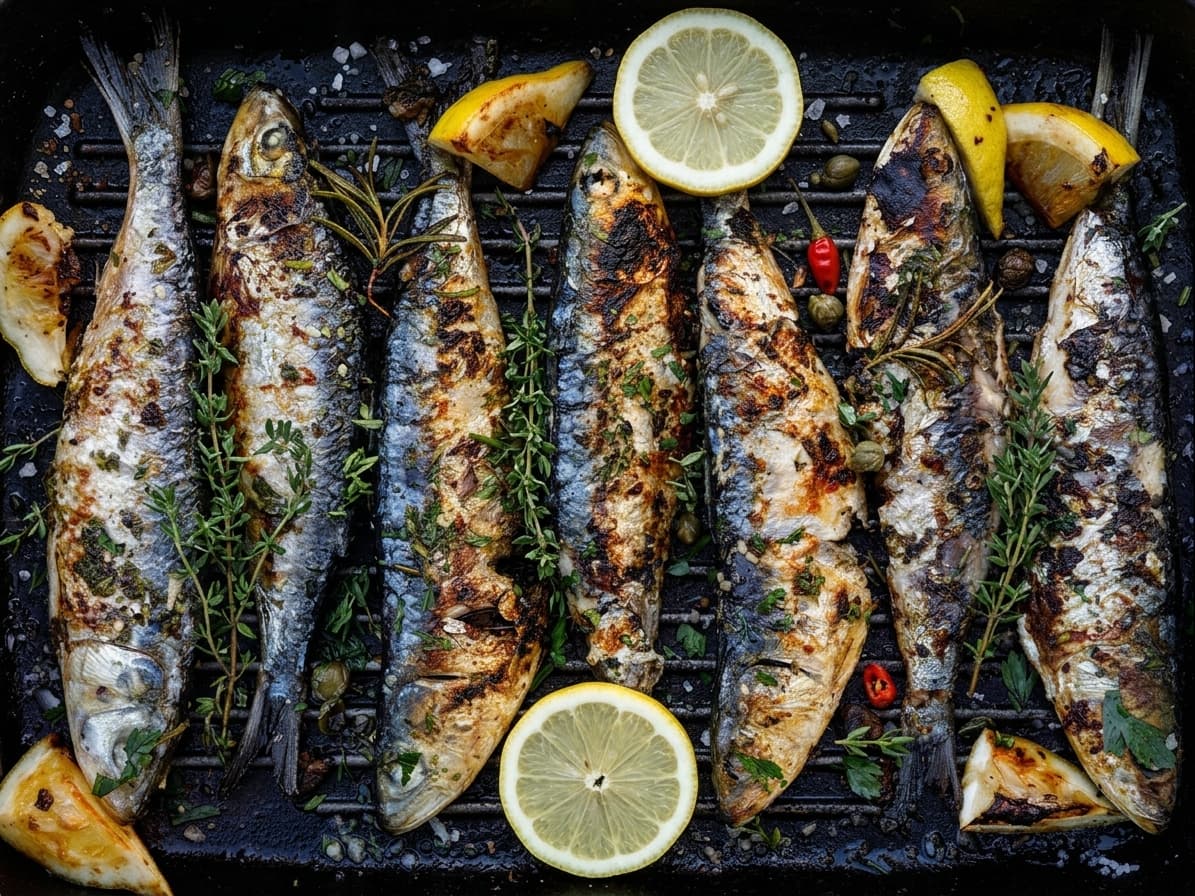
Sardinhas Assadas
One of Lisbon’s great gastronomic symbols, especially during the festivities of Saint Anthony.
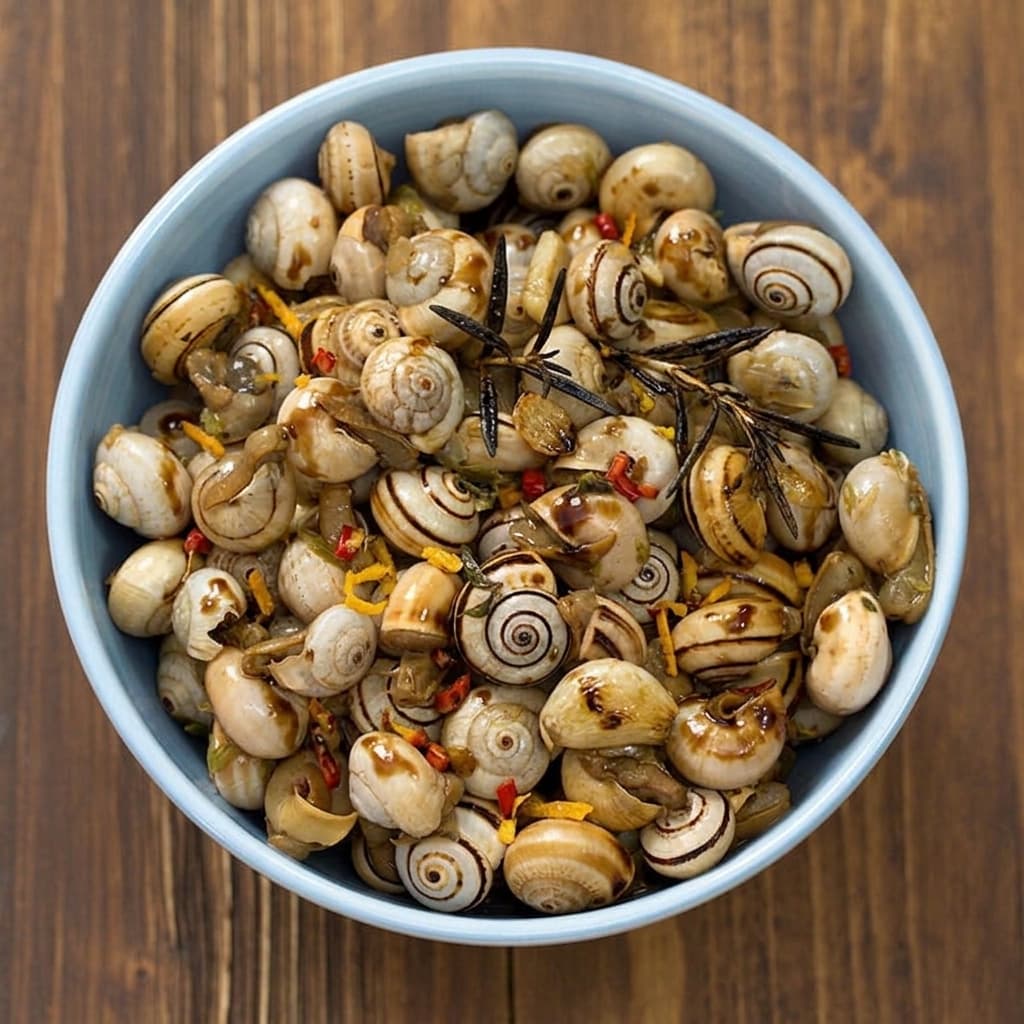
Caracóis
A very popular Lisbon dish during the warmer months.
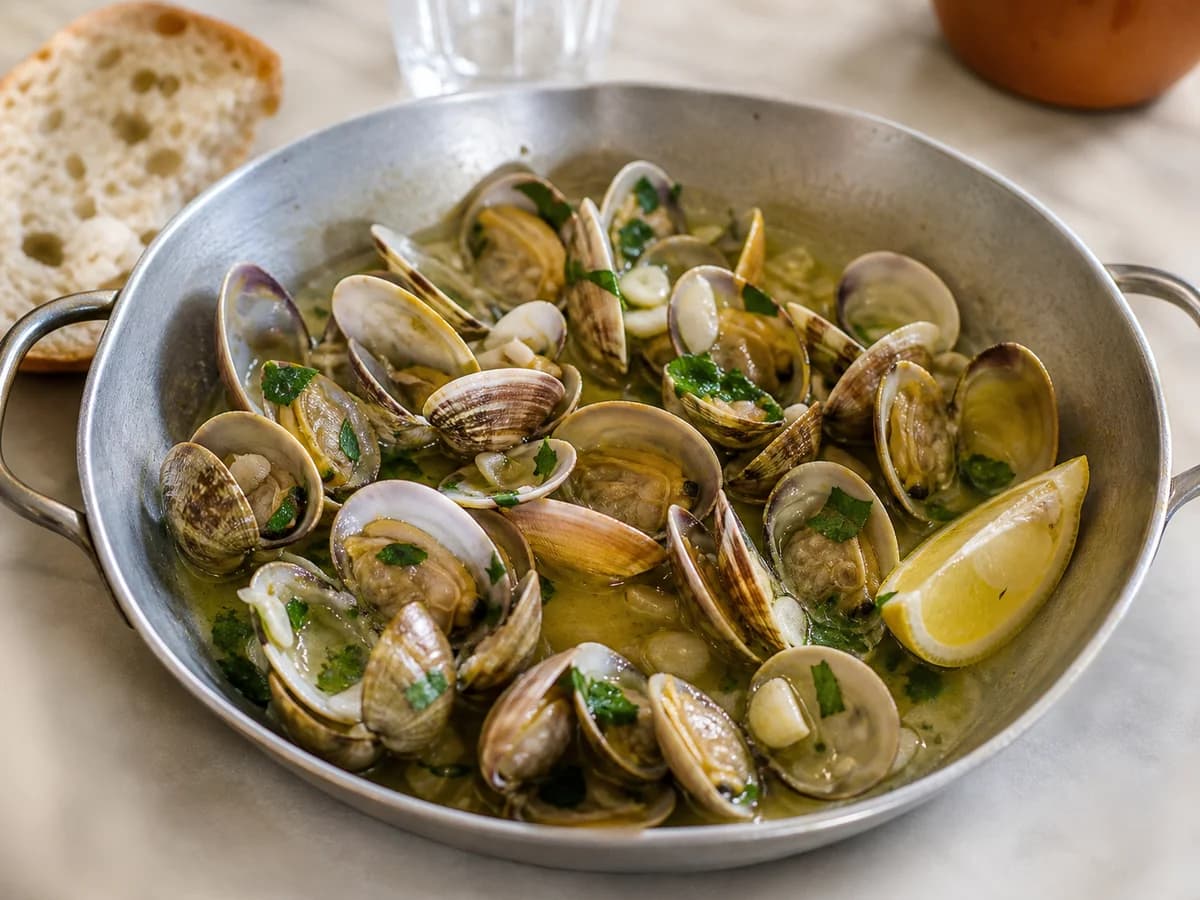
Amêijoas à Bulhão Pato
Clams opened in olive oil, garlic, coriander and lemon: one of Lisbon’s most emblematic seafood dishes.
Peixe Grelhado
Fresh Atlantic fish grilled simply, a defining flavour of Sintra’s coastline.
Marisco
A varied selection of Atlantic shellfish and seafood served along Sintra’s coastline.
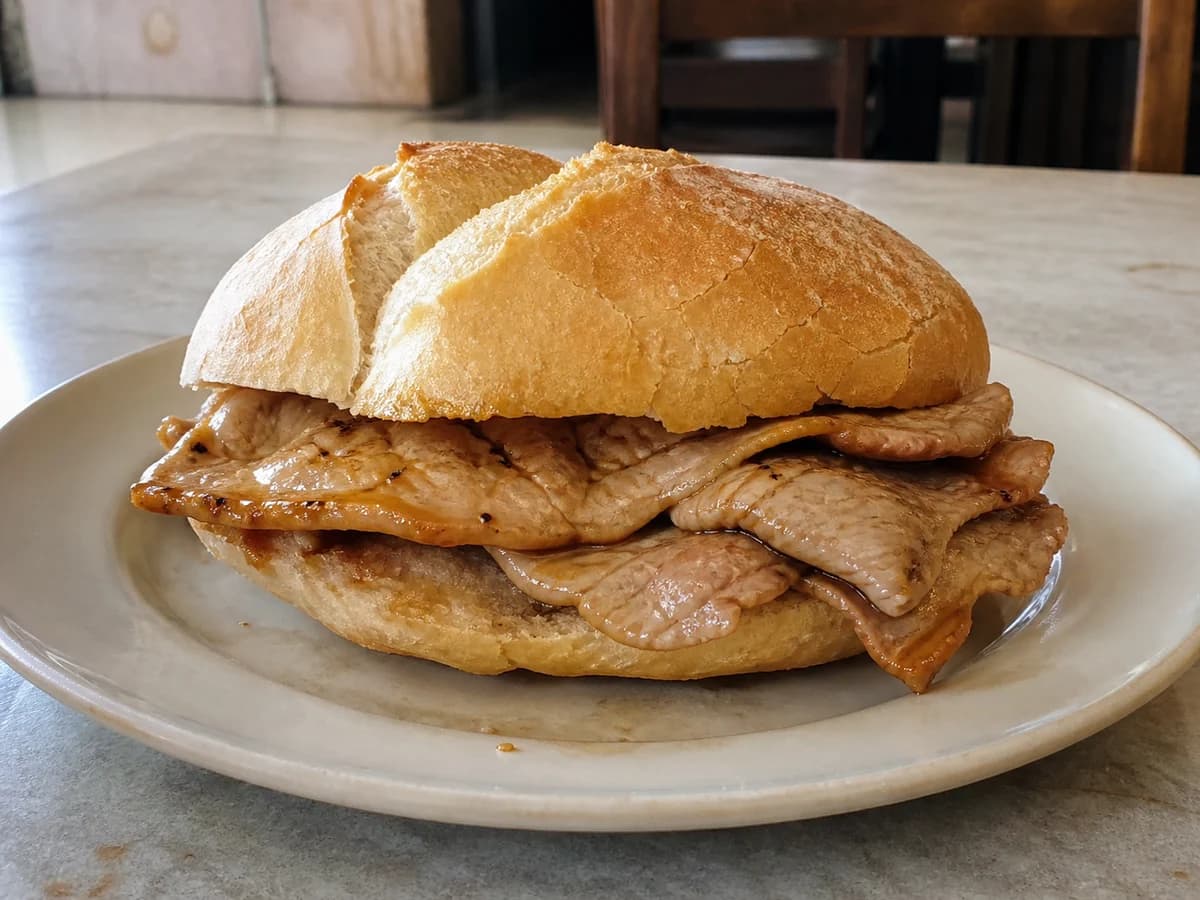
Bifana
A seasoned pork sandwich popular in traditional cafés and tascas.
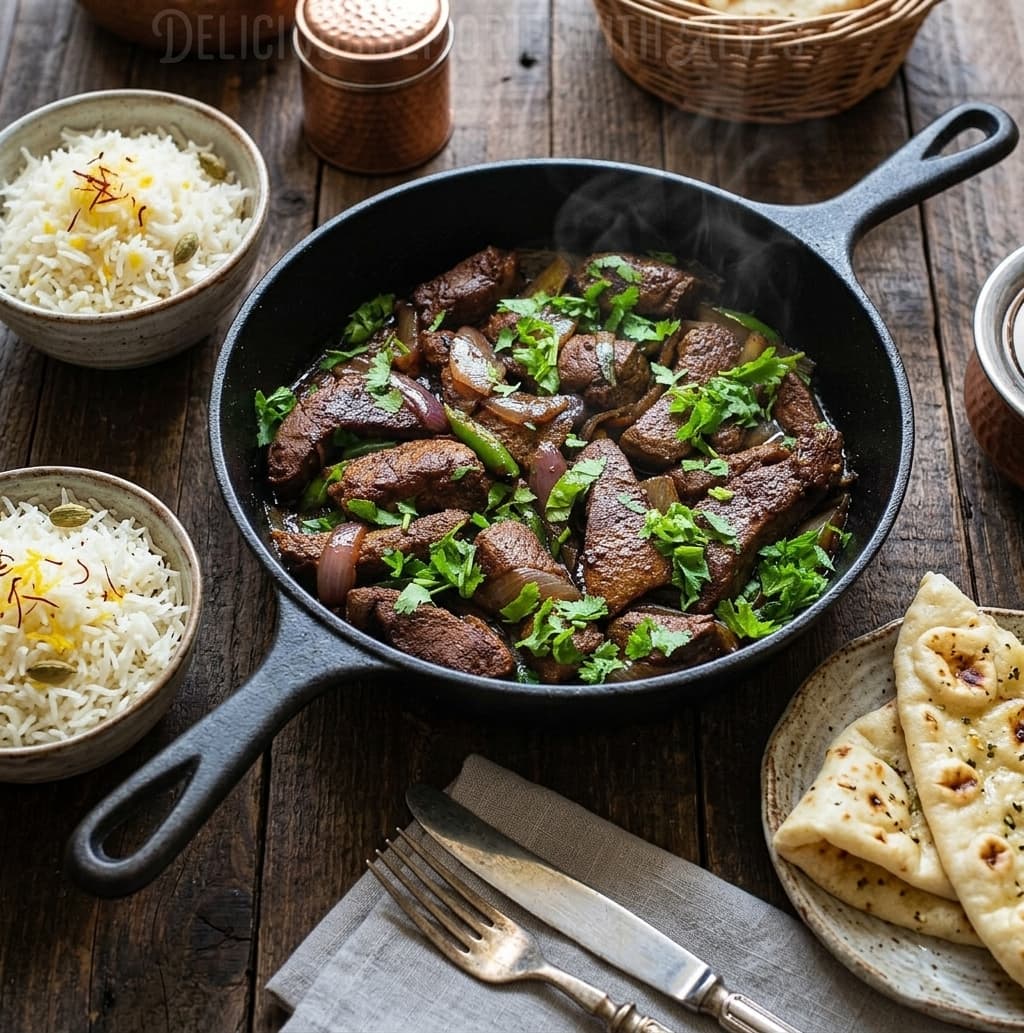
Iscas com Elas
Seasoned pork liver traditionally served with potatoes.
Leitão de Negrais
Roast suckling pig, a traditional speciality from Negrais in the municipality of Sintra.
Cabrito Assado
Oven-roasted kid goat, a traditional dish of the Saloia region.
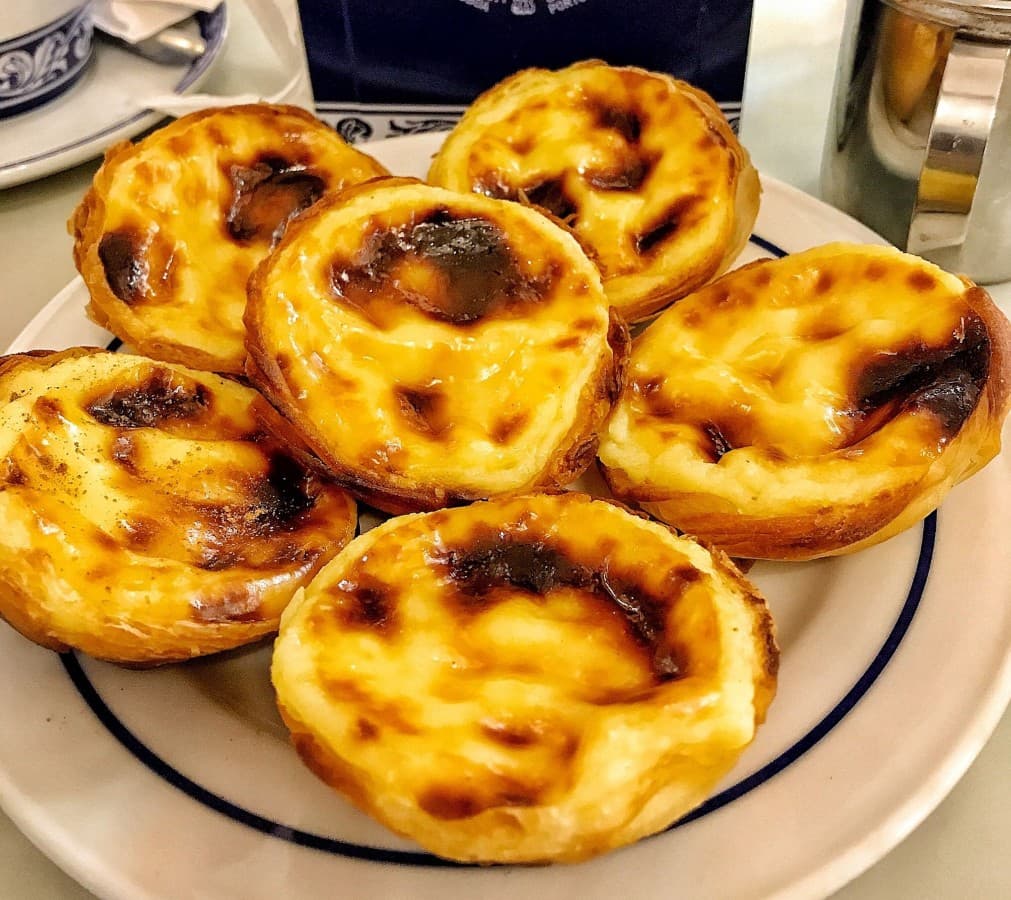
Pastel de Belém
Belém’s historic speciality, produced by Pastéis de Belém since 1837.
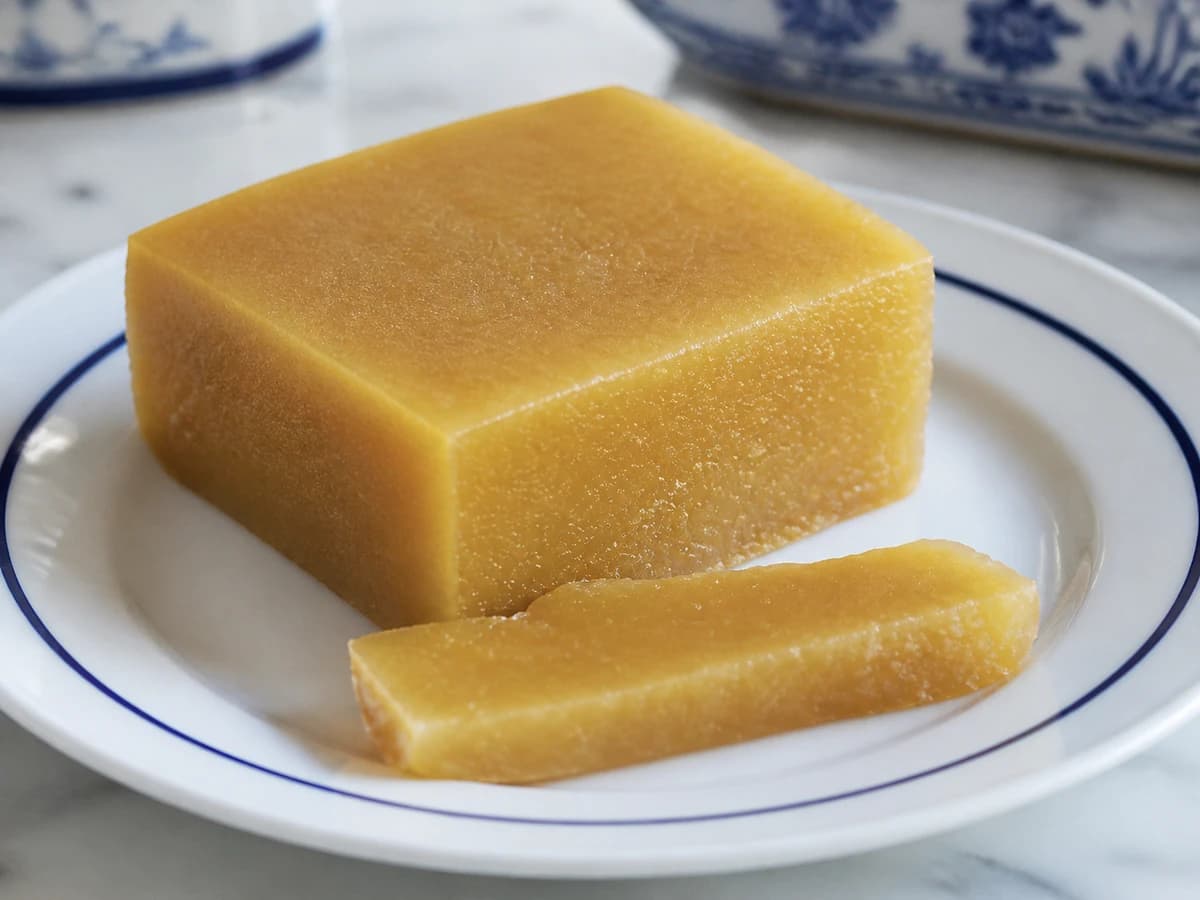
Marmelada de Belém
A firm quince preserve sold as one of the historic Belém pastry house’s other specialities.
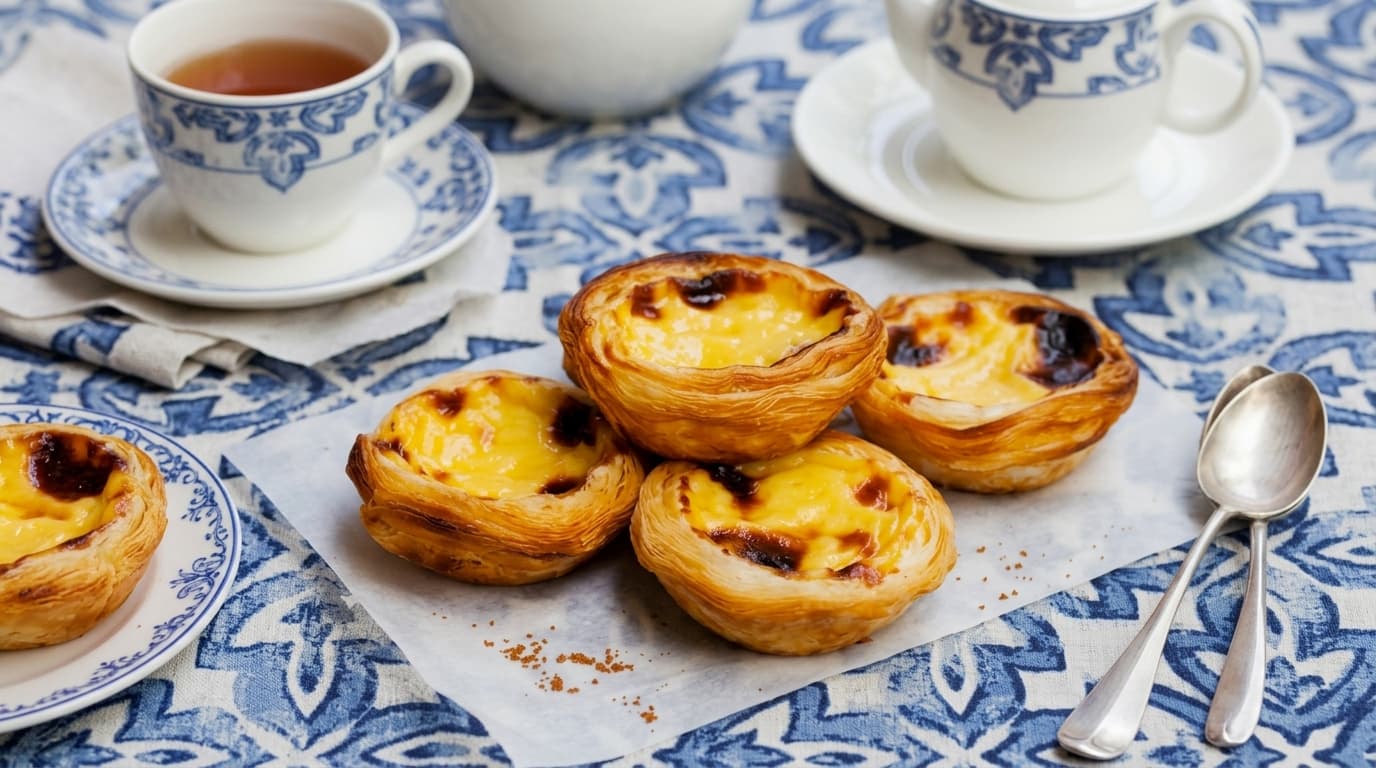
Pastel de Nata
One of Portugal’s best-known sweets and present in pastry shops throughout Lisbon.
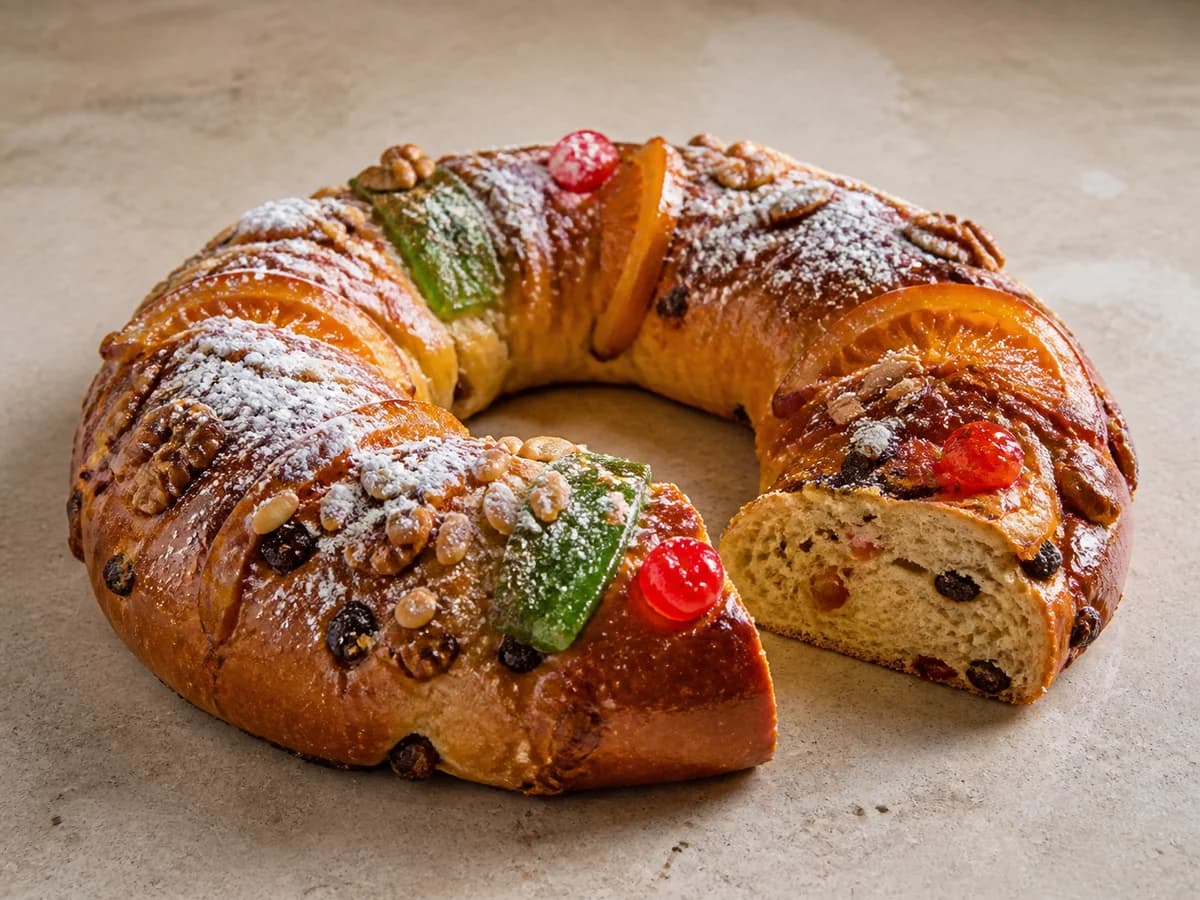
Bolo-rei
Closely connected to Lisbon’s historic Confeitaria Nacional, although now a national Christmas sweet.
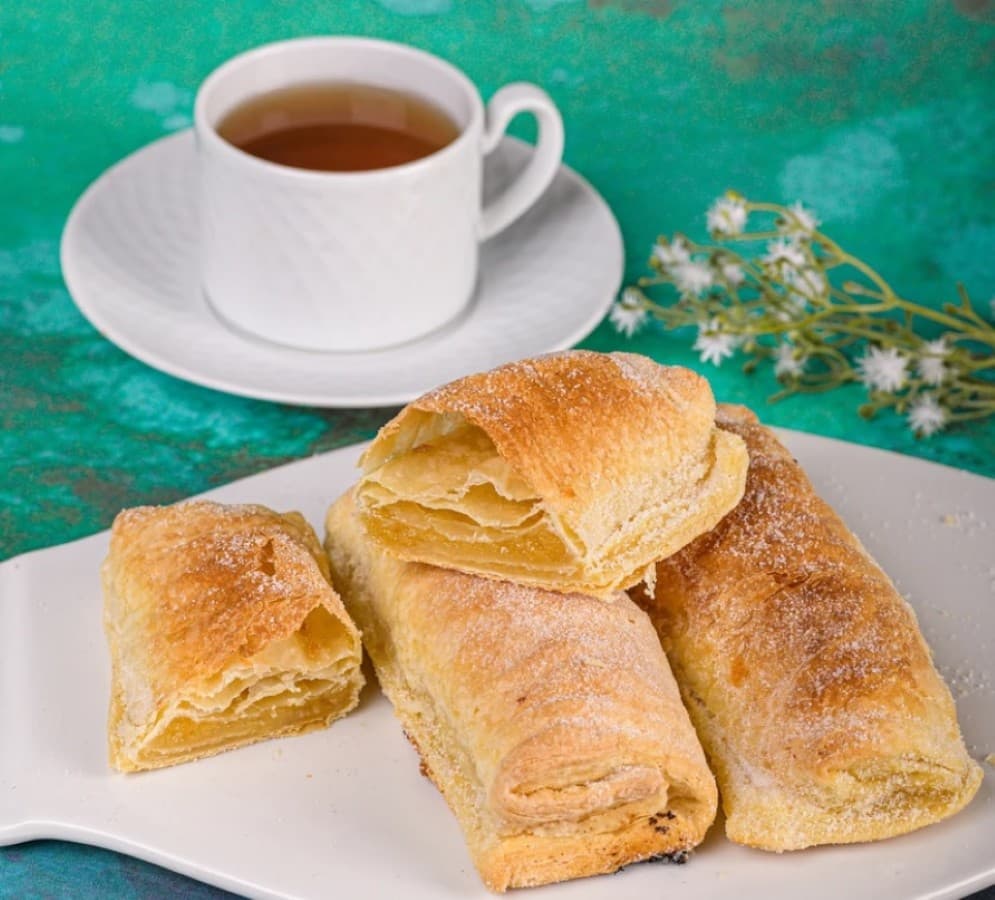
Travesseiros de Sintra
Flaky pastry filled with almond cream and finished with sugar, one of Sintra’s gastronomic symbols.
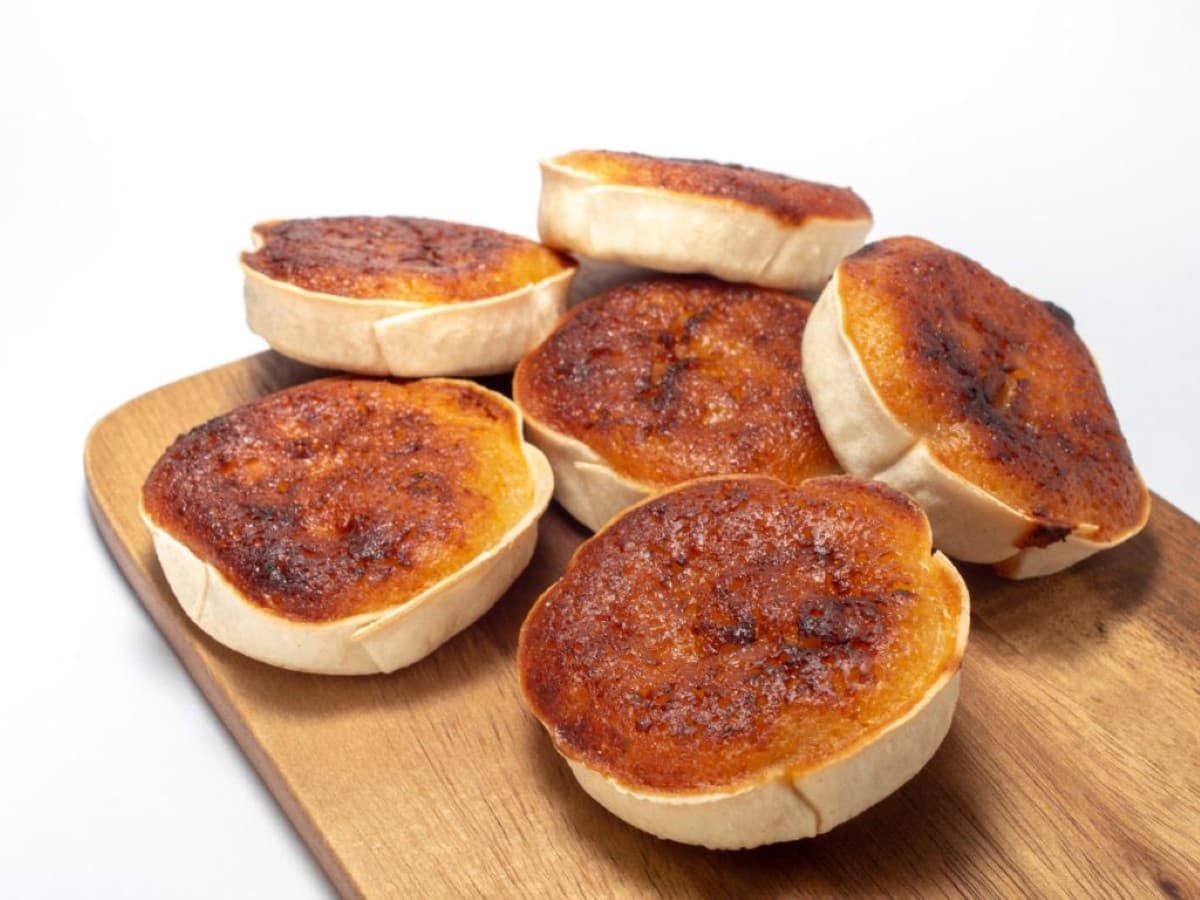
Queijadas de Sintra
Small, centuries-old cheese tarts made with cheese, sugar, eggs, flour and cinnamon.
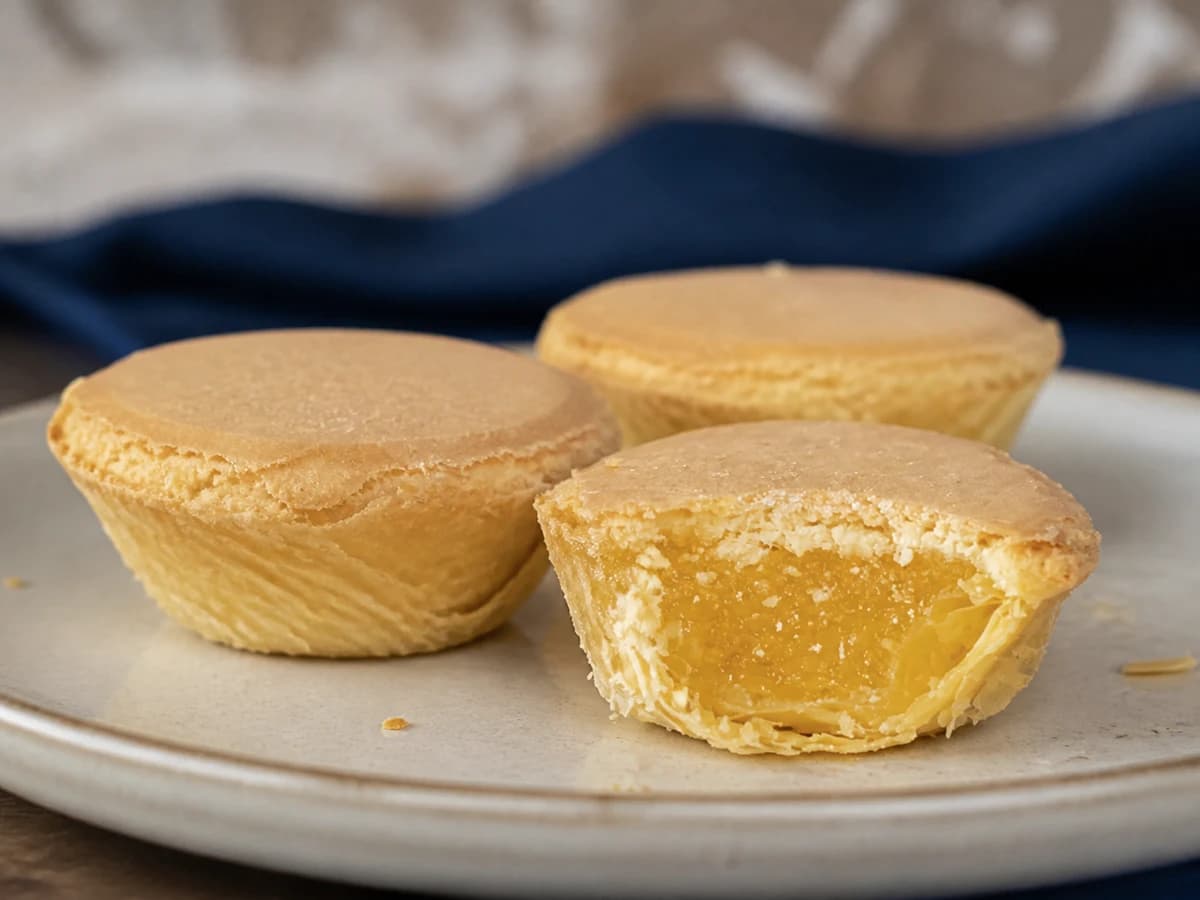
Pastéis da Cruz Alta
Another traditional pastry speciality associated with Sintra.
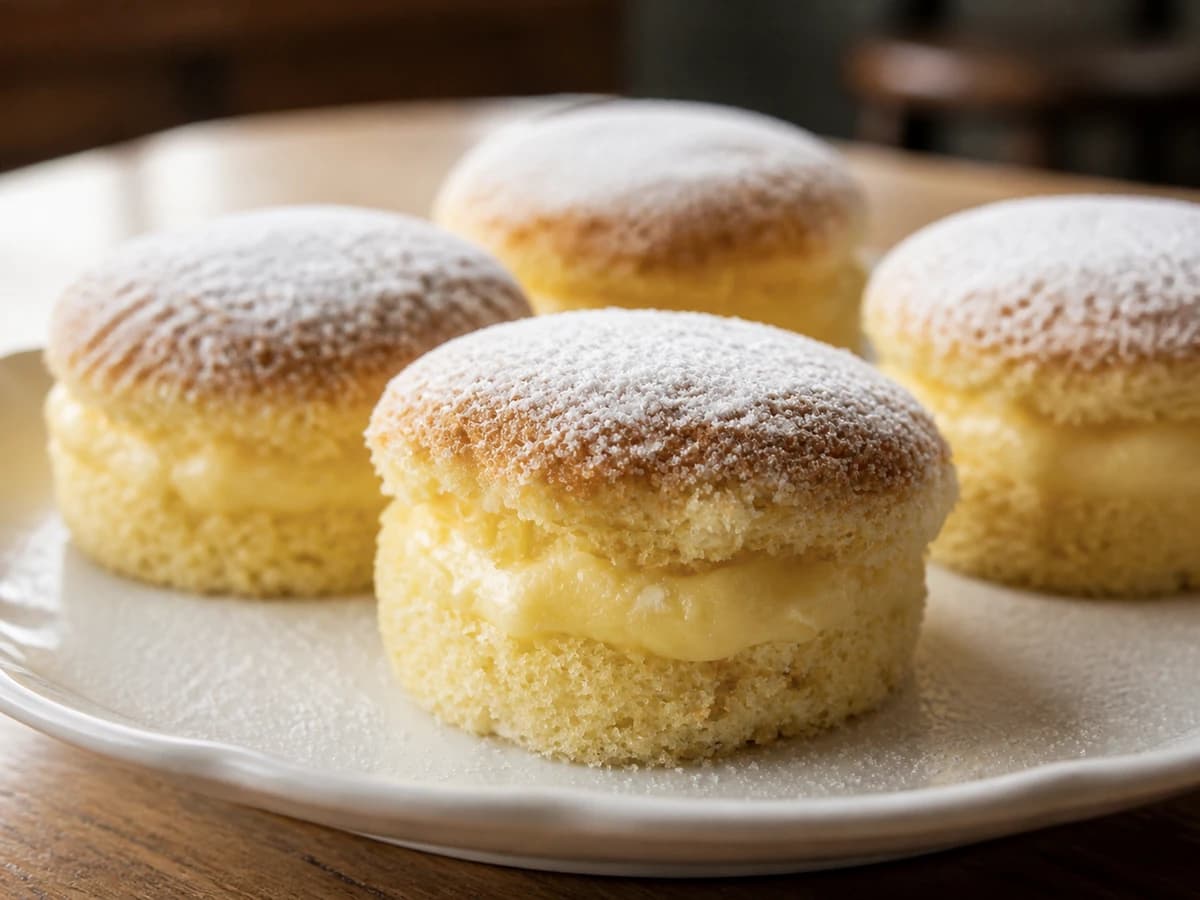
Fofo de Belas
A small, airy sponge cake filled with fresh pastry cream and dusted with powdered sugar.
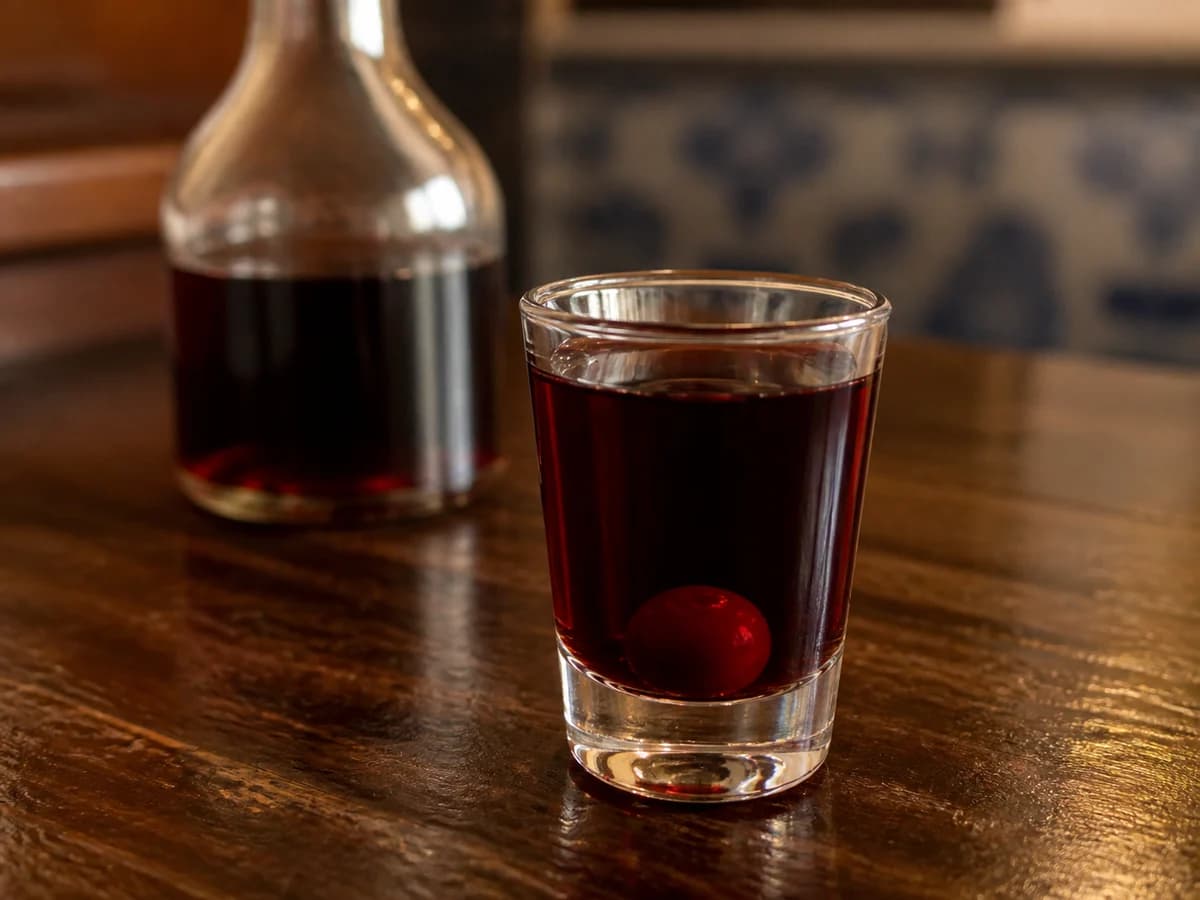
Ginjinha
A traditional Lisbon sour-cherry liqueur served plain or with a cherry in the glass.
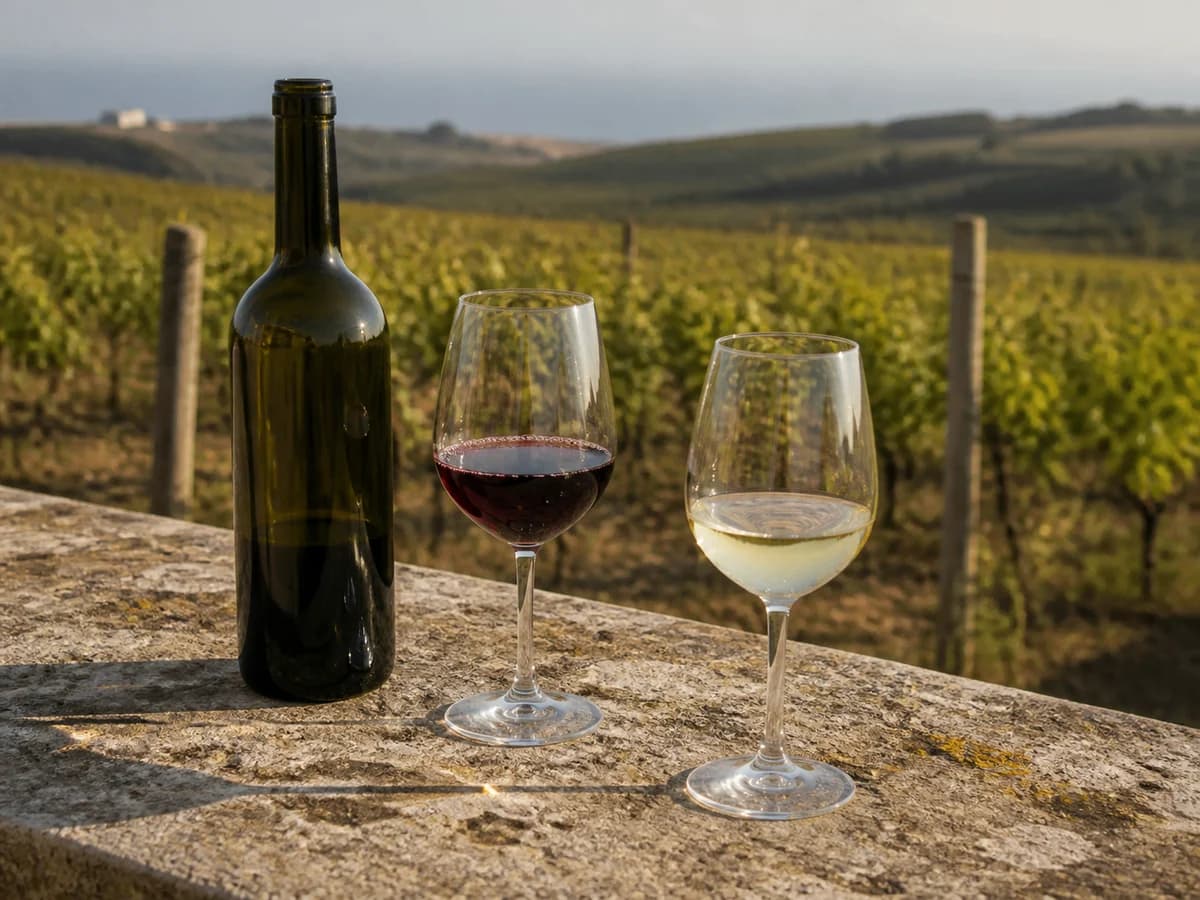
Vinhos da Região de Lisboa
A broad wine region surrounding the capital, producing many different styles.
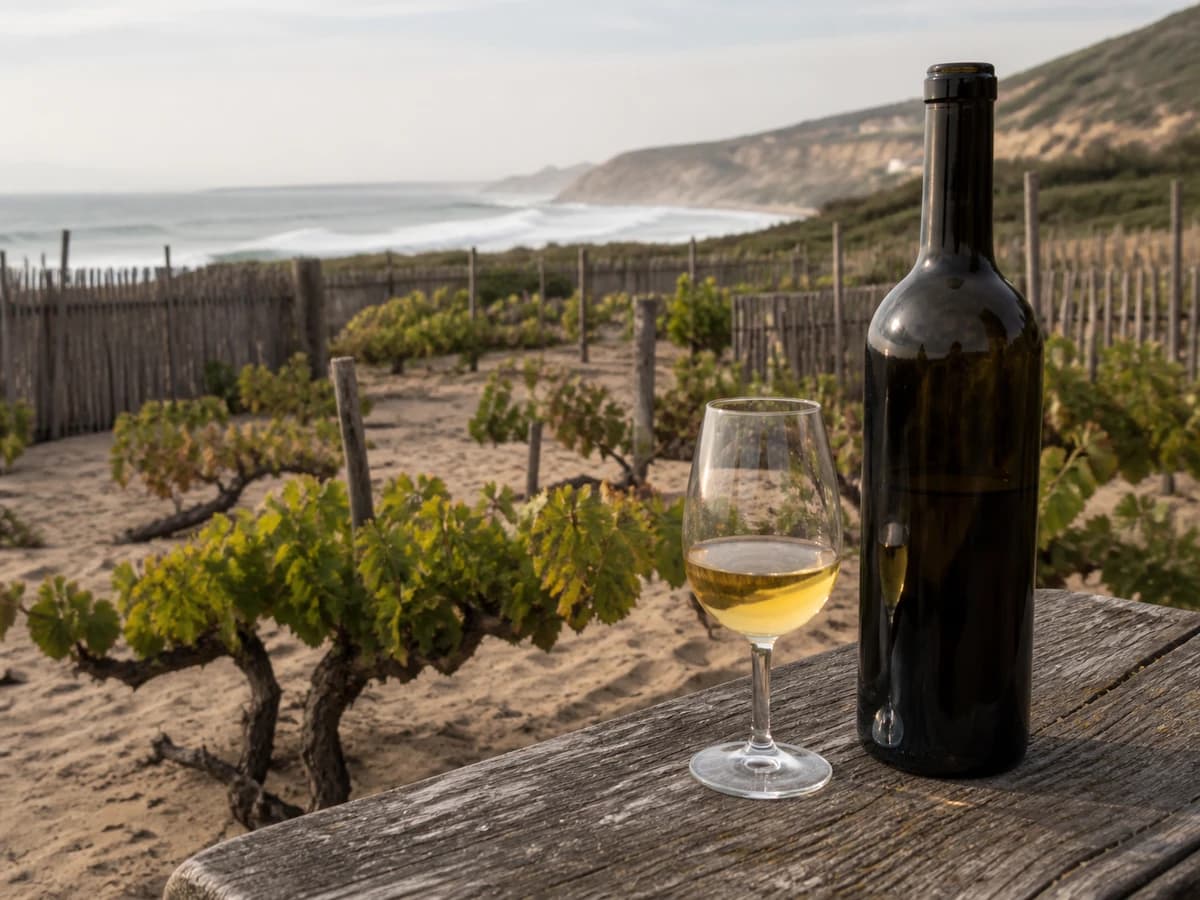
Vinho de Colares
A historic Sintra wine produced in the demarcated Colares wine region.
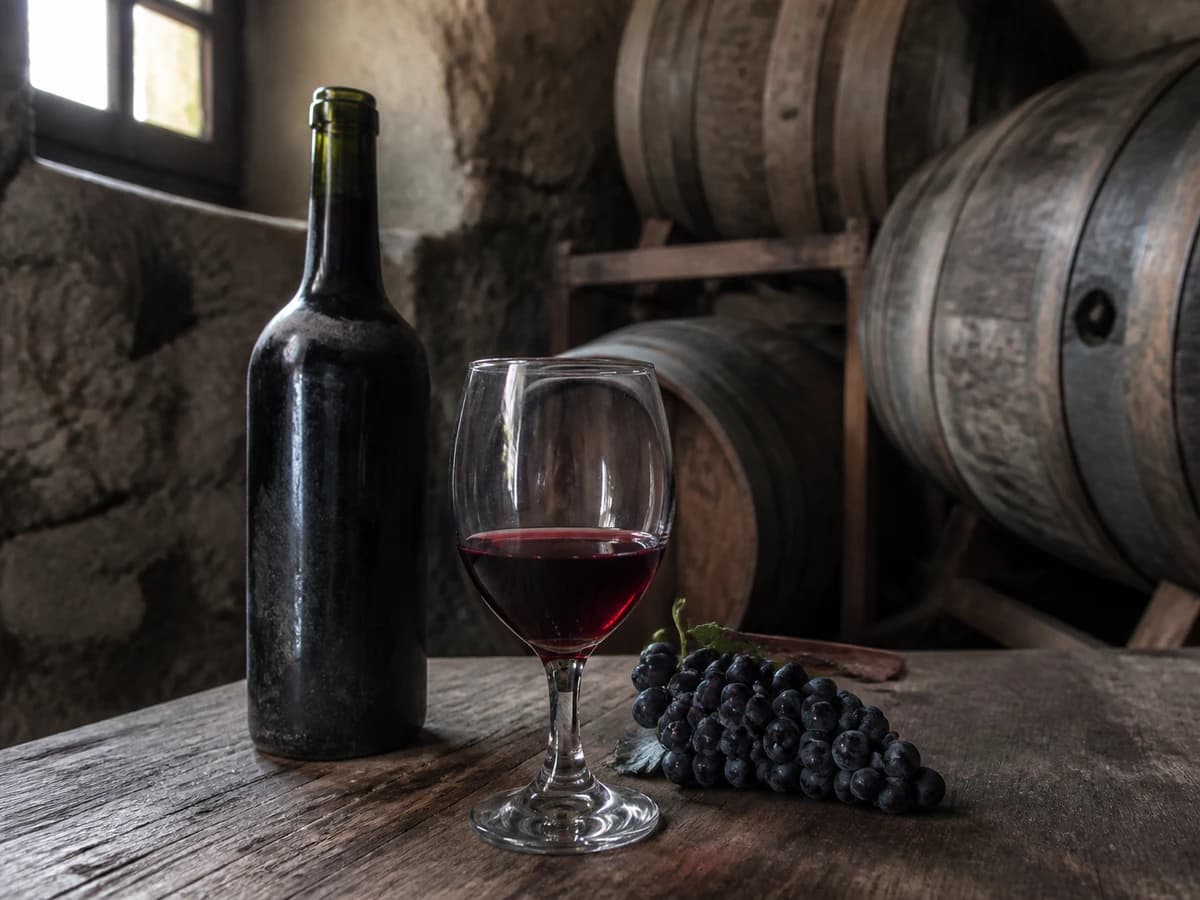
Ramisco de Colares
A red wine made mainly from Ramisco, a grape variety strongly associated with Colares.
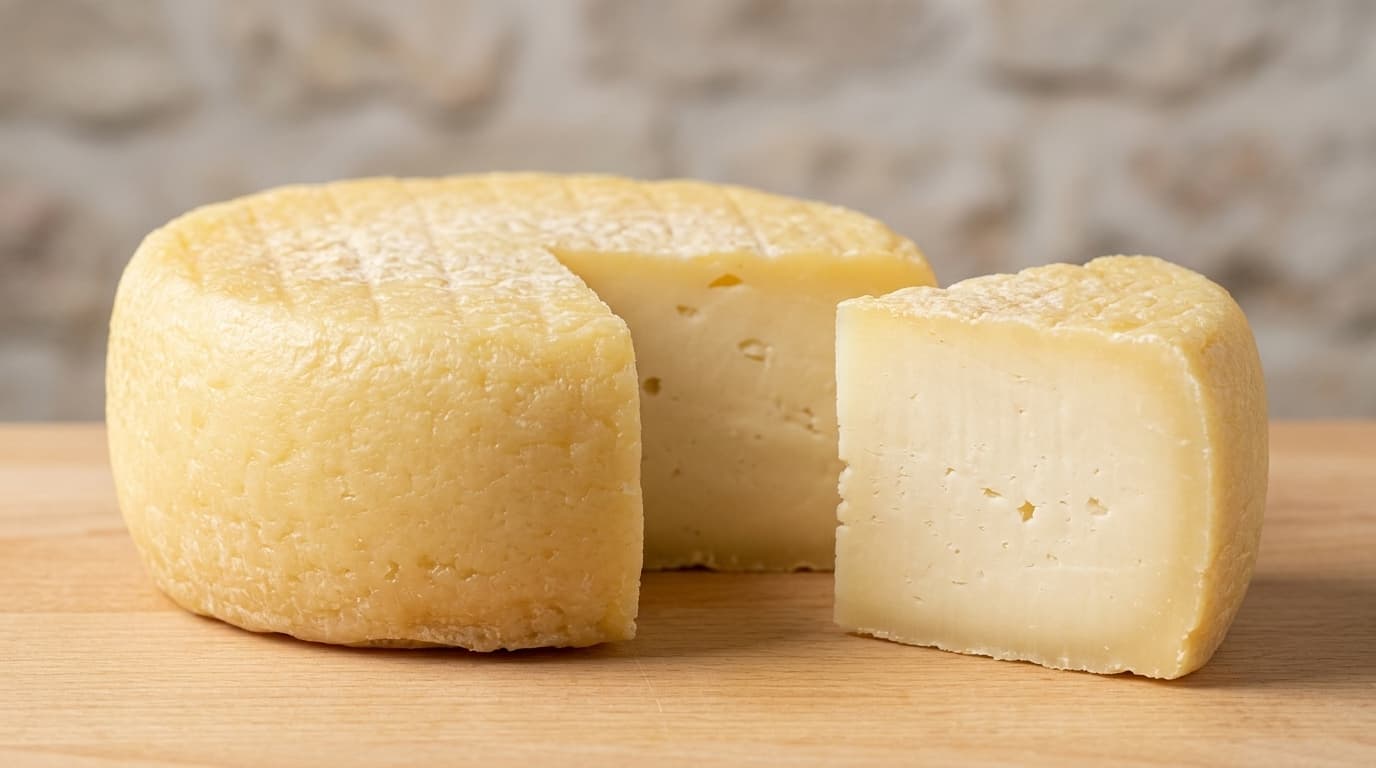
Queijo de Évora DOP
A traditional PDO cheese from the Évora region, made from raw sheep’s milk and known for its firm texture and slightly piquant flavour.
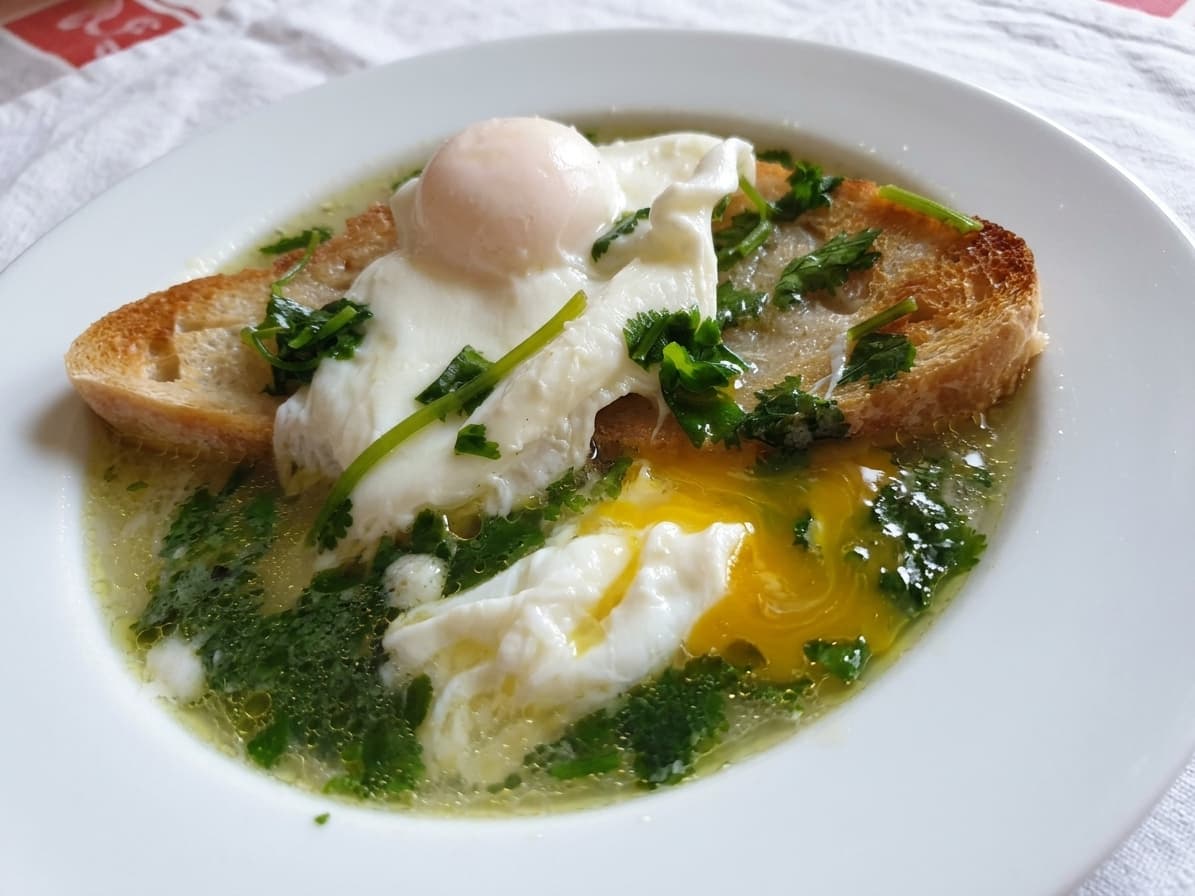
Açorda à Alentejana
Alentejo bread, garlic, coriander, olive oil and a poached egg.
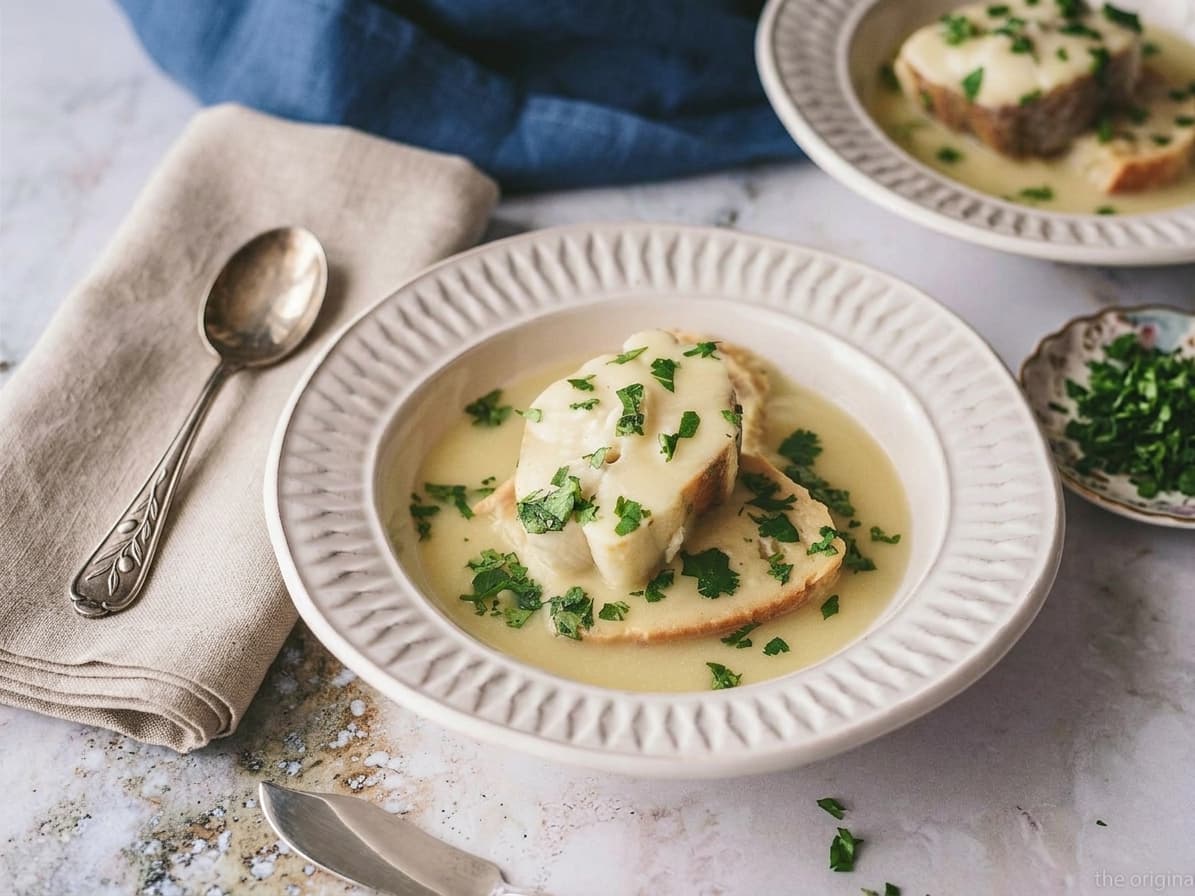
Sopa de Cação
Dogfish served in an aromatic garlic and coriander broth over bread.
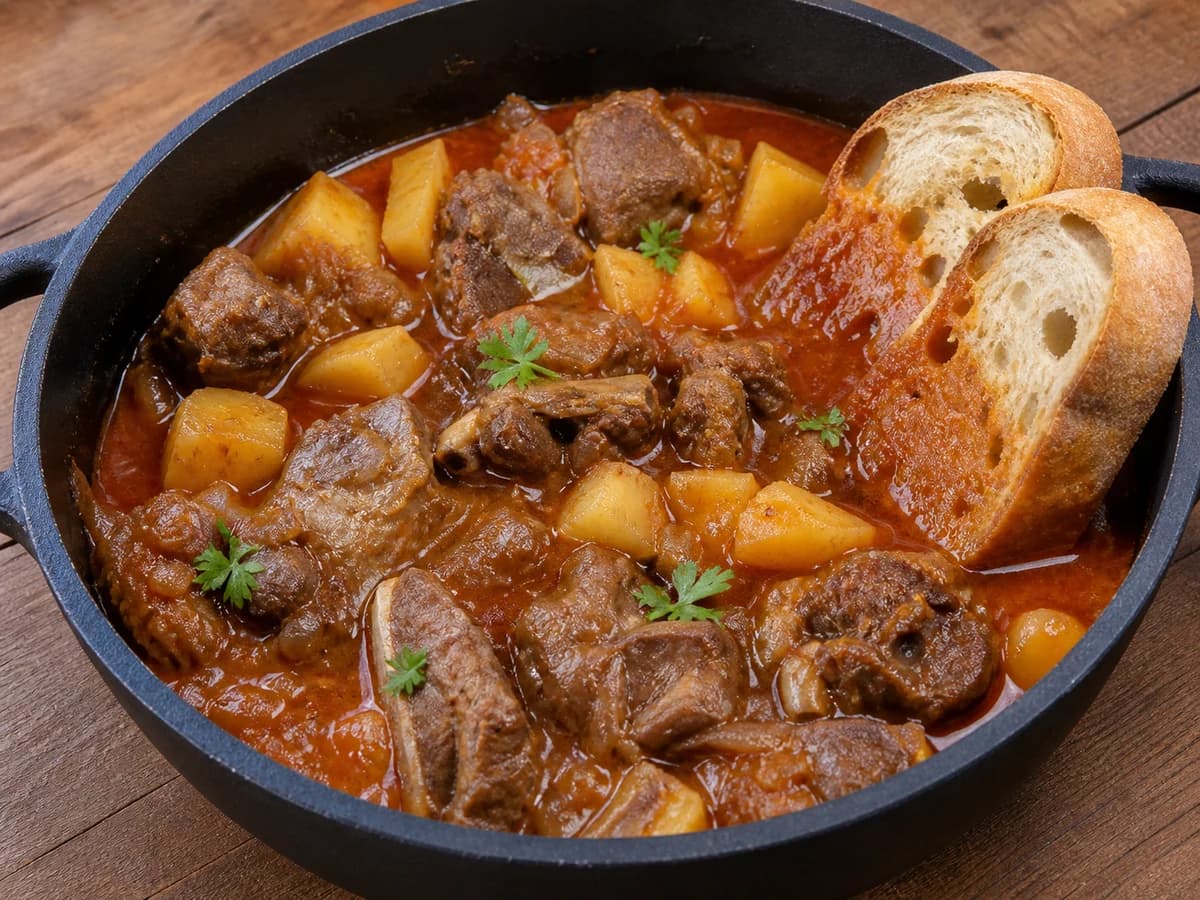
Ensopado de Borrego
Slow-cooked lamb traditionally served over bread.
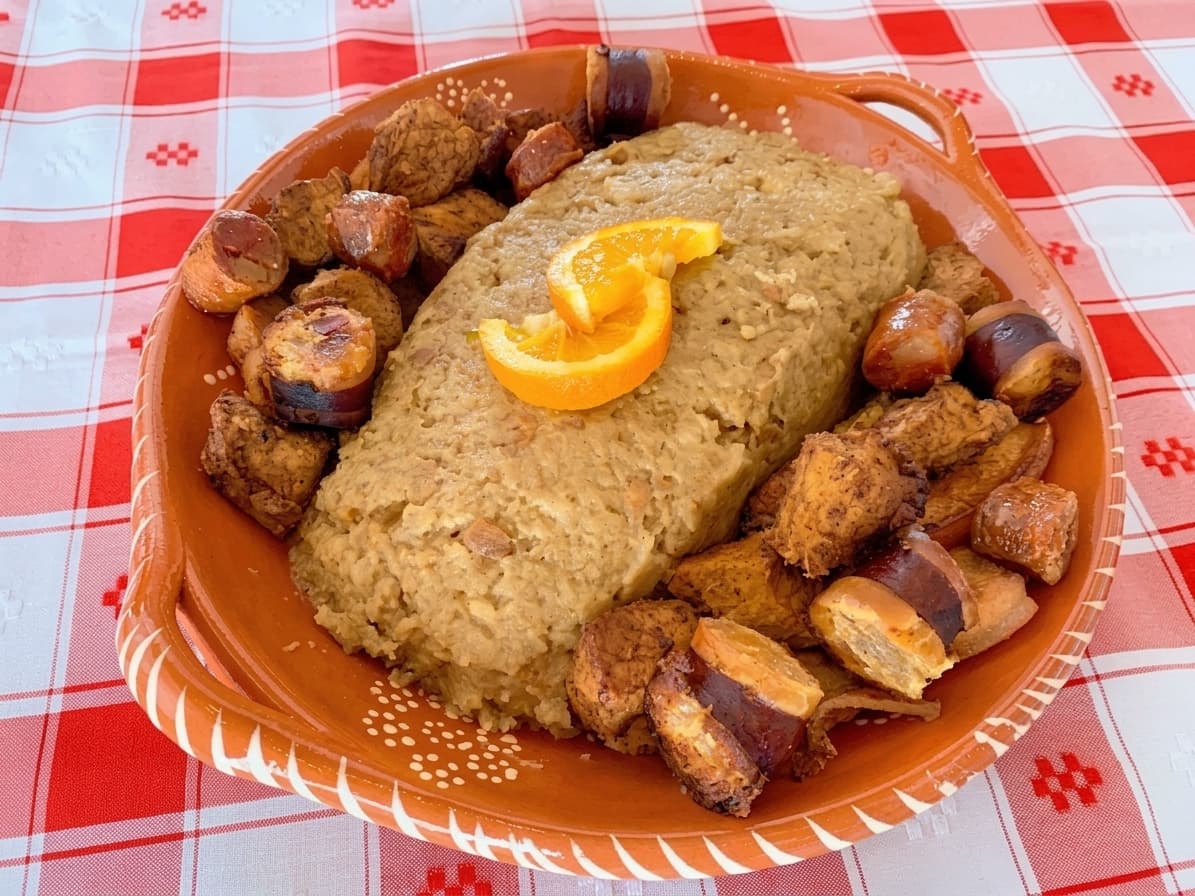
Migas à Alentejana
Bread migas with garlic and olive oil, normally served with pork.
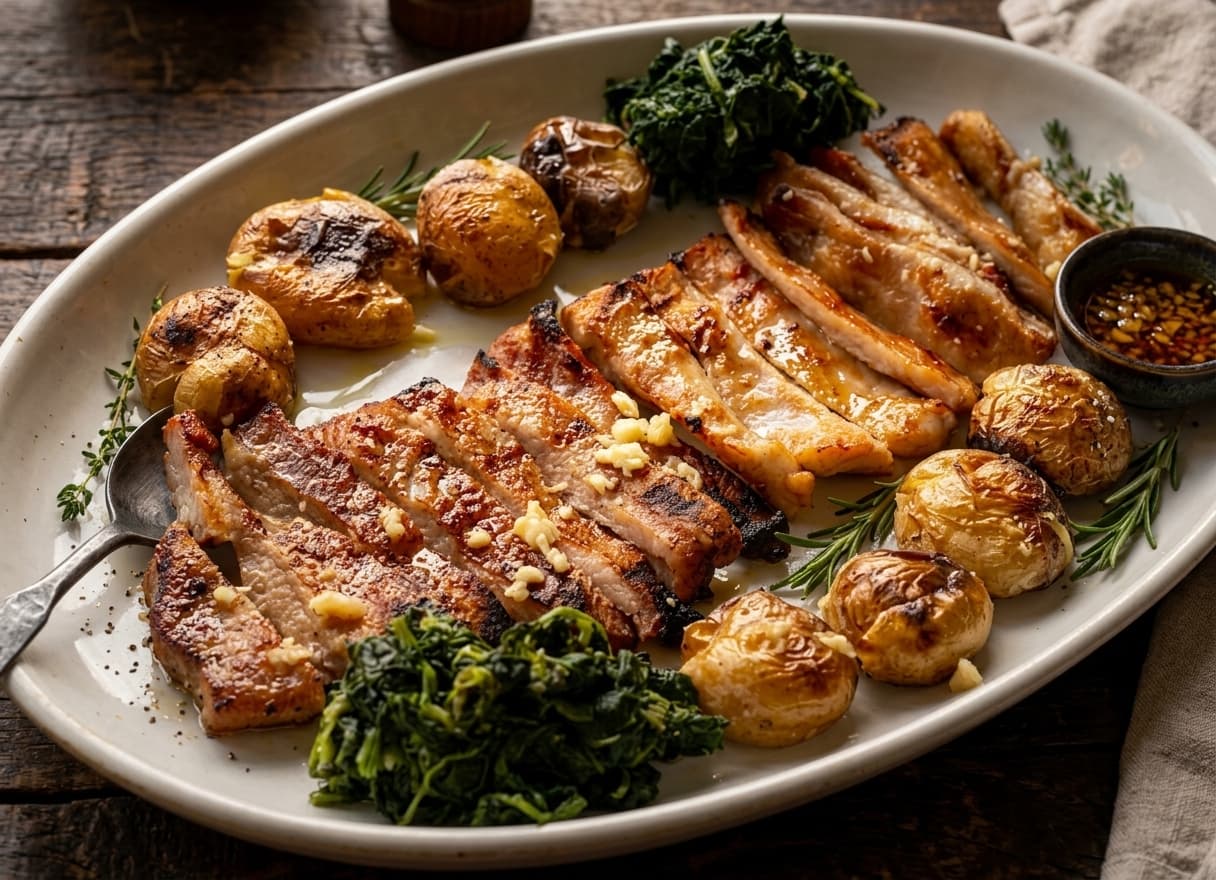
Secretos de Porco Preto Alentejano
A succulent cut of Alentejo Iberian black pork, prized for its intense flavour and natural marbling.
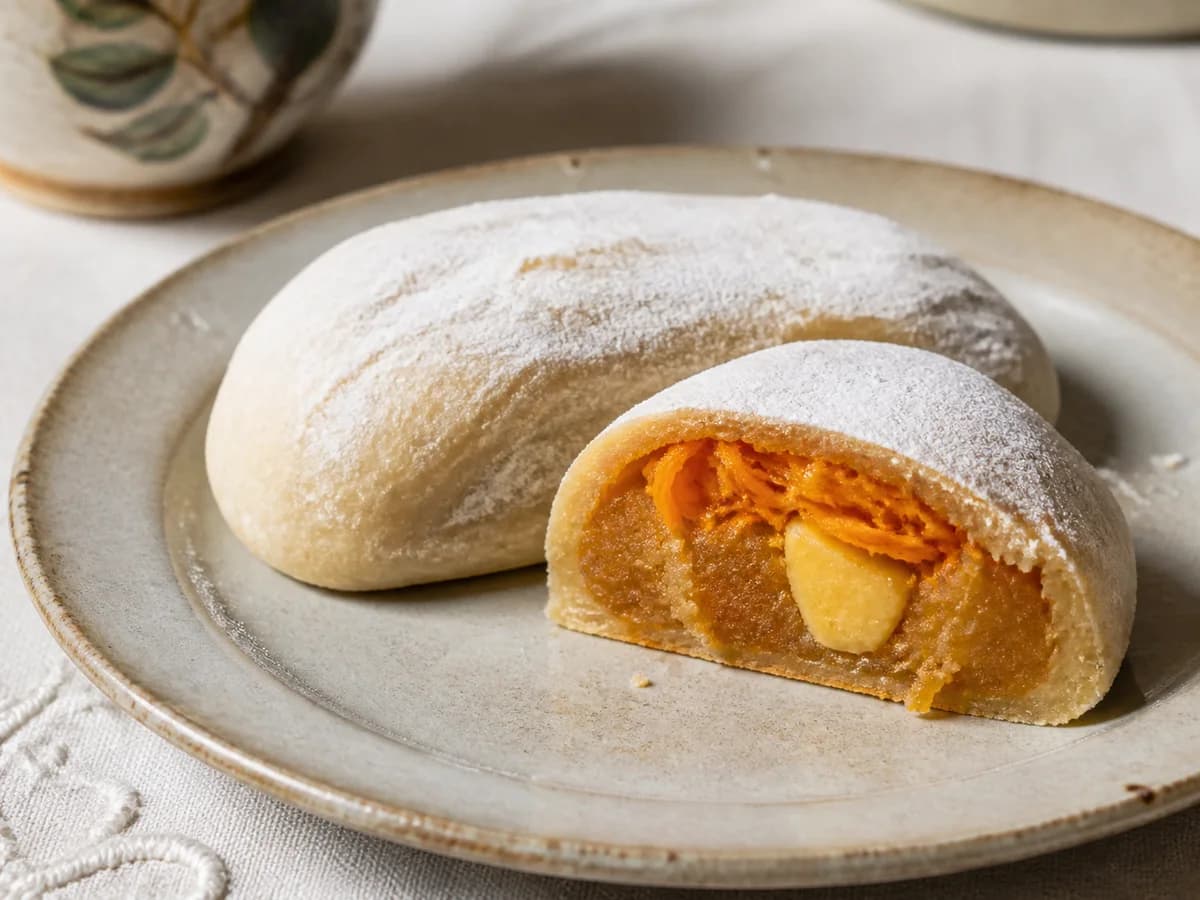
Pão de Rala
A convent sweet strongly associated with Évora, prepared with almonds, sugar, eggs and gila preserve.
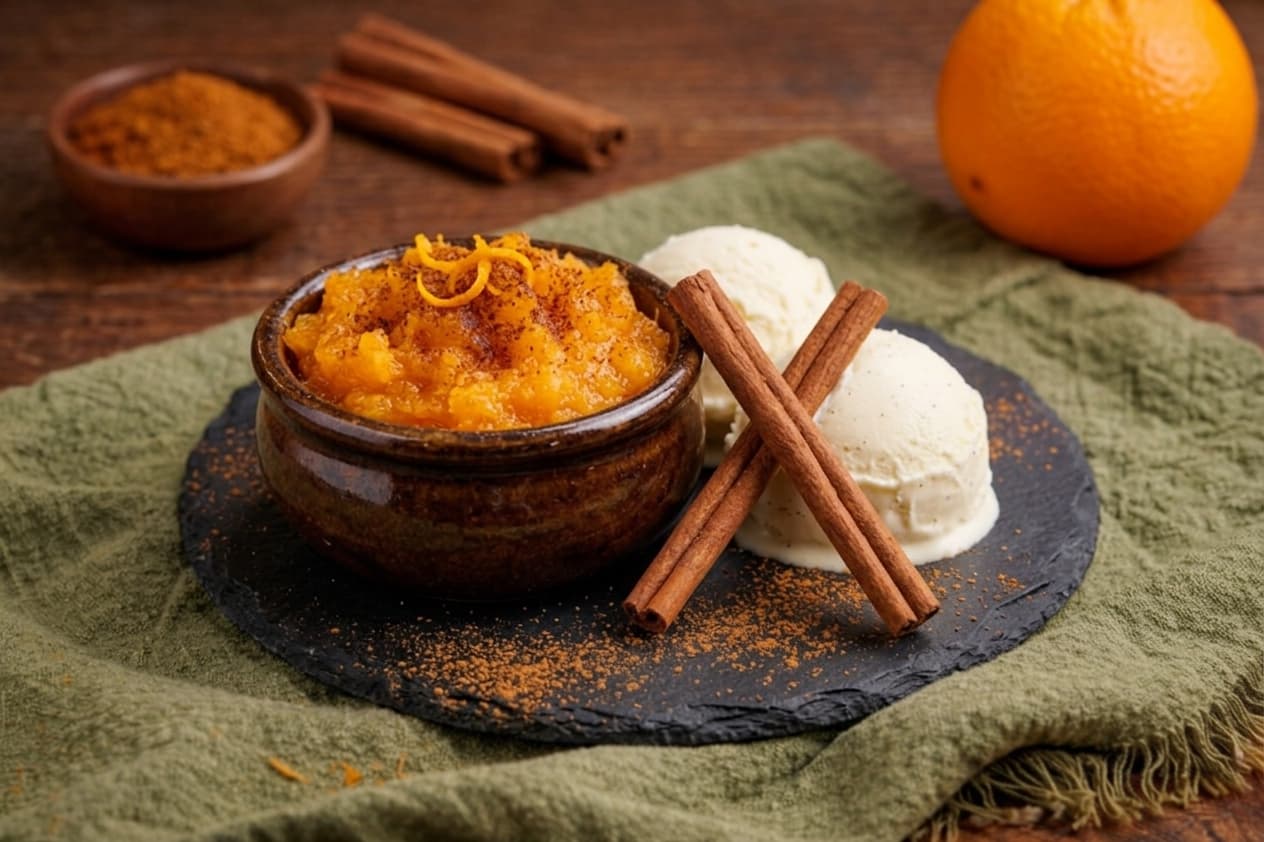
Encharcada
A rich convent sweet based on egg yolks and sugar.
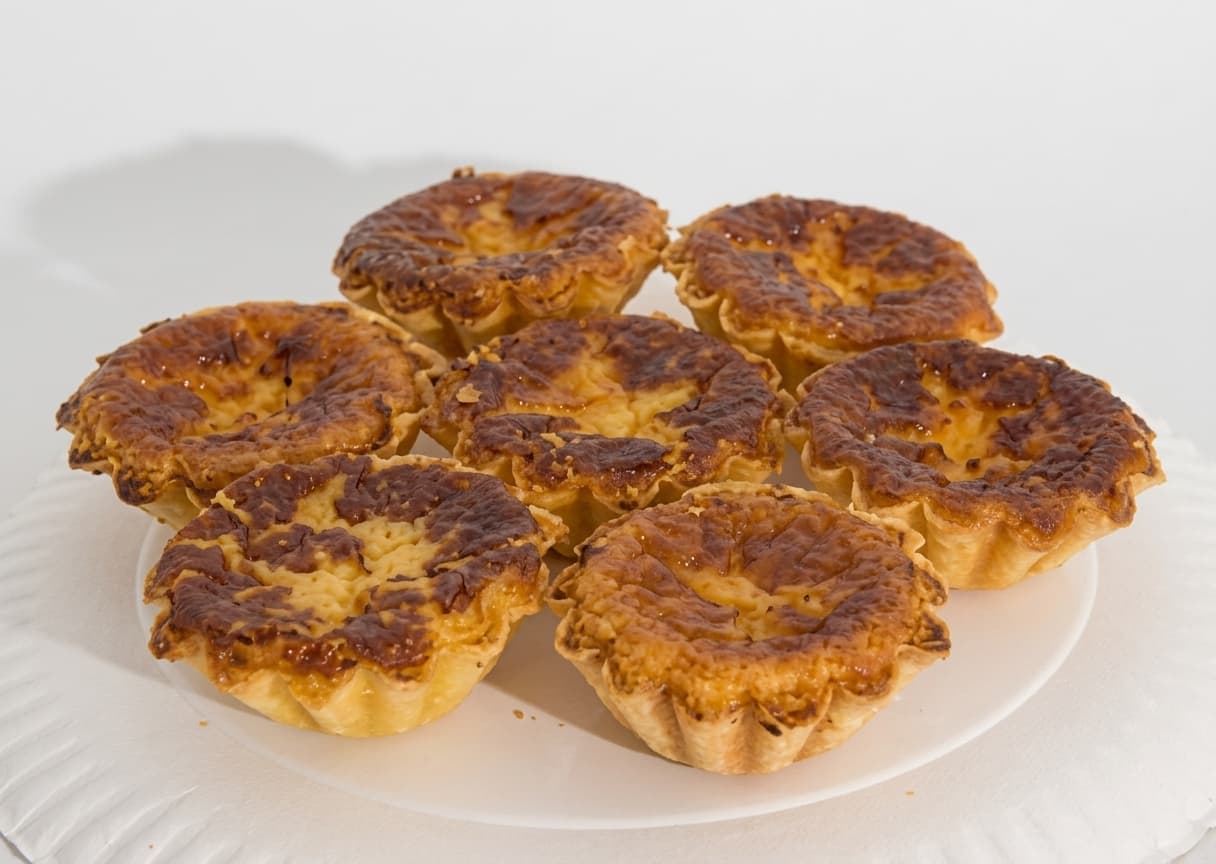
Queijadas de Évora
Small traditional queijadas from the region.
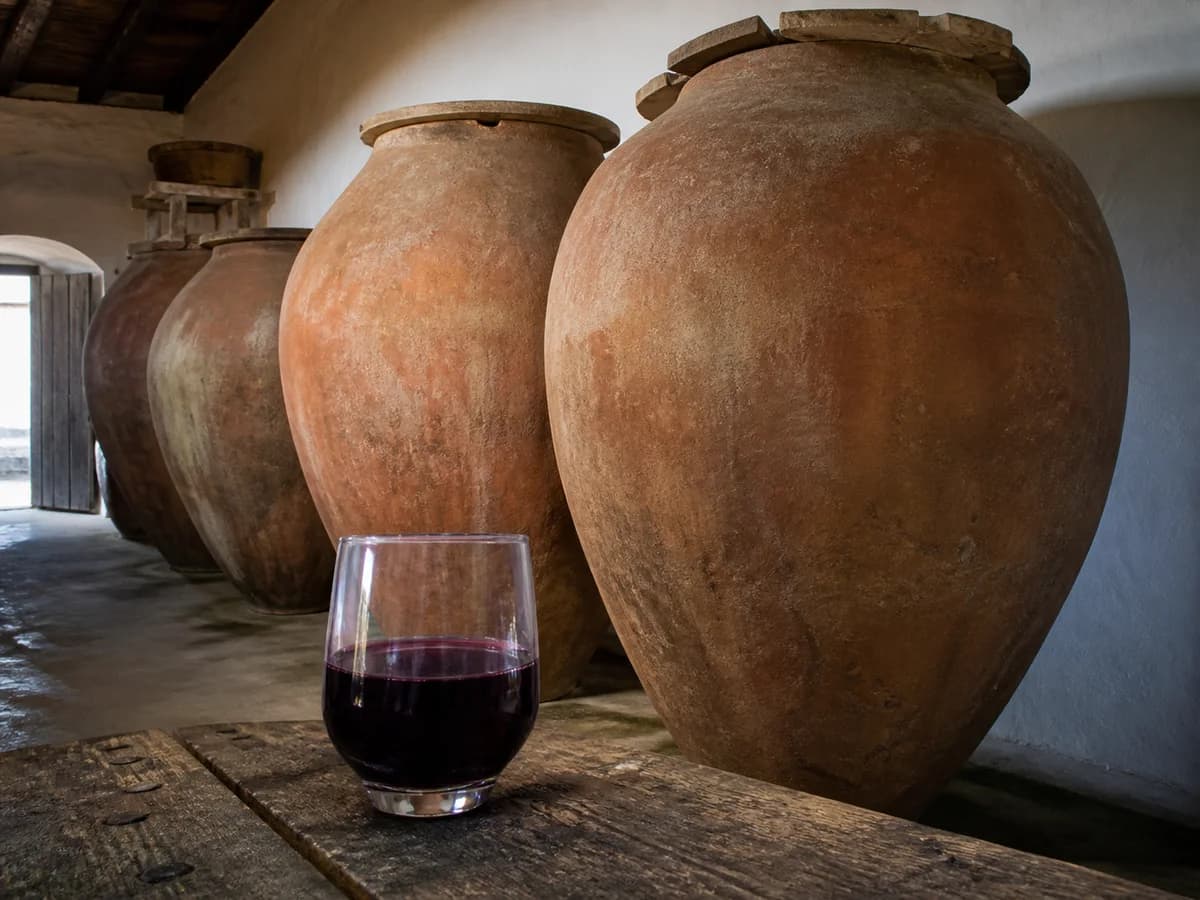
Vinho de Talha
An ancestral method of making wine in large clay vessels, particularly important in the district of Beja.
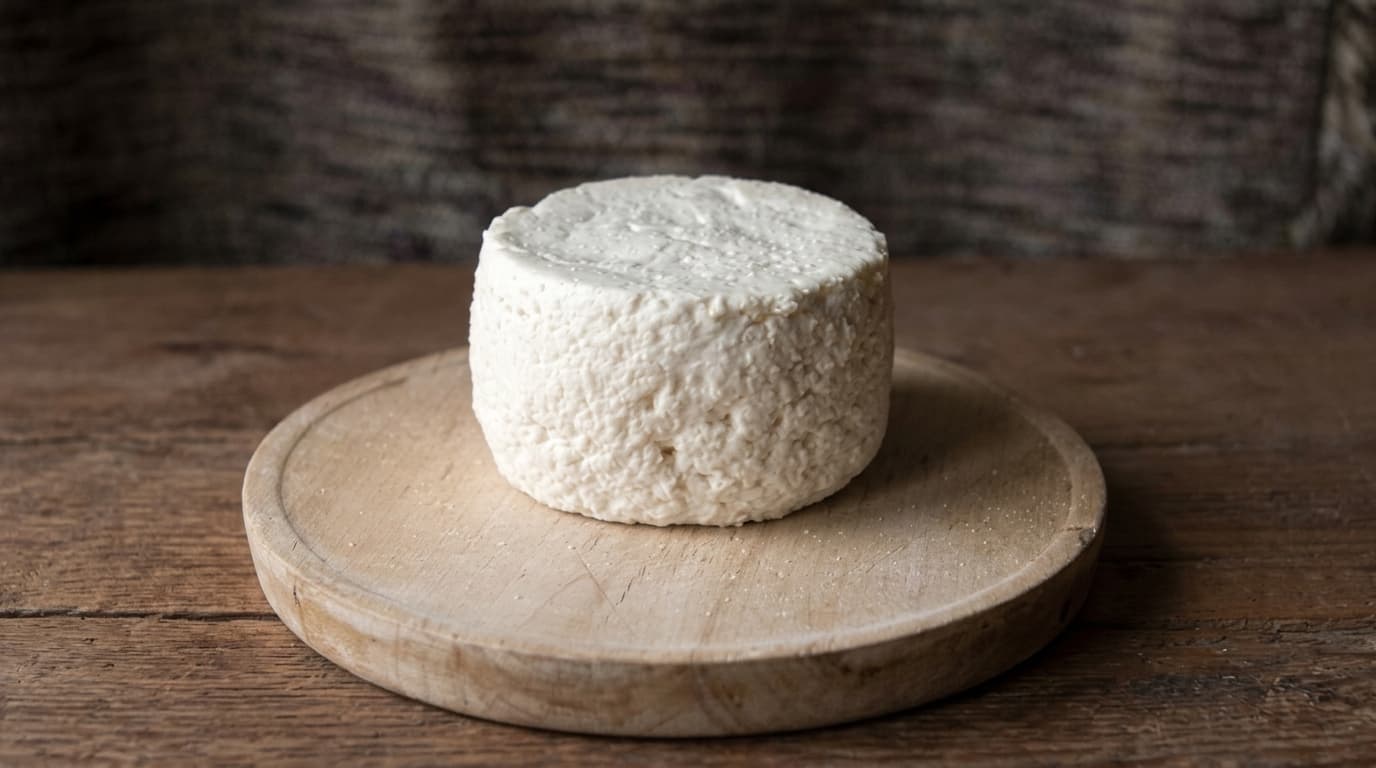
Queijo de Cabra do Algarve
A traditional Algarve goat’s cheese, appreciated for its fresh to firm texture and characteristic slightly tangy flavour.
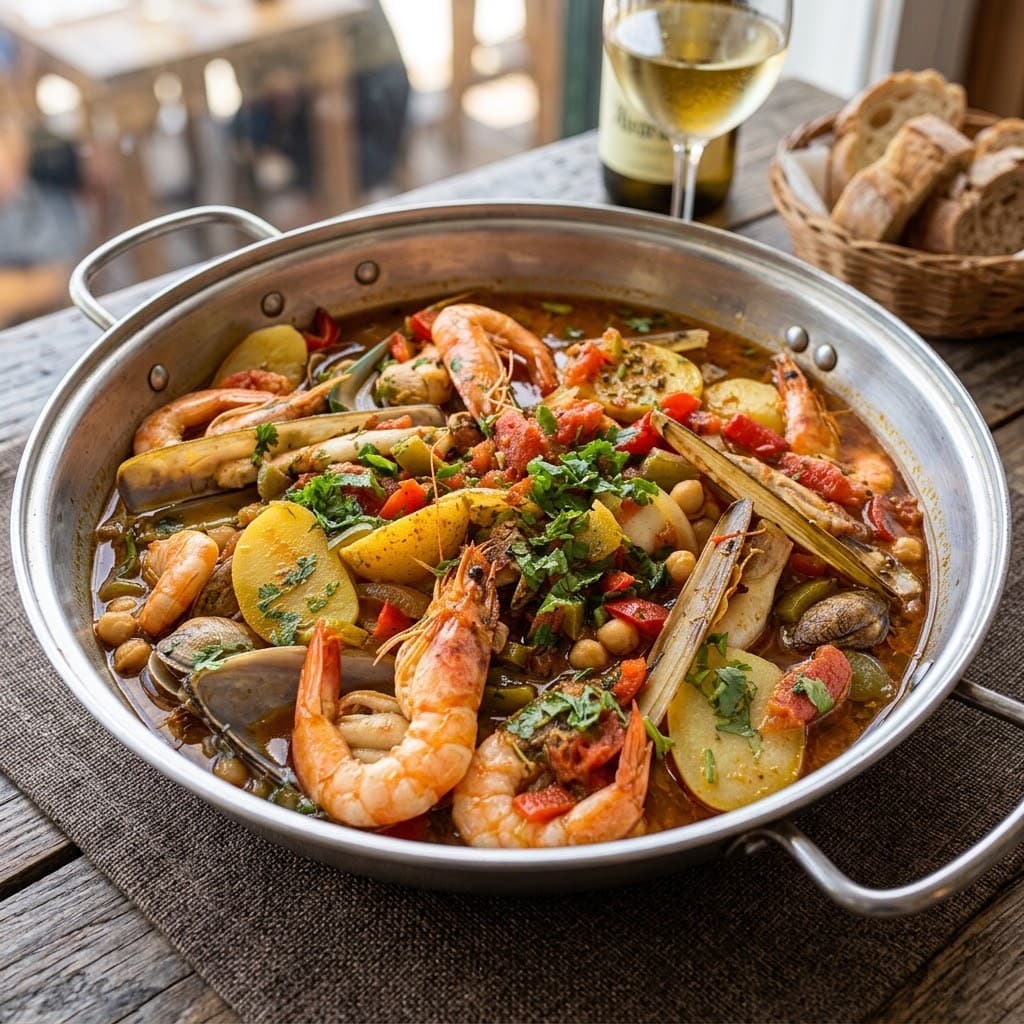
Cataplana de Marisco
Shellfish cooked in the traditional Algarve cataplana, usually with clams, prawns, tomato and aromatic herbs.
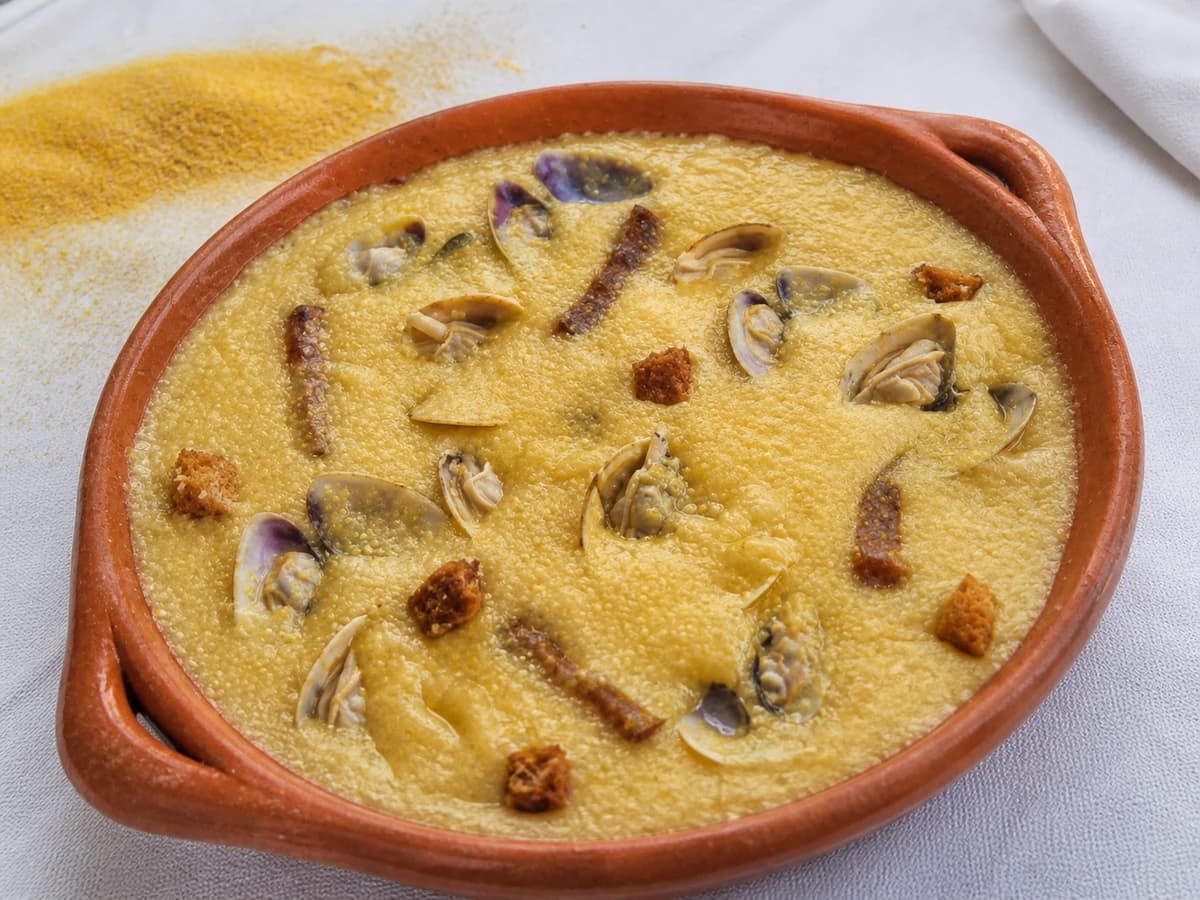
Xarém de Conquilhas
Creamy maize porridge with wedge clams, one of the Algarve’s most characteristic traditional dishes.
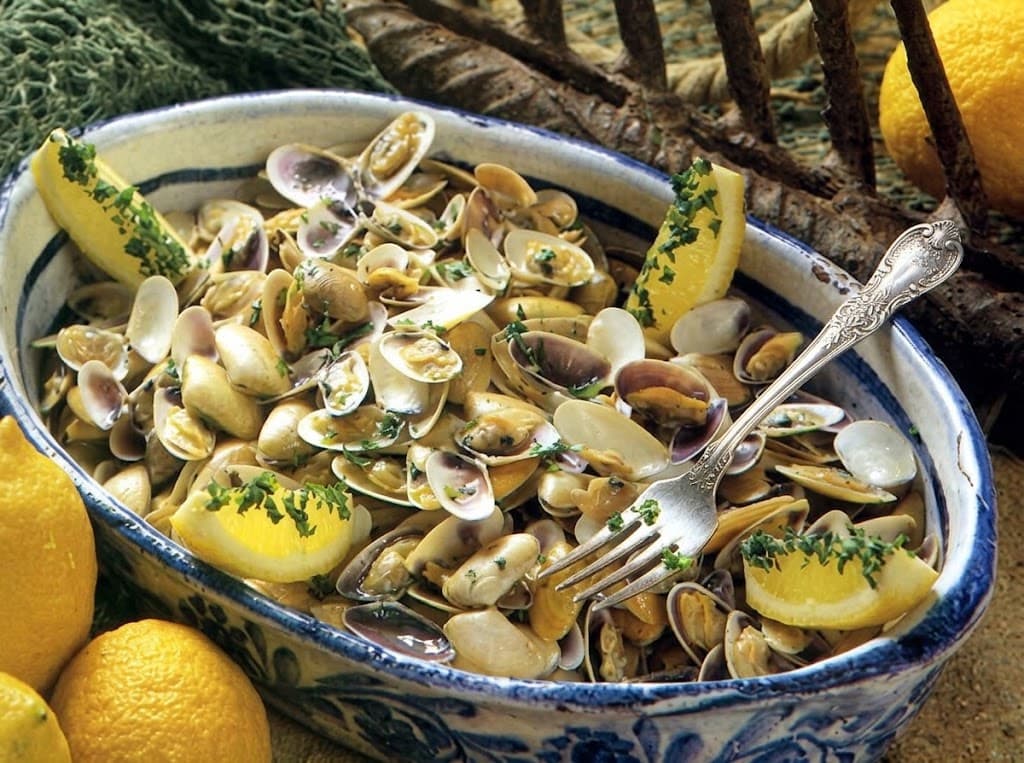
Conquilhas à Algarvia
Small clams cooked Algarve-style with garlic, olive oil, coriander and a splash of white wine.
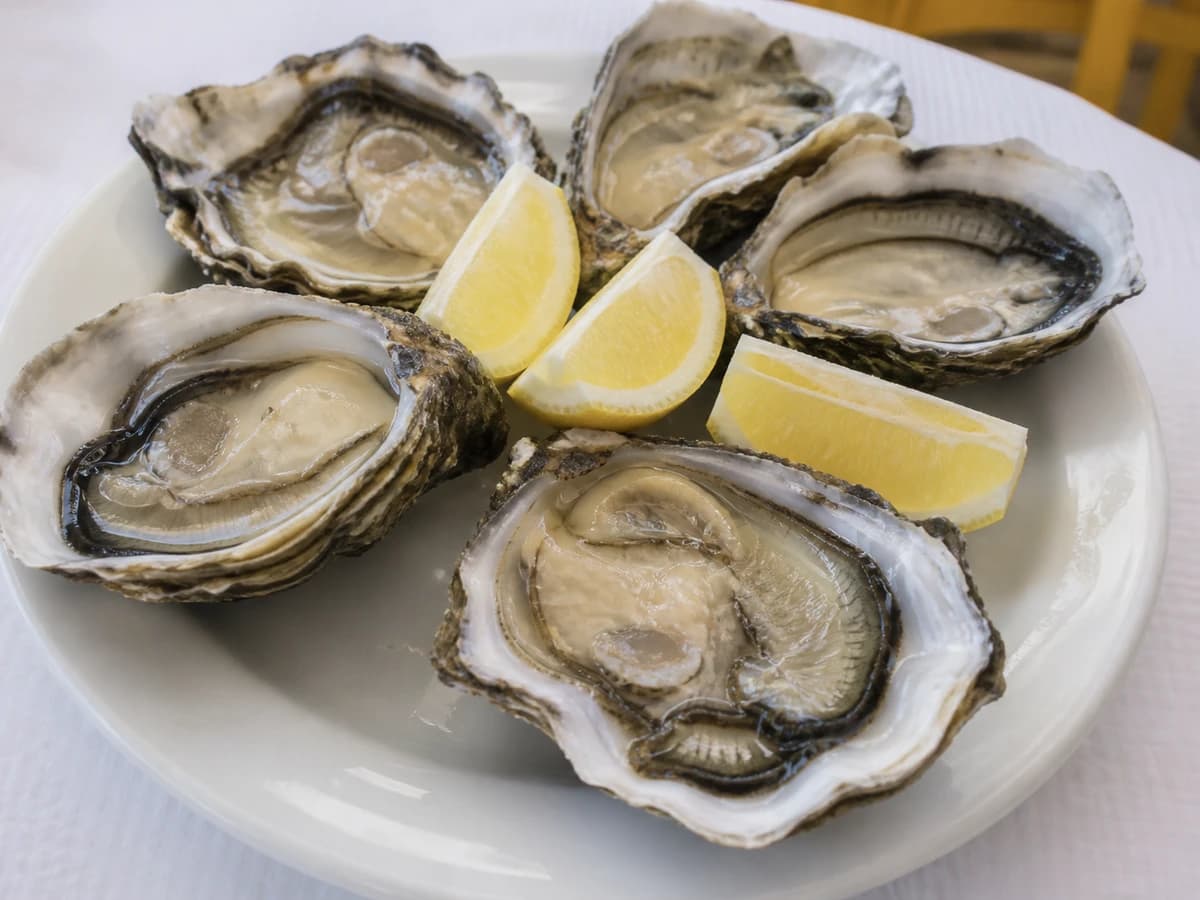
Ostras da Ria Formosa
Oysters from the Ria Formosa, closely associated with the food culture of Faro.
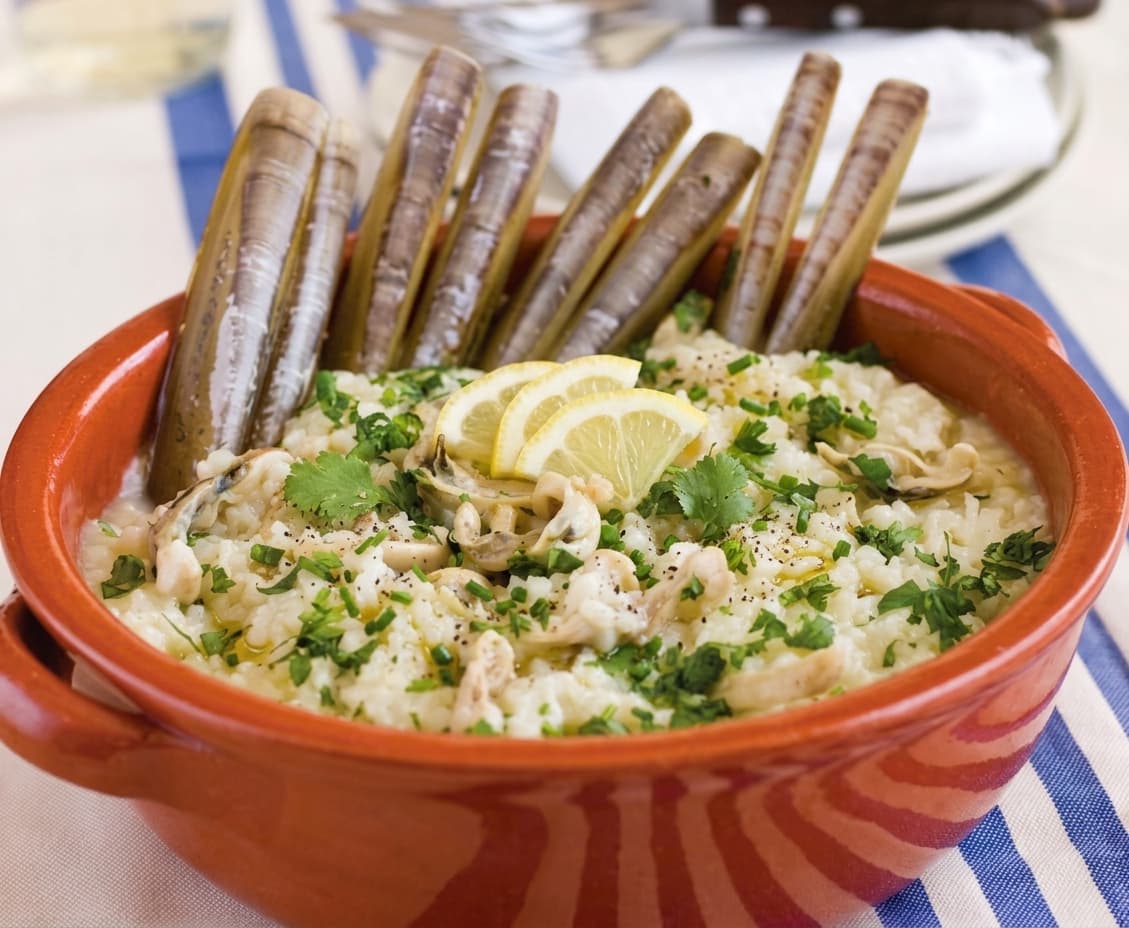
Arroz de Lingueirão
A loose, brothy rice prepared with razor clams, typical of the Algarve coast.
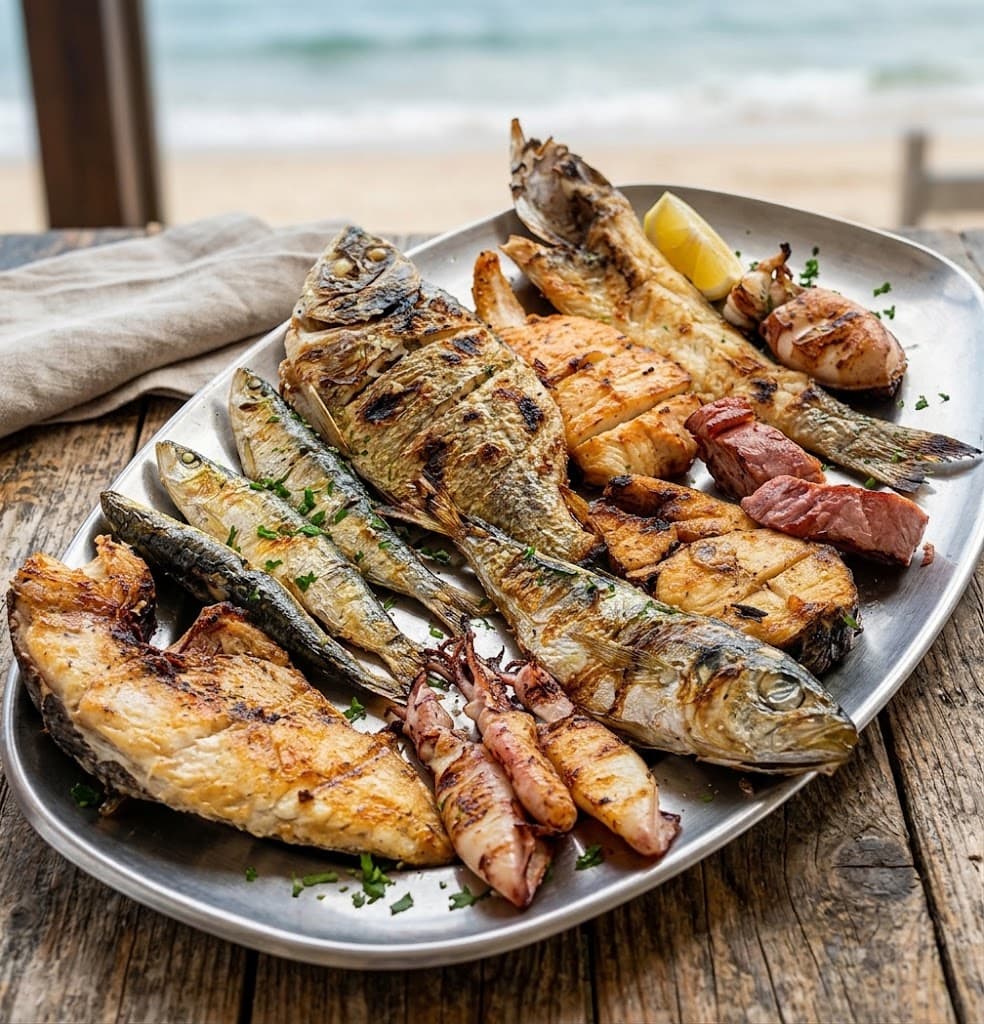
Peixe Grelhado
Sea bream, sea bass, sardines and other fresh fish are central to local cooking.
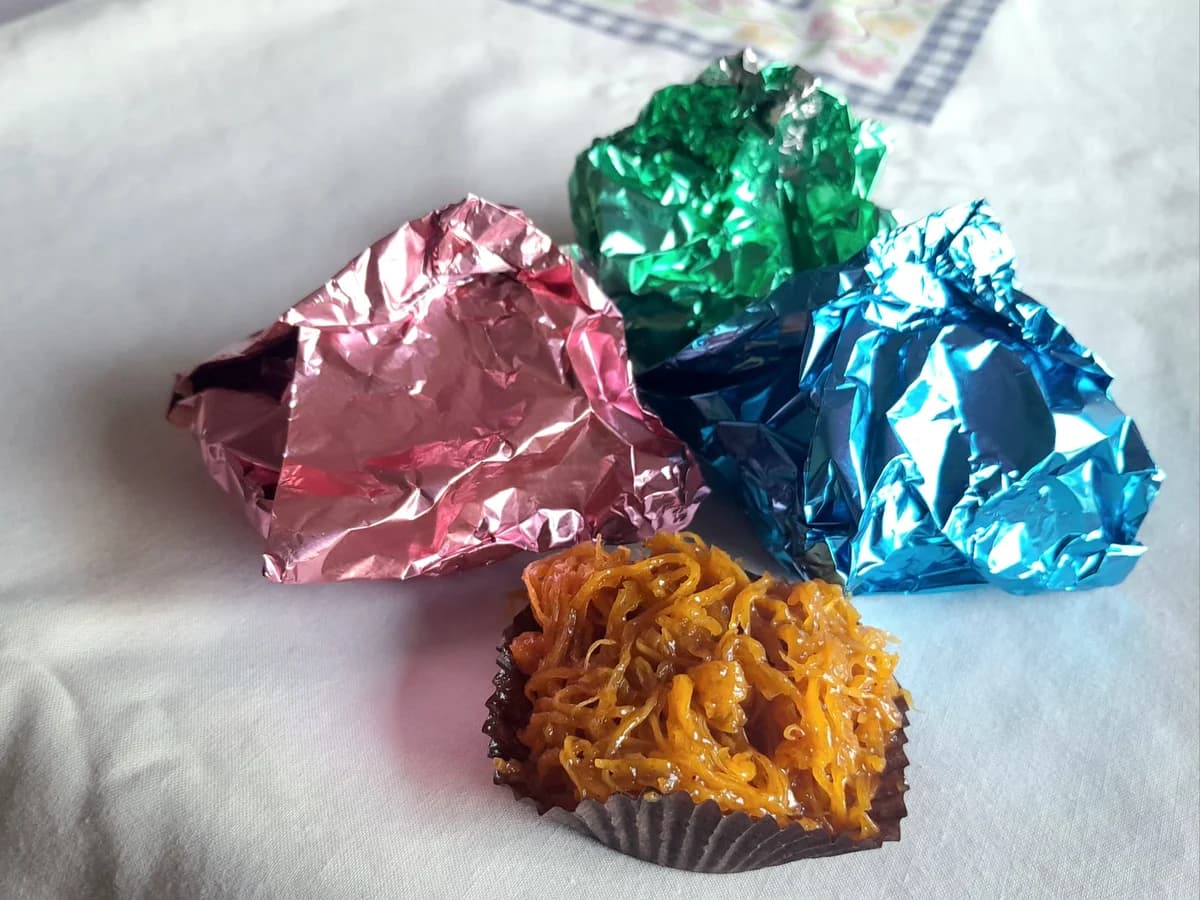
Dom Rodrigo
An Algarve sweet made mainly with egg threads, sugar and almonds.
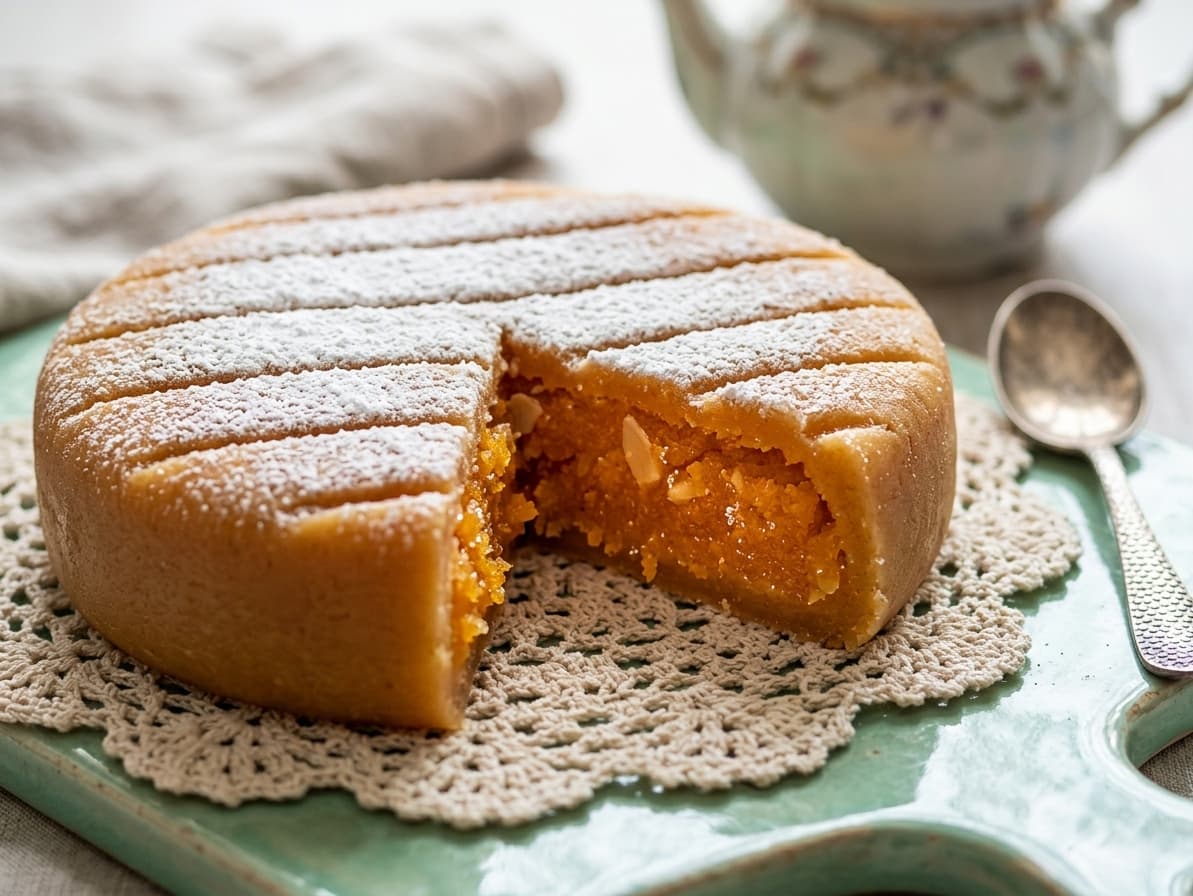
Morgado de Amêndoa
A traditional Algarve sweet based on almonds, sugar and eggs.
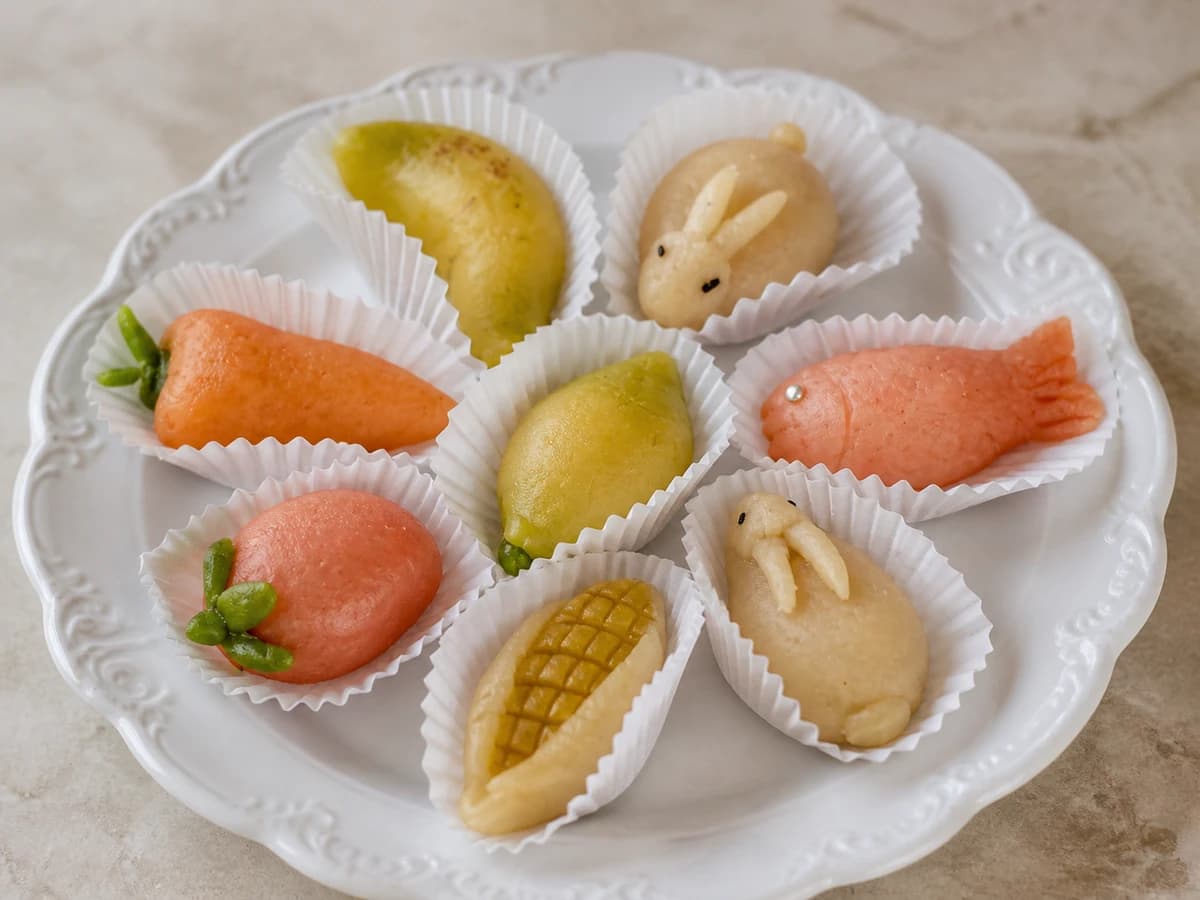
Doce Fino do Algarve
Small almond-paste sweets, often shaped like fruit and animals.
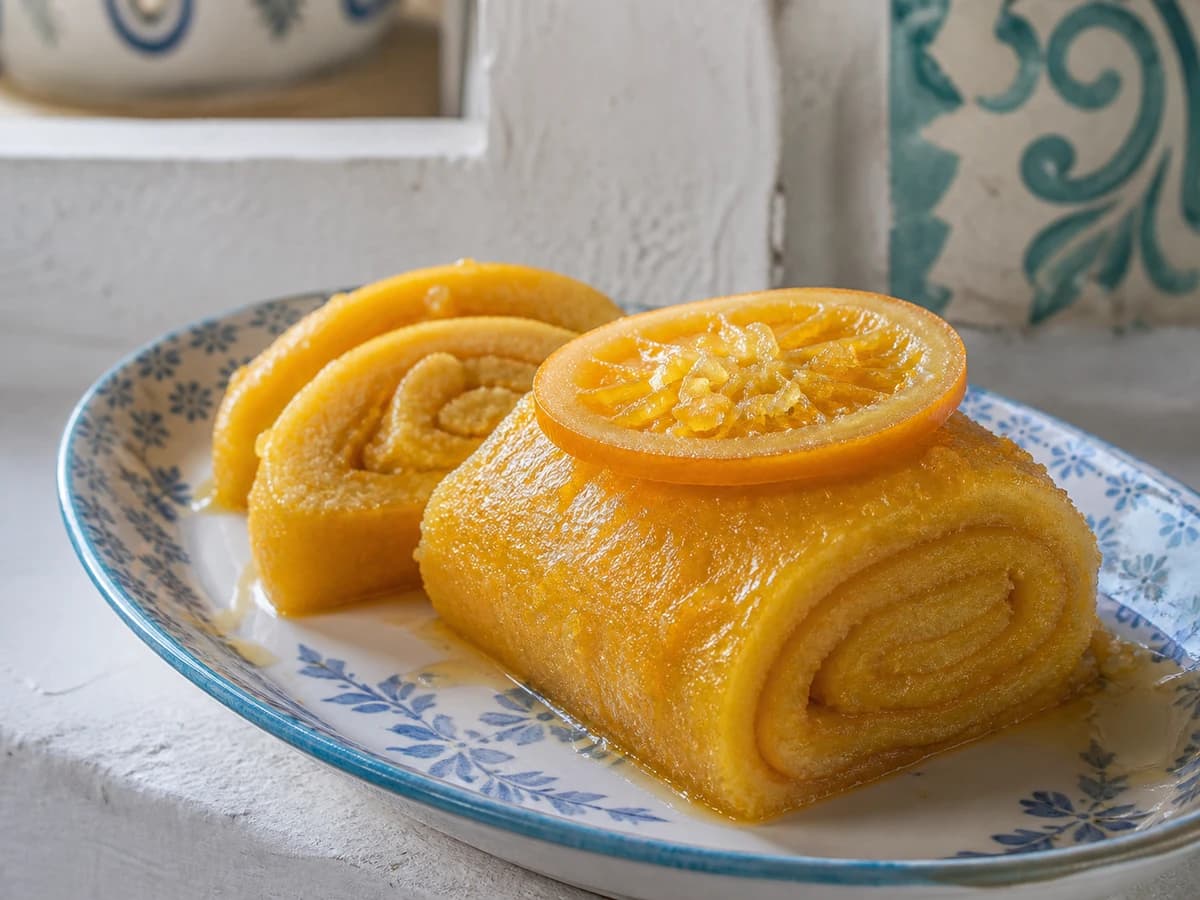
Torta de Laranja à Algarvia
A moist Algarve orange roll with a bright citrus flavour and a soft, delicate spiral.
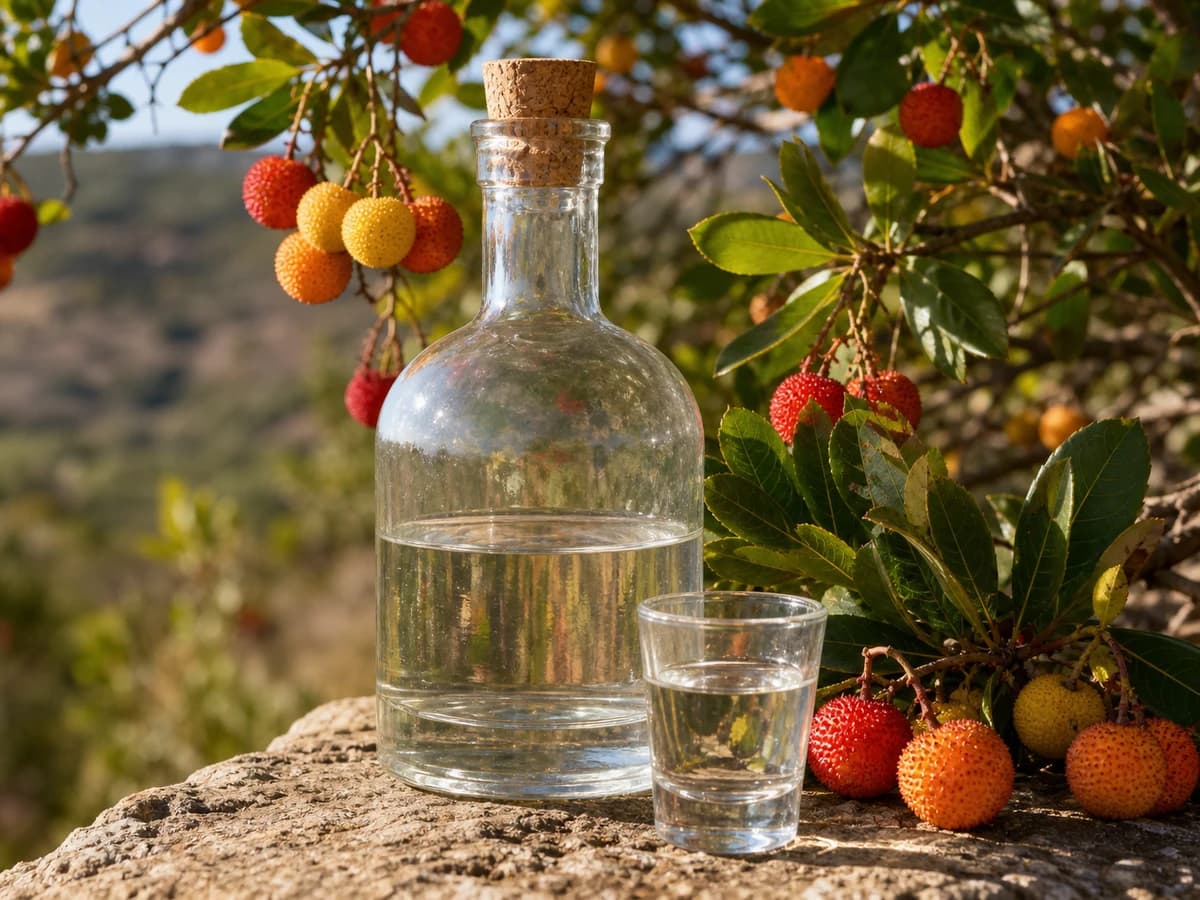
Medronho
A traditional Algarve spirit distilled from the fruit of the strawberry tree.
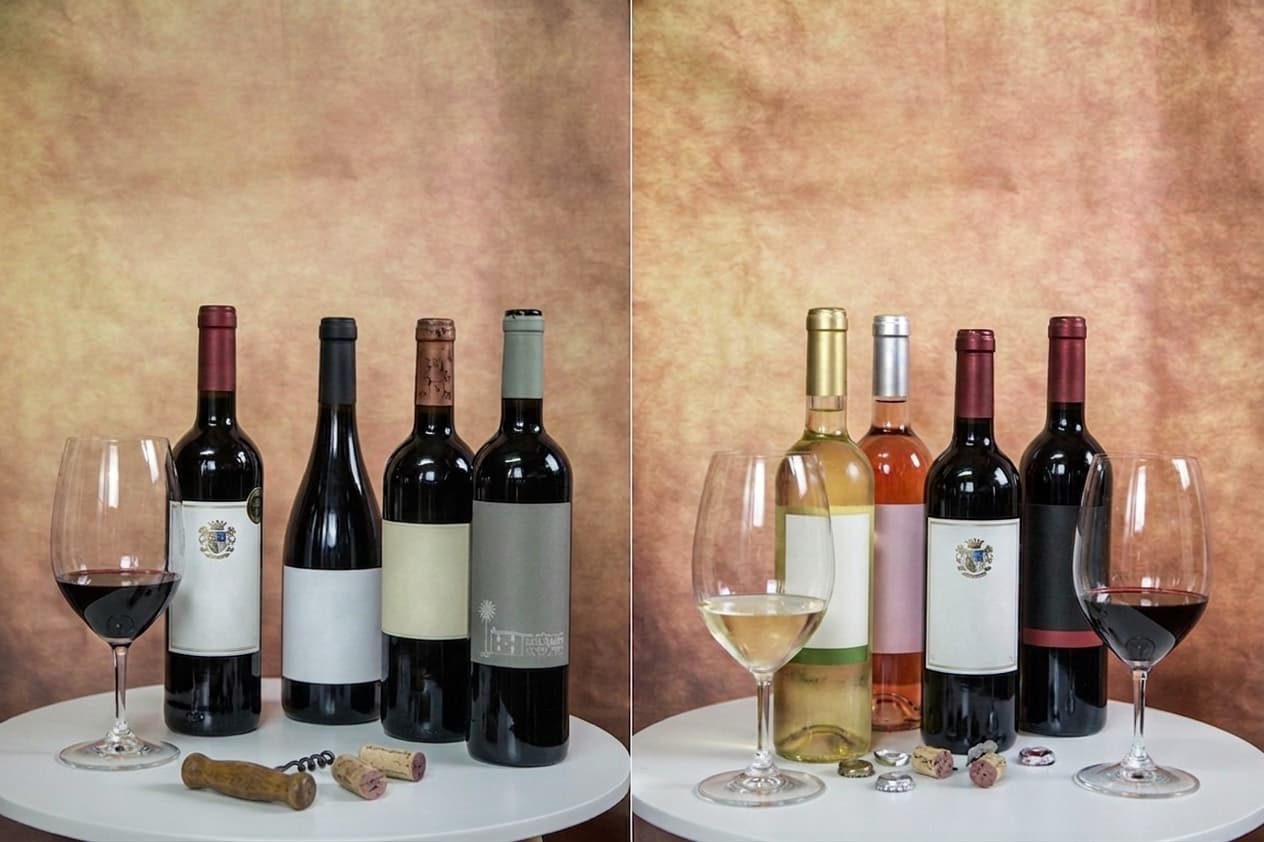
Vinhos do Algarve
Regional wines produced across the Algarve’s different wine-growing areas.
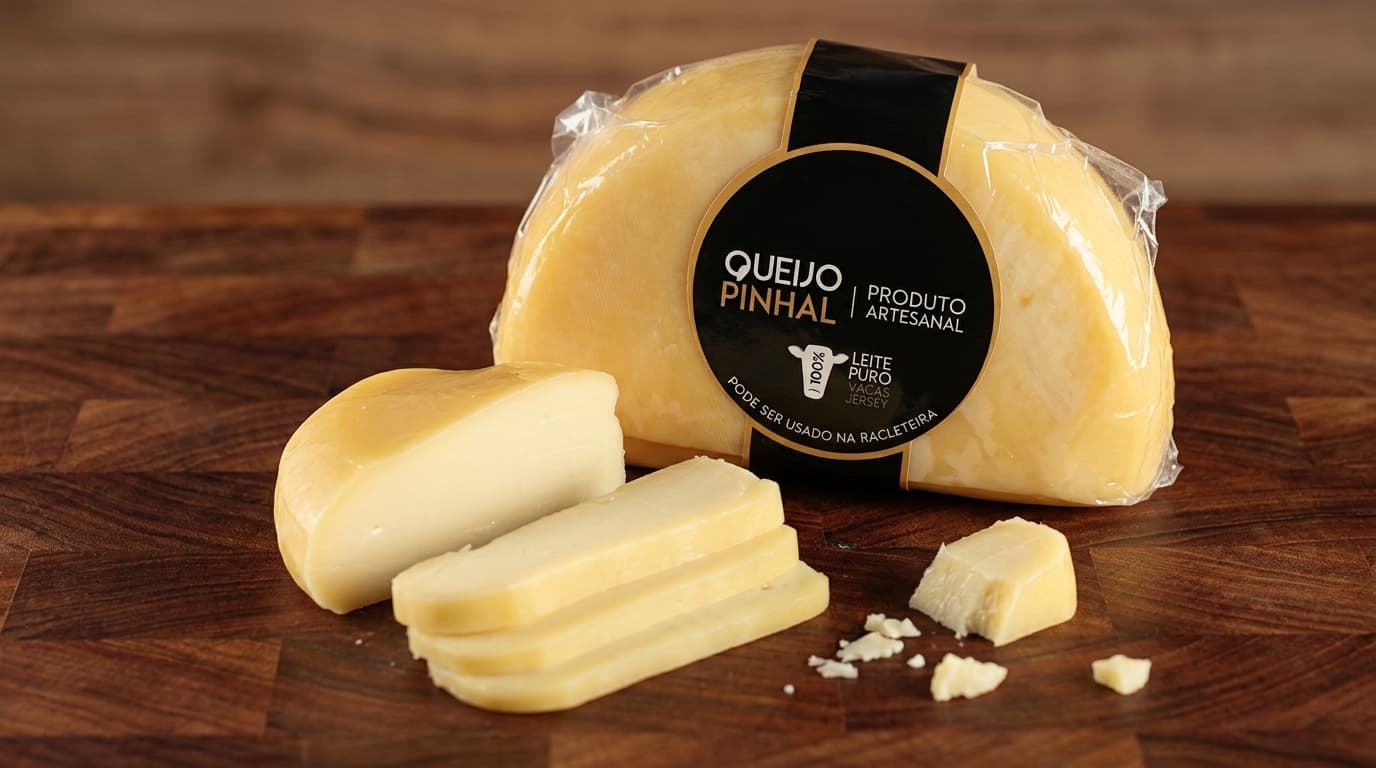
Queijo de Cabra do Pinhal Maior
A traditional goat’s cheese from the Pinhal Maior area of central Portugal, with a characteristic flavour that becomes more intense as it matures.
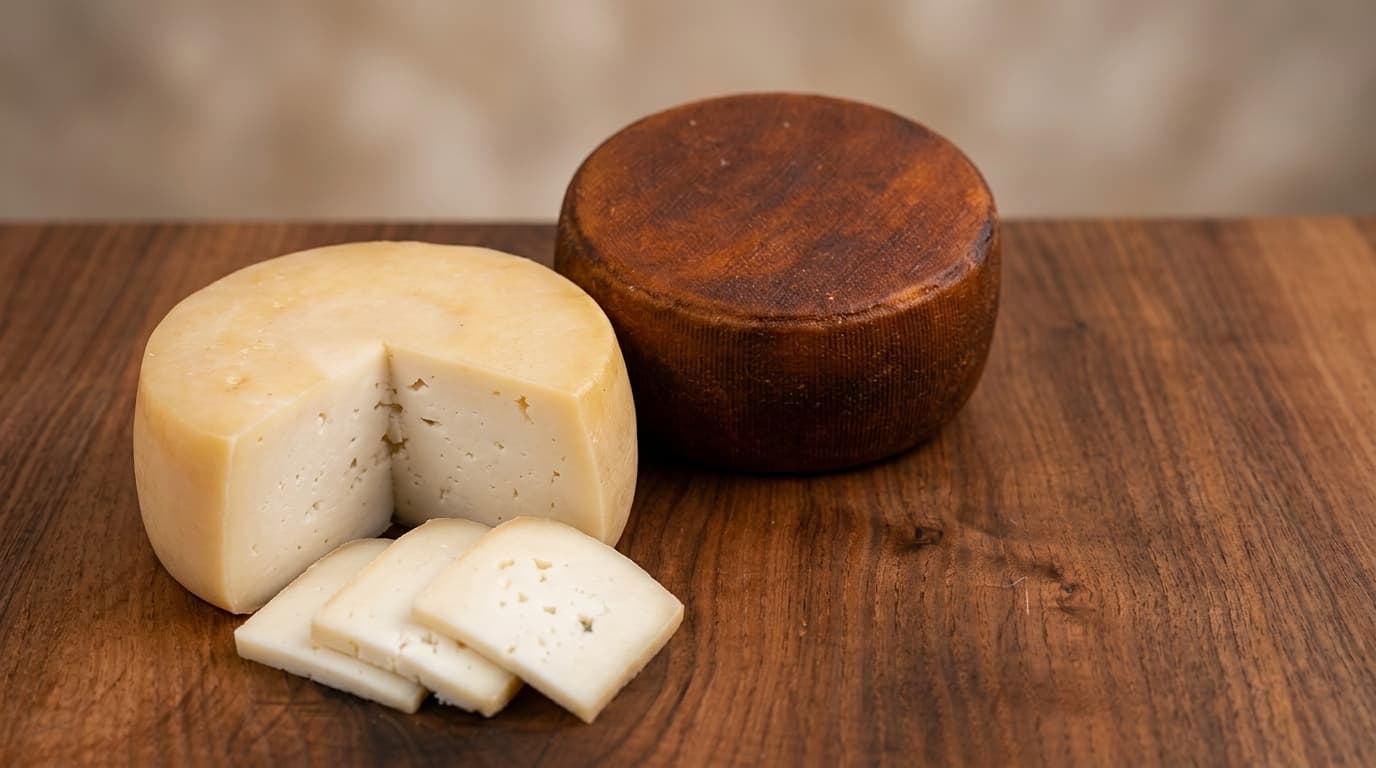
Queijo de Cabra das Beiras
A traditional goat’s cheese from the Beiras, appreciated for its characteristic flavour and firm texture when matured.
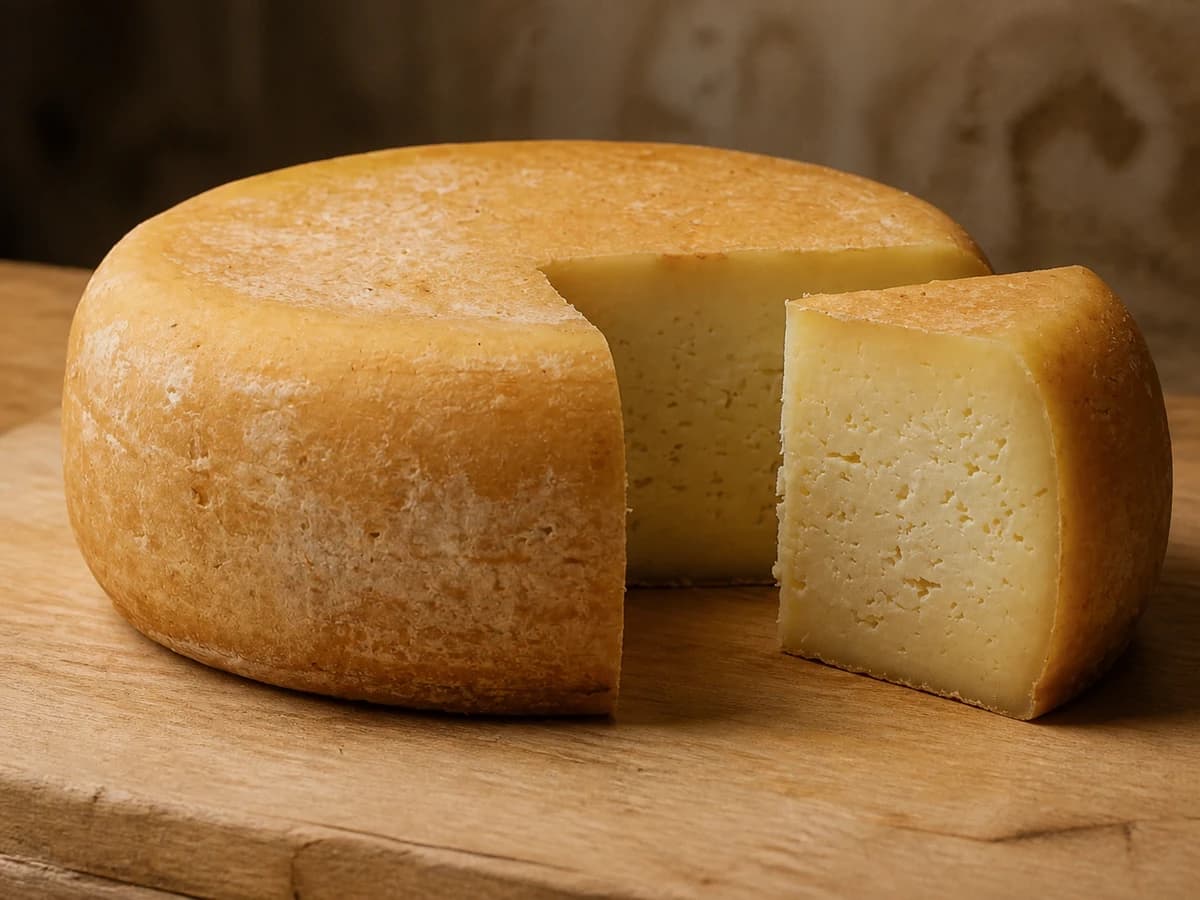
Queijo da Beira Baixa DOP
A PDO designation covering Castelo Branco, Amarelo da Beira Baixa and Picante da Beira Baixa cheeses.
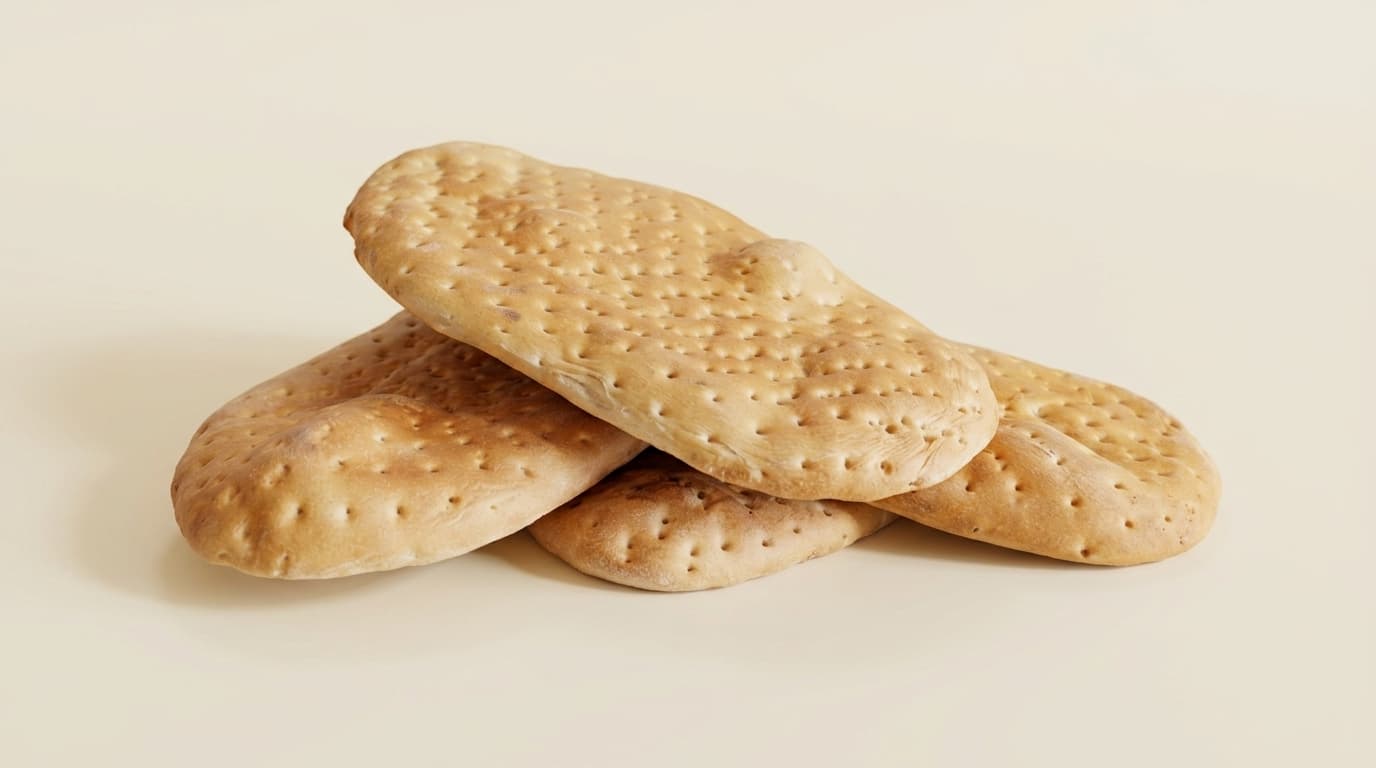
Bicas
A traditional rustic bread from Beira Baixa, particularly associated with Castelo Branco.
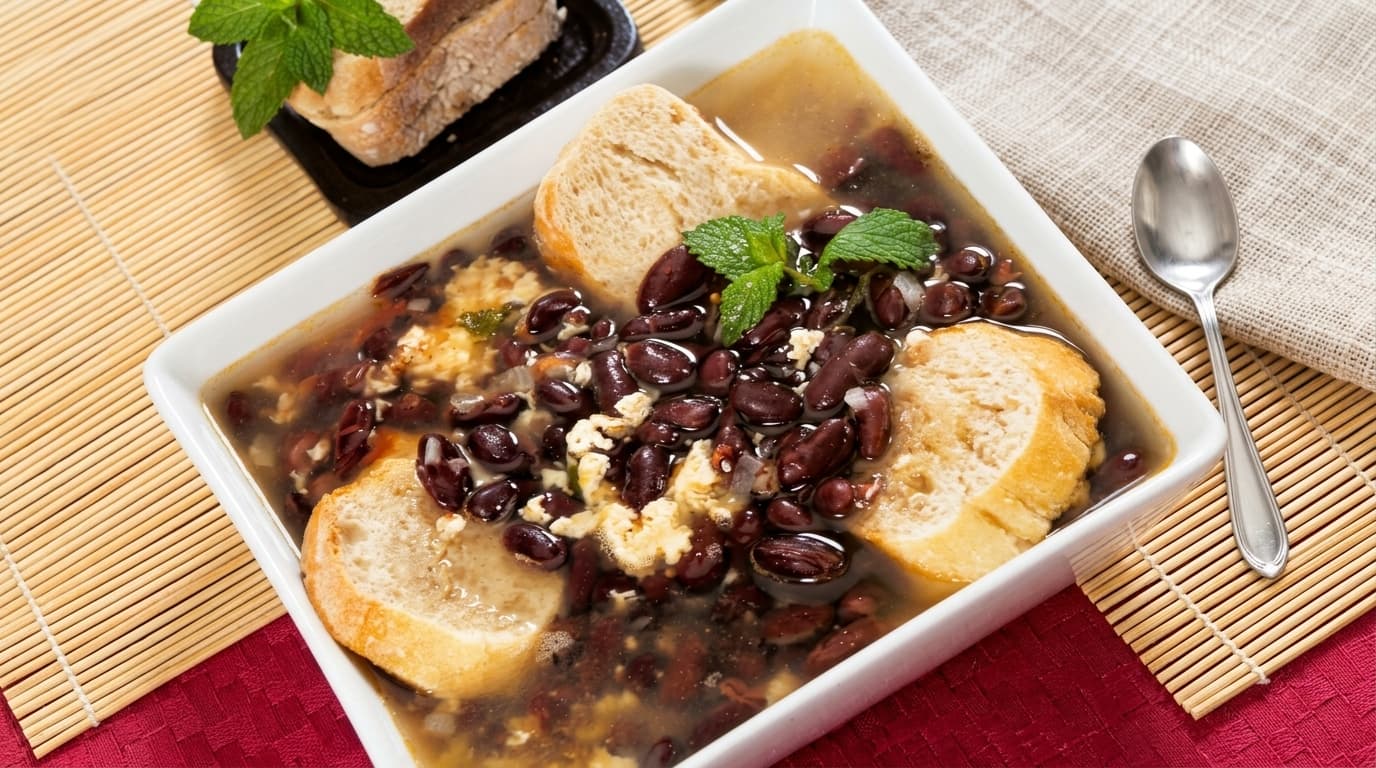
Sopa de Matação
A traditional Beira Baixa soup associated with the annual pig slaughter, prepared with pork, bread and the rich flavours of the slaughter feast.
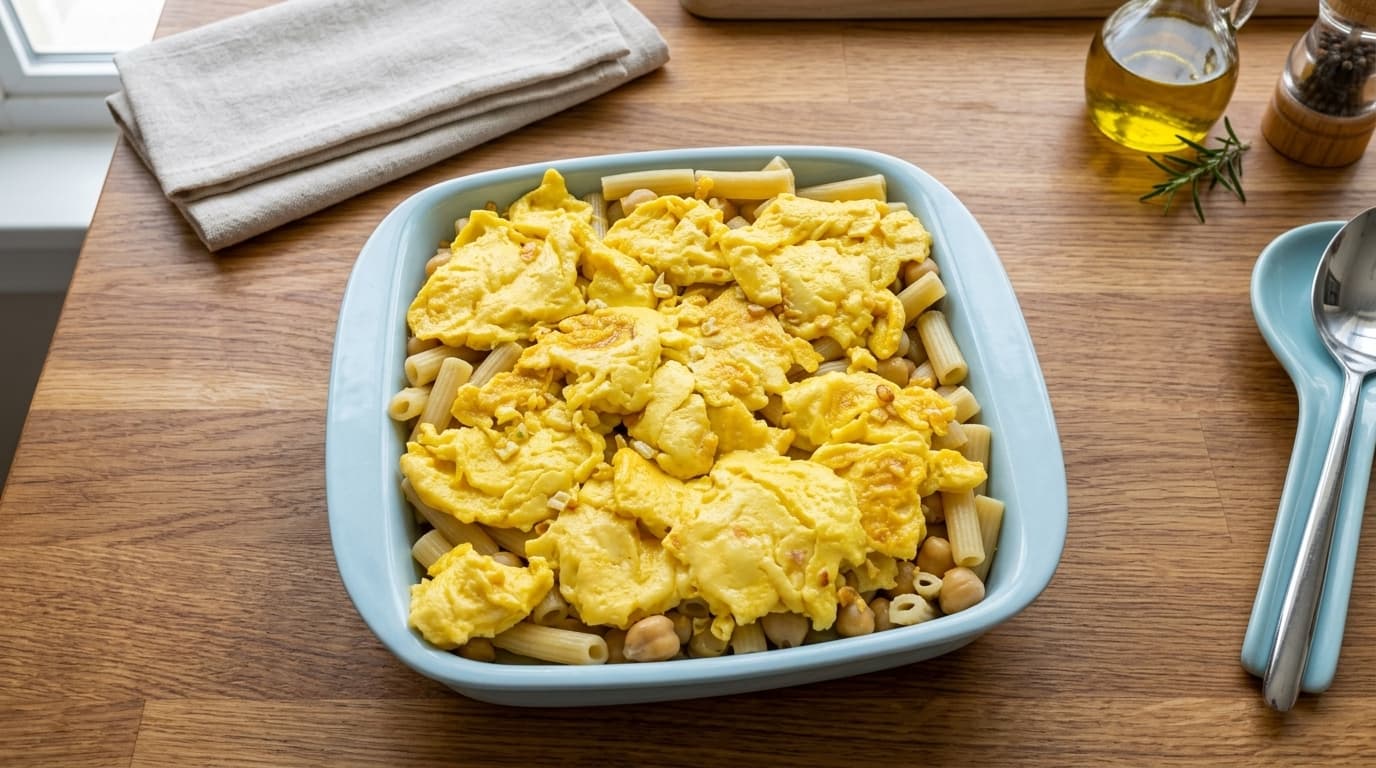
Sopa de Grão dos Casamentos de Monforte da Beira
A traditional chickpea soup from Monforte da Beira, historically associated with wedding celebrations.
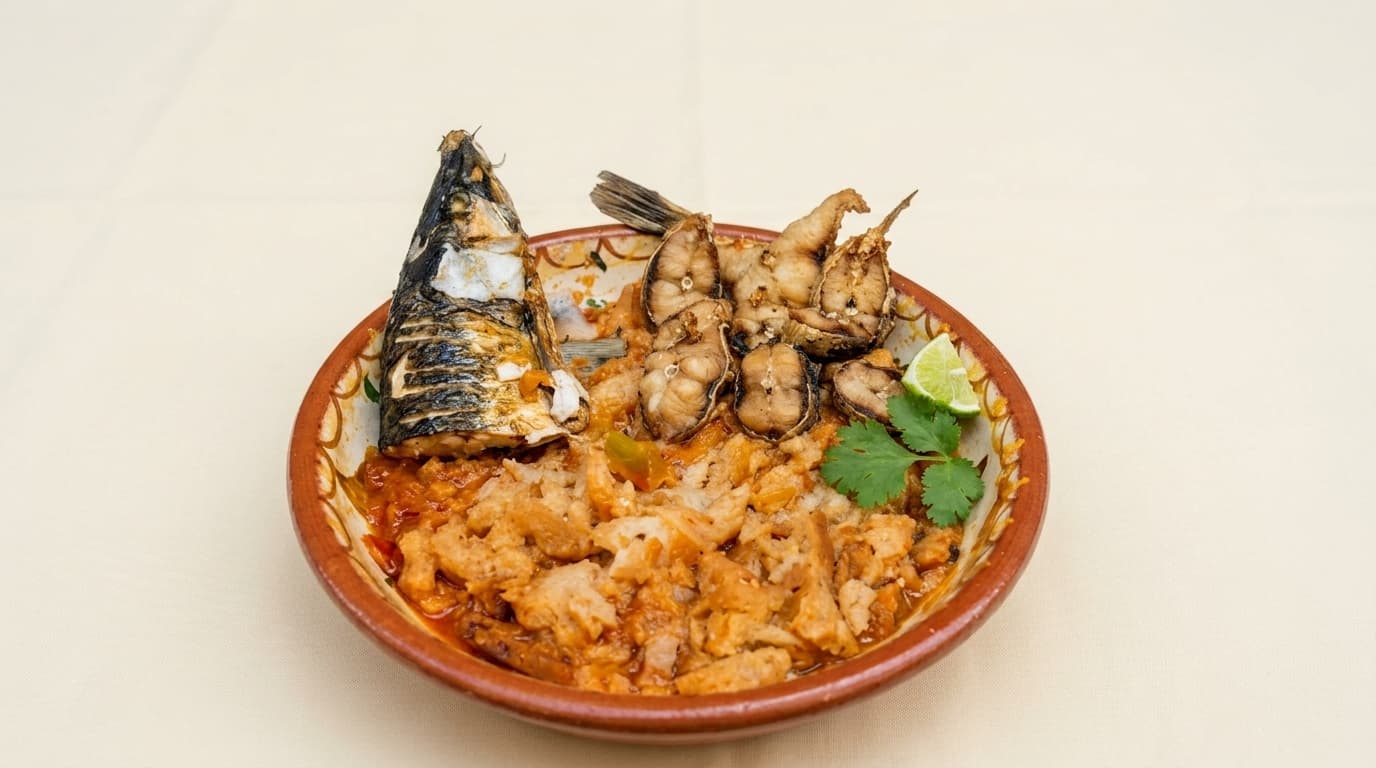
Miga de Peixe de Malpica do Tejo
A traditional fish and bread dish from Malpica do Tejo, rooted in the riverside cuisine of the Tagus.
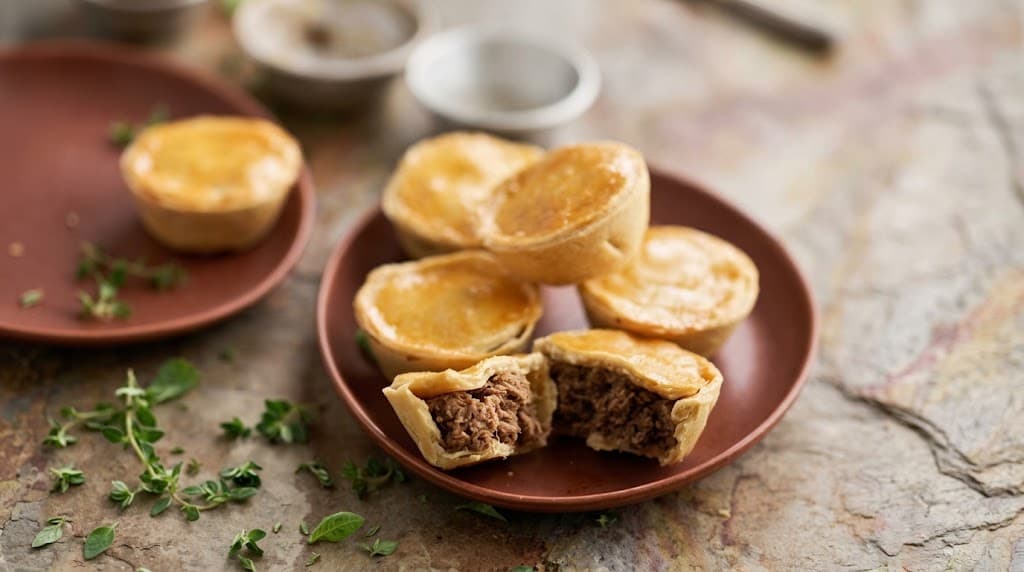
Empadas de Castelo Branco
Traditional savoury pies from Castelo Branco, filled with seasoned meat and enclosed in a golden pastry crust.
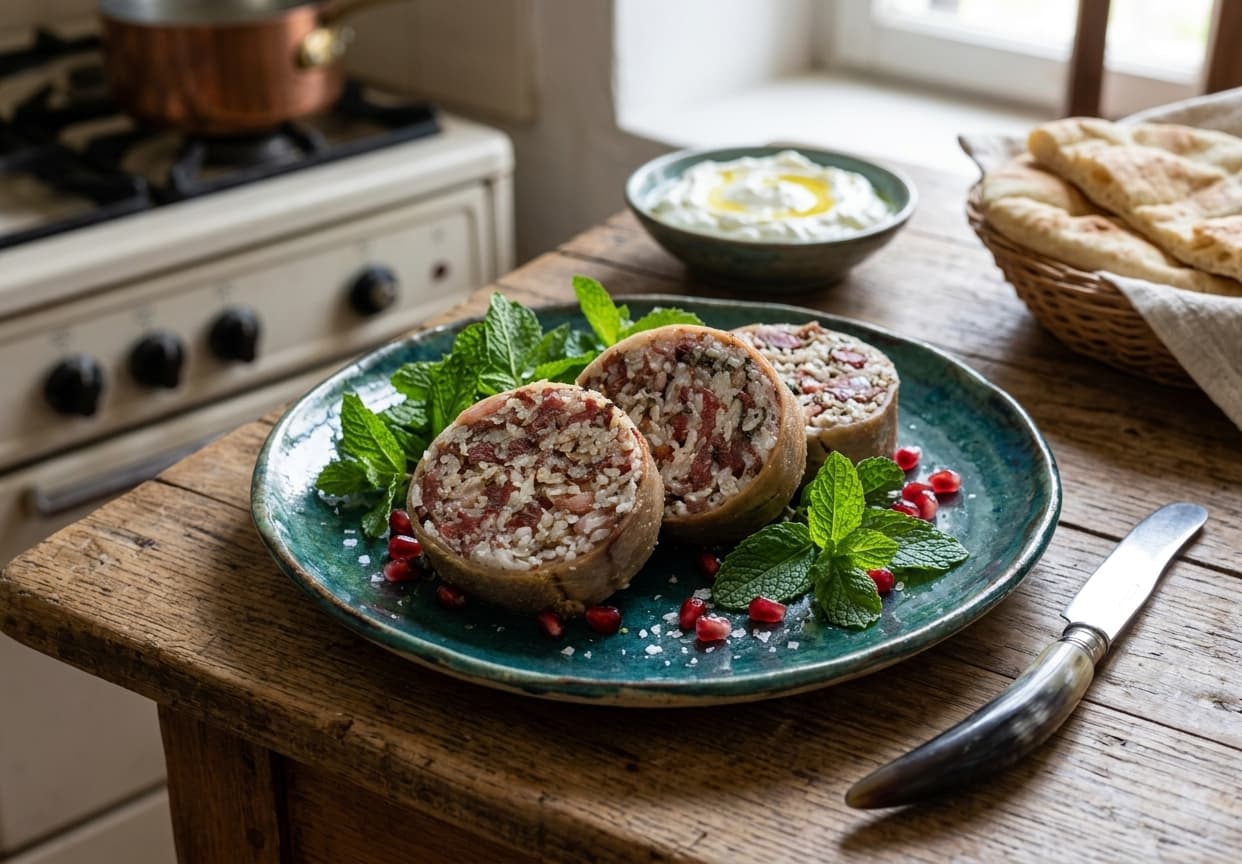
Maranhos
A traditional speciality made with goat or lamb, rice, cured ham and aromatic herbs, deeply characteristic of Beira Baixa.
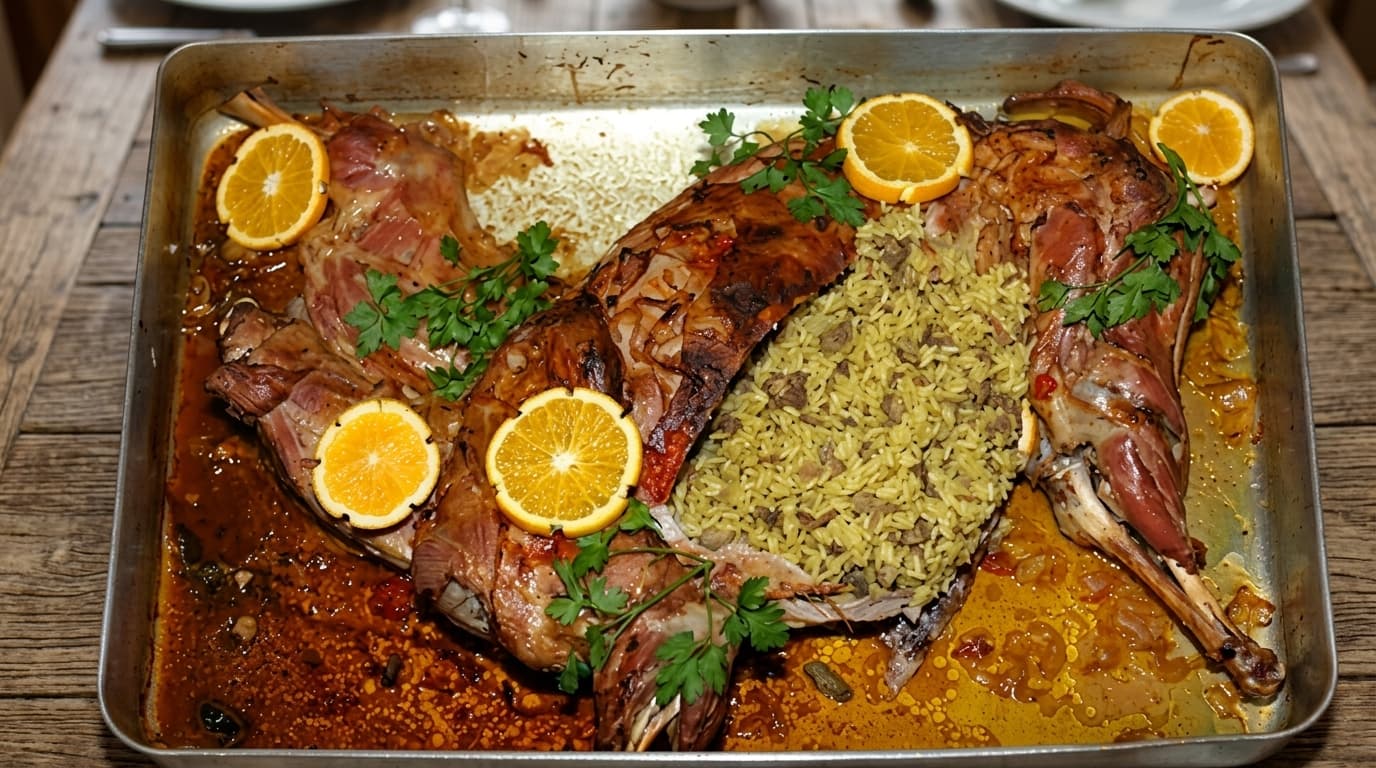
Cabrito Recheado
A traditional Castelo Branco dish of young goat stuffed with a savoury mixture and slowly roasted in the oven.
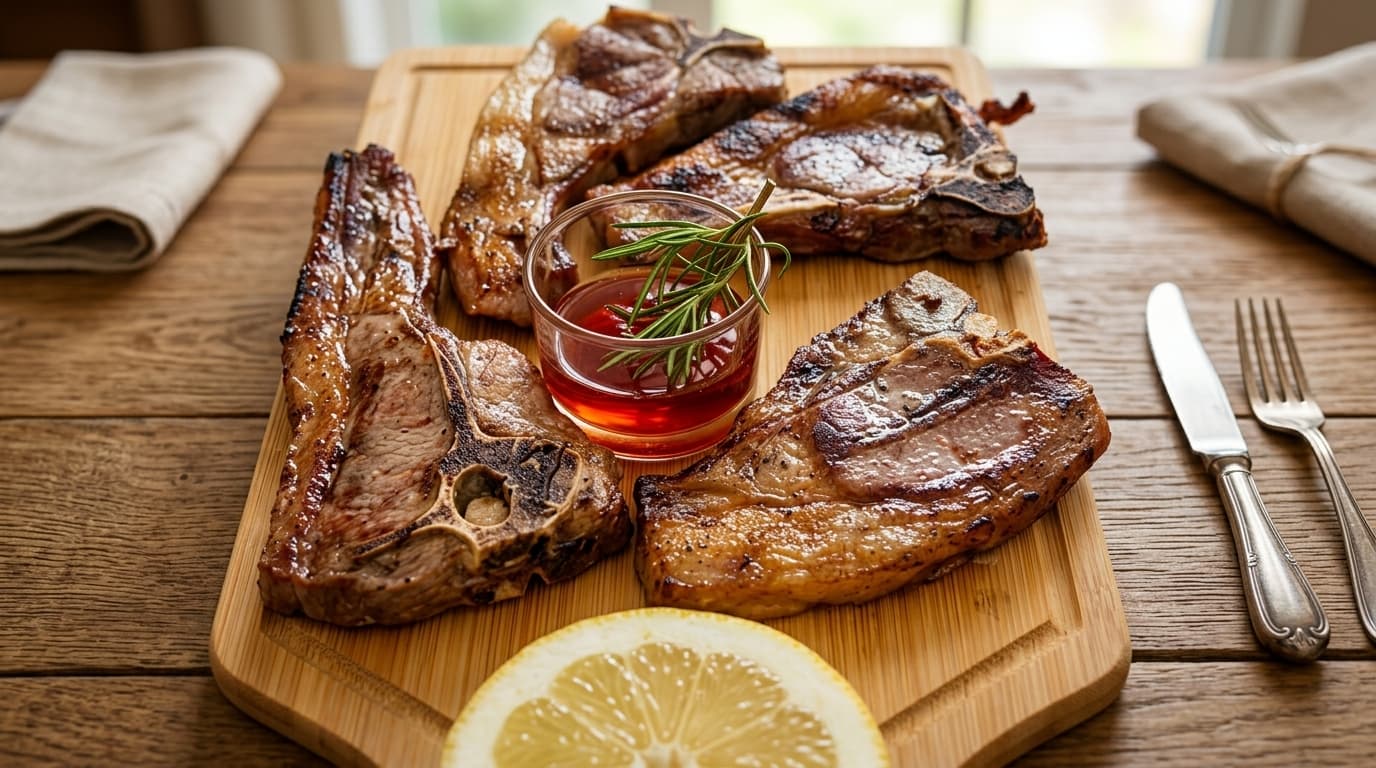
Costeletas de Javali de Penha Garcia
A traditional game dish from Penha Garcia, prepared with wild boar chops seasoned with aromatic herbs and grilled or roasted.
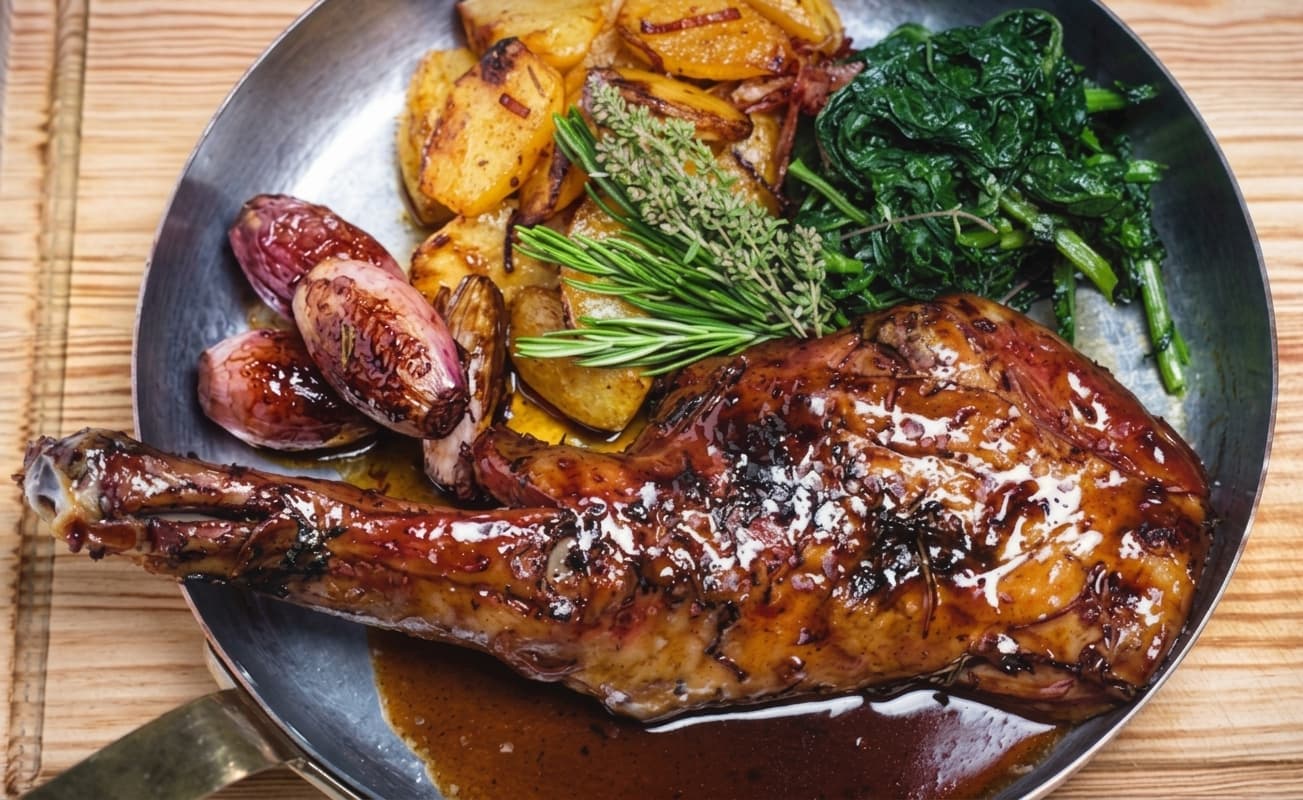
Cabrito Assado
Oven-roasted kid goat, frequently served with potatoes.
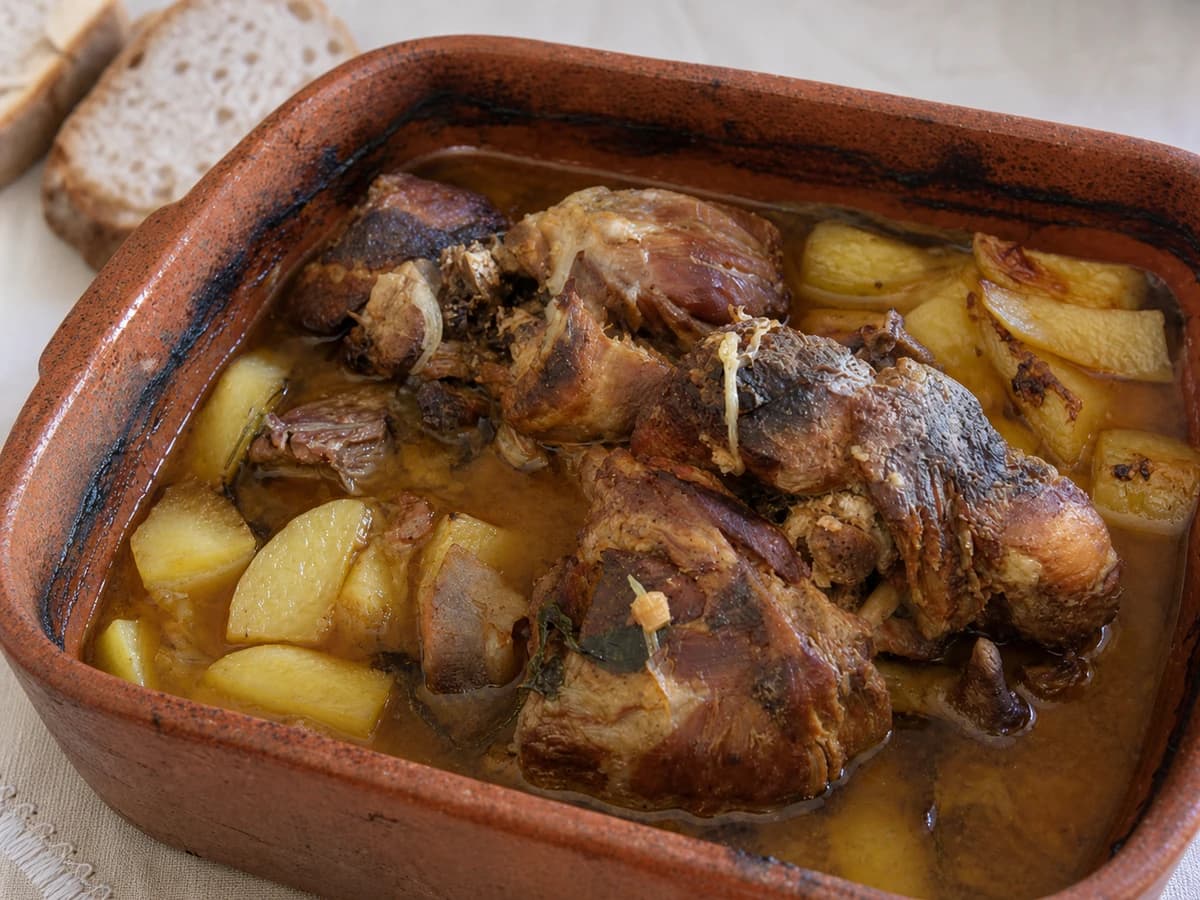
Ensopado de Borrego
Lamb cooked slowly in an aromatic broth and traditionally served over bread.
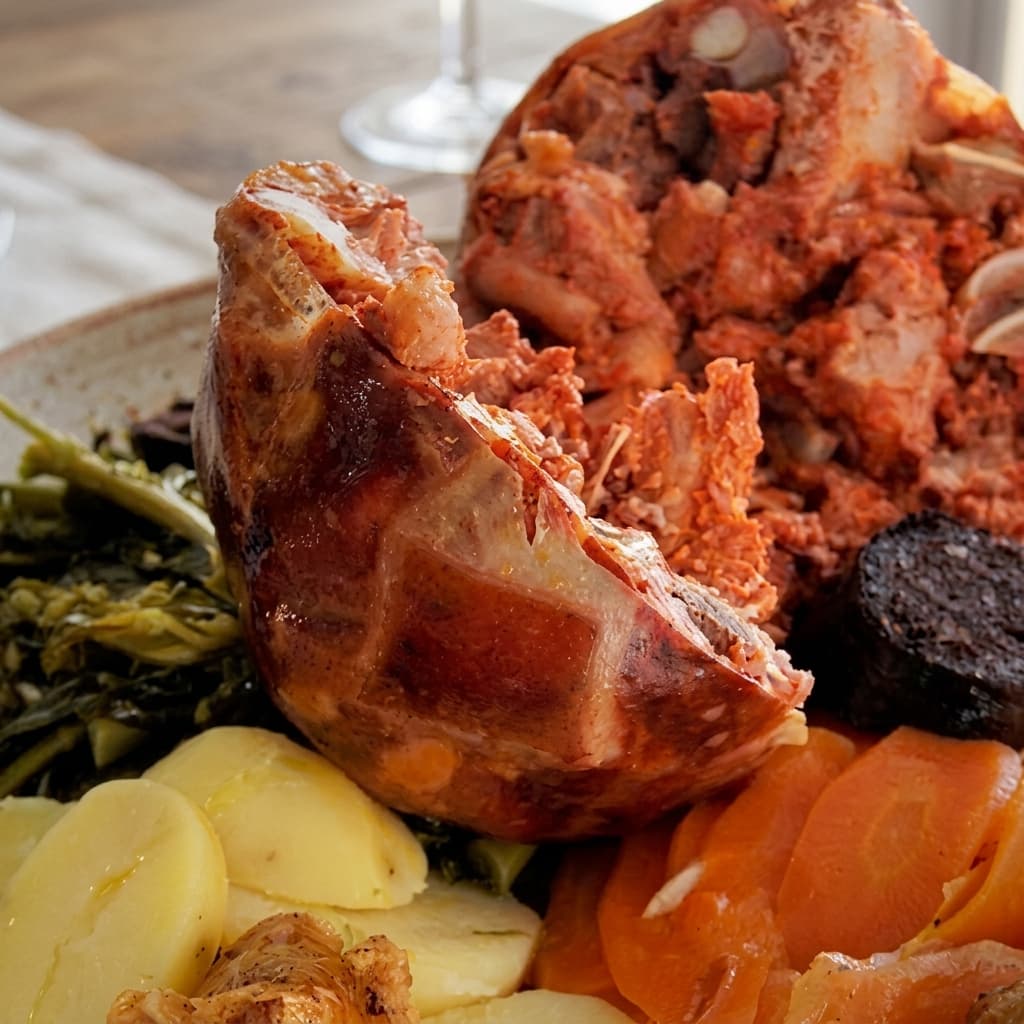
Bucho
A traditional regional speciality with a filling based on meats and other ingredients.
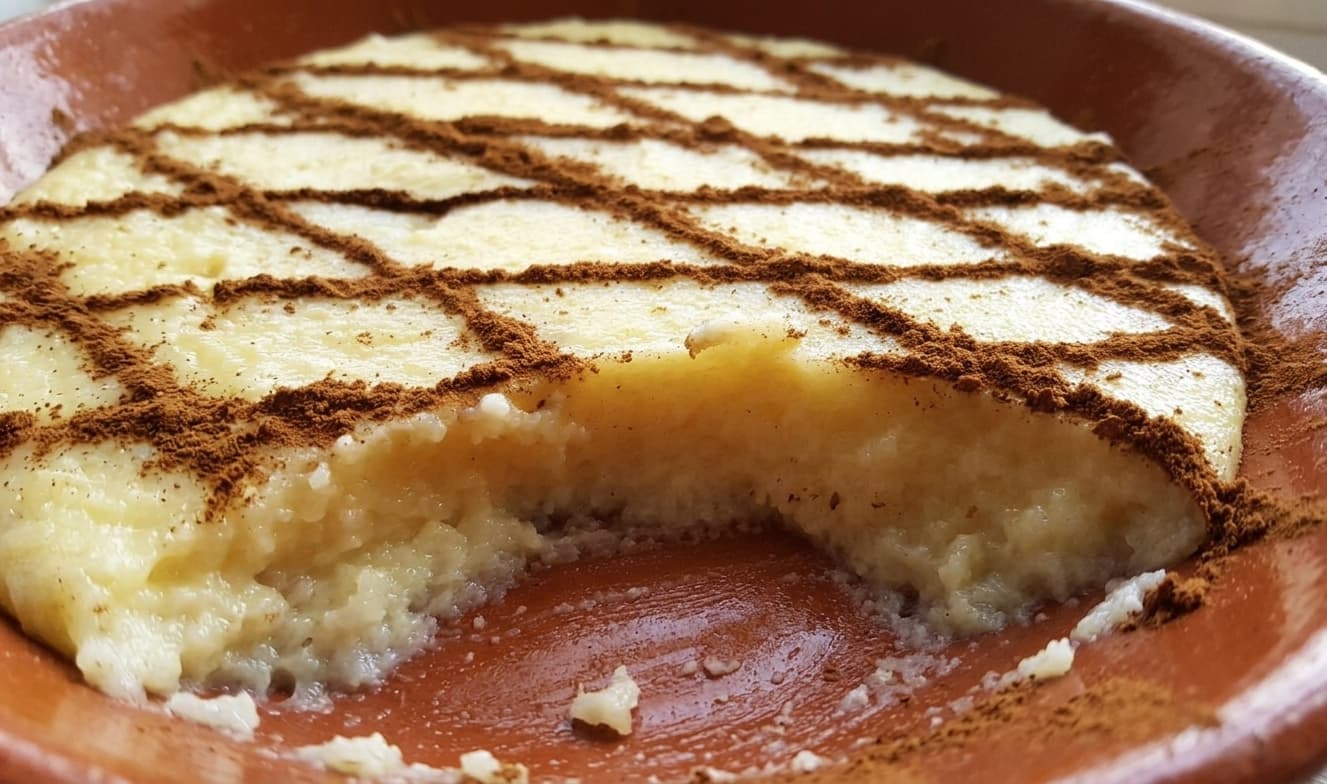
Papas de Carolo
A traditional sweet made with maize, milk, sugar and cinnamon.
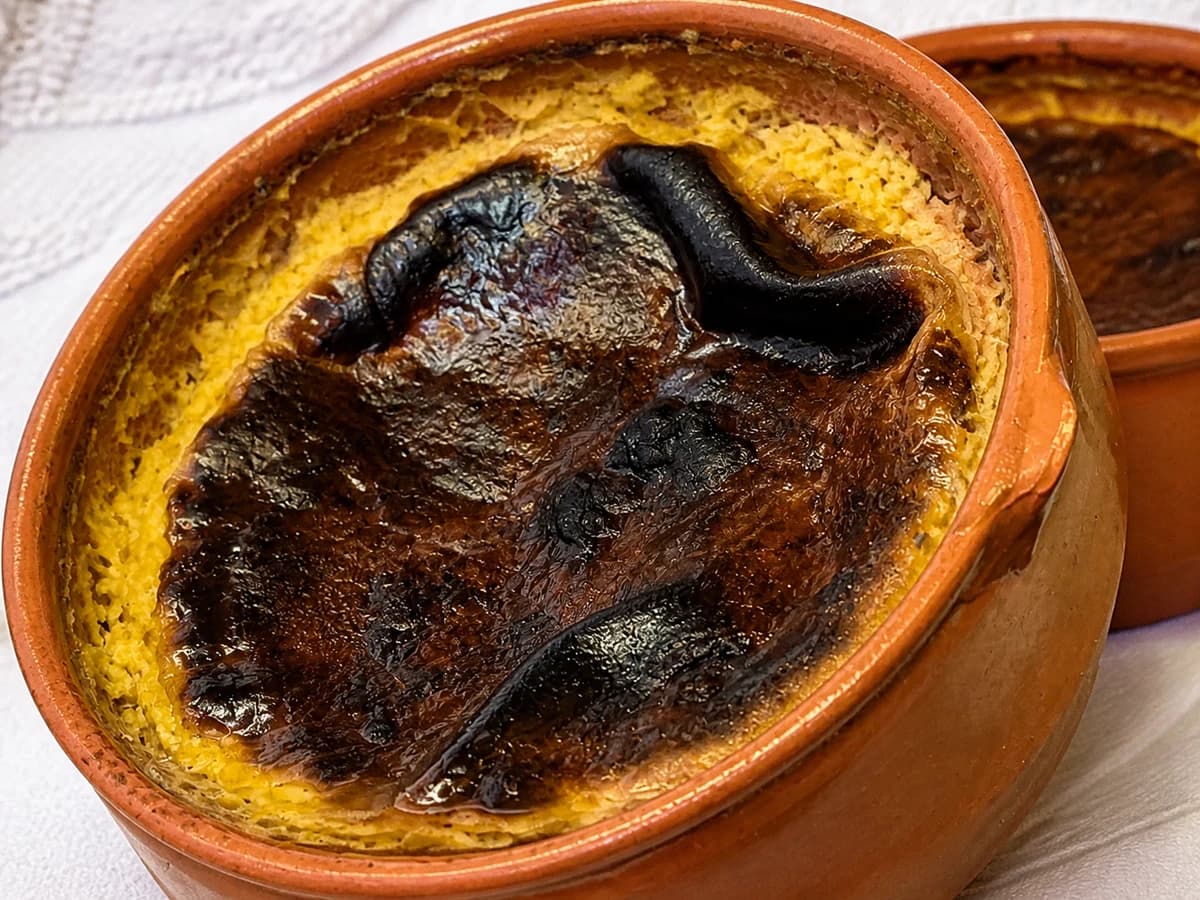
Tigelada
An oven-baked sweet made with eggs, milk and sugar, traditionally cooked in a clay dish.
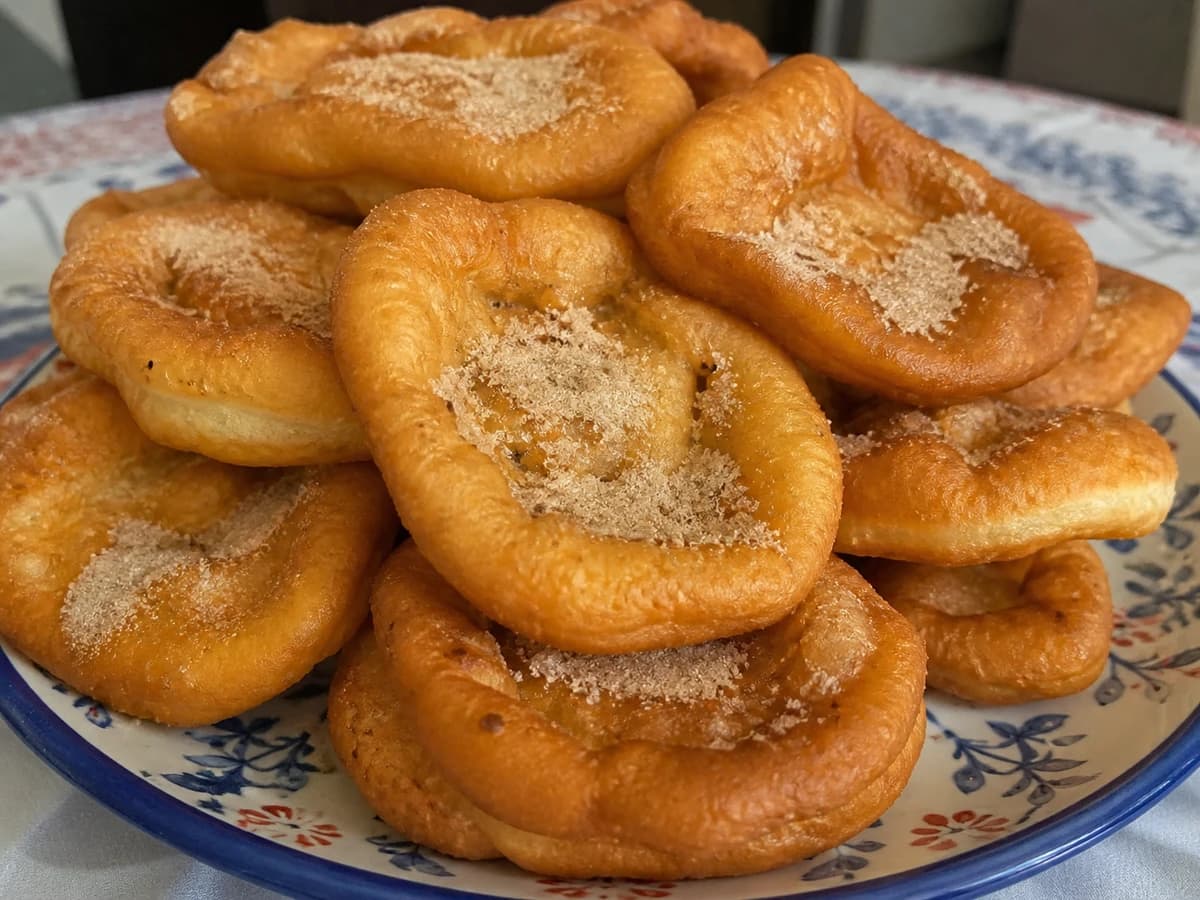
Filhós de Castelo Branco
Thick, rustic pieces of fried dough, traditionally finished with sugar and cinnamon.
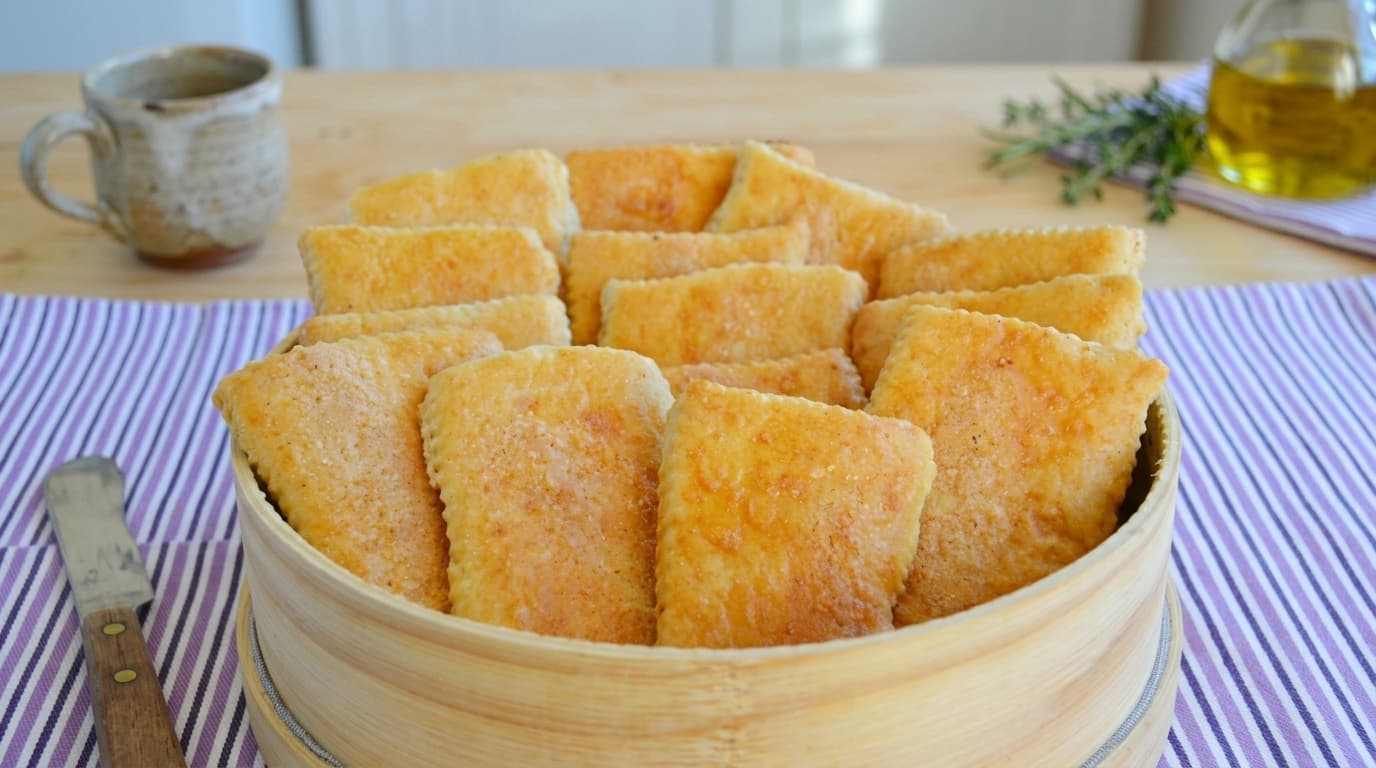
Borrachões da Beira Baixa
Traditional biscuits from Beira Baixa, distinguished by the use of wine and brandy in the dough.
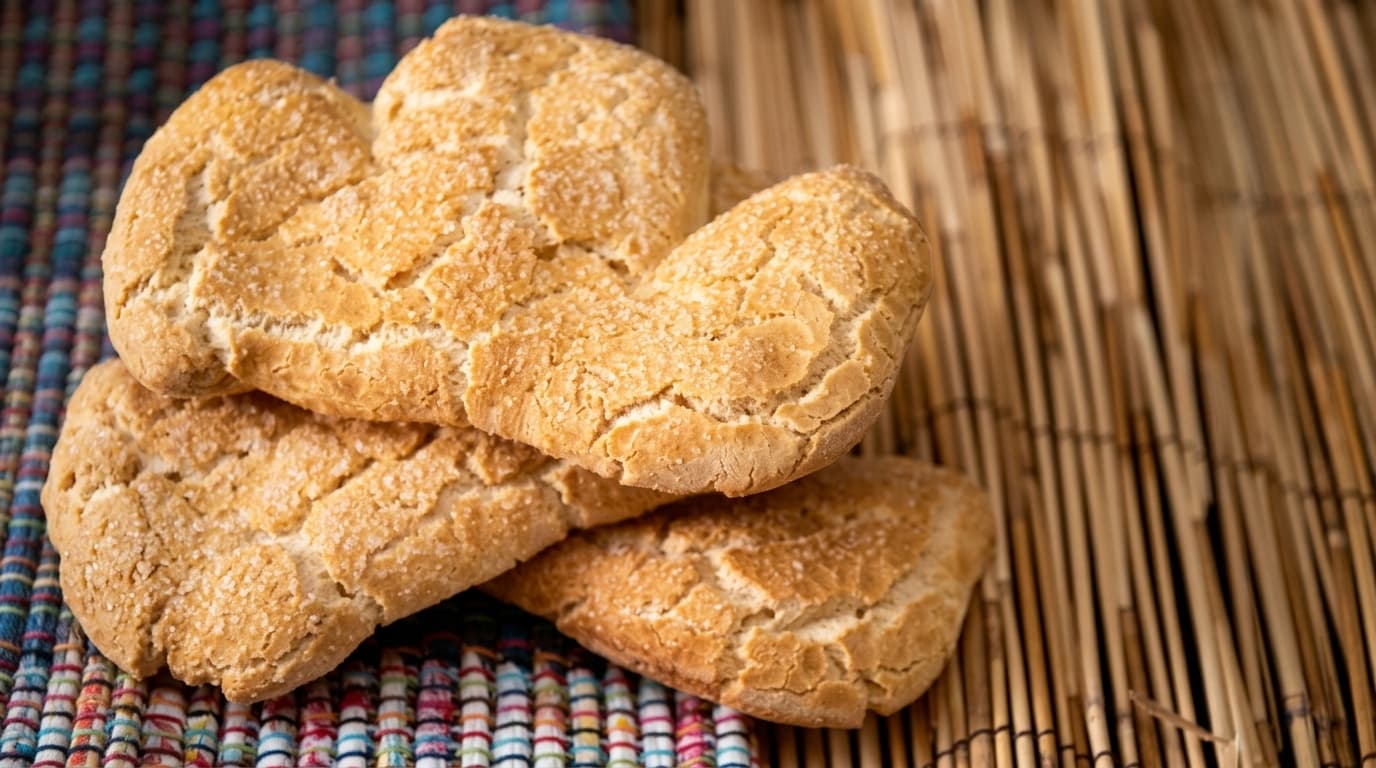
Biscoitos de Azeite
Traditional biscuits from Beira Baixa made with olive oil, giving them a rustic texture and distinctive aroma.
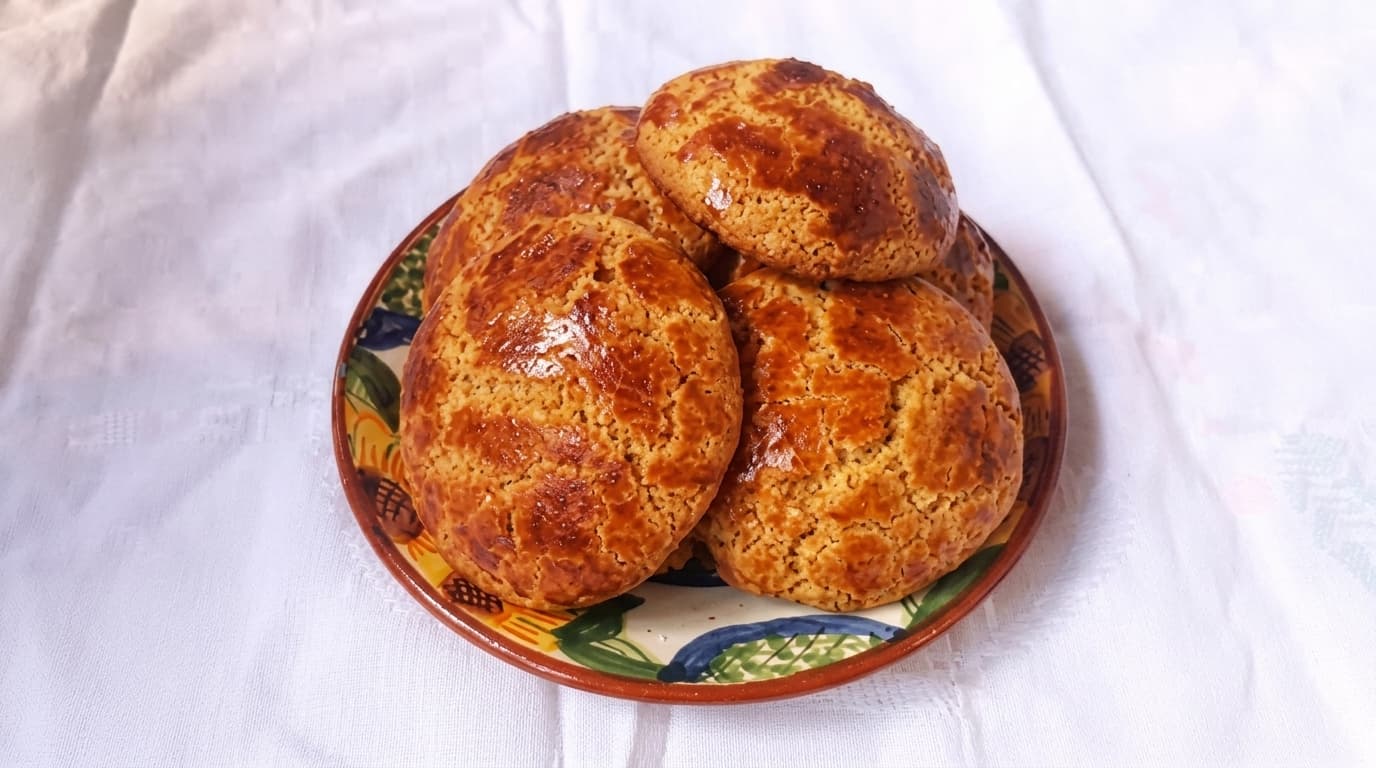
Broas de Mel
Traditional honey cakes from Castelo Branco and Beira Baixa, with a rustic texture and warm aromatic flavour.
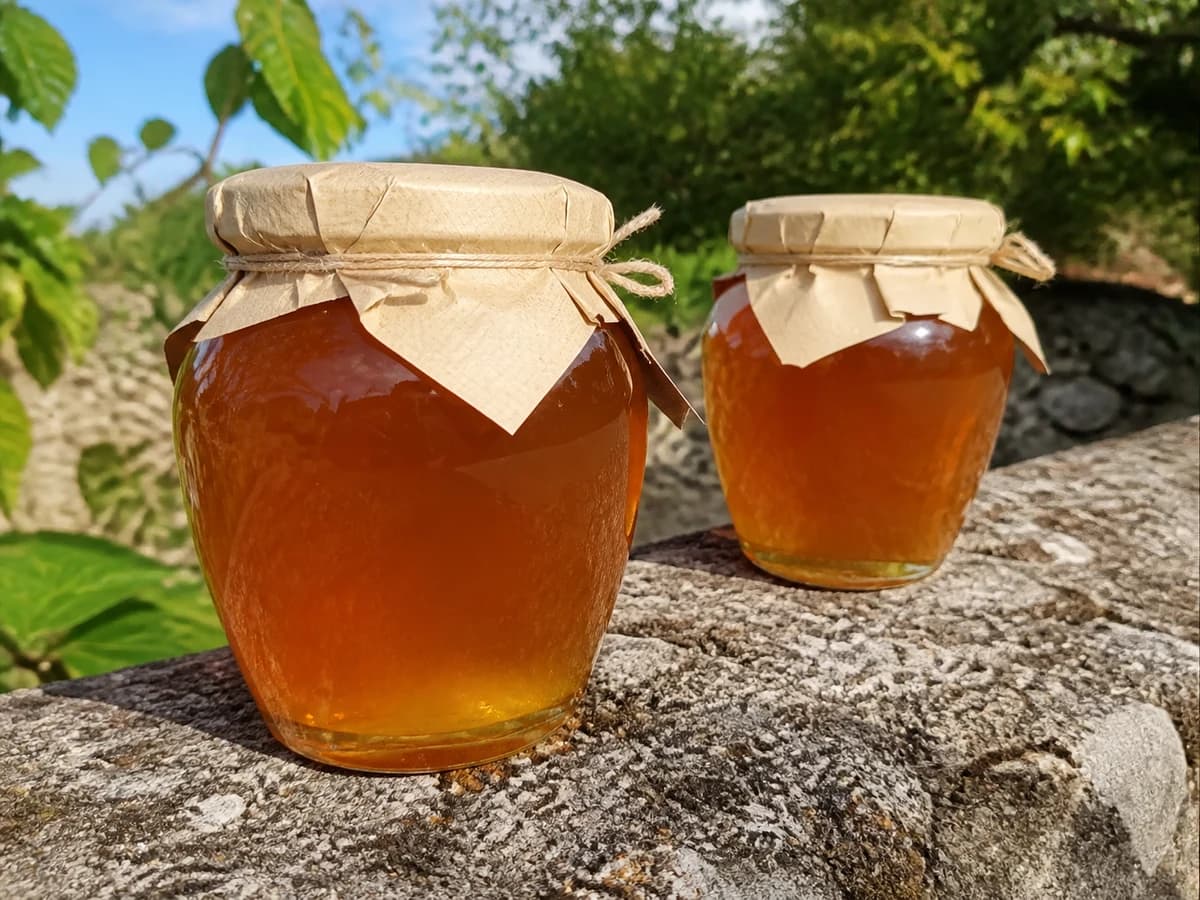
Mel da Beira Baixa
A regional product enjoyed on its own and used in traditional sweets.
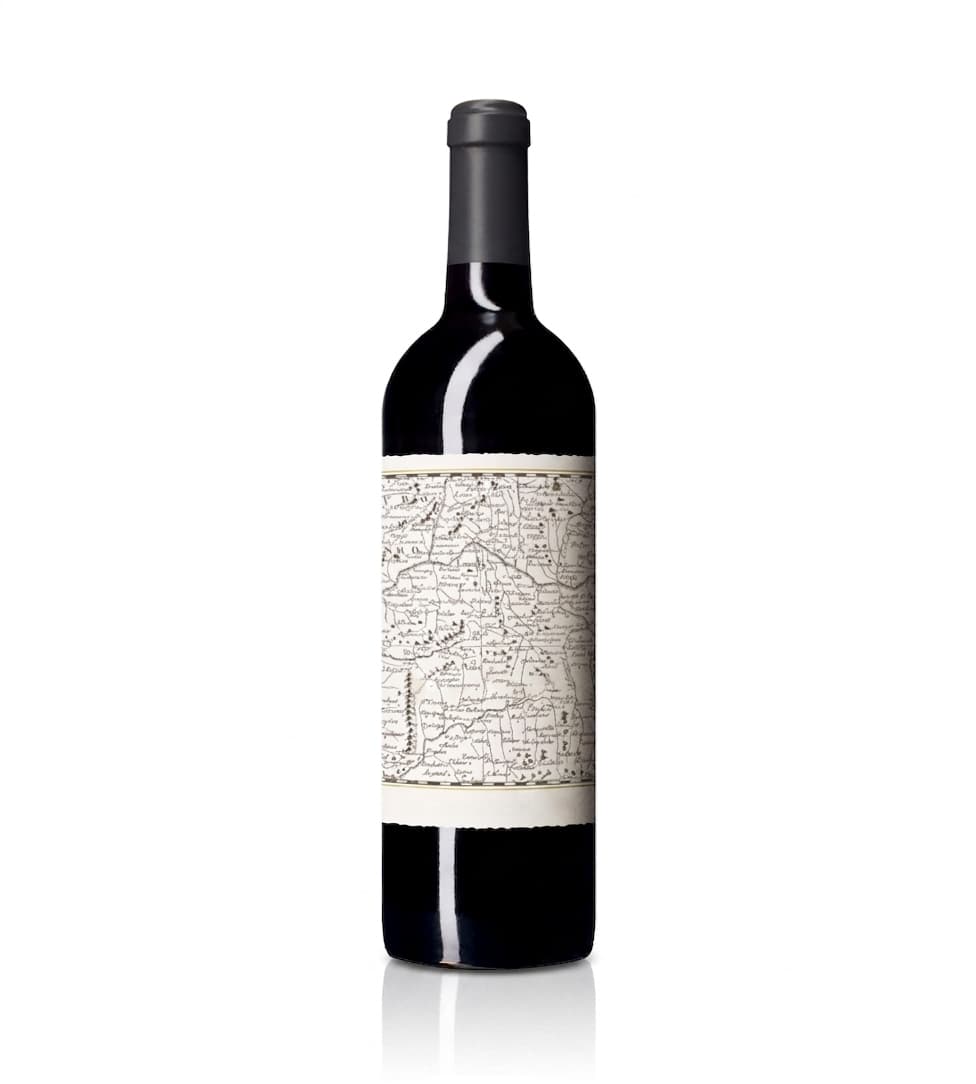
Vinhos da Beira Interior
Wines produced in the Beira Interior wine region, which includes Castelo Branco.
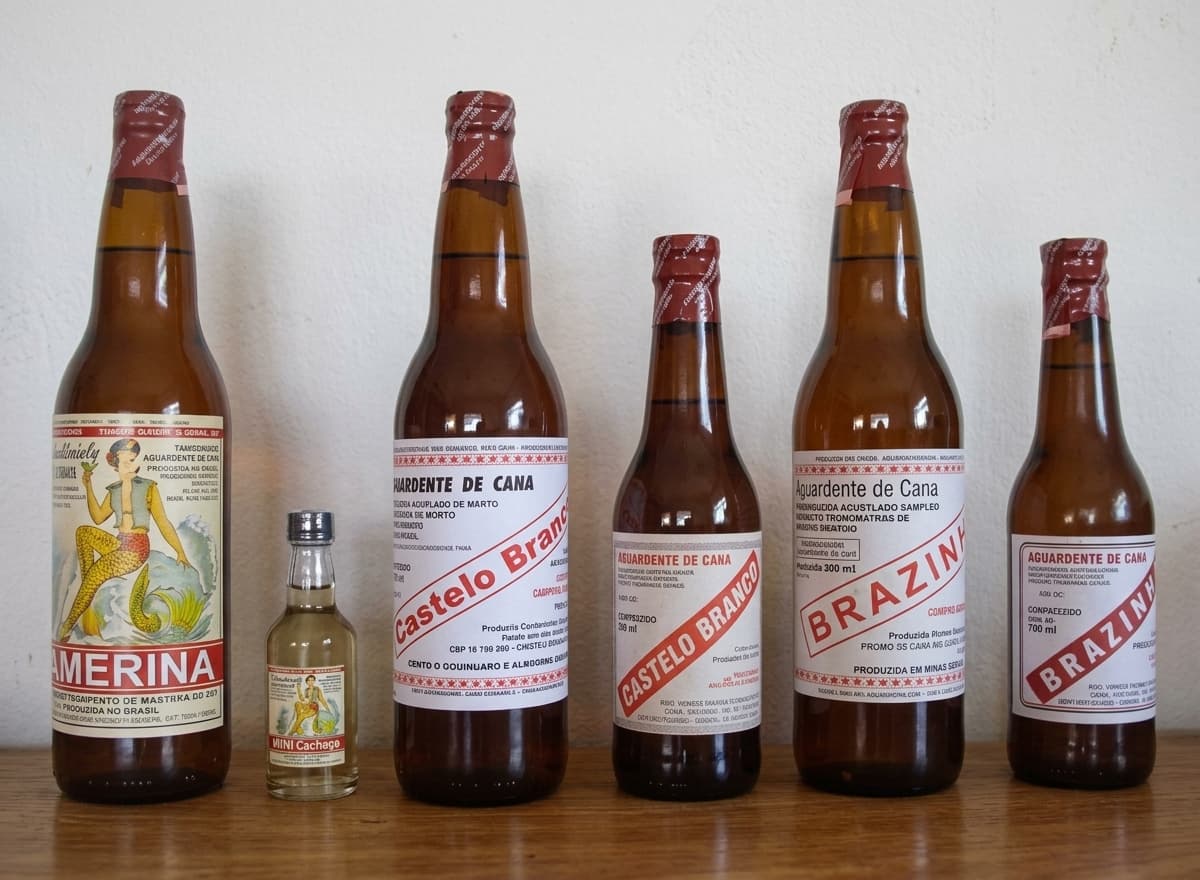
Aguardente
A traditional spirit from the Castelo Branco region, appreciated for its strong character and warming finish.
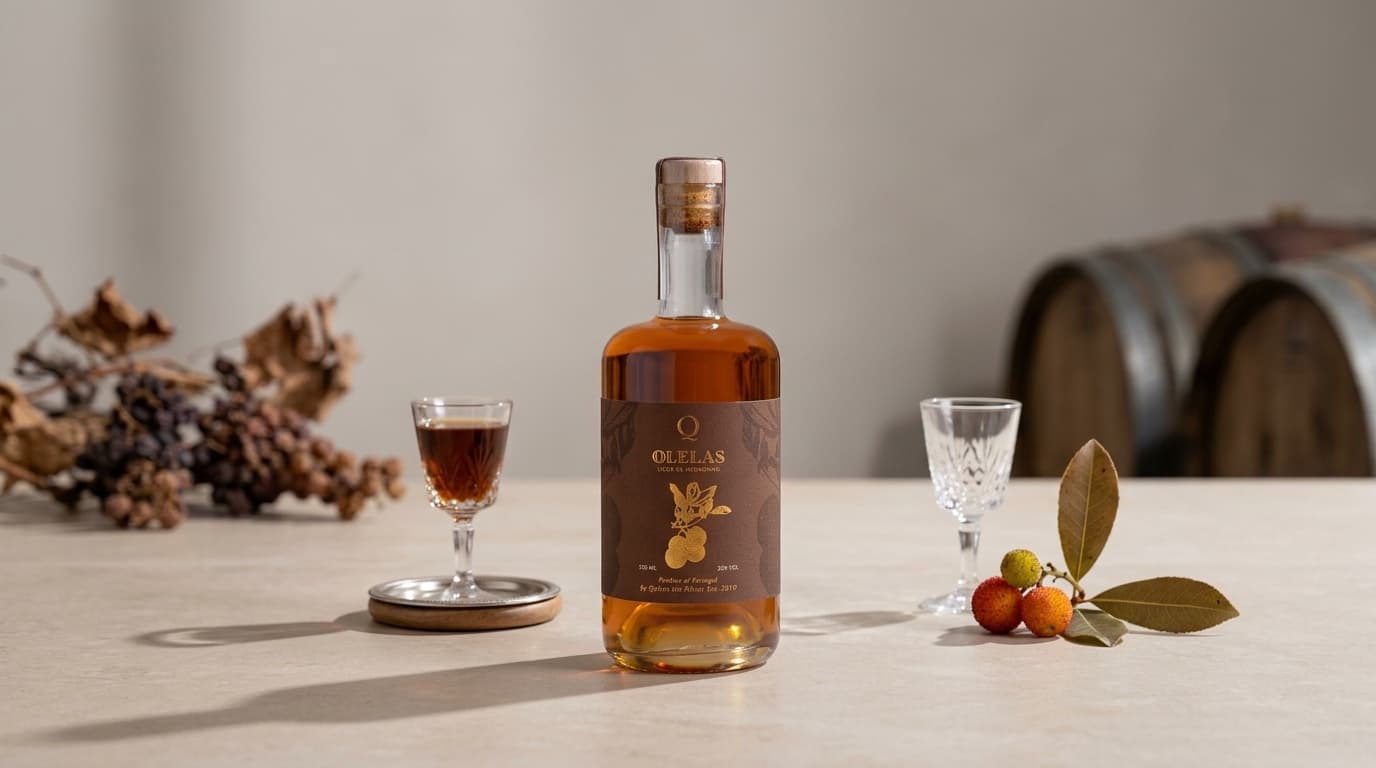
Licor de Medronho
Traditional spirits and liqueurs from Castelo Branco and Beira Baixa, produced from local fruits, herbs and other regional ingredients.
Queijo de Cabra das Beiras
A traditional goat’s cheese from the Beiras, appreciated for its characteristic flavour and firm texture when matured.
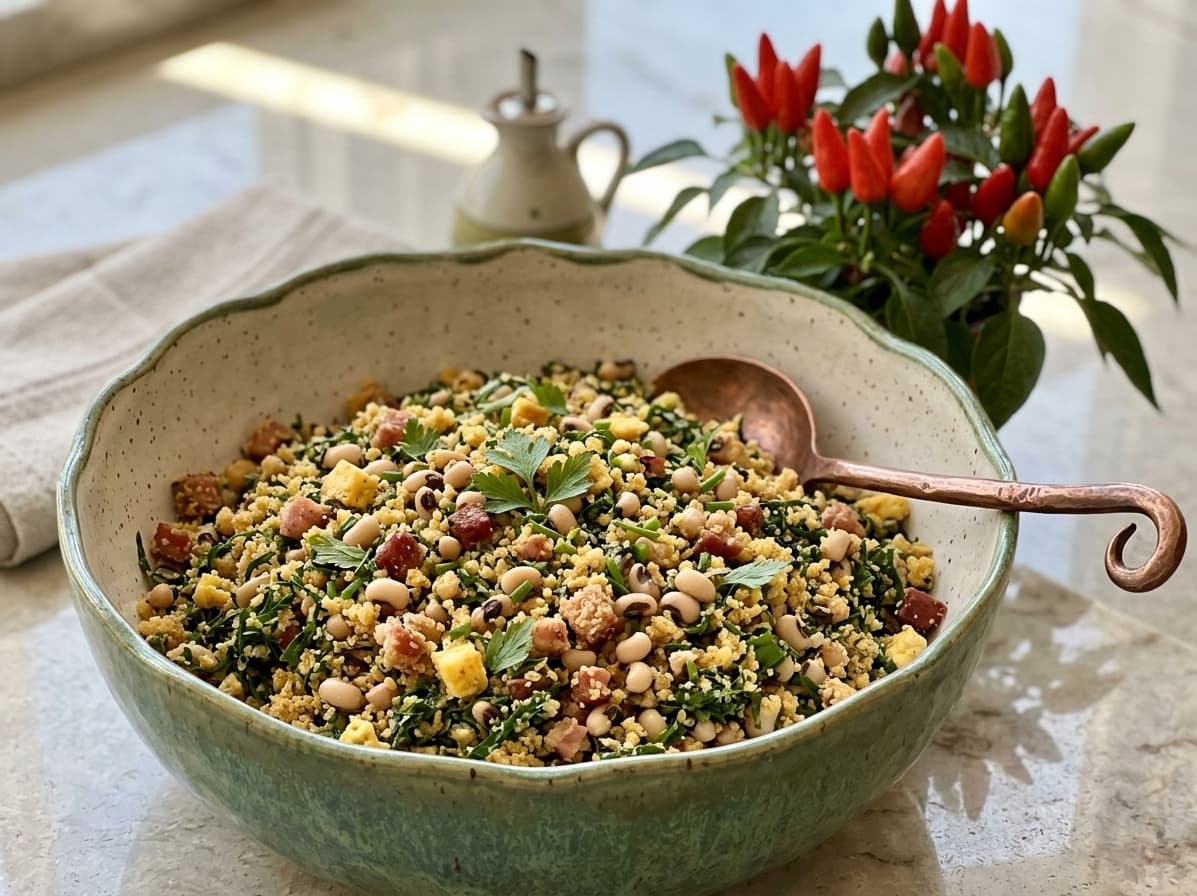
Migas à Lagareiro
A rustic Portuguese dish of bread-based migas enriched with olive oil, garlic and greens.
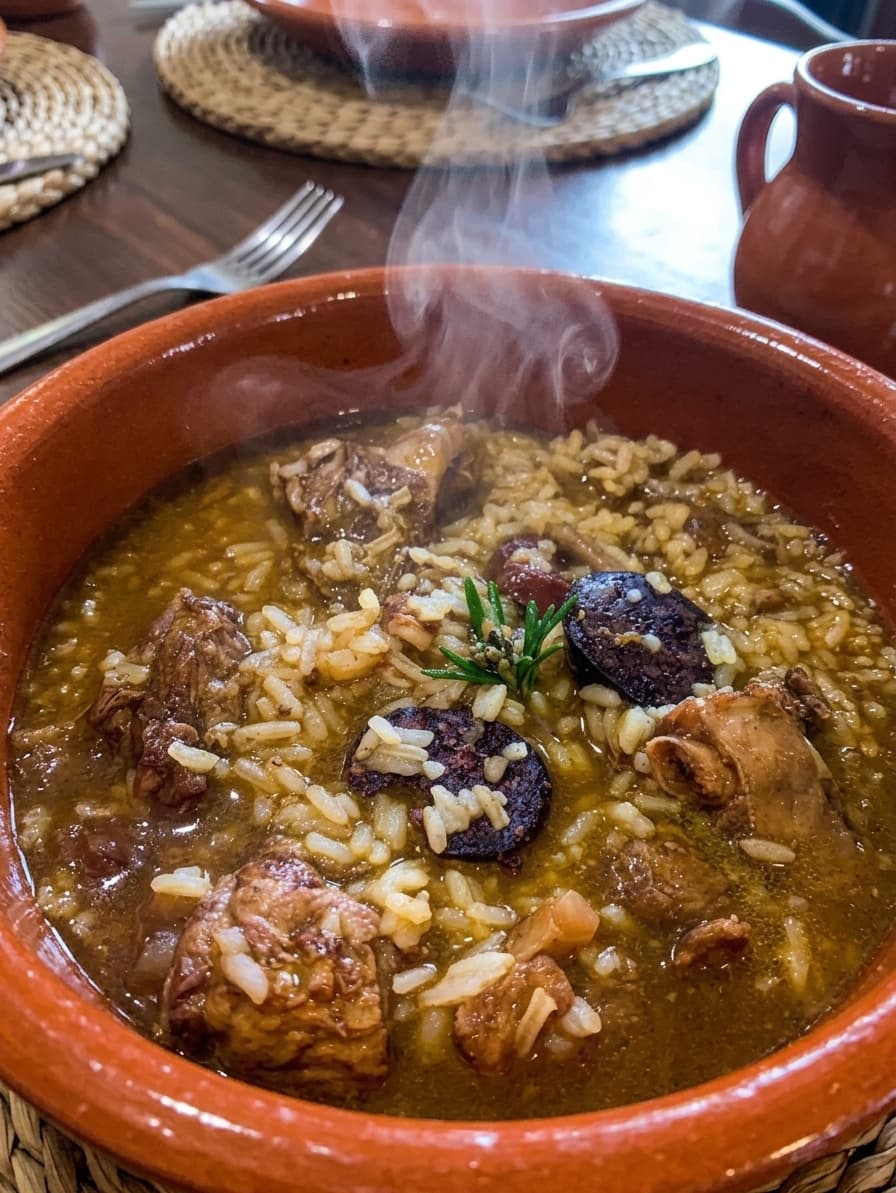
Arroz de Carqueja
Aromatic rice prepared with carqueja, traditional to the region.
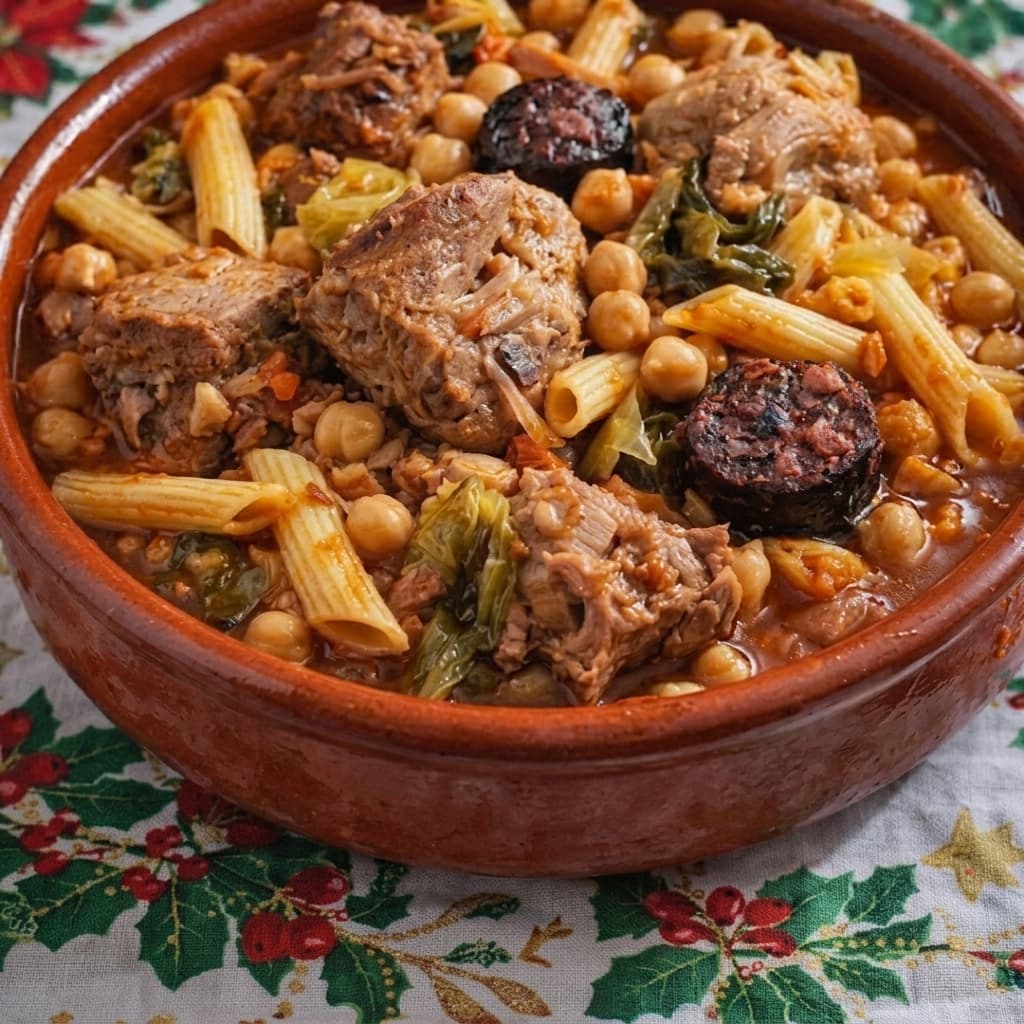
Rancho à Moda de Viseu
A hearty traditional dish from Viseu combining chickpeas, pasta, potatoes, cabbage and pork meats and sausages.
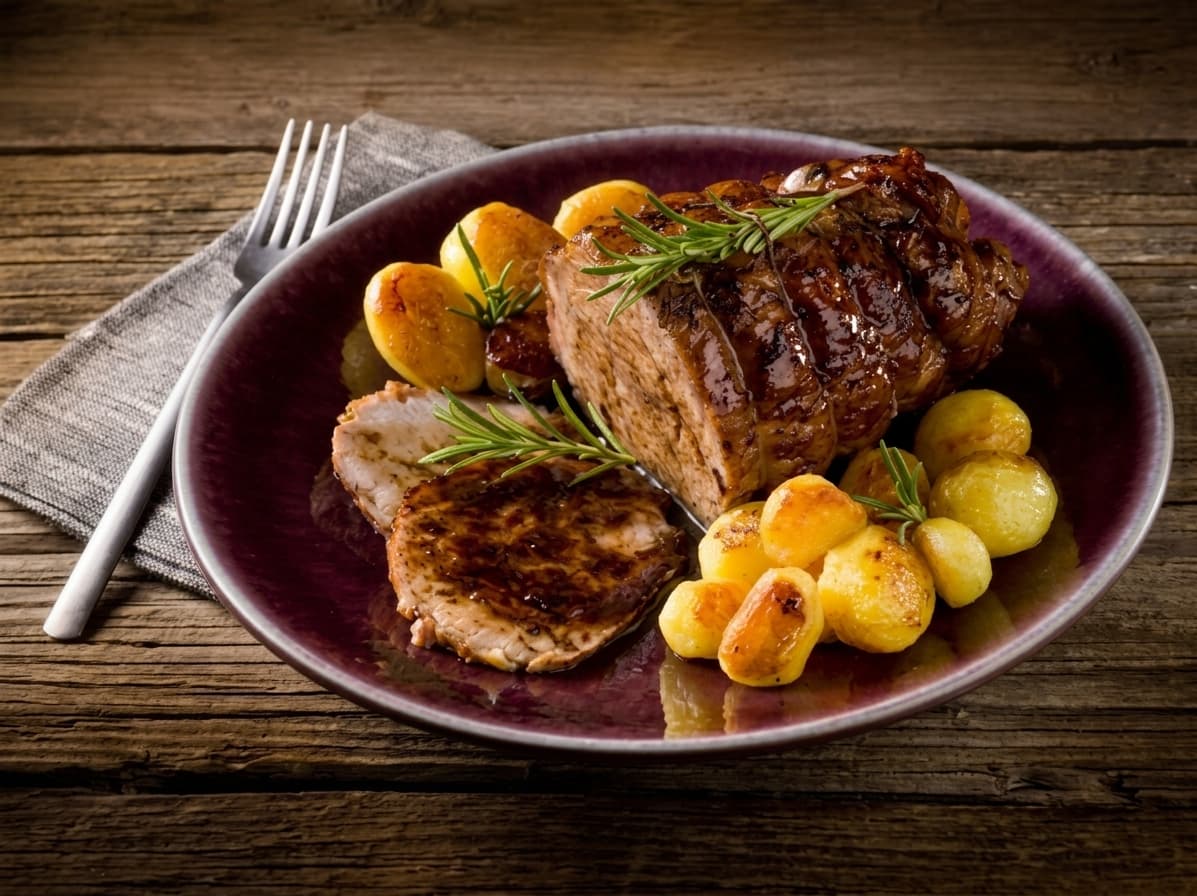
Vitela Assada à Moda de Lafões
Slow-roasted veal, usually served with roast potatoes.
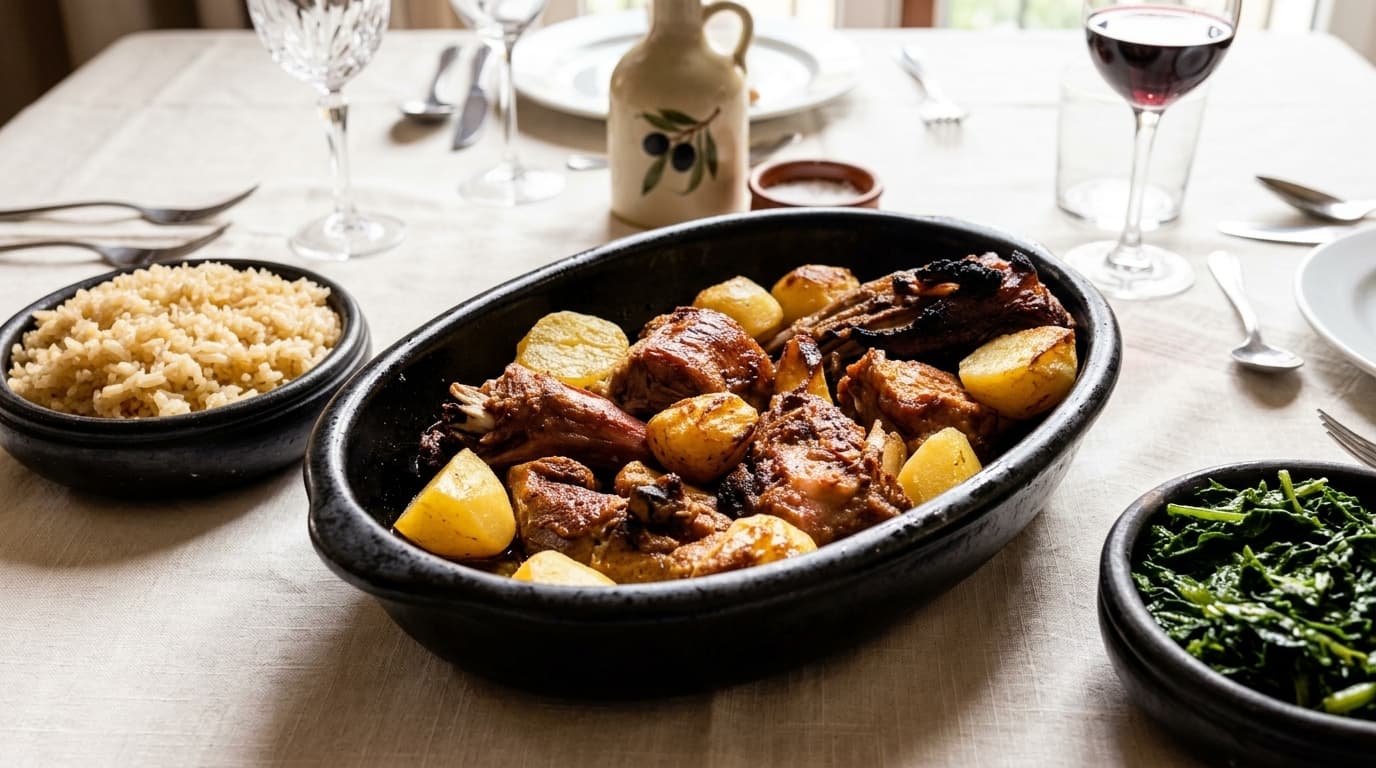
Cabrito Assado
Oven-roasted kid goat, a prominent part of Beira gastronomy.
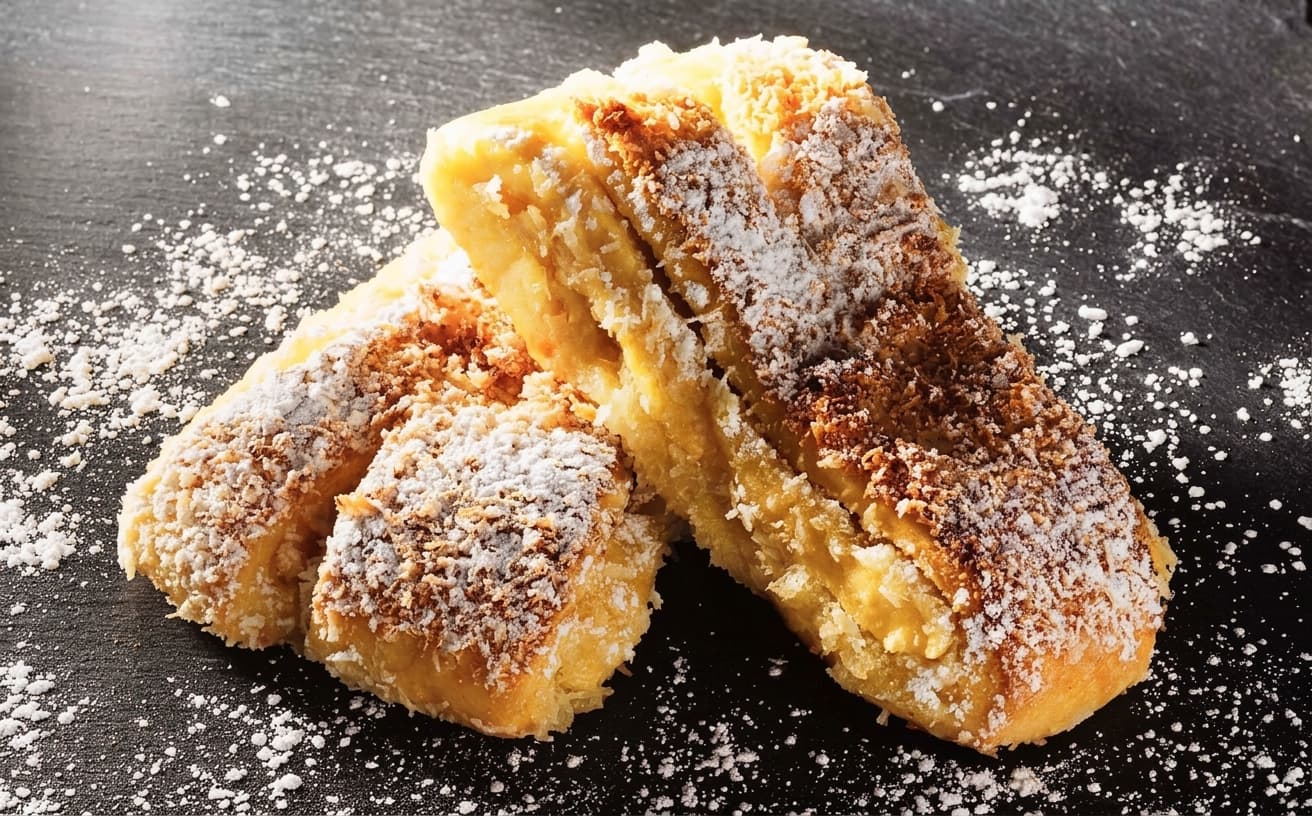
Viriato
One of the pastries most closely associated with Viseu, made with flaky dough and a sugared topping.
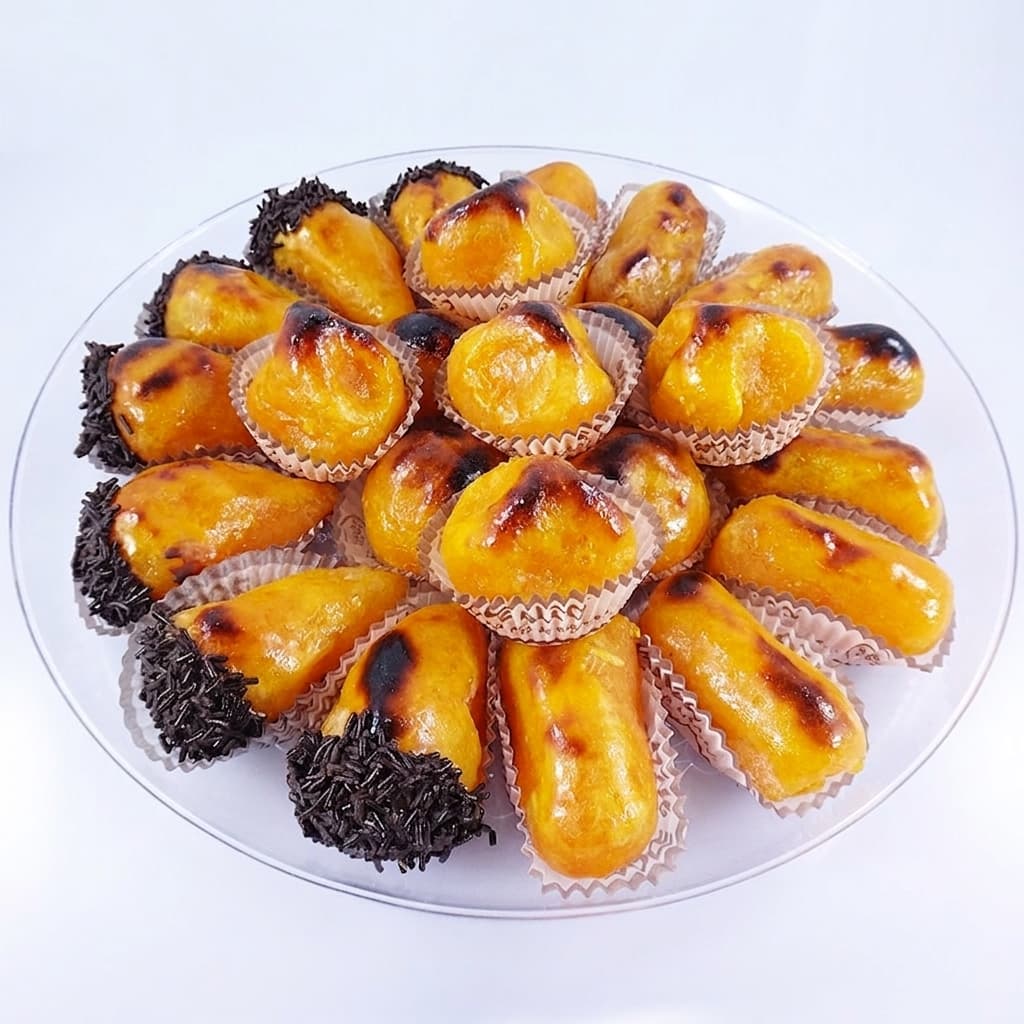
Castanhas de Ovos
A traditional sweet made with egg yolks and sugar.
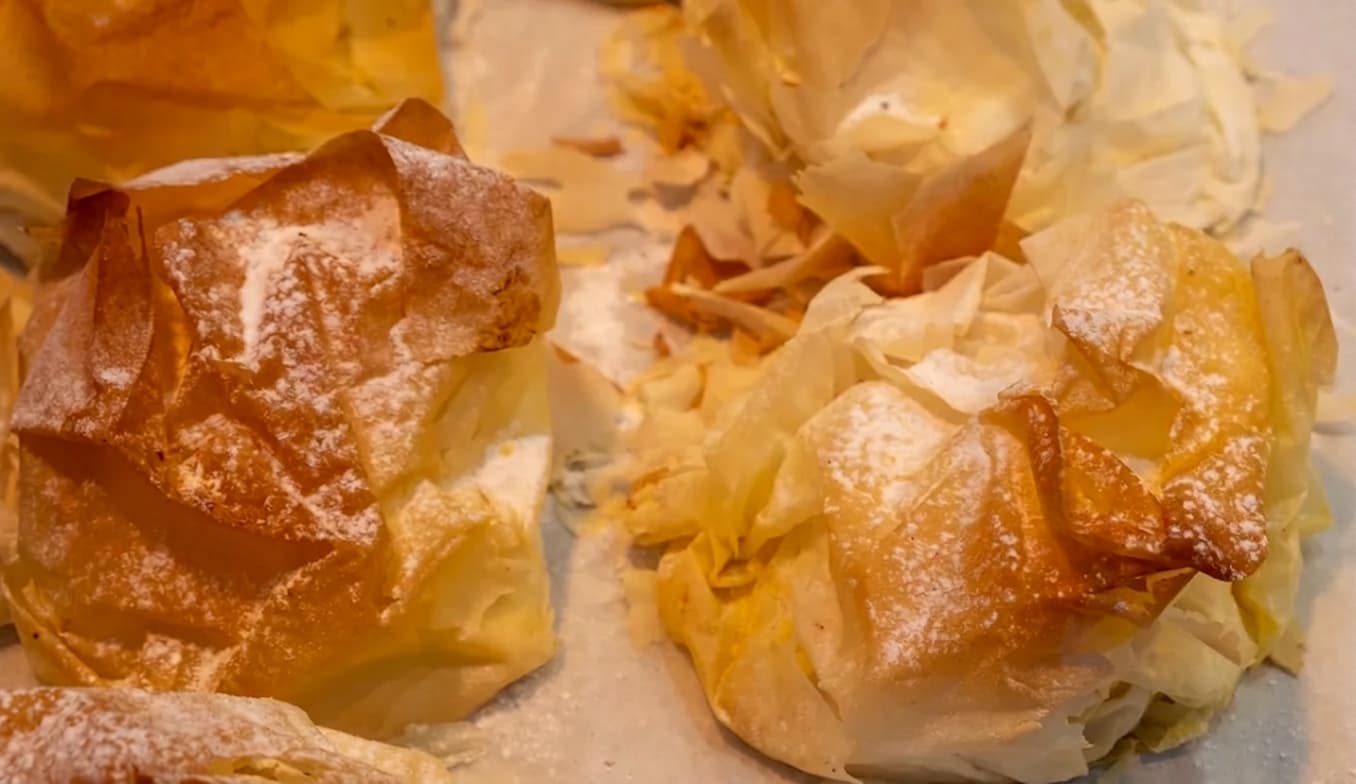
Rotundinhas de Viseu
A pastry speciality created in the city of Viseu.
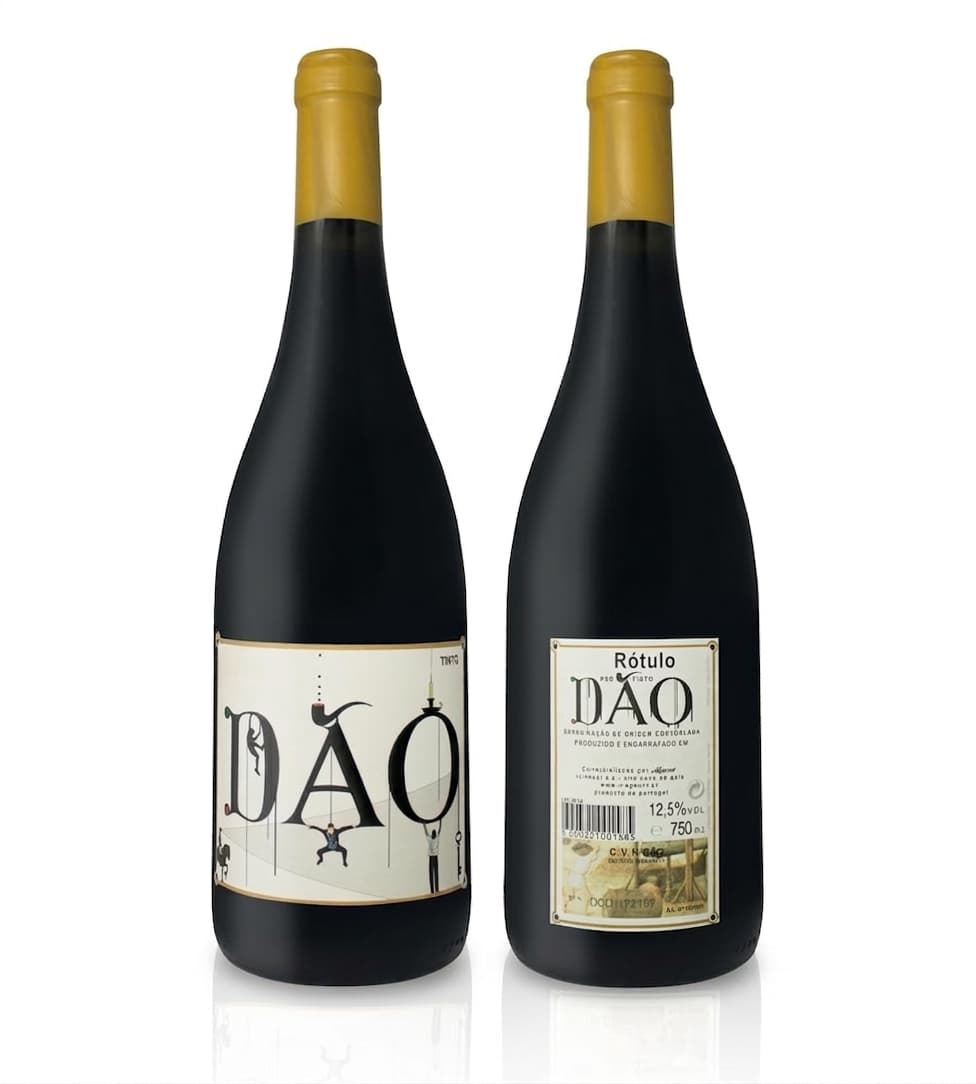
Vinho do Dão
The region’s benchmark wine, with excellent reds and whites.
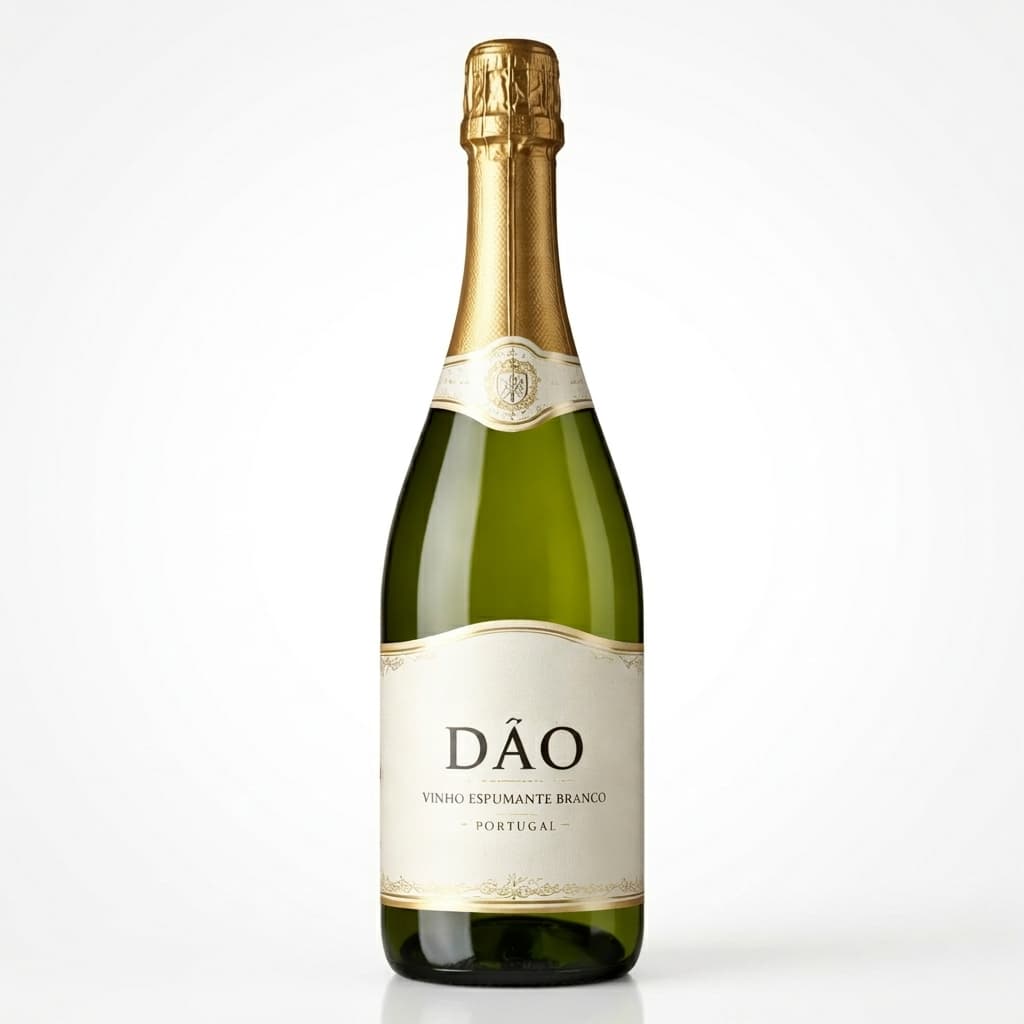
Espumante do Dão
Sparkling wines produced in the demarcated Dão region.
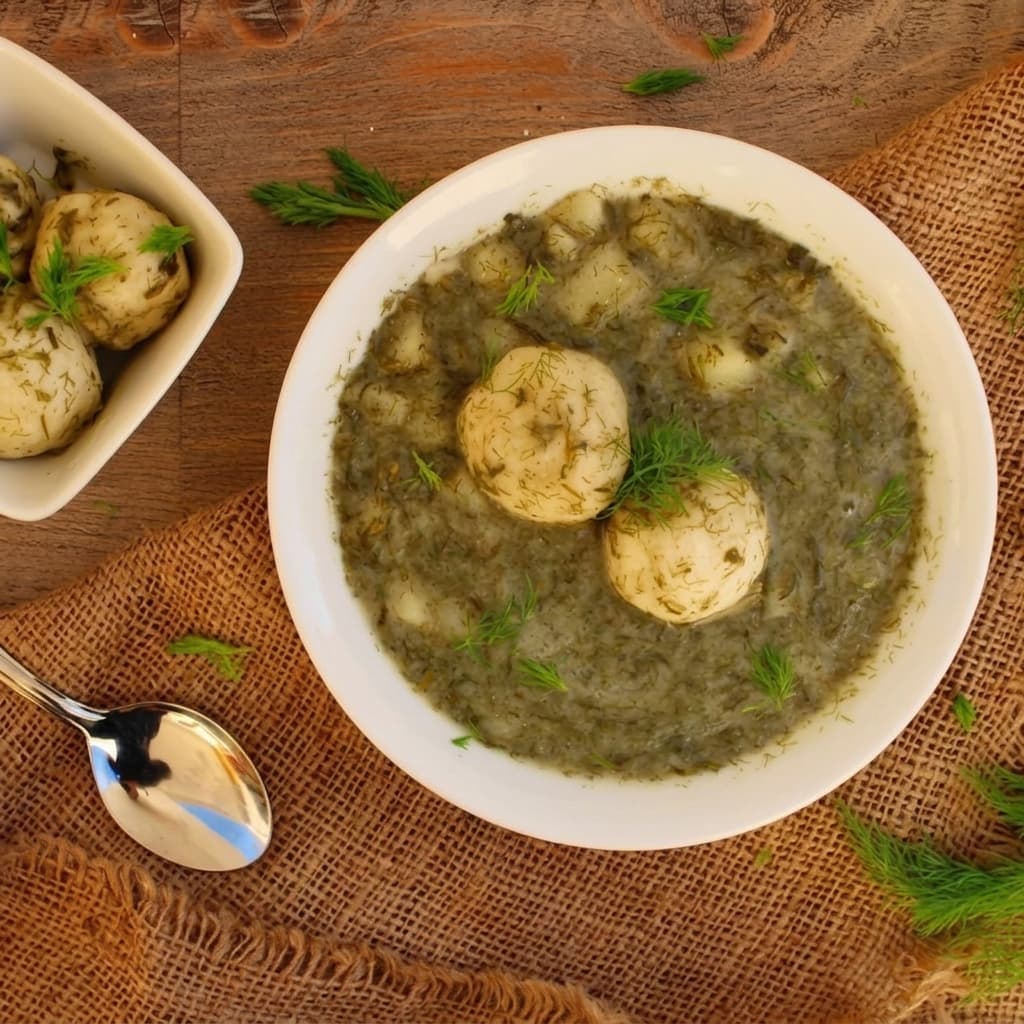
Sopa de Funcho
A traditional São Miguel soup flavoured with aromatic fennel, a herb long used in Azorean cuisine.
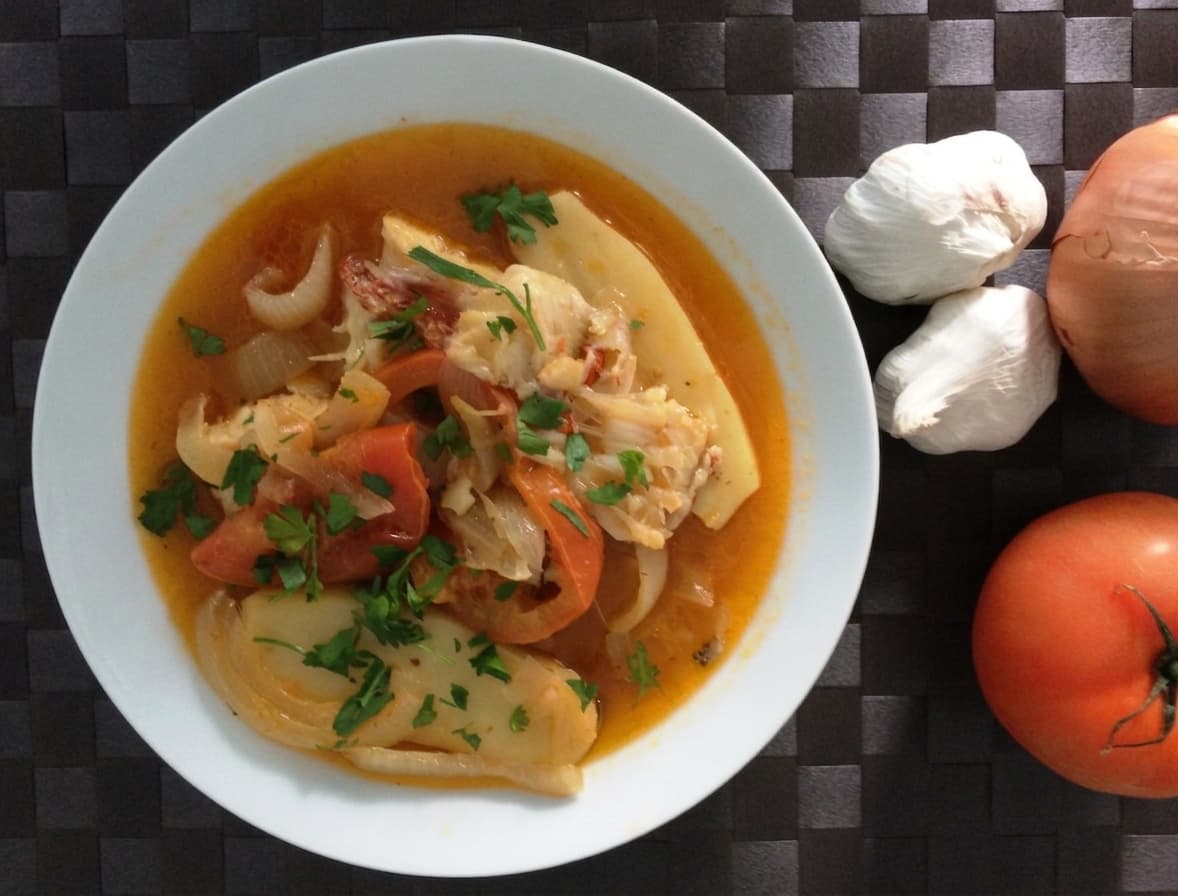
Caldeirada de Peixe à Micaelense
A traditional São Miguel fish stew combining fresh Atlantic fish with potatoes, tomatoes, onions and aromatic seasonings.
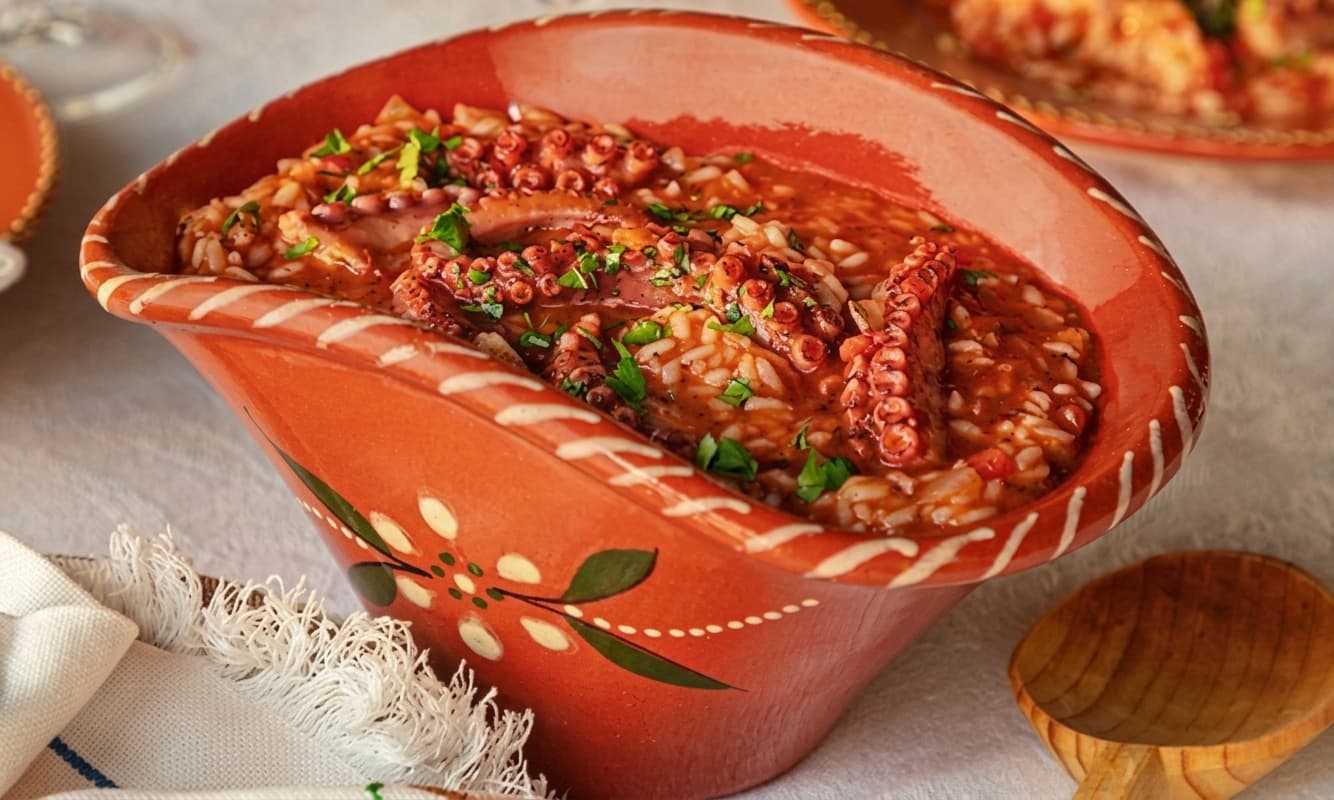
Polvo Guisado
Slow-cooked octopus, often prepared with wine and spices.
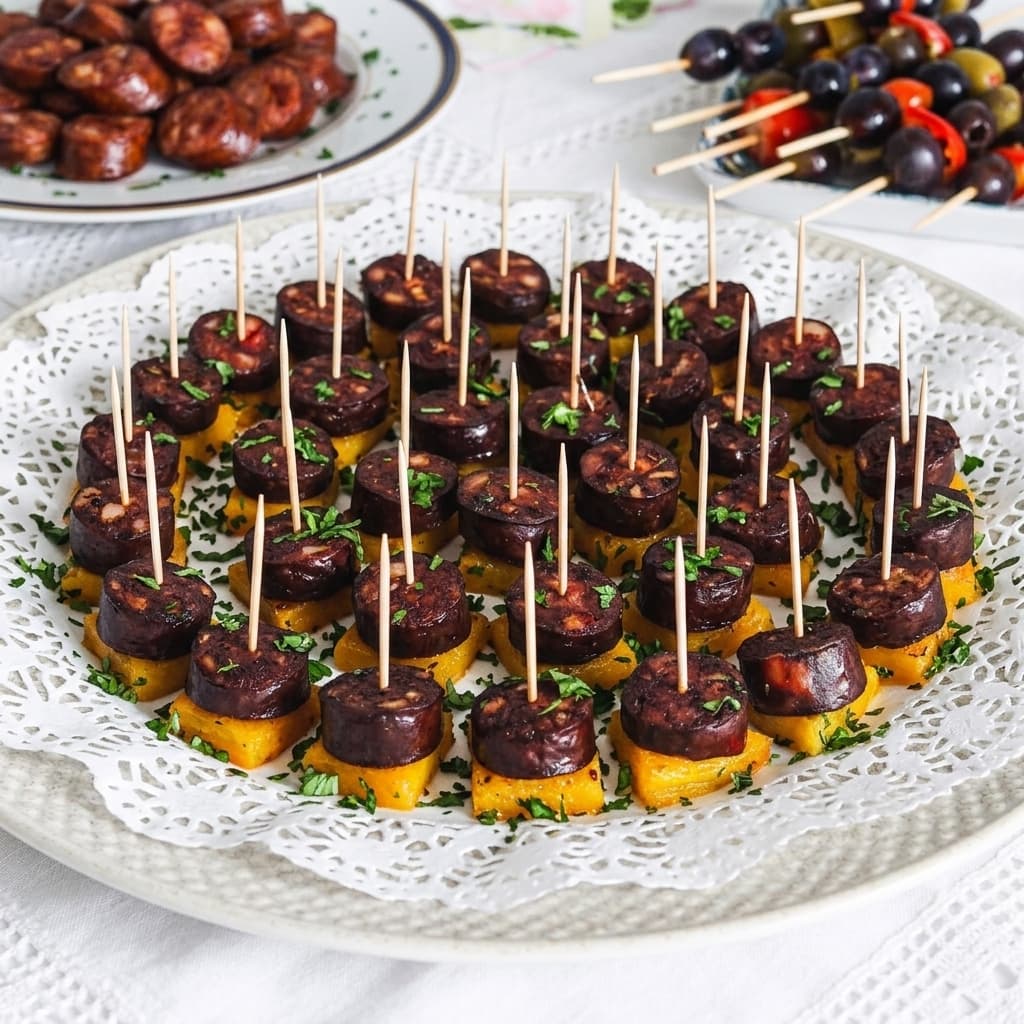
Morcela com Ananás dos Açores
A classic São Miguel combination of fried blood sausage with sweet and slightly acidic Azorean pineapple.
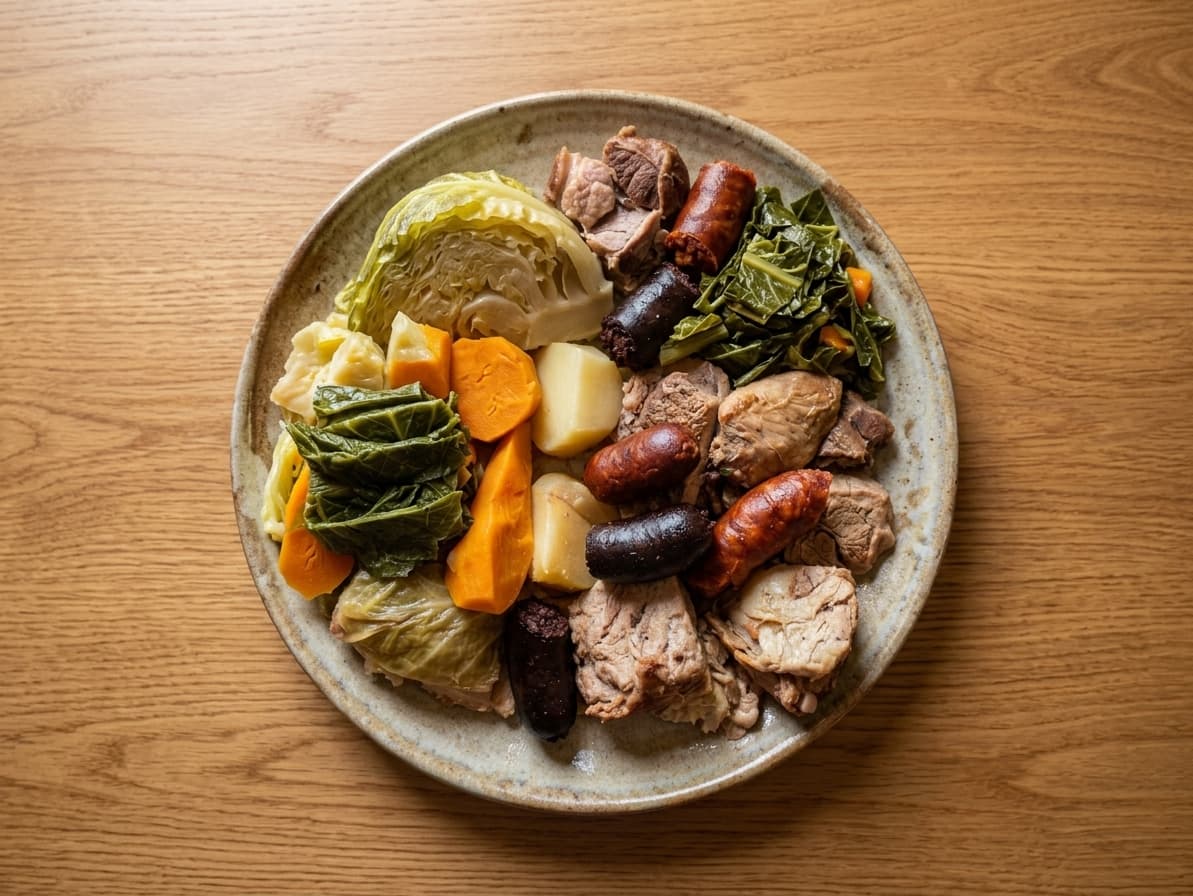
Cozido das Furnas
São Miguel’s great gastronomic symbol: meats, cured sausages and vegetables slowly cooked using the geothermal heat of Furnas.
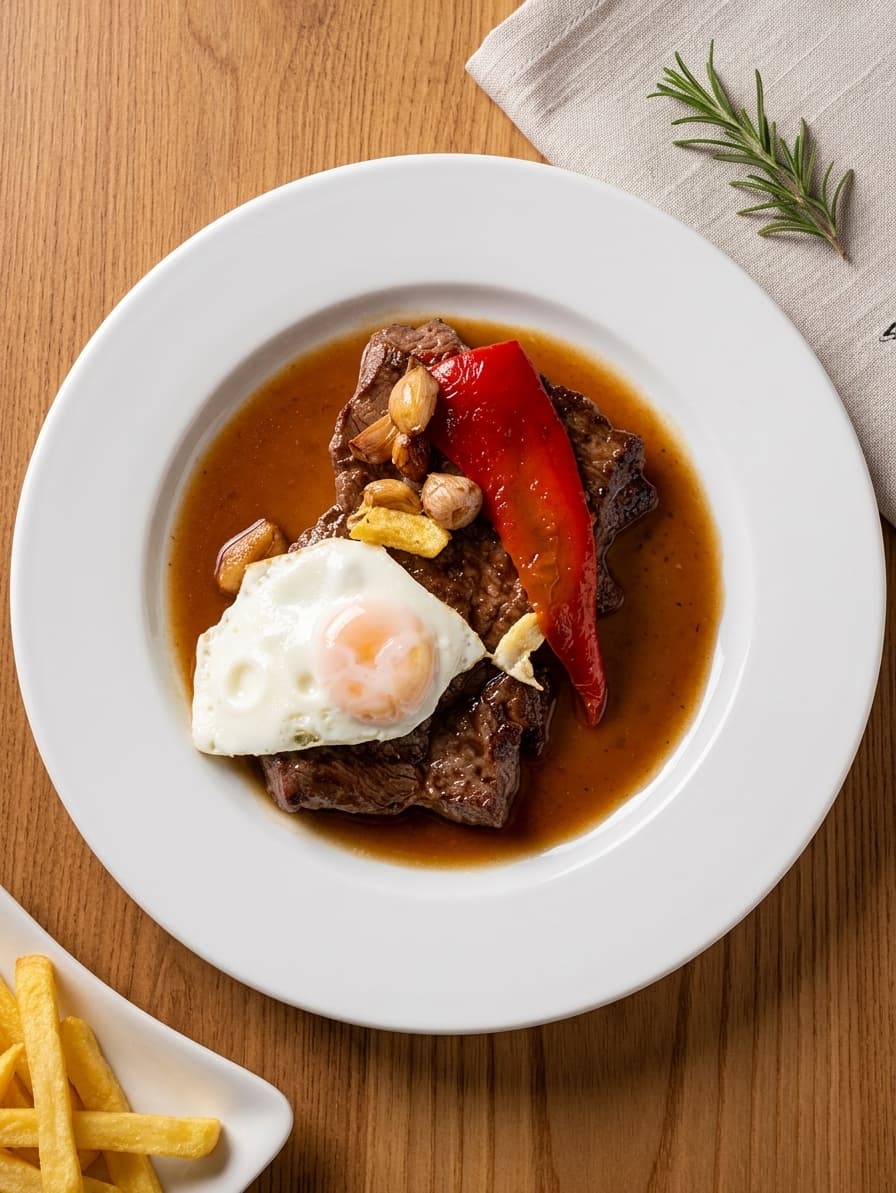
Bife à Regional de São Miguel
An iconic São Miguel beef steak served in a rich, aromatic sauce, traditionally topped with a fried egg.
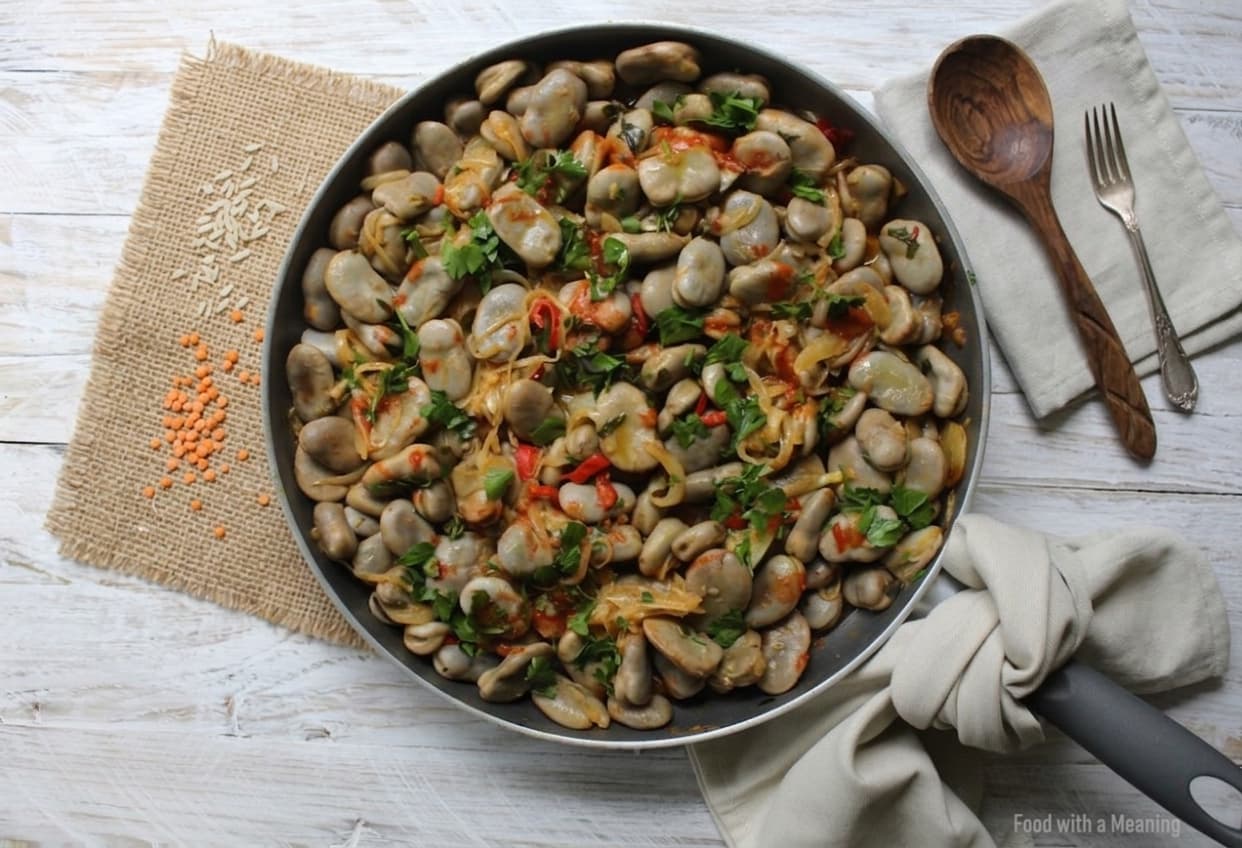
Favas à Moda de São Miguel
A traditional São Miguel dish of broad beans slowly cooked with pork and regional sausages.
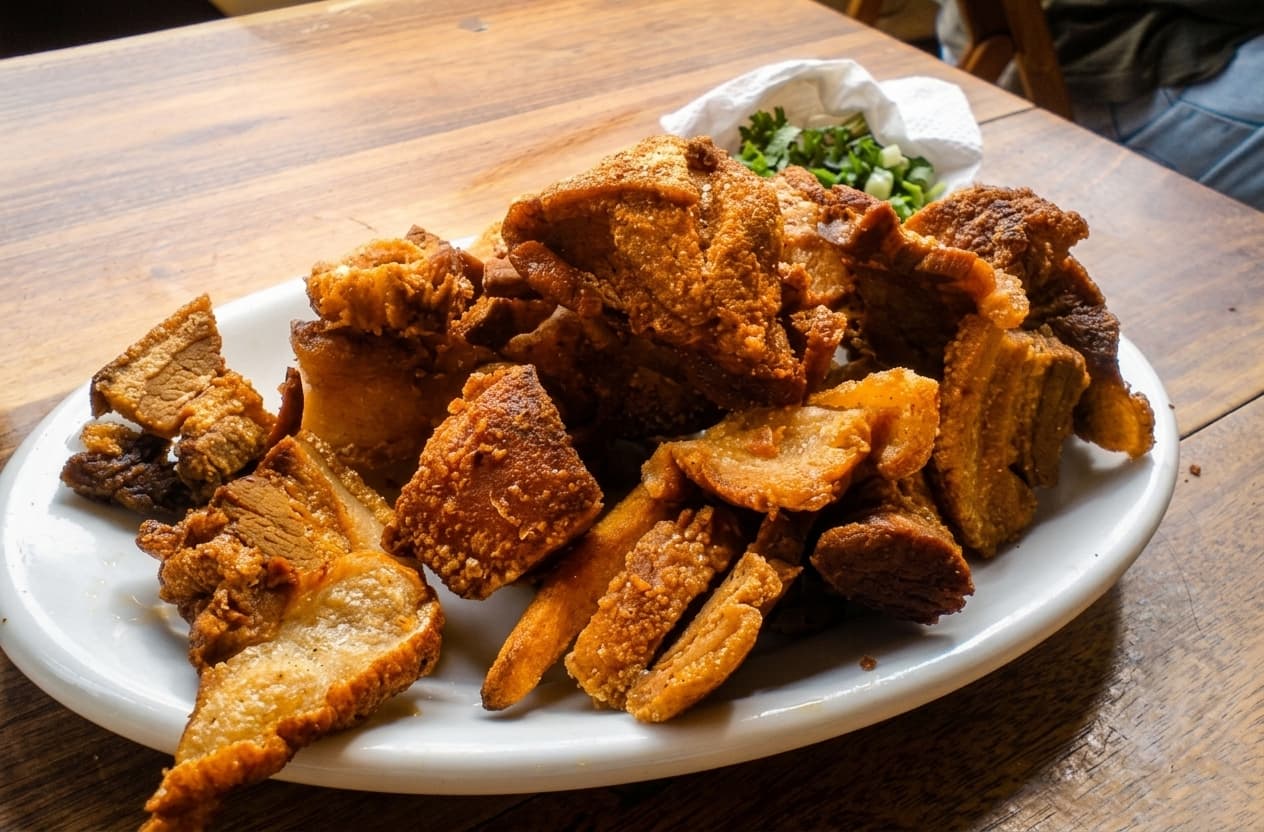
Torresmos de Molho de Fígado
A traditional São Miguel pork dish with pieces of pork cooked in a rich, intensely flavoured liver sauce.
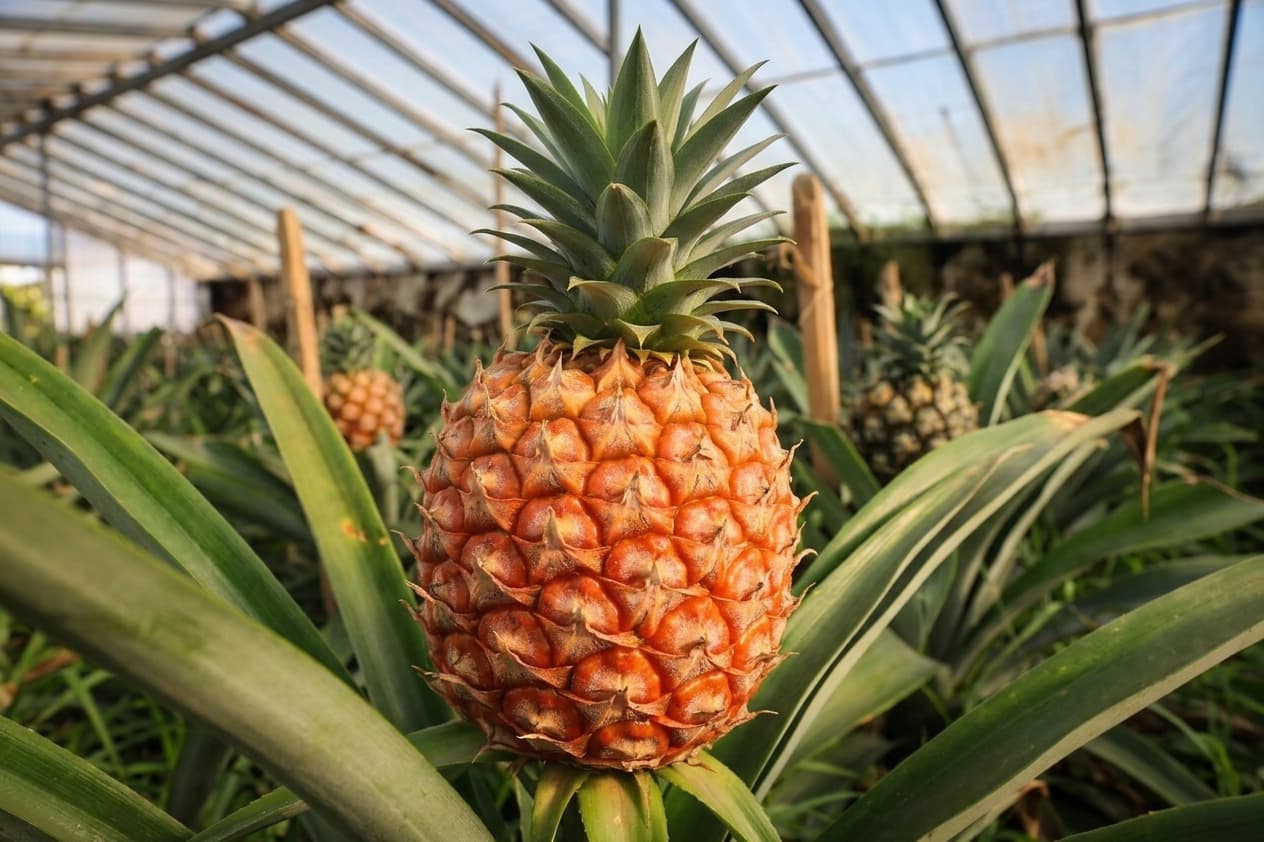
Ananás dos Açores
Traditionally grown in greenhouses on the island and one of São Miguel’s most emblematic products.
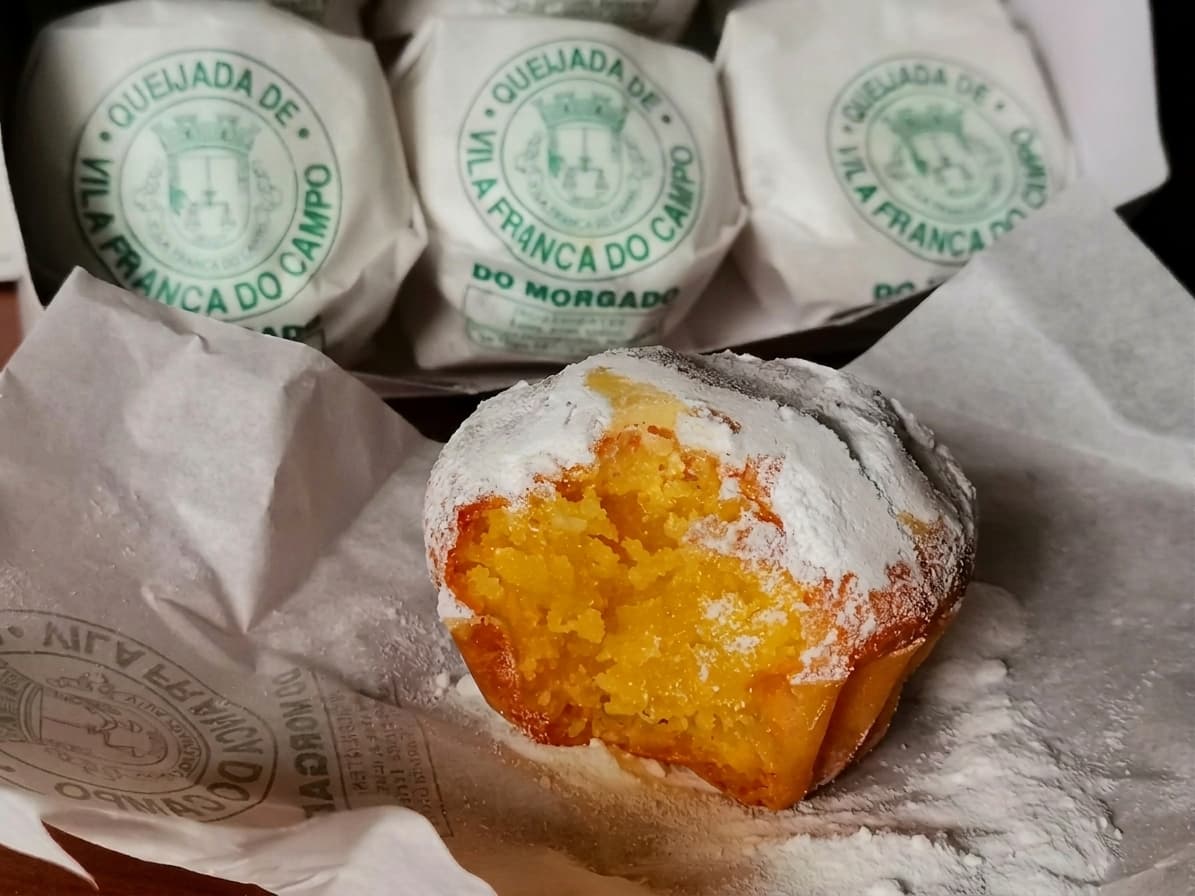
Queijadas da Vila Franca do Campo
Small traditional queijadas from Vila Franca do Campo, strongly associated with the island.
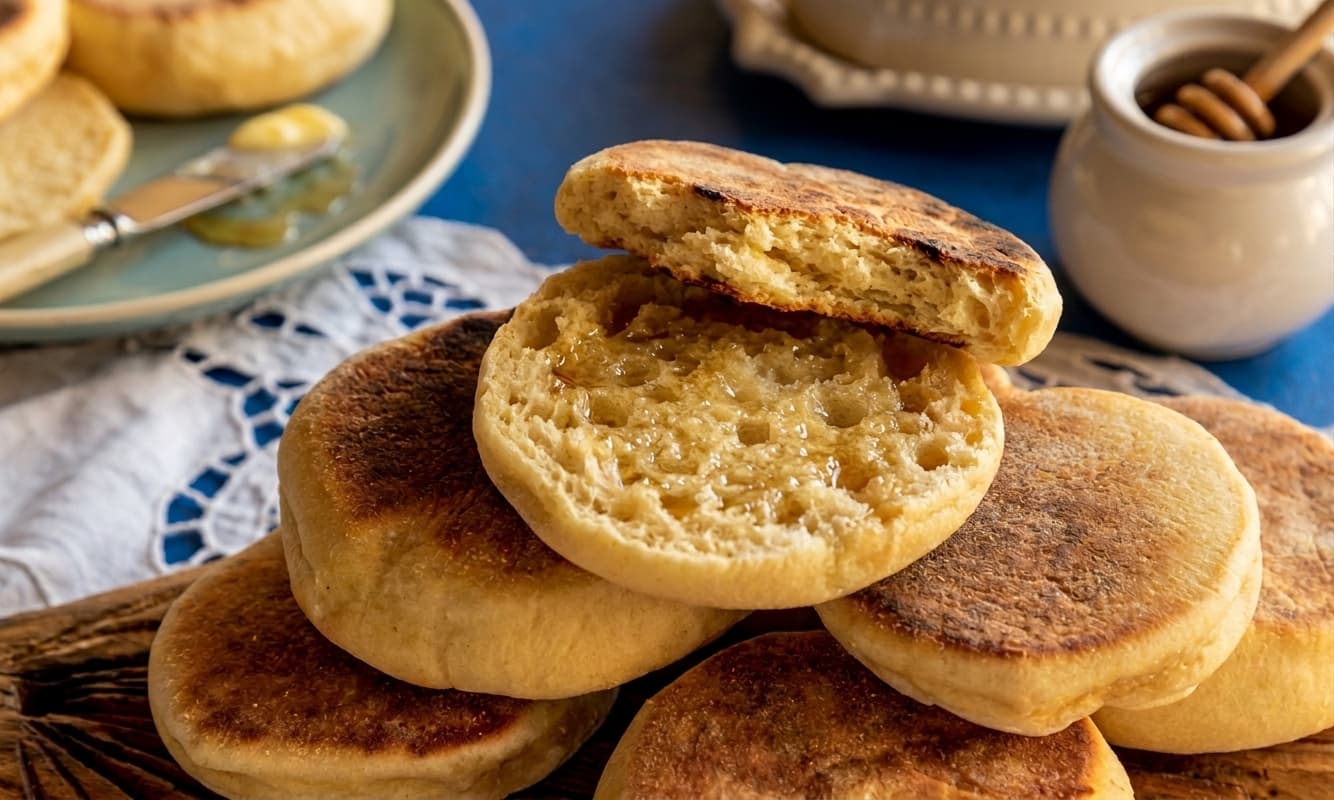
Bolo Lêvedo
A soft, lightly sweet bread-cake typical of Furnas.
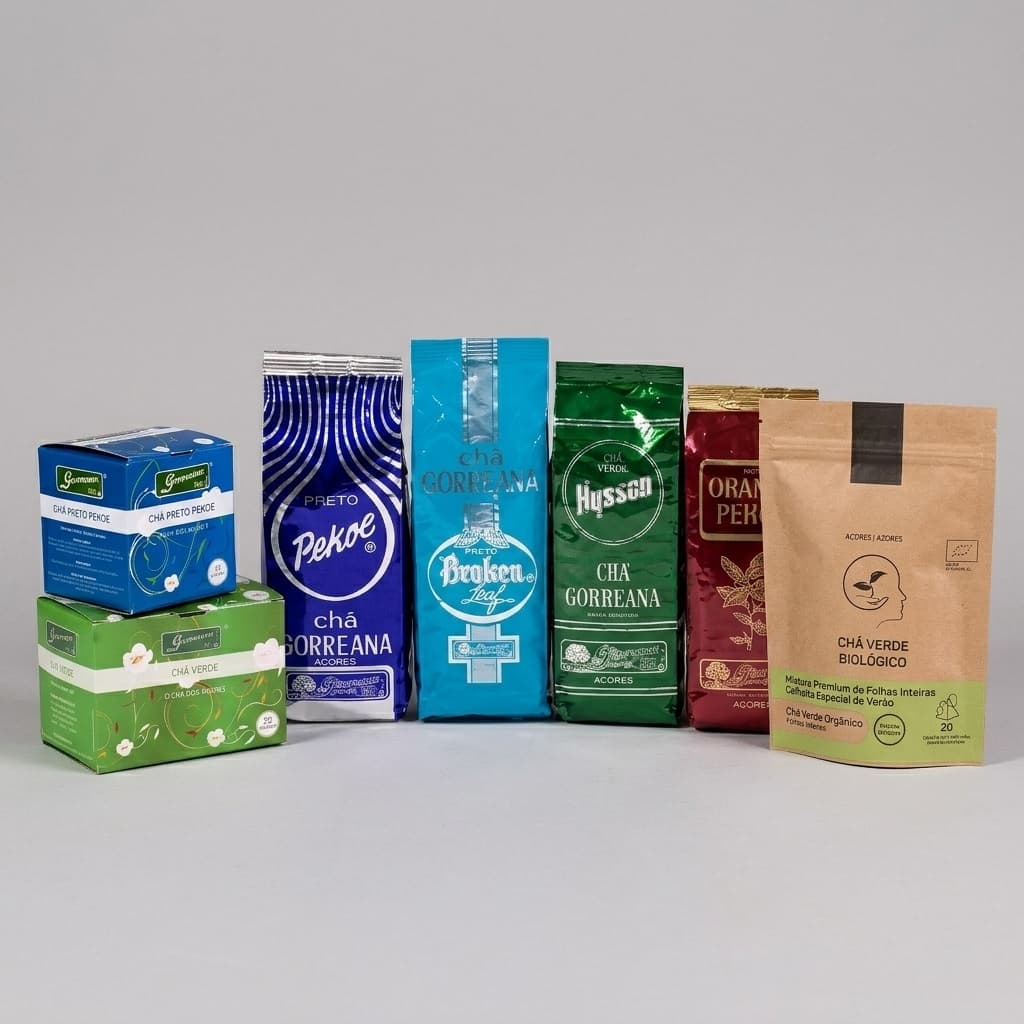
Chá da Gorreana
Tea grown and produced at the historic Gorreana plantation on São Miguel Island, known for its black and green varieties.
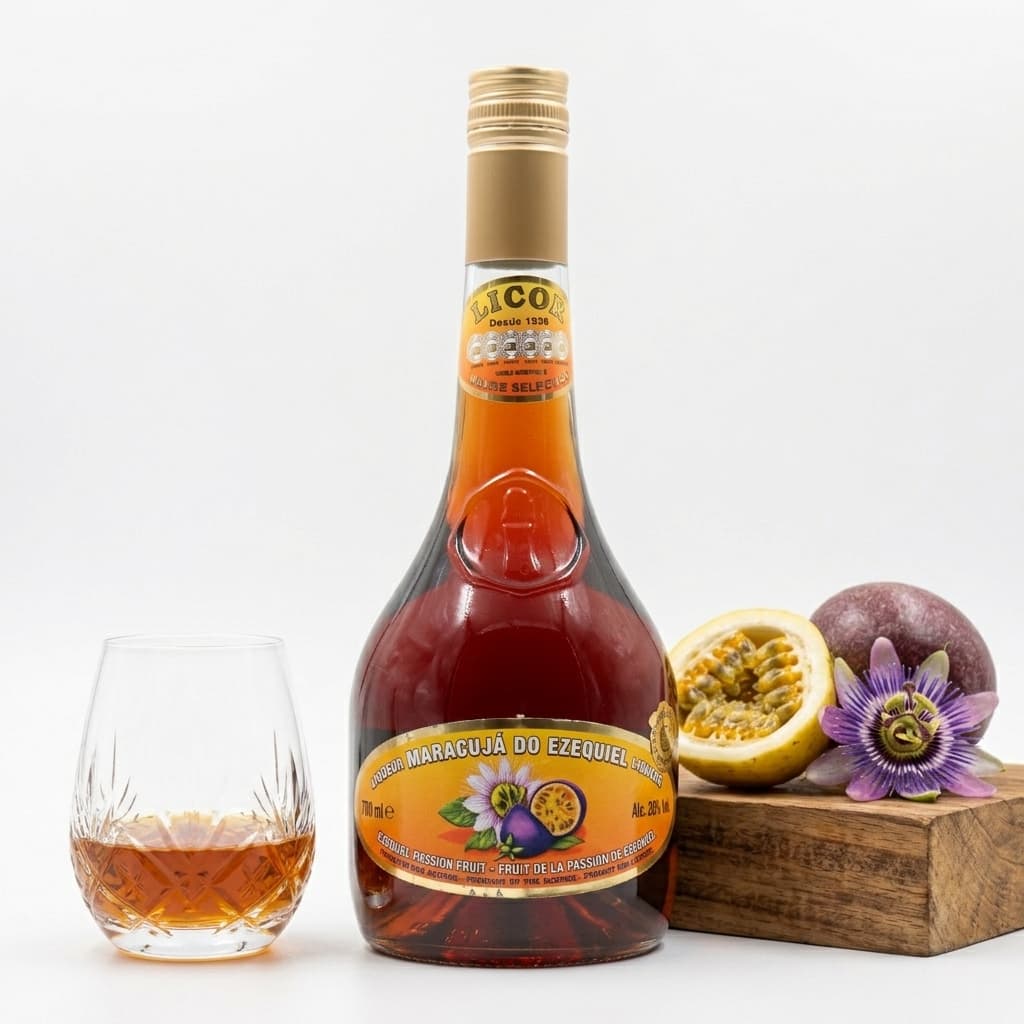
Licor de Maracujá
A passion-fruit liqueur strongly associated with the Azores.
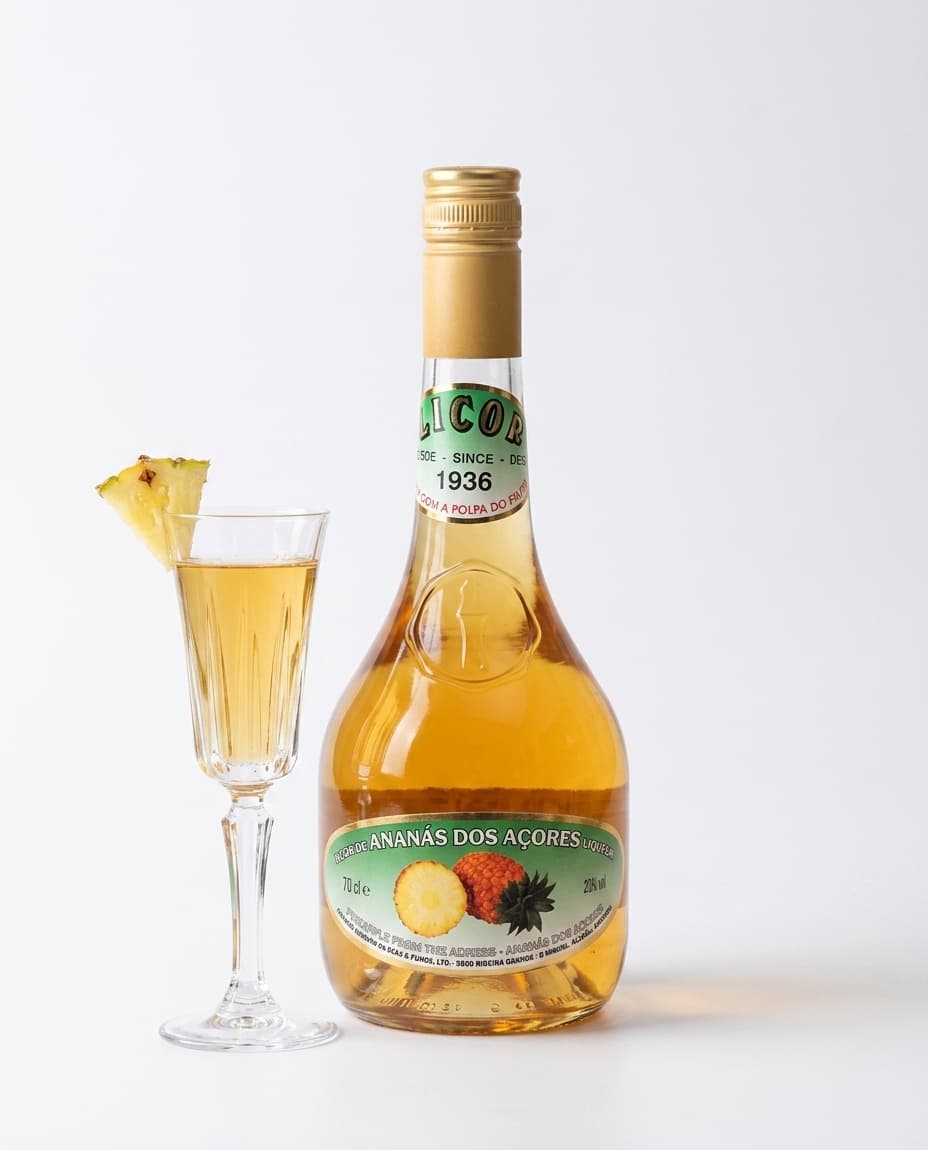
Licor de Ananás
A regional drink connected to pineapple cultivation on São Miguel.
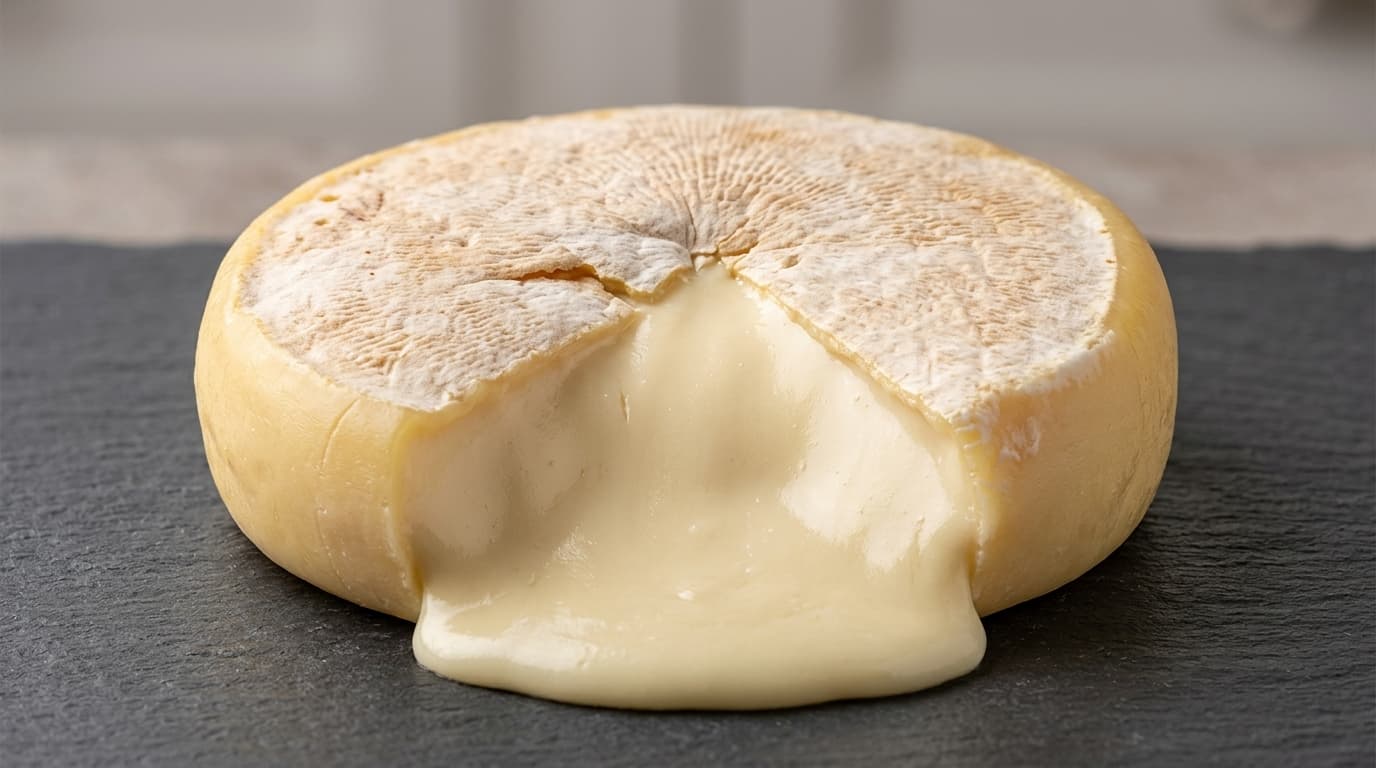
Queijo do Pico DOP
A cured raw cow’s-milk cheese with a semi-soft, buttery ivory paste.
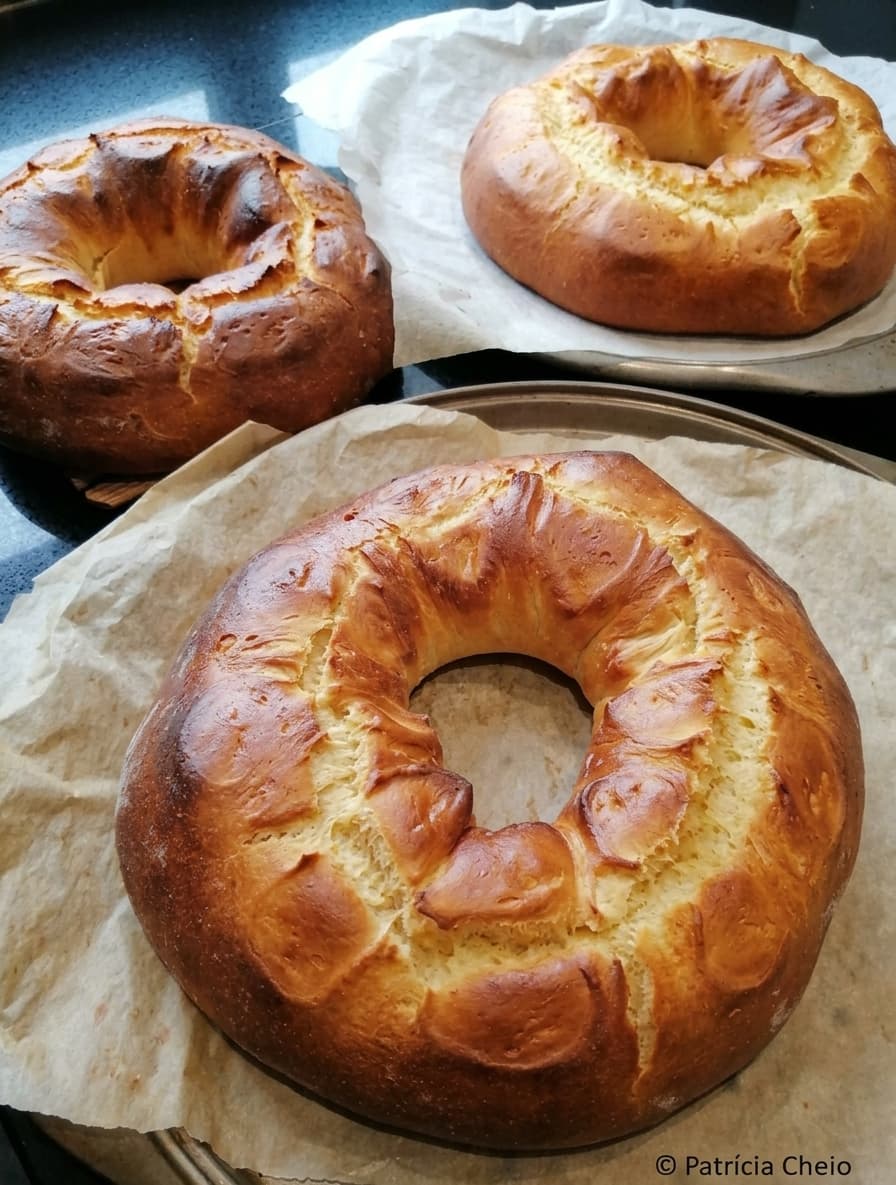
Rosquilhas do Pico
Traditional ring-shaped sweet breads from Pico Island, with a soft texture and delicate aroma.
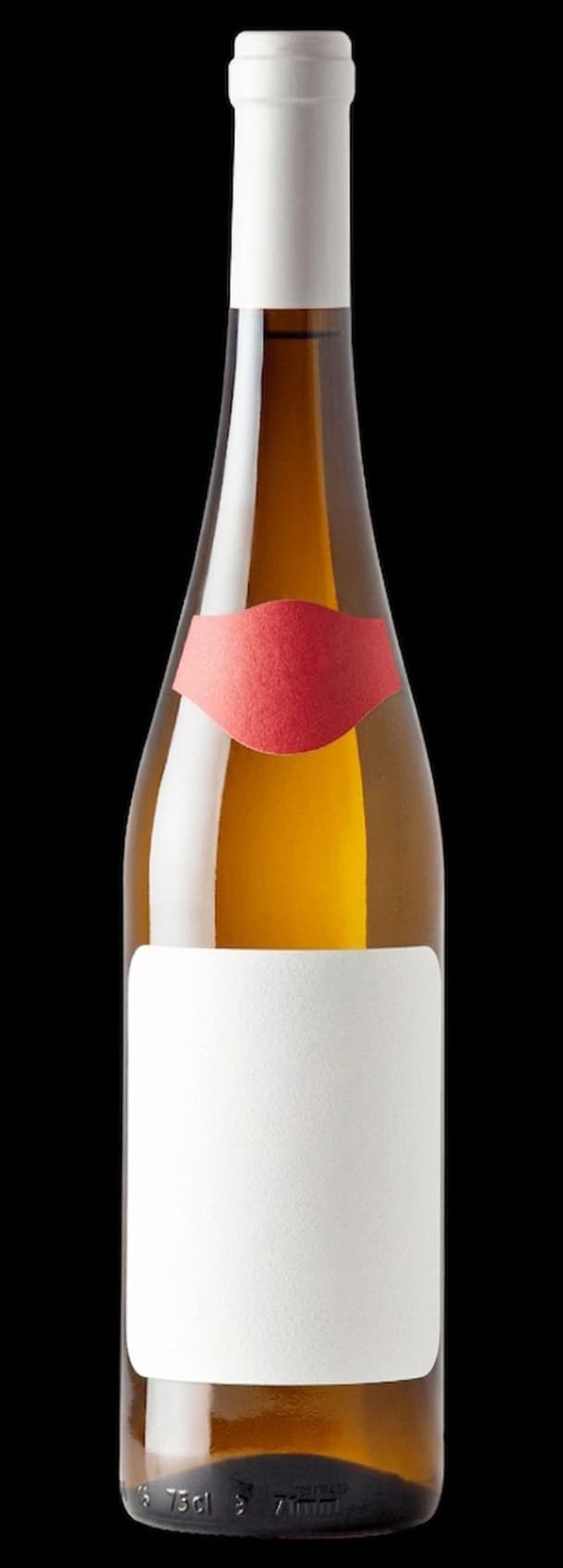
Vinho do Pico
A distinctive Azorean wine produced on Pico Island, where vines grow in volcanic soils protected by traditional black-stone walls.
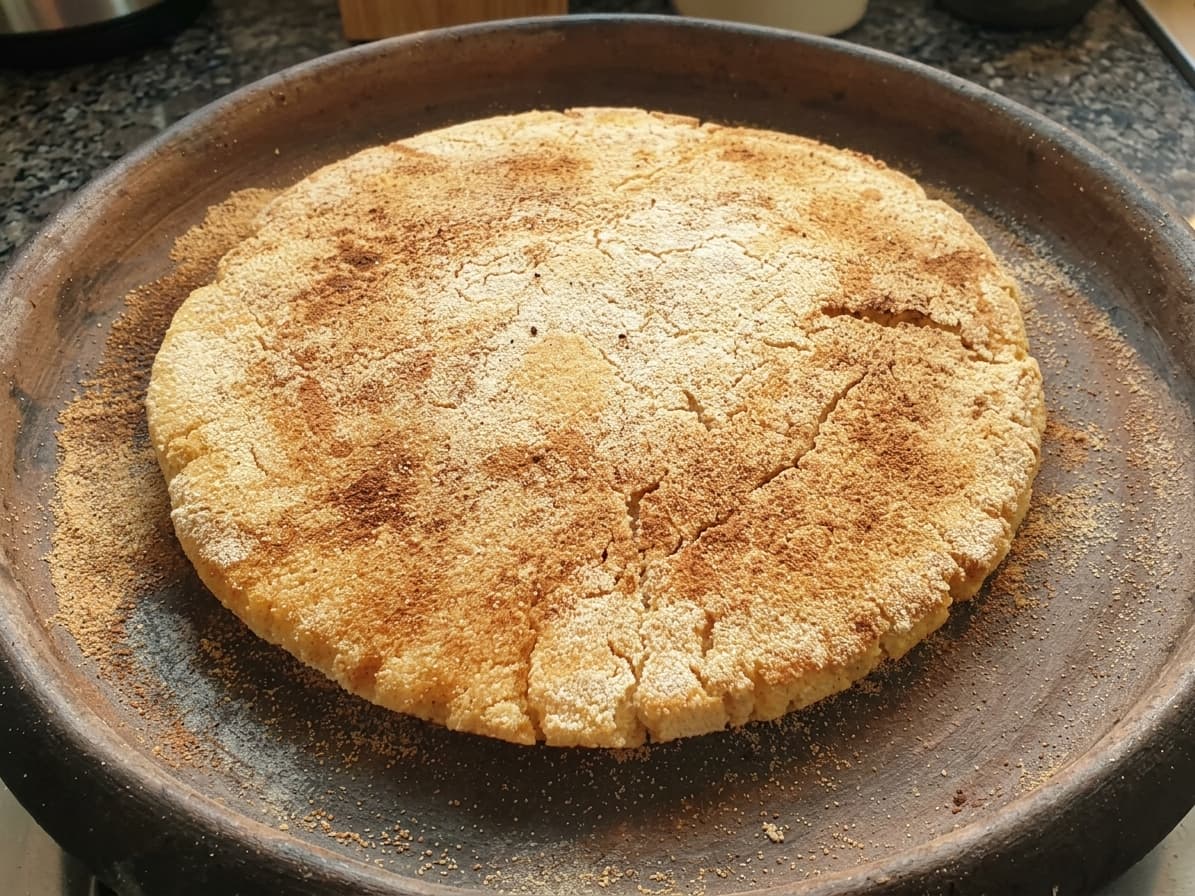
Bolo de Sertã das Flores
Traditional flat breads from Flores Island, cooked on a hot griddle known locally as a sertã.
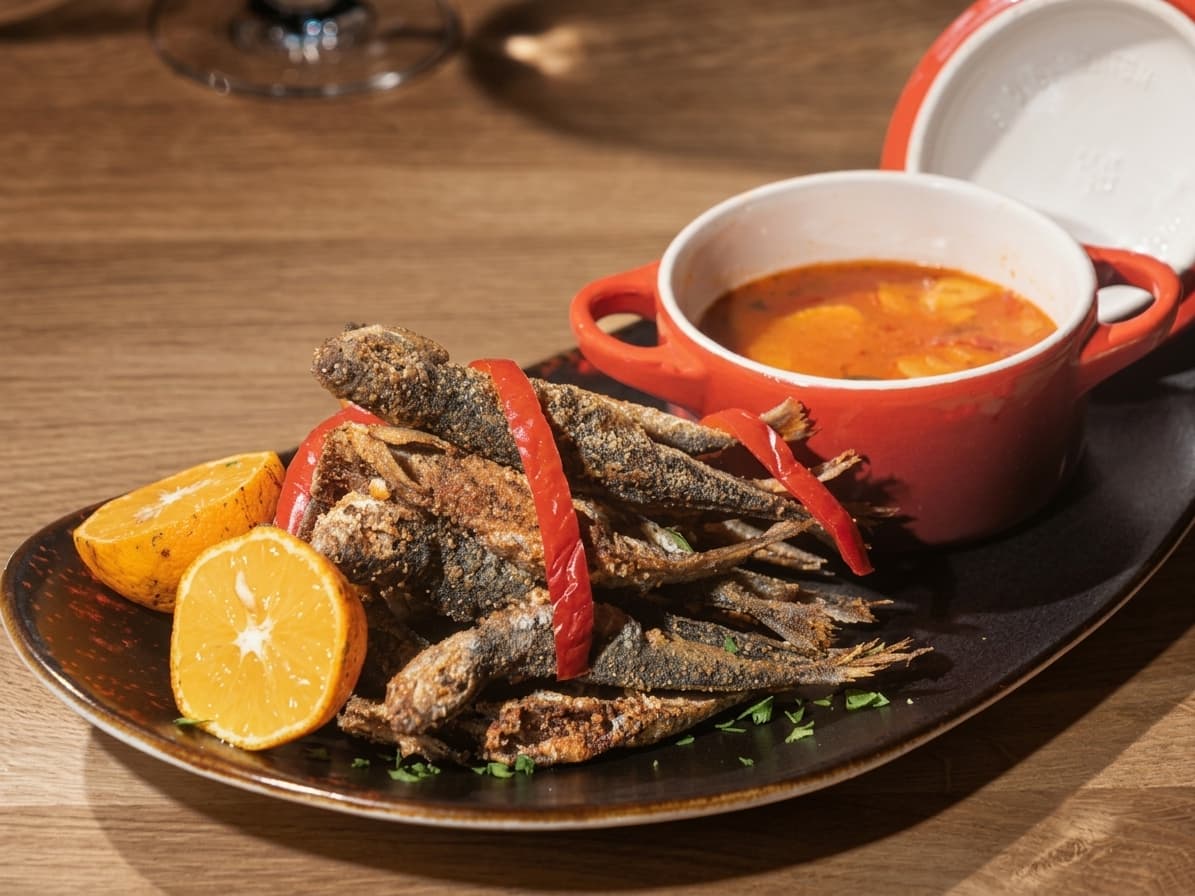
Peixe com Molho de Vilão
A traditional Azorean fish dish served with a tangy sauce of vinegar, garlic and regional red pepper paste.

Flóricas
Traditional sweets from Flores Island, prepared from a simple dough and shaped into characteristic flower-like forms.
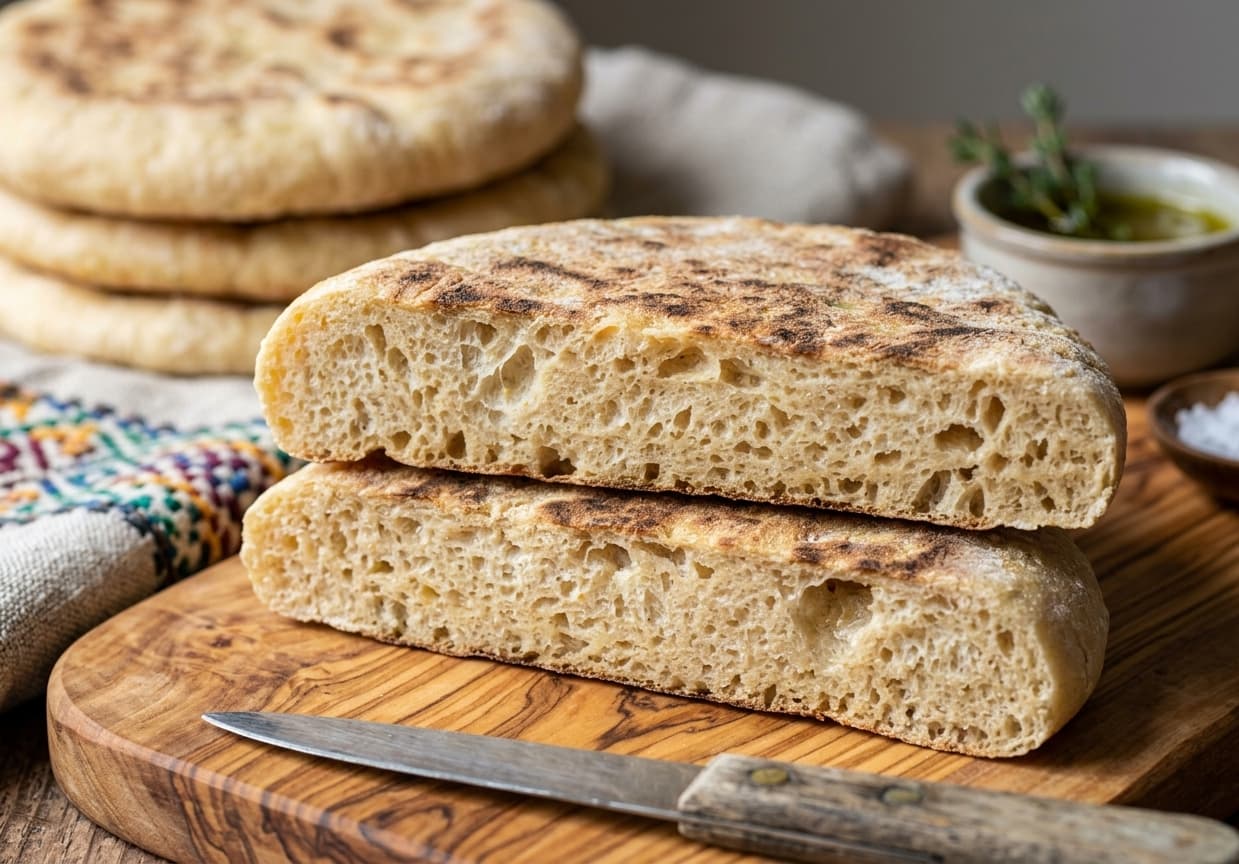
Bolo do Caco
A traditional flat bread, normally served warm with garlic butter.
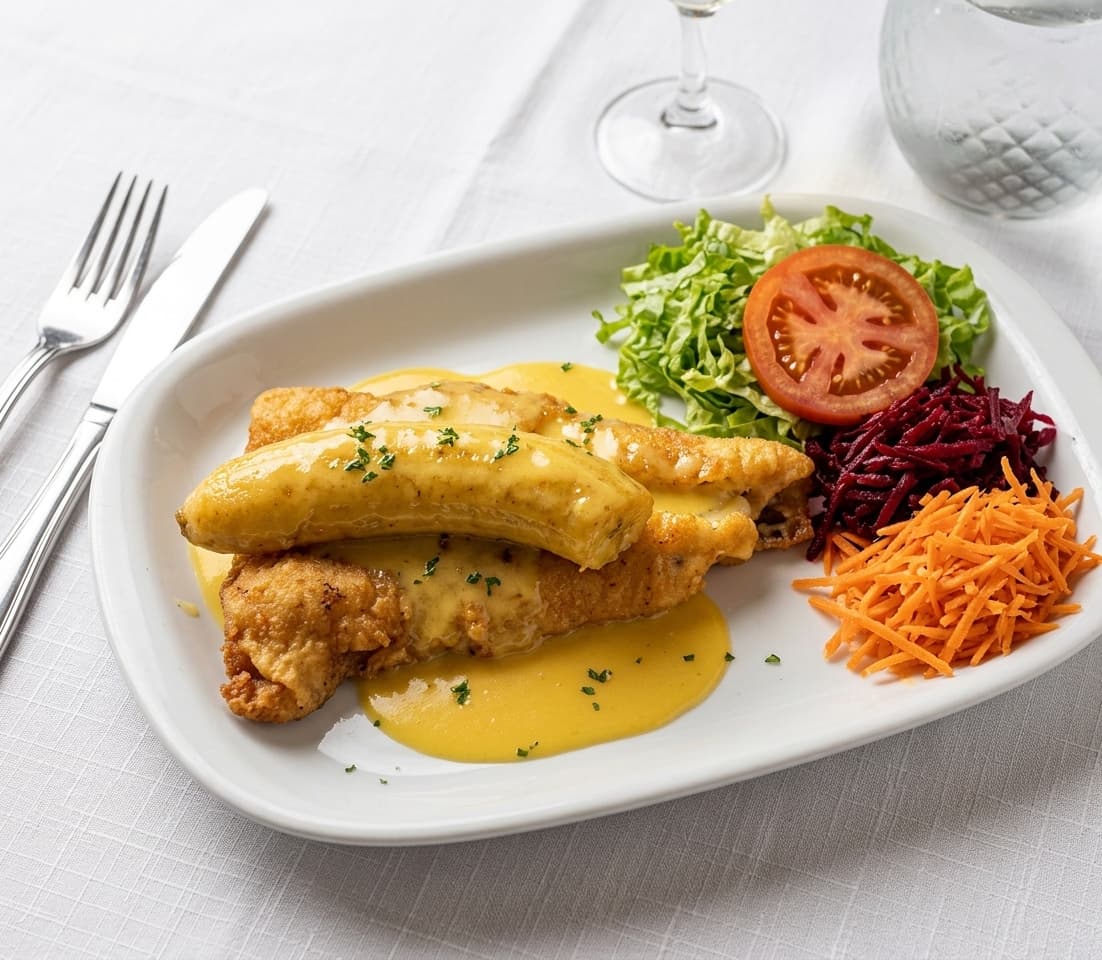
Peixe-Espada-Preto com Banana
Black scabbardfish fillet, frequently served with Madeira banana.
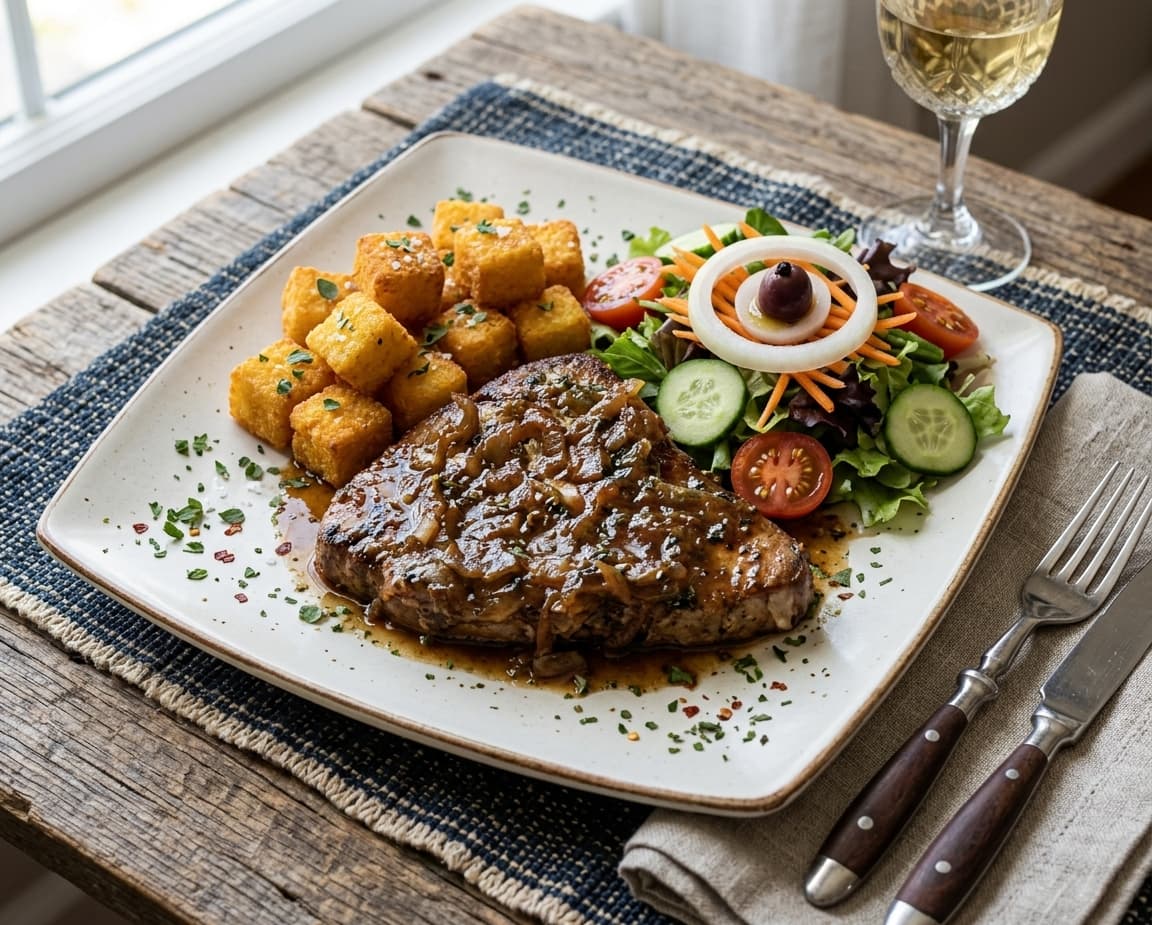
Bife de Atum à Madeirense
Tuna prepared with garlic, bay leaf, wine and other local seasonings.
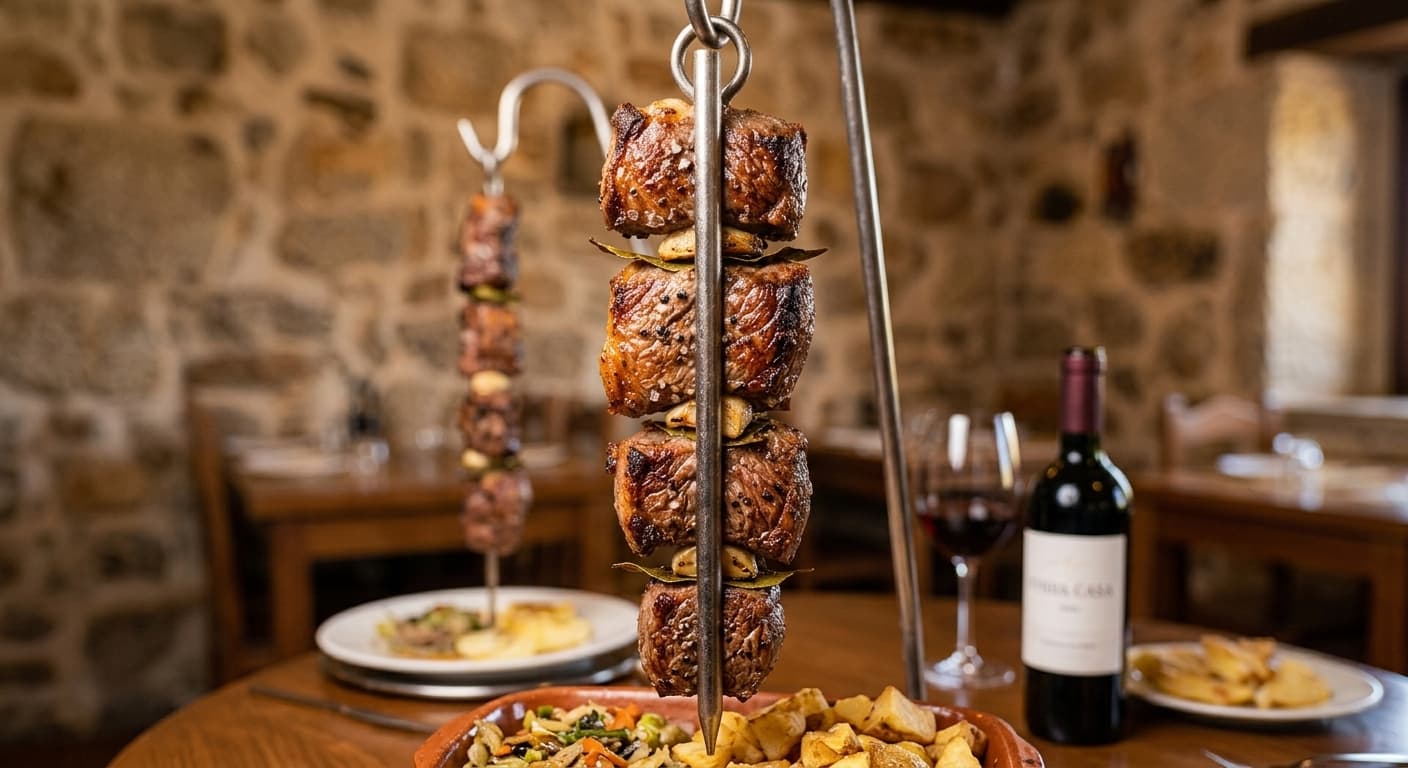
Espetada Madeirense
Beef cubes seasoned with garlic and salt, traditionally roasted on a laurel skewer.
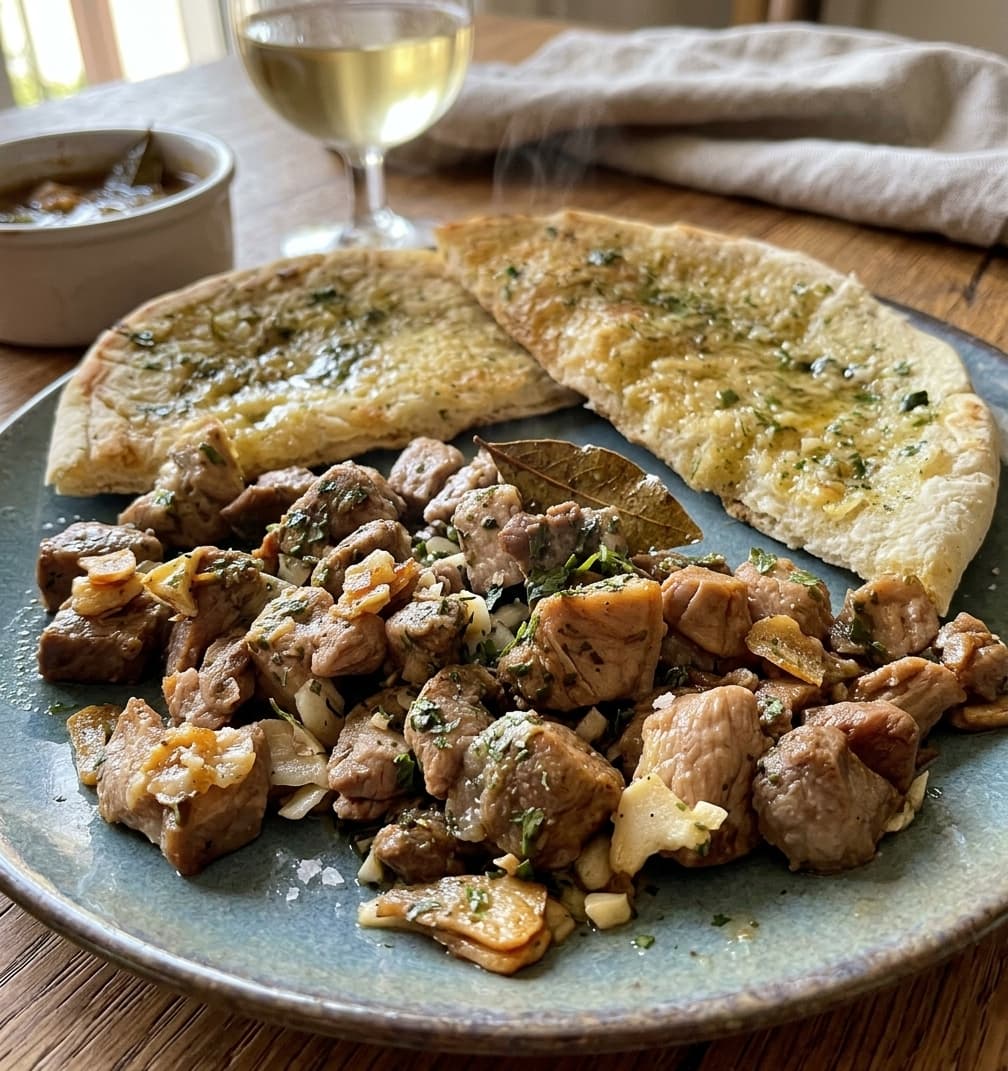
Carne de Vinha-d'alhos
Pork marinated in wine, vinegar, garlic and spices, especially traditional at Christmas.
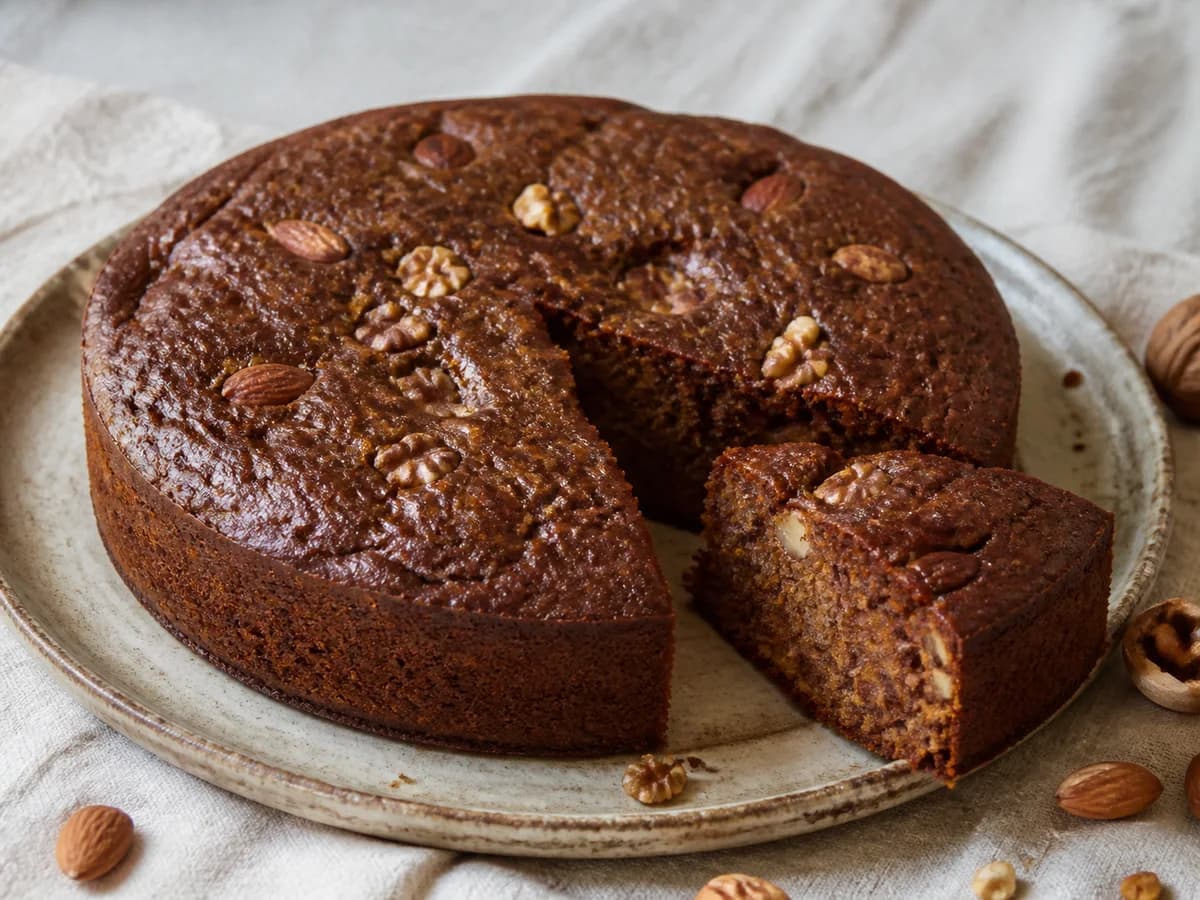
Bolo de Mel da Madeira
A dark, aromatic cake traditionally made with sugar-cane honey, spices and dried fruit and nuts.
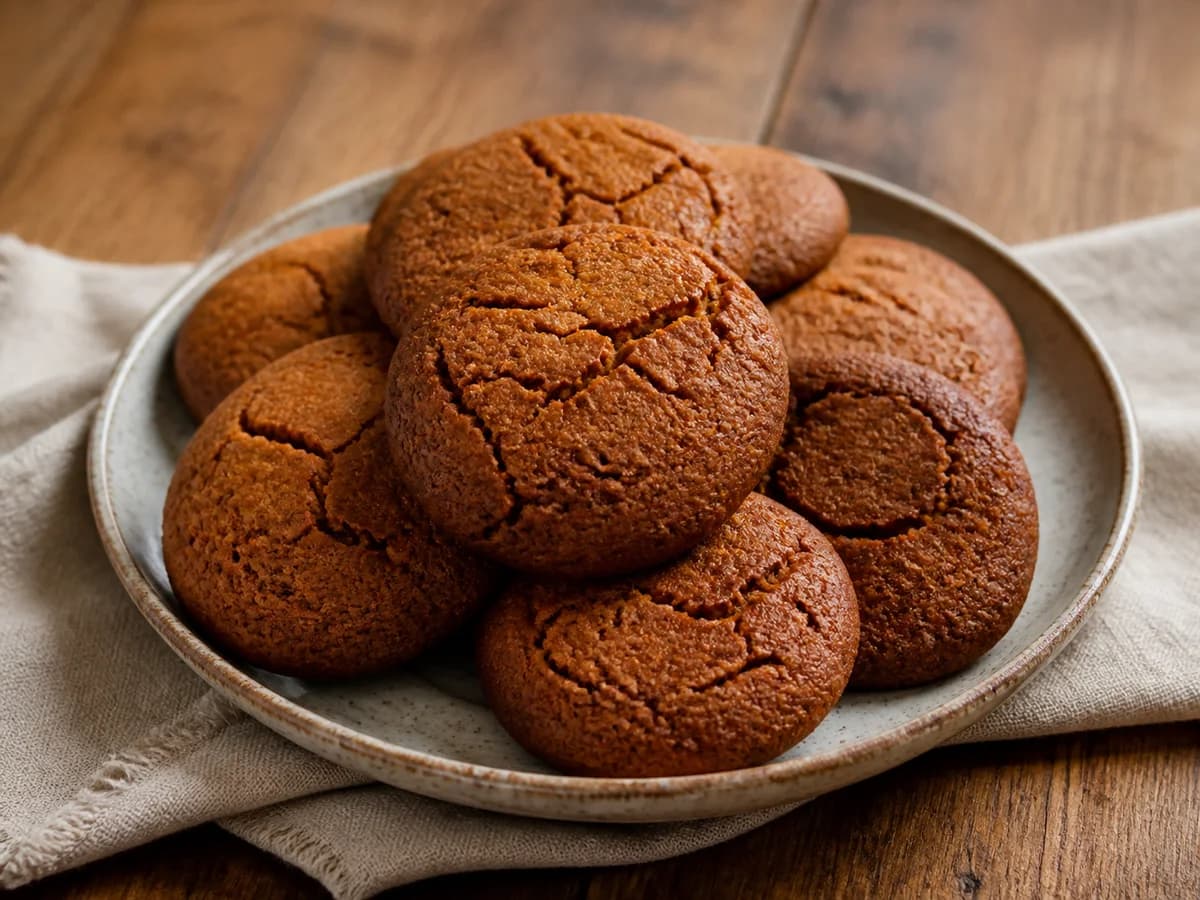
Broas de Mel
Small traditional cakes or biscuits made with sugar-cane honey and spices.
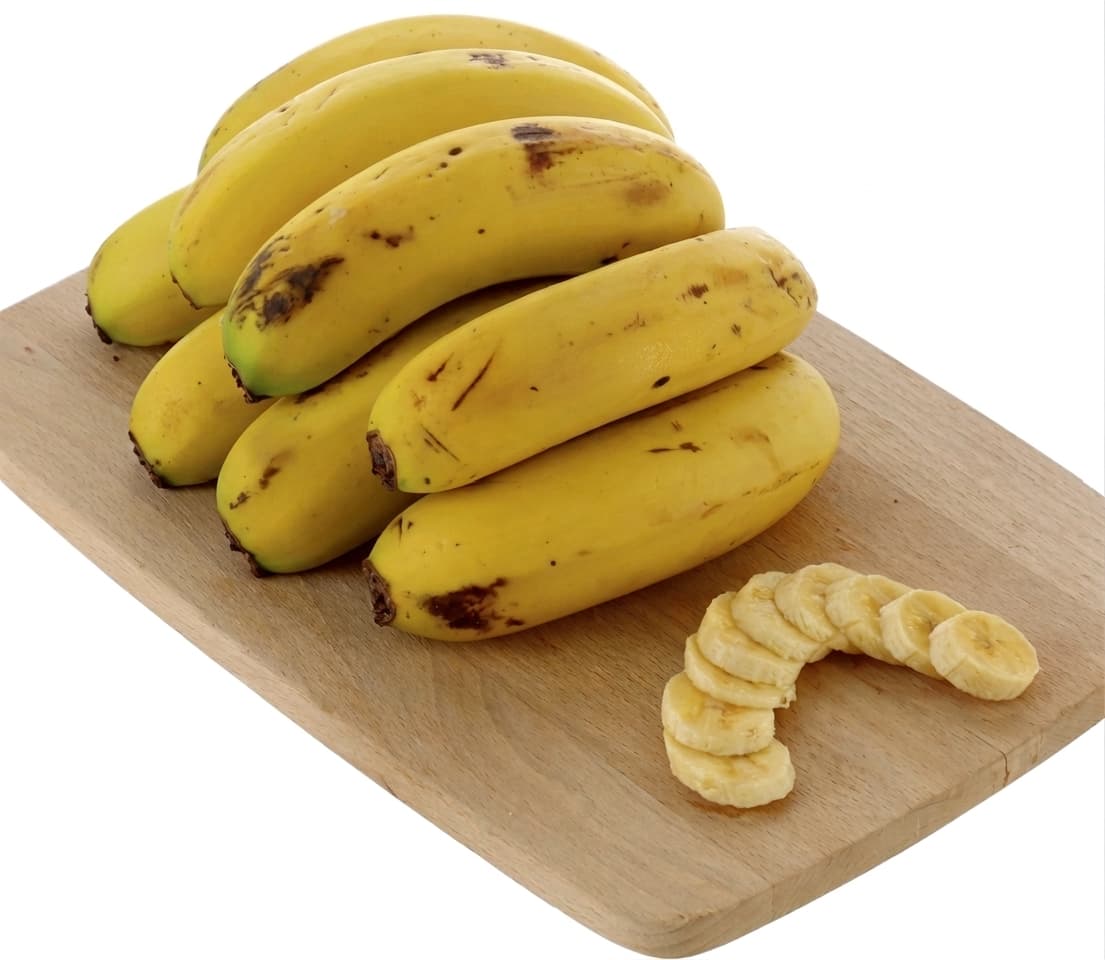
Banana da Madeira
One of the archipelago’s best-known agricultural products.
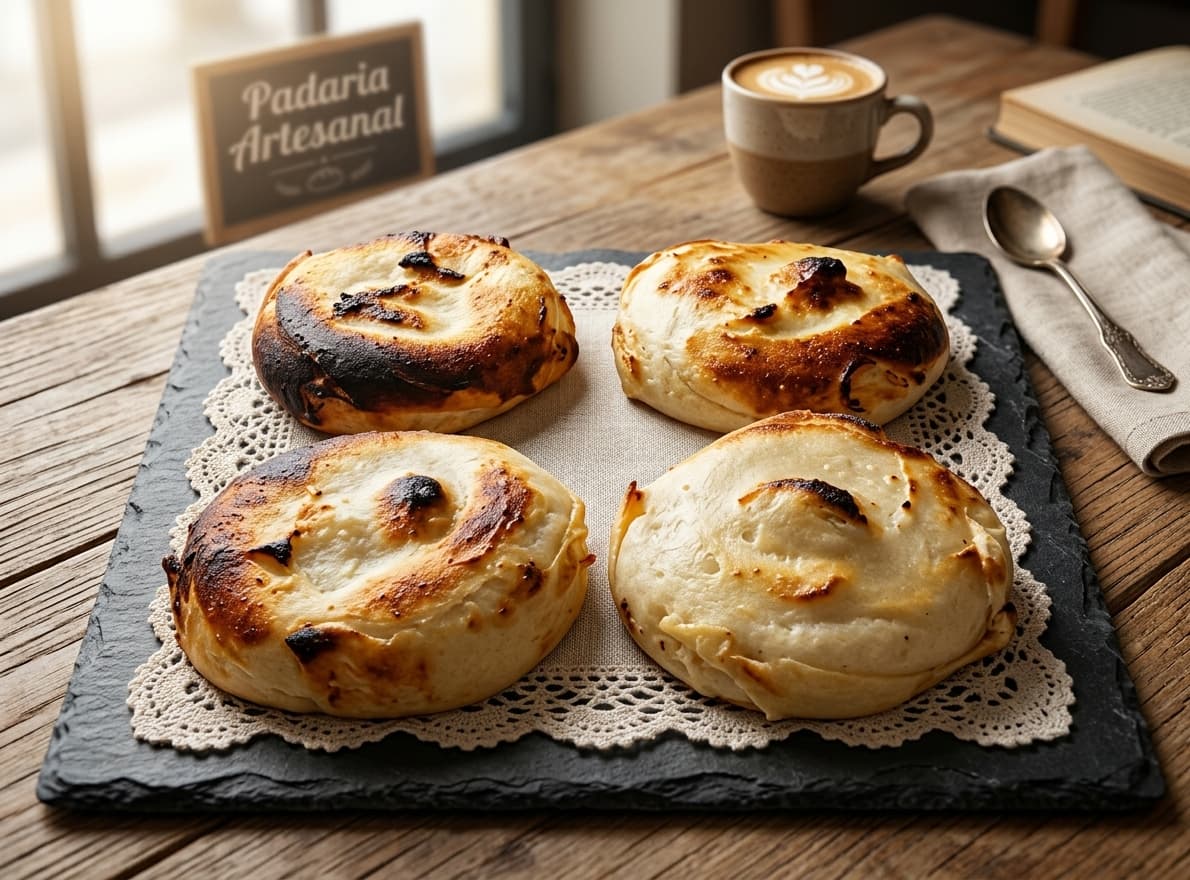
Queijada da Madeira
A traditional Madeiran sweet made with fresh cheese, sugar and eggs.
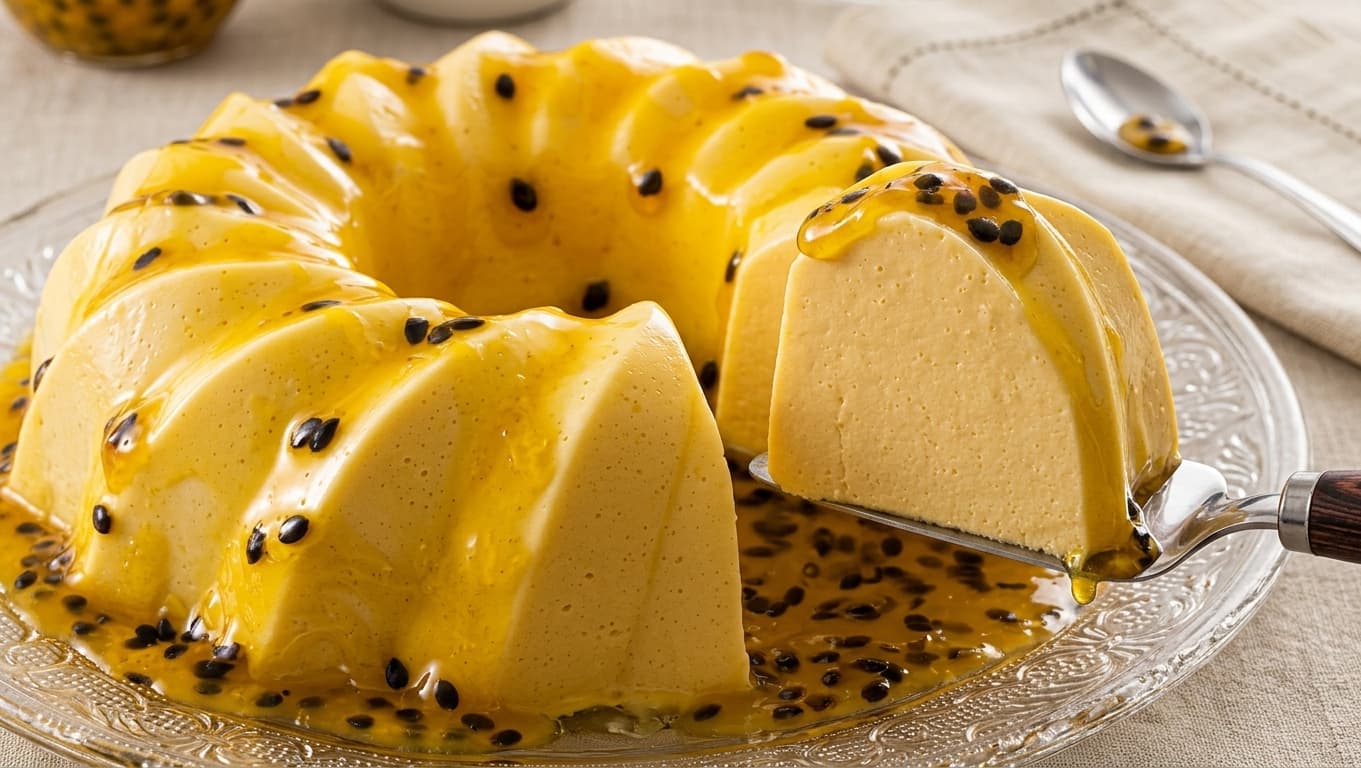
Pudim de Maracujá
A creamy Madeiran dessert flavoured with passion fruit, balancing sweetness with a fresh tropical acidity.
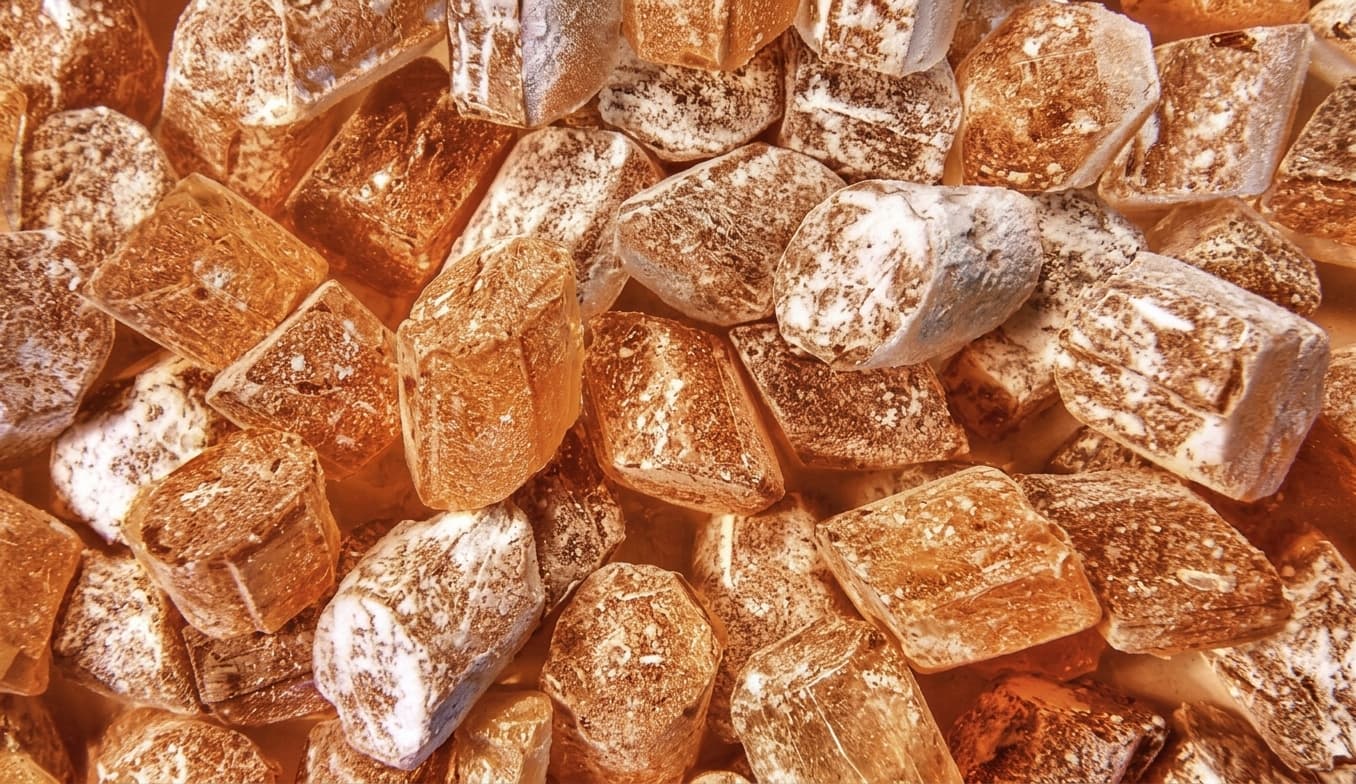
Rebuçados de Funcho
Traditional Madeiran sweets flavoured with fennel, closely associated with Funchal.
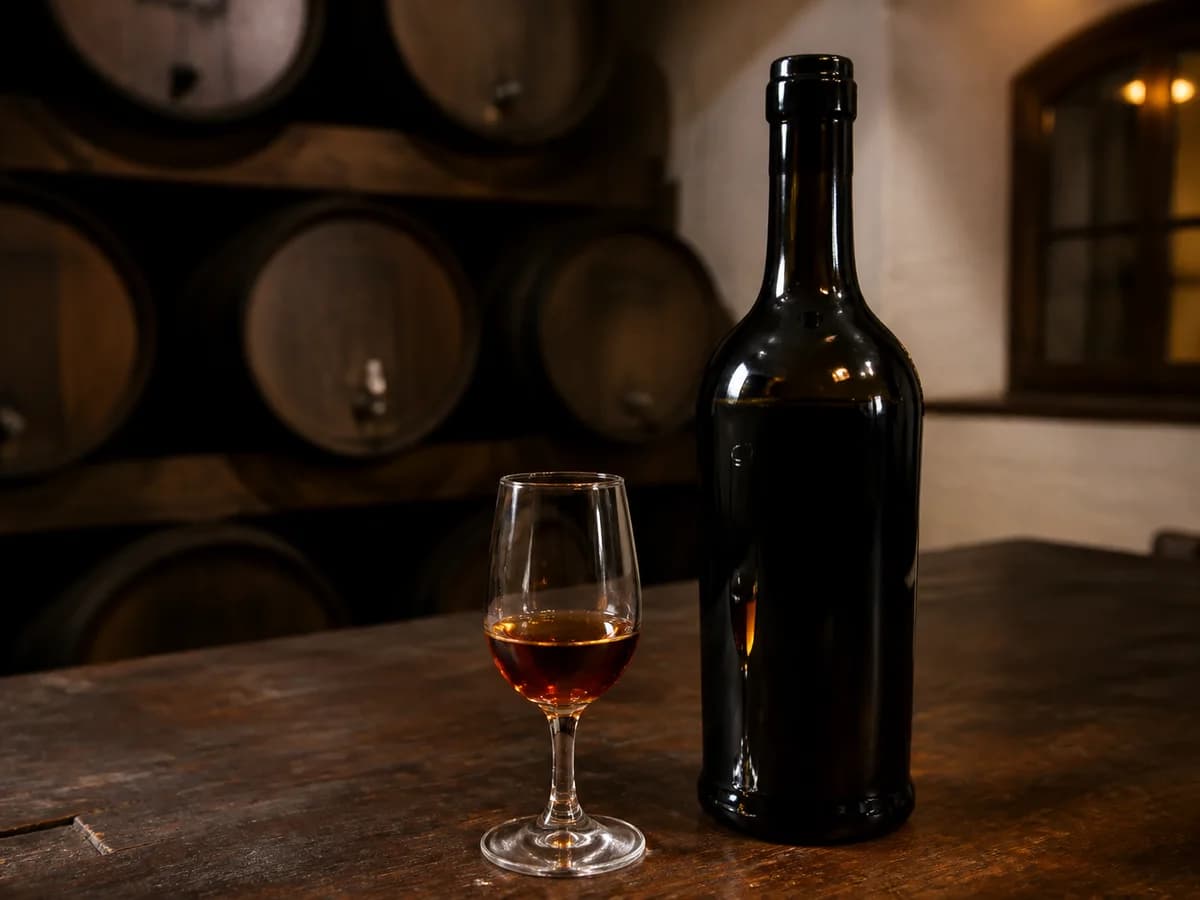
Vinho Madeira
A world-famous fortified wine produced in styles ranging from dry to sweet.
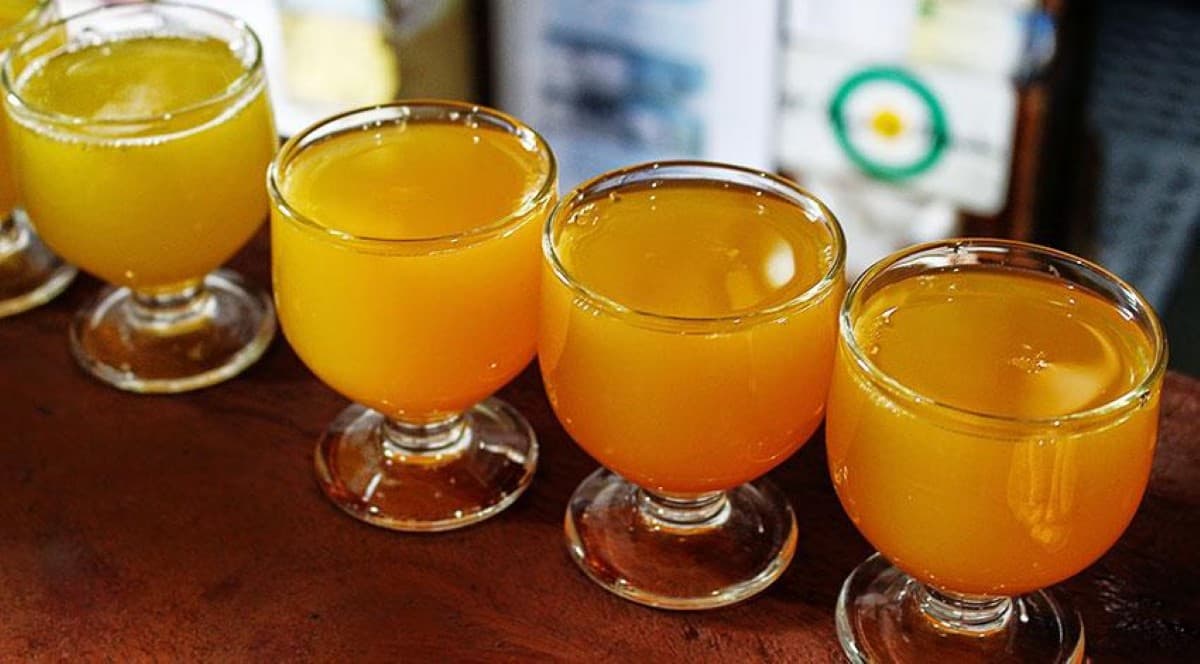
Poncha
A traditional drink made with sugar-cane spirit, honey or sugar and lemon, now found in many variations.
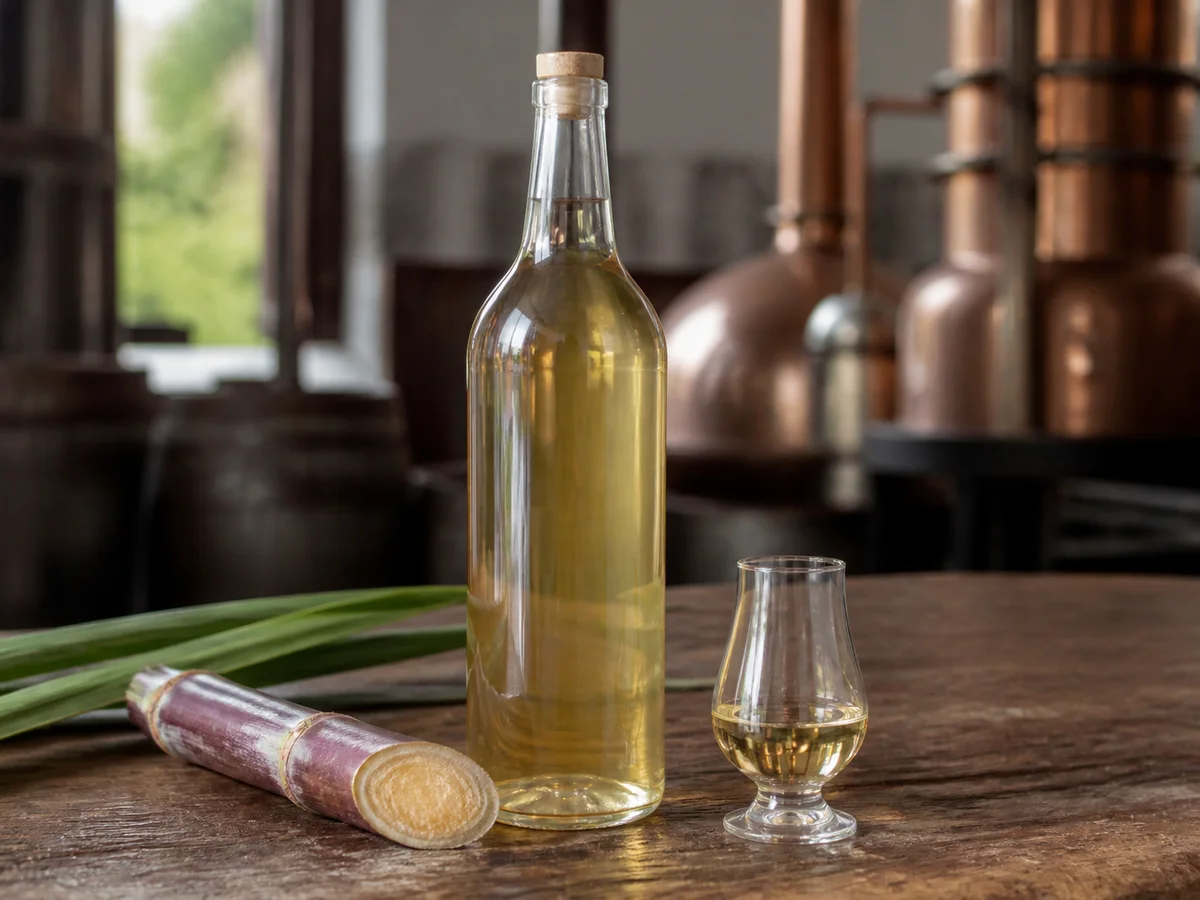
Rum Agrícola da Madeira
A spirit distilled from sugar cane grown in Madeira.
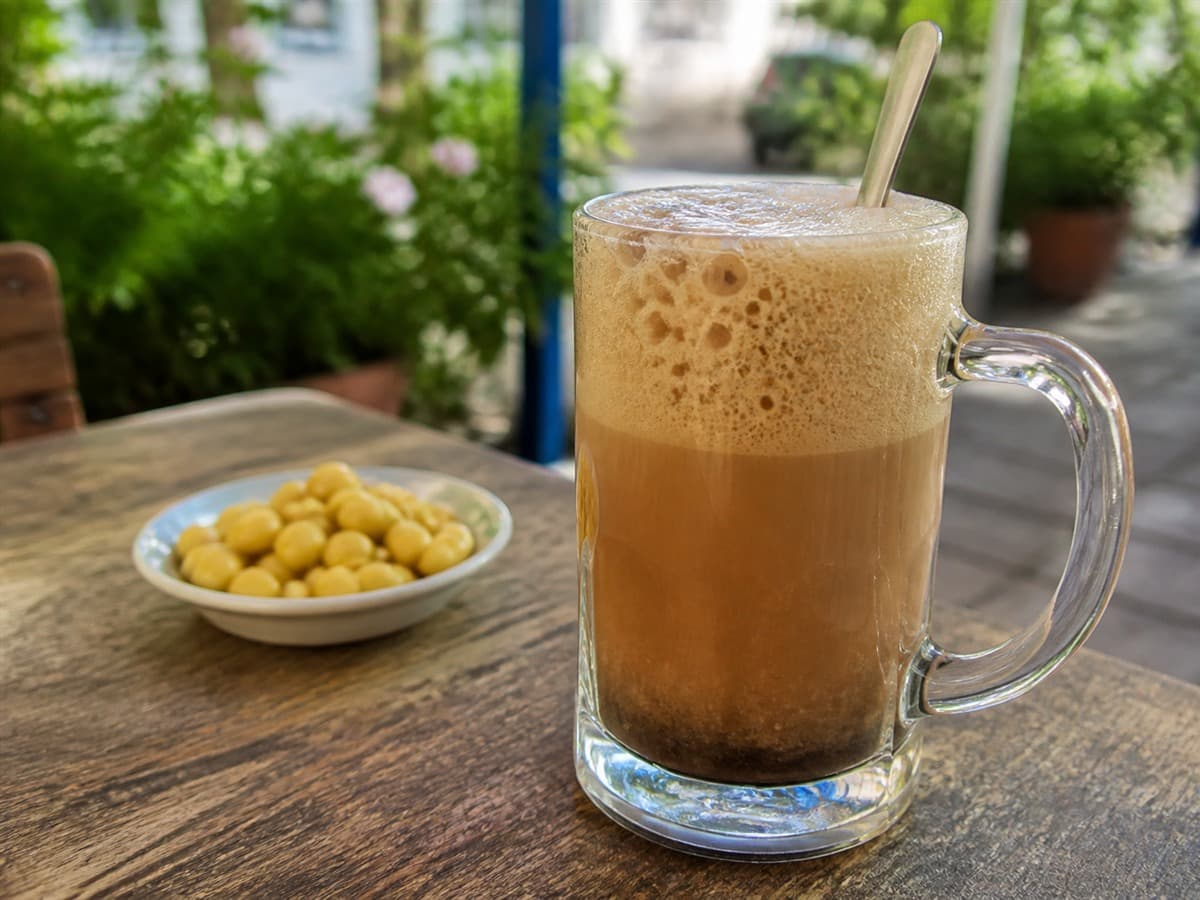
Pé de Cabra
A creamy traditional Madeira drink, particularly associated with Câmara de Lobos.
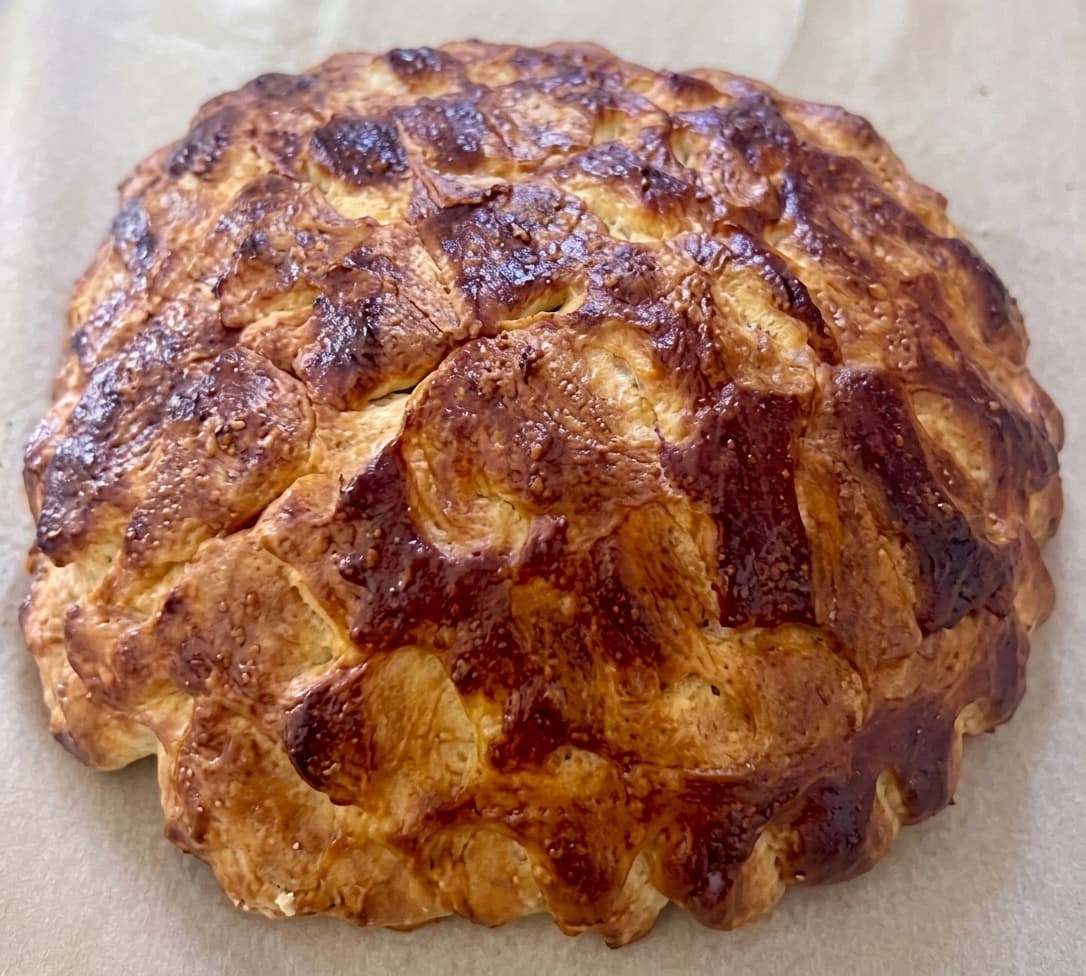
Capelas de São João
A traditional sweet from Porto Santo associated with the festivities of São João, the island’s patron saint.
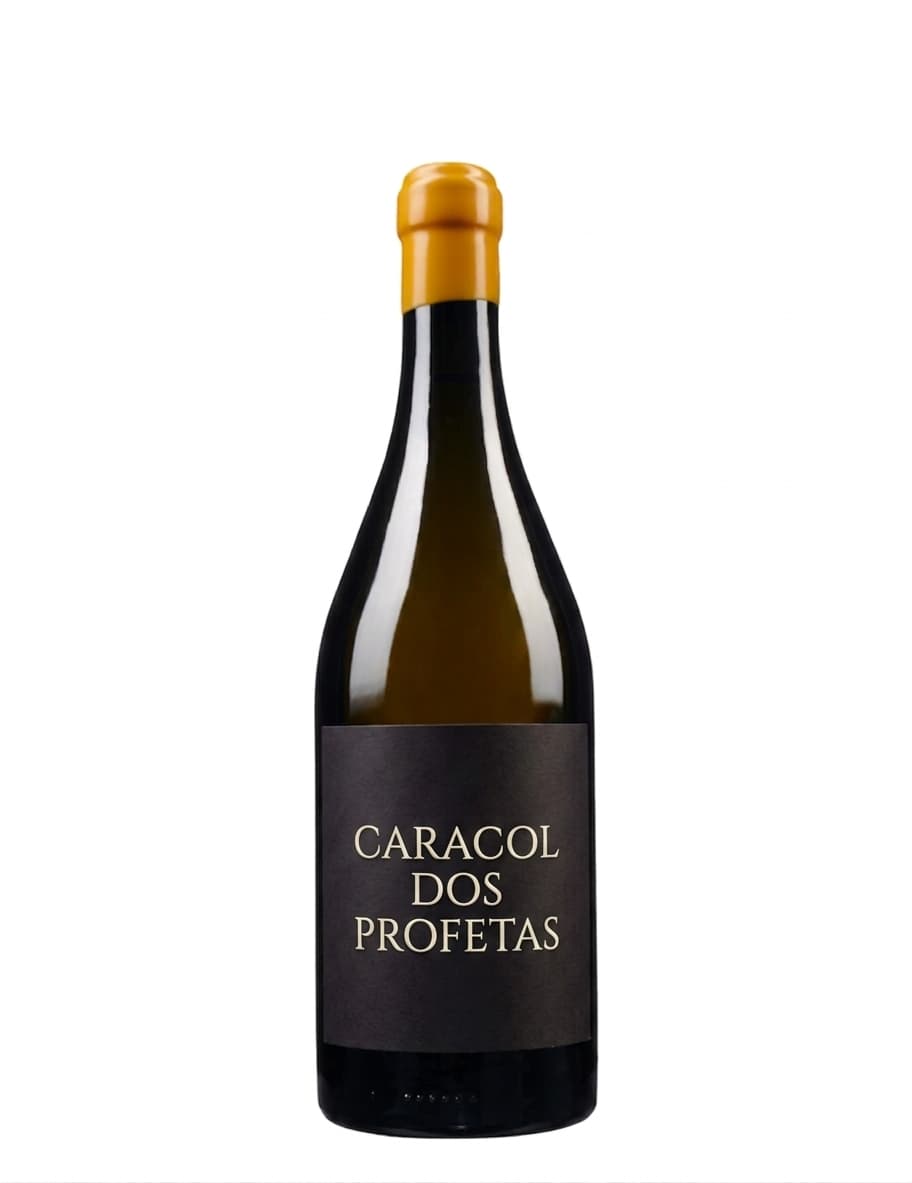
Vinho de Caracol
A traditional wine from Porto Santo, produced from vines cultivated in the island’s distinctive sandy and calcareous soils.
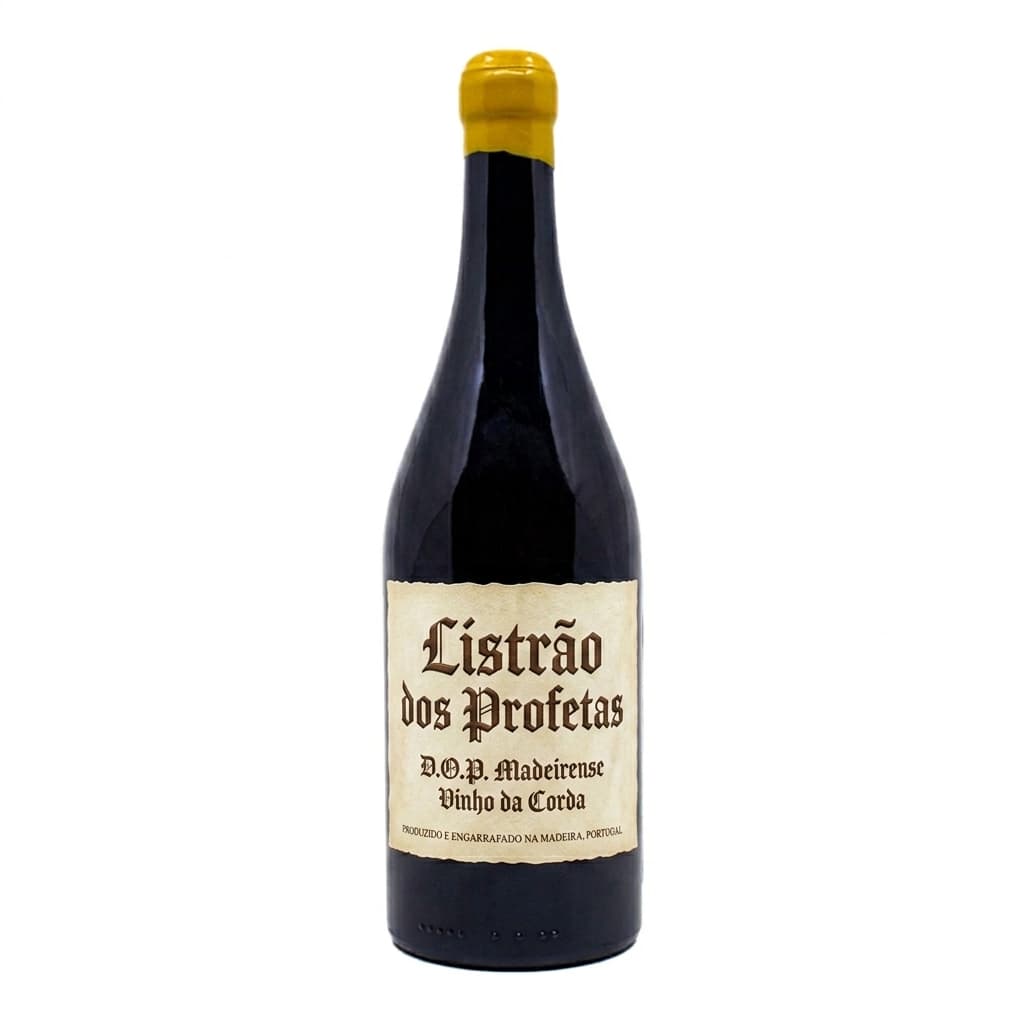
Vinho de Listrão
A distinctive wine from Porto Santo made from the traditional Listrão grape, adapted to the island’s dry climate and calcareous sandy soils.
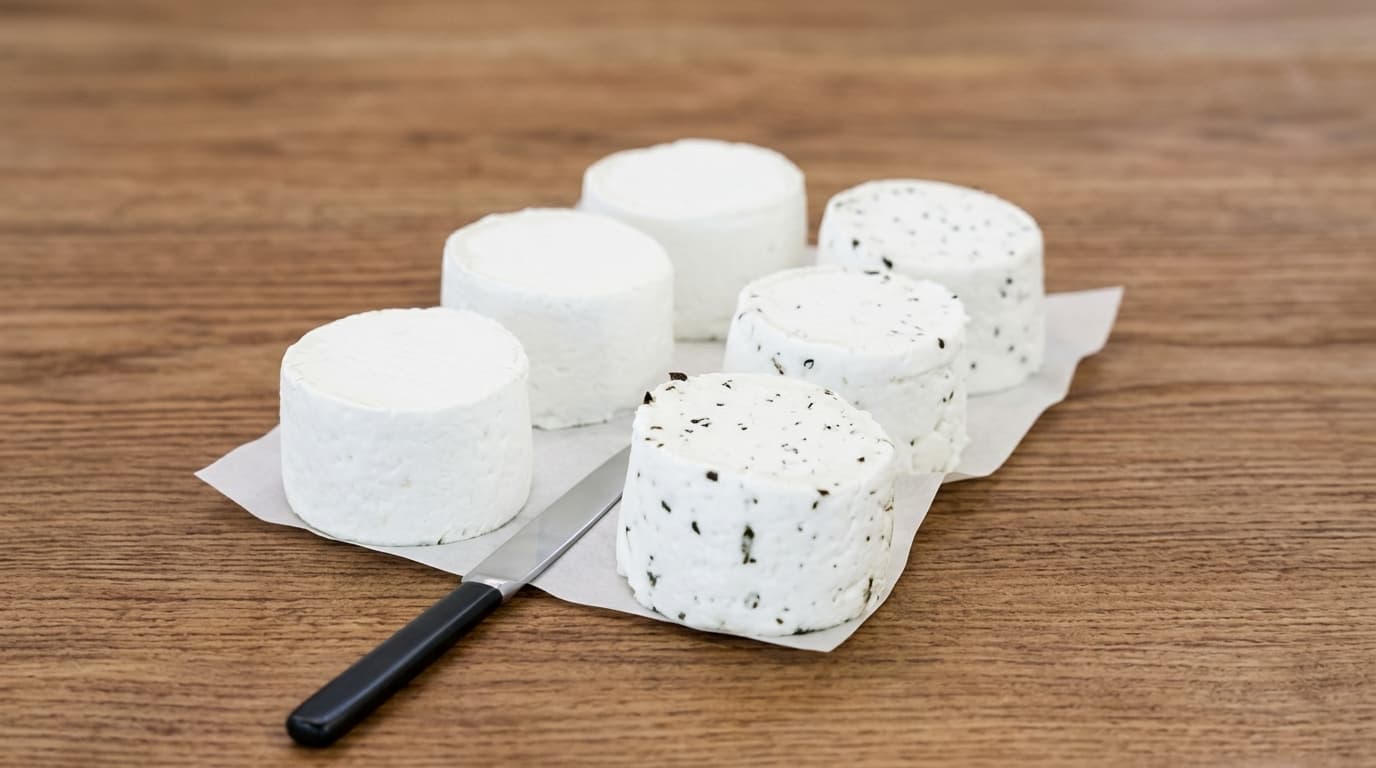
Queijo de Cabra do Guadiana
A traditional goat’s cheese from the Guadiana area of the Alentejo, appreciated for its characteristic flavour and firm texture when matured.
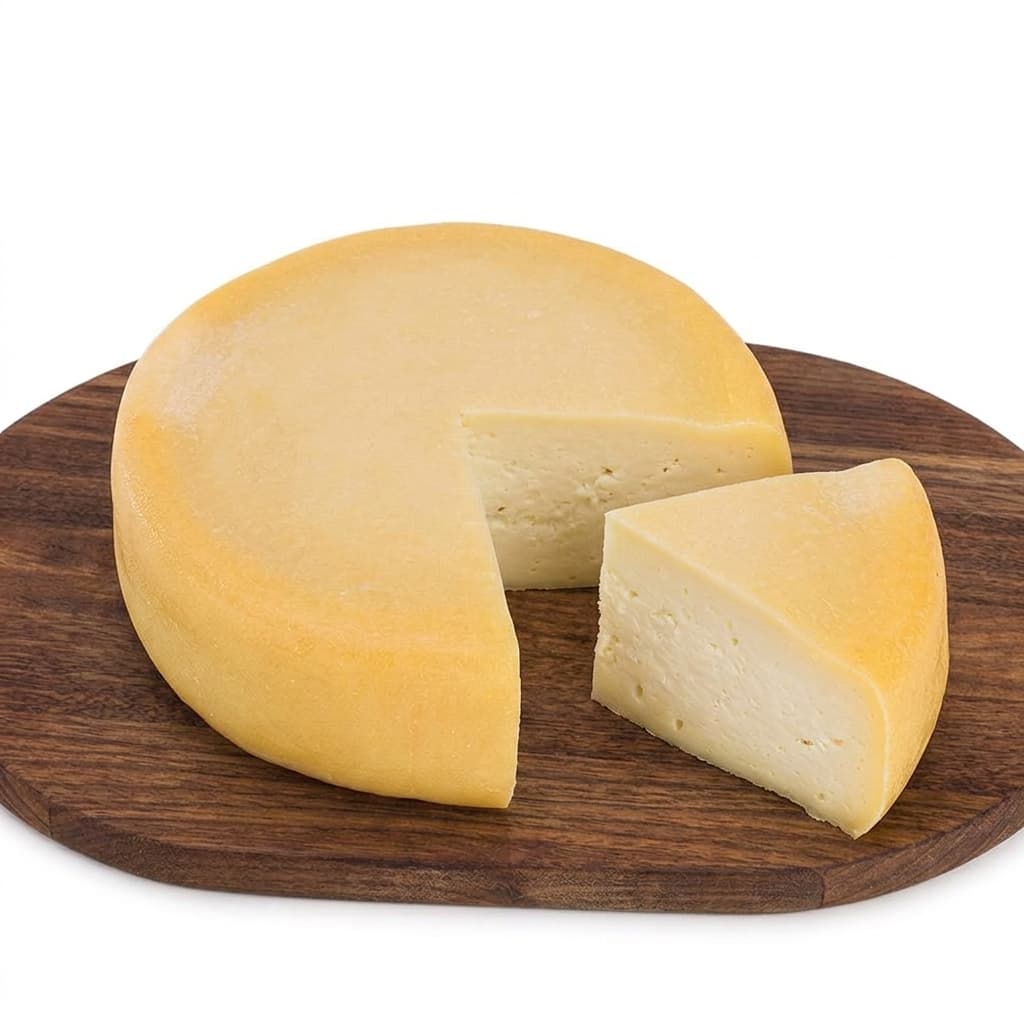
Queijo Serpa DOP
A traditional PDO sheep’s milk cheese from the Alentejo, known for its creamy to semi-soft texture and intense, slightly piquant flavour.
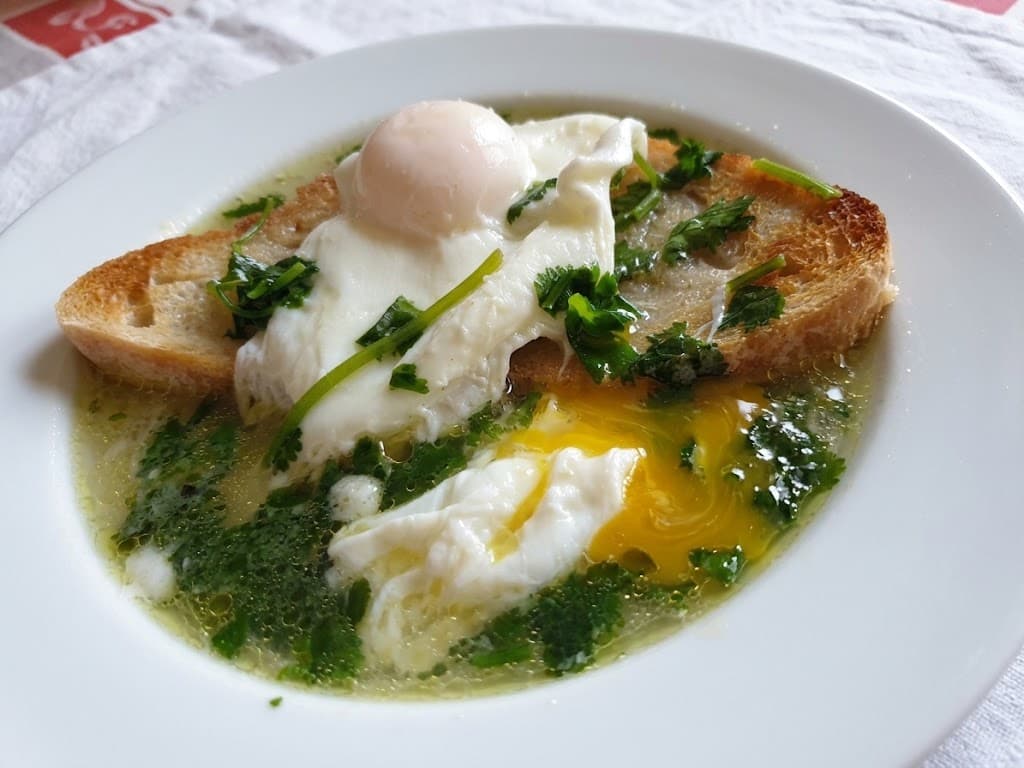
Açorda à Alentejana
Alentejo bread with garlic, coriander, olive oil and a poached egg.
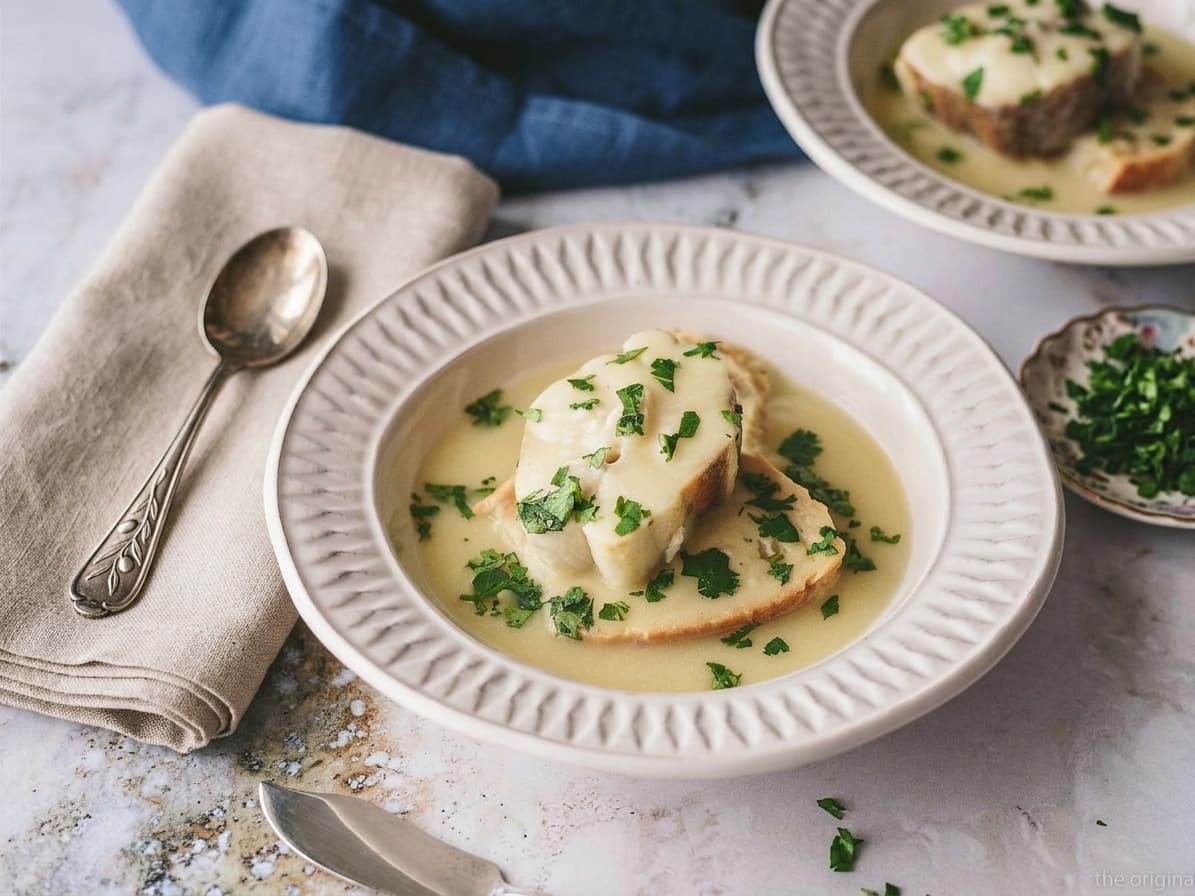
Sopa de Cação
Dogfish in a coriander, garlic and vinegar broth, served with bread.
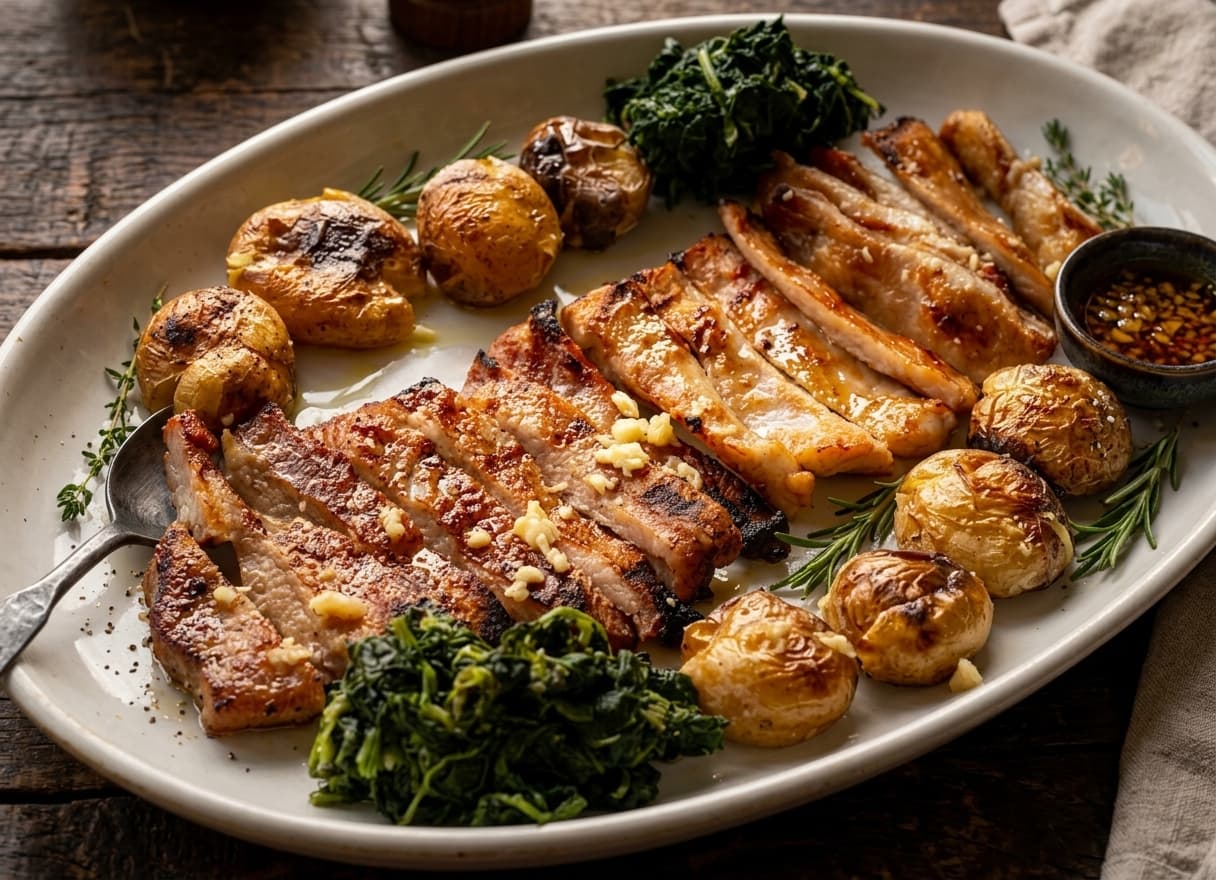
Secretos de Porco Preto Alentejano
A succulent cut of Alentejo Iberian black pork, prized for its intense flavour and natural marbling.
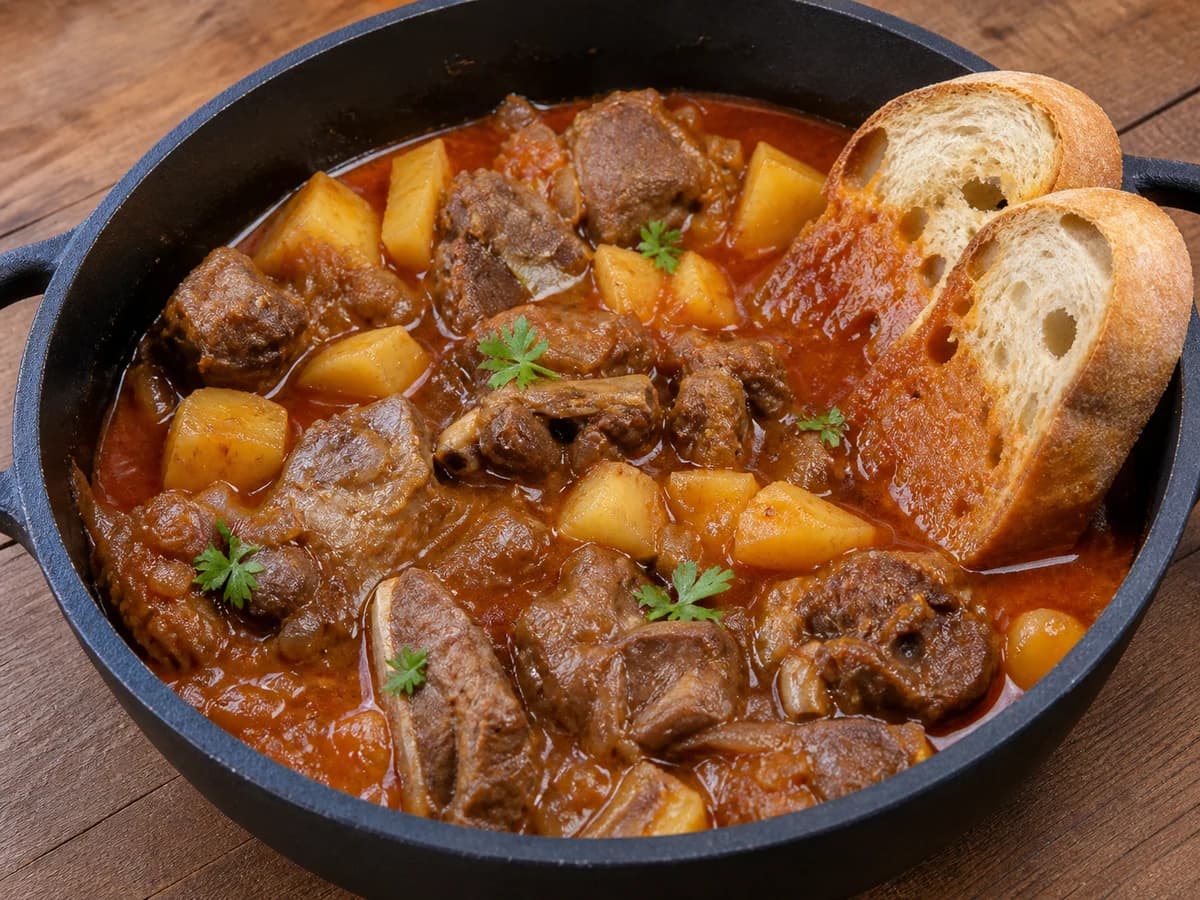
Ensopado de Borrego
Slow-cooked lamb traditionally served over slices of bread.
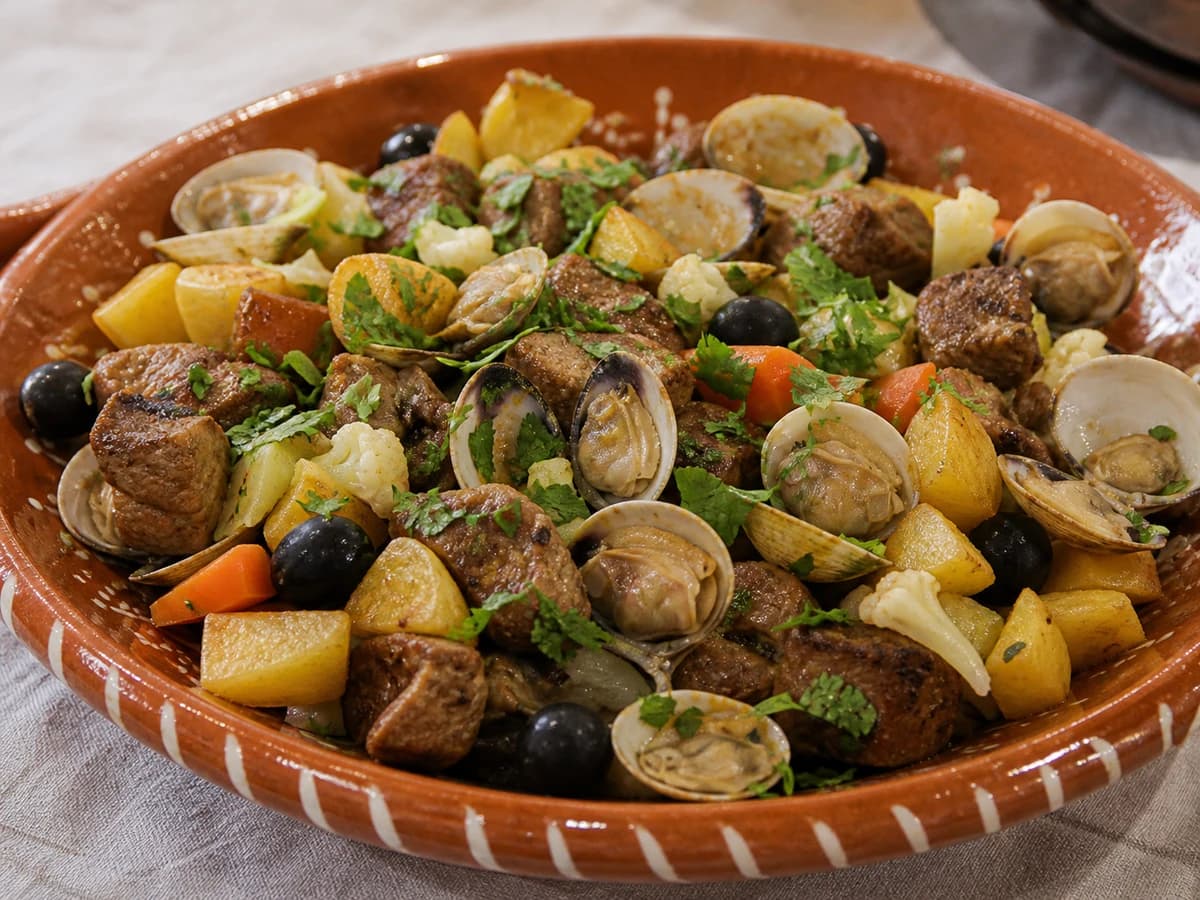
Carne de Porco à Alentejana
Pork with clams, potatoes and seasonings—a classic Alentejo dish whose exact origin is debated.
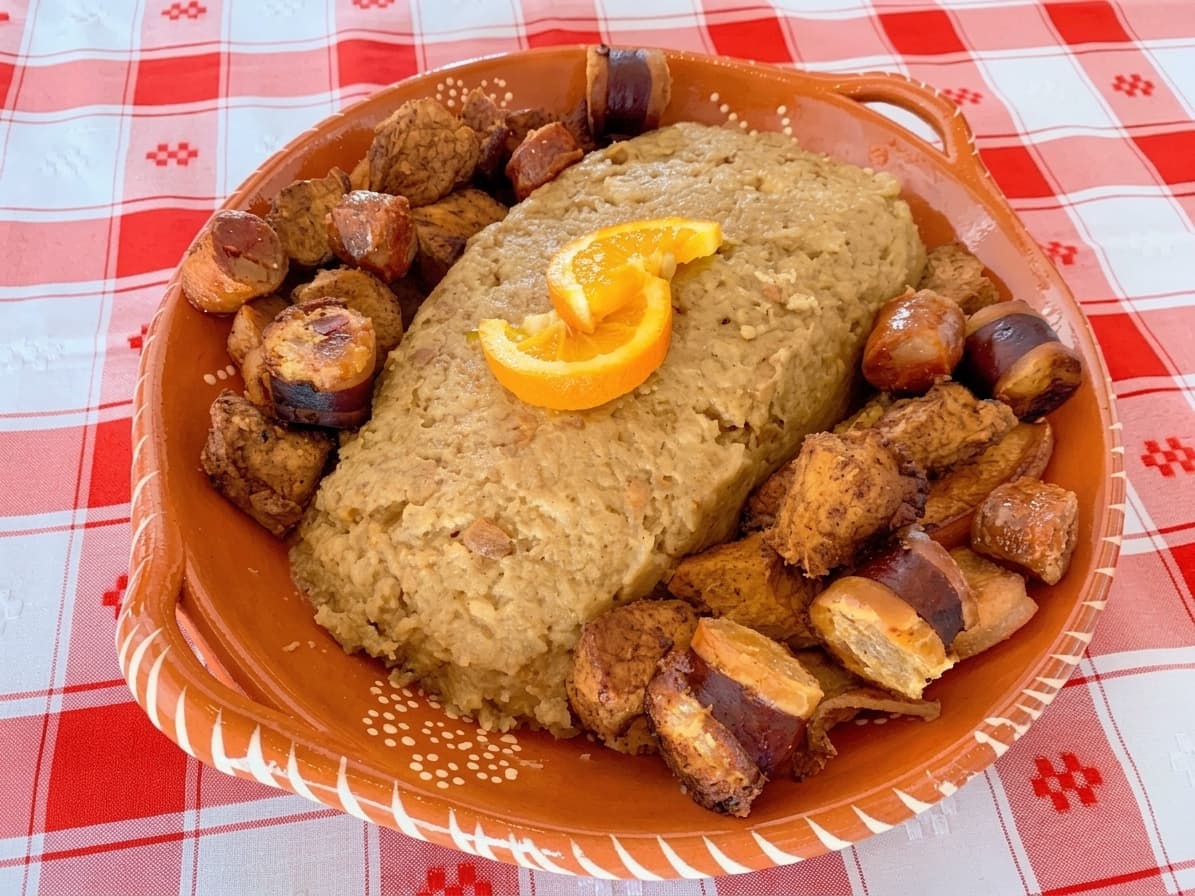
Migas à Alentejana
Repurposed bread with garlic and olive oil, frequently served with pork.
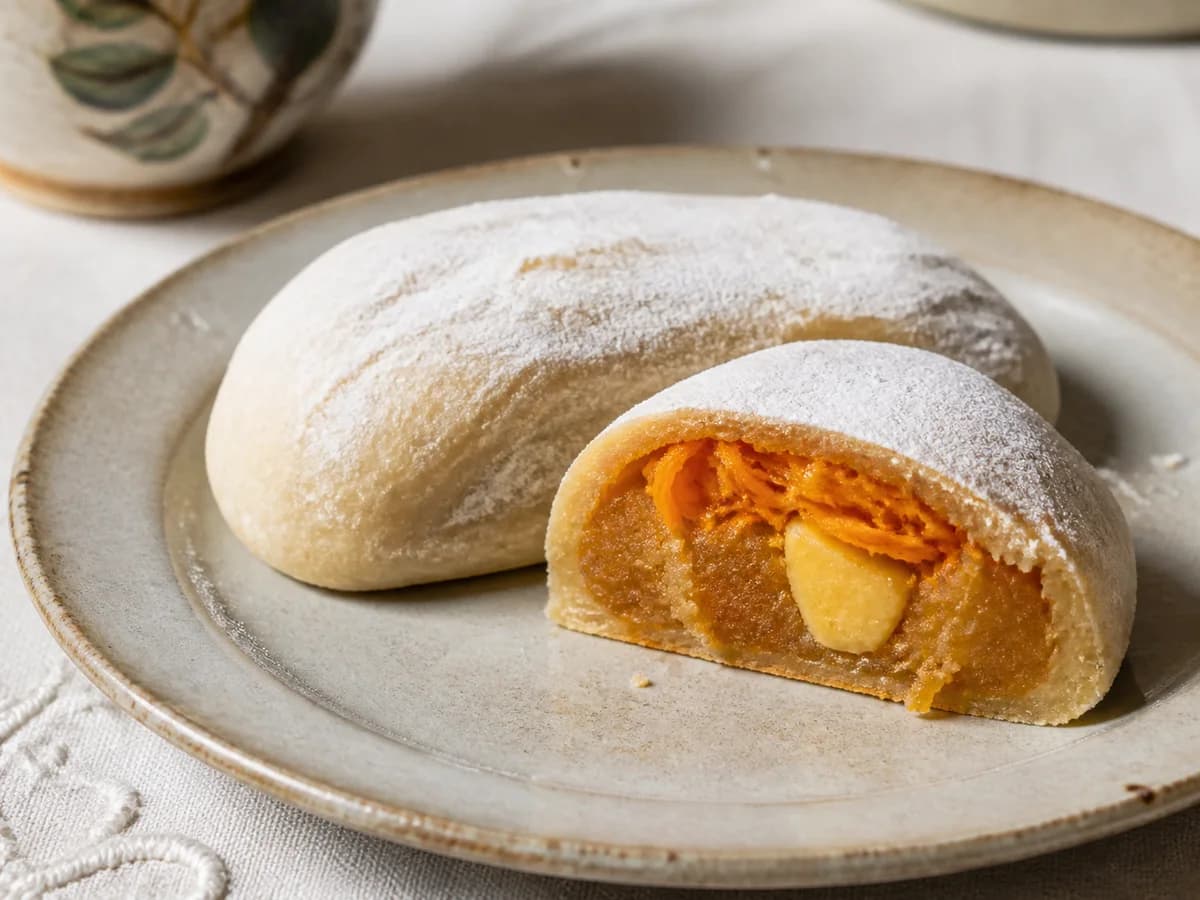
Pão de Rala
An Alentejo convent sweet based on almonds, sugar, eggs and gila preserve.
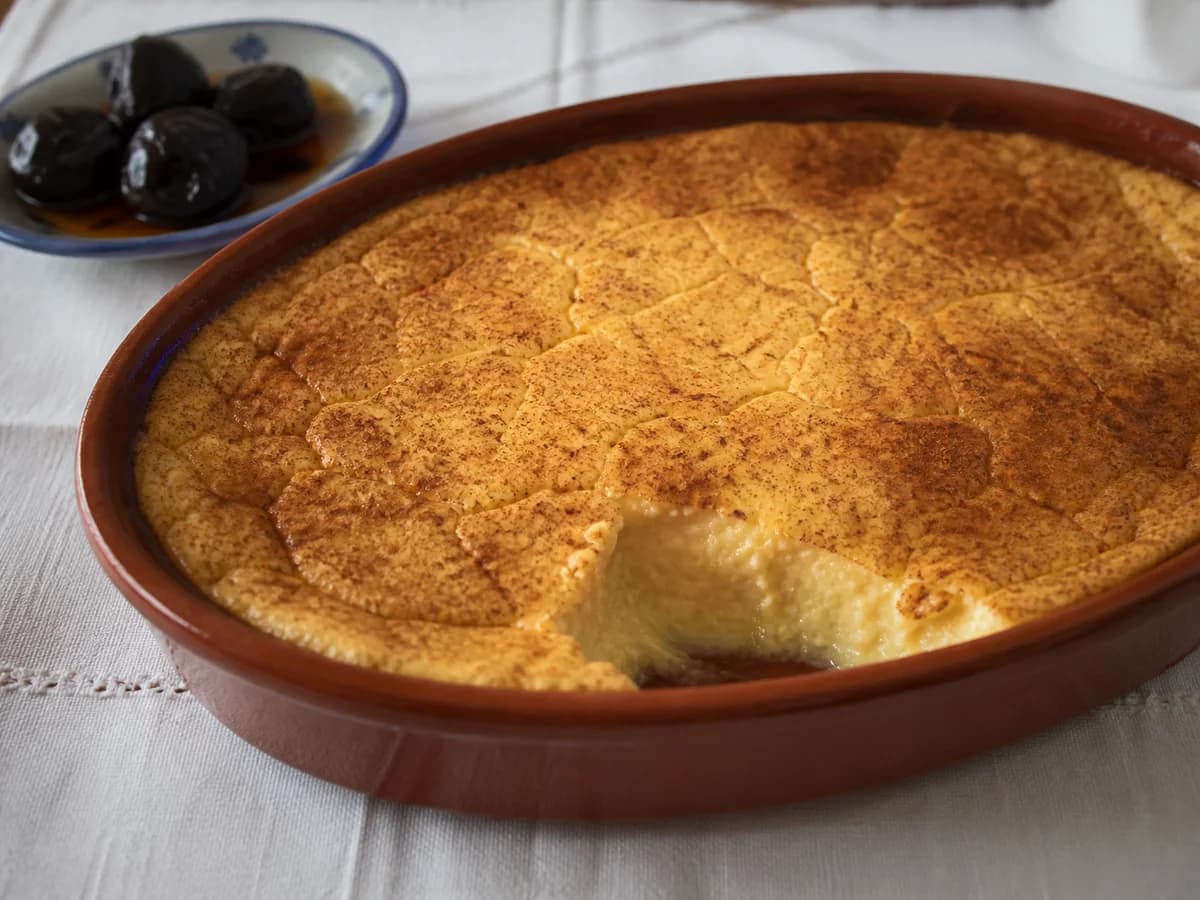
Sericaia
A convent sweet made with eggs, milk, sugar, flour and cinnamon, strongly associated with the Alentejo.
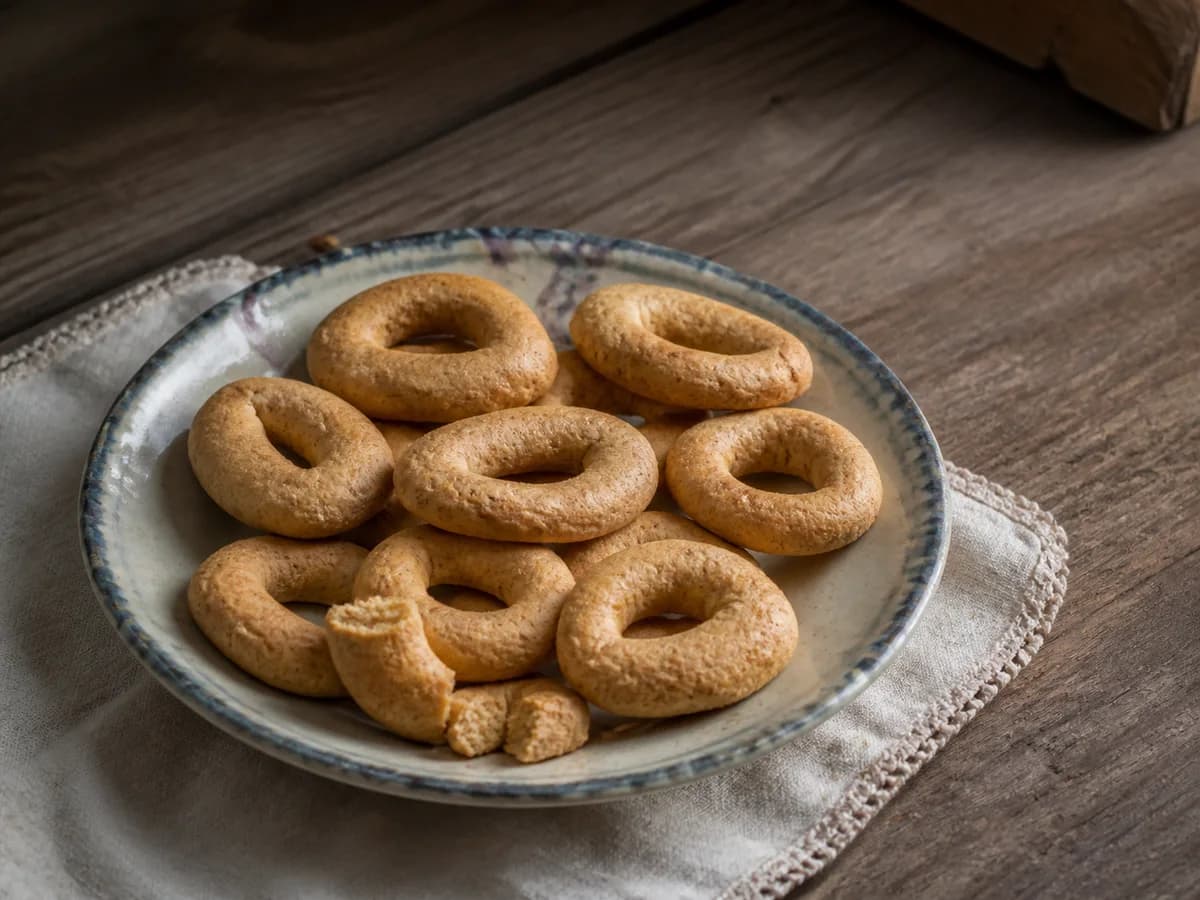
Popias
Traditional cakes or biscuits found in the Lower Alentejo.
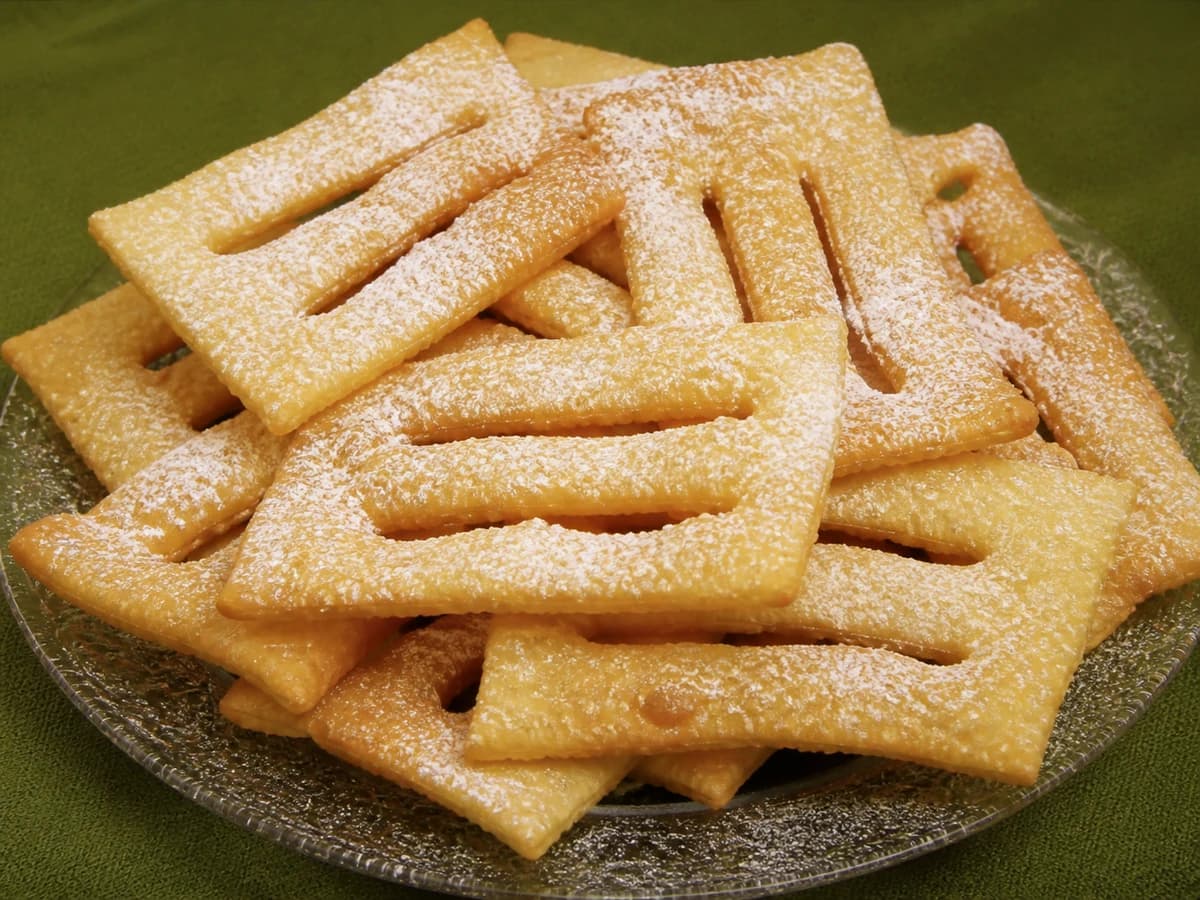
Filhós Alentejanas
Thin pieces of fried dough with long central cuts, traditionally dusted with sugar.
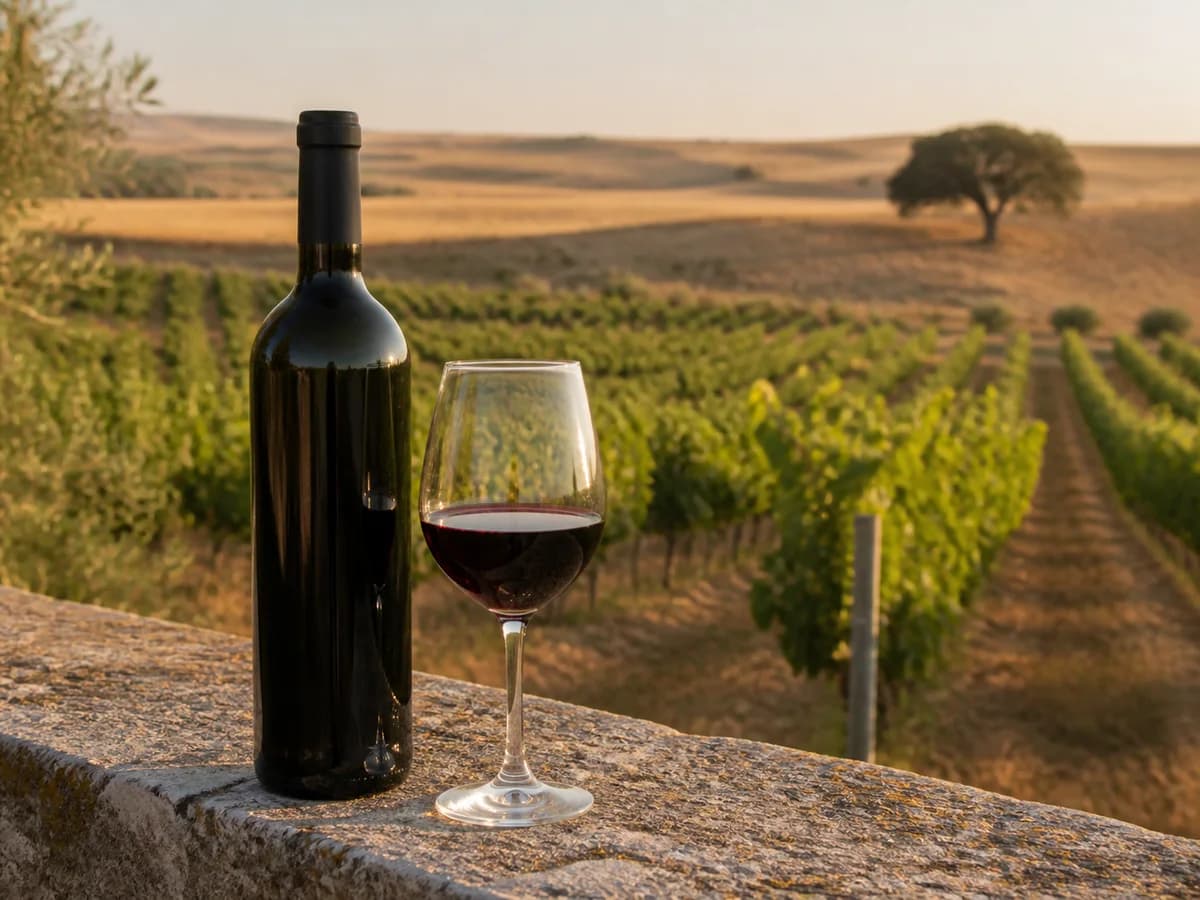
Vinho do Alentejo
Beja lies within one of Portugal’s major wine-producing regions.
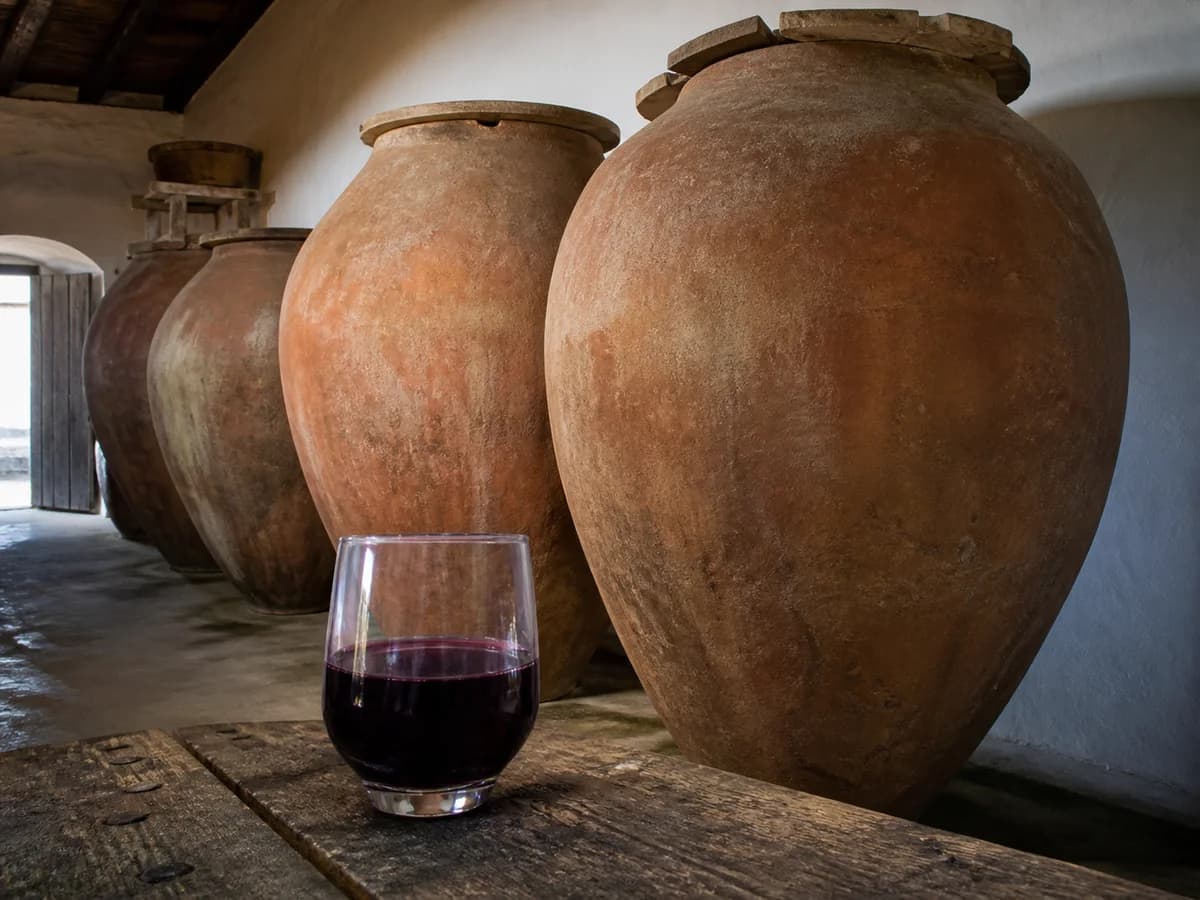
Vinho de Talha
An ancestral method of making wine in large clay vessels, particularly important in the district of Beja.
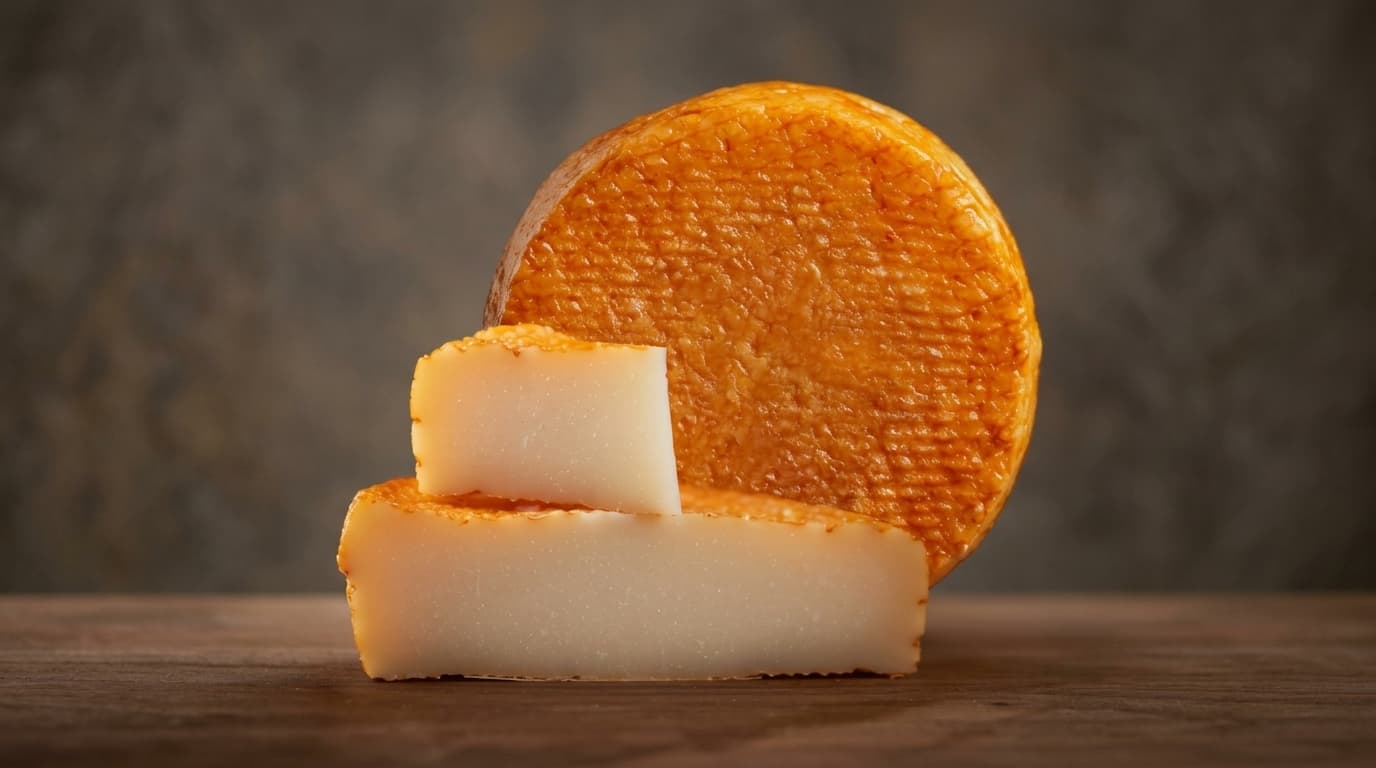
Queijo Mestiço de Tolosa IGP
A traditional PGI cheese from Tolosa, Alto Alentejo, made from a mixture of sheep’s and goat’s milk and known for its firm texture and distinctive flavour.
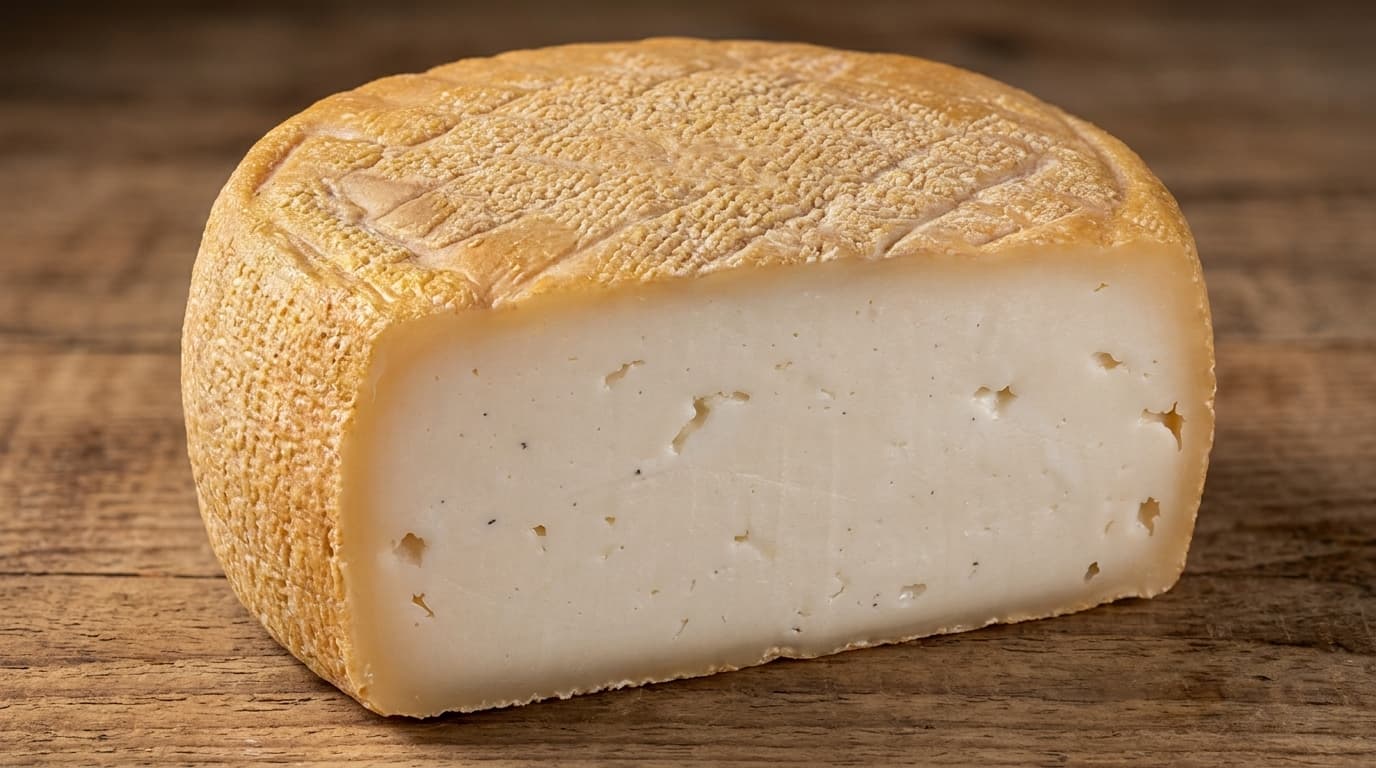
Queijo de Nisa DOP
A traditional PDO cheese from Alto Alentejo, made from raw sheep’s milk and known for its firm texture and intense, slightly piquant flavour.
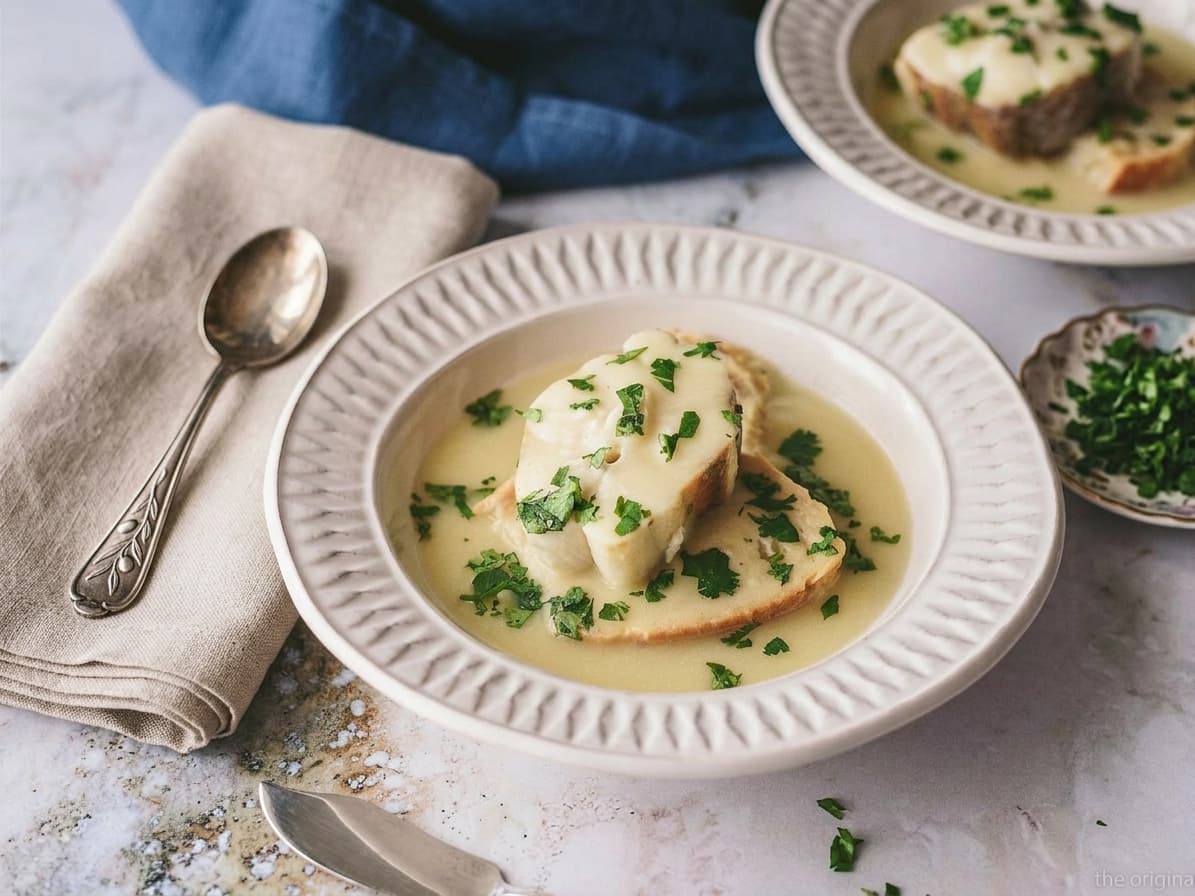
Sopa de Cação
Dogfish in a broth with garlic, coriander and olive oil, served with Alentejo bread.
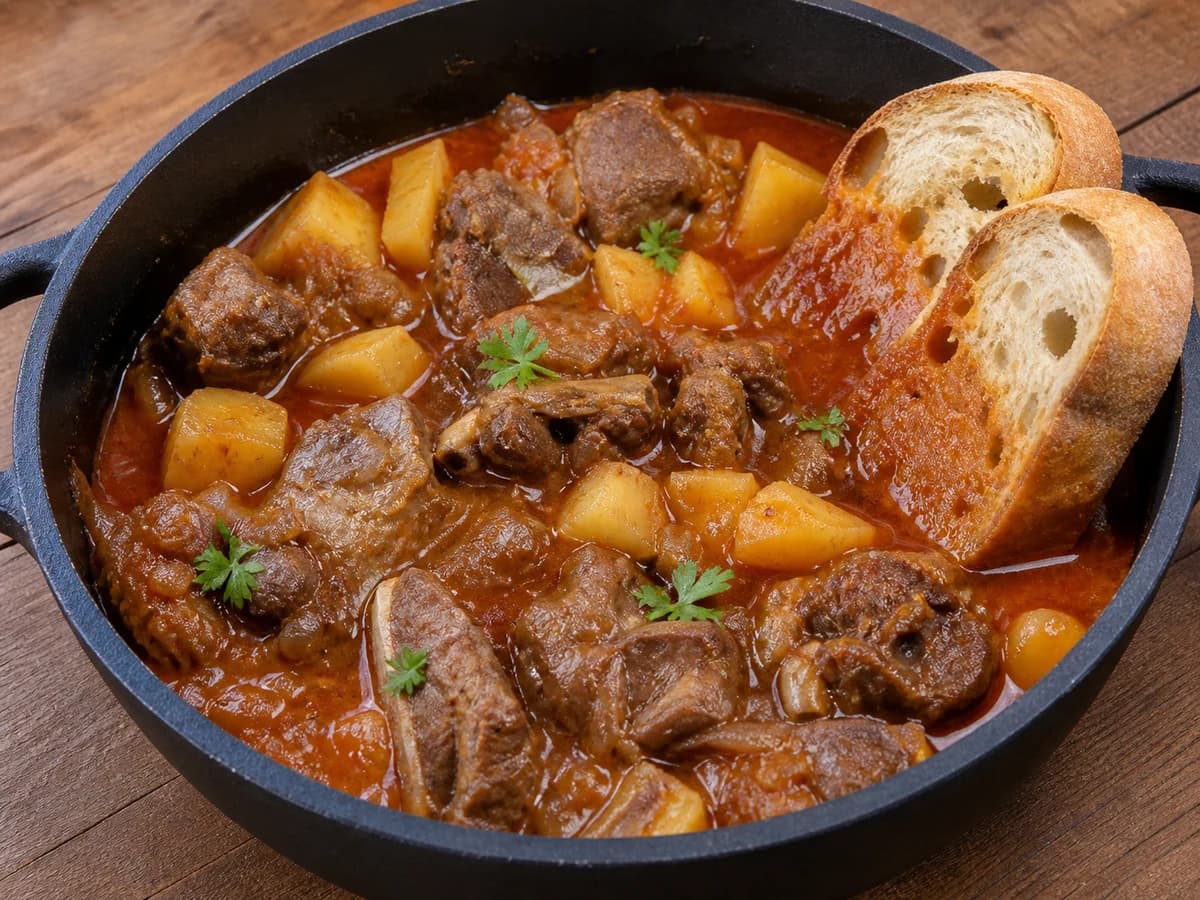
Ensopado de Borrego
Slow-cooked lamb traditionally served over slices of bread.
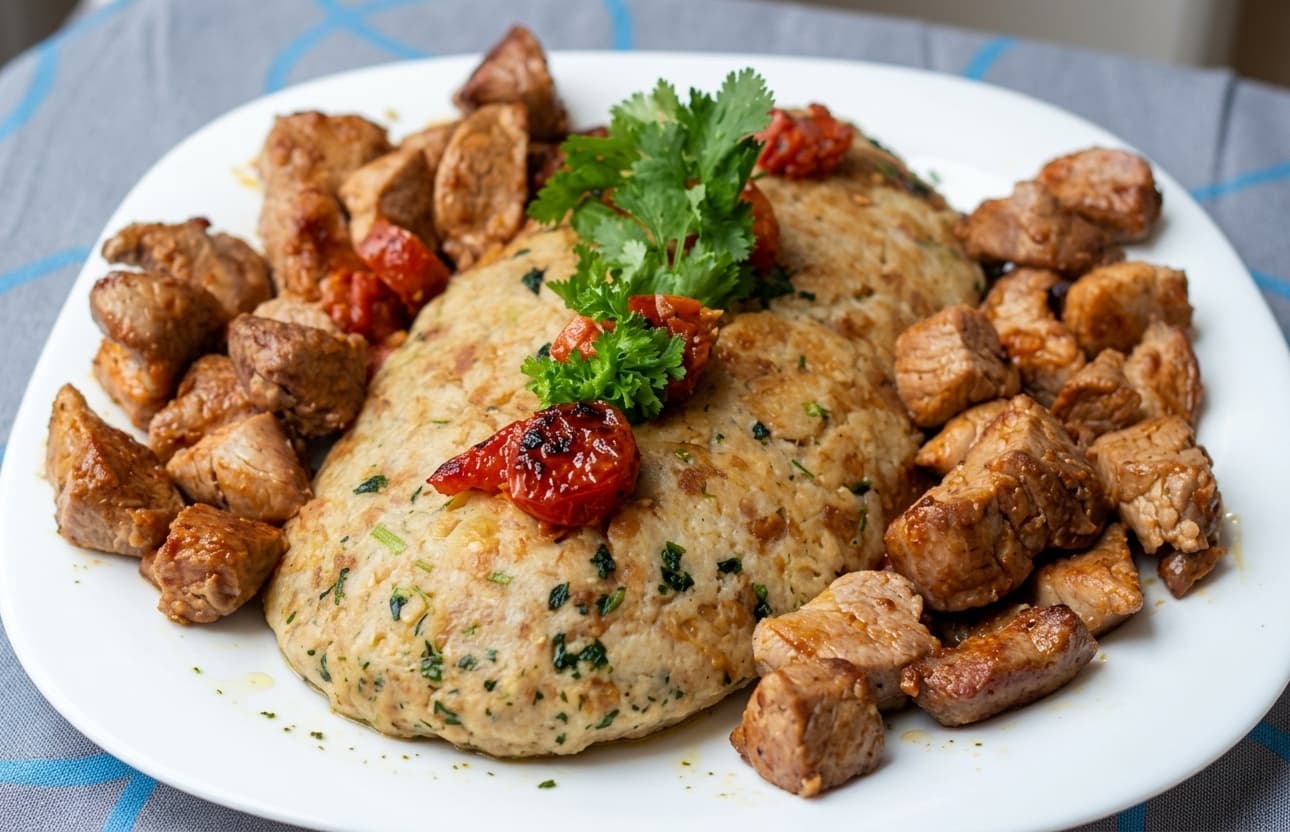
Migas com Carne de Porco
Bread migas normally served with pork.
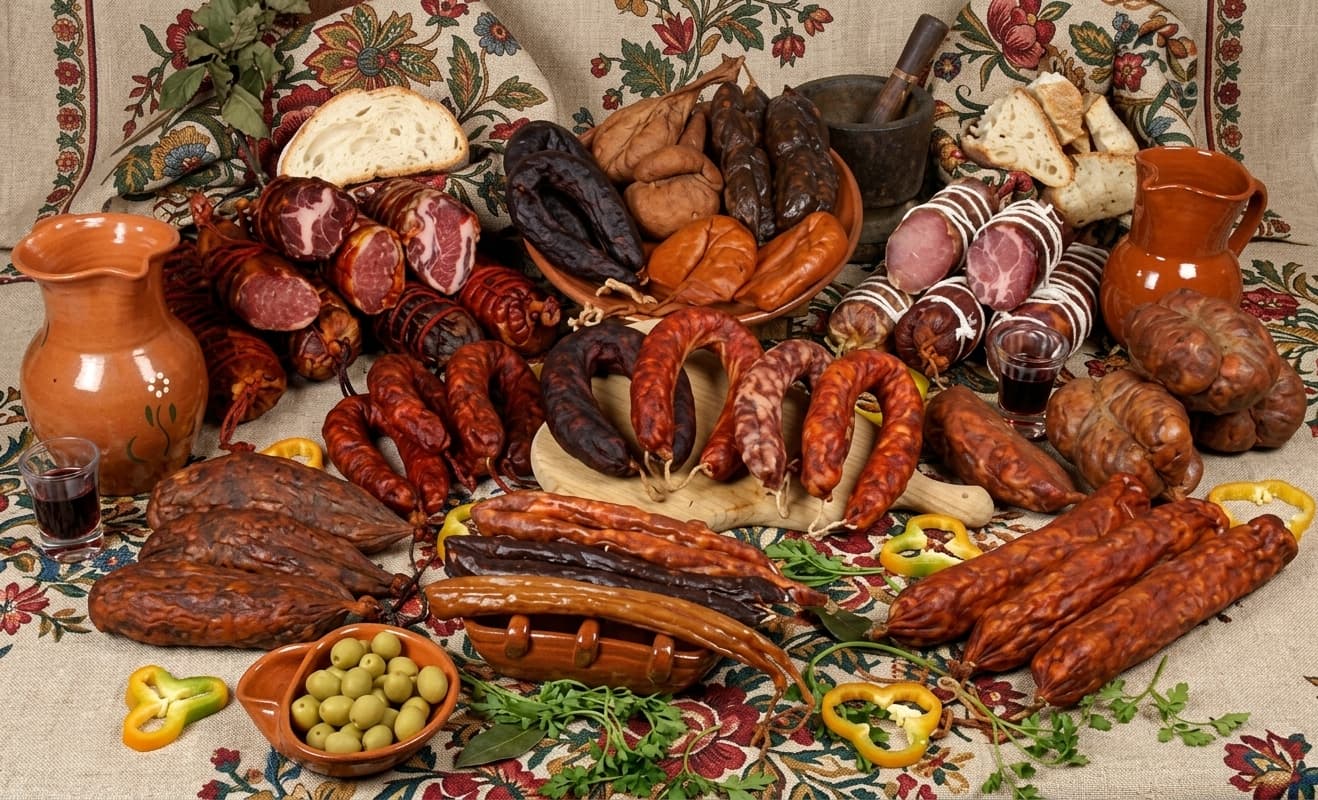
Enchidos de Portalegre
A regional range of pork products including chouriço, painho, blood sausage and farinheira.
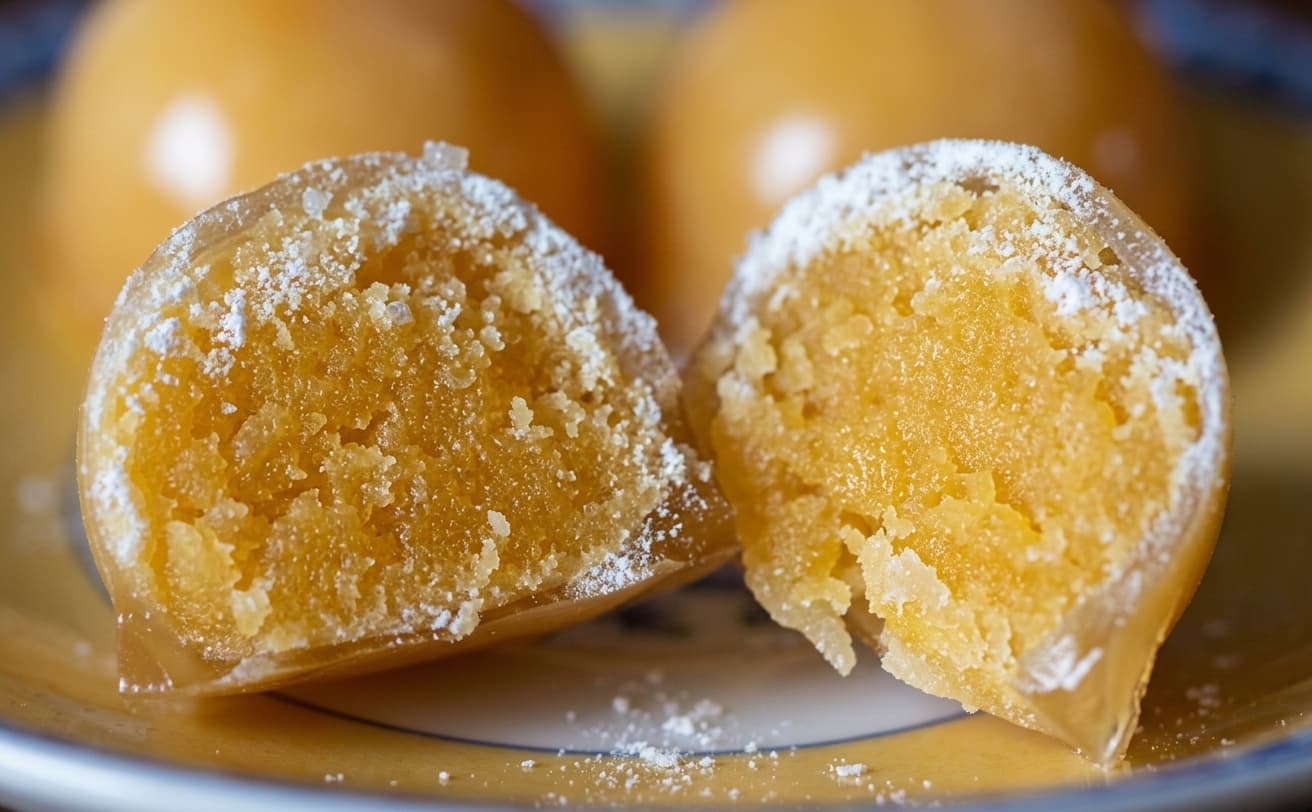
Rebuçados de Ovo de Portalegre
A convent sweet characteristic of the city, made essentially with eggs and sugar.
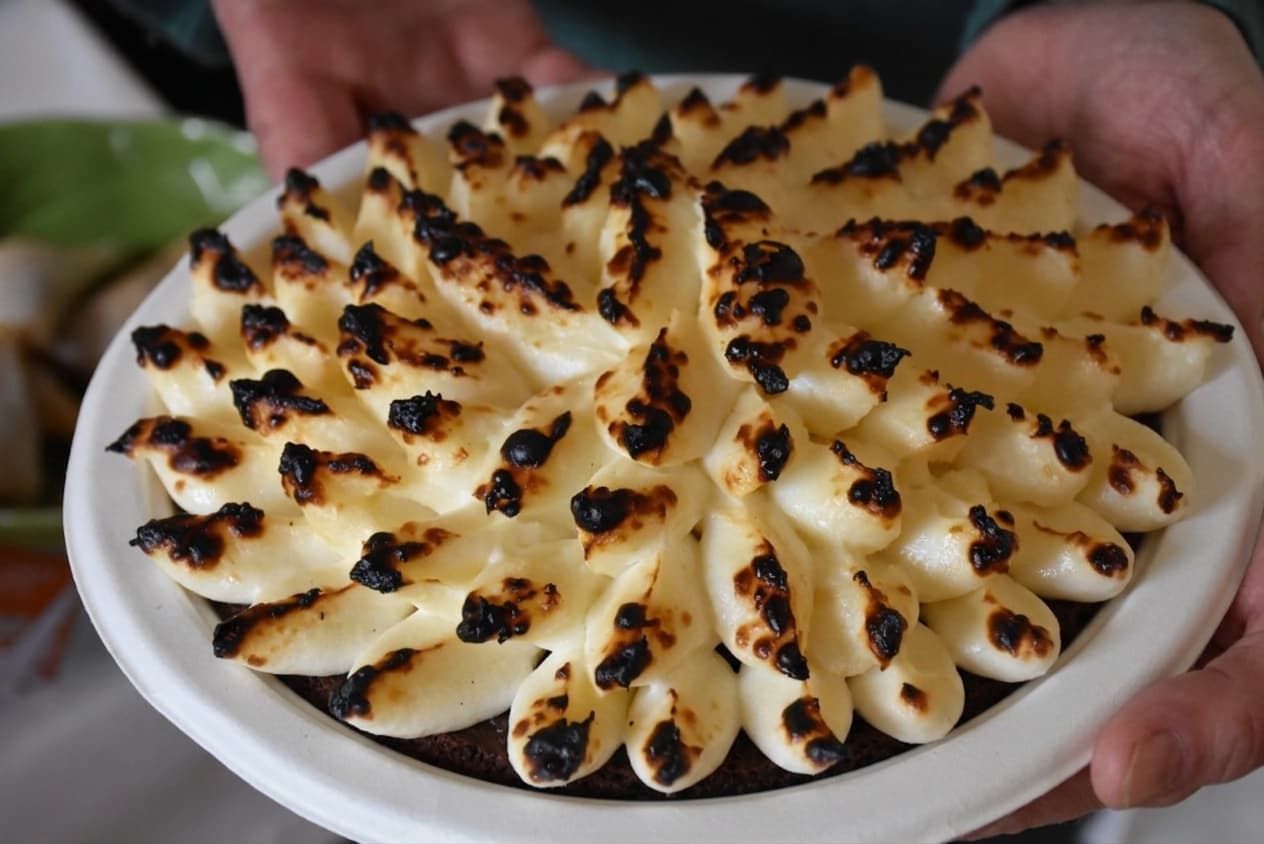
Manjar Branco de Portalegre
A traditional Portalegre dessert with a delicate, creamy texture, made with milk, sugar and starch.
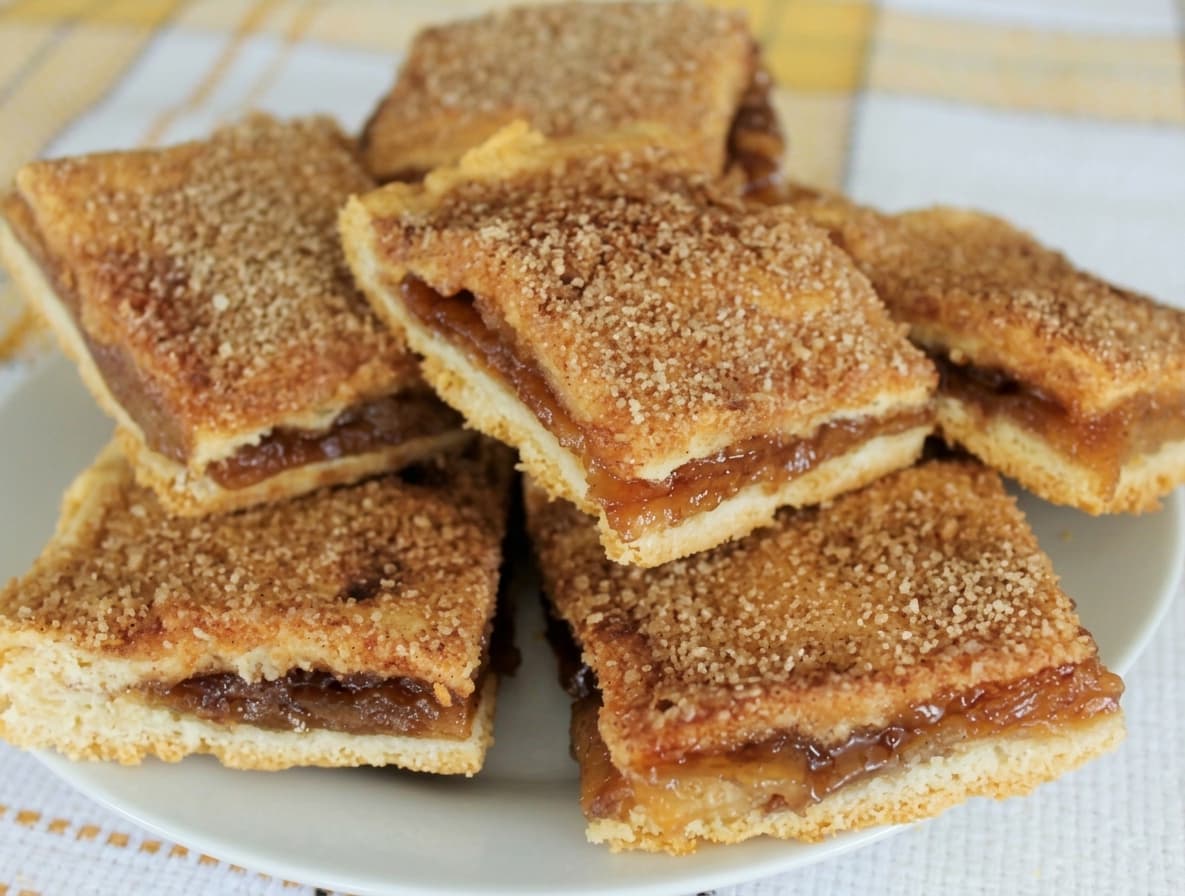
Boleima
A traditional Upper Alentejo cake, generally scented with cinnamon.

Vinho de Portalegre
Wines from the Portalegre subregion, favoured by the altitude of the Serra de São Mamede.

Licores Regionais
Artisanal fruit and herb liqueurs produced in the region.
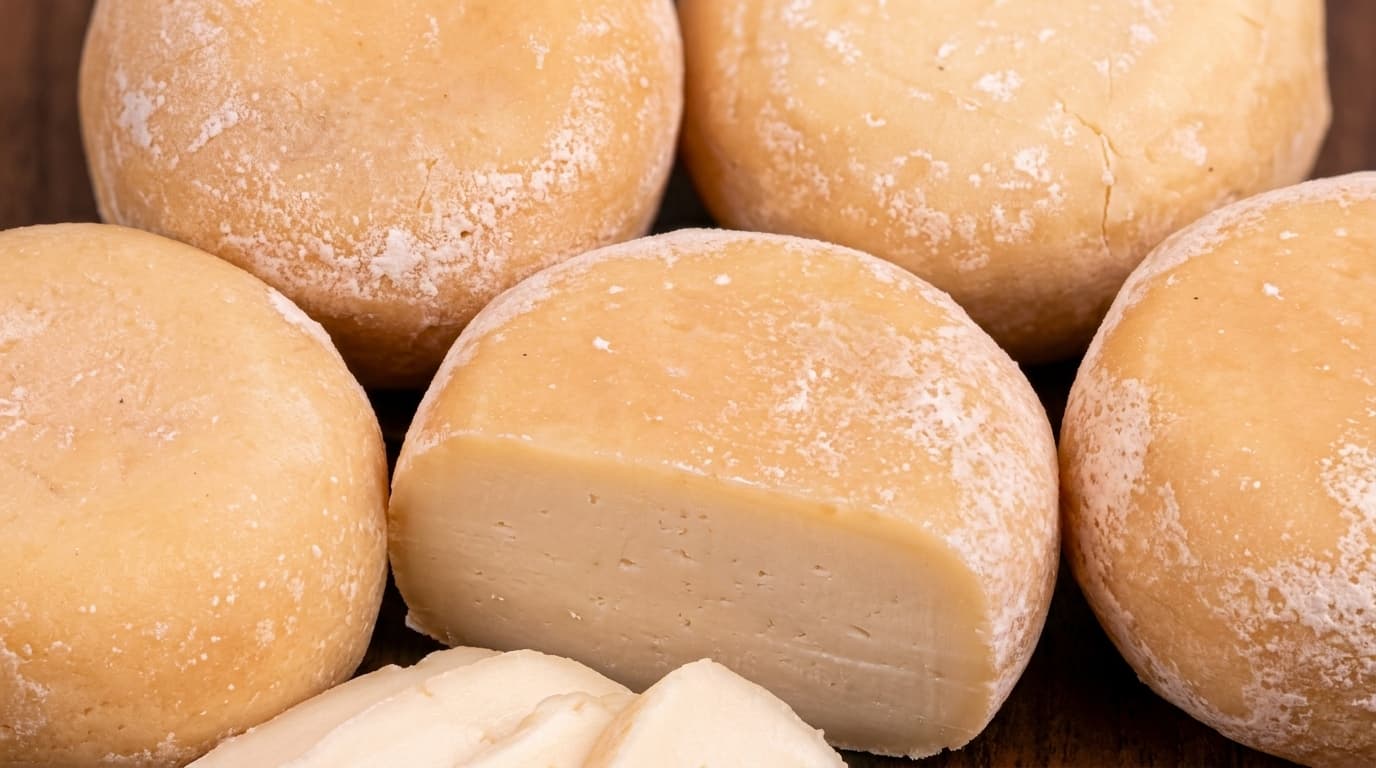
Queijo de Tomar
A traditional cheese from Tomar, usually made from sheep’s milk and recognised by its small cylindrical shape and distinctive rind.
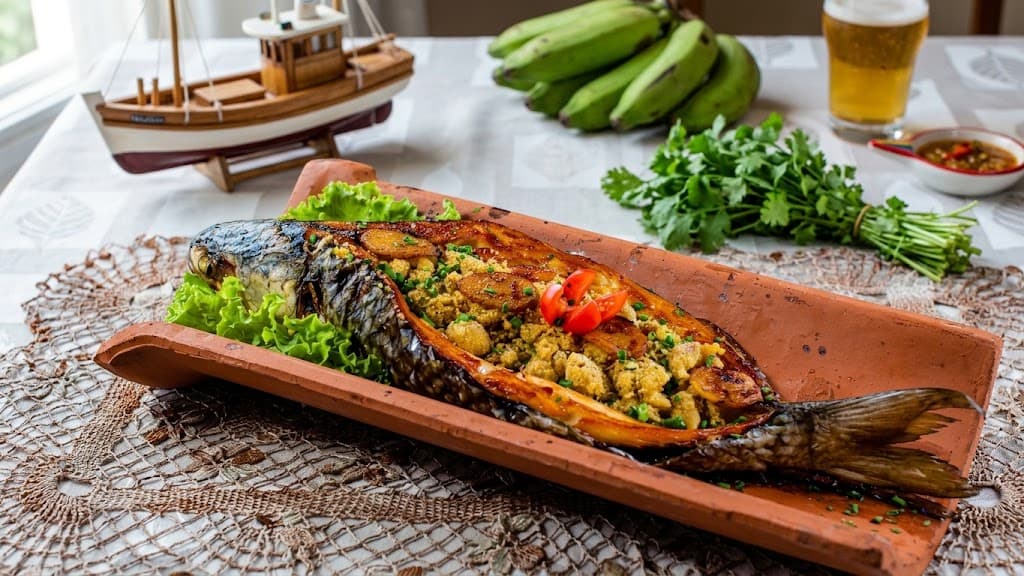
Fataça na Telha
Tagus fish traditionally prepared on a roof tile, a characteristic speciality of the region.
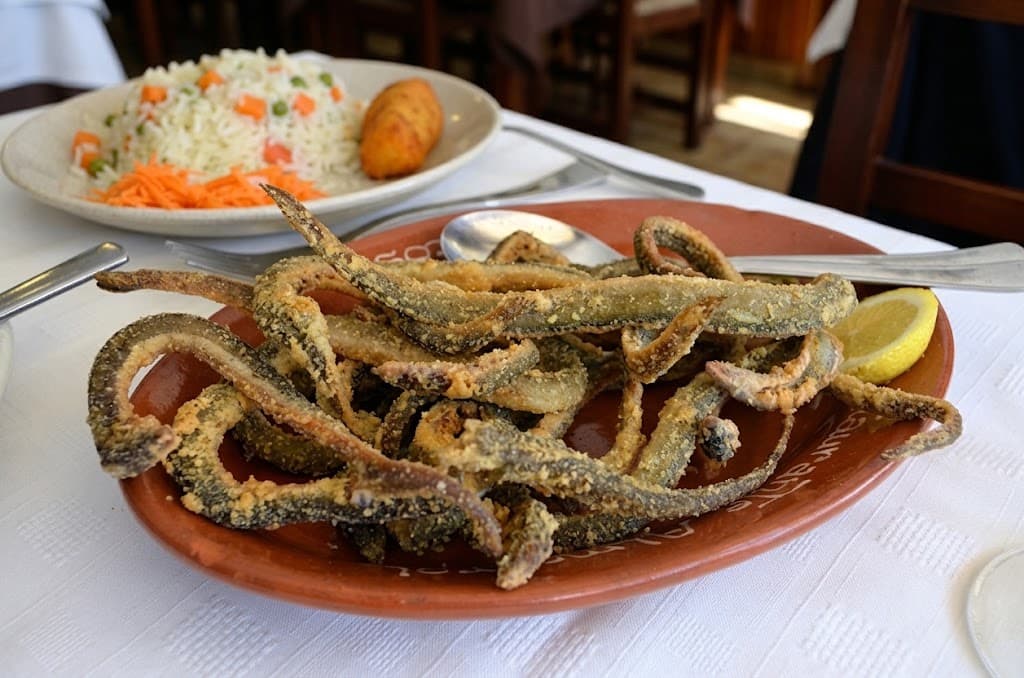
Enguias
Fried, stewed or prepared in other traditional ways in riverside communities.
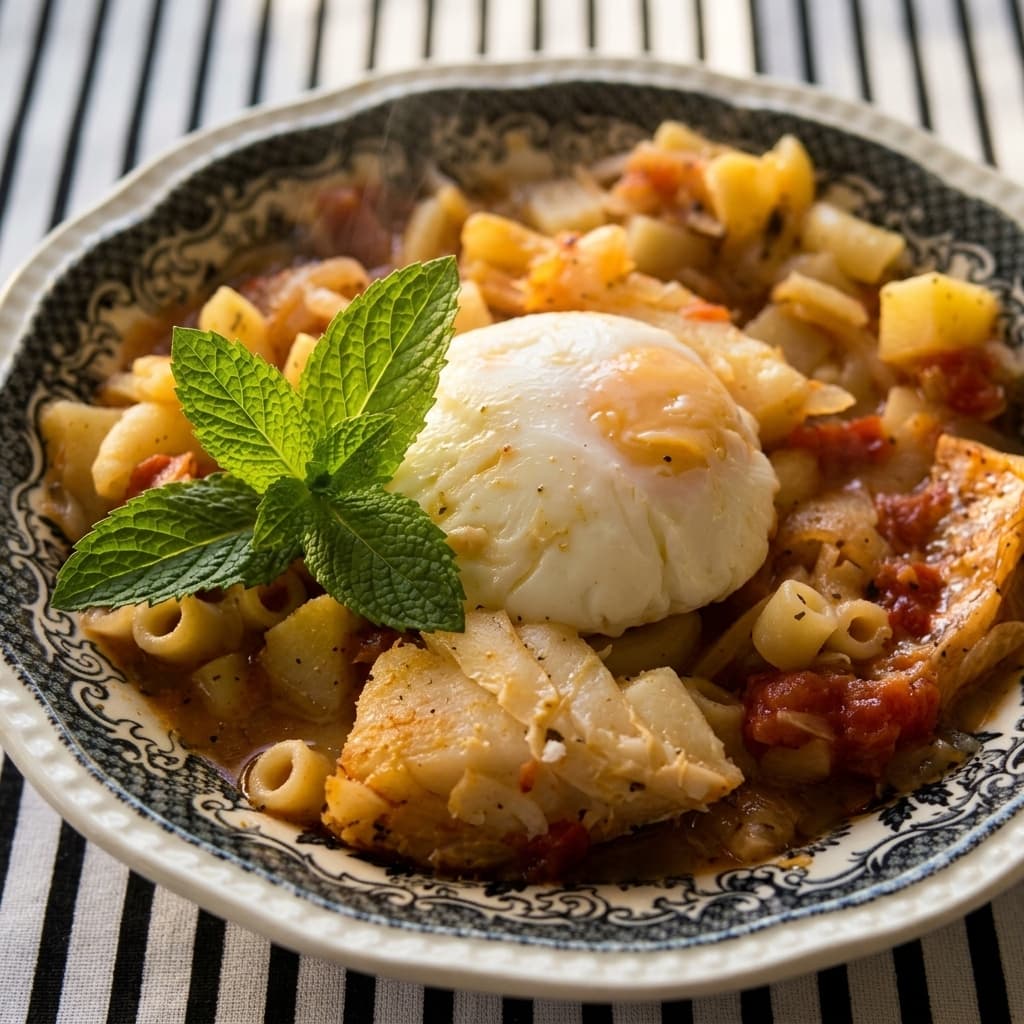
Massa à Barrão
A traditional Ribatejo pasta dish combining cod with pasta in a flavourful, comforting preparation.
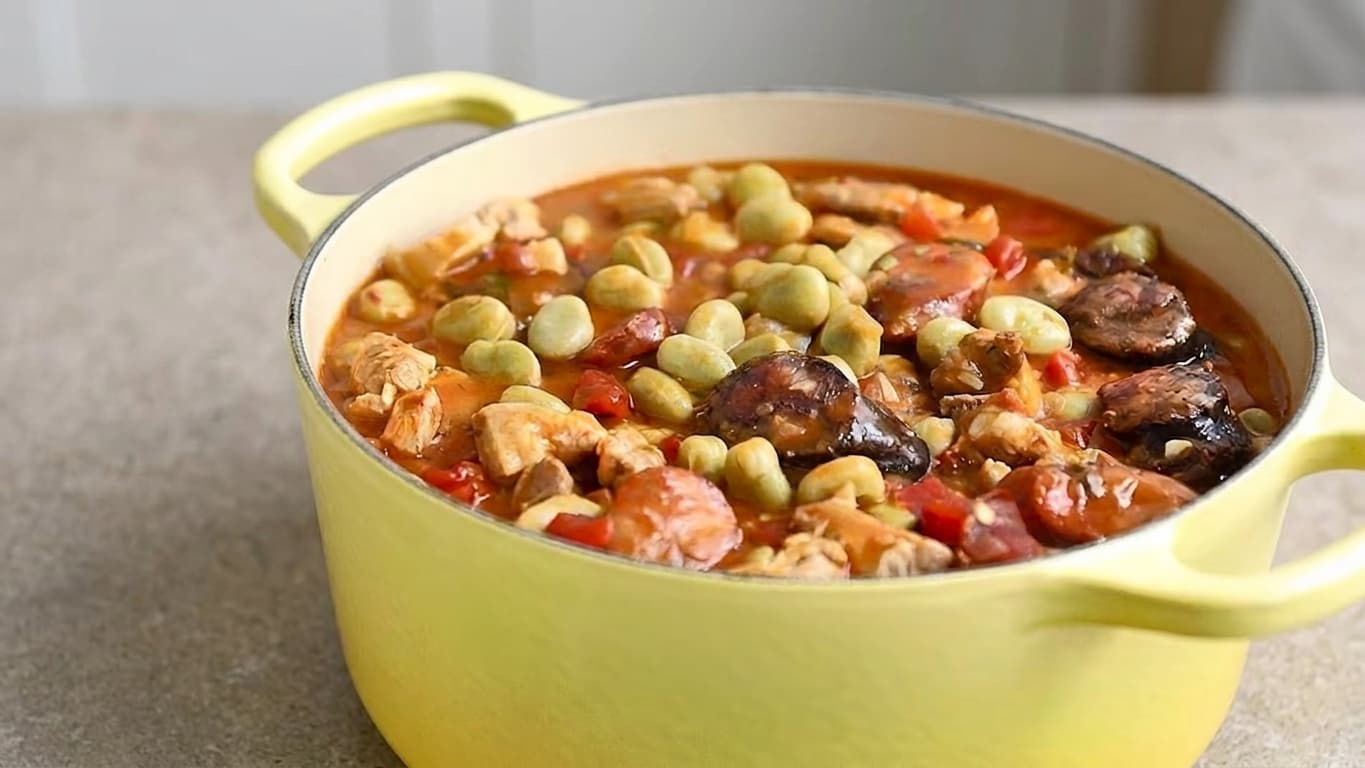
Favas com Entrecosto
Broad beans stewed with pork ribs and cured sausages, a Ribatejo kitchen classic.
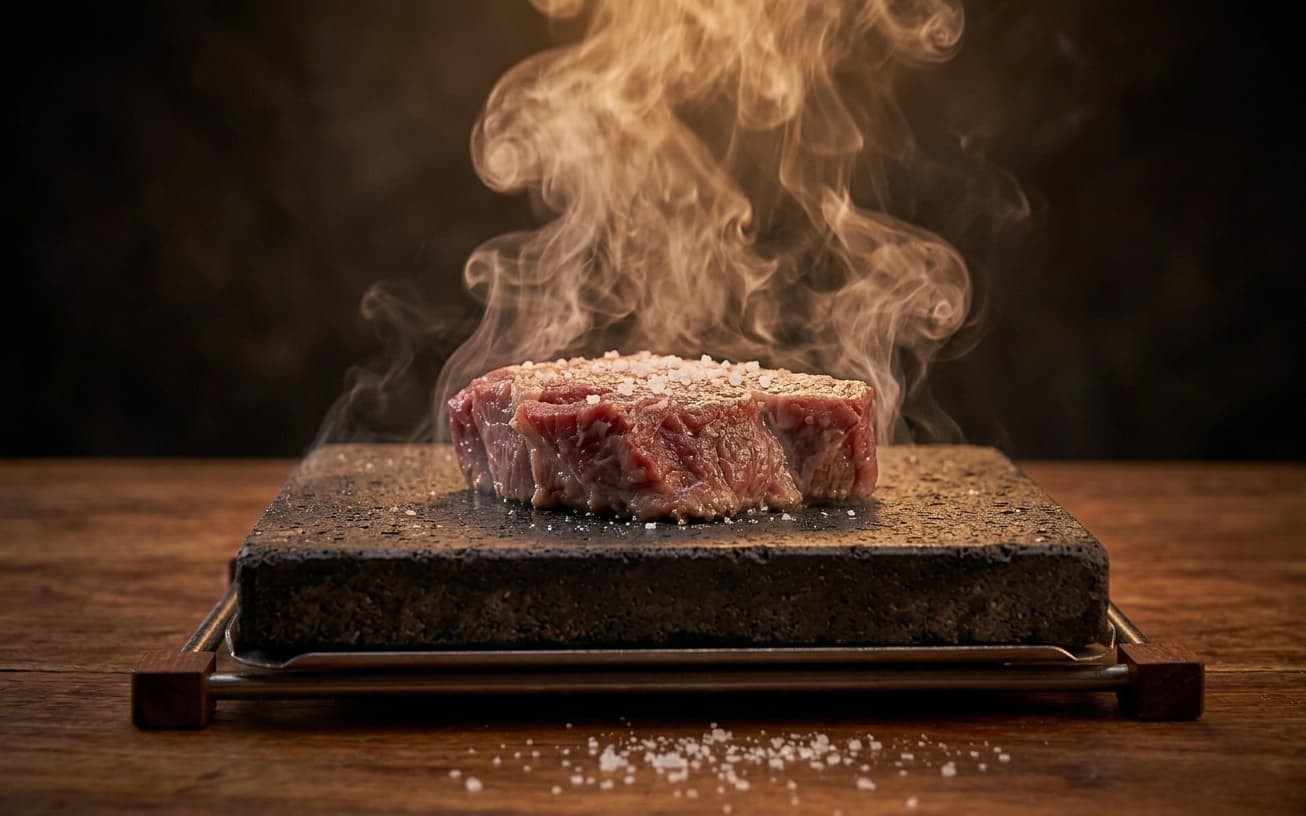
Naco de Touro Bravo
A thick cut of fighting-bull beef, usually grilled and served simply to highlight its robust flavour.
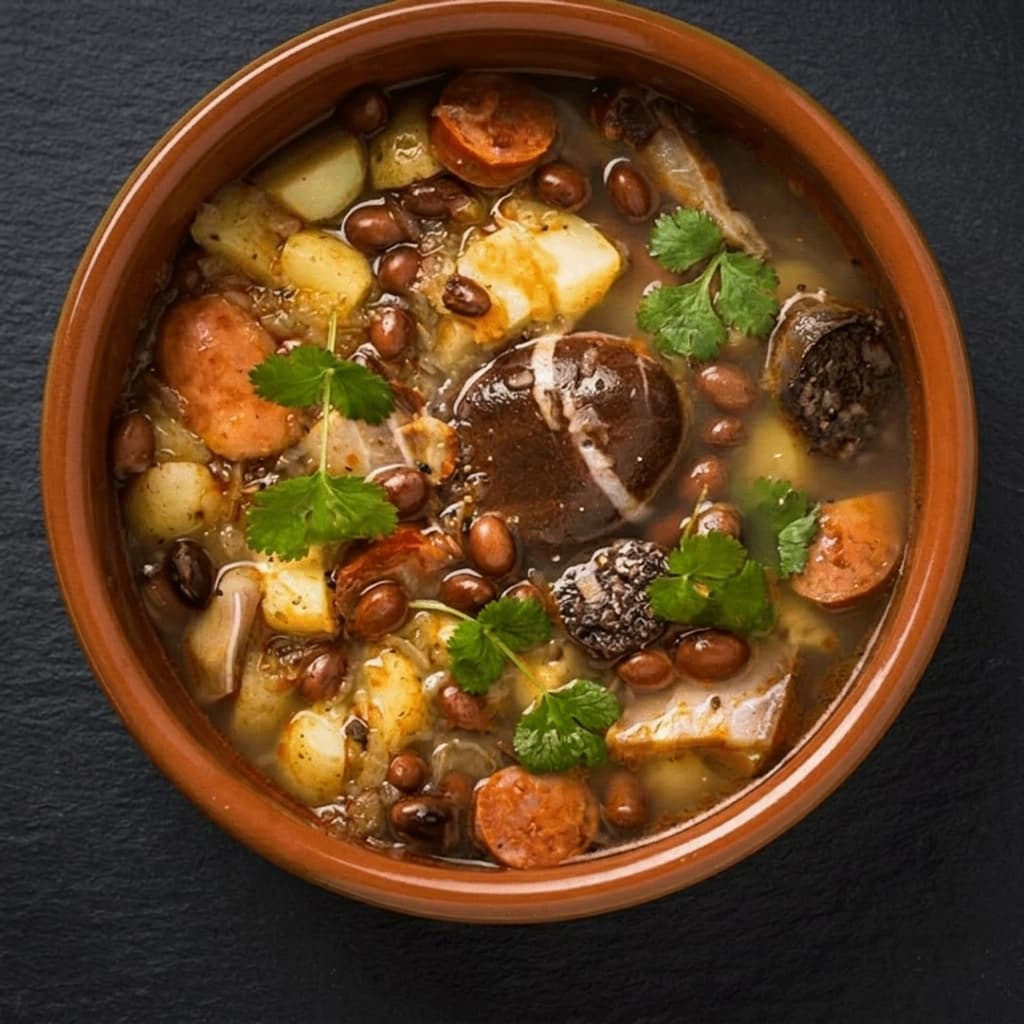
Sopa da Pedra
A rich and hearty soup from Almeirim made with beans, pork, sausages and vegetables.
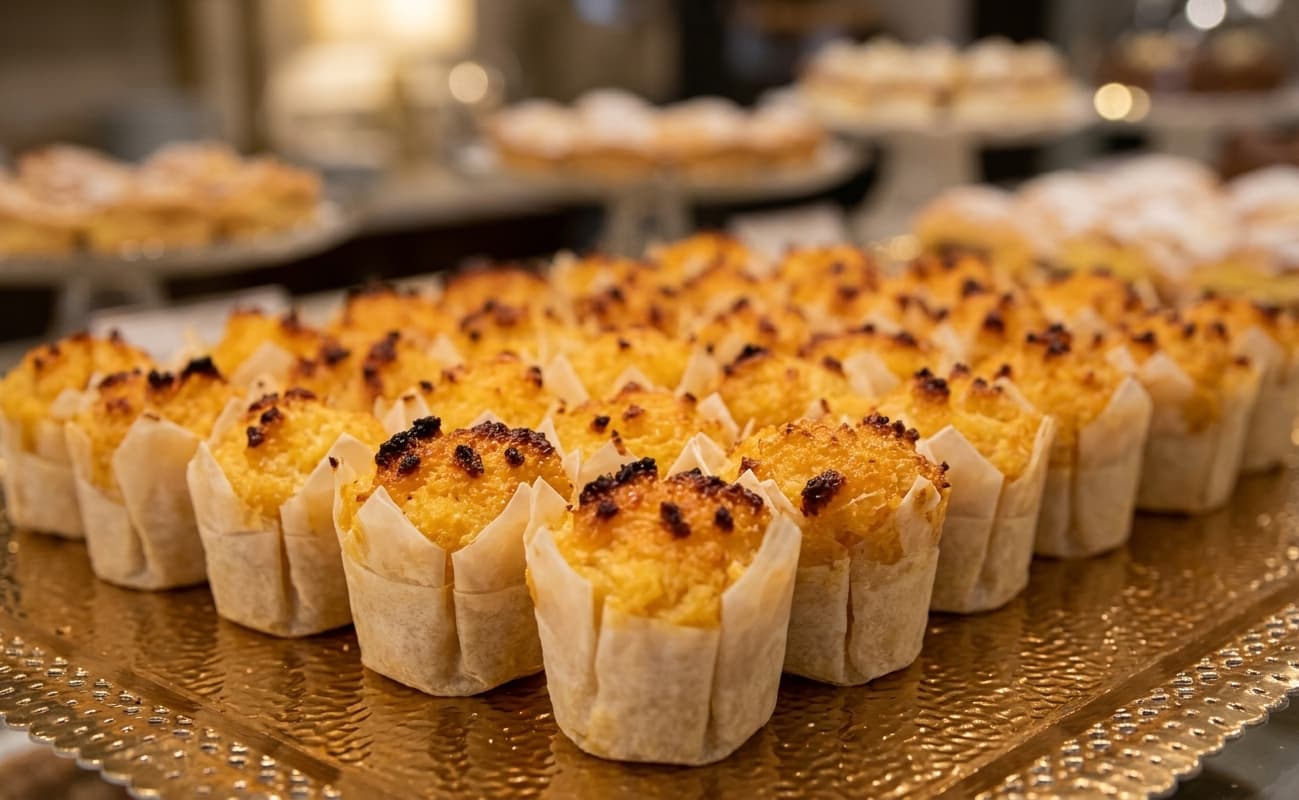
Celestes de Santa Clara
A convent sweet associated with Santarém’s Convent of Santa Clara, made mainly with almonds, sugar and eggs.
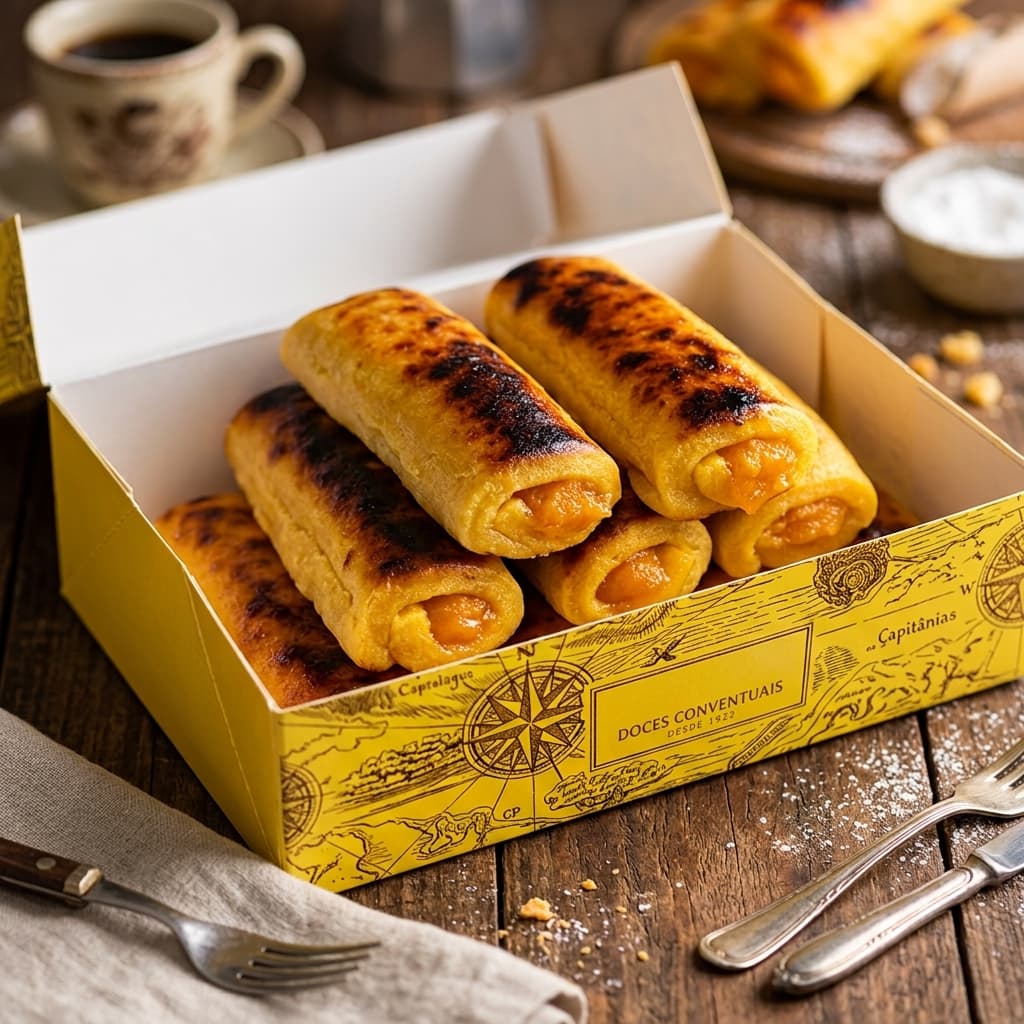
Pampilhos
A well-known elongated Santarém pastry with a sweet egg-based filling.
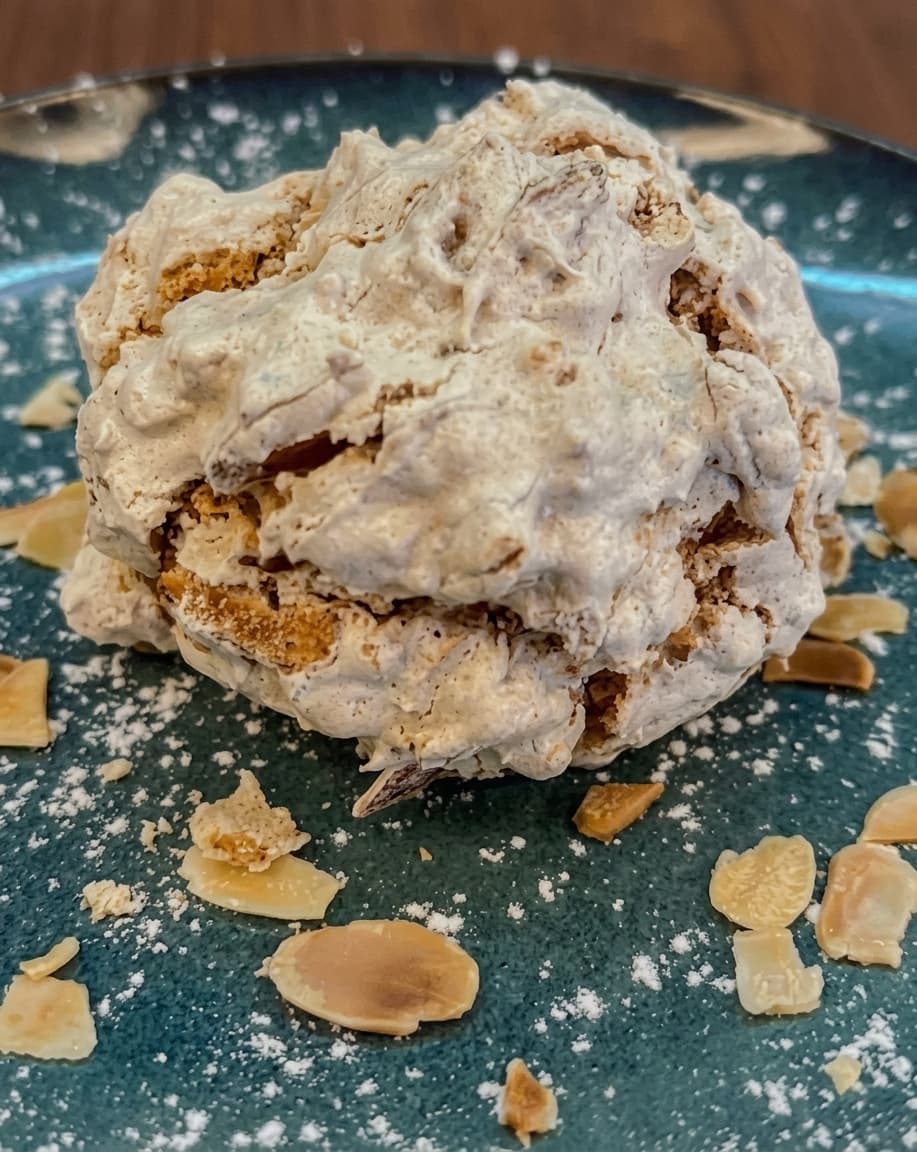
Arrepiados de Almoster
A traditional almond sweet associated with Almoster, in the municipality of Santarém.
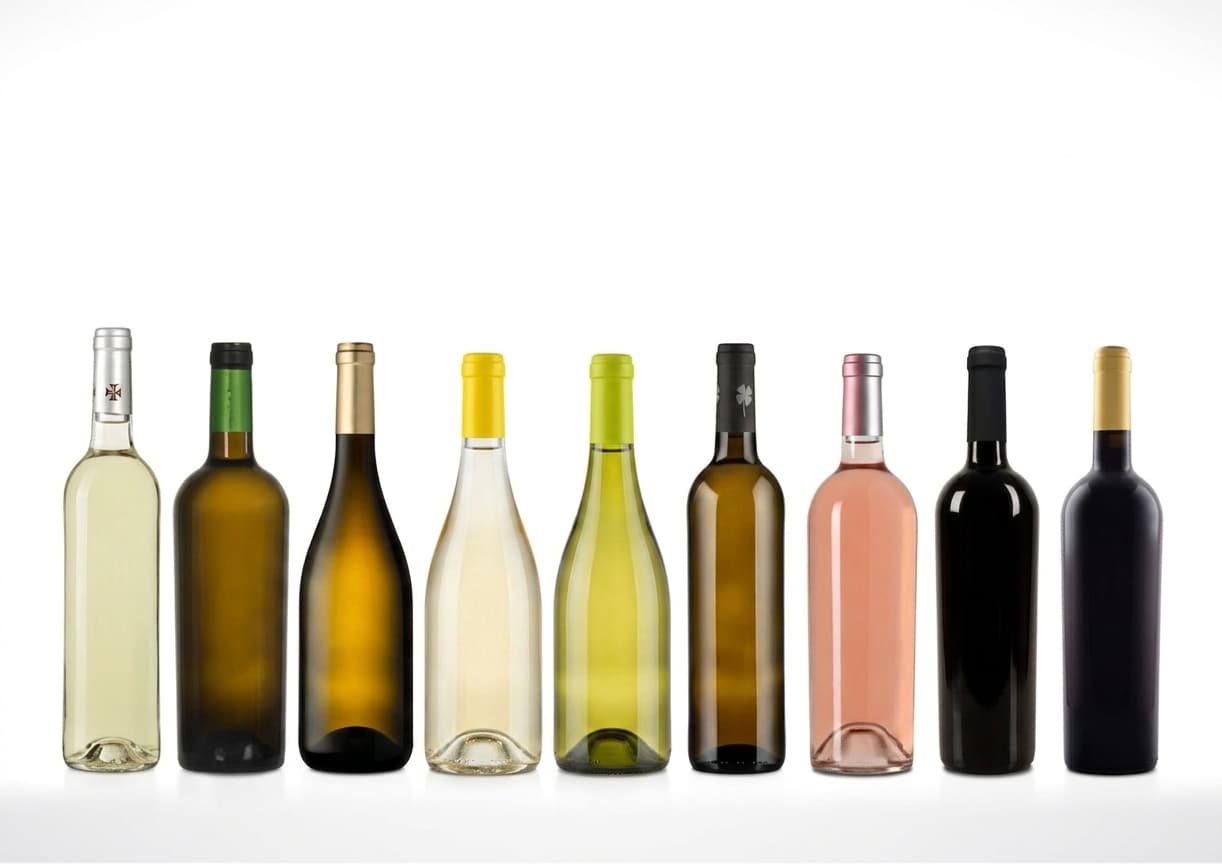
Vinhos do Tejo
Santarém lies at the heart of the Tejo wine region, producing reds, whites and other styles.
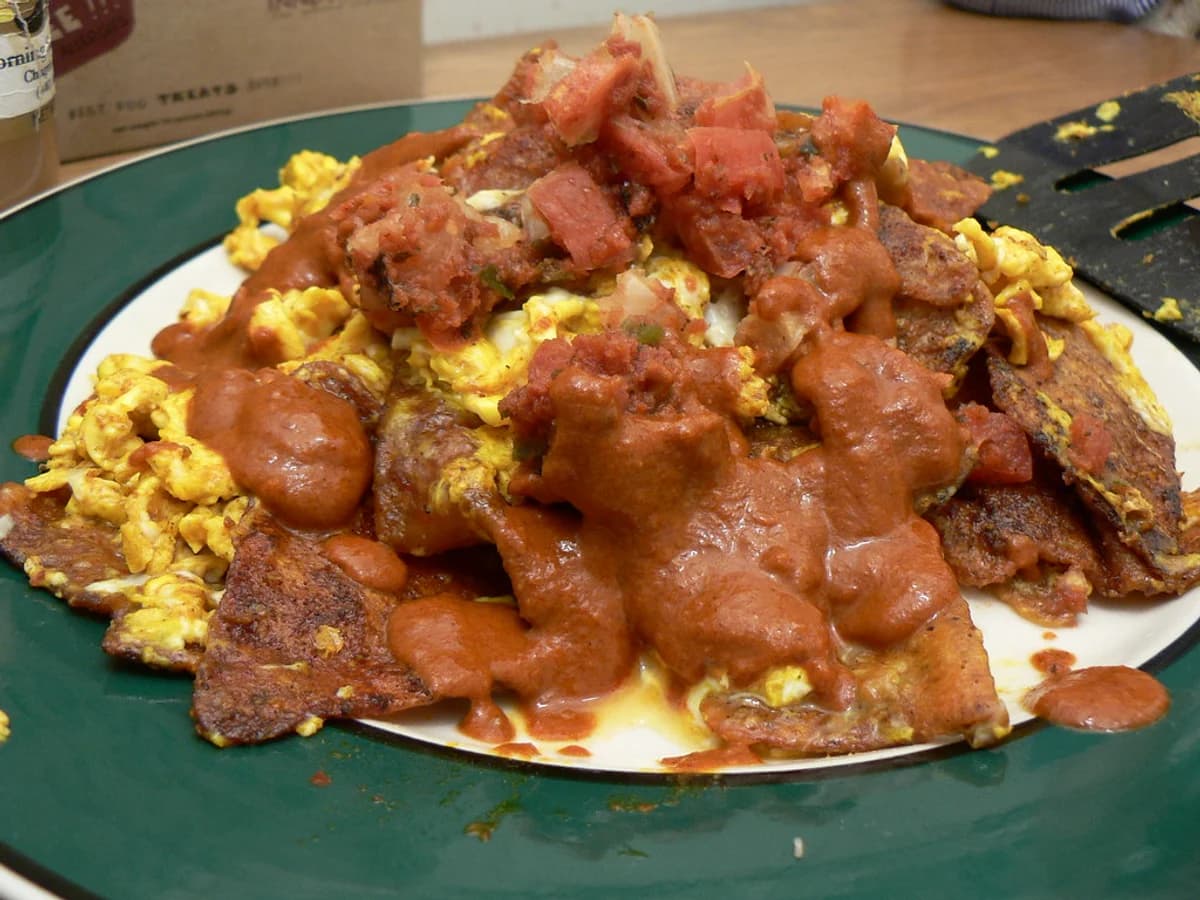
Migas
Prepared with bread or maize bread and varied accompaniments, common in regional cooking.
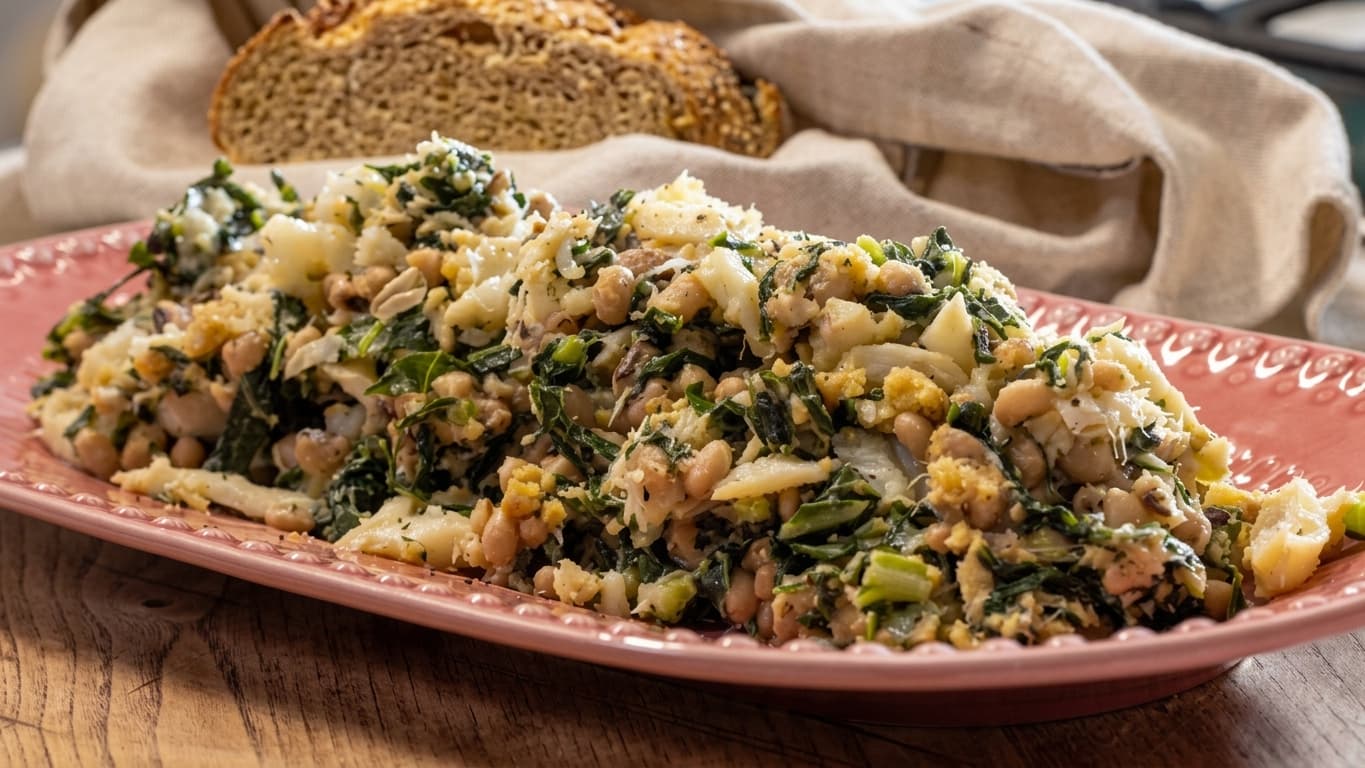
Bacalhau com Migas
Salt cod served with migas, found in the region’s traditional cooking.
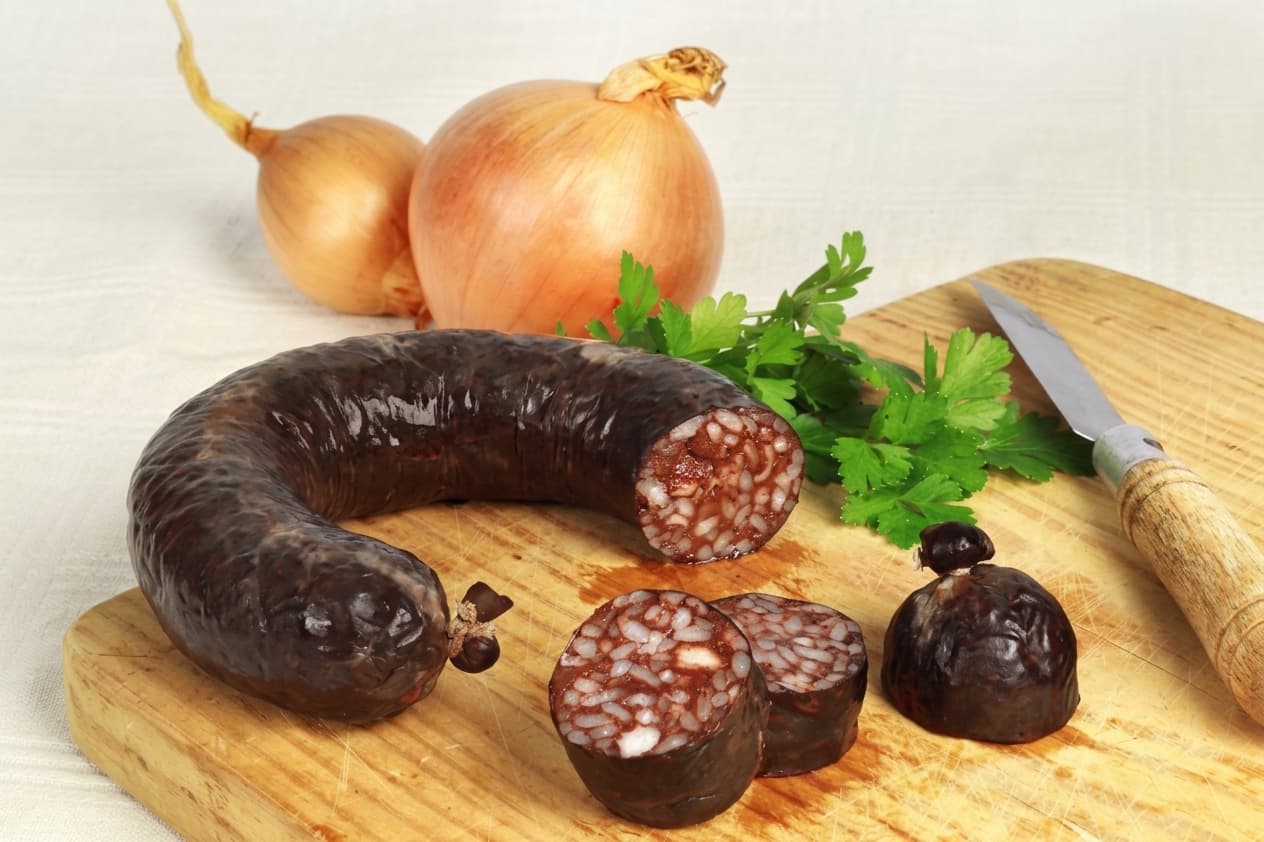
Morcela de Arroz
A traditional blood sausage from the Leiria region, distinguished by the addition of rice to pork blood, meat and seasonings.
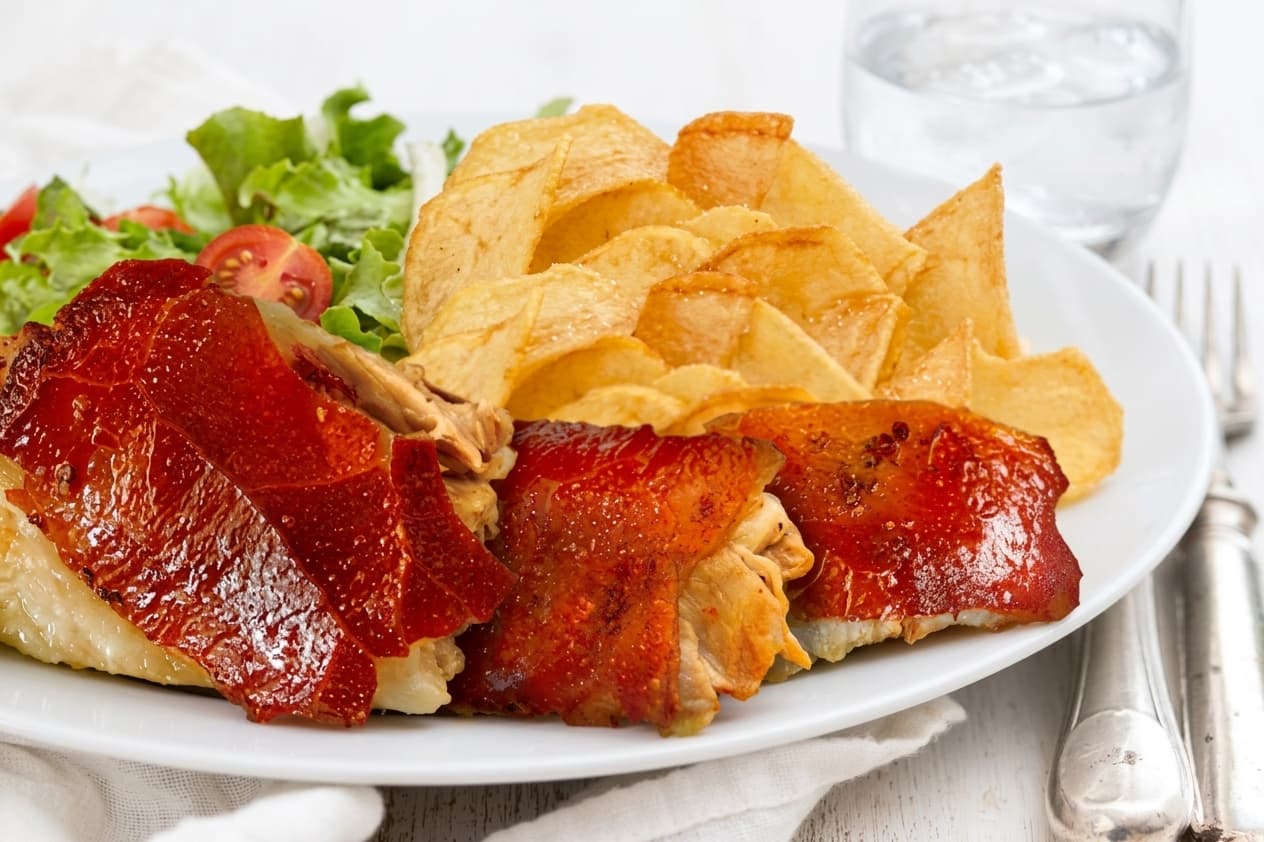
Leitão da Boa Vista
Roast suckling pig traditionally associated with Boa Vista, in the municipality of Leiria.
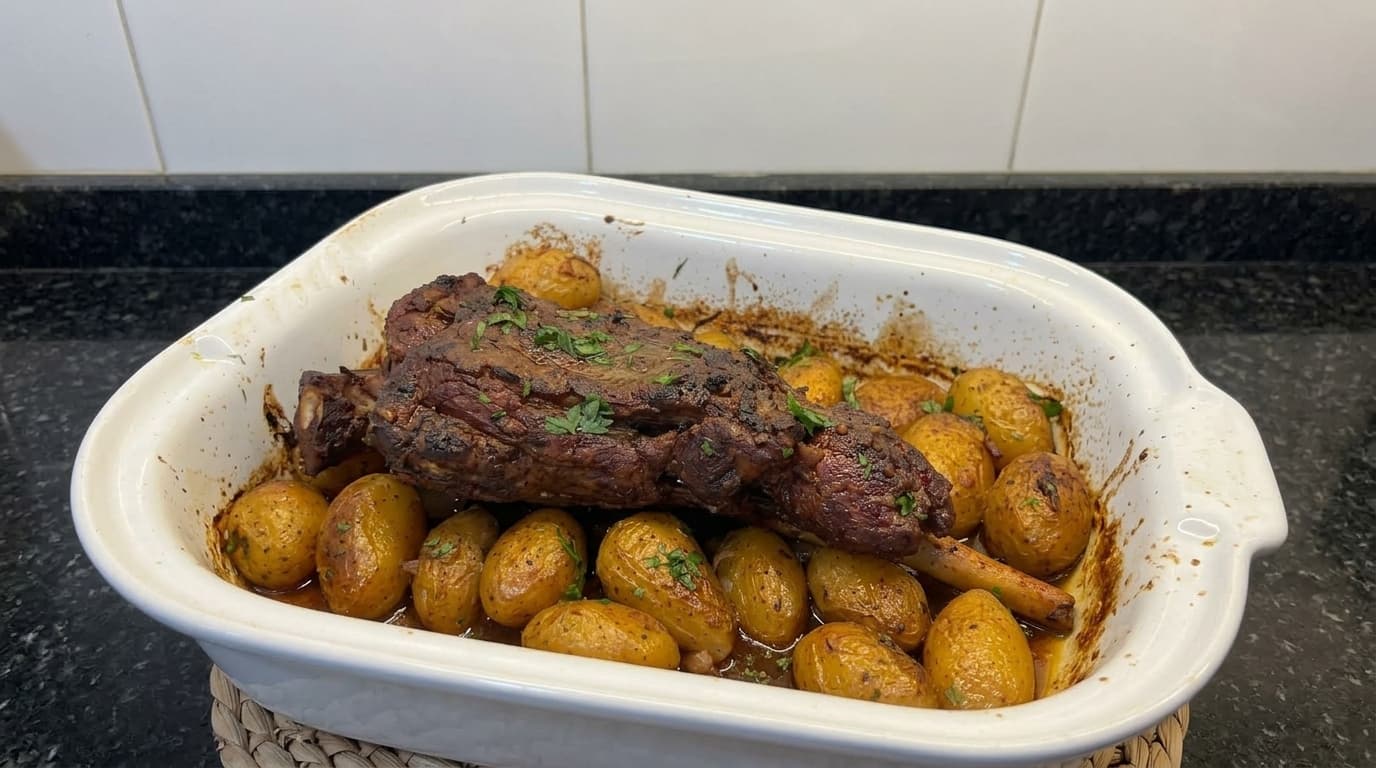
Cabrito Assado
Kid goat roasted in the oven with potatoes and traditional seasonings.
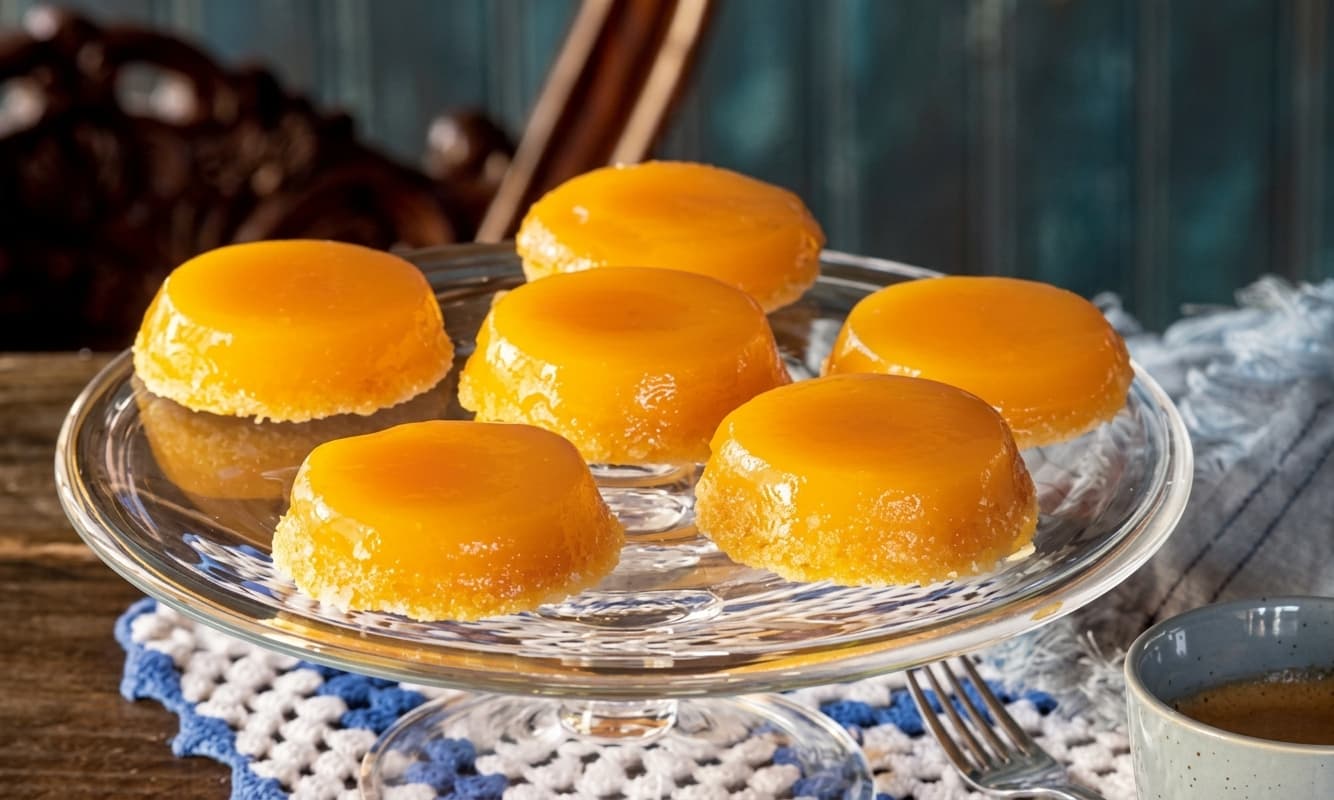
Brisas do Lis
Leiria’s most emblematic sweet, made essentially with egg yolks, sugar and almonds.
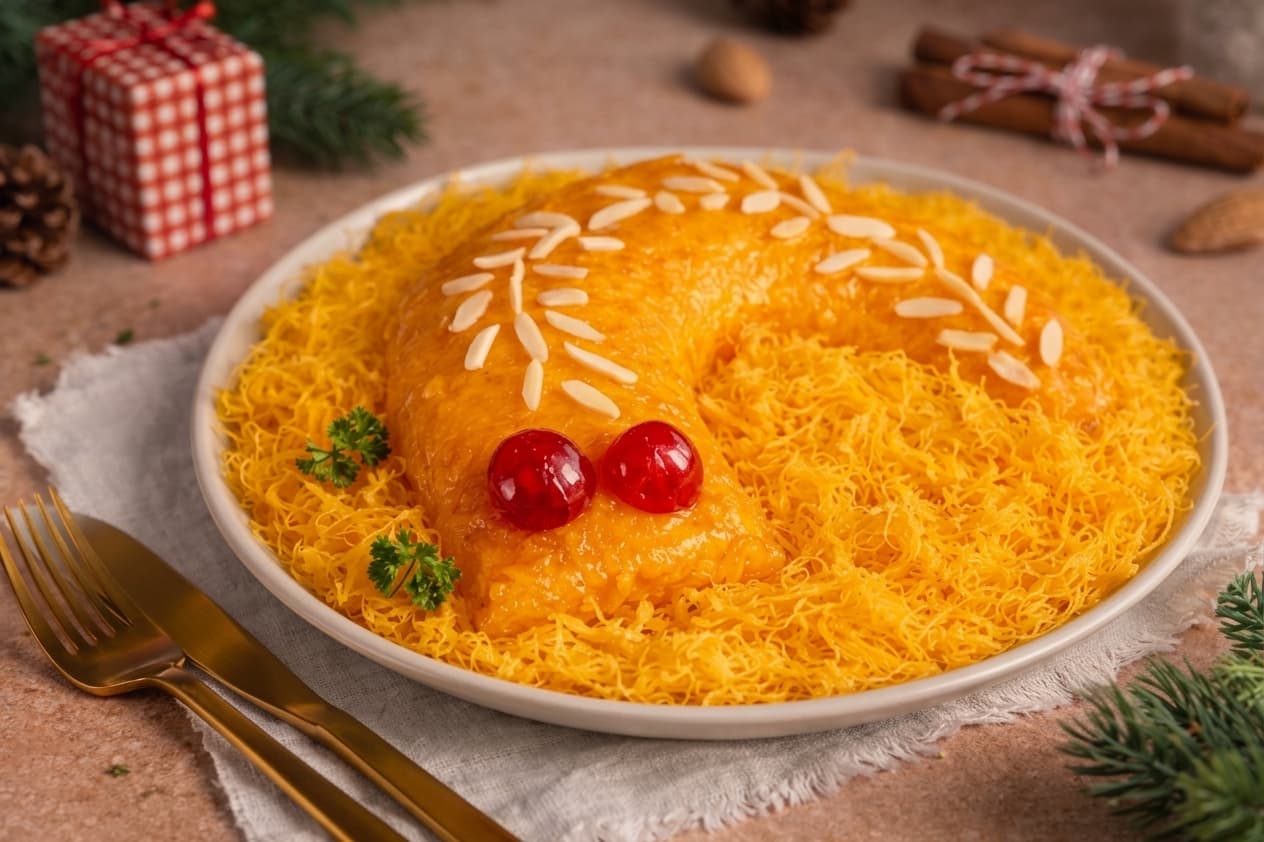
Lampreias de Ovos
A traditional egg sweet especially associated with festive seasons.
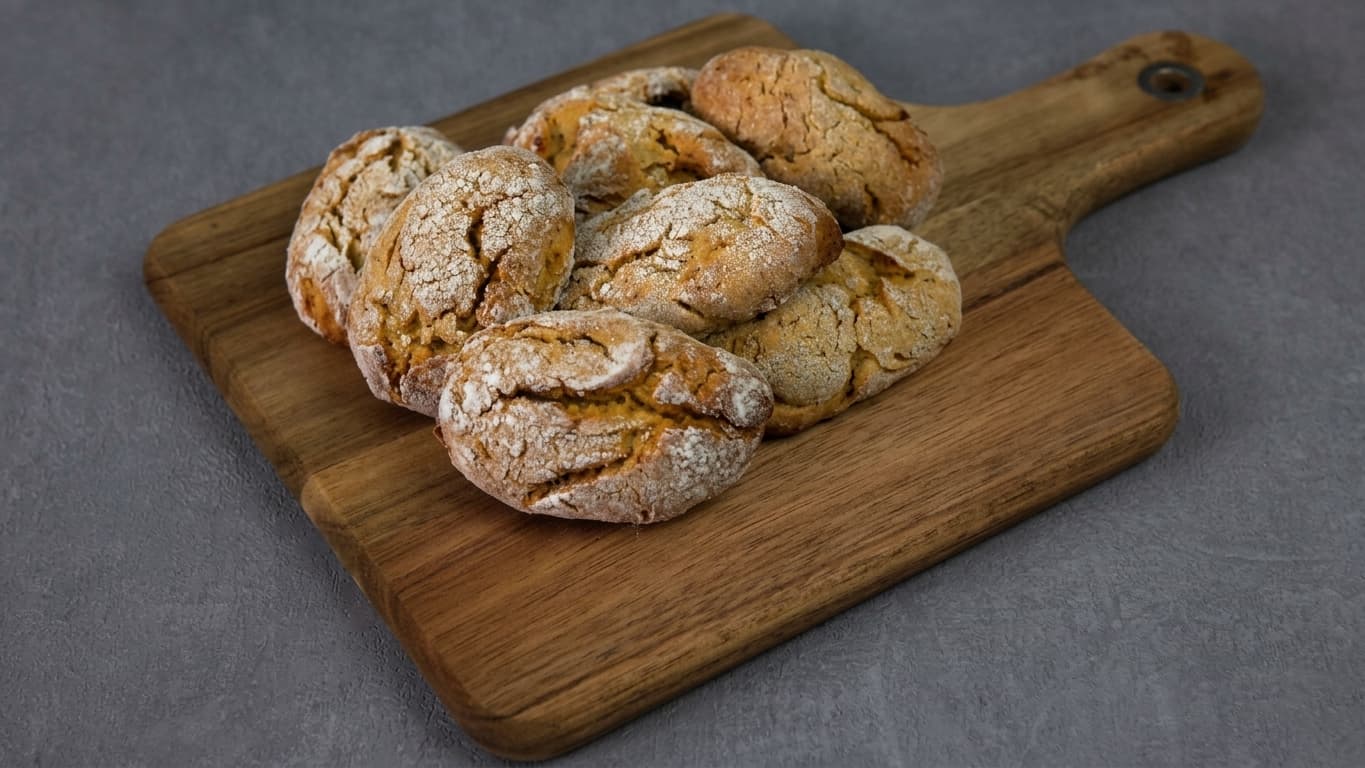
Merendeiras
Traditional cakes found in the Leiria region.
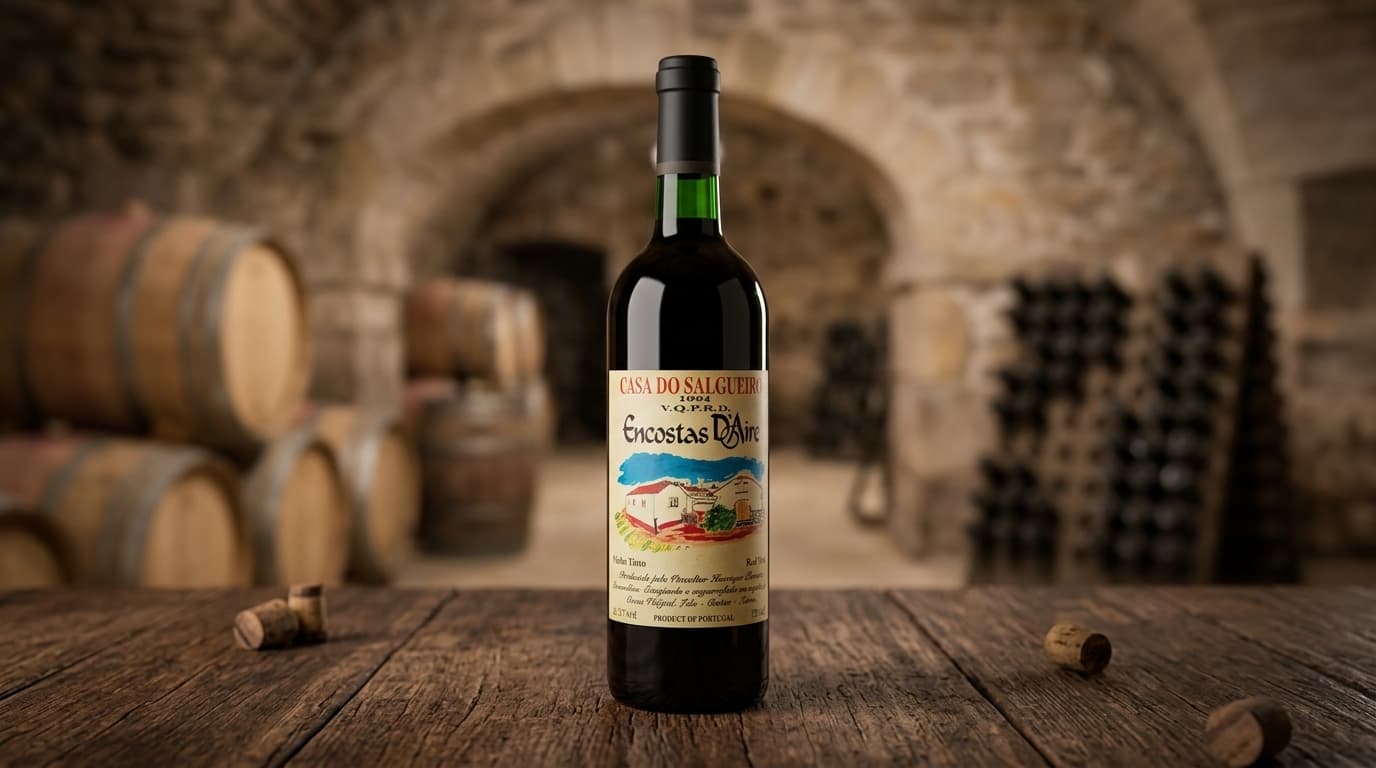
Vinhos de Encostas d'Aire
Wines produced in the wine area that covers part of Leiria’s territory.
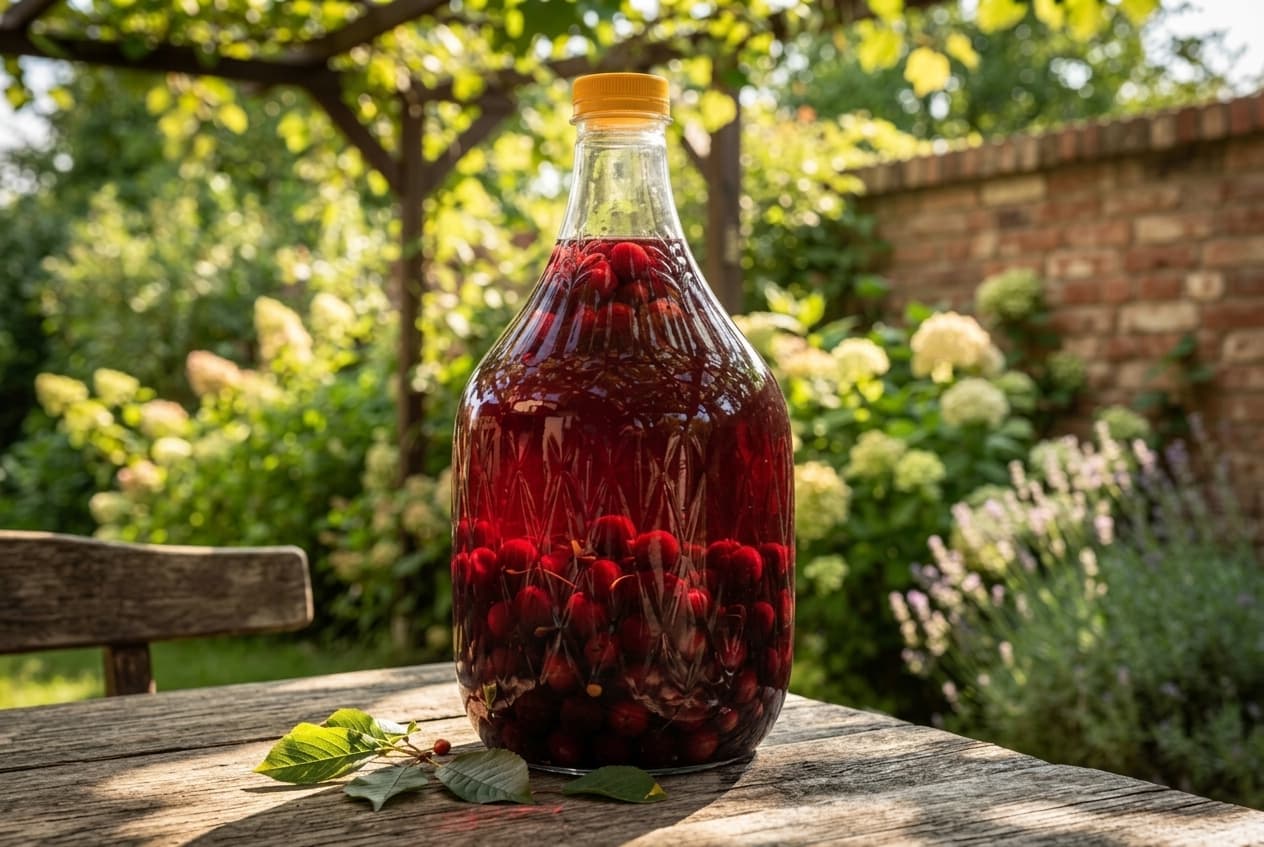
Licor de Ginja
Found in the wider region, although Ginja de Óbidos e Alcobaça has a more specific geographical association.
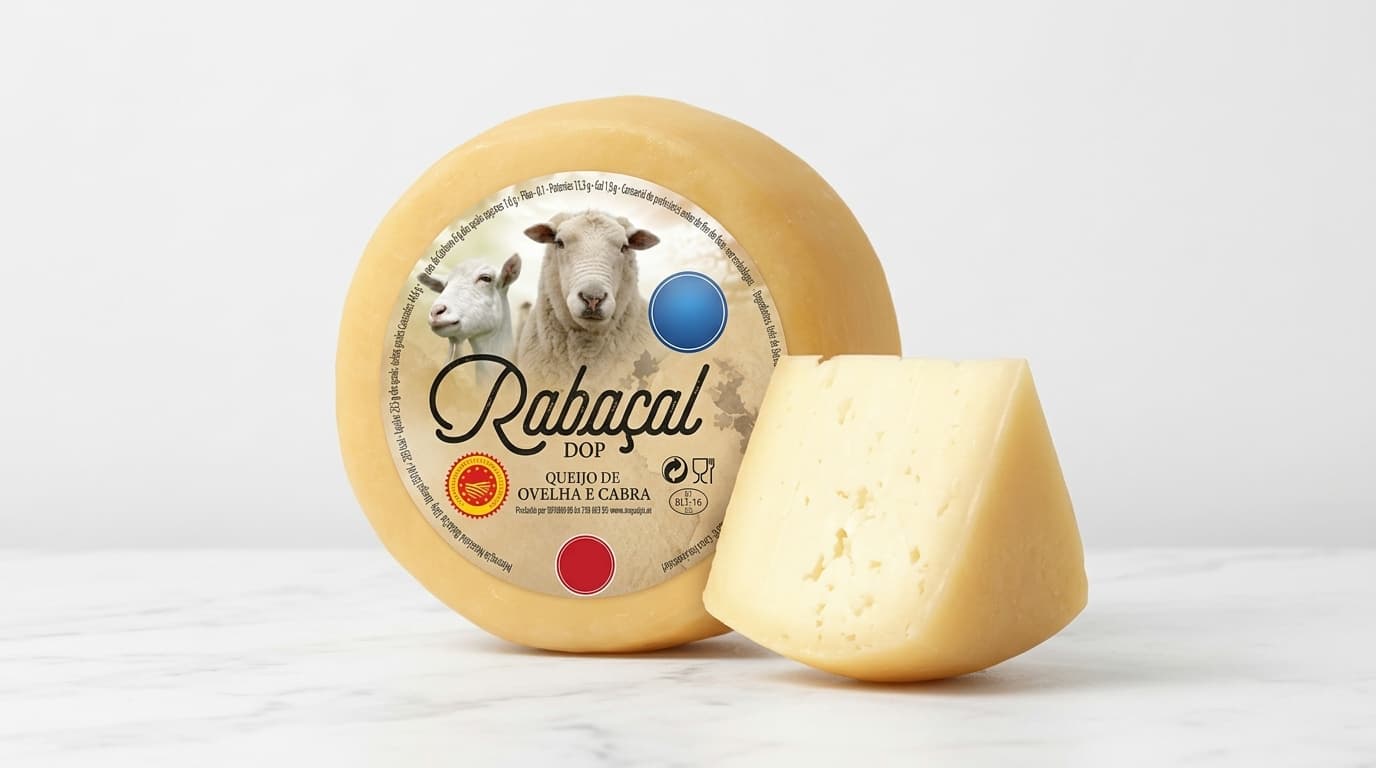
Queijo Rabaçal DOP
A traditional PDO cheese from the Rabaçal region, made from a mixture of sheep’s and goat’s milk and known for its distinctive aromatic flavour.
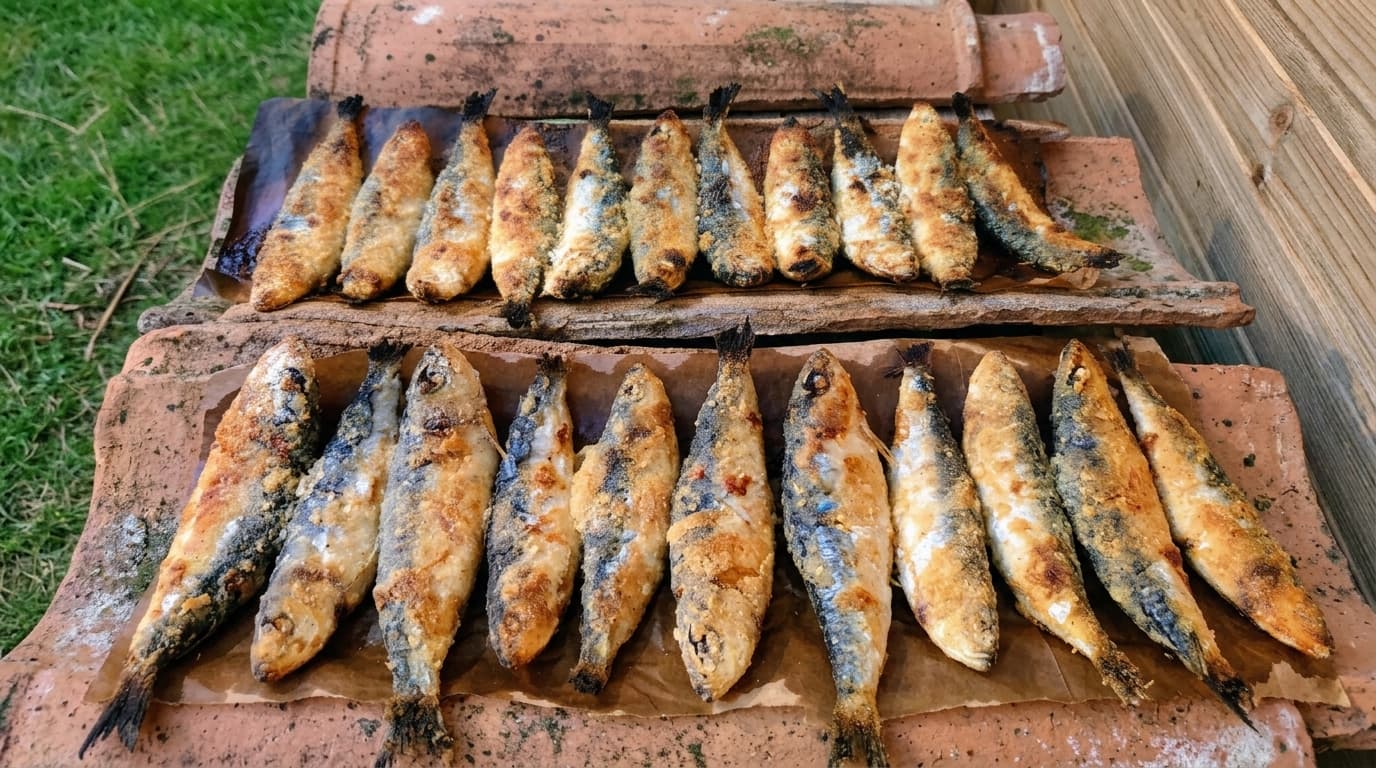
Sardinha na Telha da Gândara
A traditional dish from the Gândara region in which sardines are roasted on a clay roof tile.
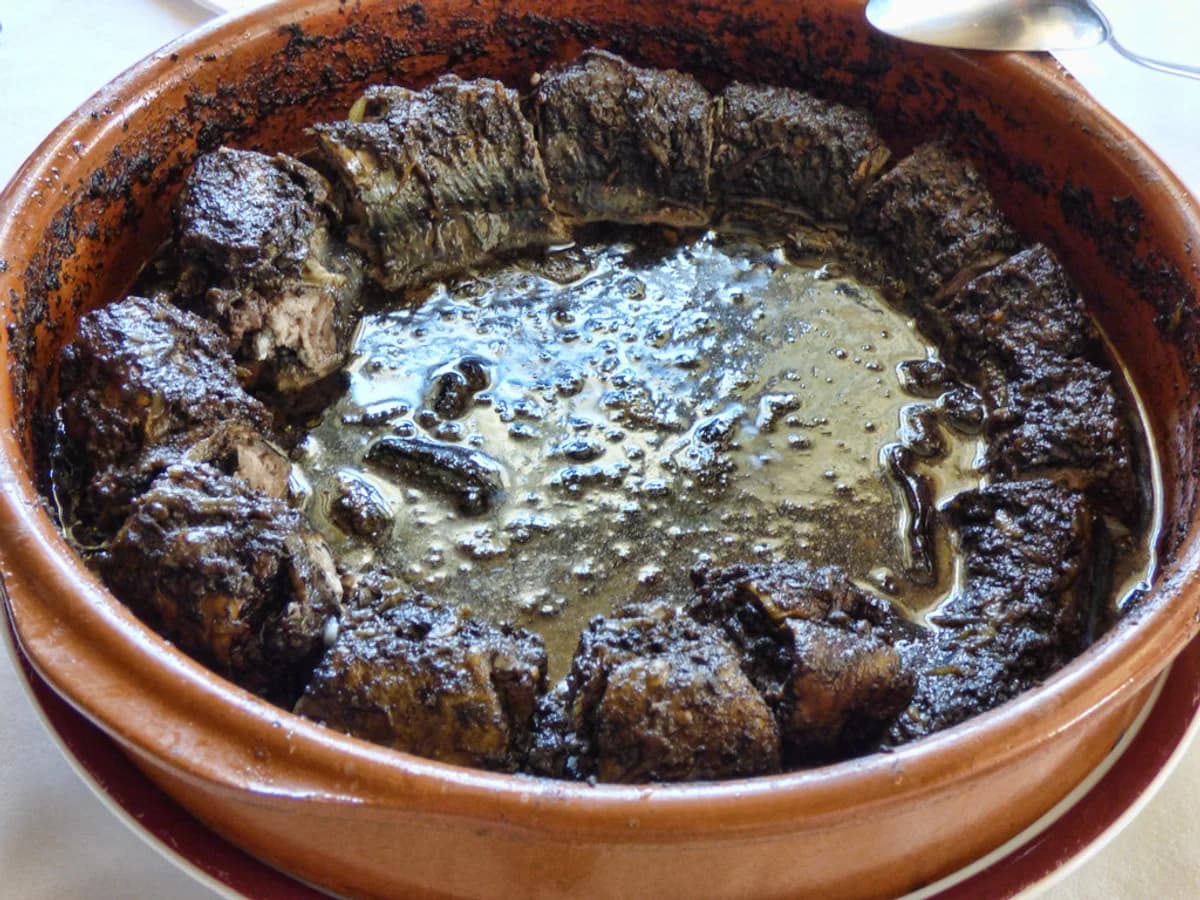
Lampreia
Traditionally prepared with rice or Bordeaux-style, especially during its season.
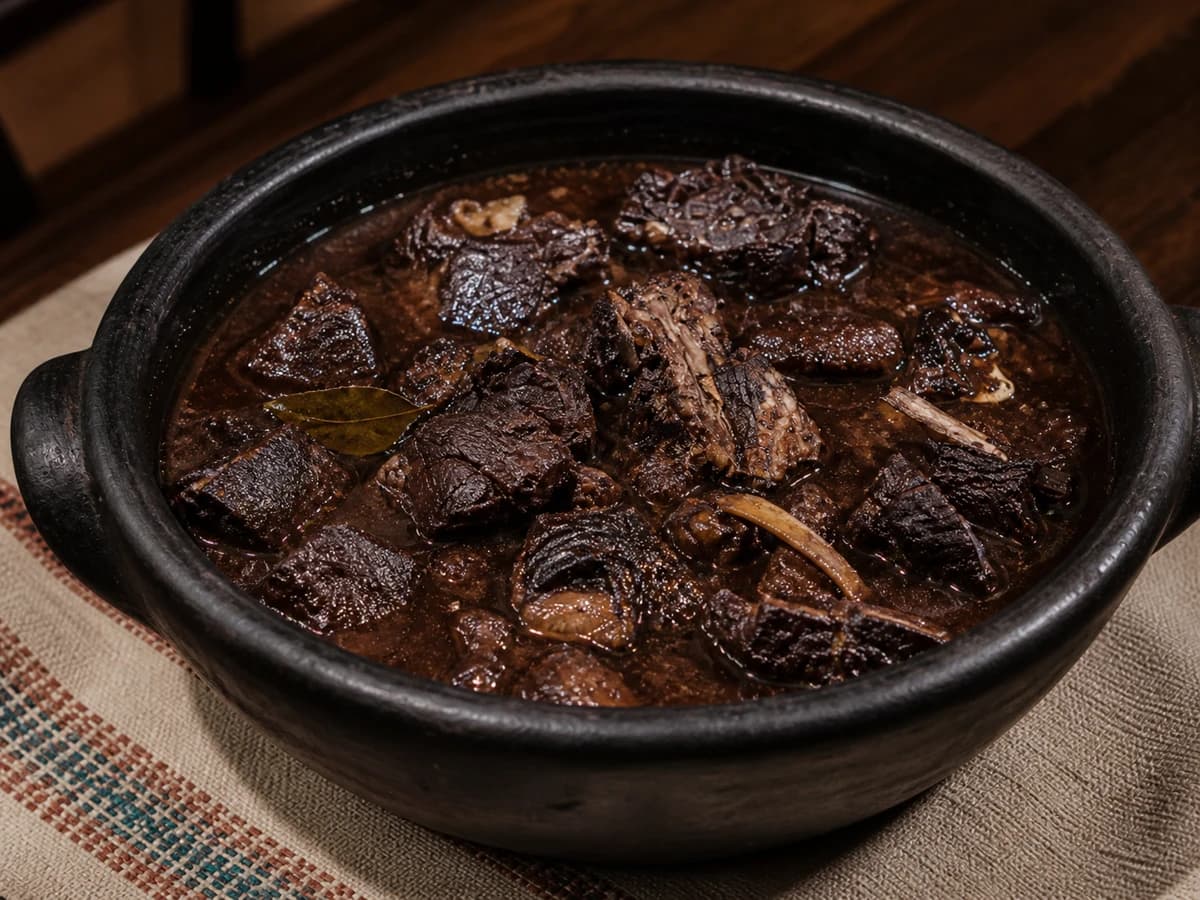
Chanfana
Older goat slowly cooked in red wine, traditionally in a black-clay pot—one of the Coimbra region’s most emblematic dishes.
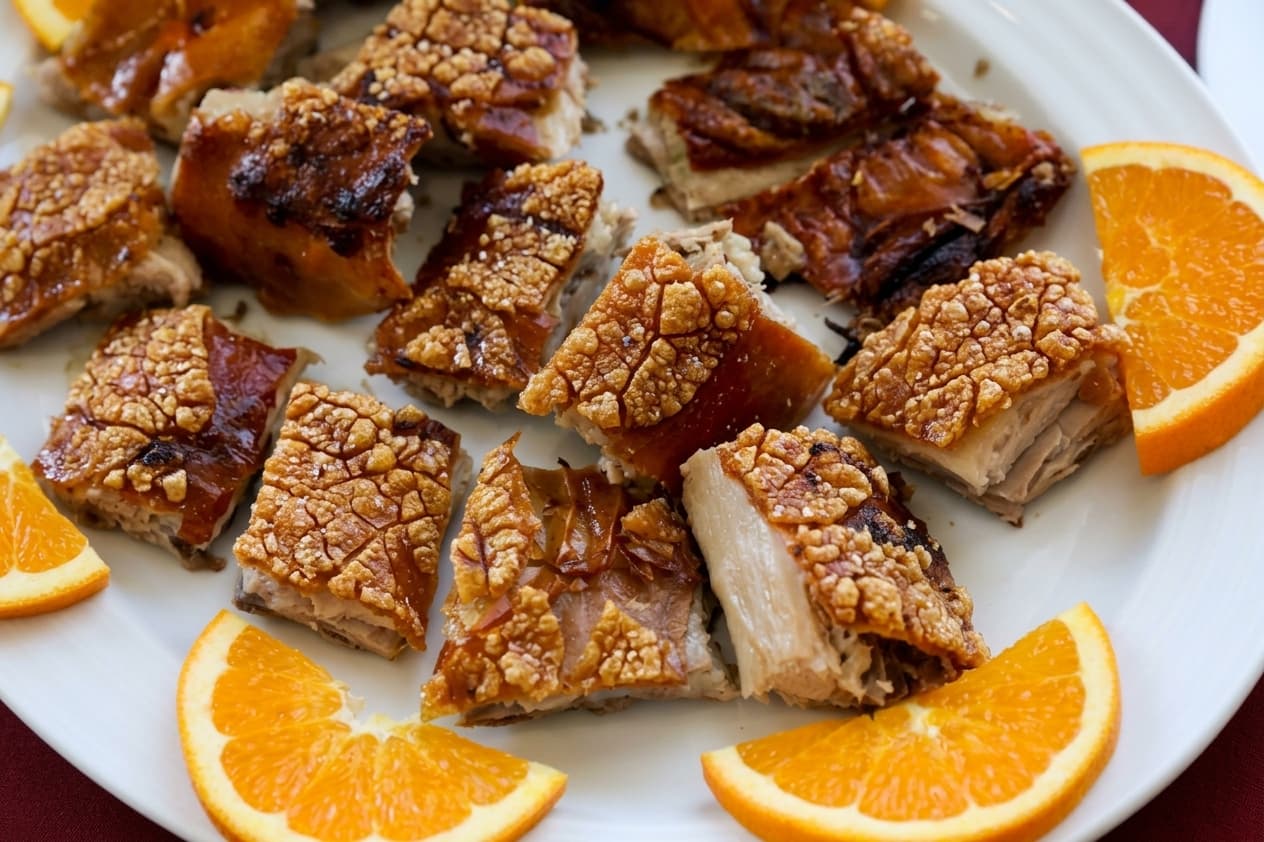
Leitão da Bairrada
Widely found in the region, especially in Bairrada to the north of Coimbra.
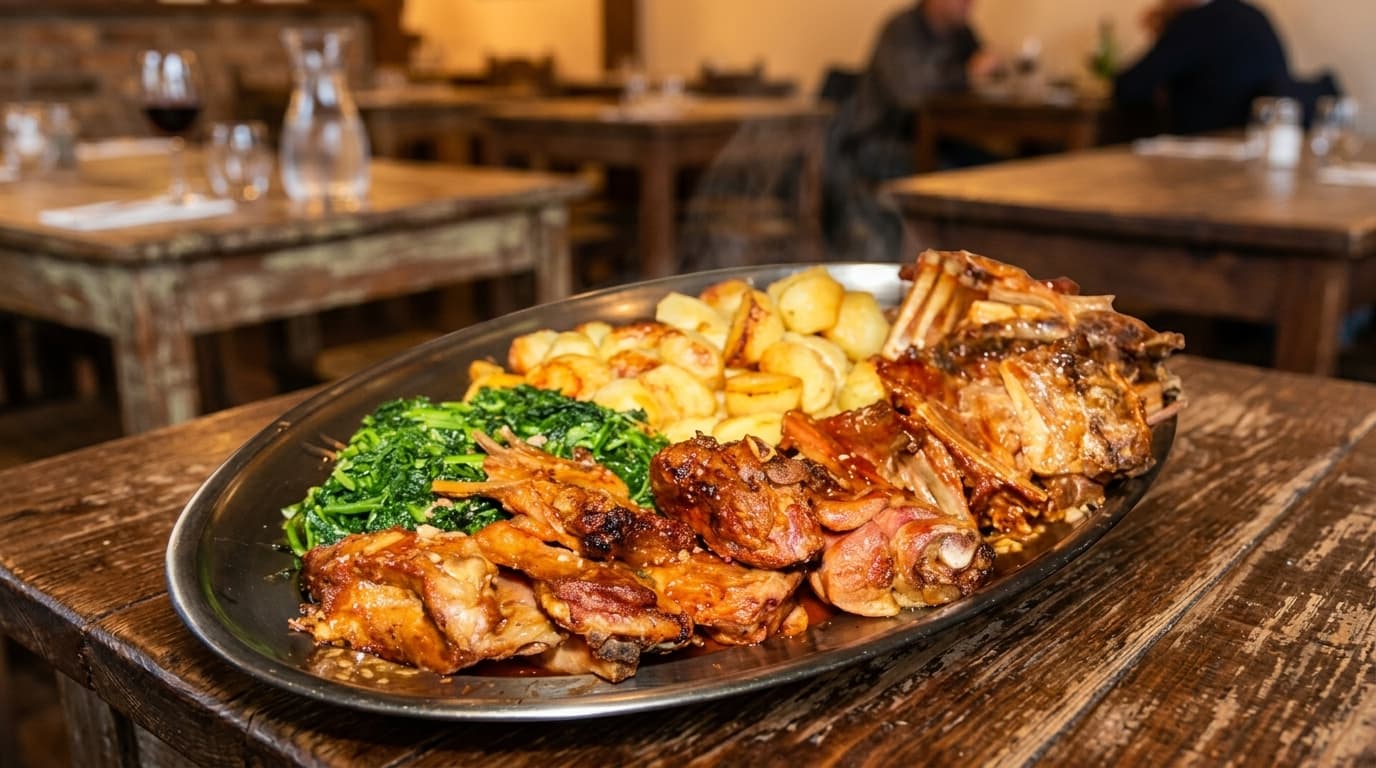
Cabrito Assado
Kid goat roasted in the oven with potatoes, typical of regional cooking.
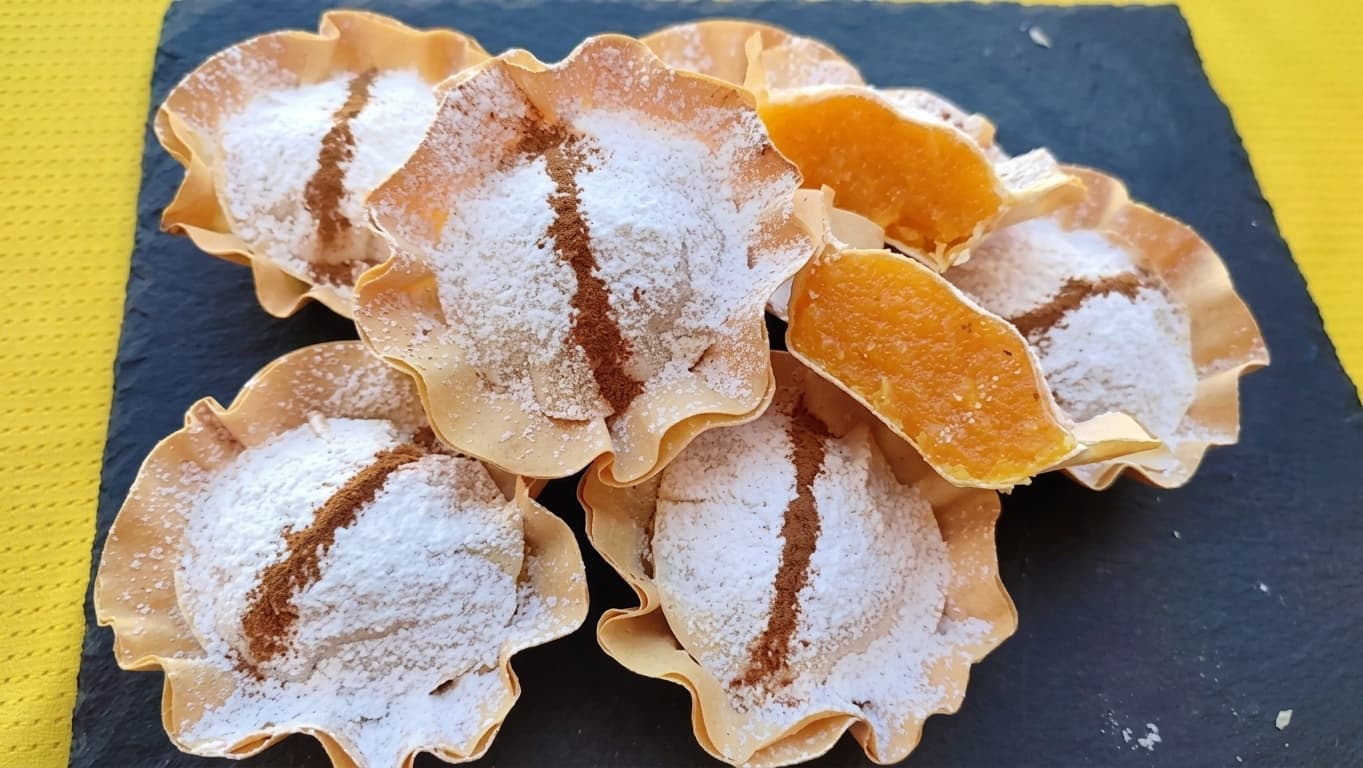
Pastéis de Santa Clara
An emblematic Coimbra convent sweet with delicate pastry and an egg-and-almond filling.
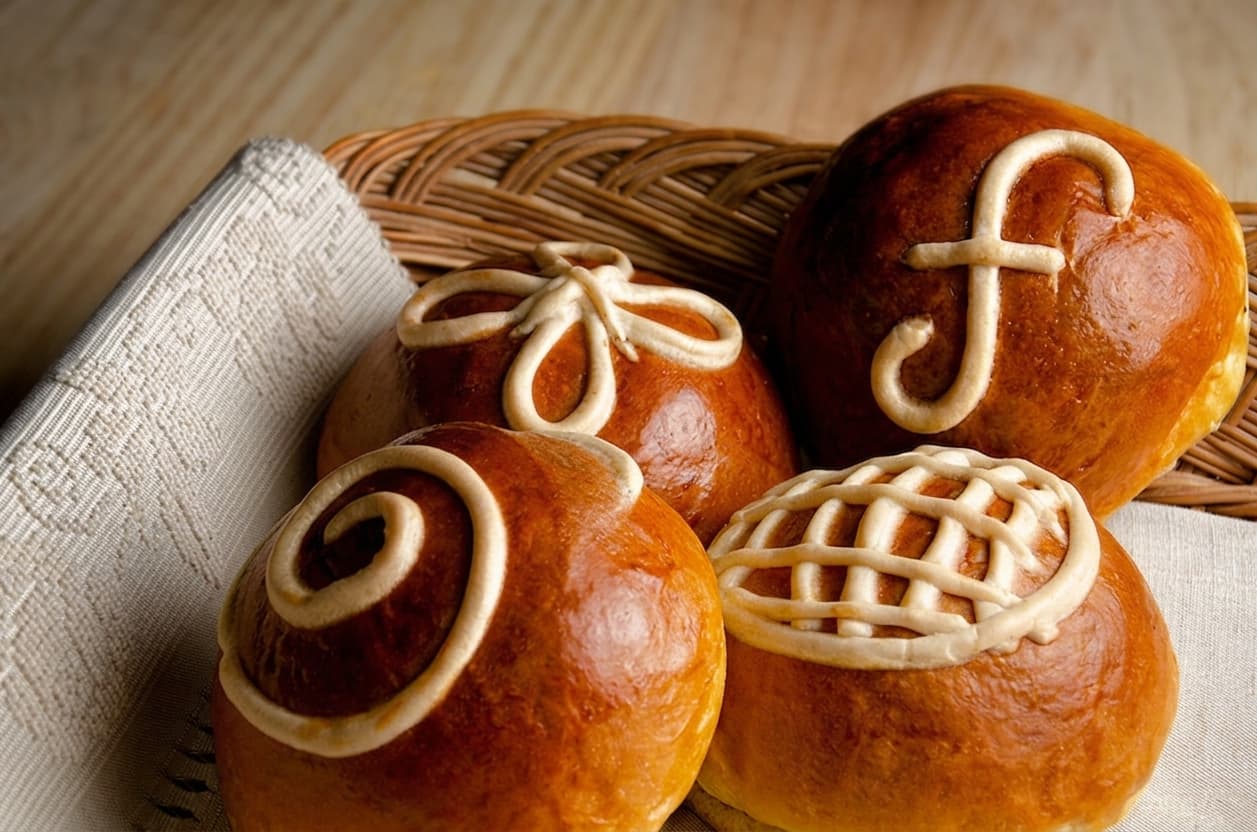
Arrufadas de Coimbra
A traditional soft sweet bread associated with the city.
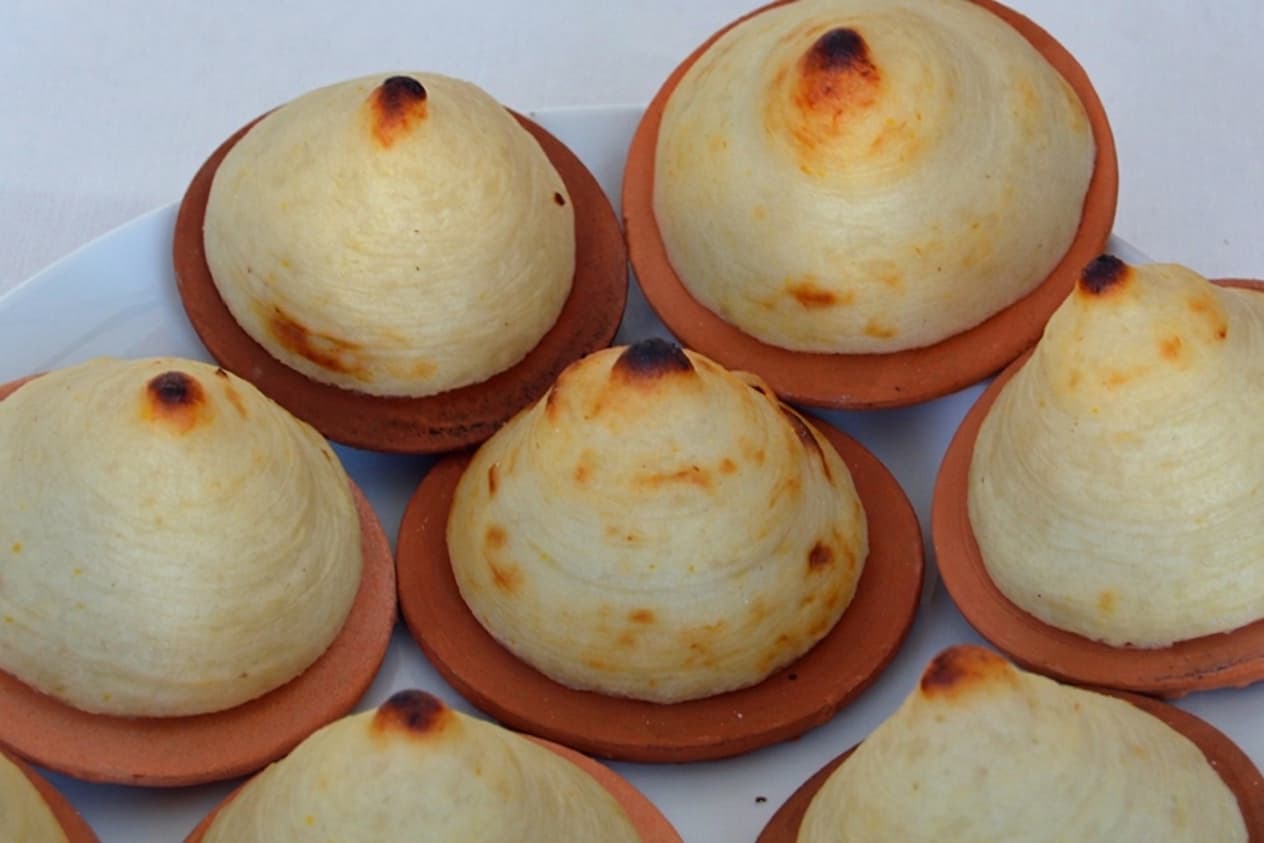
Manjar Branco
A convent-origin sweet closely connected to Coimbra’s gastronomic tradition.
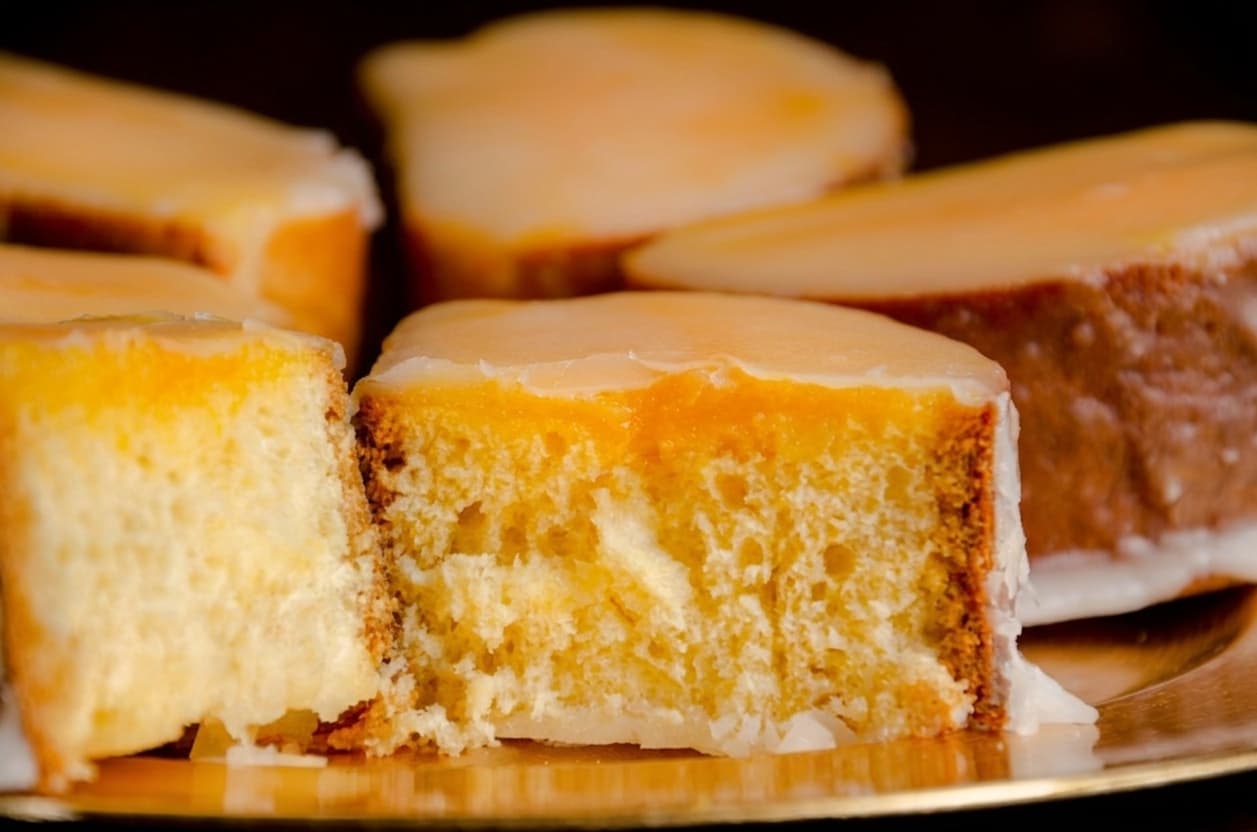
Talhadas de Príncipe
Another example of Coimbra’s rich convent confectionery.
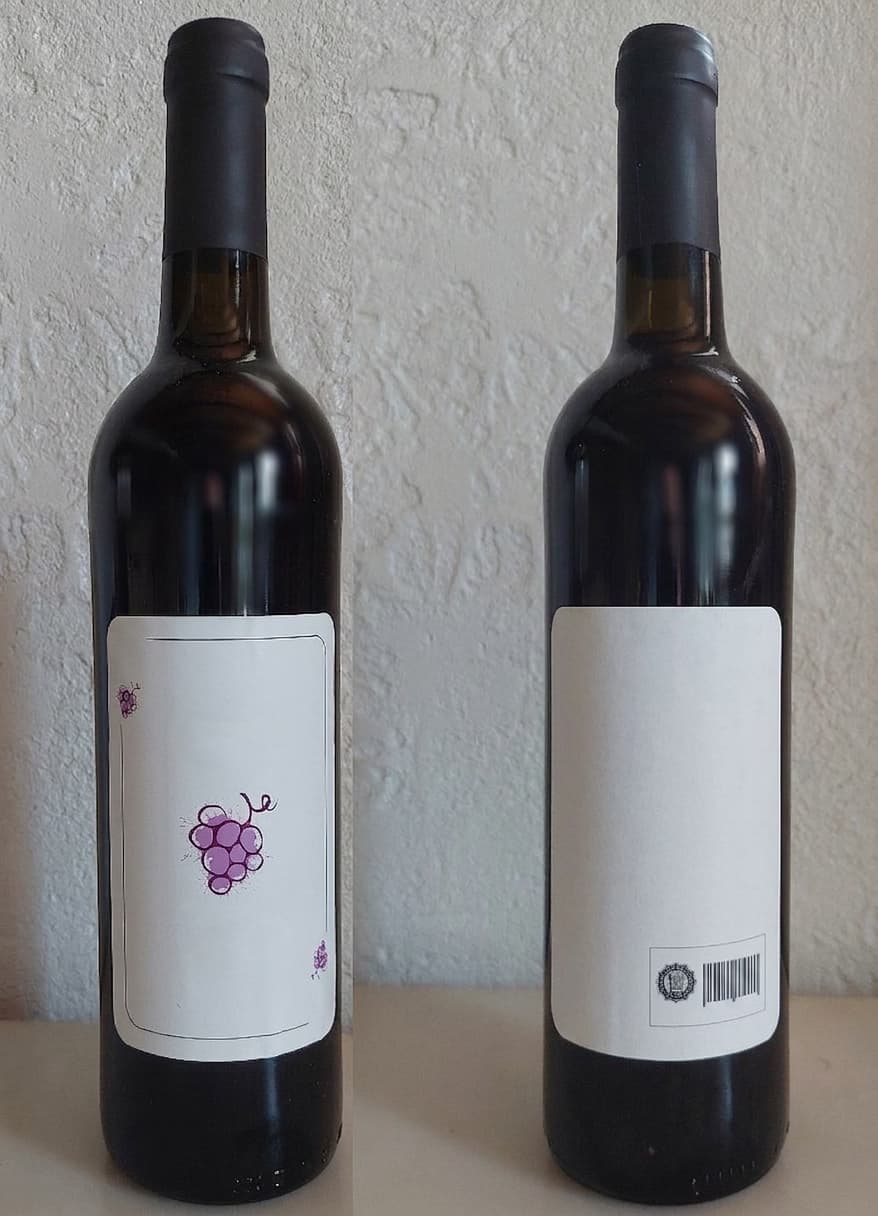
Vinho Terras de Sicó
A wine associated with the Terras de Sicó area in central Portugal, a landscape of limestone hills and longstanding winemaking traditions.
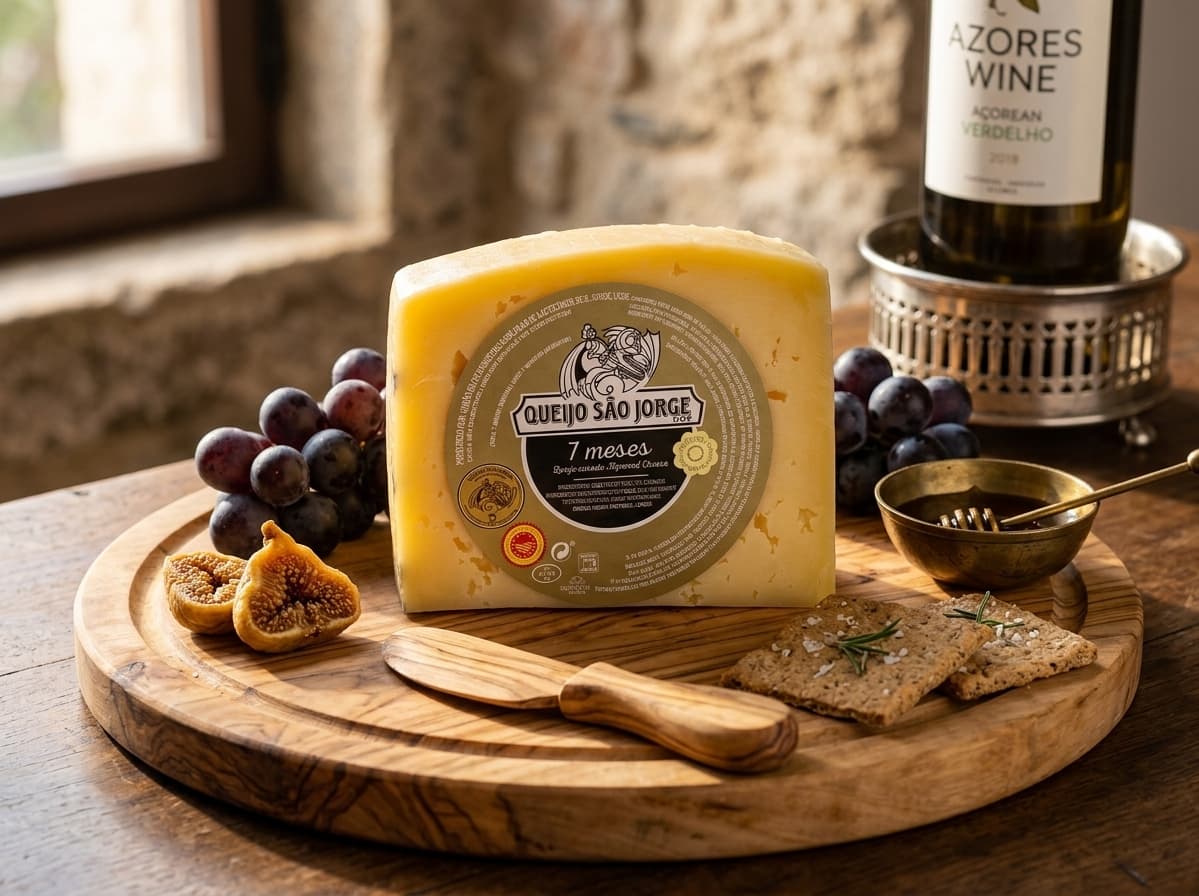
Queijo São Jorge DOP
A cured raw cow’s-milk cheese with a hard or semi-hard paste and an intense, sometimes piquant flavour.
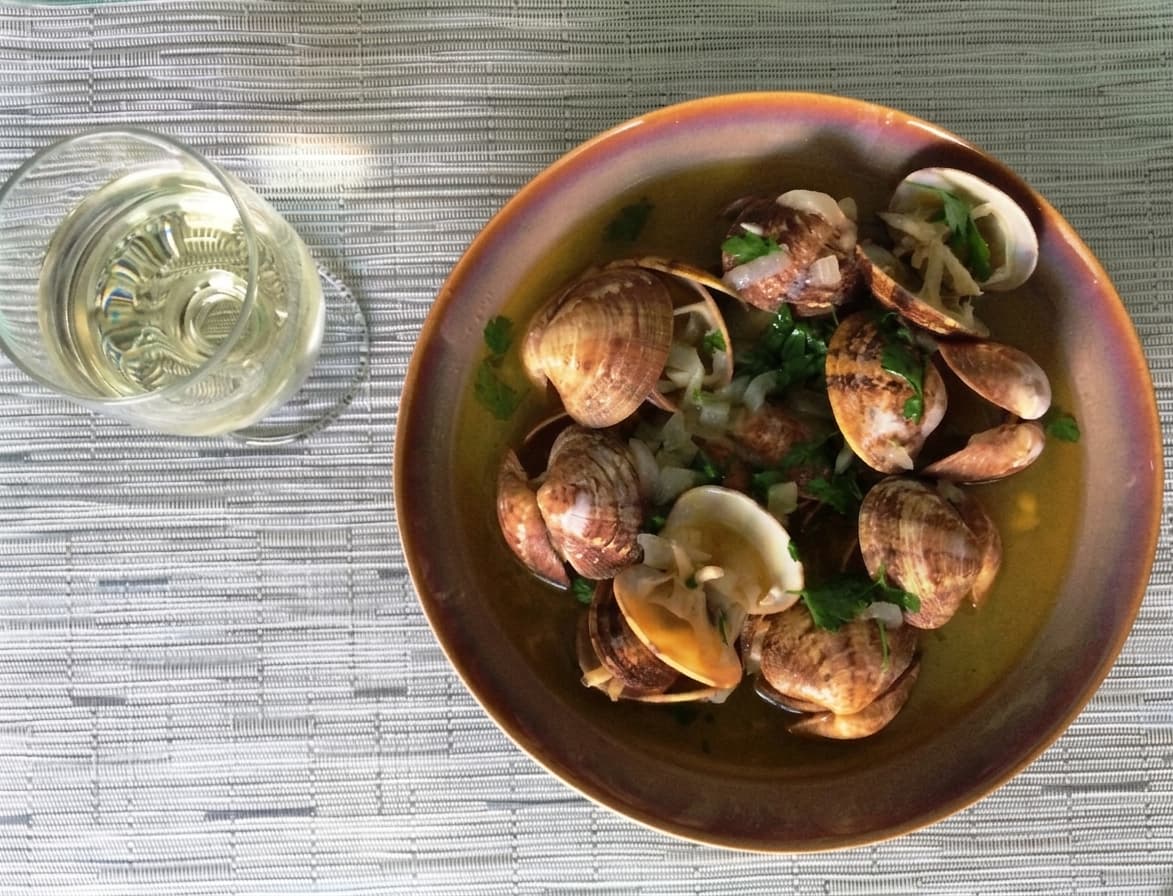
Amêijoas de São Jorge
Fresh clams from São Jorge Island, prized for their delicate flavour and close connection to the island’s coastal cuisine.
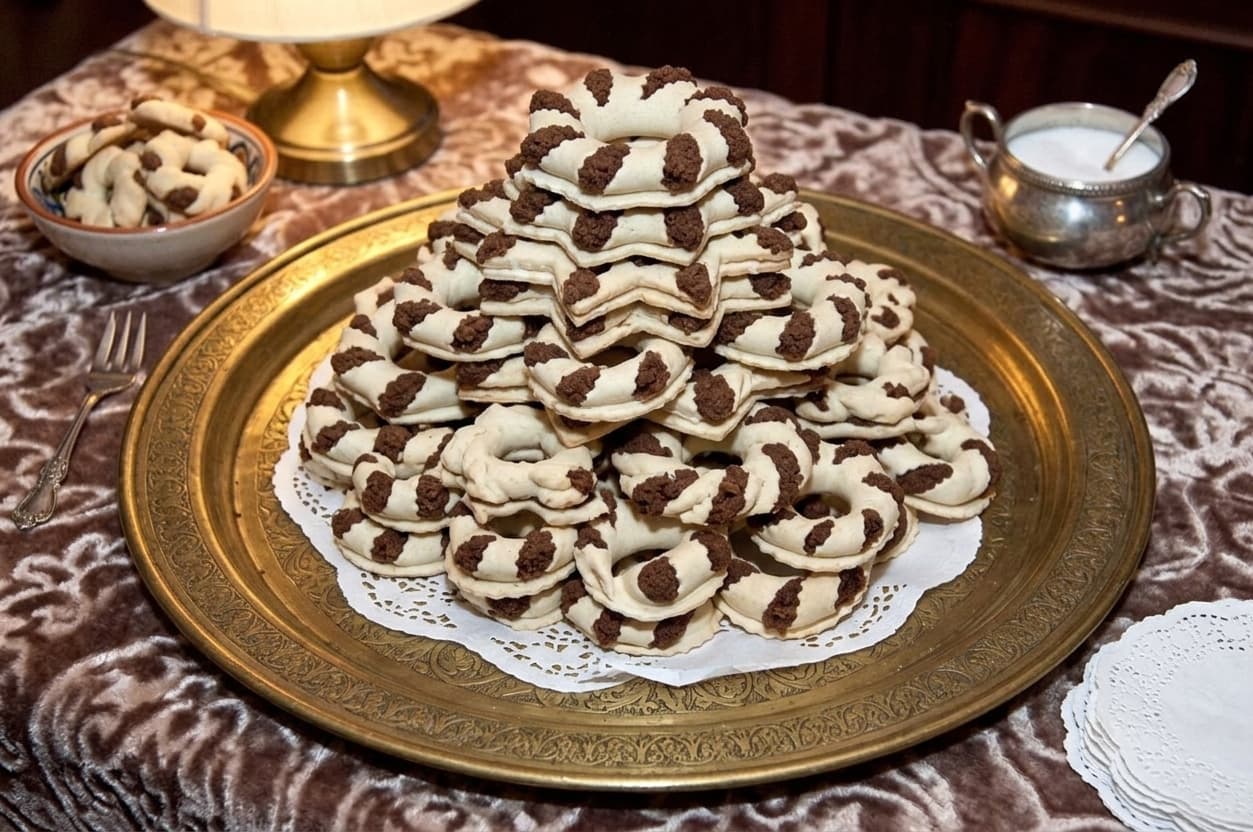
Espécies de São Jorge
Small pastries with delicate dough and an aromatic spiced filling, especially associated with Ribeira Seca.
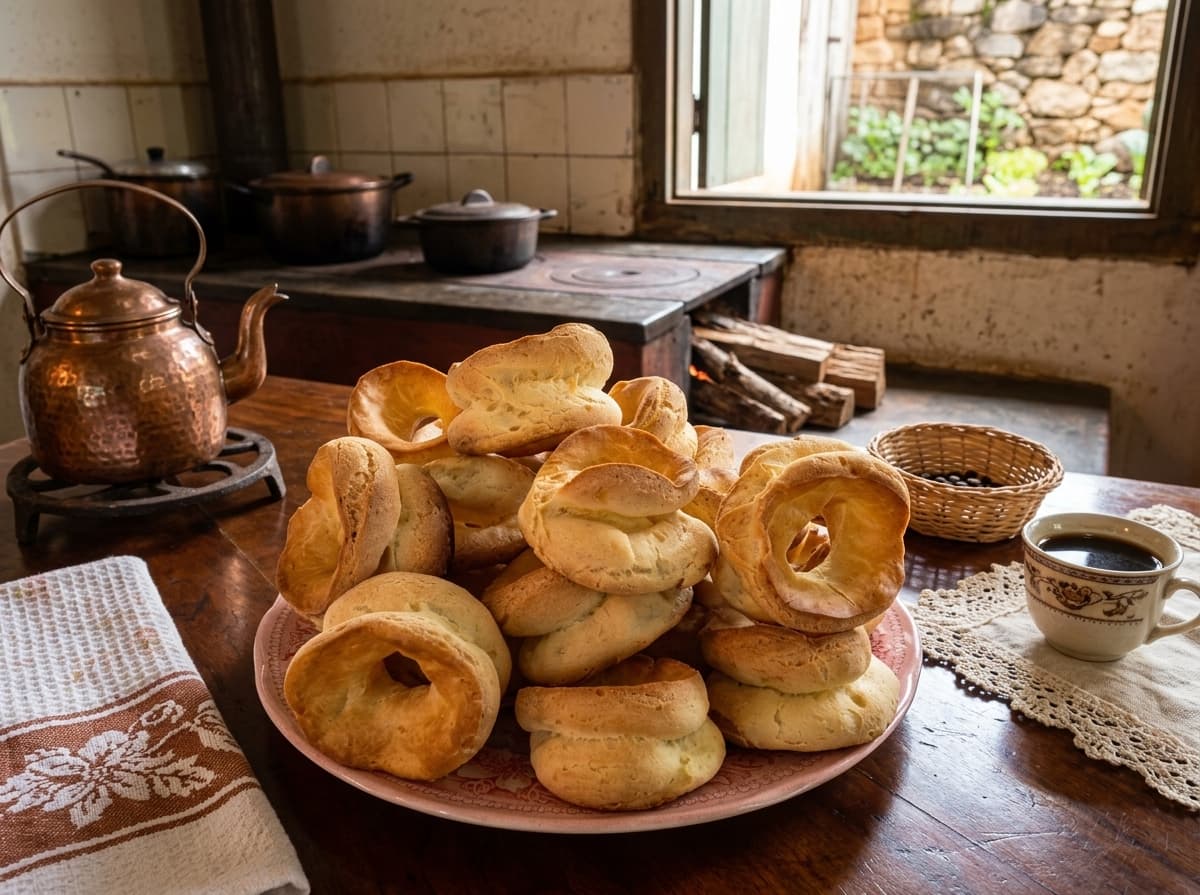
Rosquilhas
Traditional ring-shaped pastries associated with festivities and religious celebrations.
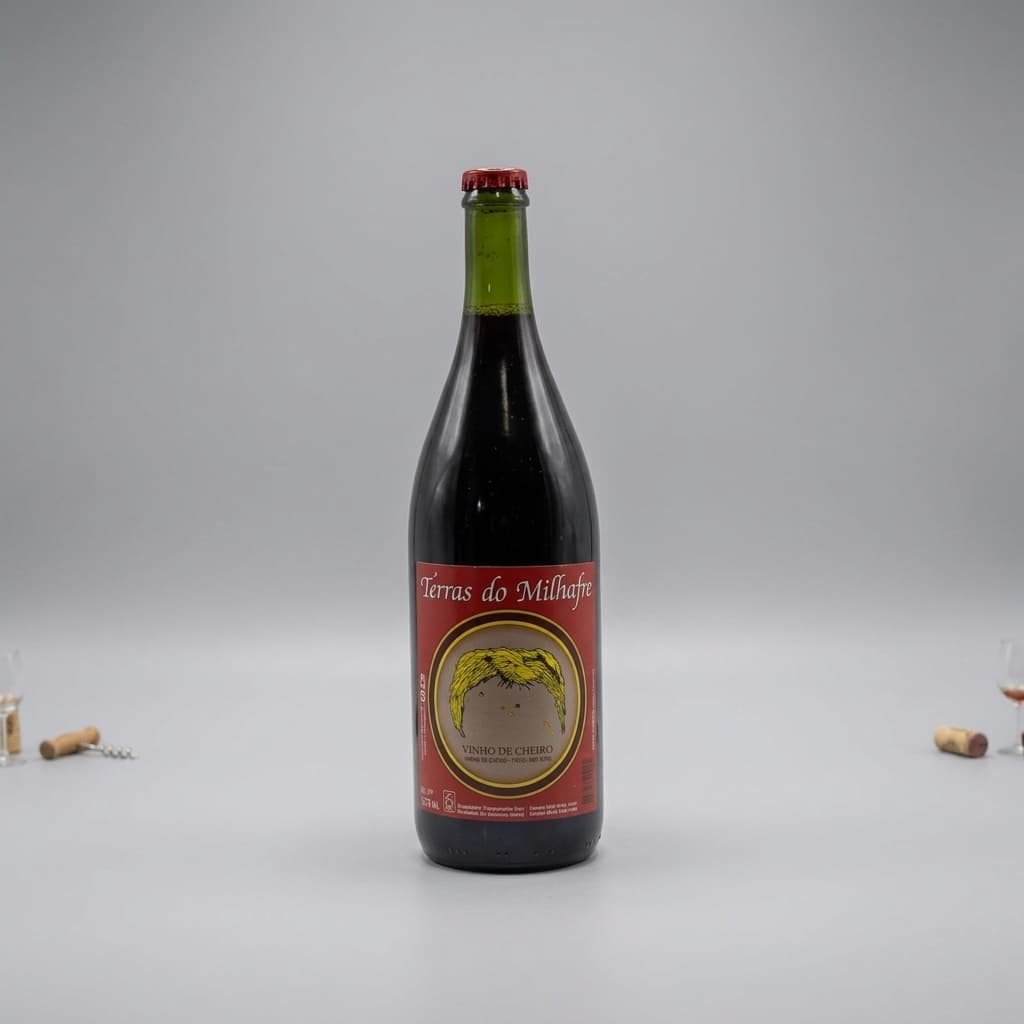
Vinho de Cheiro de São Jorge
A traditional aromatic wine from São Jorge Island, historically produced from American grape varieties.
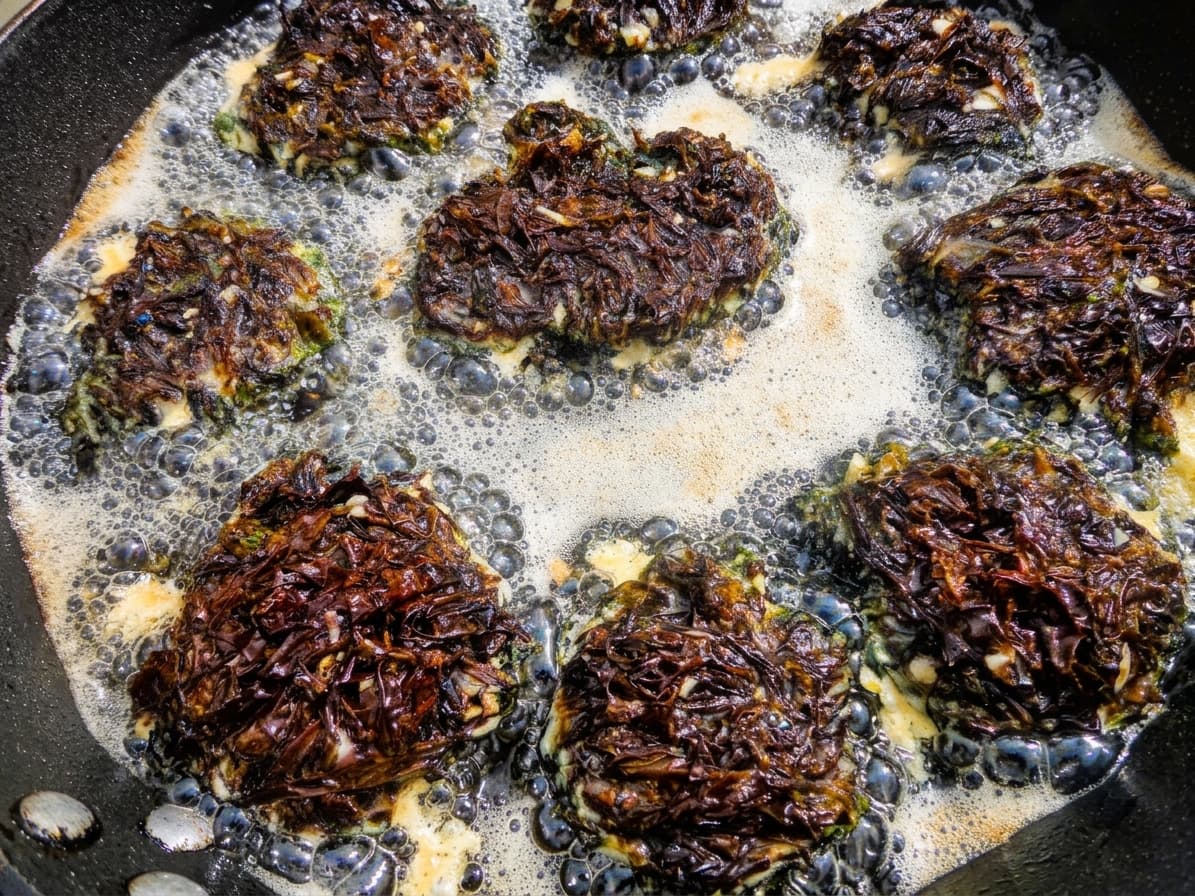
Tortas de Erva do Calhau
Traditional savoury fritters prepared with a wild coastal plant gathered on Corvo.
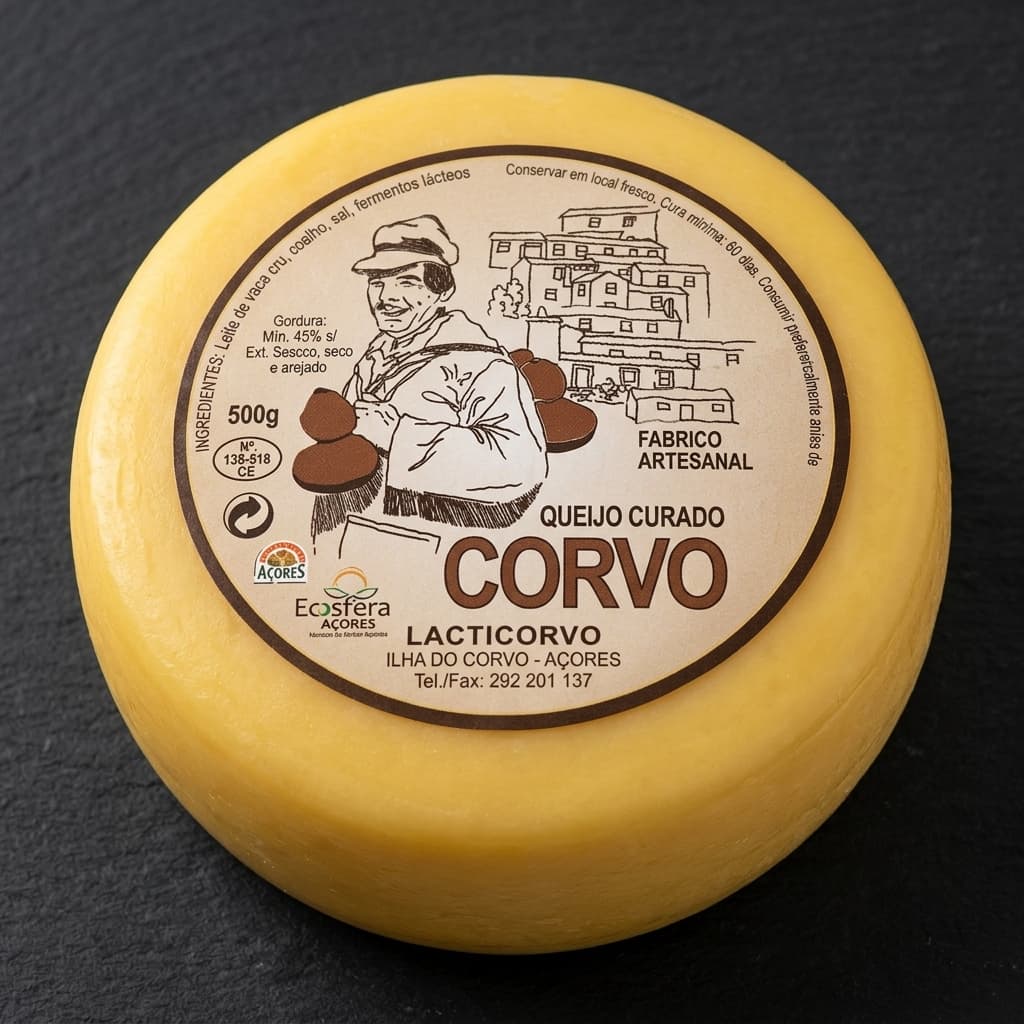
Queijo do Corvo
A traditional cow’s milk cheese from Corvo Island, reflecting the island’s small-scale dairy farming tradition.
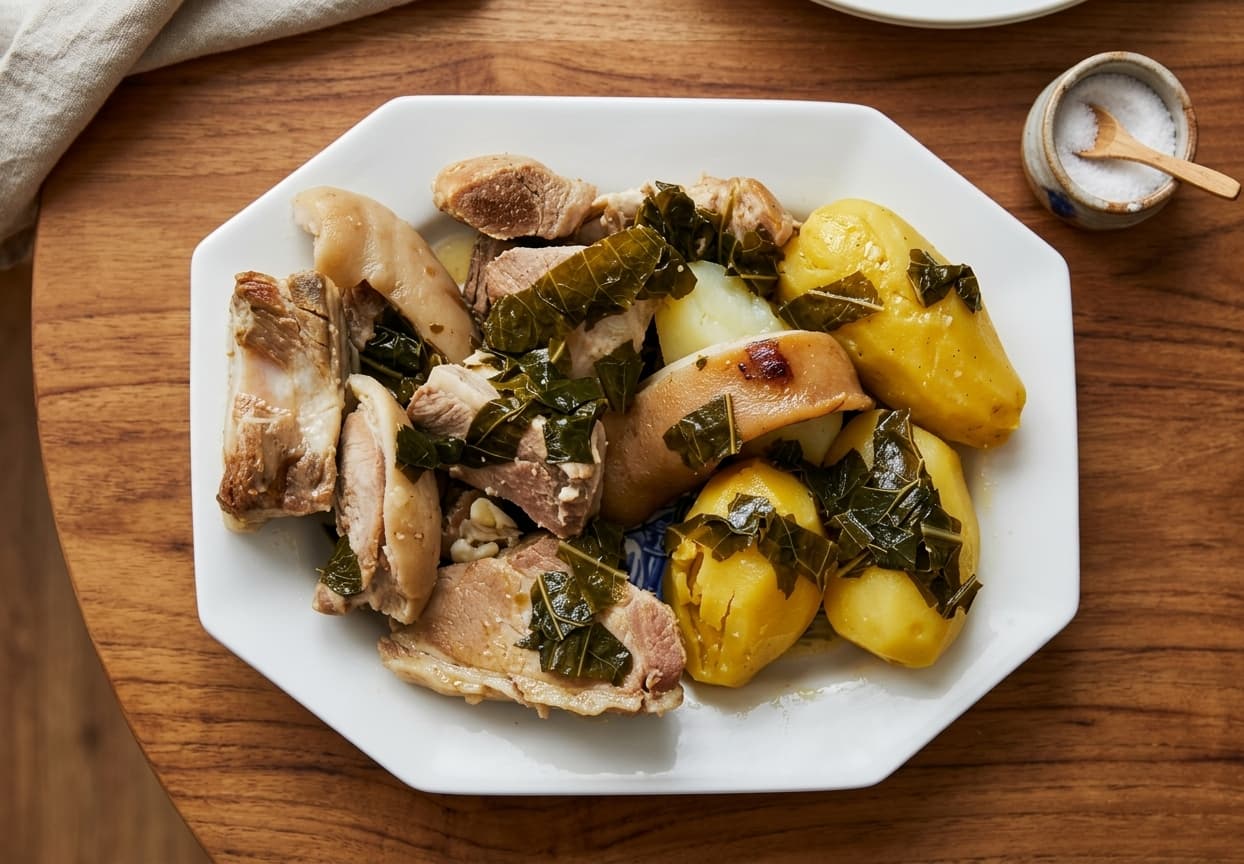
Couves da Barça
A traditional dish from Corvo Island made with cabbage and pork, characteristic of the island’s rustic home cooking.
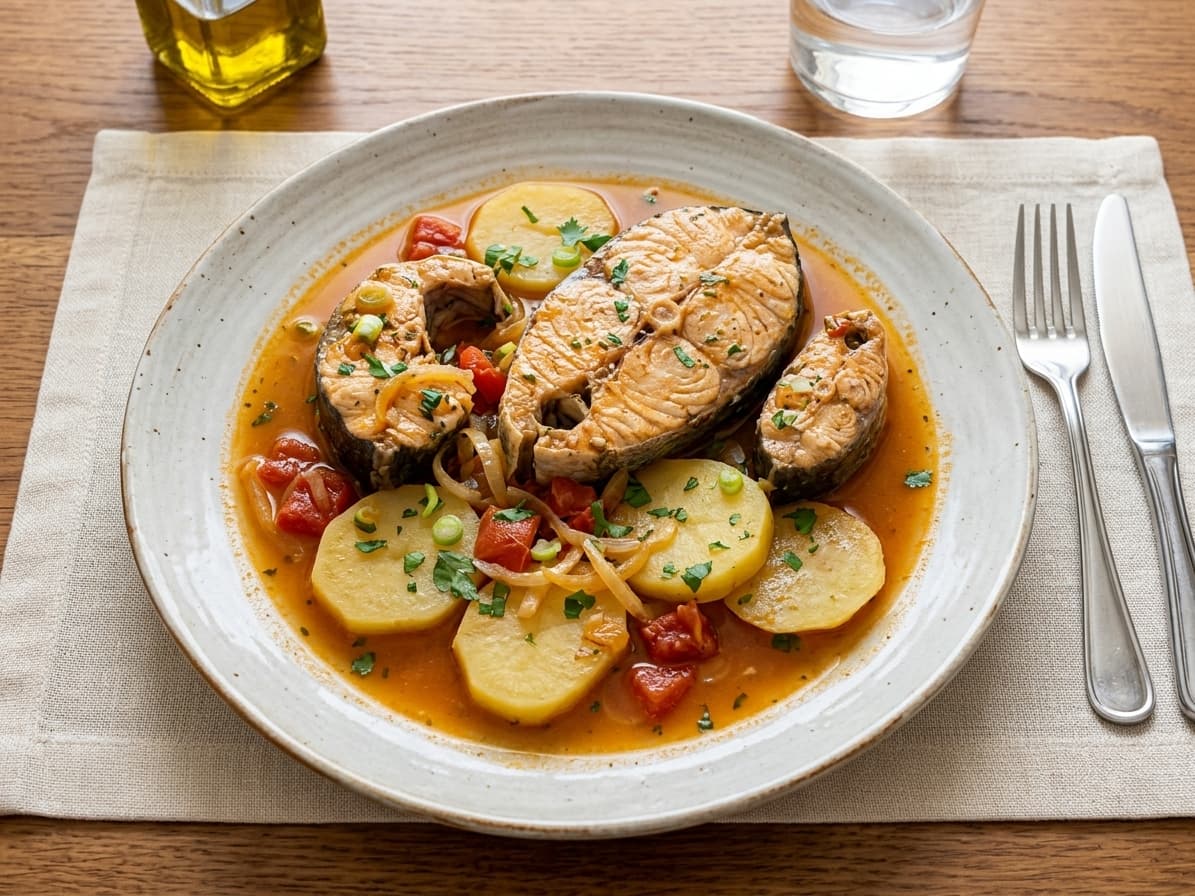
Caldeirada de Congro
A traditional fish stew from Flores Island prepared with conger eel, potatoes and aromatic seasonings.
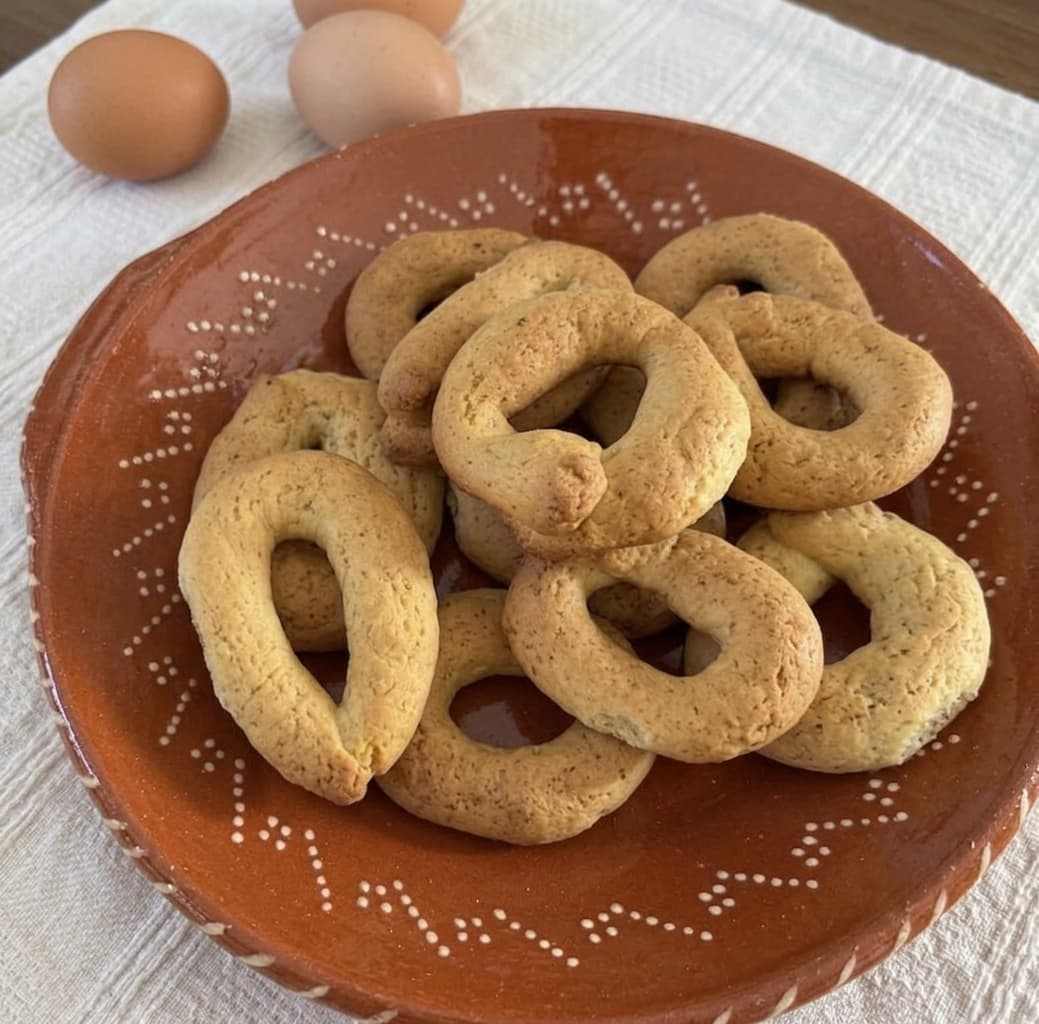
Torradas
A traditional sweet from Corvo Island, made from slices of bread enriched with eggs and sugar.
Caldo de Nabos
A hearty traditional soup made with turnips, pork and local vegetables.
Sopa do Império
A festive bread-based soup traditionally served during the Holy Spirit celebrations.
Caçoila
Slow-cooked marinated meat, traditionally prepared with aromatic spices and wine.
Biscoitos de Orelha
Crisp traditional biscuits from Santa Maria, easily recognised by their characteristic twisted shape.
Melindres
Small traditional biscuits with a light texture and a sweet glazed finish.
Vinho de Santa Maria
Island wine produced in Santa Maria’s distinctive vineyards, particularly around São Lourenço.
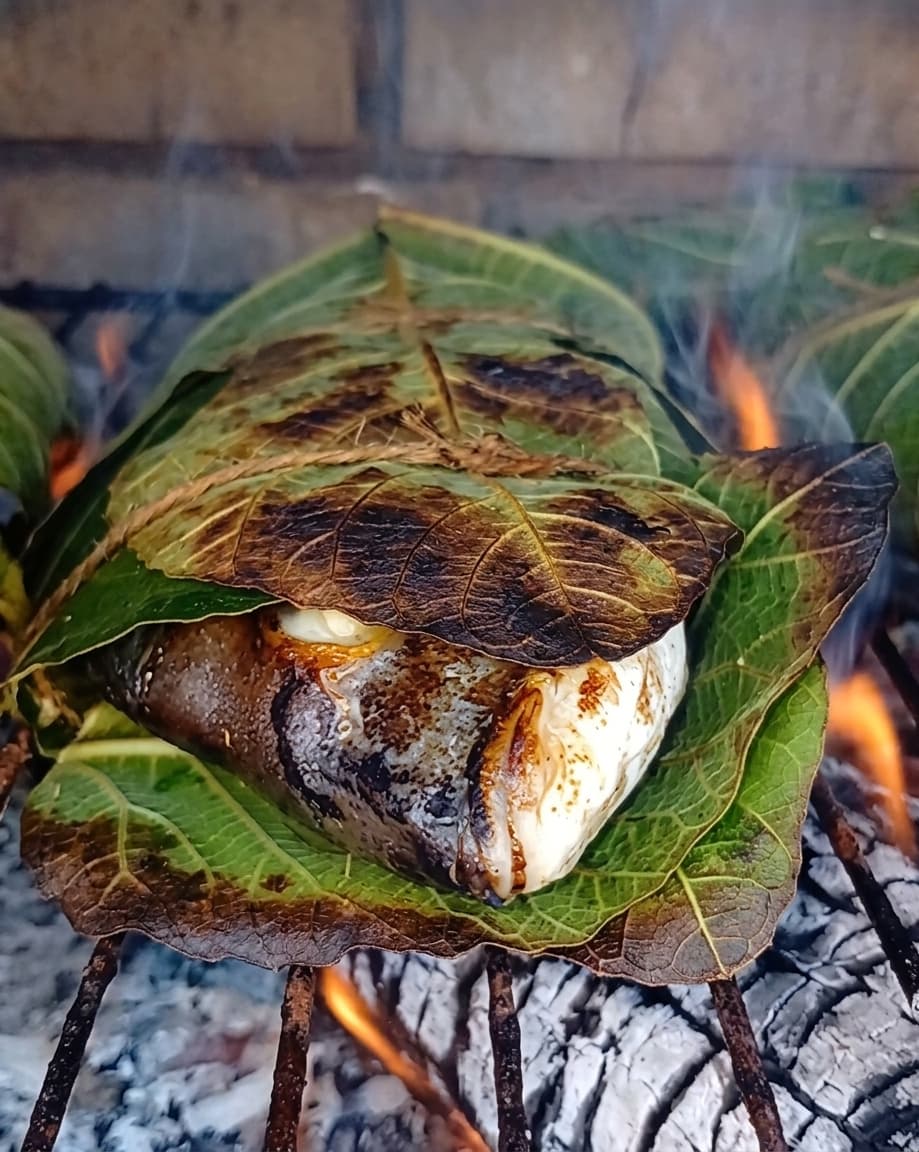
Peixe Assado na Folha da Figueira
A traditional Graciosa dish in which fresh fish is wrapped in fig leaves and roasted, giving it a distinctive aroma.
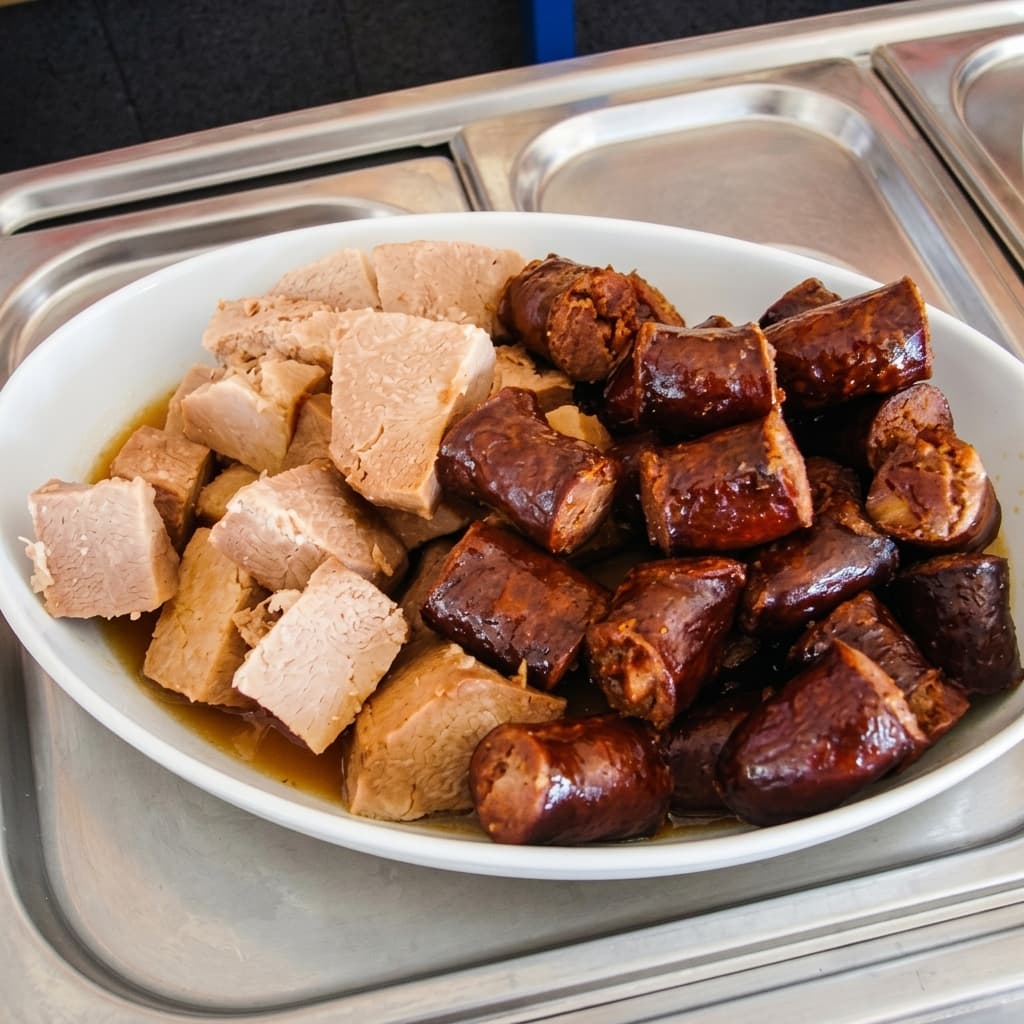
Linguiça com Inhame
A traditional Graciosa dish combining seasoned Azorean pork sausage with boiled taro.
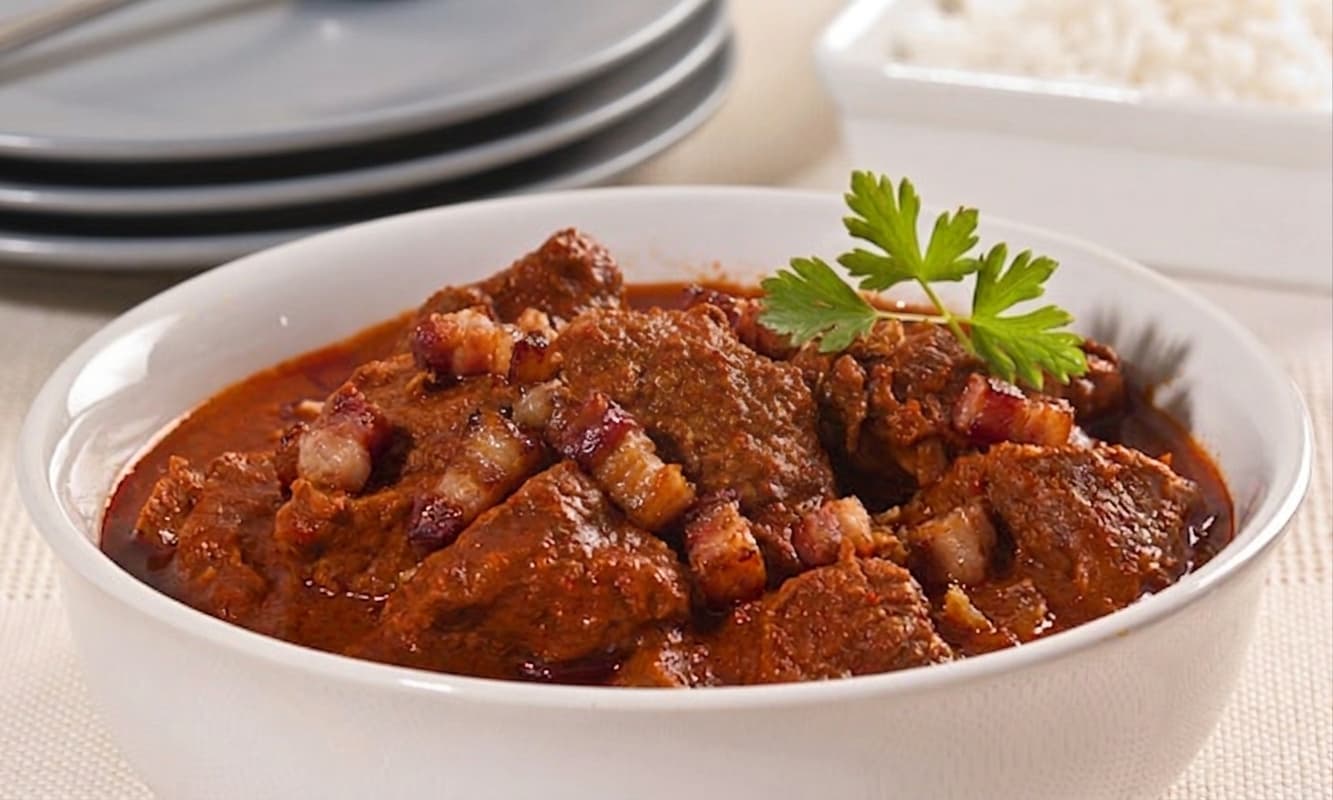
Molha de Carne
A traditional Azorean meat stew, particularly associated with Pico and Faial, slowly cooked in a richly seasoned sauce.
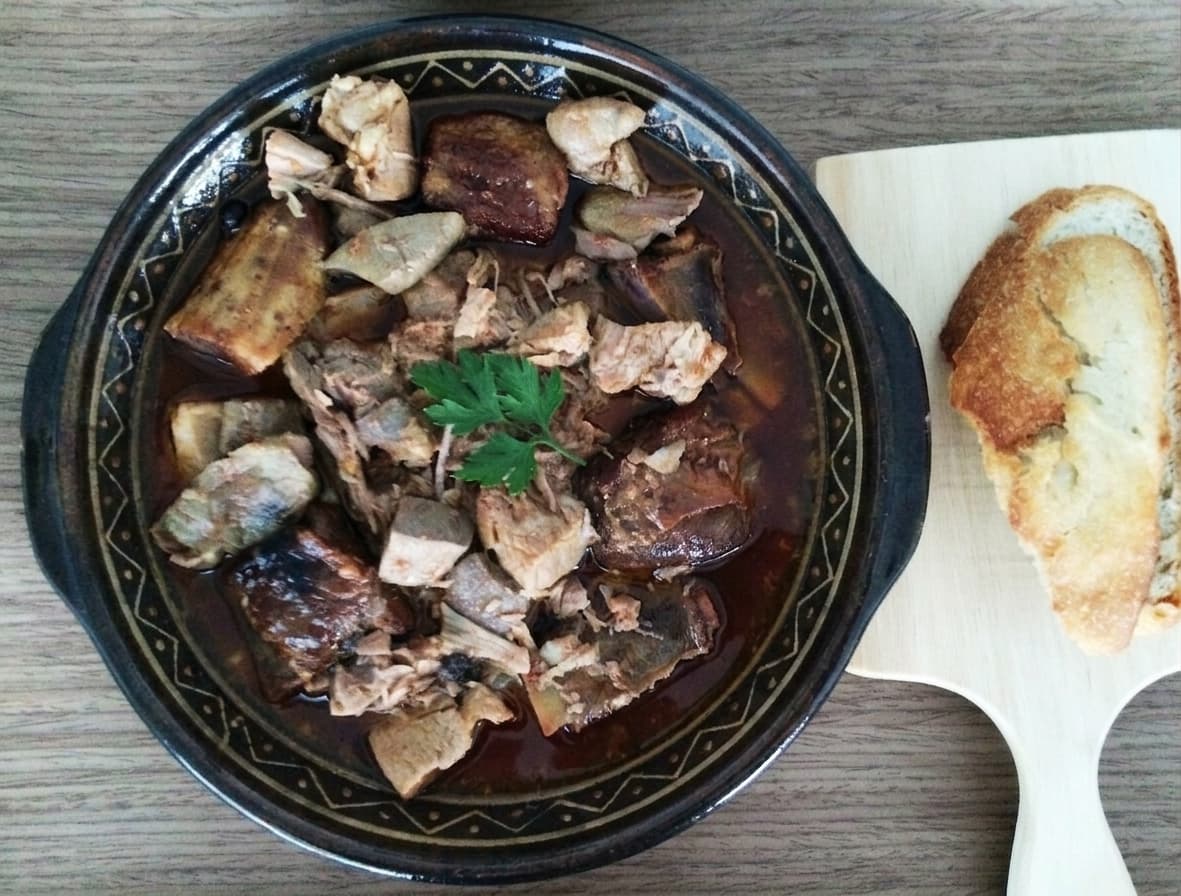
Molho de Fígado
A traditional Graciosa dish of pork liver cooked in a richly seasoned sauce.
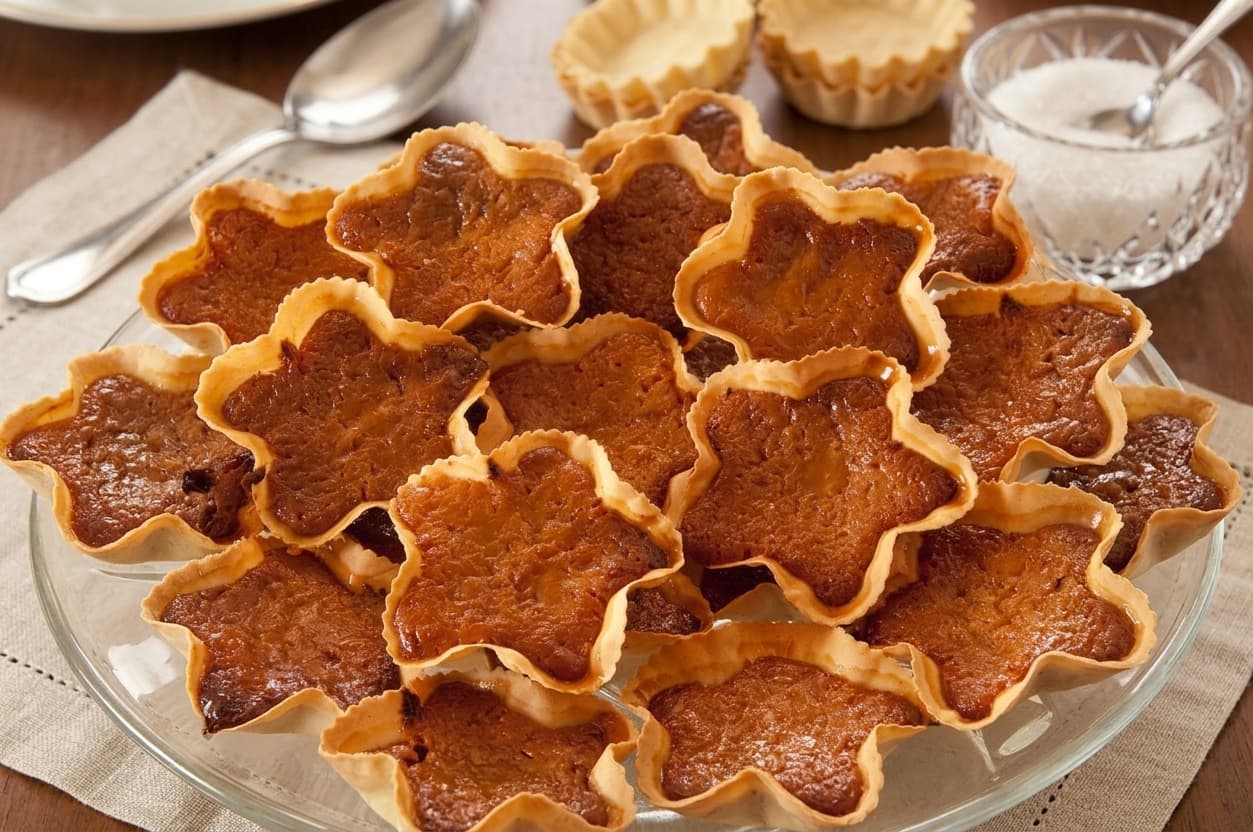
Queijadas da Graciosa
The island’s signature sweet: small star-shaped pastries with a delicate shell and a rich milk-and-egg filling.
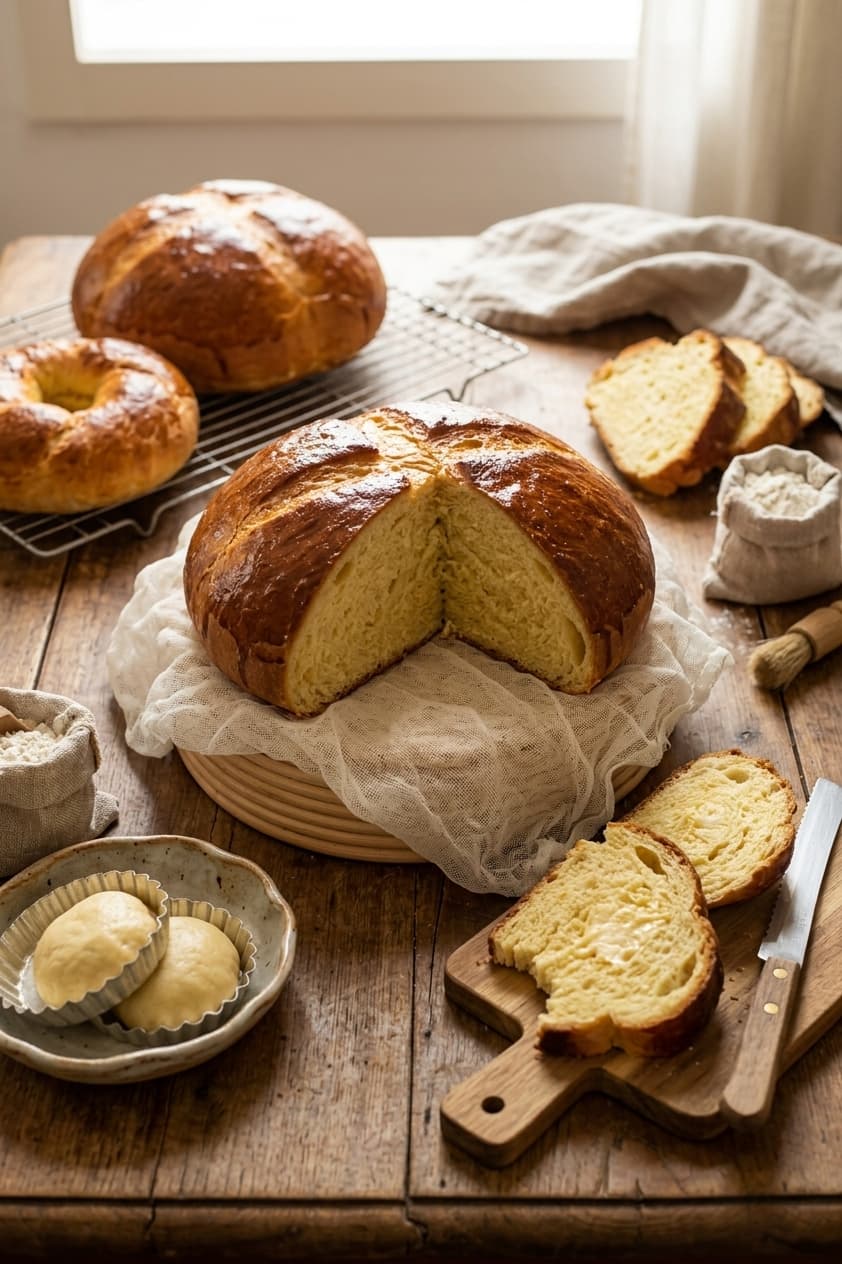
Massa Sovada
Soft, lightly sweet Azorean bread traditionally prepared for celebrations and religious festivities.
Vinho de Cheiro
A traditional aromatic wine from São Jorge Island, historically produced from American grape varieties.
Caldeirada de Peixe
A hearty fish stew made with fresh Atlantic catch, potatoes, tomatoes and aromatic seasonings.
Polvo Guisado
Tender octopus slowly stewed with wine, onion and aromatic island seasonings.
Molha de Carne
A traditional Azorean meat stew slowly cooked in a richly seasoned sauce and commonly served with bread.
Fofas do Faial
Faial’s signature pastry: light, elongated choux-like cakes traditionally filled with a sweet aromatic cream.
Vinho do Faial
Small-production island wines shaped by volcanic soils and Faial’s Atlantic climate.
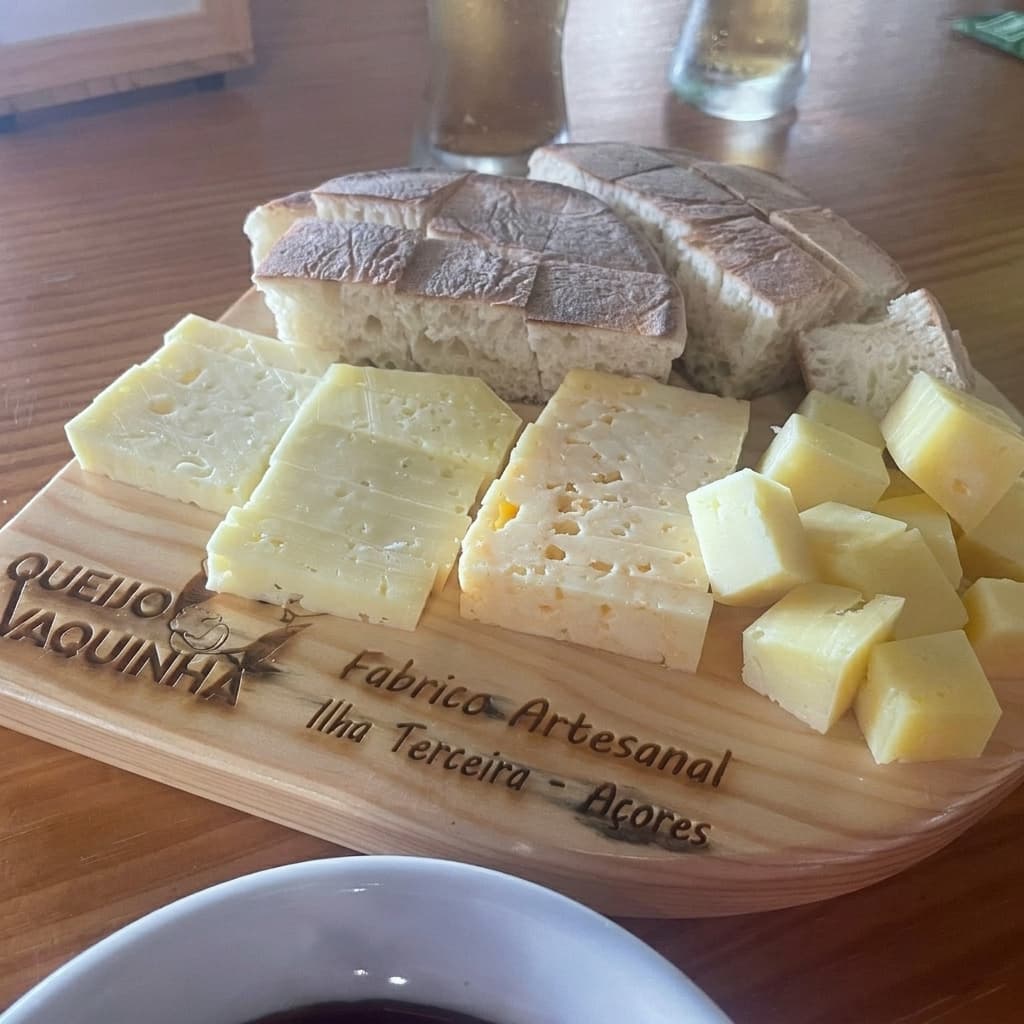
Queijo Vaquinha
Cow’s-milk cheese produced on Terceira and rooted in the island’s dairy tradition.
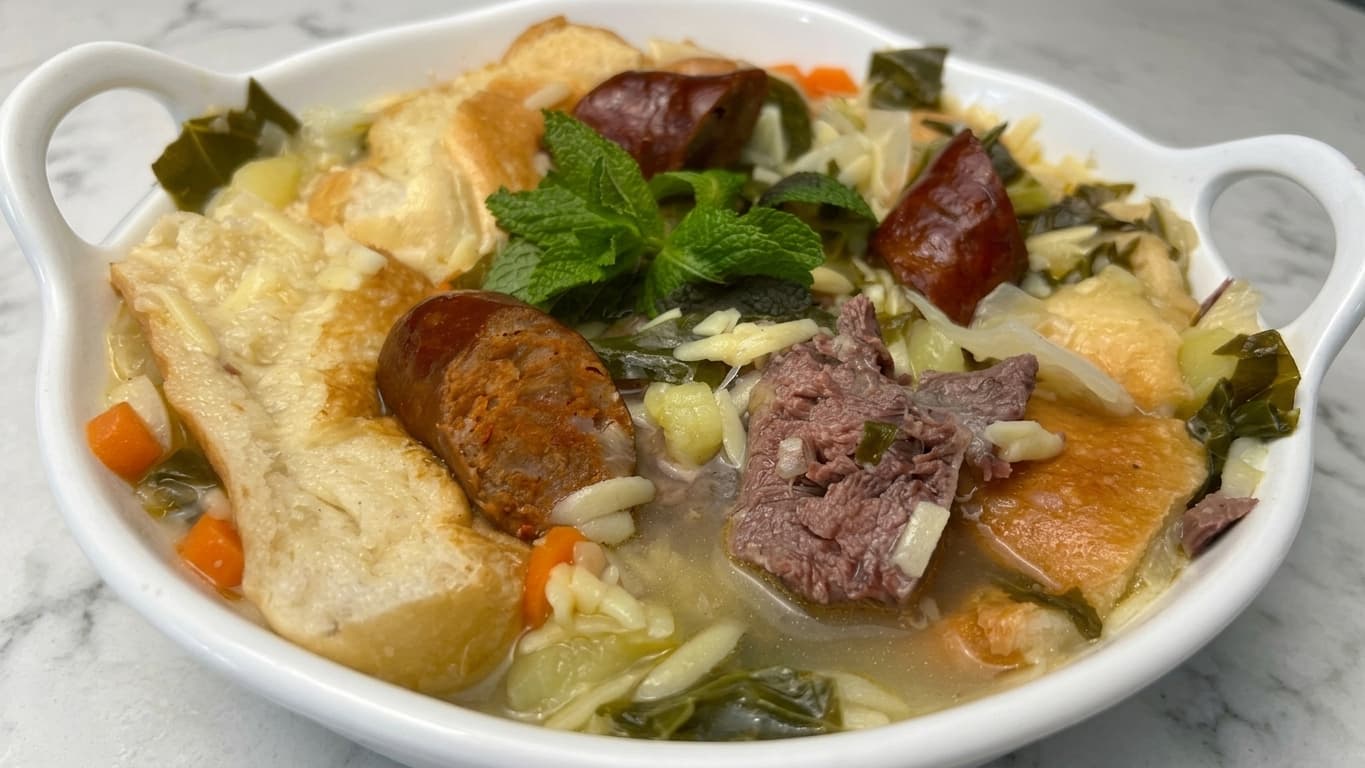
Sopas do Espírito Santo
Bread soaked in meat broth, traditionally served during Holy Spirit festivities across Terceira.
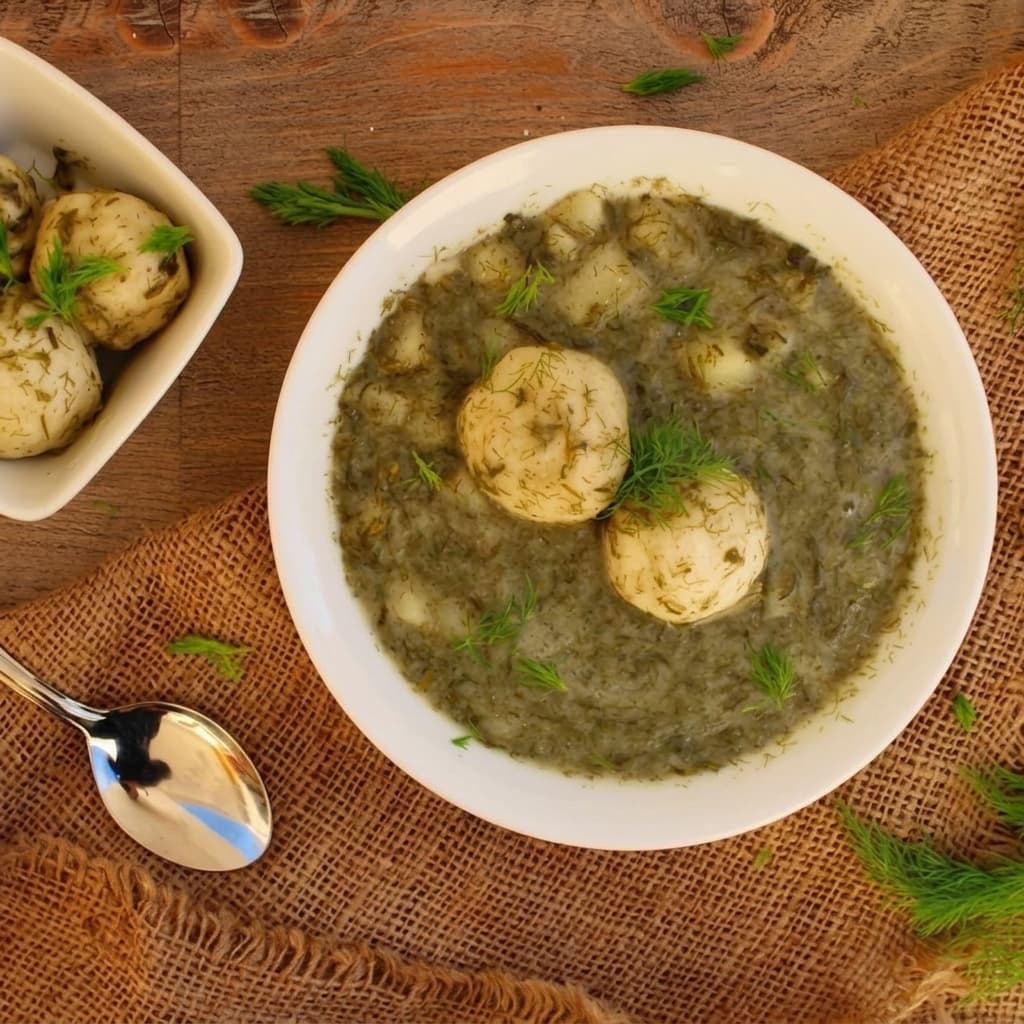
Sopa de Funcho
A comforting traditional soup scented with the fresh, distinctive aroma of fennel.
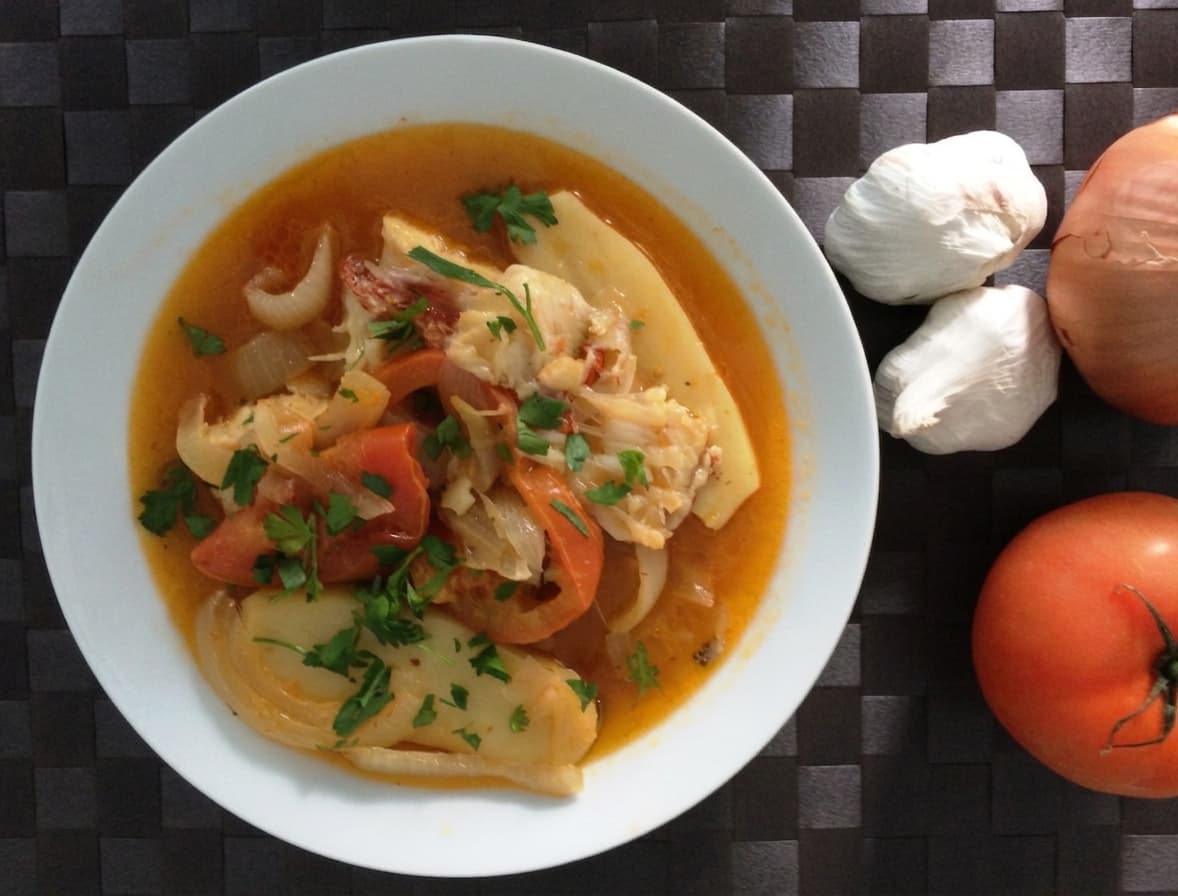
Caldeirada de Peixe à Açoreana
Fresh Atlantic fish slowly cooked with potatoes, onion and aromatic seasoning.
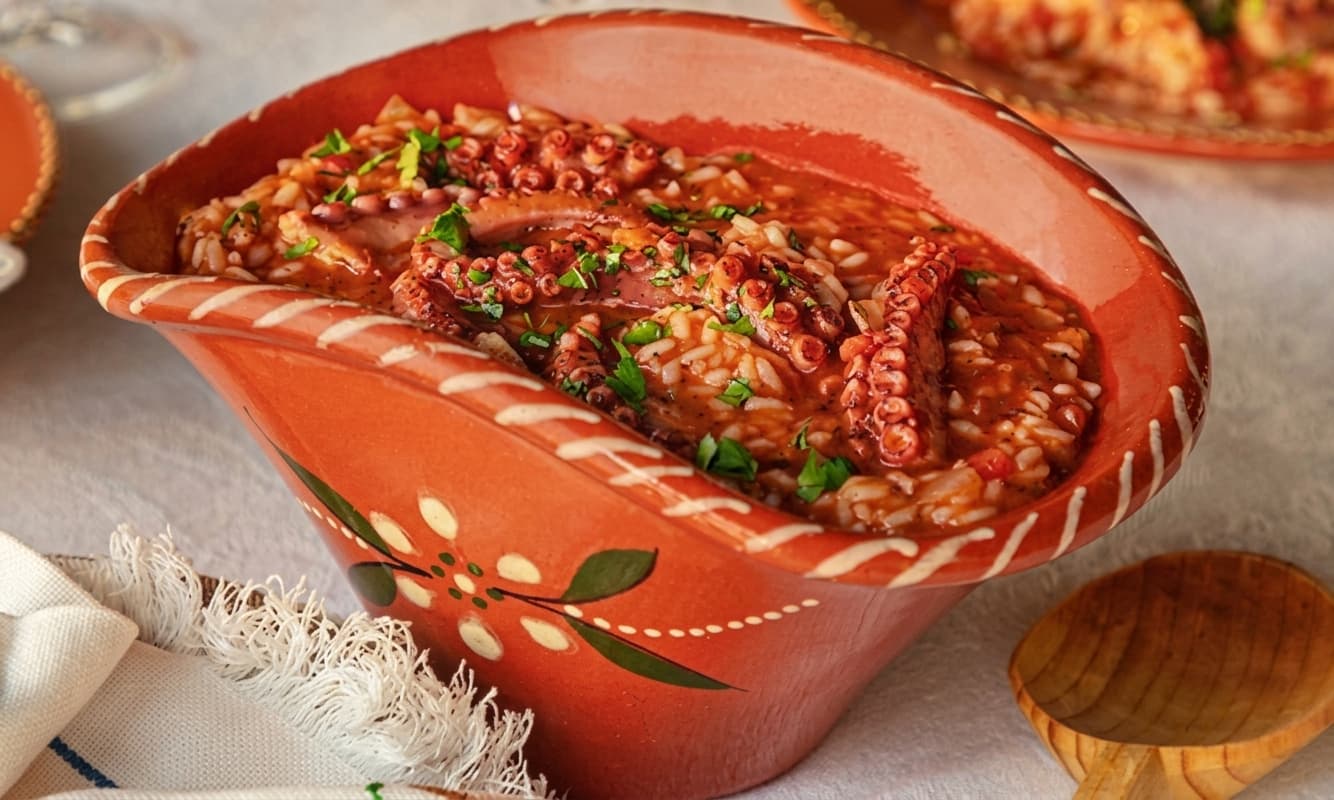
Polvo Guisado
Octopus slowly stewed until tender in an aromatic, richly seasoned sauce.
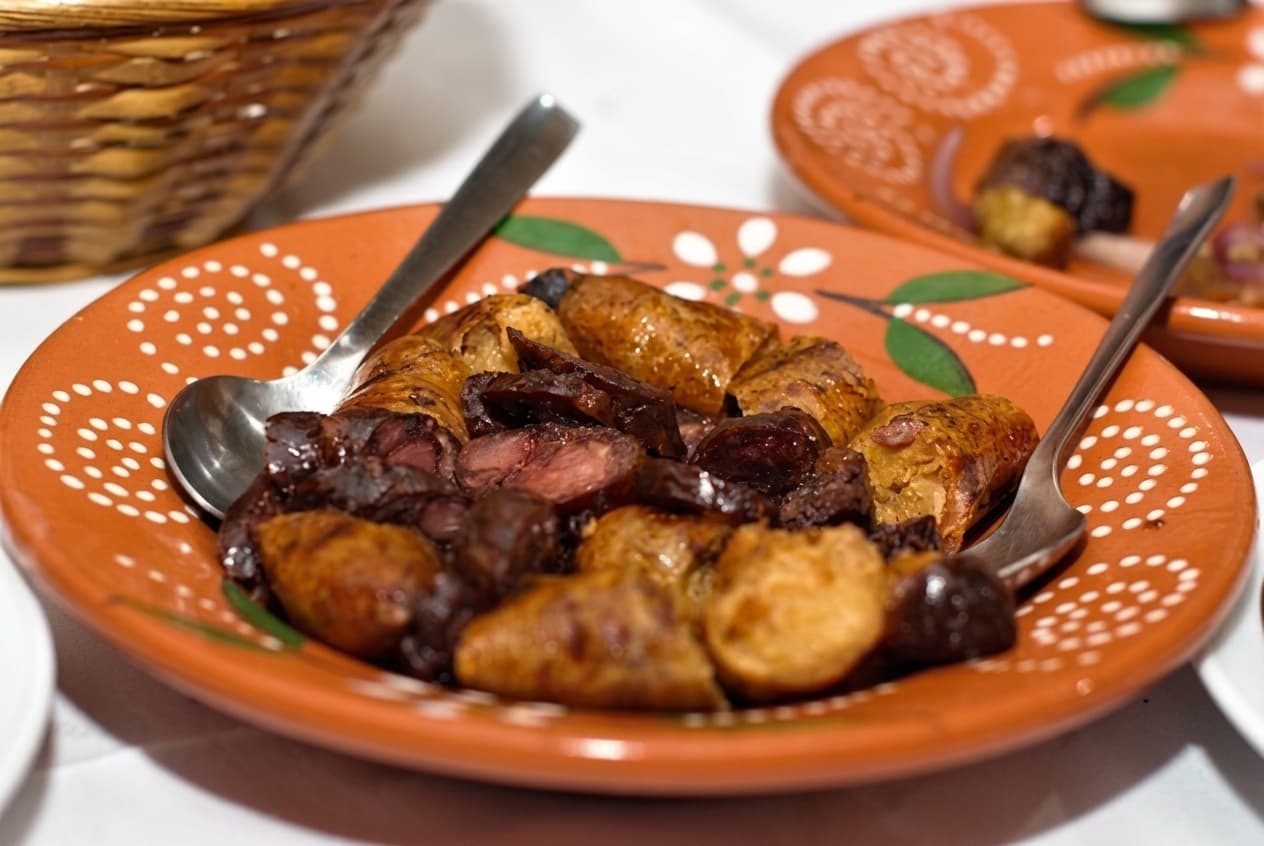
Alheira e Linguiça
Smoked sausages with a strong presence on Azorean tables and in Terceira’s regional cooking.
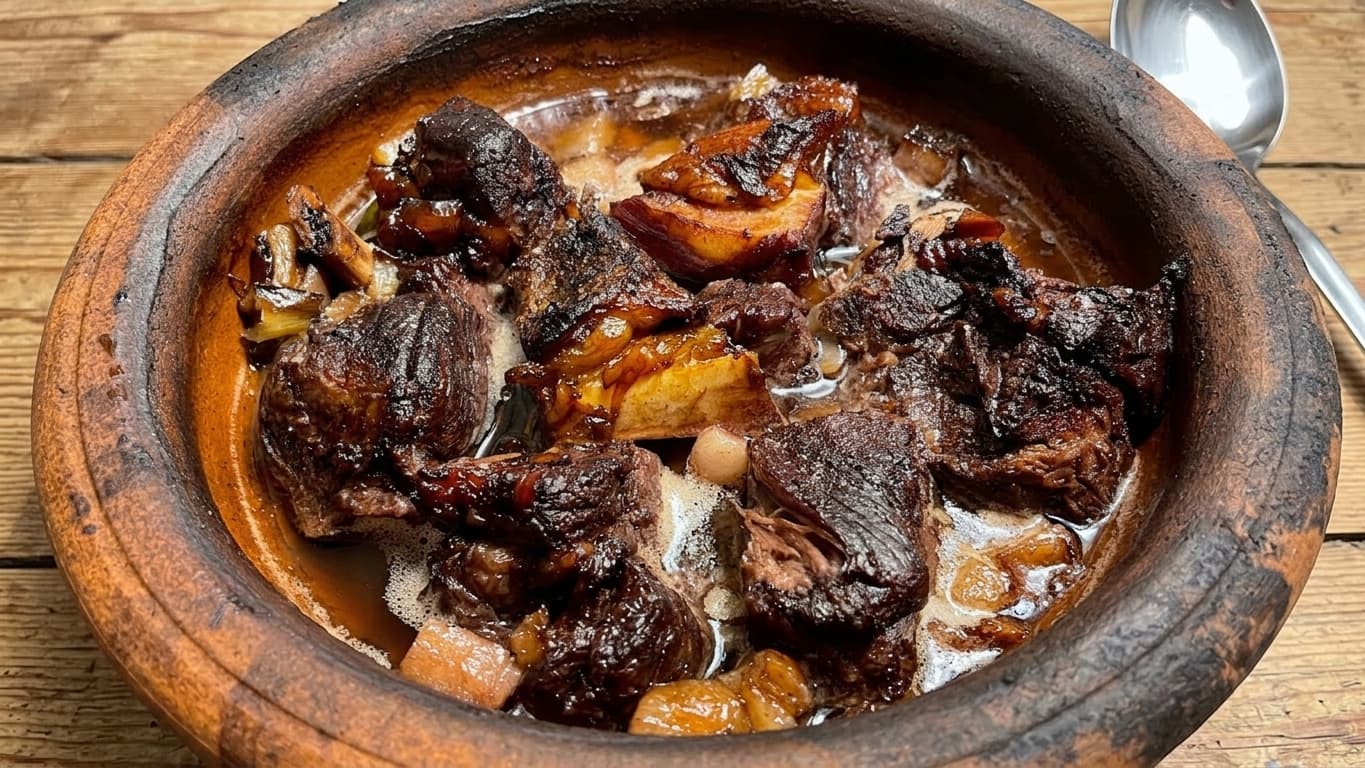
Alcatra da Terceira
Beef slowly cooked in a traditional earthenware pot with wine and aromatic spices.
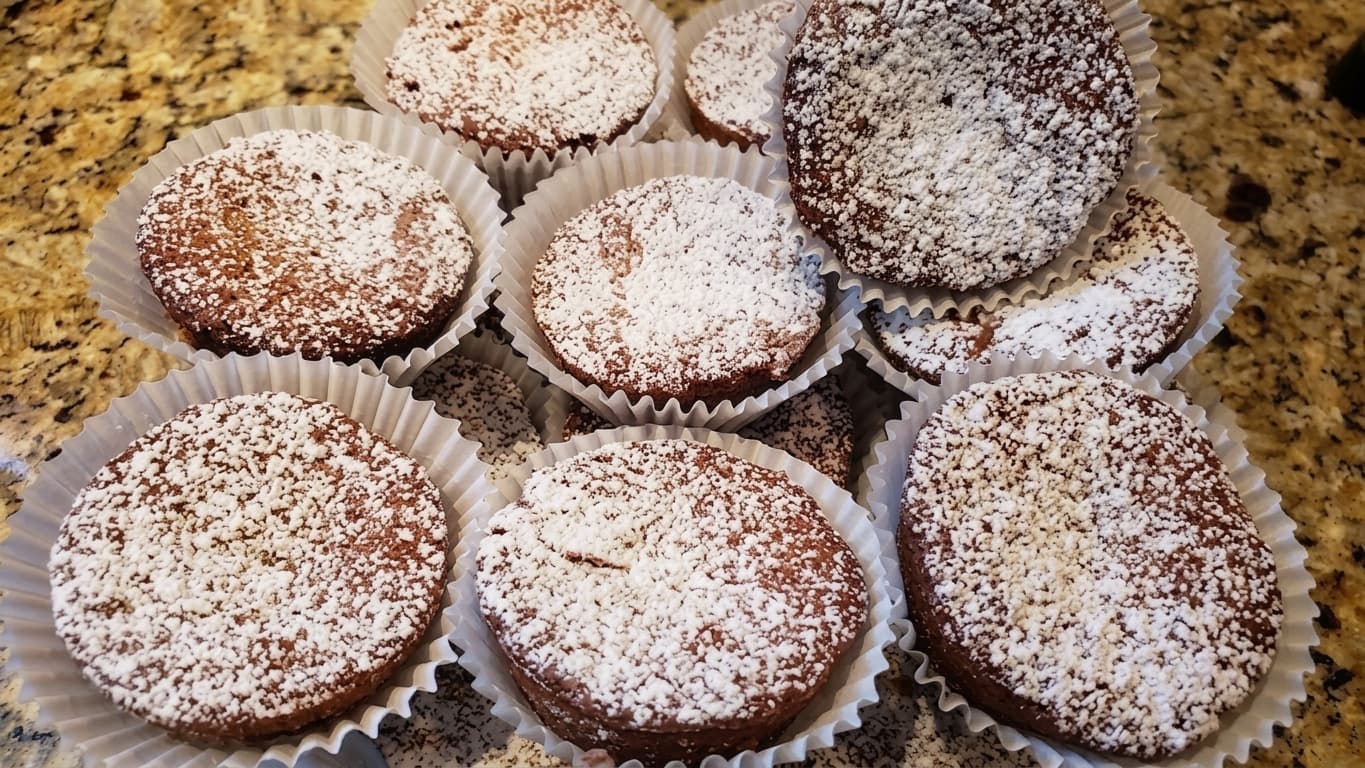
Donas Amélias
Spiced Terceira cakes named in honour of Queen Amélia after the royal visit of 1901.
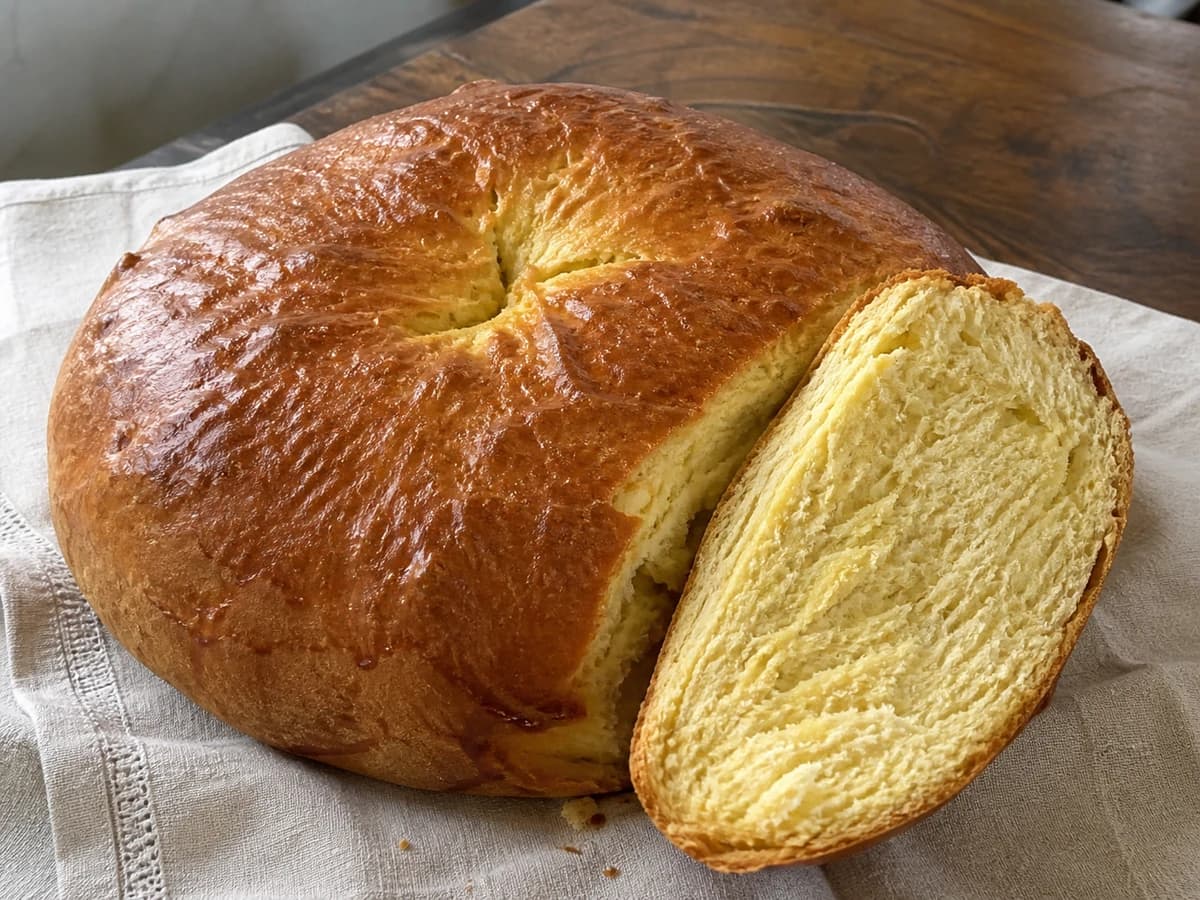
Massa Sovada
A soft, enriched Azorean sweet bread served at religious festivities and alongside Terceira Alcatra.
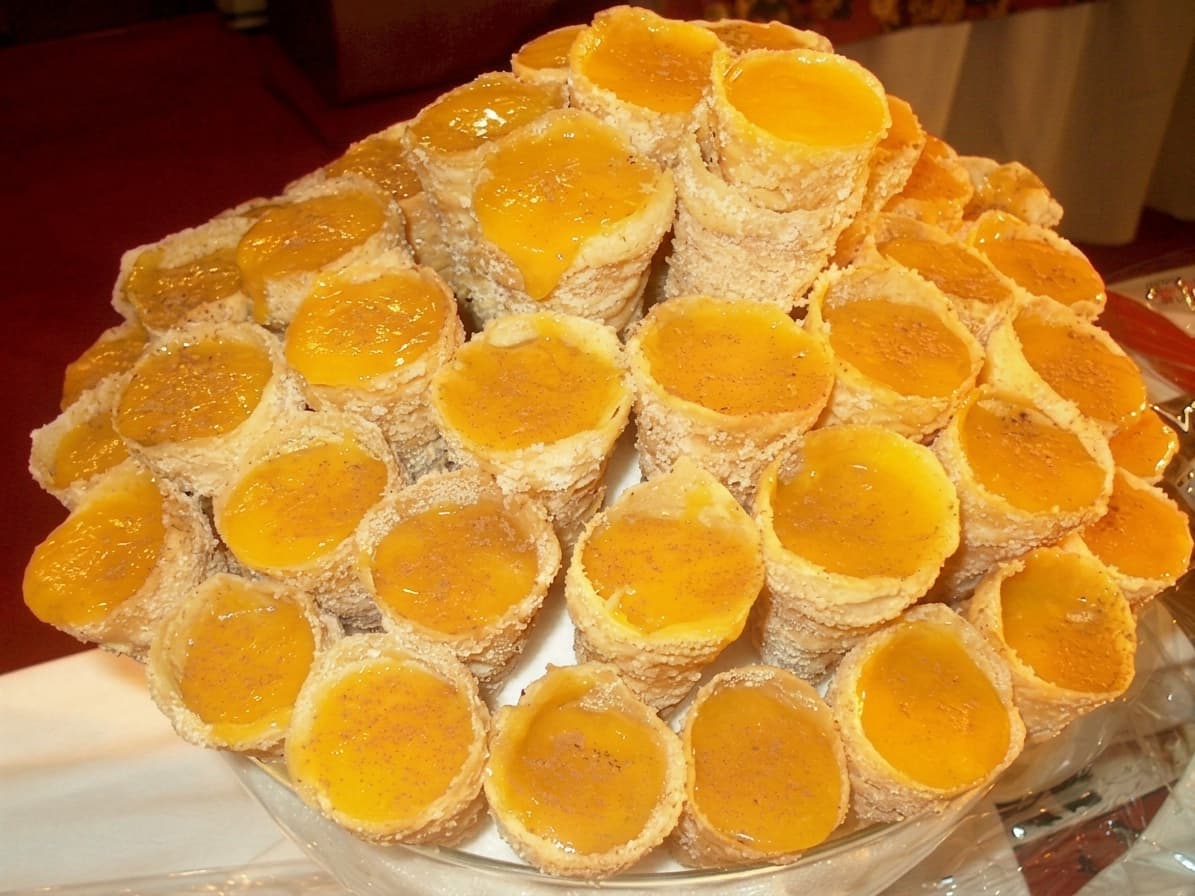
Cornucópias
Crisp horn-shaped pastries filled with a smooth, sweet egg cream.
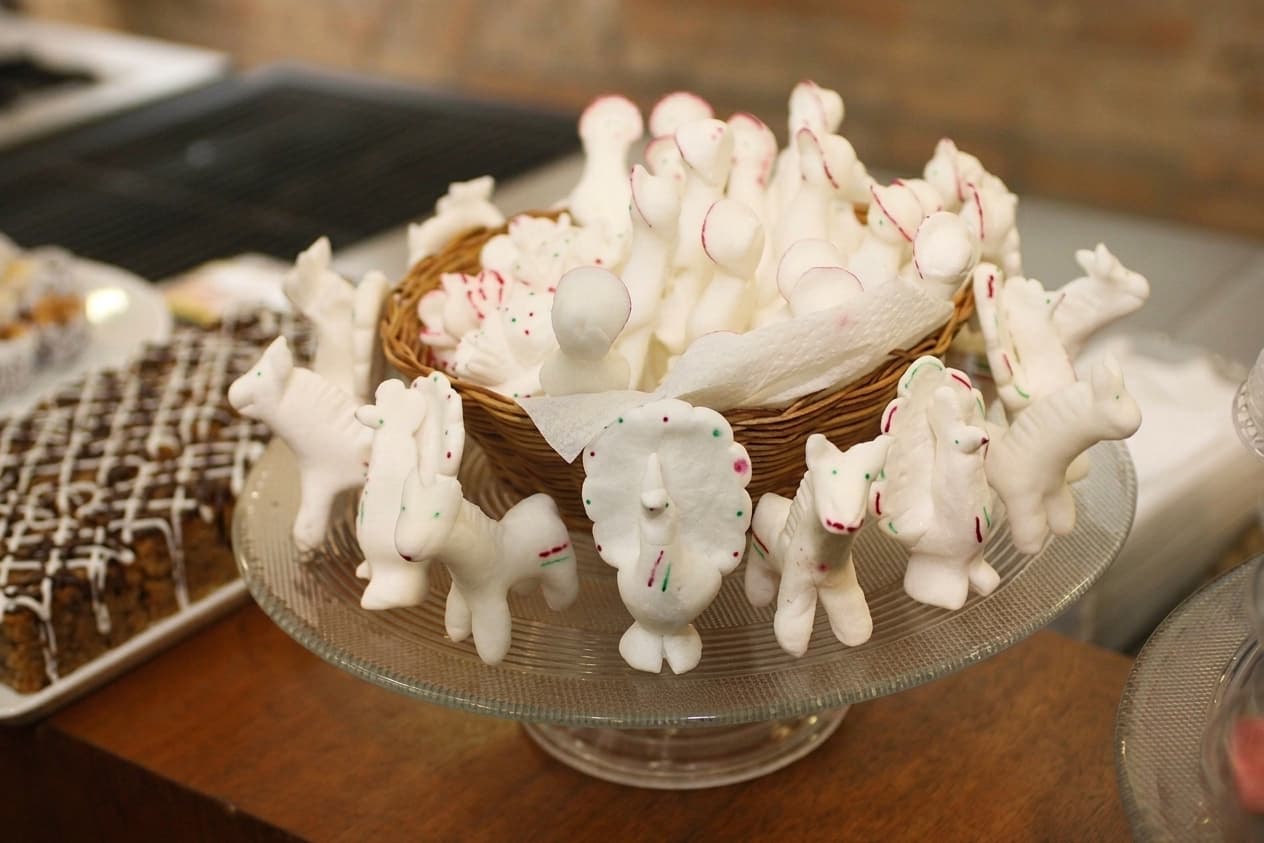
Alfenim
Moulded sugar figures deeply connected to Azorean religious festivities and Terceira tradition.
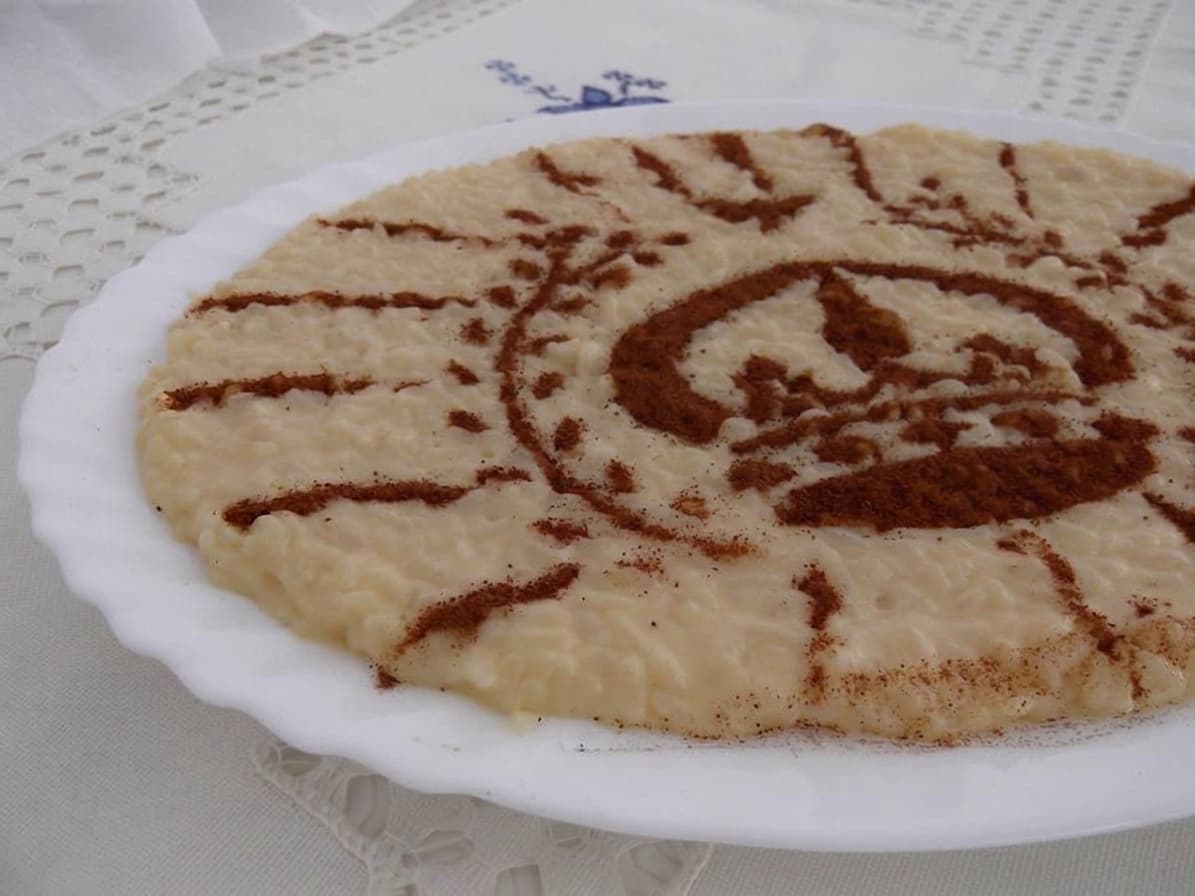
Arroz-doce
Creamy rice pudding traditionally served at festivities, though not exclusive to Terceira.
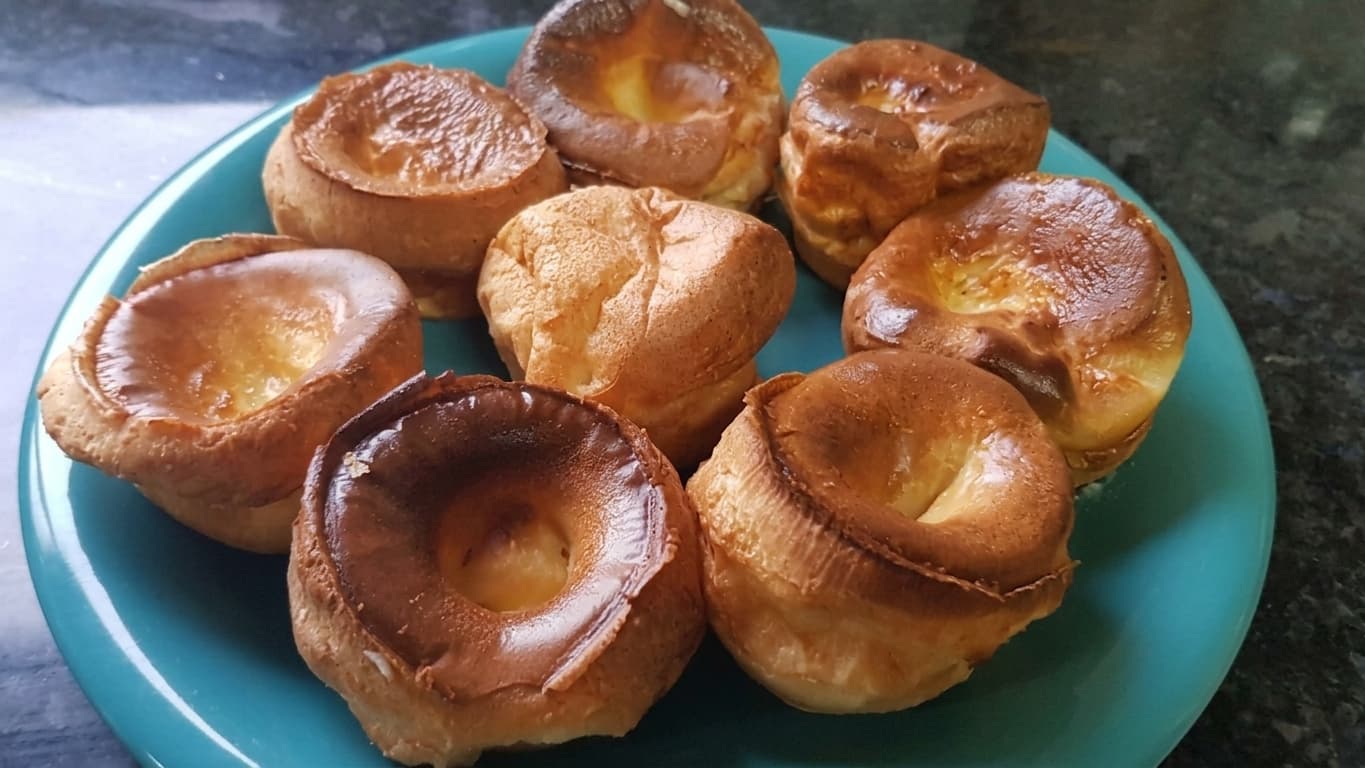
Filhós
Festive fried dough found on Terceira and in many other Portuguese regions.
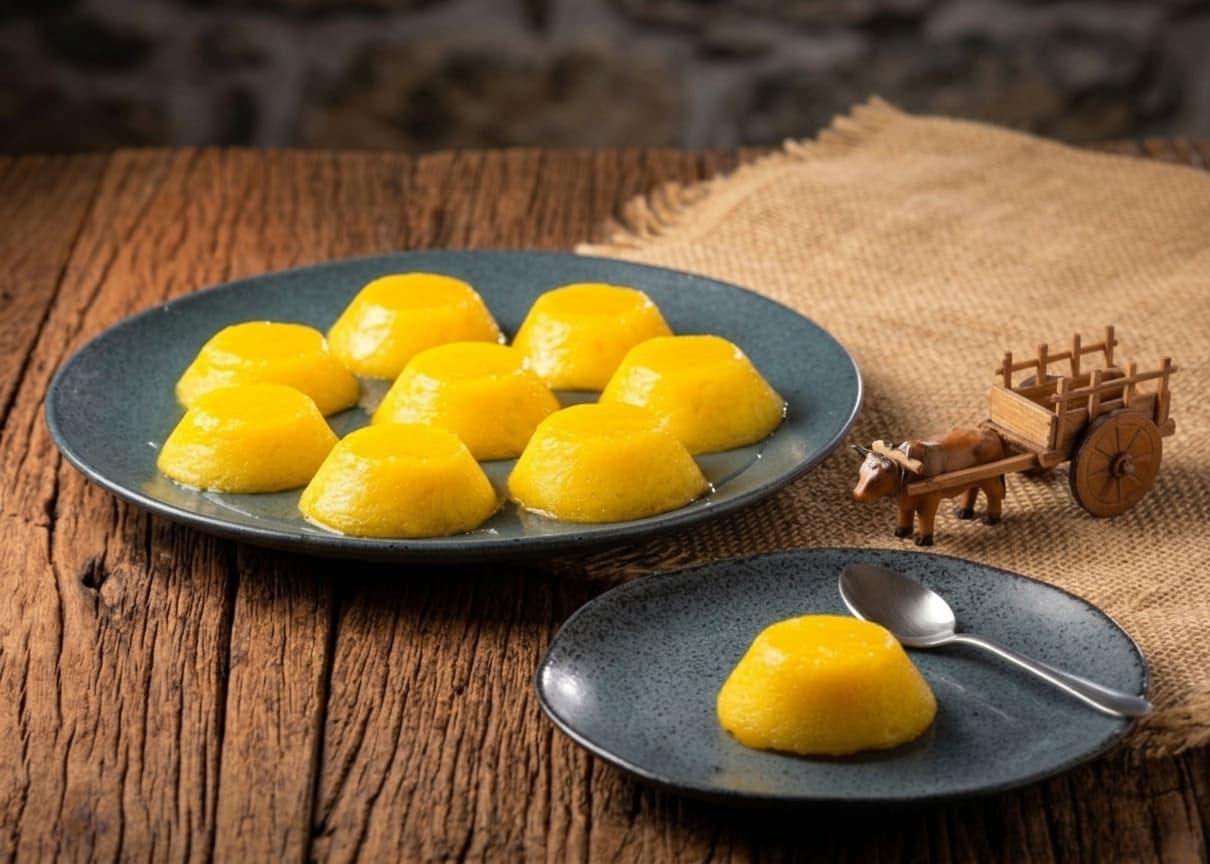
Papos de Anjo da Terceira
A traditional Terceira Island sweet made with eggs and sugar, with a delicate texture and rich syrup.
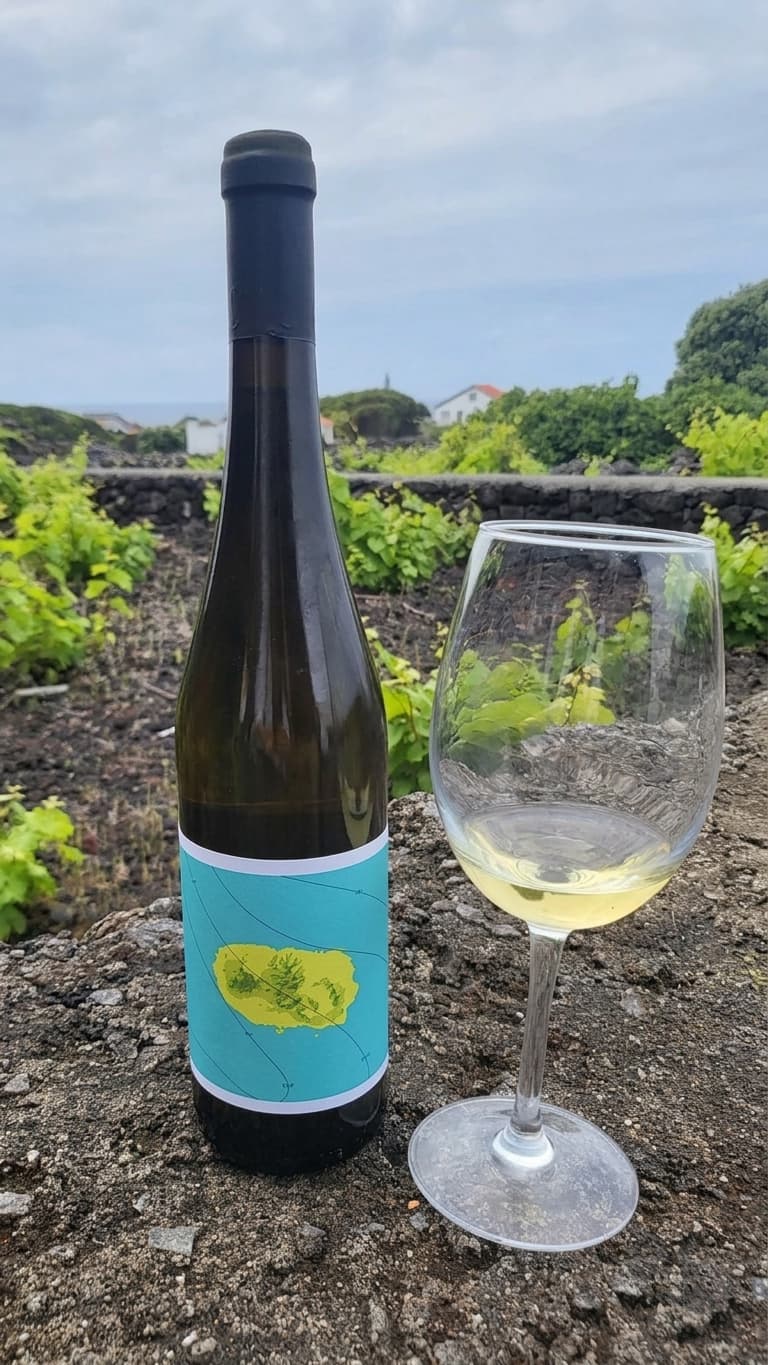
Vinho Verdelho dos Biscoitos
A distinctive wine from Biscoitos on Terceira Island, traditionally produced from Verdelho grapes grown in volcanic soils.
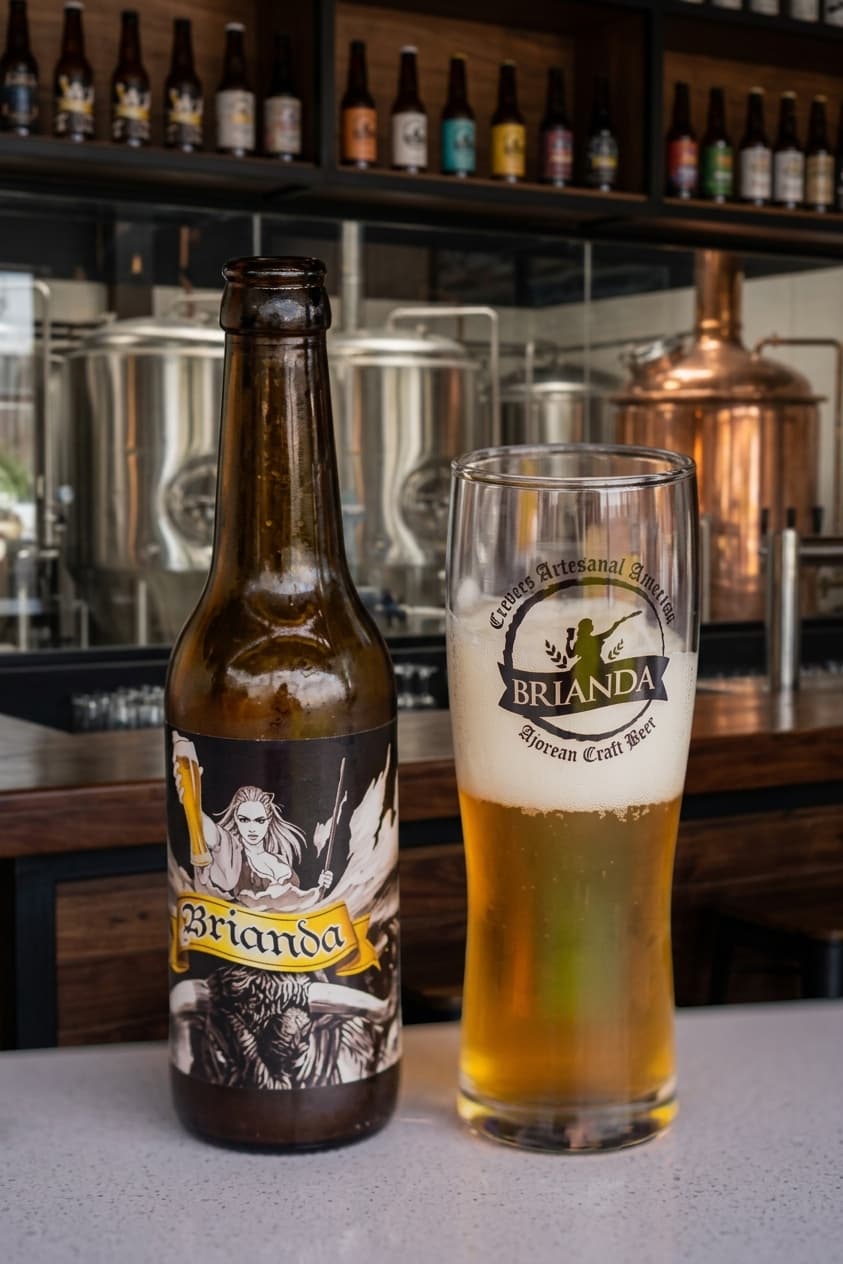
Cerveja Brianda
A craft beer from Terceira Island, produced locally in the Azores.
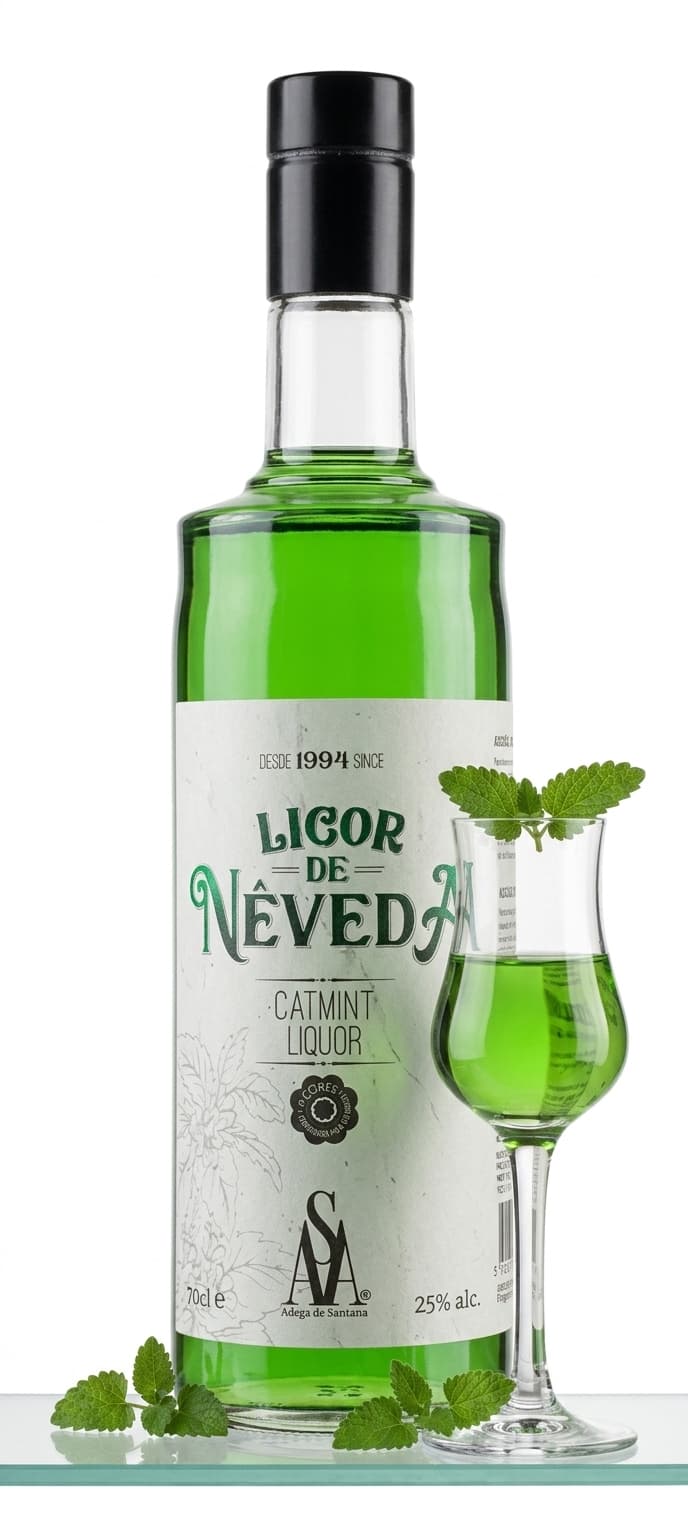
Licor de Nêveda
A traditional aromatic liqueur made by infusing pennyroyal-like wild mint known locally as nêveda in alcohol with sugar.
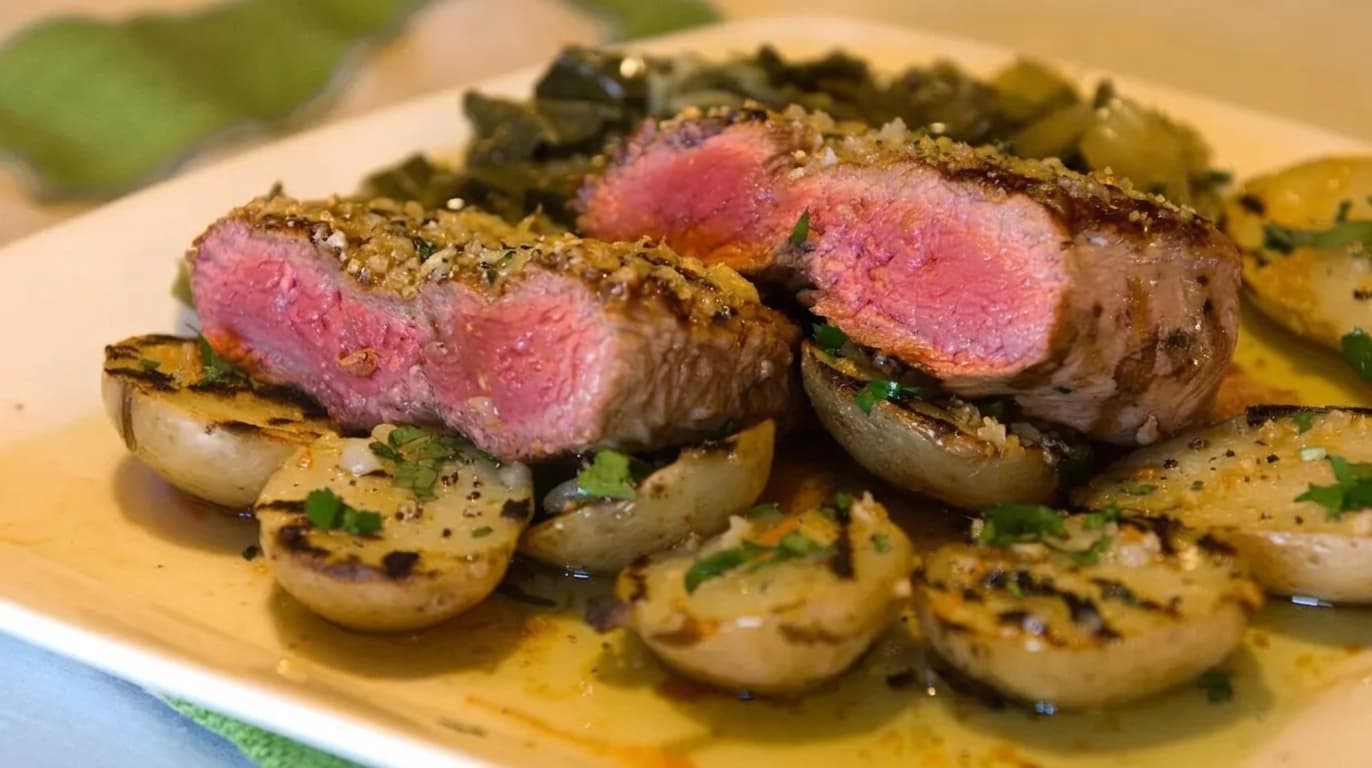
Carne Maronesa
Beef from the native Maronesa breed, closely connected to the Alvão and Marão mountains.
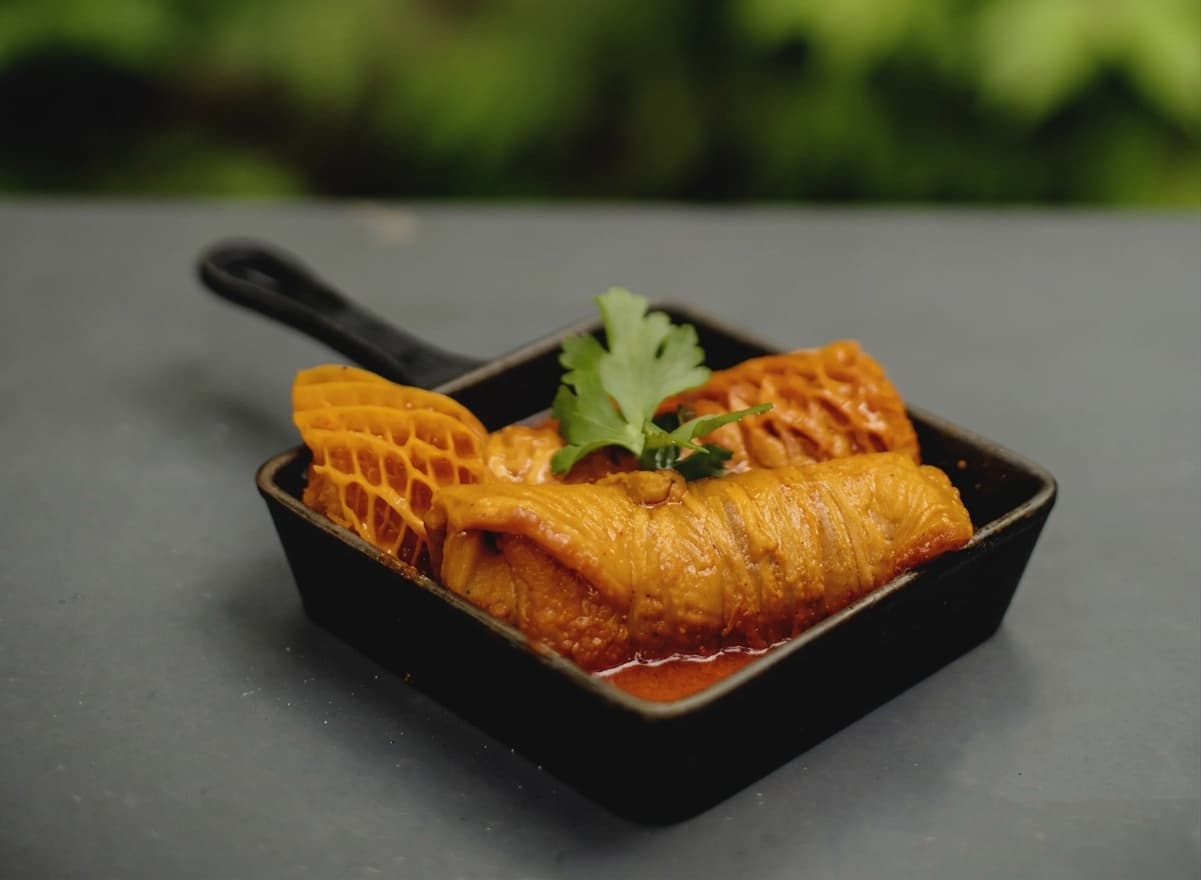
Tripas aos Molhos
A traditional Trás-os-Montes tripe dish with a strong presence in Vila Real’s cooking.
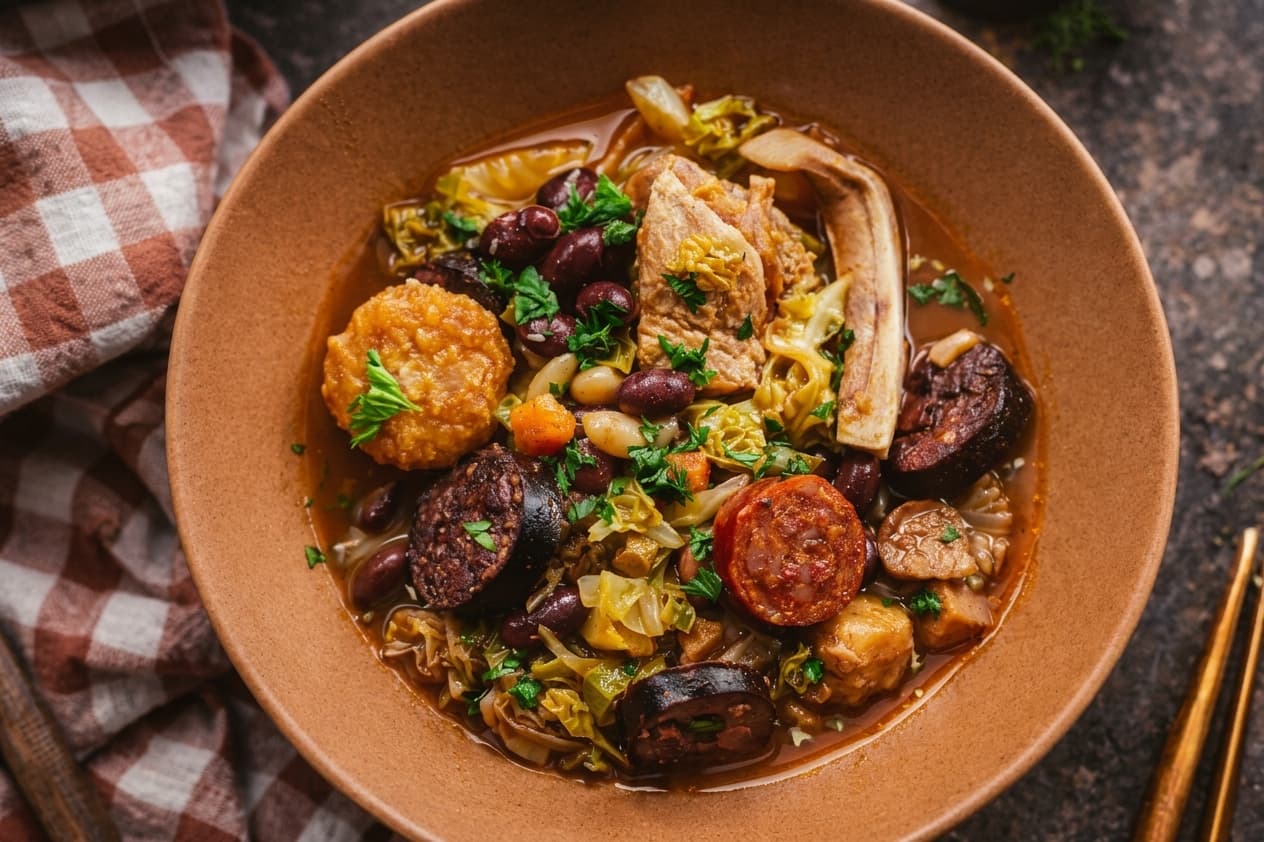
Feijoada à Transmontana
A substantial bean stew with pork and cured meats, typical of Trás-os-Montes.
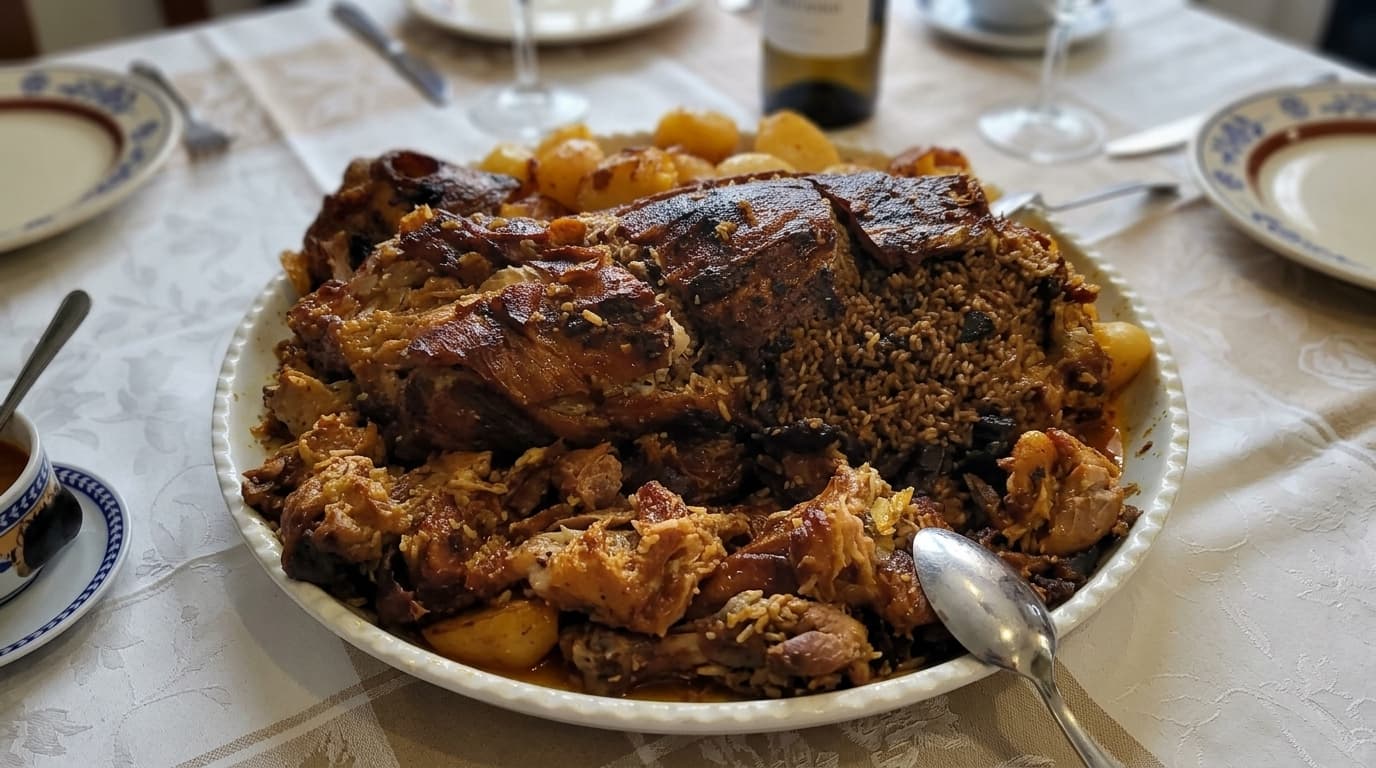
Cabrito Assado
Oven-roasted kid goat, a festive classic across Vila Real and Trás-os-Montes.
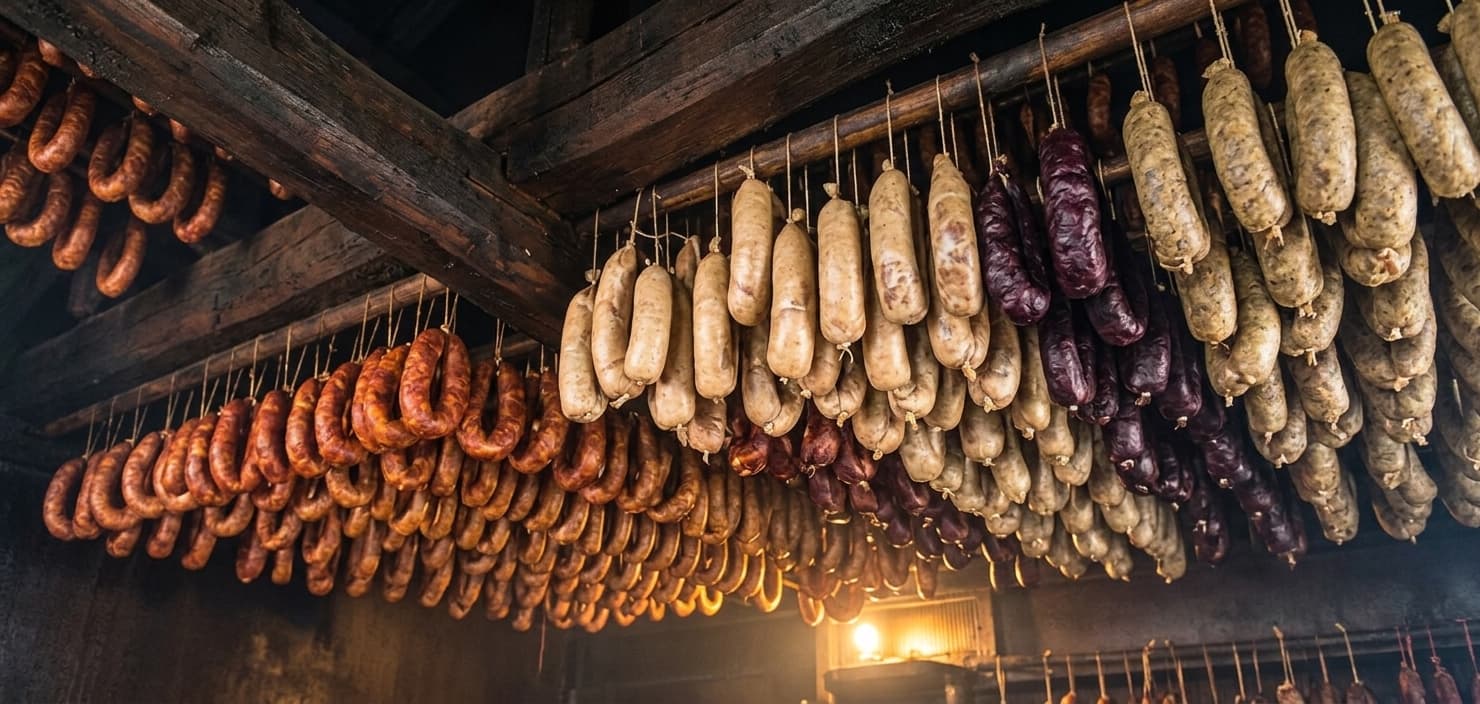
Fumeiro Transmontano
Alheiras, salpicão, ham and chouriças from the broader Trás-os-Montes tradition.
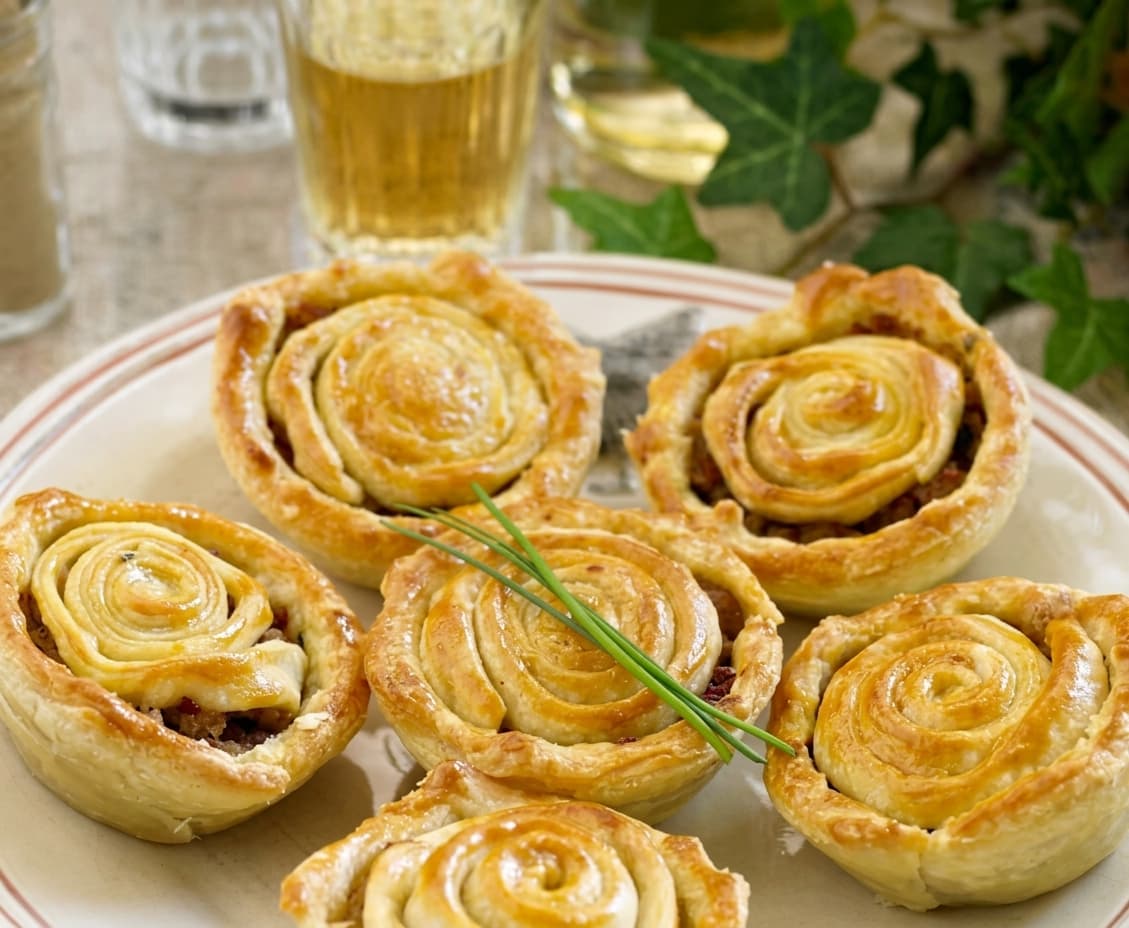
Covilhetes
Small puff-pastry pies filled with meat and one of Vila Real city’s most characteristic specialities.
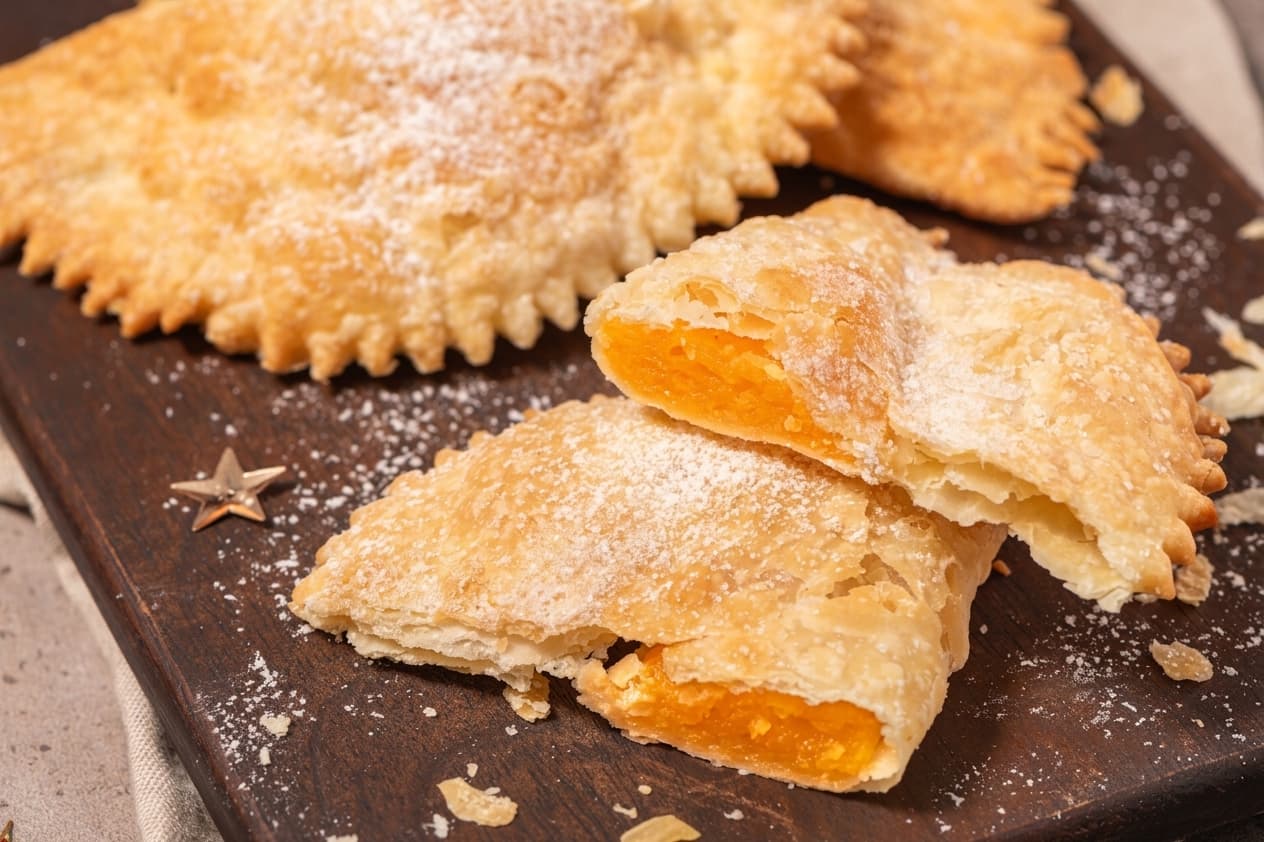
Cristas de Galo
Vila Real’s emblematic convent pastry, also known as Pastéis de Toucinho.
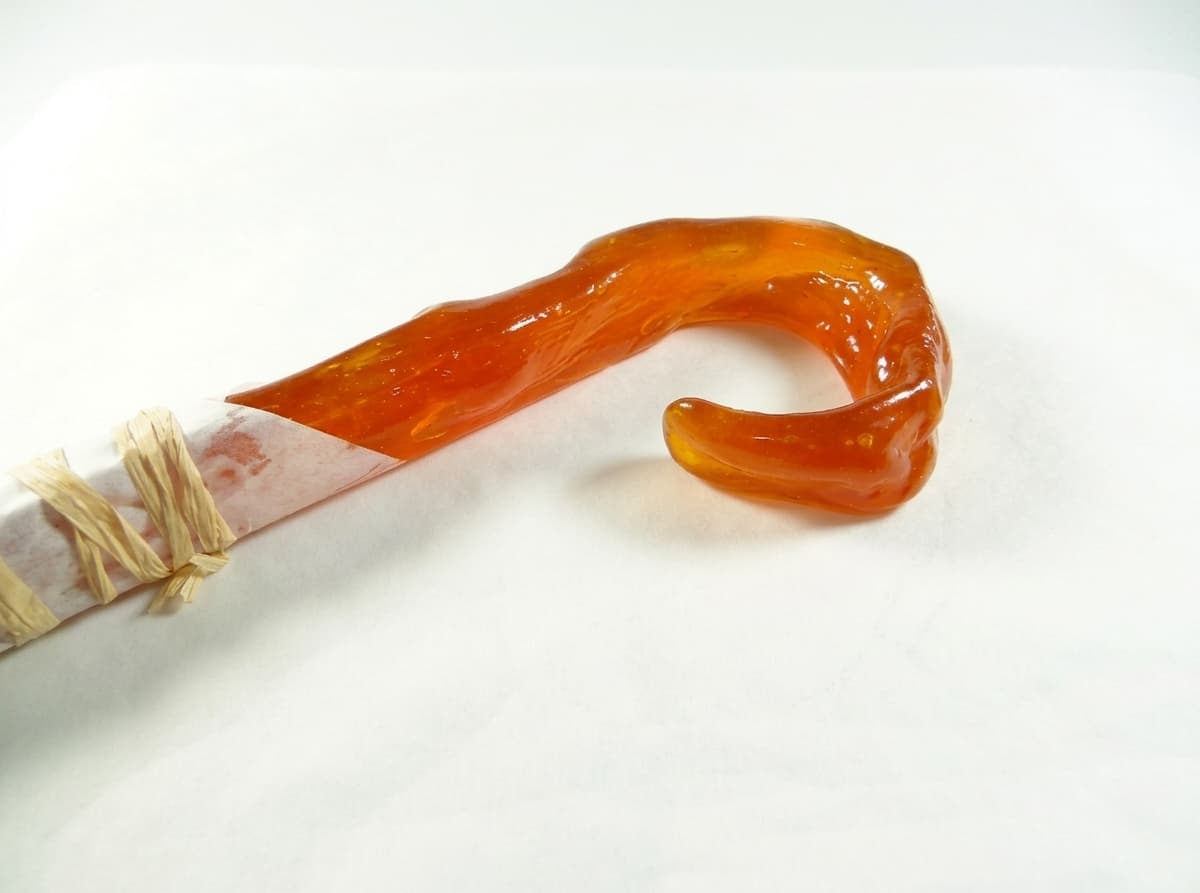
Ganchas de São Brás
A traditional Vila Real sweet associated with the festivities of Saint Blaise.
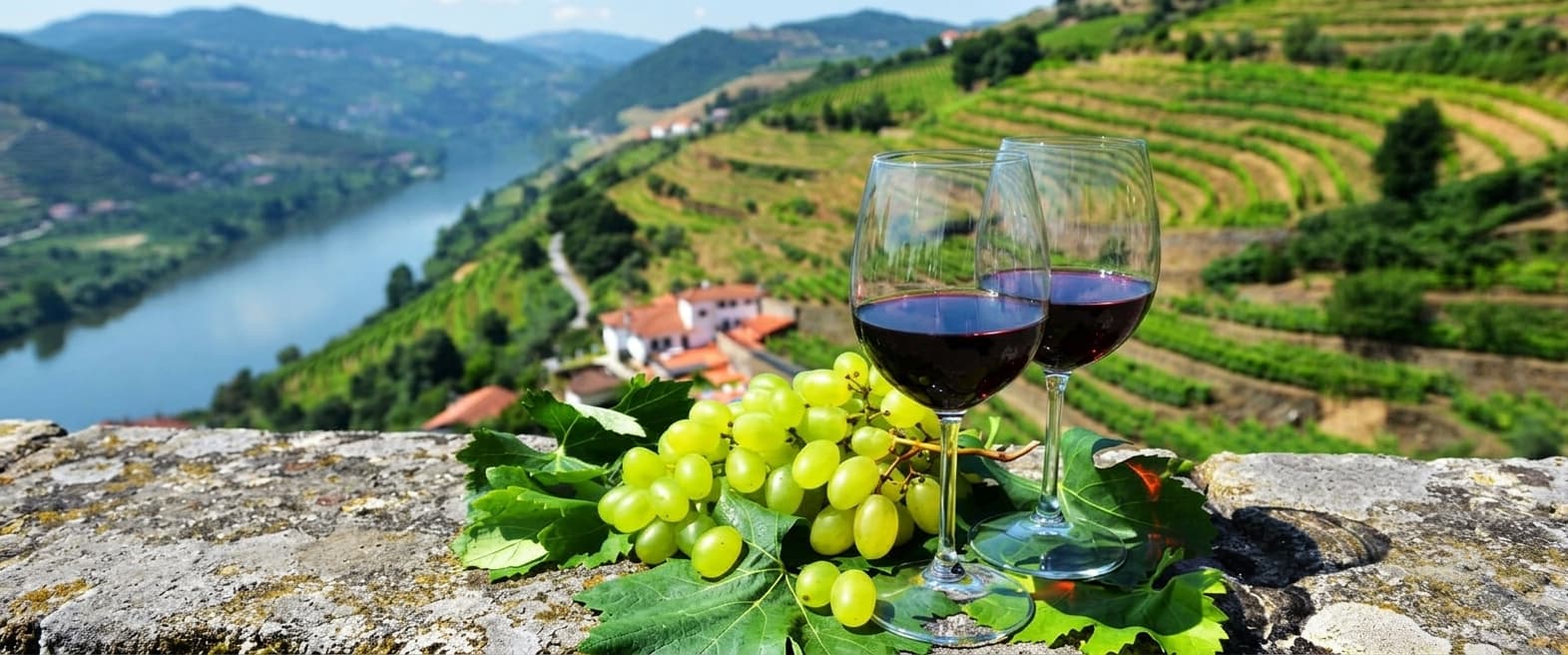
Vinho do Douro
Still wines from the Douro Demarcated Region, of which Vila Real is part.
Queijo de Cabra das Beiras
A traditional goat’s cheese from the Beiras, appreciated for its characteristic flavour and firm texture when matured.
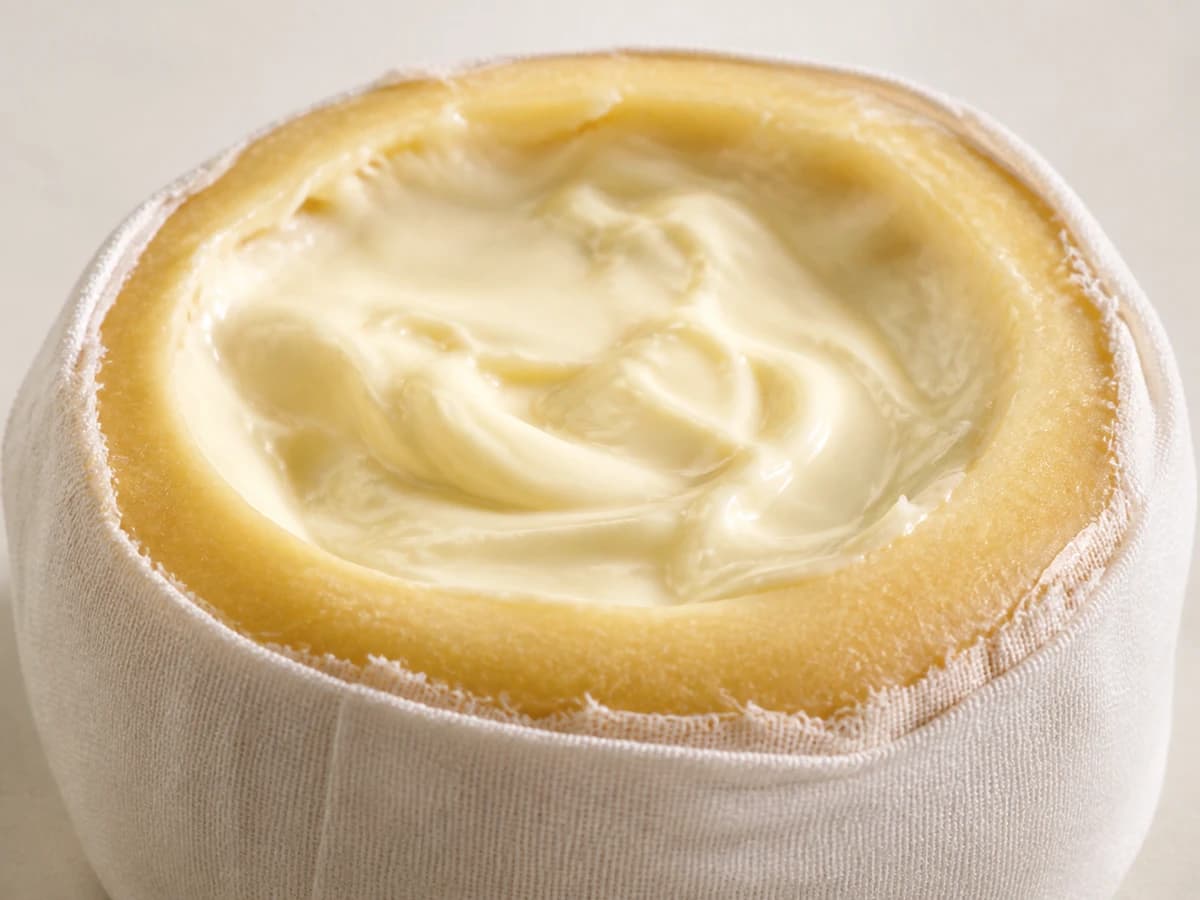
Queijo Serra da Estrela DOP
A cured raw sheep’s-milk cheese, buttery when young and firmer and more intense in its aged form.
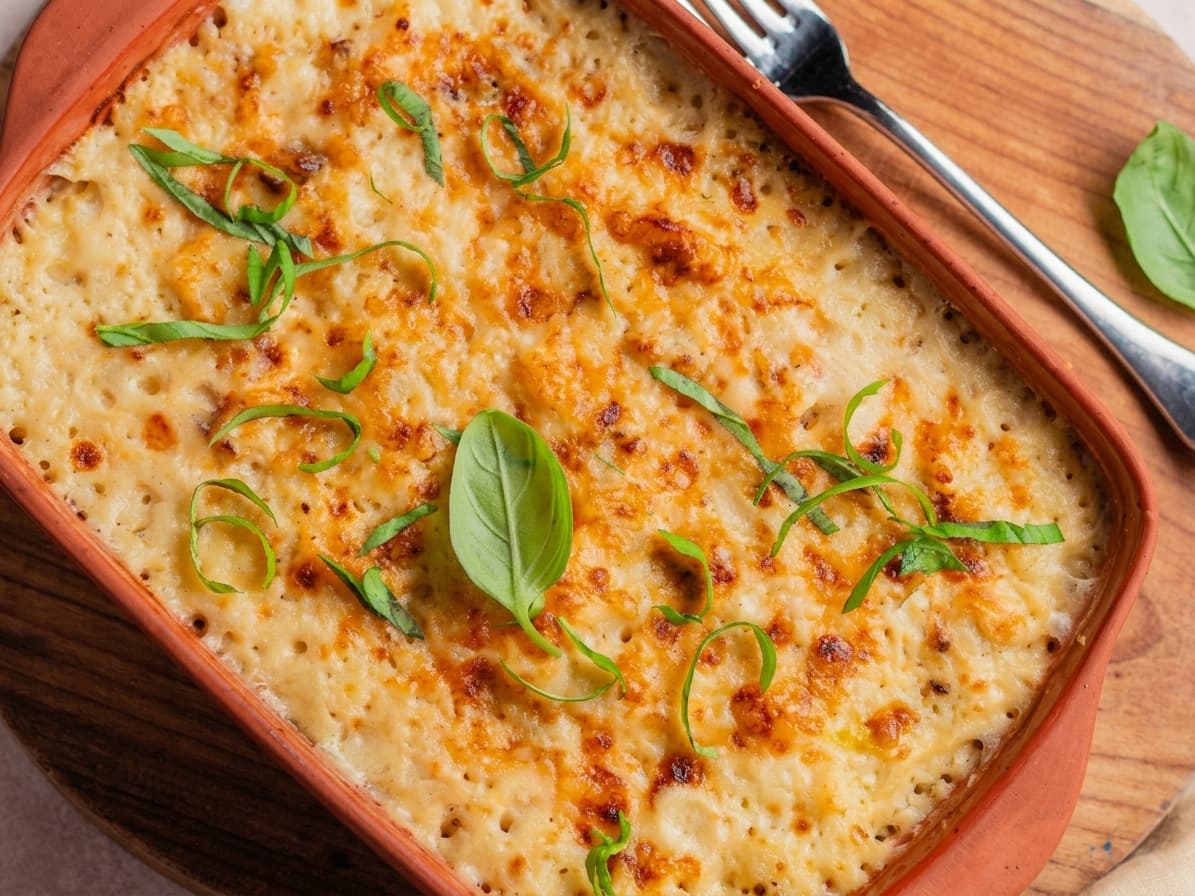
Bacalhau à Conde da Guarda
A creamy Portuguese cod dish made with shredded salt cod and potatoes, enriched with cream and baked until golden.
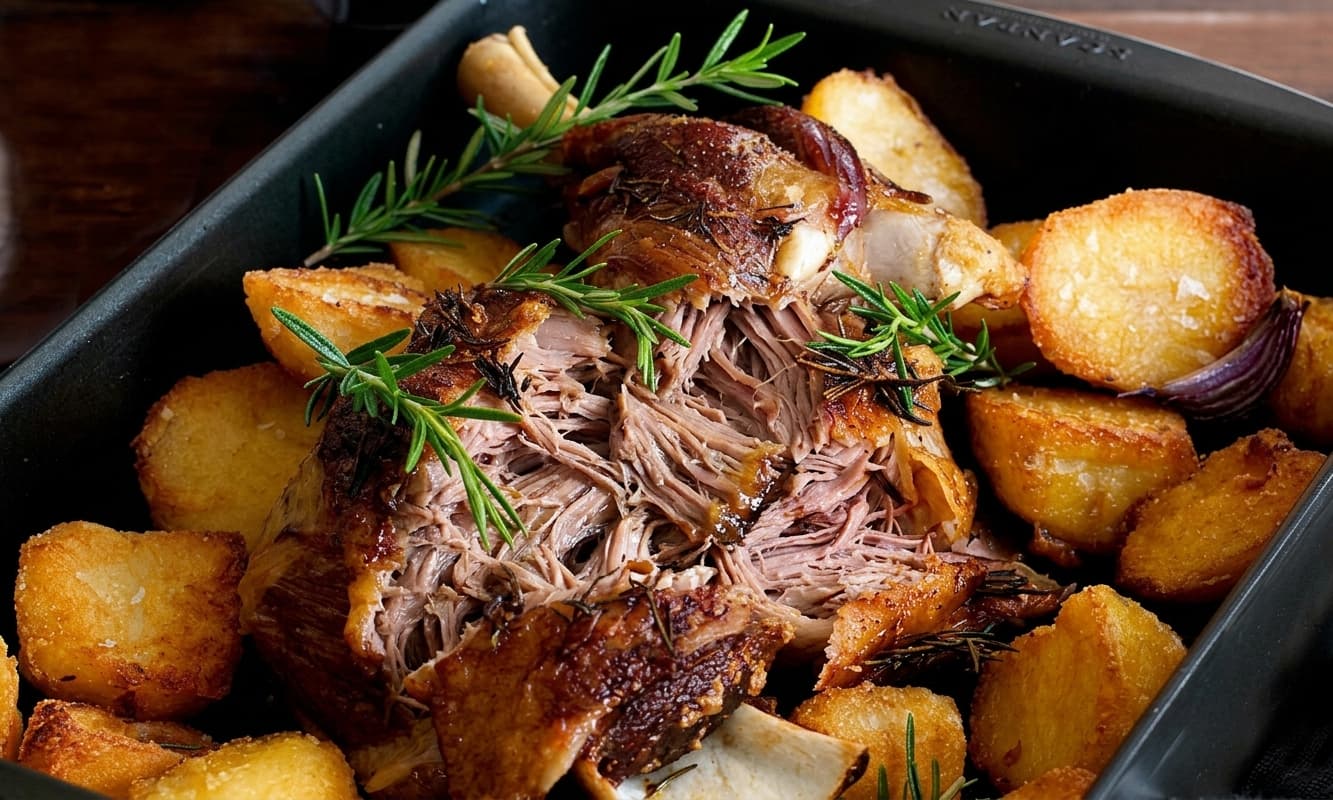
Cabrito Assado
Kid goat roasted in the oven, normally served with potatoes and traditional seasonings.
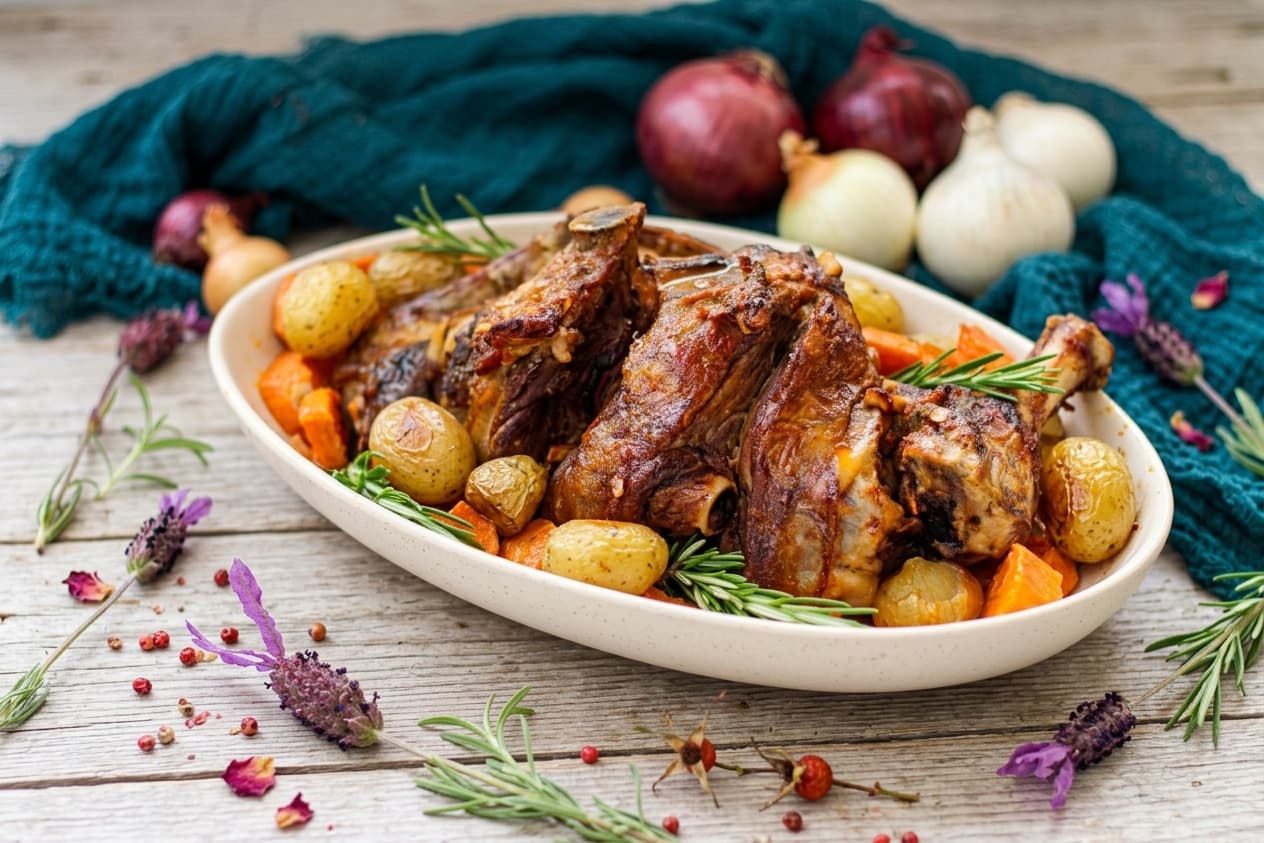
Borrego Assado
Another traditional roast from the district’s mountain areas.
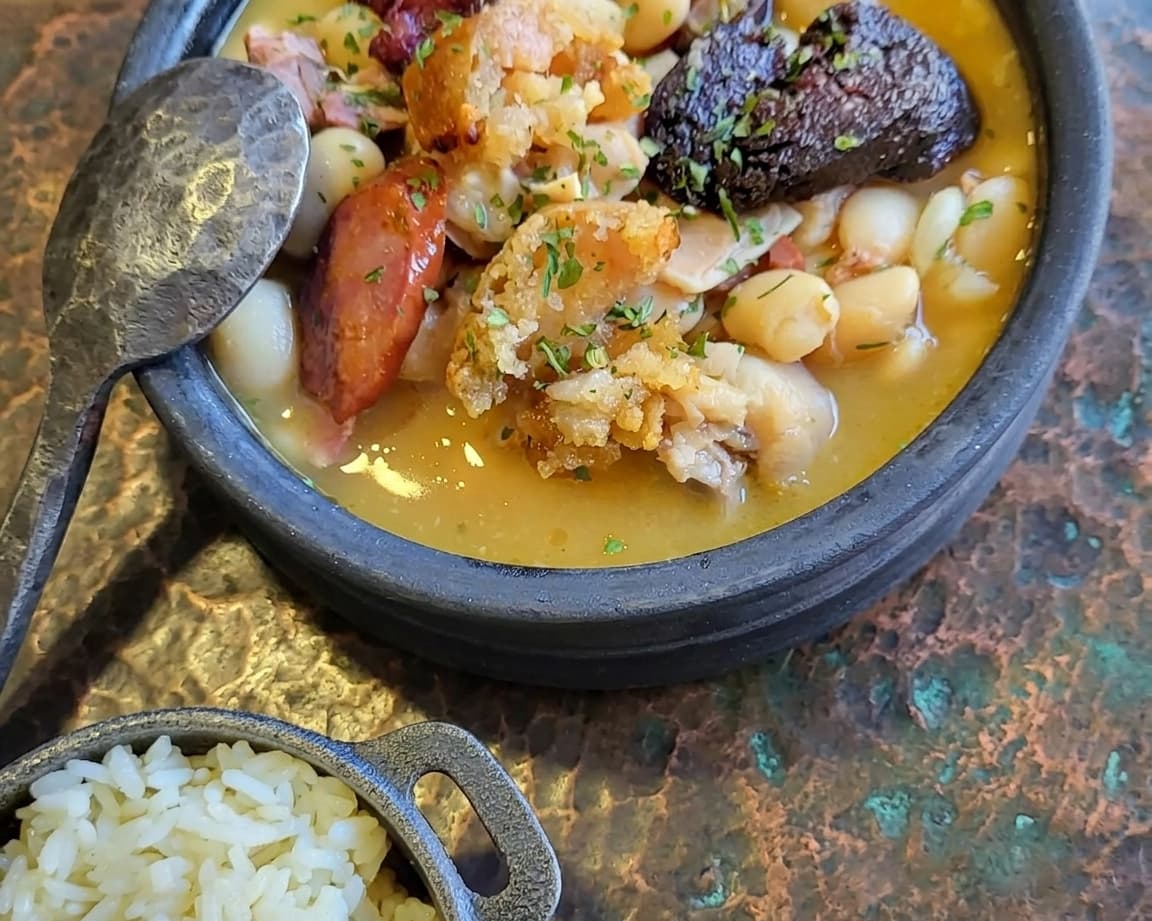
Feijocas à Moda da Guarda
A traditional dish prepared with large beans, meats and cured sausages.
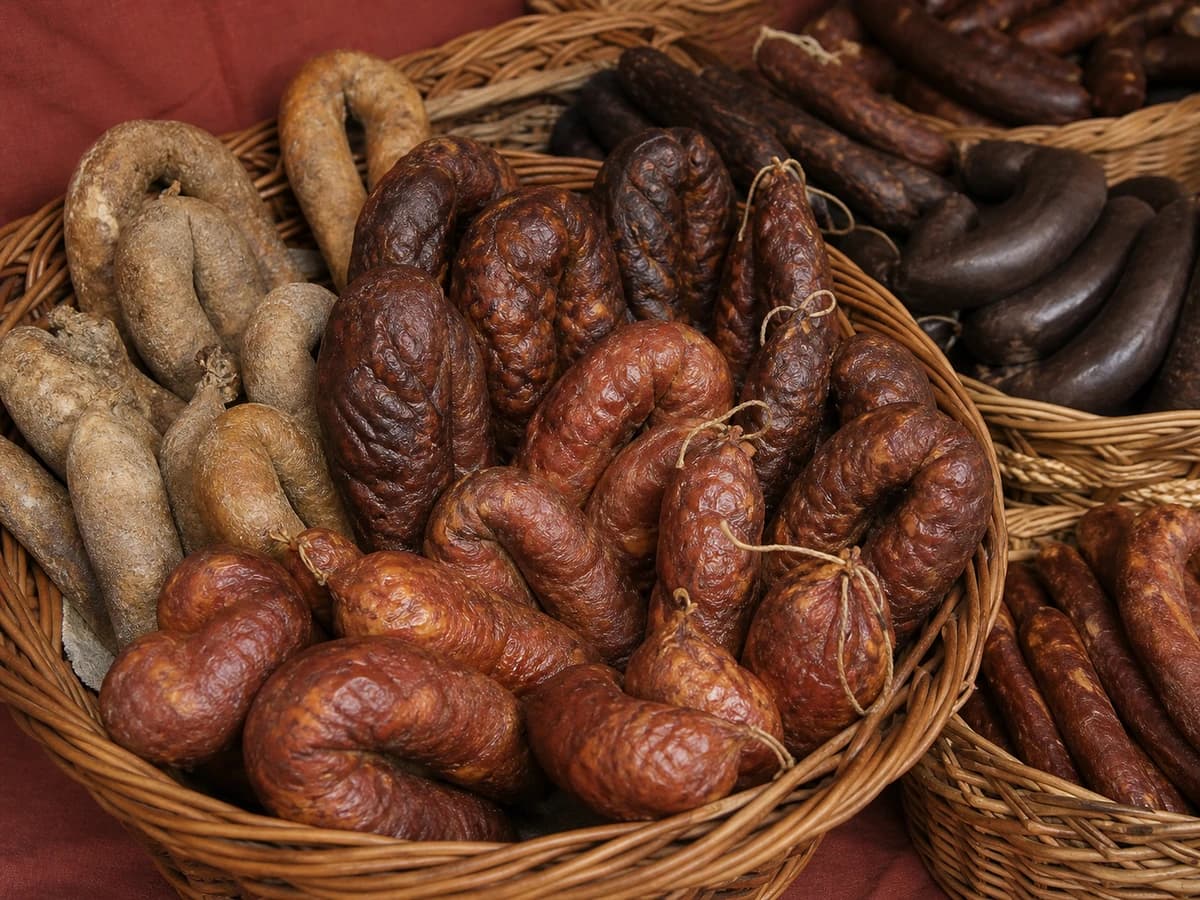
Enchidos da Beira
Blood sausage, farinheira, chouriça and other traditional cured sausages.
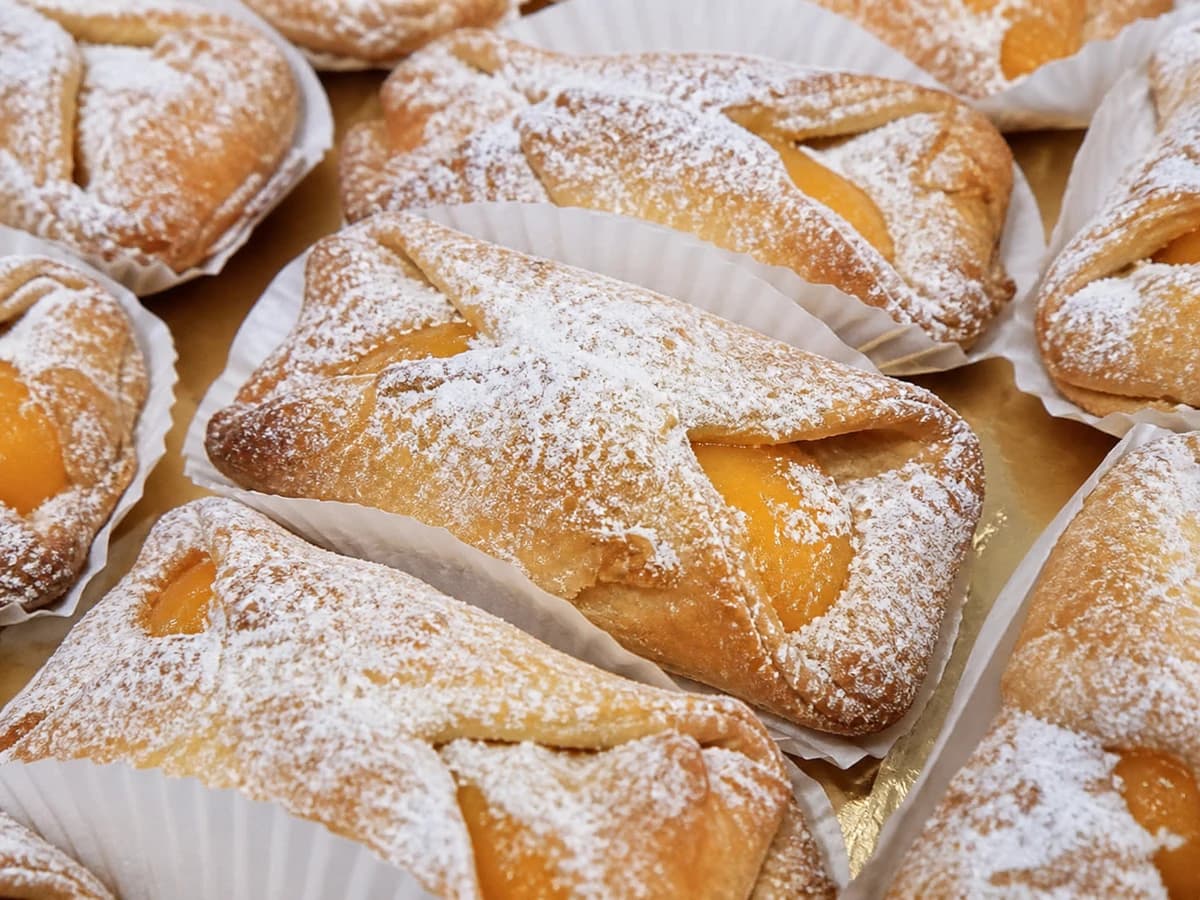
D. Sancho
A sweet associated with the city of Guarda and inspired by local history.
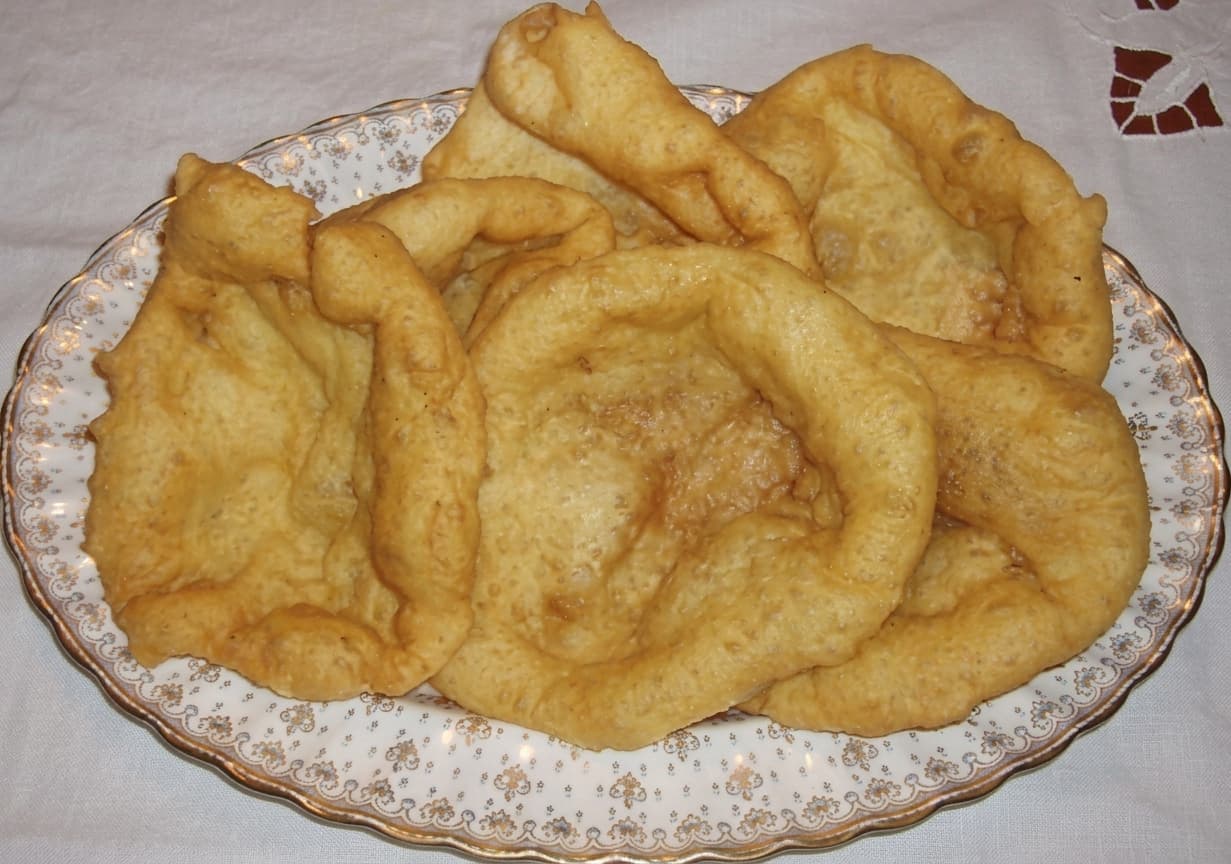
Filhós
A traditional fried sweet particularly common during festive seasons.
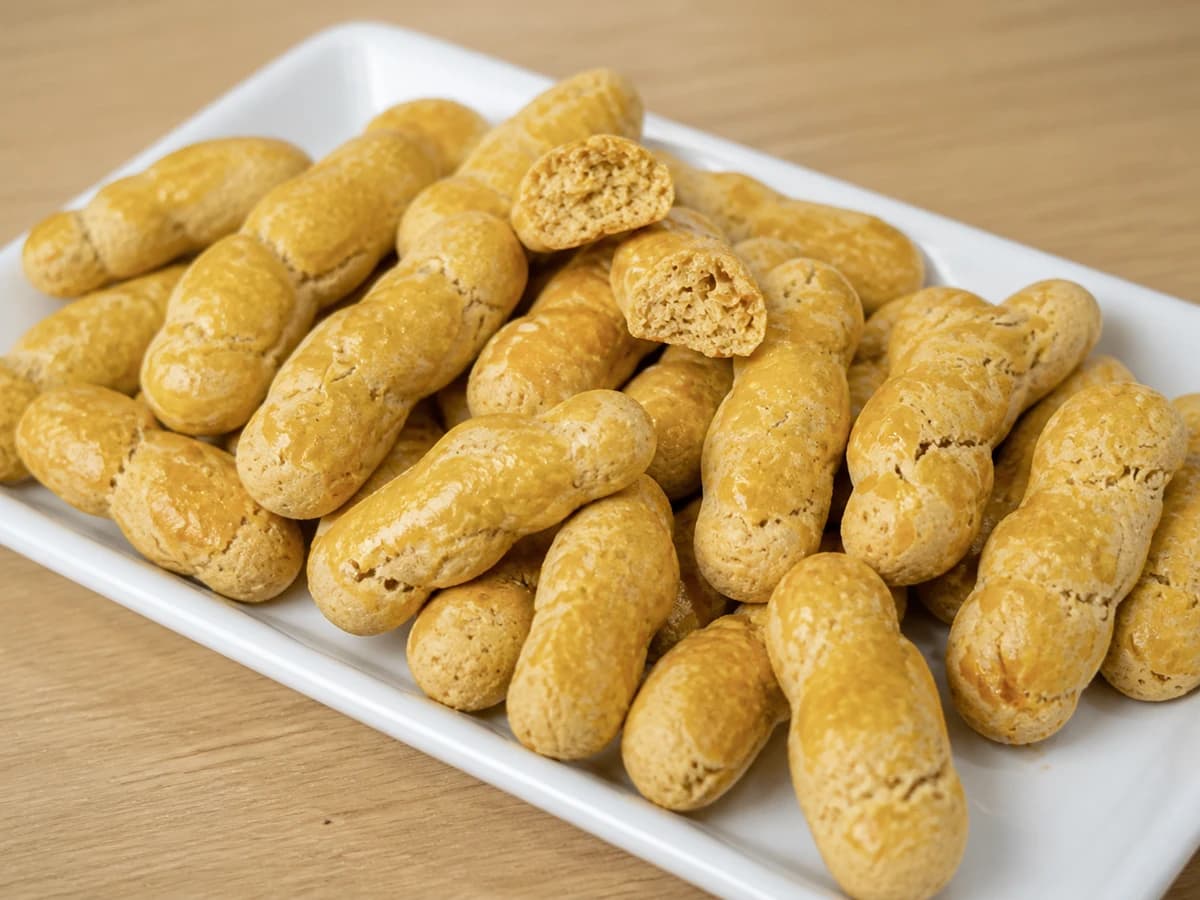
Biscoitos e Bolos de Azeite
A common part of traditional Beira Interior confectionery.
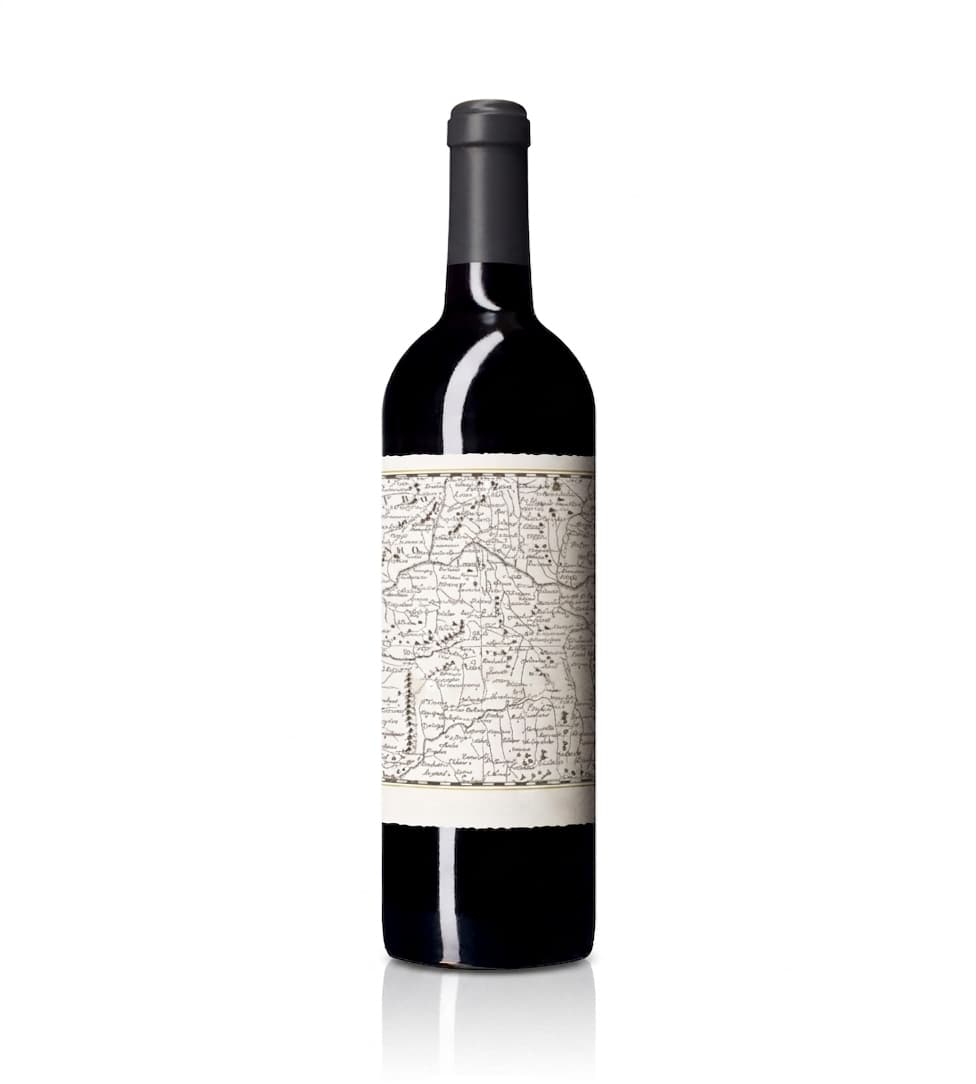
Vinho da Beira Interior
Guarda belongs to the Beira Interior wine region, known for high-altitude vineyards.
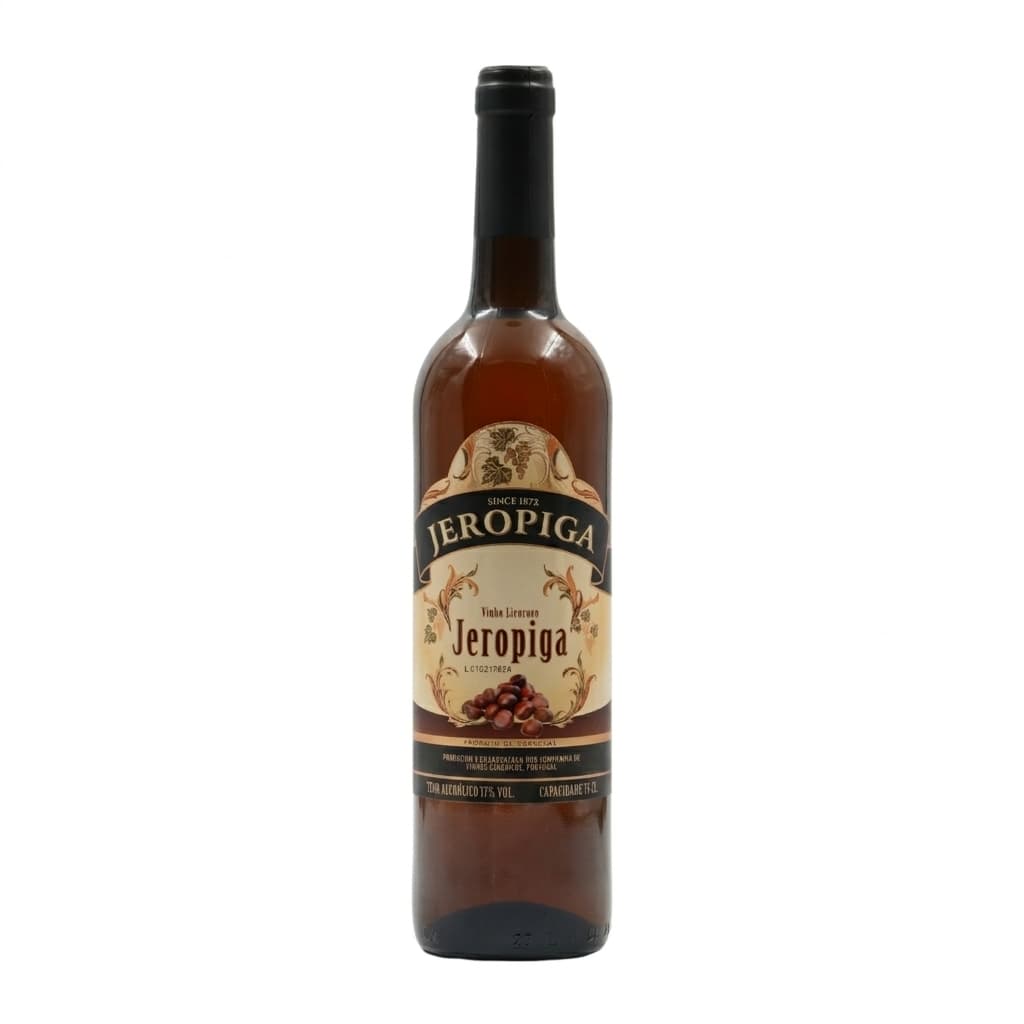
Jeropiga
A traditional Portuguese sweet fortified drink made by adding grape spirit to partially fermented grape must.
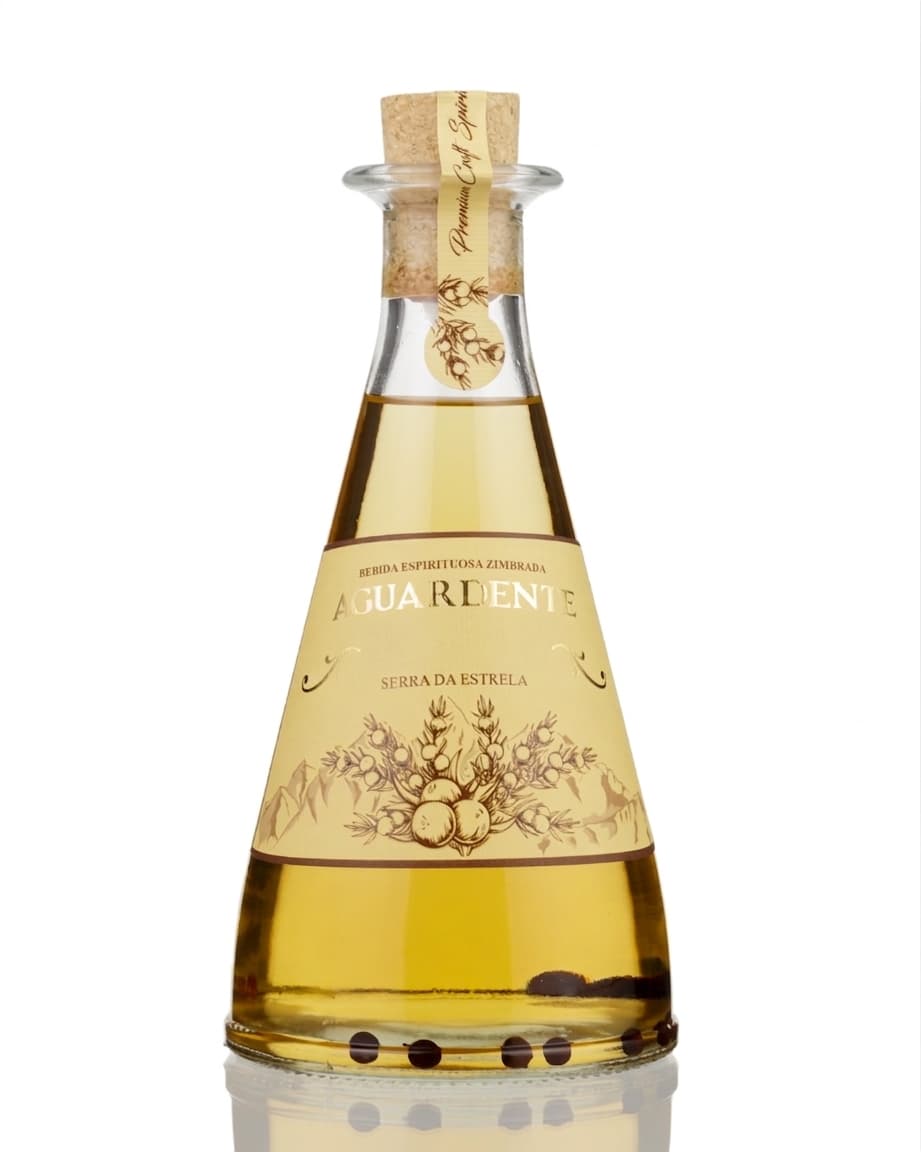
Aguardente de Zimbro
A traditional spirit from the Serra da Estrela region, aromatised with juniper berries and known for its distinctive herbal character.